.png)
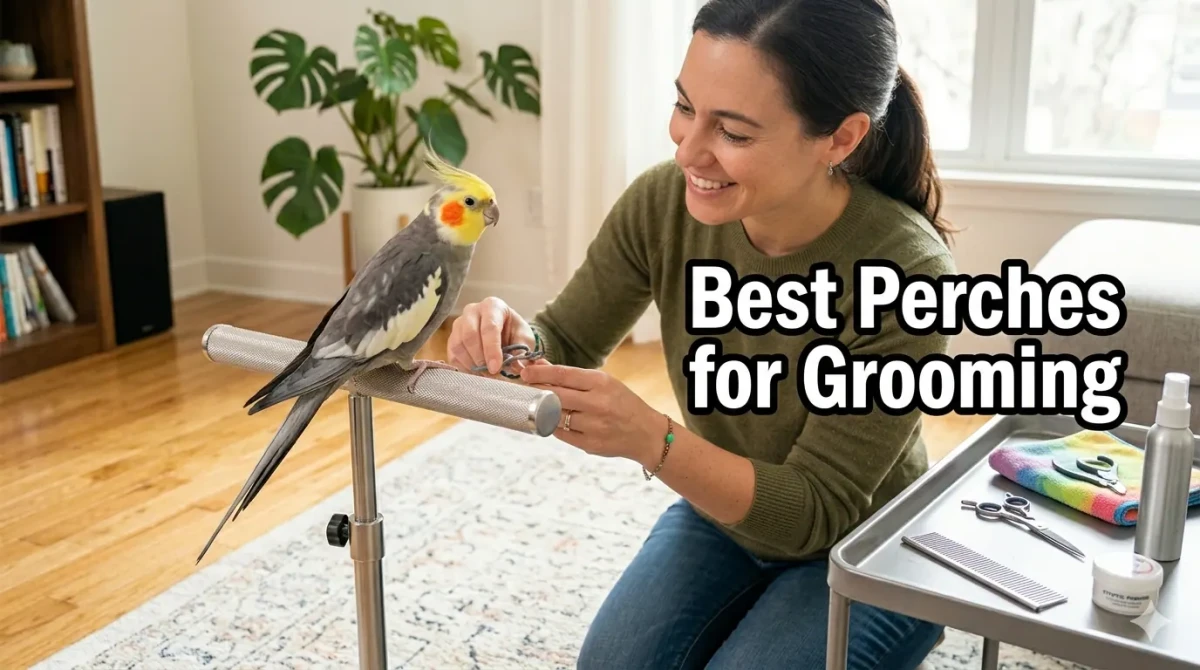
Understanding Grooming Perches and Their Importance for Bird Care
Best perches for grooming represent essential equipment for responsible bird owners who perform routine maintenance like nail trimming, wing clipping, and health inspections on their pet birds. A proper grooming perch provides stability, security, and proper positioning that makes grooming procedures safer, less stressful, and more efficient for both the bird and the owner. Unlike regular cage perches, grooming perches are specifically designed with features like adjustable height, secure clamping mechanisms, non-slip surfaces, and sometimes restraint options that facilitate safe handling during grooming procedures.
The connection between proper grooming equipment and bird welfare is well documented through avian veterinary recommendations and experienced bird keeper practices. Using appropriate grooming perches reduces stress during necessary maintenance procedures, minimizes the risk of injury to both bird and owner, and ensures proper positioning for accurate nail trimming and wing clipping. When birds feel secure on a stable grooming perch, they're less likely to struggle, bite, or become traumatized by necessary grooming procedures.
This comprehensive guide covers everything you need to know about selecting the best grooming perches for your bird, from understanding different perch types and features to evaluating quality and safety standards. Whether you have a small budgie requiring regular nail maintenance or a large parrot needing wing trims, these expert recommendations will help you choose grooming perches that ensure safety, reduce stress, and make routine maintenance procedures more manageable.
Why Proper Grooming Perches Matter for Bird Safety
Proper grooming perches are fundamental to safe and effective bird grooming procedures. The right perch provides stability that prevents falls, proper positioning that allows accurate trimming, and security features that minimize stress and struggling. Without appropriate grooming equipment, routine maintenance becomes more difficult, more stressful, and potentially dangerous for both bird and owner.
The consequences of using improper grooming surfaces extend beyond difficulty completing the task. Birds groomed on unstable or inappropriate surfaces are more likely to struggle, potentially causing injury from falls, broken nails, or improper wing clipping. Stress from insecure positioning can lead to negative associations with grooming, making future procedures more difficult. Additionally, poor positioning can result in uneven nail trims or wing clips that affect the bird's comfort and flight ability.
Preventive investment in quality grooming equipment is far more effective than dealing with injuries or behavioral problems resulting from inadequate equipment. By providing a proper grooming perch designed for safety and stability, you create a controlled environment that makes routine maintenance procedures safer, quicker, and less stressful for everyone involved.
What Features Make a Good Grooming Perch?
Quality grooming perches share specific design characteristics that ensure safety, stability, and functionality during grooming procedures. Understanding these features helps bird owners select perches that meet their specific needs while prioritizing their bird's safety and comfort.
Stability is the most critical feature, as grooming perches must remain completely stationary during nail trimming and wing clipping. Quality perches feature sturdy construction with weighted bases, secure clamping mechanisms, or suction cup attachments that prevent movement or tipping during use. The perch should not wobble, shift, or tip when the bird moves or struggles.
Adjustability allows customization for different bird sizes, grooming tasks, and owner comfort. Height-adjustable perches enable proper positioning for the owner to work comfortably while maintaining control. Adjustable perch diameter accommodates different bird species and sizes, ensuring proper foot positioning and grip during grooming procedures.
Non-slip surfaces prevent birds from slipping during grooming, which is essential for safety and reducing stress. Quality perches feature textured surfaces, rubberized coatings, or natural wood with appropriate grip that keeps birds secure without causing foot problems. The surface should provide traction without being so rough that it damages delicate foot pads.
Types of Grooming Perches for Birds

Grooming perches come in various designs suited for different bird sizes, grooming needs, and owner preferences. Understanding the different types helps bird owners select the most appropriate perch for their specific situation and bird species.
Clamp-on grooming perches attach securely to tables, countertops, or other flat surfaces using C-clamps or similar mechanisms. These perches offer excellent stability and adjustability, making them ideal for regular grooming sessions. They're particularly useful for medium to large birds that require secure positioning during nail trimming or wing clipping.
Suction cup grooming perches attach to smooth surfaces like glass, mirrors, or countertops using strong suction cups. These perches offer portability and easy setup without permanent mounting, making them convenient for occasional grooming or travel. They work well for small to medium-sized birds but may not provide sufficient stability for larger, stronger birds.
Freestanding grooming perches feature weighted bases that provide stability without requiring attachment to surfaces. These portable perches can be positioned anywhere and are ideal for owners who groom in different locations or lack suitable clamping surfaces. They're particularly useful for grooming larger birds that need more space.
Grooming perches with restraint features include loops, harnesses, or gentle holding mechanisms that help secure birds during grooming. These are particularly helpful for birds that struggle during grooming or for owners performing grooming procedures alone. Restraint features should be gentle and never cause discomfort or injury.
Which Grooming Perch Type Is Best for Small Birds?
Small birds like budgies, cockatiels, and lovebirds have specific grooming perch requirements based on their size, strength, and grooming needs. Selecting appropriate perches for small birds ensures safety while making grooming procedures manageable.
Suction cup perches work well for small birds, providing adequate stability without excessive bulk. These perches are easy to set up and remove, making them convenient for quick nail trims or wing checks. The smaller size and lighter weight of small birds means suction cups provide sufficient stability.
Small clamp-on perches with adjustable height offer versatility for small bird grooming. These perches can be positioned at comfortable working heights and provide excellent stability. Look for perches with smaller diameter perching surfaces (approximately 1/2 to 3/4 inch) appropriate for small bird feet.
Portable tabletop perches with weighted bases work well for small birds, offering flexibility in grooming location. These perches should have non-slip bases and appropriate perch diameter for small bird comfort and safety during grooming procedures.
What Grooming Perches Work Best for Large Parrots?
Large parrots including macaws, cockatoos, and African greys require sturdy, heavy-duty grooming perches that can withstand their strength and size. Selecting appropriate perches for large birds is critical for safety during grooming procedures.
Heavy-duty clamp-on perches with reinforced construction provide the stability necessary for large parrot grooming. These perches should feature thick, sturdy perches (1 to 1.5 inches diameter), robust clamping mechanisms, and weight capacity sufficient for large birds. Look for perches specifically designed for large parrots.
Freestanding grooming perches with weighted bases offer stability for large birds while providing flexibility in positioning. These perches should have substantial base weight (often 10+ pounds) to prevent tipping when large birds move or struggle. The perch should be tall enough for comfortable working height.
Grooming perches with restraint features are particularly valuable for large parrots, as they provide additional security during nail trimming and wing clipping. Restraint systems should be adjustable, comfortable, and designed specifically for large bird safety without causing stress or injury.
Evaluating Quality and Safety in Grooming Perches

Selecting high-quality grooming perches requires evaluating specific characteristics that impact safety, durability, and functionality. Understanding quality indicators helps bird owners choose products that provide reliable performance while prioritizing their bird's safety during grooming procedures.
Construction quality directly affects perch stability and longevity. Quality grooming perches feature solid materials like stainless steel, aluminum, or high-quality hardwoods that resist bending, breaking, or wear. Avoid perches made from flimsy materials, thin plastics, or poorly constructed components that could fail during use.
Clamping mechanisms and attachment systems must be secure and reliable. Quality clamps feature strong grip, protective padding to prevent surface damage, and easy adjustment without slipping. Suction cups should be large, high-quality, and designed to maintain strong adhesion even with bird movement. Test attachment security before placing your bird on the perch.
Surface texture and material affect both bird comfort and grip during grooming. Quality perches feature non-slip surfaces that provide adequate traction without being abrasive. Natural wood perches should be smooth but not slippery, while synthetic surfaces should have appropriate texture for secure footing.
What Safety Standards Should Grooming Perches Meet?
Safety certifications and quality standards provide assurance that grooming perches meet requirements for bird safety and product reliability. Evaluating compliance helps bird owners select products that prioritize their bird's wellbeing during grooming procedures.
Non-toxic materials are essential for all bird products, as birds may chew on perch surfaces. Quality grooming perches use materials that are safe if ingested, including untreated natural woods, food-grade plastics, or coated metals that won't harm birds if chewed. Avoid perches with lead, zinc, or other toxic materials.
Weight capacity ratings indicate the maximum bird weight the perch can safely support. Quality perches clearly state weight limits and are designed with safety margins exceeding stated capacities. Never exceed the manufacturer's weight rating, and choose perches with capacity exceeding your bird's weight.
Stability testing ensures perches remain secure during use. Quality manufacturers test their products for stability under various conditions including bird movement, struggling, and different positioning. Look for perches from reputable manufacturers who test their products for safety.
How Do You Assess Durability and Long-Term Value?
Evaluating grooming perch durability requires considering materials, construction quality, and manufacturer reputation rather than focusing solely on purchase price. Understanding durability factors helps bird owners make economical choices that provide long-term value.
Material quality determines how well perches withstand regular use, cleaning, and exposure to bird waste. Stainless steel and aluminum resist corrosion and are easy to clean, making them ideal for grooming perches. Natural hardwoods should be dense, smooth, and resistant to moisture damage. Avoid materials that rust, warp, or degrade with regular cleaning.
Construction quality affects how well perches maintain stability and functionality over time. Look for reinforced joints, secure fasteners, and quality welding or assembly. Perches with replaceable parts like perch dowels or suction cups offer better long-term value than those requiring complete replacement when components wear.
Manufacturer warranty and customer support reflect confidence in product quality. Brands offering warranties or responsive customer service demonstrate commitment to product quality and customer satisfaction. These protections add value beyond the initial purchase price.
Setting Up and Using Grooming Perches Safely

Proper setup and usage of grooming perches is essential for bird safety and successful grooming sessions. Understanding correct setup procedures and safe usage practices prevents accidents and ensures grooming procedures are as stress-free as possible.
Surface preparation is critical for secure perch attachment. Ensure clamping surfaces are clean, flat, and stable before attaching clamp-on perches. For suction cup perches, clean the mounting surface thoroughly to remove dust, grease, or moisture that could reduce adhesion. Test attachment security by applying pressure before placing your bird on the perch.
Height adjustment should position the perch at a comfortable working height that allows you to groom effectively while maintaining control. The perch should be high enough for comfortable access but not so high that a falling bird could be injured. Generally, waist to chest height works well for most grooming tasks.
Pre-grooming safety checks ensure all components are secure before placing your bird on the perch. Verify that clamps are tight, suction cups are adhered properly, perch dowels are secure, and any restraint features are functioning correctly. Never place your bird on a perch that feels unstable or insecure.
How Do You Introduce Your Bird to a Grooming Perch?
Introducing birds to grooming perches gradually reduces stress and creates positive associations with grooming procedures. Understanding proper introduction techniques helps ensure your bird accepts the grooming perch willingly rather than fearing it.
Begin by placing the grooming perch near your bird's cage without using it, allowing your bird to observe and investigate it voluntarily. This familiarization period helps your bird become comfortable with the perch's presence without pressure. Offer treats near the perch to create positive associations.
Progress to placing your bird on the perch for short, positive experiences without grooming. Offer favorite treats, toys, or praise while your bird is on the perch, keeping sessions brief and positive. Gradually increase duration as your bird becomes more comfortable.
Practice grooming motions without actually trimming to desensitize your bird to the process. Touch their feet with clippers without cutting, or touch wings with scissors without trimming. Reward calm behavior generously to build positive associations with grooming procedures on the perch.
What Safety Precautions Should You Follow During Grooming?
Following safety precautions during grooming prevents injury to both bird and owner while ensuring procedures are completed successfully. Understanding and implementing safety protocols is essential for responsible bird care.
Always have a second person assist when grooming larger birds or birds that struggle during procedures. Having someone hold the bird securely while you trim reduces stress and improves safety. For solo grooming, use gentle restraint features designed for grooming perches.
Keep grooming tools organized and within reach to maintain control of your bird throughout the procedure. Never leave your bird unattended on a grooming perch, even for a moment. Maintain one hand on your bird at all times during grooming to prevent falls or escapes.
Know when to stop if your bird becomes excessively stressed. Signs of severe stress include panting, flapping, aggressive behavior, or attempting to escape. If your bird becomes too stressed, stop the grooming session and try again later or seek professional assistance from an avian veterinarian or experienced groomer.
Maintaining and Cleaning Grooming Perches

Proper maintenance and cleaning of grooming perches ensures longevity, hygiene, and continued safety for your bird. Regular care prevents the buildup of bacteria, maintains perch stability, and ensures the perch remains safe for repeated use.
Regular cleaning after each grooming session removes feathers, nail clippings, and biological material that can harbor bacteria. Use bird-safe disinfectants or mild soap and water to clean perch surfaces, clamping mechanisms, and any restraint features. Rinse thoroughly and allow to dry completely before storage or reuse.
Inspecting perch components regularly identifies wear, damage, or loose parts that could compromise safety. Check clamping mechanisms for wear, suction cups for cracks or loss of adhesion, perch dowels for cracks or splinters, and all fasteners for tightness. Replace worn or damaged components immediately.
Proper storage protects grooming perches from damage when not in use. Store perches in dry locations away from moisture, extreme temperatures, or direct sunlight that could degrade materials. Disassemble portable perches if recommended by the manufacturer to prevent damage during storage.
How Often Should You Replace Grooming Perch Components?
Understanding when to replace grooming perch components ensures continued safety and functionality. Different components have varying lifespans based on material, usage frequency, and care.
Suction cups should be replaced when they show cracks, lose adhesion strength, or become stiff and inflexible. Even high-quality suction cups wear over time and should be replaced proactively every 6-12 months with regular use, or immediately if adhesion weakens.
Perch dowels made from natural wood should be replaced when they develop cracks, splinters, or excessive wear that creates uneven surfaces. Wood perches typically last 6-18 months depending on bird size, chewing behavior, and cleaning frequency. Synthetic perches last longer but should be replaced if they develop cracks or become slippery.
Clamping mechanisms and metal components should be inspected regularly and replaced if they show signs of corrosion, bending, or wear that affects grip strength. Quality metal components can last years with proper care, but should be replaced immediately if they show any signs of failure.
Frequently Asked Questions About Grooming Perches

Can I Use a Regular Cage Perch for Grooming?
Regular cage perches are not suitable for grooming procedures as they lack the stability, positioning, and safety features necessary for safe nail trimming and wing clipping. Cage perches are designed for roosting, not for the controlled positioning required during grooming.
Grooming perches provide stability that prevents movement during trimming, proper height for owner access, and often include safety features like restraints. Using a cage perch for grooming increases the risk of injury to both bird and owner, makes accurate trimming difficult, and can create negative associations with grooming.
Invest in a proper grooming perch designed for the purpose to ensure safety and make grooming procedures more manageable. Quality grooming perches are affordable and provide long-term value through safer, easier grooming sessions.
Are Suction Cup Perches Safe for Large Birds?
Suction cup perches are generally not recommended for large birds like macaws, cockatoos, or large Amazons, as these birds' strength and weight can exceed the holding capacity of even high-quality suction cups. Large birds can generate significant force when struggling, potentially causing suction cups to fail.
For large birds, clamp-on perches or freestanding perches with weighted bases provide more reliable stability and safety. These attachment methods are less likely to fail under the weight and strength of large birds, reducing the risk of falls or injuries during grooming.
If you must use a suction cup perch for a medium-sized bird, ensure it's rated for your bird's weight, use multiple suction cups for added security, and always test adhesion thoroughly before placing your bird on the perch. Never leave your bird unattended on a suction cup perch.
How Do I Choose the Right Perch Diameter for My Bird?
Choosing appropriate perch diameter is essential for your bird's foot health and comfort during grooming. The perch should allow your bird's toes to wrap around approximately 2/3 to 3/4 of the perch circumference, providing secure grip without strain.
Small birds like budgies and cockatiels need perches 1/2 to 3/4 inch in diameter. Medium birds like conures and small Amazons need 3/4 to 1 inch diameter perches. Large birds like macaws and cockatoos need 1 to 1.5 inch diameter perches. Adjustable perches or perches with multiple diameter options offer versatility for different birds or growing birds.
Perches that are too large prevent secure grip and can cause your bird to feel unstable during grooming. Perches that are too small can cause foot strain and don't provide adequate stability. When in doubt, consult an avian veterinarian or experienced bird groomer for diameter recommendations specific to your bird species.
Conclusion

Selecting the best perches for grooming requires understanding your bird's specific needs, evaluating quality and safety features, and committing to proper setup and maintenance. While grooming perches represent an additional investment in bird care, they provide essential safety, stability, and convenience that make routine maintenance procedures safer and less stressful for both bird and owner.
Remember that proper grooming equipment is just one component of comprehensive bird care. Regular grooming, when done safely and humanely, maintains your bird's health, prevents problems, and strengthens the bond between you and your companion. Combined with proper technique, patience, and positive reinforcement, quality grooming perches make routine maintenance manageable rather than stressful.
Your commitment to providing proper grooming equipment demonstrates dedication to your bird's health and wellbeing. With the knowledge and strategies provided in this guide, you can confidently select and use grooming perches that ensure safety, reduce stress, and make routine maintenance procedures more successful for you and your feathered companion.

0 Comments