.png)
Understanding Bird Bathing Needs and Benefits
Bird bathing tips at home are essential knowledge for any responsible pet bird owner who wants to maintain their feathered companion's health, happiness, and plumage quality. Bathing is not merely a cosmetic activity for birds but a fundamental aspect of their hygiene and overall wellbeing that mirrors natural behaviors observed in wild bird populations. In their natural habitats, birds regularly bathe in rain puddles, dew covered vegetation, streams, and waterfalls to maintain feather condition, remove dust and debris, and support skin health.
Regular bathing provides numerous benefits for pet birds beyond simple cleanliness. Bathing helps maintain the integrity and flexibility of feathers by removing old oil and dirt that can cause feathers to become brittle and damaged. When birds bathe, they spread natural oils from their preen gland throughout their plumage, which waterproofs feathers and keeps them supple. This oil distribution is crucial for flight capability, temperature regulation, and overall feather health.
Bathing also supports skin health by preventing dryness and flakiness that can lead to irritation and excessive scratching. The moisture from bathing helps loosen keratin sheaths on new feathers during molting, making the process more comfortable for your bird. Additionally, bathing provides mental stimulation and enrichment, as most birds genuinely enjoy water activities and find bathing to be a pleasurable experience that reduces stress and prevents boredom.
Why Regular Bathing Is Essential for Pet Birds
Regular bathing is crucial for maintaining your pet bird's physical health and psychological wellbeing. Birds in captivity do not have access to natural rain or diverse water sources like their wild counterparts, making it the owner's responsibility to provide regular bathing opportunities. Without adequate bathing, birds can develop numerous health issues including dry itchy skin, damaged feathers, difficulty molting, and increased susceptibility to parasites and skin infections.
The frequency and method of bathing can significantly impact your bird's feather quality and overall appearance. Well bathed birds display brighter, more vibrant plumage with properly aligned feathers that reflect light beautifully. In contrast, birds that rarely bathe often have dull, disheveled feathers that appear dirty or matted. This is not merely an aesthetic concern but indicates underlying health issues that can affect your bird's comfort and quality of life.
Bathing also plays an important role in temperature regulation for birds. As water evaporates from feathers, it provides a cooling effect that helps birds manage their body temperature, particularly during warm weather or in heated indoor environments. This natural cooling mechanism is especially important for birds kept indoors where temperature and humidity levels may differ significantly from their natural habitats.
How Does Bathing Support Feather Health and Molting?
Bathing is particularly important during molting periods when birds shed old feathers and grow new ones. New feathers emerge encased in keratin sheaths that must be broken down and removed to allow the feather to fully develop and function properly. Water helps soften these sheaths, making them easier for birds to remove through preening. Without adequate moisture, the sheaths can become hard and difficult to remove, causing discomfort and potentially damaging emerging feathers.
During molting, birds often experience itchy, irritated skin as new feathers push through follicles. Regular bathing provides relief from this discomfort by moisturizing the skin and reducing inflammation. The combination of water and gentle preening after bathing helps birds manage the physical stress of molting more effectively, resulting in healthier new feather growth and shorter, more comfortable molting periods.
Bathing also helps distribute preen oil more effectively throughout the plumage. Birds produce oil from the uropygial gland located at the base of their tail, which they spread across feathers during preening. Water helps emulsify and distribute this oil evenly, ensuring all feathers receive the waterproofing and conditioning benefits. This is particularly important for maintaining flight feathers and tail feathers that are critical for mobility and balance.
Different Bird Bathing Methods for Home Use

There are several effective methods for bathing pet birds at home, and the best approach often depends on your individual bird's preferences, species, size, and temperament. Some birds enthusiastically embrace certain bathing methods while showing resistance to others. Understanding the various options allows you to experiment and discover what works best for your feathered companion while ensuring bathing remains a positive, stress free experience.
The most common bathing methods include shallow dish bathing, mist or spray bathing, shower perches, sink or tub bathing, and wet leaf or vegetation bathing. Each method offers distinct advantages and may appeal to different personality types and species. Many bird owners find success using multiple methods on rotation to provide variety and enrichment while ensuring their bird receives adequate bathing opportunities regardless of mood or circumstances.
Regardless of the method chosen, certain principles apply universally. Always use clean, lukewarm water that is comfortable to the touch. Never use soaps, shampoos, or chemicals unless specifically prescribed by an avian veterinarian for medical conditions. Ensure the bathing environment is warm, draft free, and safe from hazards. Most importantly, never force a bird to bathe, as this creates negative associations and can damage your relationship with your pet.
What Is the Best Shallow Dish Bathing Method?
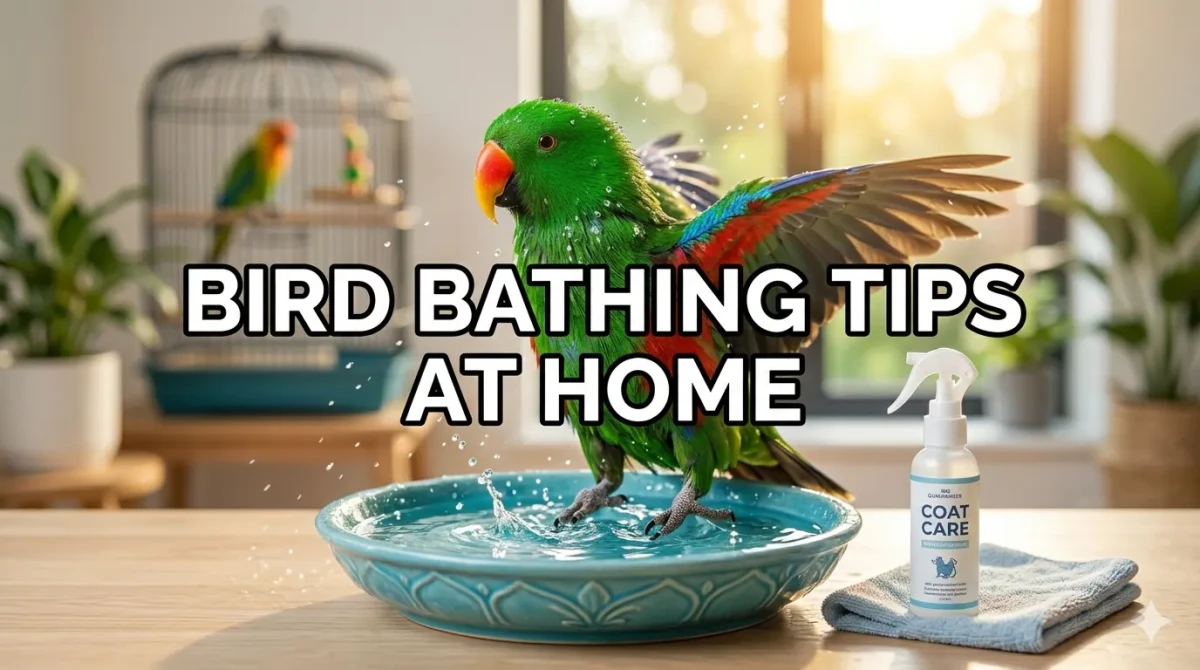
Shallow dish bathing is one of the most natural and widely accepted bathing methods for pet birds, particularly for species like cockatiels, budgies, conures, and lovebirds. This method involves placing a shallow dish or bowl of lukewarm water in your bird's cage or in a secure bathing area where your bird can enter and exit freely. The water should be no deeper than one to two inches to ensure safety and prevent accidental drowning.
To implement shallow dish bathing, select a sturdy, non slip dish that will not tip easily when your bird lands on the edge or enters the water. Ceramic or heavy plastic dishes work well. Fill the dish with lukewarm water and place it in a familiar location, either inside the cage or on a secure surface nearby. Some birds prefer bathing in their cage where they feel safe, while others enjoy a special bathing station outside the cage.
Encourage your bird to investigate the dish by placing favorite toys nearby or gently splashing your fingers in the water to demonstrate. Never force your bird into the water. Many birds will naturally step in and begin splashing once they feel comfortable. Allow your bird to bathe for as long as desired, typically ten to fifteen minutes, then remove the dish and allow your bird to dry in a warm, draft free area.
How Do You Safely Use Mist or Spray Bathing?
Mist or spray bathing is an excellent method for birds who enjoy gentle water exposure or for species that naturally prefer rain bathing in the wild. This technique uses a clean spray bottle filled with lukewarm water to create a fine mist that simulates natural rainfall. Spray bathing is particularly effective for larger parrots like African Greys, Amazons, and macaws, though many smaller species also enjoy this method when introduced properly.
To use mist bathing safely, select a spray bottle that produces a fine, gentle mist rather than a strong stream that could startle or discomfort your bird. Fill the bottle with lukewarm water and test the spray away from your bird to ensure the pressure and temperature are appropriate. Never use water that is too cold or too hot, as extreme temperatures can shock or burn your bird's sensitive skin.
Begin by spraying the water above your bird's head, allowing the mist to fall gently downward like natural rain. Never spray directly at your bird's face, as this can cause fear and respiratory irritation. Watch your bird's body language carefully. Signs of enjoyment include wing lifting, tail fanning, crouching posture, and happy vocalizations. If your bird shows signs of stress such as crouching low, hissing, or attempting to flee, stop immediately and try again later with a gentler approach.
Some birds prefer mist bathing outside the cage in a bathroom or other easy to clean area, while others are comfortable being misted in their cage. Always ensure the room is warm and draft free during and after bathing. Allow your bird to shake off excess water and preen in a comfortable location until completely dry.
Using Shower Perches for Bird Bathing

Shower perches offer an excellent bathing opportunity that many birds enthusiastically enjoy, particularly species that naturally seek out water sources in the wild. A shower perch is a specially designed perch that suctions securely to your shower wall, allowing your bird to safely accompany you into the shower environment and enjoy the gentle spray of water.
This bathing method provides several advantages beyond simple hygiene. Shower bathing allows birds to experience a more natural rainfall simulation with consistent water flow and temperature. The bathroom environment typically provides adequate warmth and humidity that supports comfortable bathing. Additionally, shower time can strengthen the bond between you and your bird through shared activity and positive interaction.
However, shower perches require careful safety considerations. Always use a perch specifically designed for shower use with strong, reliable suction cups. Test the perch thoroughly before placing your bird on it to ensure it remains securely attached. Position the perch away from direct water spray to prevent your bird from being overwhelmed by water pressure, and never use soaps, shampoos, or bath products that could create harmful fumes or residue.
What Safety Precautions Are Necessary for Shower Bathing?
Shower bathing requires strict adherence to safety protocols to prevent accidents and ensure your bird's wellbeing. First and foremost, never allow your bird to perch on your shoulder or hand in the shower, as wet surfaces are slippery and a fall could cause serious injury. Always use a properly designed shower perch that attaches securely to a flat shower surface.
Water temperature is critical for shower bathing safety. The water should be lukewarm, comfortable to your touch, and never hot enough to create steam. Steam can cause respiratory distress in birds and potentially fatal lung damage. Keep the bathroom door slightly open or ensure adequate ventilation to prevent steam buildup and maintain comfortable air quality.
Never use any bath products, soaps, shampoos, or essential oils when bathing with your bird present. Birds have extremely sensitive respiratory systems, and fumes from these products can cause severe respiratory irritation or toxicity. The shower should use clean water only. Additionally, ensure water pressure is gentle and never directed forcefully at your bird. A gentle rain like setting is ideal.
Always supervise your bird closely during shower bathing and limit sessions to ten to fifteen minutes to prevent chilling. After bathing, allow your bird to dry completely in a warm, draft free area before returning to the cage. Never place a wet bird back into a cage where it could be exposed to drafts or cold temperatures.
Bathing Frequency and Timing Considerations

Determining the appropriate bathing frequency for your pet bird depends on several factors including species, climate, season, individual preferences, and overall health. While there is no universal rule that applies to all birds, most pet birds benefit from bathing opportunities two to four times per week. Some enthusiastic bathers may enjoy daily bathing, while more reserved individuals may prefer bathing once or twice weekly.
Environmental factors significantly influence bathing needs. Birds living in dry climates or homes with low humidity from heating or air conditioning may benefit from more frequent bathing to maintain skin and feather moisture. Conversely, birds in humid environments may require less frequent bathing. During molting periods, increasing bathing frequency can provide significant comfort and support healthy feather growth.
Timing of baths is also important for your bird's comfort and health. Morning bathing is often ideal as it allows birds to dry completely during the day when temperatures are typically warmer and natural light supports preening and drying activities. Avoid bathing birds late in the evening when they may not have adequate time to dry before nighttime temperature drops, which could lead to chilling.
How Do Seasons Affect Bird Bathing Needs?
Seasonal changes significantly impact bird bathing requirements and preferences. During winter months, indoor heating creates dry air that can cause skin irritation and feather problems, making regular bathing even more important despite colder outdoor temperatures. However, winter bathing requires extra care to ensure birds dry completely in warm, draft free environments to prevent chilling.
Summer bathing often becomes more frequent and enthusiastic as birds naturally seek cooling opportunities. Many birds that resist bathing in cooler months become eager bathers during warm weather. Increased bathing frequency during summer helps birds regulate body temperature and manage the additional dust and debris that can accumulate during active months.
Spring and fall molting seasons typically require increased bathing frequency to support the physiological stress of feather replacement. During these periods, offering daily bathing opportunities can provide significant comfort and facilitate the molting process. Pay close attention to your bird's behavior and adjust bathing frequency based on individual needs rather than rigid schedules.
Creating a Safe and Comfortable Bathing Environment

The bathing environment plays a crucial role in your bird's willingness to bathe and overall safety during the activity. Creating an optimal bathing space requires attention to temperature, security, accessibility, and freedom from hazards that could frighten or harm your bird.
Temperature control is paramount for safe bird bathing. The bathing area should be warm, typically between 75 and 85 degrees Fahrenheit, and completely free from drafts that could chill a wet bird. Close windows and doors to prevent drafts, and avoid bathing near air conditioning vents, fans, or open windows. After bathing, ensure your bird has access to a warm, dry area for preening and drying.
Security and familiarity help reduce stress and encourage bathing behavior. Many birds prefer bathing in or near their cage where they feel safe and secure. If bathing outside the cage, choose a consistent location and use familiar perches, toys, or dishes to create a sense of continuity. Sudden environmental changes or unfamiliar settings can frighten birds and create negative associations with bathing.
Remove or secure potential hazards before bathing. This includes ceiling fans, open flames, hot surfaces, toxic plants, and other pets that could pose threats to a distracted or wet bird. Ensure all windows and doors are closed to prevent escape attempts, particularly if your bird becomes excited or startled during bathing.
What Should You Do After Your Bird Bathes?
Post bath care is essential for preventing chilling and ensuring your bird remains healthy and comfortable. After bathing, immediately provide a warm, draft free environment where your bird can shake off excess water and begin preening. Most birds instinctively shake vigorously after bathing to remove water from feathers, followed by extensive preening to realign feathers and distribute oils.
Allow your bird to dry naturally through preening and shaking rather than attempting to towel dry, which can damage feathers and cause stress. However, you can gently blot excess water from large birds with a soft, clean towel if they allow it, being careful not to rub or disrupt feather structure. Never use hair dryers unless specifically recommended by an avian veterinarian, as the heat and noise can cause burns, respiratory irritation, and severe stress.
Monitor your bird closely during the drying process to ensure they remain warm and comfortable. Drying typically takes thirty to sixty minutes depending on the bird's size, feather density, and environmental temperature. Keep your bird away from drafts, open windows, air conditioning, and other birds until completely dry. Once dry, your bird should fluff up normally and resume regular activities.
After bathing, observe your bird for any signs of respiratory distress, prolonged shivering, or lethargy that could indicate chilling or other problems. Contact an avian veterinarian immediately if your bird shows any concerning symptoms after bathing.
Common Bird Bathing Problems and Solutions

Even with the best intentions and proper techniques, bird owners often encounter challenges when establishing bathing routines. Understanding common problems and their solutions helps you overcome obstacles and maintain consistent, positive bathing experiences for your feathered companion.
One of the most frequent issues is bird resistance or fear of bathing. Some birds, particularly those not introduced to bathing early in life or those with traumatic past experiences, may show extreme reluctance or fear when presented with bathing opportunities. This resistance requires patience, gradual desensitization, and positive reinforcement to overcome.
Another common problem is inadequate drying that leads to chilling or respiratory issues. This typically occurs when birds are bathed in environments that are too cold, exposed to drafts while wet, or bathed too late in the day without adequate drying time. Proper environmental management and timing prevent these dangerous situations.
How Do You Help a Bird That Is Afraid of Bathing?
Helping a fearful bird accept bathing requires patience, consistency, and positive reinforcement techniques that build trust and create positive associations with water. Never force a frightened bird to bathe, as this reinforces fear and can damage your relationship. Instead, use gradual desensitization and counter conditioning methods.
Begin by placing a dry bathing dish in or near your bird's cage without water, allowing your bird to investigate it freely without pressure. Place favorite toys or treats near or in the dish to create positive associations. Once your bird is comfortable with the dry dish, add a very small amount of water, perhaps just enough to cover the bottom, and continue offering treats and praise for any interaction.
Gradually increase water depth over multiple sessions as your bird shows comfort and confidence. Use high value treats, enthusiastic praise, and calm, reassuring body language throughout the process. Keep initial sessions very brief, perhaps just a few minutes, and always end on a positive note before your bird shows signs of stress.
For mist bathing fearful birds, begin by spraying water well away from your bird, perhaps at the opposite end of the room, while offering treats and praise. Gradually decrease the distance over multiple sessions as your bird remains calm. Never spray directly at a fearful bird, as this will increase anxiety and resistance.
If your bird remains extremely fearful despite gradual training efforts, consult an avian behaviorist or veterinarian for additional guidance. Some birds may have past trauma or medical conditions that contribute to bathing fear and require professional intervention.
What If Your Bird Bathes Too Frequently or Obsessively?
While less common than bathing resistance, some birds may bathe excessively or obsessively, potentially leading to waterlogged feathers, skin irritation, or behavioral issues. Excessive bathing can indicate underlying problems including skin irritation, parasites, boredom, anxiety, or medical conditions that require veterinary attention.
If your bird bathes multiple times daily to the point where feathers remain constantly wet or skin appears irritated, consult an avian veterinarian to rule out medical causes. Skin conditions, allergies, and parasitic infections can cause intense itching that birds attempt to relieve through excessive bathing.
For behaviorally driven excessive bathing, ensure your bird receives adequate mental stimulation, social interaction, and enrichment activities throughout the day. Bored or under stimulated birds may develop repetitive bathing behaviors as a coping mechanism. Increase out of cage time, provide puzzle toys, and engage in training sessions to reduce boredom.
Limit bathing opportunities to appropriate frequencies while ensuring your bird's needs are met through alternative activities. If bathing serves as a primary enrichment activity, provide additional forms of stimulation such as foraging toys, social interaction, and training to reduce dependence on bathing for entertainment.
Species Specific Bathing Preferences and Needs

Different bird species have evolved distinct bathing preferences and requirements based on their natural habitats, behaviors, and physiological characteristics. Understanding your specific bird species' natural tendencies helps you provide appropriate bathing methods that align with instinctive preferences.
Parrots from tropical rainforest environments, such as macaws, Amazon parrots, and cockatoos, typically enjoy frequent mist bathing that simulates natural rainfall. These species often enthusiastically embrace shower perches and spray bathing methods. Their dense feather coats benefit from regular moisture to maintain flexibility and prevent dryness.
Budgies and cockatiels, originating from Australian environments, often prefer shallow dish bathing where they can control their level of immersion. These smaller parrots may be initially cautious about spray bathing but typically enjoy gentle misting once accustomed to it. Their smaller size means they dry quickly but also chill more easily, requiring careful temperature management.
African Grey parrots often show strong preferences for specific bathing methods and may be particular about water temperature and bathing location. Many African Greys enjoy shallow dish bathing and gentle spray misting but may resist shower bathing. Patience and respect for individual preferences are essential with this sensitive species.
How Do Bathing Needs Differ Between Small and Large Parrots?
Small parrots like budgies, cockatiels, and lovebirds have different bathing considerations than larger parrots due to their size, metabolism, and feather structure. Small birds lose body heat more rapidly than larger birds, making temperature control and drying time particularly critical. Small parrots should bathe in warmer environments and must dry completely before exposure to cooler temperatures.
Small parrots typically require less water volume for bathing and may be overwhelmed by strong spray or deep water dishes. Shallow dishes with one half to one inch of water are ideal for small species. Mist bathing should use very fine, gentle sprays that do not saturate small birds too quickly.
Large parrots like macaws, cockatoos, and African Greys can handle more substantial water exposure and often enjoy vigorous bathing activities. These birds benefit from larger bathing dishes, stronger spray settings, and shower perches that accommodate their size and strength. Large parrots take longer to dry completely and require extended time in warm, draft free environments after bathing.
Large parrots also produce more oil from their preen glands and may require more frequent bathing to prevent oil buildup that can cause feather matting and skin irritation. However, individual variation exists within all size categories, and observing your specific bird's preferences and responses remains the best guide for bathing routines.
Frequently Asked Questions About Bird Bathing

Can I Use Soap or Shampoo to Bathe My Bird?
Never use soap, shampoo, or any cleaning products to bathe your pet bird unless specifically prescribed by an avian veterinarian for a medical condition. Birds have extremely sensitive skin and respiratory systems, and even mild soaps can strip essential oils from feathers, cause skin irritation, and create toxic fumes.
Birds are self cleaning animals that maintain feather hygiene through preening and bathing with clean water only. Their preen gland produces natural oils that keep feathers conditioned and waterproofed. Soap removes these protective oils, potentially leading to dry, damaged feathers and skin problems.
If your bird becomes contaminated with a toxic substance that requires washing, contact an avian veterinarian immediately for guidance on safe cleaning methods. In most cases, clean lukewarm water is sufficient for routine bathing needs.
Is It Safe to Bathe My Bird Every Day?
Daily bathing is safe for most healthy birds who enjoy frequent bathing, provided environmental conditions support adequate drying and temperature regulation. Some enthusiastic bathers naturally prefer daily bathing, particularly during warm weather or molting periods.
However, daily bathing is not necessary for all birds, and some individuals may prefer bathing less frequently. Observe your bird's preferences and feather condition to determine appropriate frequency. Signs that bathing may be too frequent include constantly wet feathers, skin irritation, or behavioral changes.
If you choose to offer daily bathing opportunities, ensure your bird has adequate time to dry completely between sessions and maintains a warm environment. Monitor feather and skin condition regularly, and adjust frequency if you notice any problems.
What Temperature Water Should I Use for Bird Bathing?
Always use lukewarm water for bird bathing, approximately room temperature or slightly warmer, typically between 85 and 95 degrees Fahrenheit. The water should feel comfortably warm to your touch, neither hot nor cold.
Water that is too cold can cause shock, chilling, and respiratory problems, while water that is too hot can burn your bird's sensitive skin. Always test water temperature with your wrist or elbow, which are more sensitive to temperature than your hands, before offering it to your bird.
Avoid using distilled or chemically treated water. Clean tap water is generally safe for bird bathing. If your tap water has high chlorine levels, allow water to sit uncovered for several hours before use to allow chlorine to evaporate, or use a water conditioner designed for birds.
Conclusion

Proper bird bathing tips at home are essential for maintaining your feathered companion's health, happiness, and beautiful plumage. Regular bathing supports feather condition, skin health, comfortable molting, and overall wellbeing while providing enrichment and mental stimulation that enhances your bird's quality of life.
Remember that every bird is an individual with unique preferences, fears, and needs. Patience, consistency, and respect for your bird's comfort level are more important than rigid adherence to any particular method or schedule. Experiment with different bathing techniques to discover what your bird enjoys most, and always prioritize safety and positive experiences over forcing compliance.
With proper environmental management, appropriate techniques, and attentive care, bathing can become a cherished routine that strengthens the bond between you and your bird while supporting optimal health and happiness. Your commitment to regular, safe bathing practices demonstrates your dedication to providing the best possible care for your feathered friend.

0 Comments