.png)
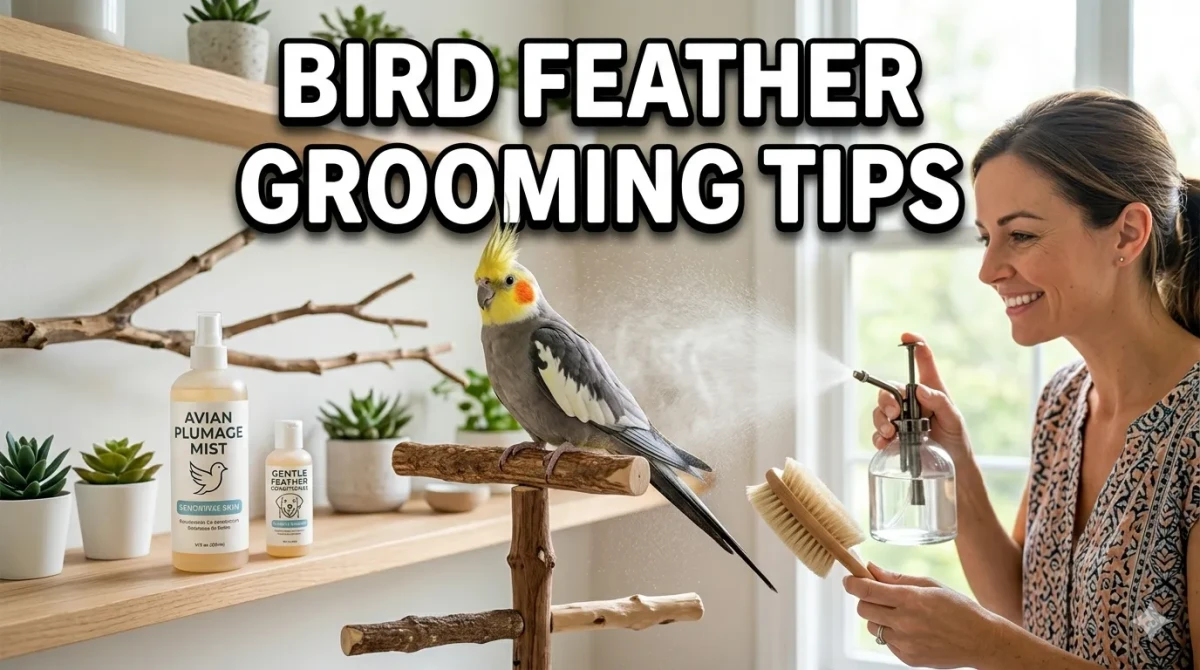
Why Proper Feather Grooming Is Essential for Your Bird's Health
Feather grooming is fundamental to your bird's physical health, emotional wellbeing, and natural behavior expression. Unlike mammals with fur, birds rely on their feathers for flight, temperature regulation, waterproofing, communication, and protection. Proper grooming supports these critical functions and helps prevent common health issues like feather plucking, infections, and impaired mobility.
Featured Snippet Answer: Bird feather grooming tips include supporting natural preening with appropriate perches and cuttlebone, offering regular bathing opportunities through misting or shallow dishes, trimming nails safely with proper tools, and consulting an avian veterinarian for wing trims or feather abnormalities. Never pluck feathers or use human grooming products on birds.
Many bird owners underestimate the complexity of avian feather care. Feathers are living structures that require ongoing maintenance through preening, bathing, and environmental support. When birds cannot groom effectively due to health issues, stress, or inadequate care, they may develop feather-destructive behaviors, skin problems, or compromised immunity.
This comprehensive guide provides evidence-based, species-appropriate strategies for supporting your bird's feather health. You'll learn about natural preening behaviors, safe bathing techniques, nail and wing care, molting support, troubleshooting feather problems, and when to seek professional help. Whether you care for a cockatiel, parrot, finch, or canary, these expert tips will help you maintain your bird's beautiful, functional plumage.
Understanding Natural Preening: Your Bird's Self-Grooming System
Preening is your bird's primary method of feather maintenance. Through this instinctive behavior, birds align feather barbs, distribute protective oils, remove debris, and stimulate skin health. Supporting natural preening is the foundation of effective feather grooming.
How Preening Works:
- Oil distribution: Birds use their beaks to spread oil from the uropygial (preen) gland at the base of the tail across feathers, providing waterproofing and flexibility
- Feather alignment: Preening zips together separated barbs and barbules, restoring feather structure and aerodynamics
- Debris removal: Birds remove dust, dander, and parasites during preening sessions
- Skin stimulation: Gentle nibbling promotes blood flow and healthy skin turnover
- 🐾 How to Prevent Matting in Long Haired Dogs Complete Grooming Guide
- 🐾 How to Trim Small Pet Nails Safely: Expert Guide
- 🐾 Prevent Feather Plucking: Expert Bird Care Guide
Supporting Healthy Preening:
- Provide varied perch textures (natural wood, rope, cement) to support foot health and balance during preening
- Ensure access to cuttlebone or mineral blocks for beak maintenance and calcium
- Maintain appropriate humidity (40-60%) to prevent dry, brittle feathers
- Offer UVB lighting to support vitamin D3 synthesis, essential for feather quality
- Minimize stress through consistent routines and environmental enrichment
- 🐾 How to Prevent Matting in Long Haired Dogs Complete Grooming Guide
- 🐾 How to Trim Small Pet Nails Safely: Expert Guide
- 🐾 Prevent Feather Plucking: Expert Bird Care Guide
Signs of Healthy Preening: Smooth, aligned feathers; regular preening sessions (especially after waking or bathing); clean vent area; no bald patches or damaged feathers.
Why is my bird preening excessively?
Excessive preening may indicate stress, skin irritation, parasites, allergies, or medical issues. Observe for redness, bald spots, or feather damage. Rule out environmental triggers like dry air, new products, or dietary changes. If excessive preening persists or causes feather loss, consult an avian veterinarian to identify underlying causes.
Bathing Techniques: Essential for Feather Health

Regular bathing supports feather condition by removing dust, rehydrating keratin, and encouraging natural preening behavior. Different species have distinct bathing preferences, so offer multiple options to discover what your bird enjoys.
Misting/Spraying:
Most parrots and cockatiels enjoy gentle misting with lukewarm water.
- Use a clean spray bottle set to fine mist
- Fill with lukewarm, dechlorinated water
- Spray from above, allowing water to fall like rain
- Avoid spraying directly at the face; let bird move into mist voluntarily
- Limit sessions to 2-3 minutes initially, extending as your bird becomes comfortable
- Frequency: 2-4 times weekly for most species
- 🐾 How to Prevent Matting in Long Haired Dogs Complete Grooming Guide
- 🐾 How to Trim Small Pet Nails Safely: Expert Guide
- 🐾 Prevent Feather Plucking: Expert Bird Care Guide
Shallow Dish Bathing:
Ideal for finches, canaries, and birds who prefer to splash independently.
- Use a shallow ceramic or stainless steel dish (1-2 inches deep)
- Fill with lukewarm water
- Place in cage or secure area where bird can enter/exit freely
- Supervise to prevent drowning risk, especially with small species
- Remove after 10-15 minutes or when bird is finished
- 🐾 How to Prevent Matting in Long Haired Dogs Complete Grooming Guide
- 🐾 How to Trim Small Pet Nails Safely: Expert Guide
- 🐾 Prevent Feather Plucking: Expert Bird Care Guide
Shower Perches:
For confident birds, a secure shower perch allows bathing during your routine.
- Install a non-slip perch in your shower (away from direct spray)
- Use lukewarm water with gentle pressure
- Never use soap, shampoo, or scented products
- Keep sessions brief (3-5 minutes) and positive
- Ensure your bird is securely tethered or supervised to prevent escape
- 🐾 How to Prevent Matting in Long Haired Dogs Complete Grooming Guide
- 🐾 How to Trim Small Pet Nails Safely: Expert Guide
- 🐾 Prevent Feather Plucking: Expert Bird Care Guide
Dust Bathing (Species-Specific):
Some species like cockatiels, African greys, and lovebirds benefit from dust bathing.
- Provide commercial bird dust or fine, chemical-free sand in a shallow dish
- Allow 10-15 minutes of supervised access
- Place dish on cage floor or in a contained area to minimize mess
- Remove after use to prevent overexposure
- 🐾 How to Prevent Matting in Long Haired Dogs Complete Grooming Guide
- 🐾 How to Trim Small Pet Nails Safely: Expert Guide
- 🐾 Prevent Feather Plucking: Expert Bird Care Guide
Featured Snippet Answer: Bathe your bird 2-4 times weekly using misting, shallow dishes, or shower perches with lukewarm, dechlorinated water. Avoid soap or chemicals. Let your bird choose their preferred method, and always dry them in a warm, draft-free area post-bath to prevent chilling.
Post-Bath Care: Drying and Comfort

Proper drying after bathing prevents chilling, respiratory issues, and feather damage.
Safe Drying Practices:
- Place your bird in a warm, draft-free room immediately after bathing
- Provide a soft, clean towel for optional gentle blotting (never rub)
- Allow natural preening and shaking to remove excess water
- If using a blow dryer, select the coolest setting, keep it moving, and maintain 12+ inches distance
- Never force drying; let your bird control the process
- Monitor for shivering or fluffed feathers indicating chill
- 🐾 How to Prevent Matting in Long Haired Dogs Complete Grooming Guide
- 🐾 How to Trim Small Pet Nails Safely: Expert Guide
- 🐾 Prevent Feather Plucking: Expert Bird Care Guide
Warning: Birds can develop hypothermia quickly when wet. Ensure ambient temperature remains 70-80°F (21-27°C) during drying.
Nail Care: Supporting Foot Health and Feather Grooming

Overgrown nails can impair perching, preening, and mobility, indirectly affecting feather health. Regular nail maintenance supports overall grooming ability.
Signs Nails Need Trimming:
- Nails curling or touching the perch
- Difficulty gripping or balancing
- Scratching cage bars excessively
- Visible discomfort when walking
- 🐾 How to Prevent Matting in Long Haired Dogs Complete Grooming Guide
- 🐾 How to Trim Small Pet Nails Safely: Expert Guide
- 🐾 Prevent Feather Plucking: Expert Bird Care Guide
Safe Nail Trimming at Home:
- Use bird-specific nail clippers or small animal trimmers
- Have styptic powder or cornstarch ready to stop bleeding if you cut the quick
- Trim only the sharp tip, avoiding the pink quick (visible in light-colored nails)
- For dark nails, trim tiny amounts (1mm) at a time
- Restrain gently but firmly; wrap in a soft towel if needed
- Work with a helper for large or anxious birds
- Reward with treats and praise after each nail
- 🐾 How to Prevent Matting in Long Haired Dogs Complete Grooming Guide
- 🐾 How to Trim Small Pet Nails Safely: Expert Guide
- 🐾 Prevent Feather Plucking: Expert Bird Care Guide
Alternative Nail Maintenance:
- Provide varied perch textures (natural wood, cement, rope) to naturally file nails
- Offer flat perches to encourage different foot positions
- Consider professional grooming for difficult birds or complex trims
- 🐾 How to Prevent Matting in Long Haired Dogs Complete Grooming Guide
- 🐾 How to Trim Small Pet Nails Safely: Expert Guide
- 🐾 Prevent Feather Plucking: Expert Bird Care Guide
Frequency: Check nails monthly; trim every 4-8 weeks depending on growth rate and perch variety.
How do I trim my bird's nails without causing stress?
Trim bird nails by acclimating your bird to foot handling gradually, using gentle restraint with a soft towel if needed, trimming only the sharp tip with bird-specific clippers, and rewarding calmly after each nail. Keep sessions short (1-2 nails at a time), work in a quiet environment, and consider professional help for anxious birds.
Wing Care: Understanding Clipping vs. Natural Flight

Wing management is a personal decision based on safety, training goals, and your bird's lifestyle. Whether you choose to clip wings or allow full flight, proper care supports feather health.
If You Choose Wing Clipping:
- Always have an avian veterinarian or experienced professional perform the initial clip
- Clip only primary flight feathers symmetrically to maintain balance
- Never clip blood feathers (growing feathers with visible blood supply)
- Re-trim every 6-8 weeks as new feathers grow
- Ensure your bird can still glide safely to the floor
- 🐾 How to Prevent Matting in Long Haired Dogs Complete Grooming Guide
- 🐾 How to Trim Small Pet Nails Safely: Expert Guide
- 🐾 Prevent Feather Plucking: Expert Bird Care Guide
If You Allow Full Flight:
- Bird-proof your home: cover windows, secure ceiling fans, close toilets, remove toxic plants
- Provide ample flight space and varied perches at different heights
- Train reliable recall commands for safety
- Monitor feather wear and replace damaged feathers naturally through molting
- 🐾 How to Prevent Matting in Long Haired Dogs Complete Grooming Guide
- 🐾 How to Trim Small Pet Nails Safely: Expert Guide
- 🐾 Prevent Feather Plucking: Expert Bird Care Guide
Featured Snippet Answer: Wing clipping should only be performed by an avian professional who trims primary feathers symmetrically while preserving balance and glide ability. Never clip blood feathers. If allowing full flight, bird-proof your home thoroughly and train recall commands for safety.
Important: Wing clipping is controversial. Some behaviorists advocate for flight as essential to avian wellbeing. Discuss pros and cons with your avian veterinarian before deciding.
Molting Support: Helping Your Bird Through Feather Renewal

Molting is the natural process of shedding old feathers and growing new ones. Birds typically molt 1-2 times yearly, though timing varies by species, age, and environment. Supporting your bird during molting reduces stress and promotes healthy feather regrowth.
Signs Your Bird Is Molting:
- Increased feather dust or debris in cage
- Pin feathers (new feathers encased in waxy sheaths) visible on head or body
- Mild irritability or increased sleep
- Temporary decrease in vocalization or activity
- Small amounts of blood on pin feathers (normal if minimal)
- 🐾 How to Prevent Matting in Long Haired Dogs Complete Grooming Guide
- 🐾 How to Trim Small Pet Nails Safely: Expert Guide
- 🐾 Prevent Feather Plucking: Expert Bird Care Guide
How to Support a Molting Bird:
- Increase protein: Offer high-quality pellets, cooked eggs, or legumes to support feather synthesis
- Boost nutrients: Ensure adequate vitamins A, E, and B-complex; consider omega-3 supplements (vet-approved)
- Enhance bathing: Gentle misting soothes itchy pin feathers and supports sheath removal
- Provide gentle head scratches: Birds cannot preen their heads; gentle scratching with clean fingers helps remove sheaths
- Minimize stress: Maintain routines, avoid major changes, and provide quiet rest time
- Monitor pin feathers: Never pull sheaths; allow natural preening or gentle assistance only if your bird solicits help
- 🐾 How to Prevent Matting in Long Haired Dogs Complete Grooming Guide
- 🐾 How to Trim Small Pet Nails Safely: Expert Guide
- 🐾 Prevent Feather Plucking: Expert Bird Care Guide
Warning Signs During Molting: Excessive bleeding from pin feathers, bald patches, lethargy, or loss of appetite warrant immediate veterinary attention.
Troubleshooting Feather Problems: When to Worry

Feather issues can signal health problems requiring intervention. Recognizing warning signs helps you act promptly.
Feather Plucking or Destructive Behavior:
Self-inflicted feather loss may stem from:
- Medical issues: pain, infection, allergies, hormonal imbalances
- Behavioral causes: boredom, stress, anxiety, lack of stimulation
- Environmental factors: poor diet, inadequate lighting, dry air
- 🐾 How to Prevent Matting in Long Haired Dogs Complete Grooming Guide
- 🐾 How to Trim Small Pet Nails Safely: Expert Guide
- 🐾 Prevent Feather Plucking: Expert Bird Care Guide
Immediate Actions:
- Rule out medical causes with an avian veterinarian exam
- Enhance environmental enrichment: foraging toys, social interaction, flight time
- Review diet for nutritional completeness
- Address stressors: noise, household changes, lack of routine
- Consider behavioral consultation for persistent cases
- 🐾 How to Prevent Matting in Long Haired Dogs Complete Grooming Guide
- 🐾 How to Trim Small Pet Nails Safely: Expert Guide
- 🐾 Prevent Feather Plucking: Expert Bird Care Guide
Feather Cysts:
Swollen, fluid-filled follicles that fail to release feathers properly.
- Appear as firm lumps under the skin, often on wings or body
- Require veterinary evaluation; may need surgical removal
- Never attempt to drain at home
- 🐾 How to Prevent Matting in Long Haired Dogs Complete Grooming Guide
- 🐾 How to Trim Small Pet Nails Safely: Expert Guide
- 🐾 Prevent Feather Plucking: Expert Bird Care Guide
Barbering or Frayed Feathers:
Feathers with chewed or frayed tips may indicate:
- Parasites (mites, lice)
- Nutritional deficiencies
- Boredom or stress
- Inadequate bathing or preening support
- 🐾 How to Prevent Matting in Long Haired Dogs Complete Grooming Guide
- 🐾 How to Trim Small Pet Nails Safely: Expert Guide
- 🐾 Prevent Feather Plucking: Expert Bird Care Guide
Discolored or Brittle Feathers:
- May signal liver disease, malnutrition, or chronic illness
- Consult veterinarian for blood work and diagnosis
- 🐾 How to Prevent Matting in Long Haired Dogs Complete Grooming Guide
- 🐾 How to Trim Small Pet Nails Safely: Expert Guide
- 🐾 Prevent Feather Plucking: Expert Bird Care Guide
Featured Snippet Answer: Consult an avian veterinarian if your bird shows feather plucking, bald patches, bleeding pin feathers, feather cysts, or sudden changes in feather quality. These symptoms may indicate medical issues requiring diagnosis and treatment beyond home grooming care.
Species-Specific Grooming Considerations

Different bird species have unique grooming needs based on size, behavior, and natural history.
Parrots (African Greys, Amazons, Macaws):
- Benefit from regular misting and social preening interactions
- Require sturdy perches and nail maintenance due to strong grip
- Prone to feather-destructive behavior; enrichment is critical
- May need professional wing trims due to size and strength
- 🐾 How to Prevent Matting in Long Haired Dogs Complete Grooming Guide
- 🐾 How to Trim Small Pet Nails Safely: Expert Guide
- 🐾 Prevent Feather Plucking: Expert Bird Care Guide
Cockatiels and Small Parrots:
- Enjoy dust bathing; provide commercial bird dust weekly
- Often appreciate gentle head scratches during molting
- Nails grow quickly; check monthly
- Generally adapt well to home grooming with patience
- 🐾 How to Prevent Matting in Long Haired Dogs Complete Grooming Guide
- 🐾 How to Trim Small Pet Nails Safely: Expert Guide
- 🐾 Prevent Feather Plucking: Expert Bird Care Guide
Finches and Canaries:
- Prefer shallow dish bathing over misting
- Require minimal handling; observe rather than assist grooming
- Ensure cage includes varied perches for natural nail wear
- Monitor flock dynamics; stress from companions can affect grooming
- 🐾 How to Prevent Matting in Long Haired Dogs Complete Grooming Guide
- 🐾 How to Trim Small Pet Nails Safely: Expert Guide
- 🐾 Prevent Feather Plucking: Expert Bird Care Guide
Budgies (Parakeets):
- Active preeners; support with cuttlebone and mineral blocks
- Enjoy misting but introduce gradually
- Small size requires gentle handling during nail checks
- Social birds benefit from grooming interactions with flock mates or humans
- 🐾 How to Prevent Matting in Long Haired Dogs Complete Grooming Guide
- 🐾 How to Trim Small Pet Nails Safely: Expert Guide
- 🐾 Prevent Feather Plucking: Expert Bird Care Guide
Senior Birds:
- May need assistance with hard-to-reach areas during molting
- Arthritis can impair perching and preening; provide varied perch diameters
- Monitor feather quality closely; age-related changes may signal health issues
- 🐾 How to Prevent Matting in Long Haired Dogs Complete Grooming Guide
- 🐾 How to Trim Small Pet Nails Safely: Expert Guide
- 🐾 Prevent Feather Plucking: Expert Bird Care Guide
Essential Grooming Supplies for Bird Owners

Having the right tools simplifies safe, effective feather care.
Must-Have Items:
- Bird-safe spray bottle: For misting; dedicated to bird use only
- Bird nail clippers: Small, sharp, designed for avian nails
- Styptic powder or cornstarch: To stop bleeding if nail quick is cut
- Soft towels: For gentle restraint and drying
- Cuttlebone or mineral block: For beak maintenance and calcium
- Varied perches: Natural wood, rope, cement for foot health and nail wear
- 🐾 How to Prevent Matting in Long Haired Dogs Complete Grooming Guide
- 🐾 How to Trim Small Pet Nails Safely: Expert Guide
- 🐾 Prevent Feather Plucking: Expert Bird Care Guide
Helpful Additions:
- Shallow ceramic bathing dish
- Bird dust for dust-bathing species
- Soft-bristled bird brush for gentle feather smoothing (optional)
- UVB lighting to support vitamin D3 and feather health
- Humidifier for dry climates to maintain feather flexibility
- 🐾 How to Prevent Matting in Long Haired Dogs Complete Grooming Guide
- 🐾 How to Trim Small Pet Nails Safely: Expert Guide
- 🐾 Prevent Feather Plucking: Expert Bird Care Guide
Products to Avoid:
- Human shampoos, conditioners, or grooming products
- Scented sprays, air fresheners, or essential oils near birds
- Human nail clippers (too large, risk of crushing)
- Adhesive tapes or harsh restraint methods
- 🐾 How to Prevent Matting in Long Haired Dogs Complete Grooming Guide
- 🐾 How to Trim Small Pet Nails Safely: Expert Guide
- 🐾 Prevent Feather Plucking: Expert Bird Care Guide
Building Positive Grooming Associations

Stress-free grooming depends on trust and positive experiences. Use these strategies to make grooming enjoyable for your bird.
Desensitization Techniques:
- Introduce grooming tools gradually: let your bird explore clippers or spray bottle while offering treats
- Practice handling feet, wings, and head during calm moments, not just during grooming
- Keep early sessions very short (30-60 seconds) and end with rewards
- 🐾 How to Prevent Matting in Long Haired Dogs Complete Grooming Guide
- 🐾 How to Trim Small Pet Nails Safely: Expert Guide
- 🐾 Prevent Feather Plucking: Expert Bird Care Guide
Positive Reinforcement:
- Offer high-value treats (millet, small fruit pieces) during and after grooming
- Use calm, soothing verbal praise
- Respect your bird's limits; stop if they show stress signals
- 🐾 How to Prevent Matting in Long Haired Dogs Complete Grooming Guide
- 🐾 How to Trim Small Pet Nails Safely: Expert Guide
- 🐾 Prevent Feather Plucking: Expert Bird Care Guide
Reading Body Language:
- Relaxed: Soft eyes, loose feathers, gentle preening = continue
- Stressed: Pinned eyes, hissing, lunging, frantic movement = pause and reassess
- Fearful: Fluffed feathers, trembling, attempting to flee = end session immediately
- 🐾 How to Prevent Matting in Long Haired Dogs Complete Grooming Guide
- 🐾 How to Trim Small Pet Nails Safely: Expert Guide
- 🐾 Prevent Feather Plucking: Expert Bird Care Guide
Consistency: Regular, gentle grooming sessions build familiarity and reduce anxiety over time.
When to Consult an Avian Veterinarian

Professional care is essential for certain grooming-related concerns.
Schedule a Veterinary Visit If:
- Your bird shows feather plucking, bald patches, or self-trauma
- Nails are severely overgrown, curved into foot pads, or causing mobility issues
- Wing feathers are damaged, bleeding, or asymmetrical
- You notice feather cysts, lumps, or abnormal growths
- Your bird resists all grooming attempts despite desensitization efforts
- Feather quality declines suddenly (brittleness, discoloration, loss)
- Signs of infection appear: redness, swelling, discharge, odor
- 🐾 How to Prevent Matting in Long Haired Dogs Complete Grooming Guide
- 🐾 How to Trim Small Pet Nails Safely: Expert Guide
- 🐾 Prevent Feather Plucking: Expert Bird Care Guide
Professional Grooming Services:
Avian veterinarians or certified groomers can provide:
- Safe wing trims tailored to your bird's lifestyle
- Nail trims for difficult or large birds
- Assessment of feather health and underlying conditions
- Guidance on species-specific grooming protocols
- 🐾 How to Prevent Matting in Long Haired Dogs Complete Grooming Guide
- 🐾 How to Trim Small Pet Nails Safely: Expert Guide
- 🐾 Prevent Feather Plucking: Expert Bird Care Guide
Preventive Care: Annual wellness exams include feather, skin, and nail assessments, helping catch issues before they escalate.
Quick Recap: Key Takeaways for Bird Feather Grooming

- Support natural preening with varied perches, cuttlebone, and low-stress environments
- Bathe regularly using misting, shallow dishes, or shower perches with lukewarm water
- Dry birds in warm, draft-free areas post-bath to prevent chilling
- Trim nails monthly using bird-specific tools; reward calmly to reduce stress
- Consult professionals for wing trims; never clip blood feathers
- Support molting birds with increased protein, gentle bathing, and head scratches
- Watch for warning signs: feather plucking, bald patches, bleeding, or behavioral changes
- Adapt grooming approaches to your bird's species, age, and personality
- Use only bird-safe supplies; avoid human products and harsh chemicals
- Build positive associations through patience, treats, and respect for your bird's limits
- Consult an avian veterinarian for persistent feather issues or health concerns
- 🐾 How to Prevent Matting in Long Haired Dogs Complete Grooming Guide
- 🐾 How to Trim Small Pet Nails Safely: Expert Guide
- 🐾 Prevent Feather Plucking: Expert Bird Care Guide
Final Thoughts: Gentle Partnership in Feather Care

Feather grooming is more than maintenance—it's an opportunity to deepen your connection with your bird while honoring their natural instincts. By supporting preening, providing appropriate bathing, maintaining nails, and responding thoughtfully to molting or feather concerns, you contribute directly to your bird's physical comfort and emotional wellbeing.
Remember that every bird is an individual. Some embrace misting enthusiastically; others prefer quiet observation. Some tolerate nail trims with minimal fuss; others require gradual desensitization over weeks. Patience, observation, and respect for your bird's cues are the true foundations of successful grooming.
When in doubt, consult an avian veterinarian. These specialists understand the unique physiology and behavior of birds and can provide personalized guidance for your feathered companion. With knowledge, compassion, and consistency, you can help your bird maintain the beautiful, functional plumage that is central to their health and happiness.

0 Comments