.png)
Early Signs Your Bird Is Sick Every Owner Should Know
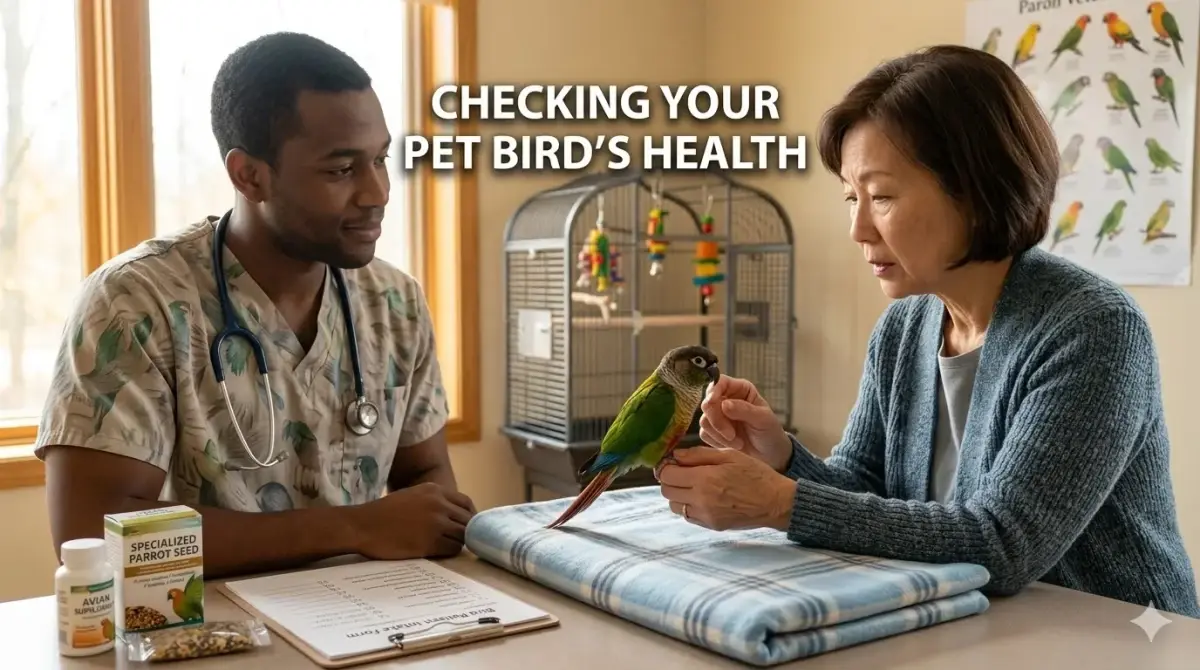
Recognizing early signs your bird is sick is one of the most critical skills every bird owner must develop. Pet birds like parrots, cockatiels, budgies, and canaries are masters at hiding illness—a powerful survival instinct from their wild ancestors—making it essential for owners to notice subtle changes that may signal health problems. Early detection of illness dramatically improves treatment outcomes, reduces veterinary costs, and can literally save your bird's life. This comprehensive guide covers the essential early warning signs of avian illness, from subtle behavioral changes to physical indicators that attentive owners can learn to identify. Whether you care for a playful budgie, a vocal cockatiel, or a majestic parrot in the USA, understanding these early illness symptoms empowers you to seek veterinary care at the optimal time for the best possible outcome.
Why Early Detection of Bird Illness Matters
Understanding why early symptom recognition is crucial helps motivate vigilant observation of your bird's health.
The Bird's Instinct to Hide Illness
In the wild, showing weakness makes animals vulnerable to predators. Pet birds retain this powerful survival instinct, often masking symptoms until illness becomes severe. A bird may continue eating, preening, and appearing relatively normal even while experiencing significant internal disease or pain. This evolutionary trait means owners must be proactive in monitoring health indicators rather than waiting for obvious signs of sickness.
Benefits of Early Illness Detection
Recognizing early symptoms provides multiple advantages:
- Improved treatment outcomes: Many conditions are easier and less expensive to treat when caught early
- Reduced veterinary costs: Early intervention often requires less intensive (and costly) treatment
- Less suffering: Early treatment minimizes pain and discomfort for your bird
- Prevention of complications: Early detection prevents minor issues from becoming serious emergencies
- Extended lifespan: Birds receiving prompt care for health issues typically live longer, healthier lives
- Peace of mind: Knowing what to watch for reduces anxiety about your bird's health
- 🐾 Signs of a Healthy Dog Every Owner Should Know
- 🐾 Signs of a Healthy Small Pet Every Owner Should Know
- 🐾 How to Maintain Healthy Aquarium Fish: Complete Care Guide
Common Reasons Owners Miss Early Symptoms
Even attentive owners can overlook early illness signs:
- Gradual changes: Symptoms that develop slowly may not be noticeable day-to-day
- Normalizing behavior: Assuming changes are due to age, molting, or temporary factors
- Lack of baseline knowledge: Not knowing your bird's normal behavior makes changes harder to detect
- Independent nature: Birds spend time alone in cages, reducing observation opportunities
- Subtle symptoms: Birds often show very subtle signs that are easy to miss until disease is advanced
- 🐾 Signs of a Healthy Dog Every Owner Should Know
- 🐾 Signs of a Healthy Small Pet Every Owner Should Know
- 🐾 How to Maintain Healthy Aquarium Fish: Complete Care Guide
Behavioral Changes: Often the First Warning Signs
Behavioral changes are frequently the earliest indicators of illness in birds. These subtle shifts may appear before any physical symptoms become obvious.
Changes in Activity Level
Early warning signs:
- Increased lethargy: Sleeping more than usual, reluctance to move, or decreased interest in activities
- Decreased playfulness: Less interest in toys, climbing, or interaction that was previously enjoyed
- Reluctance to fly or move: Hesitation to leave perch or engage in normal physical activities
- Unusual restlessness: Pacing, inability to settle, or frequent position changes may indicate pain or discomfort
- Hiding more than usual: Seeking isolation in corners, under perches, or other hidden spots
- 🐾 Signs of a Healthy Dog Every Owner Should Know
- 🐾 Signs of a Healthy Small Pet Every Owner Should Know
- 🐾 How to Maintain Healthy Aquarium Fish: Complete Care Guide
What to do: Track your bird's normal activity patterns. Note any sustained changes lasting more than 24 hours. Contact your avian veterinarian if lethargy is accompanied by other symptoms.
Changes in Social Interaction
Early warning signs:
- Withdrawal: Avoiding family interaction, hiding more, or seeking isolation
- Increased clinginess: Unusual need for attention or following you constantly may signal anxiety or discomfort
- Changes in affection: A normally affectionate bird becoming distant, or a reserved bird becoming unusually needy
- Altered response to interaction: Slower response to being called or apparent confusion
- Aggression or irritability: Uncharacteristic biting, hissing, or avoidance of touch may indicate pain
- 🐾 Signs of a Healthy Dog Every Owner Should Know
- 🐾 Signs of a Healthy Small Pet Every Owner Should Know
- 🐾 How to Maintain Healthy Aquarium Fish: Complete Care Guide
What to do: Know your bird's personality baseline. Document changes in social behavior and discuss with your avian veterinarian if they persist.
Changes in Vocalization
Early warning signs:
- Increased vocalization: More calling, screaming, or unusual sounds than usual may indicate pain, anxiety, or distress
- Decreased vocalization: A normally vocal bird becoming unusually quiet or silent
- Changes in voice quality: Hoarse calls, unusual sounds, or apparent difficulty vocalizing
- Vocalizing when touched: Crying or hissing when specific areas are touched indicates pain
- Loss of singing ability: In songbirds, reduced or altered singing may indicate respiratory issues
- 🐾 Signs of a Healthy Dog Every Owner Should Know
- 🐾 Signs of a Healthy Small Pet Every Owner Should Know
- 🐾 How to Maintain Healthy Aquarium Fish: Complete Care Guide
What to do: Note changes in vocal patterns. If vocalization changes are accompanied by other symptoms, seek veterinary evaluation.
Changes in Sleep Patterns
Early warning signs:
- Excessive sleeping: Sleeping significantly more than usual during normal waking hours
- Restless sleep: Frequent waking, pacing at night, or inability to settle
- Changes in sleep location: Seeking unusual sleeping spots may indicate discomfort in normal resting areas
- Difficulty getting comfortable: Frequent position changes while trying to sleep
- Sleeping on cage bottom: A bird sleeping on the cage floor instead of a perch is a serious warning sign
- 🐾 Signs of a Healthy Dog Every Owner Should Know
- 🐾 Signs of a Healthy Small Pet Every Owner Should Know
- 🐾 How to Maintain Healthy Aquarium Fish: Complete Care Guide
What to do: Monitor sleep patterns. Significant changes warrant veterinary attention, especially if accompanied by other symptoms.
Appetite and Digestive Changes

Changes in eating and drinking habits are common early indicators of illness in birds.
Appetite Changes
Early warning signs:
- Decreased appetite: Eating less than usual, leaving food in bowl, or taking longer to eat
- Complete refusal to eat: Skipping meals is a serious warning sign; birds can deteriorate rapidly without food
- Increased appetite: Unusual hunger or constant begging may signal metabolic issues
- Changes in food preference: Suddenly refusing previously enjoyed foods or showing interest in unusual items
- Difficulty eating: Dropping food, chewing on one side, or reluctance to eat hard food may indicate beak or oral pain
- Dropping food while eating: May indicate oral pain, neurological issues, or weakness
- 🐾 Signs of a Healthy Dog Every Owner Should Know
- 🐾 Signs of a Healthy Small Pet Every Owner Should Know
- 🐾 How to Maintain Healthy Aquarium Fish: Complete Care Guide
What to do: Monitor food intake daily. A bird that skips more than one meal or shows sustained appetite changes should be evaluated by an avian veterinarian immediately.
Water Consumption Changes
Early warning signs:
- Increased thirst: Drinking significantly more water than usual may indicate kidney disease, diabetes, or infection
- Decreased thirst: Reduced water intake can signal nausea, oral pain, or systemic illness
- Changes in drinking behavior: Gulping water, difficulty drinking, or avoiding the water dish
- Playing in water excessively: May indicate discomfort or attempts to cool down due to fever
- 🐾 Signs of a Healthy Dog Every Owner Should Know
- 🐾 Signs of a Healthy Small Pet Every Owner Should Know
- 🐾 How to Maintain Healthy Aquarium Fish: Complete Care Guide
What to do: Track normal water consumption. Sudden increases or decreases warrant veterinary evaluation, especially if accompanied by changes in droppings.
Digestive Changes
Early warning signs:
- Vomiting or regurgitation: Frequent regurgitation may indicate infection, crop issues, or systemic illness
- Diarrhea: Changes in dropping consistency, frequency, or color
- Constipation: Straining to defecate, producing small hard droppings, or no droppings
- Changes in dropping appearance: Blood, mucus, unusual color, or undigested food in droppings
- Excessive gas or foul odor: May indicate digestive issues or infection
- Litter avoidance: Avoiding the cage bottom or perching abnormally may indicate pain during elimination
- 🐾 Signs of a Healthy Dog Every Owner Should Know
- 🐾 Signs of a Healthy Small Pet Every Owner Should Know
- 🐾 How to Maintain Healthy Aquarium Fish: Complete Care Guide
What to do: Monitor droppings quality and frequency daily. Contact your avian veterinarian for persistent digestive changes, blood in droppings, or vomiting.
Physical Changes to Monitor

Physical indicators often provide visible evidence of developing health issues.
Feather and Skin Changes
Early warning signs:
- Dull feathers: Loss of natural shine may indicate nutritional deficiencies, stress, or systemic illness
- Excessive molting: Increased feather loss beyond normal molting patterns
- Bald patches: Feather loss in specific areas may indicate parasites, infections, or over-preening due to pain
- Changes in feather texture: Brittle, frayed, or abnormal feather growth
- Excessive preening: Over-preening one area may indicate pain, parasites, or anxiety
- Reduced preening: A normally fastidious bird with messy, unkempt feathers may be ill or in pain
- Fluffed appearance: Sitting fluffed for extended periods (not during sleep) indicates illness or cold
- 🐾 Signs of a Healthy Dog Every Owner Should Know
- 🐾 Signs of a Healthy Small Pet Every Owner Should Know
- 🐾 How to Maintain Healthy Aquarium Fish: Complete Care Guide
What to do: Regular handling provides opportunity to check feathers and skin. Document changes and discuss with your avian veterinarian.
Eye and Nostril Changes
Early warning signs in eyes:
- Cloudiness: Hazy appearance may indicate infection, cataracts, or systemic disease
- Redness: Bloodshot eyes may indicate infection, irritation, or systemic illness
- Discharge: Watery, mucous, or pus-like discharge from eyes
- Squinting: Keeping eye partially closed may indicate pain or light sensitivity
- Swelling: Puffiness around eyes may indicate infection or injury
- 🐾 Signs of a Healthy Dog Every Owner Should Know
- 🐾 Signs of a Healthy Small Pet Every Owner Should Know
- 🐾 How to Maintain Healthy Aquarium Fish: Complete Care Guide
Early warning signs in nostrils:
- Nasal discharge: Clear, yellow, green, or bloody discharge from nostrils
- Crusting: Dried discharge around nostrils
- Sneezing: Frequent sneezing may indicate infection, allergies, or foreign body
- Swelling: Puffiness around nostrils may indicate infection
- 🐾 Signs of a Healthy Dog Every Owner Should Know
- 🐾 Signs of a Healthy Small Pet Every Owner Should Know
- 🐾 How to Maintain Healthy Aquarium Fish: Complete Care Guide
What to do: Check eyes and nostrils during regular handling. Any persistent changes warrant veterinary evaluation.
Respiratory Changes
Early warning signs:
- Tail bobbing: Exaggerated tail movement with each breath indicates respiratory effort
- Open-mouth breathing: Birds are obligate nasal breathers; open-mouth breathing is always abnormal and urgent
- Labored breathing: Increased effort to breathe, wheezing, or clicking sounds
- Noisy breathing: Wheezing, clicking, or gurgling sounds during breathing
- Coughing or gagging: May indicate respiratory infection or foreign body
- 🐾 Signs of a Healthy Dog Every Owner Should Know
- 🐾 Signs of a Healthy Small Pet Every Owner Should Know
- 🐾 How to Maintain Healthy Aquarium Fish: Complete Care Guide
What to do: Monitor respiratory patterns closely. Contact your avian veterinarian immediately for any breathing difficulties. Open-mouth breathing requires emergency care.
Beak and Nail Changes
Early warning signs:
- Beak abnormalities: Overgrowth, deformities, discoloration, or softening
- Nail abnormalities: Overgrowth, discoloration, or softening
- Difficulty perching: May indicate foot pain, nail issues, or weakness
- Excessive beak rubbing: May indicate oral pain or discomfort
- 🐾 Signs of a Healthy Dog Every Owner Should Know
- 🐾 Signs of a Healthy Small Pet Every Owner Should Know
- 🐾 How to Maintain Healthy Aquarium Fish: Complete Care Guide
What to do: Regularly examine beak and nails. Schedule veterinary evaluation for any concerning changes.
Weight and Body Condition Changes

Changes in weight and body condition often signal underlying health issues.
Weight Loss
Early warning signs:
- Visible weight loss: More prominent keel bone (breastbone), reduced muscle mass
- Muscle wasting: Loss of muscle mass, particularly over chest and shoulders
- Decreased energy: Often accompanies weight loss from illness
- Increased appetite with weight loss: May indicate metabolic issues like diabetes
- 🐾 Signs of a Healthy Dog Every Owner Should Know
- 🐾 Signs of a Healthy Small Pet Every Owner Should Know
- 🐾 How to Maintain Healthy Aquarium Fish: Complete Care Guide
What to do: Weigh your bird weekly using a gram scale. Unexplained weight loss of more than 5-10% warrants immediate veterinary evaluation.
Body Condition Changes
Early warning signs:
- Lumps or bumps: New growths under the skin or feathers
- Swelling: Localized swelling in limbs, face, or body
- Changes in posture: Hunched posture, reluctance to perch, or abnormal stance
- Abdominal changes: Distension, tenderness, or visible masses
- Joint swelling: Visible swelling or warmth in joints
- 🐾 Signs of a Healthy Dog Every Owner Should Know
- 🐾 Signs of a Healthy Small Pet Every Owner Should Know
- 🐾 How to Maintain Healthy Aquarium Fish: Complete Care Guide
What to do: Perform regular body checks during handling. Document any new lumps, swelling, or posture changes and discuss with your avian veterinarian.
Dropping Changes: A Critical Health Indicator

Bird droppings provide valuable information about health. Learning to read them helps detect illness early.
Normal Bird Droppings
Healthy bird droppings have three components:
- Feces: Solid portion, typically brown or green depending on diet
- Urates: White or cream-colored portion (uric acid)
- Urine: Clear liquid portion
- 🐾 Signs of a Healthy Dog Every Owner Should Know
- 🐾 Signs of a Healthy Small Pet Every Owner Should Know
- 🐾 How to Maintain Healthy Aquarium Fish: Complete Care Guide
Normal droppings are formed, not too wet or dry, and produced regularly.
Warning Signs in Droppings
Color changes:
- Black or tarry: May indicate upper gastrointestinal bleeding
- Red or bright yellow: May indicate lower gastrointestinal bleeding or liver issues
- Green urates: May indicate liver disease or infection
- Yellow urates: May indicate liver issues
- 🐾 Signs of a Healthy Dog Every Owner Should Know
- 🐾 Signs of a Healthy Small Pet Every Owner Should Know
- 🐾 How to Maintain Healthy Aquarium Fish: Complete Care Guide
Consistency changes:
- Watery droppings: May indicate infection, kidney issues, or stress
- Undigested food: May indicate digestive issues or infection
- Bubbles or foam: May indicate respiratory infection affecting droppings
- Blood or mucus: Indicates infection, parasites, or injury
- 🐾 Signs of a Healthy Dog Every Owner Should Know
- 🐾 Signs of a Healthy Small Pet Every Owner Should Know
- 🐾 How to Maintain Healthy Aquarium Fish: Complete Care Guide
Volume and frequency changes:
- Increased volume: May indicate increased water intake or digestive issues
- Decreased volume: May indicate not eating or dehydration
- Reduced frequency: May indicate not eating or gastrointestinal blockage
- 🐾 Signs of a Healthy Dog Every Owner Should Know
- 🐾 Signs of a Healthy Small Pet Every Owner Should Know
- 🐾 How to Maintain Healthy Aquarium Fish: Complete Care Guide
What to do: Monitor droppings daily. Take photos of abnormal droppings to show your veterinarian. Contact your avian veterinarian for persistent changes or any blood.
People Also Ask: Quick Answers

What are the first signs of illness in birds?
The first signs of illness in birds often include subtle behavioral changes like decreased activity, reduced appetite, increased fluffing, or withdrawal from interaction. Physical signs may include changes in droppings, dull feathers, or mild lethargy. Early detection requires knowing your bird's normal behavior and monitoring for sustained changes lasting more than 24 hours.
How do I know if my bird is sick or just molting?
Distinguish between molting and illness by observing accompanying symptoms. Molting may cause temporary irritability or reduced activity but shouldn't cause appetite loss, weight loss, or abnormal droppings. If symptoms persist beyond molting or include physical changes, consult your avian veterinarian.
When should I take my bird to the vet for symptoms?
Take your bird to the vet if symptoms persist more than 24 hours, worsen over time, or are accompanied by multiple symptoms. Seek immediate care for difficulty breathing, bleeding, collapse, or inability to perch. When in doubt, consult your avian veterinarian—early intervention often prevents complications.
Can stress cause symptoms that look like illness in birds?
Yes, stress can cause symptoms that mimic illness, including decreased appetite, changes in droppings, excessive preening, or behavioral changes. However, stress-related symptoms typically improve when the stressor is removed. If symptoms persist or you're unsure of the cause, consult your avian veterinarian to rule out medical issues.
How can I monitor my bird's health at home?
Monitor your bird's health by: tracking normal appetite, water intake, and dropping patterns; observing behavior and activity levels; weighing weekly; performing regular physical checks during handling; and noting any changes. Keep a health journal to track trends and share observations with your avian veterinarian.
Creating a Health Monitoring Routine

Establishing consistent health monitoring habits makes early detection easier and less stressful.
Daily Observation Checklist
- Appetite: Note food and water consumption
- Behavior: Observe activity level and social interaction
- Droppings: Monitor color, consistency, and frequency
- Quick physical check: Brief examination of eyes, nostrils, feathers, and posture during interaction
- 🐾 Signs of a Healthy Dog Every Owner Should Know
- 🐾 Signs of a Healthy Small Pet Every Owner Should Know
- 🐾 How to Maintain Healthy Aquarium Fish: Complete Care Guide
Weekly Health Assessment
- Body condition check: Feel keel bone, check for lumps, assess muscle tone
- Detailed physical exam: Examine eyes, nostrils, beak, feathers, feet, and nails
- Feather assessment: Check for changes in texture, molting patterns, or lesions
- Weigh your bird: Use a gram scale to detect subtle weight changes
- Record observations: Document any changes or concerns
- 🐾 Signs of a Healthy Dog Every Owner Should Know
- 🐾 Signs of a Healthy Small Pet Every Owner Should Know
- 🐾 How to Maintain Healthy Aquarium Fish: Complete Care Guide
Monthly Records
- Weight tracking: Weigh and record to detect subtle changes
- Review health journal: Look for patterns or trends in observations
- Preventive care planning: Schedule veterinary visits, nail trims, or beak care
- Senior bird considerations: Increase monitoring frequency for birds 7+ years
- 🐾 Signs of a Healthy Dog Every Owner Should Know
- 🐾 Signs of a Healthy Small Pet Every Owner Should Know
- 🐾 How to Maintain Healthy Aquarium Fish: Complete Care Guide
Common Mistakes Owners Make When Monitoring Bird Health

Even well-meaning owners can overlook important health indicators. Avoid these frequent errors:
- Assuming no symptoms means no problems: Birds hide illness effectively. Regular veterinary exams detect issues before symptoms appear.
- Ignoring subtle behavior changes: Small shifts in routine often signal health issues before physical signs develop. Document and investigate changes.
- Waiting for obvious symptoms: By the time birds show clear illness signs, conditions may be advanced. Proactive monitoring catches problems earlier.
- Not tracking baseline: Without knowing your bird's normal weight, appetite, and behavior, detecting changes is difficult. Keep simple records.
- Self-diagnosing from internet searches: While research is valuable, only avian veterinarians can accurately diagnose and treat bird health issues.
- Overlooking droppings: Droppings provide critical health information. Monitor them daily.
- Dismissing "minor" symptoms: Multiple minor symptoms together may indicate serious illness. Report all changes to your avian veterinarian.
- Assuming cage birds don't get sick: All birds need health monitoring regardless of lifestyle or housing.
- 🐾 Signs of a Healthy Dog Every Owner Should Know
- 🐾 Signs of a Healthy Small Pet Every Owner Should Know
- 🐾 How to Maintain Healthy Aquarium Fish: Complete Care Guide
When to Seek Immediate Veterinary Care

While knowing early symptoms is crucial, recognizing emergency signs is equally important. Contact your avian veterinarian immediately if you observe:
- Difficulty breathing: Open-mouth breathing, tail bobbing, or labored respiration
- Bleeding: Any visible bleeding or blood in droppings
- Trauma: Falls, bites, or other injuries
- Toxin exposure: Suspected ingestion of toxic substances (Teflon fumes, heavy metals, plants)
- Seizures or loss of consciousness
- Inability to perch or stand: Bird sitting on cage bottom
- Not eating for 24 hours: Birds can develop serious complications quickly without food
- Sudden behavioral changes: Extreme confusion, aggression, or disorientation
- Egg binding: Straining to lay eggs with no output (in female birds)
- 🐾 Signs of a Healthy Dog Every Owner Should Know
- 🐾 Signs of a Healthy Small Pet Every Owner Should Know
- 🐾 How to Maintain Healthy Aquarium Fish: Complete Care Guide
Special Considerations for Senior Birds

Senior birds (7+ years for most species) require extra vigilance as age-related conditions become more common.
Age-Related Conditions to Monitor
- Kidney disease: Watch for increased thirst, increased droppings, weight loss, or decreased appetite
- Liver disease: Watch for yellow urates, weight loss, or behavioral changes
- Arthritis: Watch for stiffness, reluctance to perch, or difficulty moving
- Beak or nail overgrowth: May indicate reduced activity or underlying health issues
- Cognitive changes: Watch for confusion, disorientation, or changes in sleep patterns
- 🐾 Signs of a Healthy Dog Every Owner Should Know
- 🐾 Signs of a Healthy Small Pet Every Owner Should Know
- 🐾 How to Maintain Healthy Aquarium Fish: Complete Care Guide
Senior Bird Monitoring Tips
- Increase veterinary checkups to twice yearly
- Monitor weight more frequently (every 1-2 weeks)
- Provide easier access to resources (lower perches, accessible food/water)
- Be extra vigilant for subtle changes
- Consider blood work screening for early disease detection
- 🐾 Signs of a Healthy Dog Every Owner Should Know
- 🐾 Signs of a Healthy Small Pet Every Owner Should Know
- 🐾 How to Maintain Healthy Aquarium Fish: Complete Care Guide
Frequently Asked Questions

How do I know if my bird's symptoms are serious?
Symptoms are more likely serious if they: persist more than 24 hours, worsen over time, occur in combination, or are accompanied by lethargy, weight loss, or appetite changes. When in doubt, consult your avian veterinarian—early evaluation is always safer than waiting.
Can I treat my bird's symptoms at home?
Never medicate your bird without veterinary guidance. Many human medications are toxic to birds. For minor issues, ensure your bird is warm, quiet, and has access to food and water, but contact your avian veterinarian if symptoms persist or worsen.
How often should I take my bird for wellness exams?
Healthy adult birds should have annual wellness exams with an avian veterinarian. Senior birds (7+ years) benefit from biannual exams with blood work. Young birds need multiple visits during their first year. Birds with chronic conditions may need more frequent monitoring.
What health records should I keep for my bird?
Maintain records of: veterinary visit notes, weight trends, medication history, observed symptoms or changes, and any health concerns. Digital apps or simple notebooks work well. Share records with new veterinarians or during emergencies.
Can diet affect my bird's symptoms?
Yes, diet significantly impacts avian health. Sudden diet changes can cause digestive upset. Poor nutrition can contribute to various health issues. Always transition foods gradually and consult your avian veterinarian about dietary concerns.
Why do birds hide when they're sick?
Birds hide when sick due to an evolutionary survival instinct—showing weakness makes them vulnerable to predators in the wild. This instinct persists in pet birds, making early detection challenging. Regular observation and knowing your bird's normal behavior are essential for catching illness early.
Conclusion: Empowering Bird Owners Through Knowledge

Recognizing early signs your bird is sick transforms you from a passive caretaker into an active partner in your avian companion's wellbeing. By learning what normal looks like for your individual bird—physically and behaviorally—you gain the power to detect problems early when intervention is most effective and least invasive.
Remember that health monitoring isn't about perfection or constant worry. It's about establishing simple, sustainable habits that fit into your daily routine: a quick observation during feeding time, noting activity levels during interaction, checking droppings during cage cleaning. These small moments of attention accumulate into powerful preventive care.
Partner with your avian veterinarian for professional guidance, but trust your instincts as the person who knows your bird best. You notice the subtle changes that even veterinary professionals might miss during brief exams. Your observations, combined with veterinary expertise, create the strongest foundation for your bird's lifelong health.
Every bird deserves an owner who understands their health signals and advocates for their wellbeing. By mastering the early signs of illness in birds, you're not just preventing illness—you're deepening your bond, reducing stress for both of you, and ensuring your feathered friend enjoys the highest quality of life possible. Start today with one simple observation, and build your confidence as a knowledgeable, attentive bird guardian.

0 Comments