.png)
Complete Kitten Vaccination Schedule: Expert Guide
Why Following a Complete Kitten Vaccination Schedule Is Essential
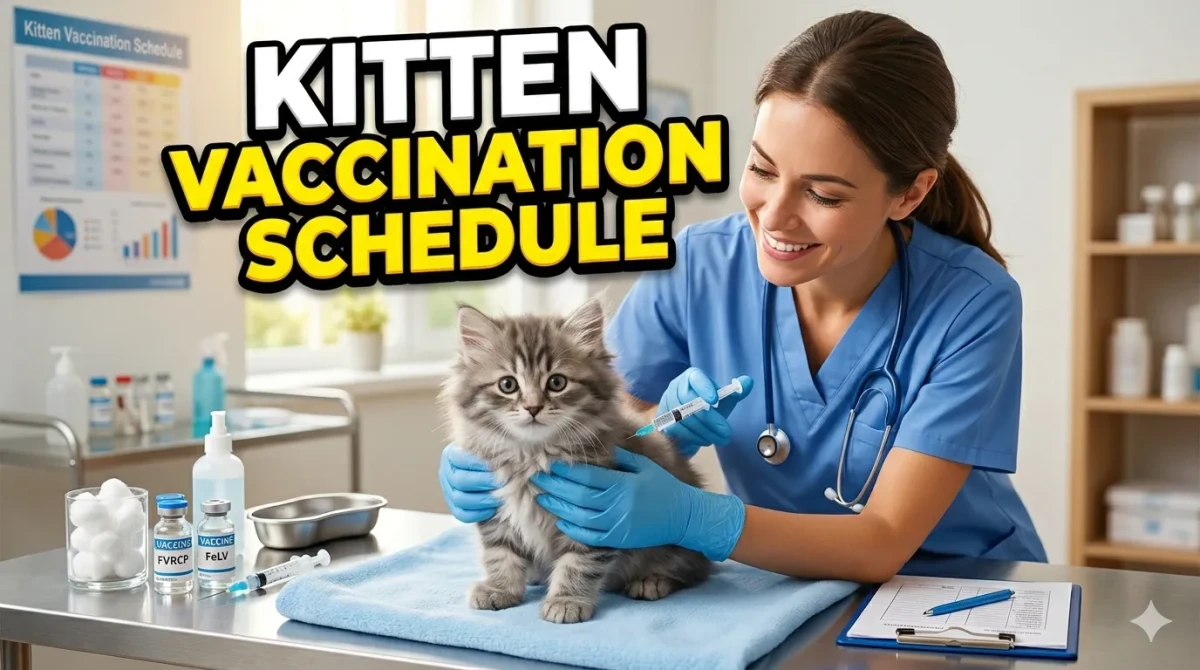
Protecting your new kitten with timely vaccinations is one of the most important responsibilities of cat ownership. Kittens are born with temporary immunity from their mother's milk, but this protection fades between 6-16 weeks of age, leaving them vulnerable to serious, often fatal diseases. A well-planned complete kitten vaccination schedule provides essential immunity during this critical window while supporting healthy development and safe socialization.
Featured Snippet Answer: The complete kitten vaccination schedule begins at 6-8 weeks with core vaccines (FVRCP), followed by boosters every 3-4 weeks until 16-20 weeks. Rabies vaccine is given at 12-16 weeks per local laws. Non-core vaccines like FeLV are added based on lifestyle risk. Always consult your veterinarian for a personalized schedule.
Vaccines don't just protect your individual kitten—they help maintain herd immunity that safeguards entire feline communities. Diseases like panleukopenia (feline distemper) and rhinotracheitis remain prevalent in many areas, and unvaccinated kittens can contract these illnesses from environments as seemingly safe as veterinary clinics, grooming facilities, or even your own home if you've been around other cats.
This comprehensive guide provides evidence-based, veterinarian-aligned information about kitten vaccination schedules. You'll learn about core versus non-core vaccines, age-appropriate timing, safety considerations, managing side effects, balancing socialization with disease prevention, and maintaining records. Whether you're welcoming your first kitten or adding to your feline family, you'll find practical, trustworthy guidance to make informed decisions about your kitten's health.
Understanding Kitten Immunity: Why Timing and Boosters Matter
Kittens aren't born with fully developed immune systems. They receive temporary protection through maternal antibodies passed in colostrum (first milk), but this immunity is short-lived and unpredictable.
Maternal Antibody Interference in Cats:
- Protection window: Maternal antibodies typically protect kittens from 6-16 weeks of age
- Unpredictable decline: Antibody levels vary by kitten, litter, and mother's immunity status
- Vaccine interference: High maternal antibodies can neutralize vaccines, preventing the kitten's immune system from developing its own protection
- Gap risk: When maternal antibodies drop but vaccine-induced immunity hasn't developed, kittens are highly vulnerable to infection
- 🐾 Common Fish Diseases and Prevention for Aquarium Fish
- 🐾 How to Boost Your Cat's Immune System Naturally: Expert Veterinary Guide
- 🐾 Common Bird Diseases and Prevention for Pet Birds
Why Multiple Boosters Are Non-Negotiable:
Kittens receive a series of vaccines (not just one shot) to ensure reliable protection:
- Early vaccines may be blocked by remaining maternal antibodies
- Repeated doses "catch" the immune system at the right moment when antibodies wane
- Boosters strengthen and prolong immunity for long-term protection
- Final vaccine at 16+ weeks ensures coverage after maternal antibodies have fully disappeared
- 🐾 Common Fish Diseases and Prevention for Aquarium Fish
- 🐾 How to Boost Your Cat's Immune System Naturally: Expert Veterinary Guide
- 🐾 Common Bird Diseases and Prevention for Pet Birds
Featured Snippet Answer: Kittens need multiple vaccine boosters every 3-4 weeks because maternal antibodies from mom can block early vaccines. The series continues until 16-20 weeks to ensure immunity develops after maternal protection fades. Never skip boosters, even if your kitten seems perfectly healthy.
What happens if I miss a kitten vaccine booster?
If you miss a booster, contact your veterinarian immediately. Depending on how much time has passed, your vet may recommend restarting the series or administering a single catch-up dose. Delaying vaccines leaves your kitten vulnerable to preventable diseases, so reschedule as soon as possible and maintain strict exposure limitations until the series is complete.
Core Vaccines: Essential Protection for Every Kitten

Core vaccines are recommended for all kittens regardless of location, lifestyle, or indoor/outdoor status because they protect against severe, widespread, or legally required diseases.
FVRCP Vaccine: The Foundation of Feline Protection
This combination vaccine (also called FVRCP or "feline distemper shot") protects against three serious viral diseases:
- Feline Viral Rhinotracheitis (FVR): Caused by feline herpesvirus-1; leads to severe upper respiratory infections, eye ulcers, and chronic carrier states
- Feline Calicivirus (FCV): Causes respiratory illness, oral ulcers, pneumonia, and in virulent strains, systemic disease with high mortality
- Feline Panleukopenia (FPV): Also called feline distemper; highly contagious virus causing severe vomiting, diarrhea, dehydration, and death; survives in environment for over a year
- 🐾 Common Fish Diseases and Prevention for Aquarium Fish
- 🐾 How to Boost Your Cat's Immune System Naturally: Expert Veterinary Guide
- 🐾 Common Bird Diseases and Prevention for Pet Birds
FVRCP Schedule:
- First dose: 6-8 weeks of age
- Boosters: Every 3-4 weeks (10-12 weeks, 14-16 weeks)
- Final kitten dose: At or after 16 weeks (critical for panleukopenia protection)
- Adult booster: 1 year after final kitten dose, then every 1-3 years per AAFP guidelines and vet guidance
- 🐾 Common Fish Diseases and Prevention for Aquarium Fish
- 🐾 How to Boost Your Cat's Immune System Naturally: Expert Veterinary Guide
- 🐾 Common Bird Diseases and Prevention for Pet Birds
Rabies Vaccine: Legal Requirement and Life-Saving Protection
Rabies is a fatal viral disease transmissible to humans. Vaccination is required by law in most U.S. states and many countries worldwide.
- First dose: 12-16 weeks of age (timing varies by local law and vaccine label)
- Booster: 1 year later, then every 1-3 years depending on vaccine type and regulations
- Documentation: Keep rabies certificate for licensing, travel, boarding, and emergencies
- Legal note: Only licensed veterinarians can administer rabies vaccines in most jurisdictions
- Vaccine types: Both killed and recombinant (non-adjuvanted) options available; discuss with your vet
- 🐾 Common Fish Diseases and Prevention for Aquarium Fish
- 🐾 How to Boost Your Cat's Immune System Naturally: Expert Veterinary Guide
- 🐾 Common Bird Diseases and Prevention for Pet Birds
Why Core Vaccines Can't Be Skipped:
- Panleukopenia virus survives in soil, carpets, and surfaces for over a year; many disinfectants don't kill it
- Herpesvirus and calicivirus spread through airborne particles, shared bowls, and human hands
- Rabies is 100% fatal and a public health emergency with mandatory reporting
- Treatment for these diseases is expensive, intensive, and often unsuccessful
- Vaccination is far safer, more affordable, and more humane than treating preventable disease
- 🐾 Common Fish Diseases and Prevention for Aquarium Fish
- 🐾 How to Boost Your Cat's Immune System Naturally: Expert Veterinary Guide
- 🐾 Common Bird Diseases and Prevention for Pet Birds
Non-Core Vaccines: Lifestyle-Based Protection for Kittens

Non-core vaccines are recommended based on your kitten's geographic location, lifestyle, exposure risk, and health status. Your veterinarian will help determine which are appropriate for your individual cat.
Feline Leukemia Virus (FeLV) Vaccine:
- Protects against: Retrovirus that suppresses immune system and causes cancer; spread through saliva, mutual grooming, shared bowls, and bite wounds
- Recommended for: Kittens with outdoor access, multi-cat households with unknown FeLV status, or cats who may escape outdoors
- Testing first: All kittens should be tested for FeLV before vaccination; vaccine doesn't help infected cats
- Schedule: Two initial doses 3-4 weeks apart starting at 8-9 weeks; booster at 1 year, then annually if risk continues
- Important: Indoor-only kittens with no exposure risk may not need this vaccine; discuss with your vet
- 🐾 Common Fish Diseases and Prevention for Aquarium Fish
- 🐾 How to Boost Your Cat's Immune System Naturally: Expert Veterinary Guide
- 🐾 Common Bird Diseases and Prevention for Pet Birds
Chlamydia felis Vaccine:
- Protects against: Bacterial cause of conjunctivitis and mild respiratory signs
- Recommended for: Kittens in multi-cat environments, catteries, or shelters with known Chlamydia outbreaks
- Schedule: Two initial doses 3-4 weeks apart; annual boosters if risk continues
- Note: Not routinely recommended for single indoor pets; limited efficacy against all strains
- 🐾 Common Fish Diseases and Prevention for Aquarium Fish
- 🐾 How to Boost Your Cat's Immune System Naturally: Expert Veterinary Guide
- 🐾 Common Bird Diseases and Prevention for Pet Birds
Bordetella bronchiseptica Vaccine:
- Protects against: Bacterial contributor to respiratory disease, especially in stressed or crowded environments
- Recommended for: Kittens entering boarding, grooming, shows, or high-density cat environments
- Administration: Intranasal form provides faster local immunity
- Schedule: Single intranasal dose as early as 4 weeks; annual boosters if risk continues
- 🐾 Common Fish Diseases and Prevention for Aquarium Fish
- 🐾 How to Boost Your Cat's Immune System Naturally: Expert Veterinary Guide
- 🐾 Common Bird Diseases and Prevention for Pet Birds
Featured Snippet Answer: Non-core kitten vaccines like FeLV, Chlamydia, and Bordetella are recommended based on lifestyle risk. Discuss your kitten's environment, exposure potential, and health status with your veterinarian to determine which additional vaccines are appropriate for your individual cat.
Complete Kitten Vaccination Timeline: Week by Week Guide

While individual schedules vary based on health, location, and risk factors, this evidence-based timeline aligns with AAFP (American Association of Feline Practitioners) guidelines and veterinary best practices.
6-8 Weeks: First Wellness Visit & Initial Core Vaccines
- Comprehensive health exam: Physical assessment, weight check, congenital defect screening, parasite evaluation
- First FVRCP: Initial protection against rhinotracheitis, calicivirus, and panleukopenia
- Deworming: First dose of kitten-safe dewormer (repeat every 2 weeks until 12 weeks)
- Fecal test: Microscopic examination for intestinal parasites like roundworms, hookworms, coccidia
- Discussion topics: Nutrition, litter training, socialization, spay/neuter timing, preventive care planning
- What to expect: Mild lethargy or soreness at injection site for 24-48 hours is normal
- 🐾 Common Fish Diseases and Prevention for Aquarium Fish
- 🐾 How to Boost Your Cat's Immune System Naturally: Expert Veterinary Guide
- 🐾 Common Bird Diseases and Prevention for Pet Birds
10-12 Weeks: Second FVRCP + Risk-Based Additions
- FVRCP booster: Strengthens immunity; critical as maternal antibodies decline
- FeLV vaccine (if indicated): First dose for at-risk kittens after negative test
- Continued deworming: Second or third dose per veterinary protocol
- Parasite prevention: Begin monthly flea prevention safe for kittens (many products start at 8 weeks)
- Socialization guidance: Safe ways to expose kitten to new experiences while immunity builds
- 🐾 Common Fish Diseases and Prevention for Aquarium Fish
- 🐾 How to Boost Your Cat's Immune System Naturally: Expert Veterinary Guide
- 🐾 Common Bird Diseases and Prevention for Pet Birds
14-16 Weeks: Final Core Series + Rabies + FeLV Booster
- Final FVRCP: Must be given at or after 16 weeks to ensure panleukopenia protection
- Rabies vaccine: First dose per local law (typically 12-16 weeks)
- FeLV booster: Second dose if started earlier, completing the initial series
- Microchipping: Often performed at this visit for permanent identification
- Spay/neuter planning: Discuss timing (typically 4-6 months) and pre-surgical requirements
- 🐾 Common Fish Diseases and Prevention for Aquarium Fish
- 🐾 How to Boost Your Cat's Immune System Naturally: Expert Veterinary Guide
- 🐾 Common Bird Diseases and Prevention for Pet Birds
12-16 Months: Adult Booster Transition
- FVRCP booster: One year after final kitten dose
- Rabies booster: Per vaccine label and local regulations (1-year or 3-year)
- FeLV booster: Annual update if lifestyle risk continues
- Adult wellness exam: Transition to adult care protocols, dental assessment, baseline blood work if indicated
- 🐾 Common Fish Diseases and Prevention for Aquarium Fish
- 🐾 How to Boost Your Cat's Immune System Naturally: Expert Veterinary Guide
- 🐾 Common Bird Diseases and Prevention for Pet Birds
Sample Schedule Table:
- 6-8 weeks: FVRCP #1, Deworming #1, Wellness Exam, Fecal Test
- 10-12 weeks: FVRCP #2, FeLV #1 (if needed), Deworming #2, Flea Prevention Start
- 14-16 weeks: FVRCP #3, Rabies #1, FeLV #2 (if needed), Microchip
- 12-16 months: FVRCP Booster, Rabies Booster, FeLV Booster (if needed), Adult Exam
- 🐾 Common Fish Diseases and Prevention for Aquarium Fish
- 🐾 How to Boost Your Cat's Immune System Naturally: Expert Veterinary Guide
- 🐾 Common Bird Diseases and Prevention for Pet Birds
Note: Schedules may vary based on kitten health, local disease risk, shelter protocols, and veterinarian recommendations. Always follow your vet's specific guidance.
Vaccine Safety in Kittens: What to Expect and How to Respond

Vaccines are extensively tested and overwhelmingly safe, but like any medical intervention, they can cause reactions. Understanding what's normal versus concerning helps you respond appropriately and keep your kitten comfortable.
Common, Mild Reactions (Typically Resolve in 24-48 Hours):
- Mild lethargy or increased sleepiness
- Slight decrease in appetite for one meal
- Low-grade fever (may feel warm to touch)
- Mild swelling, tenderness, or small lump at injection site
- Temporary reluctance to be handled near vaccination area
- 🐾 Common Fish Diseases and Prevention for Aquarium Fish
- 🐾 How to Boost Your Cat's Immune System Naturally: Expert Veterinary Guide
- 🐾 Common Bird Diseases and Prevention for Pet Birds
Home Care for Mild Reactions:
- Provide a quiet, comfortable, warm rest space away from other pets
- Ensure fresh water is readily available
- Offer small amounts of familiar, appealing food if appetite is reduced
- Apply a cool (not cold) compress to injection site if swollen (5 minutes at a time)
- Monitor closely; contact your vet if symptoms worsen or persist beyond 48 hours
- 🐾 Common Fish Diseases and Prevention for Aquarium Fish
- 🐾 How to Boost Your Cat's Immune System Naturally: Expert Veterinary Guide
- 🐾 Common Bird Diseases and Prevention for Pet Birds
Rare but Serious Reactions (Seek Immediate Veterinary Care):
- Facial swelling: Puffy eyes, muzzle, or ears developing within hours
- Hives or widespread itching: Red bumps or welts on skin
- Vomiting or diarrhea: Especially if severe, persistent, or containing blood
- Difficulty breathing: Wheezing, coughing, rapid breaths, or open-mouth breathing
- Collapse or extreme weakness: Inability to stand, walk, or respond normally
- Seizures or tremors: Any abnormal neurological activity
- 🐾 Common Fish Diseases and Prevention for Aquarium Fish
- 🐾 How to Boost Your Cat's Immune System Naturally: Expert Veterinary Guide
- 🐾 Common Bird Diseases and Prevention for Pet Birds
Featured Snippet Answer: Mild kitten vaccine reactions like lethargy or slight swelling are normal and resolve in 24-48 hours. Seek immediate veterinary care for facial swelling, hives, vomiting, breathing difficulties, or collapse. Always monitor your kitten closely after vaccinations and report concerns to your vet promptly.
Reducing Reaction Risk:
- Schedule vaccines when your kitten is healthy (not during illness, stress, or recovery)
- Avoid vaccinating during extreme environmental stress (travel, boarding, major household changes)
- Space non-core vaccines separately from core vaccines if your kitten has reacted before
- Stay at the clinic for 15-20 minutes post-vaccination to monitor for immediate reactions
- Keep a vaccine reaction log to inform future decisions and share with your veterinarian
- 🐾 Common Fish Diseases and Prevention for Aquarium Fish
- 🐾 How to Boost Your Cat's Immune System Naturally: Expert Veterinary Guide
- 🐾 Common Bird Diseases and Prevention for Pet Birds
Vaccine-Associated Sarcomas (Rare but Important):
Injection-site sarcomas are rare aggressive tumors that can develop at vaccine sites in cats (estimated 1 in 1,000 to 1 in 10,000 vaccinated cats). While serious, the benefits of vaccination against fatal diseases vastly outweigh this minimal risk. Your veterinarian uses specific protocols to minimize risk:
- Administering vaccines in designated locations (typically lower limbs) for easier monitoring and treatment if needed
- Using non-adjuvanted (recombinant) vaccines when available
- Following the "3-2-1 rule" for post-vaccine lumps: biopsy any lump that persists >3 months, is >2 cm, or grows after 1 month
- 🐾 Common Fish Diseases and Prevention for Aquarium Fish
- 🐾 How to Boost Your Cat's Immune System Naturally: Expert Veterinary Guide
- 🐾 Common Bird Diseases and Prevention for Pet Birds
Balancing Socialization and Disease Prevention in Kittens

The critical socialization window (2-7 weeks, extending to 14 weeks) overlaps with the vaccination series, creating a challenging balance for new kitten owners.
Why Early Socialization Can't Wait:
- Kittens who miss early positive experiences are at higher risk for fear, anxiety, and behavior problems
- Behavioral issues are a leading cause of shelter surrender and euthanasia in cats
- Positive early exposures build confidence, adaptability, and lifelong coping skills
- 🐾 Common Fish Diseases and Prevention for Aquarium Fish
- 🐾 How to Boost Your Cat's Immune System Naturally: Expert Veterinary Guide
- 🐾 Common Bird Diseases and Prevention for Pet Birds
Safe Socialization Strategies Before Full Vaccination:
- Controlled home environment: Invite healthy, vaccinated cats to your home; avoid unknown cats
- Kitten socialization classes: Choose facilities requiring proof of initial vaccines and strict sanitizing protocols
- Carry your kitten: Expose to sights, sounds, and surfaces while keeping paws off potentially contaminated ground
- Visit trusted friends' homes: Where you know cats are vaccinated and environment is clean
- Avoid high-risk areas: Veterinary waiting rooms (use separate areas), pet stores, sidewalks with unknown cat traffic until fully vaccinated
- 🐾 Common Fish Diseases and Prevention for Aquarium Fish
- 🐾 How to Boost Your Cat's Immune System Naturally: Expert Veterinary Guide
- 🐾 Common Bird Diseases and Prevention for Pet Birds
After Final Kitten Vaccines (16+ Weeks):
- Wait 7-10 days after final FVRCP for full immunity before high-exposure activities
- Gradually increase exposure: quiet indoor spaces first, then controlled outdoor experiences if desired
- Continue positive reinforcement during new experiences to build confidence
- Keep indoor cats indoors; outdoor exposure always carries disease and injury risks
- 🐾 Common Fish Diseases and Prevention for Aquarium Fish
- 🐾 How to Boost Your Cat's Immune System Naturally: Expert Veterinary Guide
- 🐾 Common Bird Diseases and Prevention for Pet Birds
Featured Snippet Answer: Socialize kittens safely before full vaccination by inviting healthy cats home, attending sanitized kitten classes, carrying your kitten in public, and avoiding high-risk areas like vet waiting rooms. Wait 7-10 days after the final 16-week vaccine before unrestricted exposure to unknown environments.
Special Considerations: Breed, Health, and Lifestyle Factors

While core vaccines are universal, individual factors may influence your kitten's schedule and vaccine selection.
Breed-Specific Considerations:
- Purebred kittens: Some breeds may have specific health considerations; discuss with breeder and vet
- Brachycephalic breeds: Persians, Himalayans may need careful monitoring post-vaccination due to respiratory sensitivity
- Large breeds: Maine Coons, Ragdolls may have different growth timelines; coordinate vaccine timing with development
- 🐾 Common Fish Diseases and Prevention for Aquarium Fish
- 🐾 How to Boost Your Cat's Immune System Naturally: Expert Veterinary Guide
- 🐾 Common Bird Diseases and Prevention for Pet Birds
Health Status Adjustments:
- Immunocompromised kittens: May need modified schedules; consult veterinary specialist
- Chronic conditions: Heart, kidney, or immune issues may affect vaccine timing or selection
- Recovering from illness: Delay vaccines until fully recovered and stable
- FIV-positive kittens: Can still receive core vaccines; discuss FeLV vaccine carefully with vet
- 🐾 Common Fish Diseases and Prevention for Aquarium Fish
- 🐾 How to Boost Your Cat's Immune System Naturally: Expert Veterinary Guide
- 🐾 Common Bird Diseases and Prevention for Pet Birds
High-Risk Lifestyle Factors:
- Shelter/rescue kittens: May need accelerated protocols due to unknown history and high exposure risk
- Traveling kittens: Research destination requirements; some regions mandate specific vaccines or health certificates
- Outdoor access: Higher FeLV, FIV, and parasite exposure risk warrants broader vaccine coverage
- Multi-cat households: Ensure all cats are vaccinated and tested to protect vulnerable kittens
- 🐾 Common Fish Diseases and Prevention for Aquarium Fish
- 🐾 How to Boost Your Cat's Immune System Naturally: Expert Veterinary Guide
- 🐾 Common Bird Diseases and Prevention for Pet Birds
Indoor-Only Kittens: Do They Still Need Vaccines?
Yes. Even strictly indoor kittens benefit from core vaccines because:
- Panleukopenia virus can be tracked indoors on shoes, clothing, or objects
- Respiratory viruses spread through human hands and shared items
- Rabies exposure can occur if a bat enters the home (a real risk in many areas)
- Unexpected escapes happen; vaccination provides a safety net
- Boarding, grooming, or veterinary visits require current vaccines
- 🐾 Common Fish Diseases and Prevention for Aquarium Fish
- 🐾 How to Boost Your Cat's Immune System Naturally: Expert Veterinary Guide
- 🐾 Common Bird Diseases and Prevention for Pet Birds
Vaccine Titers: An Alternative to Automatic Boosters for Cats?

Titer testing measures antibody levels in blood to assess immunity, offering a potential alternative to automatic booster vaccines in certain situations.
How Titers Work for Cats:
- Blood test measures antibodies against specific diseases (panleukopenia, herpesvirus, calicivirus, rabies)
- Protective titer levels suggest existing immunity; low levels may indicate need for booster
- Performed at specialized laboratories; results typically take several days
- Most validated for panleukopenia; less standardized for respiratory components
- 🐾 Common Fish Diseases and Prevention for Aquarium Fish
- 🐾 How to Boost Your Cat's Immune System Naturally: Expert Veterinary Guide
- 🐾 Common Bird Diseases and Prevention for Pet Birds
When Titers May Be Appropriate:
- Kittens or cats with history of vaccine reactions
- Adult cats with uncertain vaccine history being integrated into a household
- Owners seeking minimal vaccine protocols after thorough discussion with veterinarian
- Pre-boarding or travel when documentation of immunity is needed
- 🐾 Common Fish Diseases and Prevention for Aquarium Fish
- 🐾 How to Boost Your Cat's Immune System Naturally: Expert Veterinary Guide
- 🐾 Common Bird Diseases and Prevention for Pet Birds
Limitations of Titers in Feline Medicine:
- Not all vaccines have validated protective titer levels (e.g., FeLV, Chlamydia)
- Cost: Titers often cost more than the vaccine itself
- Legal requirements: Rabies titers don't replace vaccination for licensing in most jurisdictions
- Immunity complexity: Cellular immunity and mucosal protection aren't fully measured by antibody titers alone
- AAFP guidelines: Core vaccines on established schedules remain standard recommendation for kittens
- 🐾 Common Fish Diseases and Prevention for Aquarium Fish
- 🐾 How to Boost Your Cat's Immune System Naturally: Expert Veterinary Guide
- 🐾 Common Bird Diseases and Prevention for Pet Birds
Veterinary Guidance:
The AAFP and most veterinary organizations recommend core vaccines on established schedules for kittens. Titers are more commonly considered for adult cats with complete vaccine histories or specific health concerns. Always discuss titer testing with your veterinarian to determine if it's appropriate for your individual kitten.
Record Keeping and Legal Requirements for Cat Vaccinations

Proper documentation protects your kitten, meets legal obligations, and simplifies future care throughout their life.
Essential Records to Maintain:
- Vaccination certificates: Official documents from your veterinarian with vaccine type, manufacturer, lot number, date administered, and expiration
- Rabies certificate: Required for licensing in most areas; keep multiple copies (home, car, digital backup)
- Wellness exam notes: Track growth, behavior discussions, and health recommendations
- Microchip information: Registration number, company, and current contact details
- Preventive care log: Flea/tick prevention dates, deworming history, FeLV/FIV test results
- 🐾 Common Fish Diseases and Prevention for Aquarium Fish
- 🐾 How to Boost Your Cat's Immune System Naturally: Expert Veterinary Guide
- 🐾 Common Bird Diseases and Prevention for Pet Birds
Digital Tools for Record Management:
- Veterinary patient portals for accessing and downloading records
- Vaccine reminder apps for booster alerts and appointment scheduling
- Cloud storage or encrypted digital files for document backups
- Photo copies of certificates stored on your phone for emergencies or travel
- 🐾 Common Fish Diseases and Prevention for Aquarium Fish
- 🐾 How to Boost Your Cat's Immune System Naturally: Expert Veterinary Guide
- 🐾 Common Bird Diseases and Prevention for Pet Birds
Legal Compliance Essentials:
- Rabies laws: Vary by state/country; most require vaccination by 4-6 months of age
- Licensing: Many municipalities require proof of current rabies vaccine for cat licenses
- Boarding/grooming: Facilities typically require current FVRCP and often rabies documentation
- Travel: Domestic and international travel have specific vaccine documentation and health certificate requirements
- Housing: Some rental properties require proof of vaccination for pets
- 🐾 Common Fish Diseases and Prevention for Aquarium Fish
- 🐾 How to Boost Your Cat's Immune System Naturally: Expert Veterinary Guide
- 🐾 Common Bird Diseases and Prevention for Pet Birds
What to Do If Records Are Lost:
- Contact previous veterinarians, shelters, or breeders for duplicate documentation
- If history is truly unknown, your vet may recommend restarting core vaccine series for safety
- Titer testing can help assess existing immunity in some cases, though it doesn't replace legal rabies documentation
- Keep new records meticulously organized to avoid future gaps or confusion
- 🐾 Common Fish Diseases and Prevention for Aquarium Fish
- 🐾 How to Boost Your Cat's Immune System Naturally: Expert Veterinary Guide
- 🐾 Common Bird Diseases and Prevention for Pet Birds
Cost Considerations and Insurance Coverage for Kitten Vaccines

Understanding vaccine costs helps you budget for your kitten's healthcare and avoid surprises.
Typical Kitten Vaccine Costs (U.S. Estimates):
- Core vaccines (FVRCP series): $25-50 per dose
- Rabies vaccine: $20-40
- FeLV vaccine: $30-60 for the two-dose series
- Wellness exam fees: $45-85 per visit
- Additional services: Fecal test ($25-45), deworming ($15-30), microchip ($40-60)
- Total kitten series estimate: $250-600 depending on location, clinic, and vaccines selected
- 🐾 Common Fish Diseases and Prevention for Aquarium Fish
- 🐾 How to Boost Your Cat's Immune System Naturally: Expert Veterinary Guide
- 🐾 Common Bird Diseases and Prevention for Pet Birds
Ways to Manage Veterinary Costs:
- Wellness plans: Many clinics offer bundled kitten packages at discounted rates covering exams, vaccines, and preventives
- Low-cost clinics: Humane societies, SPCA facilities, and mobile clinics may offer affordable vaccine services
- Pet insurance: Many policies cover vaccines as part of wellness add-ons; compare plans early in kittenhood
- Preventive focus: Vaccines cost far less than treating preventable diseases like panleukopenia
- Community resources: Some areas offer vaccine clinics or assistance programs for qualifying households
- 🐾 Common Fish Diseases and Prevention for Aquarium Fish
- 🐾 How to Boost Your Cat's Immune System Naturally: Expert Veterinary Guide
- 🐾 Common Bird Diseases and Prevention for Pet Birds
Insurance Considerations for Cat Owners:
- Most pet insurance plans cover vaccines as part of optional wellness/preventive care add-ons
- Base accident/illness policies typically don't cover routine preventive care like vaccines
- Enroll early: Pre-existing conditions aren't covered, and kittenhood is the ideal time to start
- Review coverage details carefully: Some plans have waiting periods, annual limits, or specific requirements
- Consider lifetime coverage: Investing in insurance early protects against future unexpected costs
- 🐾 Common Fish Diseases and Prevention for Aquarium Fish
- 🐾 How to Boost Your Cat's Immune System Naturally: Expert Veterinary Guide
- 🐾 Common Bird Diseases and Prevention for Pet Birds
When to Delay or Adjust Kitten Vaccinations

While timely vaccination is critical for protection, certain situations warrant temporary adjustments under veterinary guidance.
Appropriate Reasons to Delay Vaccines:
- Illness: Fever, active infection, or significant illness; vaccinate when fully recovered
- Extreme stress: Recent relocation, loss of littermates, or major environmental changes affecting kitten's wellbeing
- Medication interactions: Immunosuppressive drugs or certain treatments may reduce vaccine efficacy
- Previous severe reaction: Work with vet on modified protocol, pre-medication, or alternative vaccine options
- Very young or underweight kittens: May need to reach minimum weight/age before certain vaccines
- 🐾 Common Fish Diseases and Prevention for Aquarium Fish
- 🐾 How to Boost Your Cat's Immune System Naturally: Expert Veterinary Guide
- 🐾 Common Bird Diseases and Prevention for Pet Birds
Inappropriate Reasons to Delay Vaccines:
- "My kitten seems healthy" (maternal antibodies aren't visible; vulnerability is hidden)
- "We keep them strictly indoors" (viruses can be tracked inside on shoes, clothing, or objects)
- "I prefer natural immunity" (risk of severe, fatal disease outweighs theoretical concerns about vaccines)
- "Vaccines cause autism or chronic illness" (debunked myth with no scientific basis in feline medicine)
- 🐾 Common Fish Diseases and Prevention for Aquarium Fish
- 🐾 How to Boost Your Cat's Immune System Naturally: Expert Veterinary Guide
- 🐾 Common Bird Diseases and Prevention for Pet Birds
Modified Protocols When Delays Are Necessary:
If delays are medically justified, your veterinarian may:
- Adjust timing while maintaining minimum intervals between doses for efficacy
- Prioritize highest-risk vaccines first (e.g., panleukopenia in high-exposure environments)
- Use titer testing to guide decisions in complex cases with uncertain history
- Implement strict exposure limitations until vaccination series is complete
- Document rationale for modifications in medical records for future reference
- 🐾 Common Fish Diseases and Prevention for Aquarium Fish
- 🐾 How to Boost Your Cat's Immune System Naturally: Expert Veterinary Guide
- 🐾 Common Bird Diseases and Prevention for Pet Birds
Quick Recap: Key Takeaways for Kitten Vaccination

- Start core vaccines (FVRCP) at 6-8 weeks with boosters every 3-4 weeks until 16+ weeks
- Administer rabies vaccine at 12-16 weeks per local law; keep certificate for licensing
- Add non-core vaccines (FeLV, Chlamydia, Bordetella) based on lifestyle risk assessment
- Never skip the final FVRCP at or after 16 weeks—critical for panleukopenia protection
- Monitor for mild reactions (lethargy, swelling) vs. severe reactions requiring emergency care
- Socialize safely before full vaccination: controlled environments, avoid high-risk areas
- Keep detailed records: vaccination certificates, rabies documentation, wellness notes, microchip info
- Discuss titer testing with your vet if considering alternatives to automatic boosters for adult cats
- Budget for vaccines: $250-600 for kitten series; explore wellness plans or pet insurance
- Consult your veterinarian for personalized scheduling based on breed, health, location, and lifestyle
- Remember: Vaccines prevent suffering; the risks of disease far outweigh vaccine risks for kittens
- 🐾 Common Fish Diseases and Prevention for Aquarium Fish
- 🐾 How to Boost Your Cat's Immune System Naturally: Expert Veterinary Guide
- 🐾 Common Bird Diseases and Prevention for Pet Birds
Final Thoughts: Partnering With Your Veterinarian for Lifelong Health

Your kitten's vaccination schedule isn't a rigid, one-size-fits-all checklist—it's a personalized health plan developed collaboratively with your veterinarian. While guidelines provide structure, your vet considers your kitten's unique needs, your community's disease risks, and your lifestyle to create the safest, most effective protocol.
Trust the science: Vaccines are among veterinary medicine's greatest successes, dramatically reducing once-common fatal diseases like panleukopenia and rabies. The temporary, mild discomfort of a vaccine pales against the suffering of preventable illness. By following an appropriate schedule, you're not just protecting your kitten—you're contributing to community health and honoring your responsibility as a pet owner.
Stay engaged and informed: Ask questions at every visit. Understand what each vaccine protects against, why timing matters, and how to monitor your kitten afterward. Keep records accessible and updated. Advocate for your kitten's health while remaining open to evidence-based veterinary guidance.
Finally, celebrate the milestones: Each vaccine brings your kitten closer to a lifetime of protected adventures. With proper vaccination, safe socialization, excellent nutrition, and loving care, your kitten can grow into a healthy, confident companion ready to share years of joy—with you by their side.
🐱 আরও পড়ুন: Cat Health

0 Comments