.png)
Common Fish Diseases and Prevention for Aquarium Fish
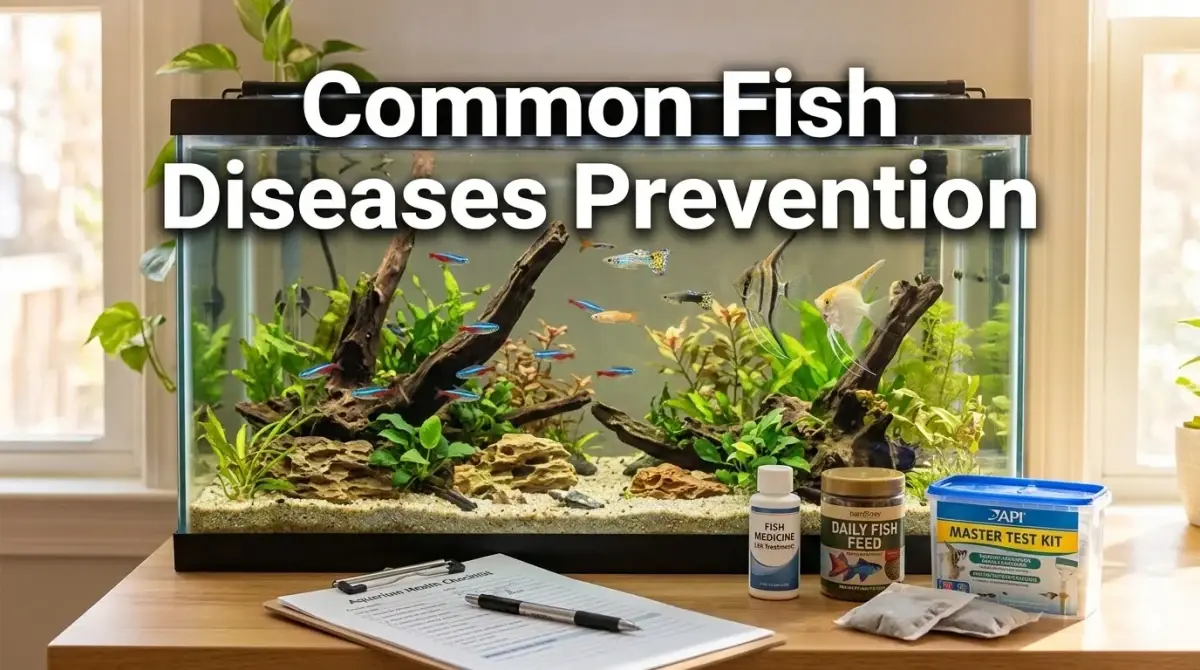
Understanding common fish diseases and prevention is essential for every aquarium owner who wants to keep their aquatic pets healthy and thriving. Freshwater and saltwater fish are susceptible to various illnesses that can spread rapidly in the confined environment of an aquarium. Because fish cannot verbally communicate discomfort and often show subtle early signs, owners must be vigilant in recognizing warning symptoms and implementing preventive care strategies. This comprehensive guide covers the most common diseases affecting aquarium fish in the USA, their symptoms, treatment approaches, and most importantly, practical prevention strategies to keep your fish healthy. From ich and fin rot to fungal infections and parasitic issues, you'll learn expert-backed techniques to create a disease-resistant aquarium environment for your aquatic companions.
Why Disease Prevention Matters for Aquarium Fish
Fish have unique physiology that makes preventive care especially critical. Their gills are in constant contact with water, making them highly susceptible to waterborne pathogens, toxins, and environmental stressors.
Unique Vulnerabilities of Aquarium Fish
Pet fish face specific health challenges:
- Rapid disease progression: Fish can deteriorate quickly in poor water conditions; a seemingly healthy fish today may be critically ill tomorrow
- Hidden illness: Fish often mask symptoms until disease is advanced, making early detection challenging
- Water quality dependence: Ammonia, nitrite, pH fluctuations, and temperature changes directly impact fish health
- Stress sensitivity: Overcrowding, incompatible tank mates, or poor handling can suppress immune function
- Contagious environment: Diseases spread easily in closed aquarium systems
- 🐾 Signs of a Healthy Aquarium Fish Every Owner Should Know
- 🐾 Bird Veterinary Care Basics: Essential Guide
- 🐾 Annual Health Check for Small Pets: Complete Guide
Benefits of Proactive Prevention
Implementing preventive care provides:
- Early detection of health issues when treatment is most effective
- Reduced medication costs through prevention rather than emergency treatment
- Longer, healthier lifespan for your fish
- Reduced stress and improved quality of life
- More stable, beautiful aquarium ecosystem
- 🐾 Signs of a Healthy Aquarium Fish Every Owner Should Know
- 🐾 Bird Veterinary Care Basics: Essential Guide
- 🐾 Annual Health Check for Small Pets: Complete Guide
Most Common Aquarium Fish Diseases
Understanding the diseases that commonly affect aquarium fish helps you recognize early warning signs and implement targeted prevention.
Ich (White Spot Disease)
What it is: A parasitic infection caused by Ichthyophthirius multifiliis, one of the most common freshwater fish diseases.
Early symptoms:
- Small white spots resembling salt grains on fins, body, or gills
- Flashing or scratching against objects
- Rapid gill movement or labored breathing
- Lethargy and decreased appetite
- Clamped fins (held close to body)
- 🐾 Signs of a Healthy Aquarium Fish Every Owner Should Know
- 🐾 Bird Veterinary Care Basics: Essential Guide
- 🐾 Annual Health Check for Small Pets: Complete Guide
Prevention strategies:
- Quarantine new fish for 2-4 weeks before adding to main tank
- Maintain stable water temperature (sudden changes trigger outbreaks)
- Avoid overcrowding to reduce stress and disease spread
- Maintain excellent water quality with regular testing and water changes
- Disinfect new plants, decorations, or equipment before adding to tank
- 🐾 Signs of a Healthy Aquarium Fish Every Owner Should Know
- 🐾 Bird Veterinary Care Basics: Essential Guide
- 🐾 Annual Health Check for Small Pets: Complete Guide
Treatment: Raise temperature gradually to 82-86°F, add aquarium salt (for freshwater), and use ich medication containing malachite green or formalin. Treat entire tank as parasite has life cycle in water.
Fin Rot (Bacterial Infection)
What it is: A bacterial infection causing deterioration of fins and tail, often secondary to stress or poor water quality.
Early symptoms:
- Frayed, ragged, or discolored fin edges
- White or cloudy film on fins
- Redness or inflammation at fin base
- Progressive fin deterioration if untreated
- Lethargy in advanced cases
- 🐾 Signs of a Healthy Aquarium Fish Every Owner Should Know
- 🐾 Bird Veterinary Care Basics: Essential Guide
- 🐾 Annual Health Check for Small Pets: Complete Guide
Prevention strategies:
- Maintain excellent water quality with regular testing and water changes
- Avoid physical injury from rough decorations or aggressive tank mates
- Minimize stress through proper stocking and compatible species
- Provide adequate filtration and avoid overfeeding
- Quarantine new fish to prevent introducing pathogens
- 🐾 Signs of a Healthy Aquarium Fish Every Owner Should Know
- 🐾 Bird Veterinary Care Basics: Essential Guide
- 🐾 Annual Health Check for Small Pets: Complete Guide
Treatment: Improve water quality immediately, add aquarium salt, and use antibacterial medication containing erythromycin or tetracycline. Remove sharp decorations that could cause further injury.
Velvet Disease (Gold Dust Disease)
What it is: A parasitic infection caused by Piscinoodinium or Oodinium, appearing as golden or rust-colored dust on fish.
Early symptoms:
- Golden, rust, or gray dust-like coating on body and fins
- Flashing or scratching against objects
- Rapid gill movement or respiratory distress
- Clamped fins and lethargy
- Loss of appetite
- 🐾 Signs of a Healthy Aquarium Fish Every Owner Should Know
- 🐾 Bird Veterinary Care Basics: Essential Guide
- 🐾 Annual Health Check for Small Pets: Complete Guide
Prevention strategies:
- Quarantine new fish for 2-4 weeks
- Maintain stable water parameters and avoid sudden changes
- Provide adequate filtration and avoid overcrowding
- Dim lights during treatment as parasite is light-sensitive
- Disinfect equipment between tanks
- 🐾 Signs of a Healthy Aquarium Fish Every Owner Should Know
- 🐾 Bird Veterinary Care Basics: Essential Guide
- 🐾 Annual Health Check for Small Pets: Complete Guide
Treatment: Dim tank lights, raise temperature slightly, and treat with copper-based medication or acriflavine. Copper is effective but toxic to invertebrates and some plants.
Fungal Infections
What it is: Secondary infections caused by water molds (Saprolegnia), often following injury or poor water quality.
Early symptoms:
- Cotton-like white or gray growths on body, fins, or mouth
- Ulcers or open wounds with fuzzy growth
- Lethargy and decreased appetite
- Redness or inflammation around affected areas
- 🐾 Signs of a Healthy Aquarium Fish Every Owner Should Know
- 🐾 Bird Veterinary Care Basics: Essential Guide
- 🐾 Annual Health Check for Small Pets: Complete Guide
Prevention strategies:
- Maintain excellent water quality to prevent opportunistic infections
- Avoid physical injury from rough tank decor or aggressive fish
- Treat injuries promptly with aquarium salt or antifungal dips
- Remove dead fish or decaying matter immediately
- Avoid overcrowding and provide adequate filtration
- 🐾 Signs of a Healthy Aquarium Fish Every Owner Should Know
- 🐾 Bird Veterinary Care Basics: Essential Guide
- 🐾 Annual Health Check for Small Pets: Complete Guide
Treatment: Improve water quality, add aquarium salt, and use antifungal medication containing methylene blue or malachite green. Remove fungal growth gently with cotton swab if accessible.
Dropsy (Bacterial Infection with Fluid Retention)
What it is: A symptom of underlying bacterial infection or organ failure causing fluid retention and scale protrusion.
Early symptoms:
- Swollen or bloated abdomen
- Scales protruding outward (pinecone appearance)
- Lethargy and loss of appetite
- Bulging eyes (exophthalmia) in some cases
- Redness or inflammation at base of fins
- 🐾 Signs of a Healthy Aquarium Fish Every Owner Should Know
- 🐾 Bird Veterinary Care Basics: Essential Guide
- 🐾 Annual Health Check for Small Pets: Complete Guide
Prevention strategies:
- Maintain excellent water quality with regular testing and changes
- Avoid overfeeding which can cause organ stress
- Minimize stress through proper stocking and compatible species
- Quarantine new fish to prevent introducing pathogens
- Provide varied, high-quality diet to support immune function
- 🐾 Signs of a Healthy Aquarium Fish Every Owner Should Know
- 🐾 Bird Veterinary Care Basics: Essential Guide
- 🐾 Annual Health Check for Small Pets: Complete Guide
Treatment: Isolate affected fish, improve water quality, and treat with broad-spectrum antibiotics. Prognosis is often poor; prevention is critical.
Swim Bladder Disorder
What it is: A condition affecting buoyancy control, often caused by constipation, infection, or physical injury.
Early symptoms:
- Difficulty maintaining position in water column
- Floating upside down, sideways, or sinking to bottom
- Swimming in circles or erratic patterns
- Loss of appetite or difficulty eating
- Normal appearance otherwise (no external lesions)
- 🐾 Signs of a Healthy Aquarium Fish Every Owner Should Know
- 🐾 Bird Veterinary Care Basics: Essential Guide
- 🐾 Annual Health Check for Small Pets: Complete Guide
Prevention strategies:
- Avoid overfeeding; feed small portions 1-2 times daily
- Soak dry foods before feeding to prevent expansion in digestive tract
- Provide varied diet including fiber-rich foods like peas
- Maintain stable water temperature to support digestion
- Avoid sudden temperature changes that can affect swim bladder function
- 🐾 Signs of a Healthy Aquarium Fish Every Owner Should Know
- 🐾 Bird Veterinary Care Basics: Essential Guide
- 🐾 Annual Health Check for Small Pets: Complete Guide
Treatment: Fast fish for 24-48 hours, then feed cooked, shelled peas. Raise water temperature slightly to aid digestion. If bacterial, treat with antibiotics.
Columnaris (Cotton Wool Disease)
What it is: A bacterial infection caused by Flavobacterium columnare, appearing as white or gray patches on skin, fins, or gills.
Early symptoms:
- White or gray cotton-like patches on body or fins
- Erosion of fins, mouth, or gills
- Rapid gill movement or respiratory distress
- Lethargy and loss of appetite
- Redness or inflammation at lesion sites
- 🐾 Signs of a Healthy Aquarium Fish Every Owner Should Know
- 🐾 Bird Veterinary Care Basics: Essential Guide
- 🐾 Annual Health Check for Small Pets: Complete Guide
Prevention strategies:
- Maintain excellent water quality with regular testing and changes
- Avoid sudden temperature changes or poor water conditions
- Minimize stress through proper stocking and handling
- Quarantine new fish before adding to established tank
- Avoid overcrowding which increases disease transmission risk
- 🐾 Signs of a Healthy Aquarium Fish Every Owner Should Know
- 🐾 Bird Veterinary Care Basics: Essential Guide
- 🐾 Annual Health Check for Small Pets: Complete Guide
Treatment: Improve water quality immediately, raise temperature slightly, and treat with antibiotics containing kanamycin or nitrofurazone. Act quickly as columnaris progresses rapidly.
Anchor Worm and Fish Lice (Parasitic Infections)
What it is: External parasites that attach to fish skin, causing irritation and secondary infections.
Early symptoms:
- Visible worms (anchor worm) or flat lice attached to body
- Flashing, scratching, or rubbing against objects
- Redness, swelling, or ulcers at attachment sites
- Lethargy and decreased appetite in heavy infestations
- Secondary bacterial or fungal infections at wound sites
- 🐾 Signs of a Healthy Aquarium Fish Every Owner Should Know
- 🐾 Bird Veterinary Care Basics: Essential Guide
- 🐾 Annual Health Check for Small Pets: Complete Guide
Prevention strategies:
- Quarantine new fish for 2-4 weeks before adding to main tank
- Inspect new fish carefully for visible parasites before purchase
- Avoid introducing wild-caught fish or plants without quarantine
- Maintain excellent water quality to support fish immune function
- Disinfect nets and equipment between tanks
- 🐾 Signs of a Healthy Aquarium Fish Every Owner Should Know
- 🐾 Bird Veterinary Care Basics: Essential Guide
- 🐾 Annual Health Check for Small Pets: Complete Guide
Treatment: Remove visible parasites with tweezers (apply antiseptic to wound), then treat entire tank with parasitic medication containing trichlorfon or dimethrin. Treat invertebrates separately as many medications are toxic to them.
Early Warning Signs of Illness in Fish

Recognizing subtle early signs allows for prompt intervention before disease progresses.
Behavioral Changes
Key indicators:
- Increased hiding: Spending more time hidden than usual may indicate stress or illness
- Decreased activity: Lethargy, resting on bottom, or reduced swimming
- Flashing or scratching: Rubbing against objects indicates parasite irritation
- Loss of appetite: Refusing food is often one of first illness signs
- Erratic swimming: Spinning, darting, or difficulty maintaining position
- Gasping at surface: Indicates respiratory distress or poor water quality
- 🐾 Signs of a Healthy Aquarium Fish Every Owner Should Know
- 🐾 Bird Veterinary Care Basics: Essential Guide
- 🐾 Annual Health Check for Small Pets: Complete Guide
Action: Document behavioral changes and test water parameters immediately. Contact aquatic veterinarian or experienced aquarist if changes persist more than 24 hours.
Physical Changes
Key indicators:
- Color changes: Fading, darkening, or unusual patches may indicate stress or disease
- Fin changes: Fraying, clamping, or discoloration signals infection or stress
- Body changes: Swelling, lesions, or abnormal growths require attention
- Eye changes: Cloudiness, bulging, or redness indicates infection or injury
- Gill changes: Rapid movement, redness, or mucus indicates respiratory issues
- 🐾 Signs of a Healthy Aquarium Fish Every Owner Should Know
- 🐾 Bird Veterinary Care Basics: Essential Guide
- 🐾 Annual Health Check for Small Pets: Complete Guide
Action: Perform regular visual inspections during feeding. Photograph abnormalities to track progression and share with experts.
Water Quality Indicators
Key indicators:
- Cloudy water: May indicate bacterial bloom or poor filtration
- Unusual odors: Foul smells suggest waste buildup or anaerobic conditions
- Excessive algae: May indicate nutrient imbalance or lighting issues
- Fish behavior changes: Gasping, flashing, or lethargy often signal water quality issues
- 🐾 Signs of a Healthy Aquarium Fish Every Owner Should Know
- 🐾 Bird Veterinary Care Basics: Essential Guide
- 🐾 Annual Health Check for Small Pets: Complete Guide
Action: Test water parameters weekly (ammonia, nitrite, nitrate, pH, temperature). Address issues immediately before fish show symptoms.
Essential Prevention Strategies for Fish Health

Proactive prevention is the most effective way to protect your fish from disease.
Water Quality Management: The Foundation of Health
Key components:
- Regular testing: Test ammonia, nitrite, nitrate, pH, and temperature weekly
- Partial water changes: Change 10-25% of water weekly to remove waste and replenish minerals
- Proper filtration: Use filter rated for at least 4-6 times tank volume per hour
- Dechlorination: Always treat tap water with dechlorinator before adding to tank
- Temperature stability: Maintain stable temperature appropriate for fish species
- 🐾 Signs of a Healthy Aquarium Fish Every Owner Should Know
- 🐾 Bird Veterinary Care Basics: Essential Guide
- 🐾 Annual Health Check for Small Pets: Complete Guide
Species-specific considerations:
- Tropical fish: 75-80°F, pH 6.5-7.5 typically
- Goldfish: 65-72°F, tolerate wider pH range
- Cichlids: Species-specific requirements; research your species
- 🐾 Signs of a Healthy Aquarium Fish Every Owner Should Know
- 🐾 Bird Veterinary Care Basics: Essential Guide
- 🐾 Annual Health Check for Small Pets: Complete Guide
Proper Stocking and Tank Management
Tank requirements:
- Adequate size: Follow "1 inch of fish per gallon" as minimum guideline
- Compatible species: Research temperament and water parameter needs
- Adequate hiding places: Reduce stress with plants, caves, and decorations
- Proper filtration: Mechanical, biological, and chemical filtration as needed
- 🐾 Signs of a Healthy Aquarium Fish Every Owner Should Know
- 🐾 Bird Veterinary Care Basics: Essential Guide
- 🐾 Annual Health Check for Small Pets: Complete Guide
Environmental factors:
- Lighting: 8-10 hours daily for planted tanks; adjust for fish needs
- Water flow: Appropriate for species (some prefer calm, others strong current)
- Substrate: Choose appropriate substrate for fish species and plants
- Plants: Live plants improve water quality and reduce stress
- 🐾 Signs of a Healthy Aquarium Fish Every Owner Should Know
- 🐾 Bird Veterinary Care Basics: Essential Guide
- 🐾 Annual Health Check for Small Pets: Complete Guide
Quarantine Protocol for New Fish
Quarantine setup:
- Separate tank (10-20 gallons minimum) with heater, filter, and hiding places
- No substrate or decorations to simplify cleaning and observation
- Run for 1-2 weeks before adding fish to establish beneficial bacteria
- 🐾 Signs of a Healthy Aquarium Fish Every Owner Should Know
- 🐾 Bird Veterinary Care Basics: Essential Guide
- 🐾 Annual Health Check for Small Pets: Complete Guide
Quarantine procedure:
- Isolate new fish for 2-4 weeks before adding to main tank
- Observe daily for signs of illness or stress
- Test water parameters regularly in quarantine tank
- Treat preventatively for common parasites if recommended by expert
- Only add to main tank after confirming health and stability
- 🐾 Signs of a Healthy Aquarium Fish Every Owner Should Know
- 🐾 Bird Veterinary Care Basics: Essential Guide
- 🐾 Annual Health Check for Small Pets: Complete Guide
Benefits: Prevents introducing diseases to established tank, allows observation of new fish behavior, and provides time for acclimation.
Nutrition and Feeding Practices
Quality nutrition:
- Species-appropriate food: Carnivores, herbivores, and omnivores have different needs
- High-quality ingredients: Look for named protein sources and minimal fillers
- Variety: Rotate foods to provide complete nutrition
- Freshness: Store food properly and discard expired products
- 🐾 Signs of a Healthy Aquarium Fish Every Owner Should Know
- 🐾 Bird Veterinary Care Basics: Essential Guide
- 🐾 Annual Health Check for Small Pets: Complete Guide
Feeding practices:
- Appropriate portions: Feed only what fish consume in 2-3 minutes
- Frequency: 1-2 small meals daily for most adult fish
- Remove uneaten food: Prevents water quality issues
- Supplements: Occasional frozen or live foods for variety and nutrition
- 🐾 Signs of a Healthy Aquarium Fish Every Owner Should Know
- 🐾 Bird Veterinary Care Basics: Essential Guide
- 🐾 Annual Health Check for Small Pets: Complete Guide
Stress Reduction Techniques
Minimize stressors:
- Avoid sudden changes in water parameters, temperature, or lighting
- Provide adequate hiding places and territory for all fish
- Maintain consistent feeding and maintenance schedules
- Avoid overhandling or excessive tank disturbances
- Introduce new fish gradually using proper acclimation methods
- 🐾 Signs of a Healthy Aquarium Fish Every Owner Should Know
- 🐾 Bird Veterinary Care Basics: Essential Guide
- 🐾 Annual Health Check for Small Pets: Complete Guide
Enrichment:
- Provide appropriate tank mates to reduce aggression
- Include plants, caves, and decorations for exploration
- Vary feeding methods to stimulate natural behaviors
- Monitor fish interactions and separate aggressive individuals if needed
- 🐾 Signs of a Healthy Aquarium Fish Every Owner Should Know
- 🐾 Bird Veterinary Care Basics: Essential Guide
- 🐾 Annual Health Check for Small Pets: Complete Guide
People Also Ask: Quick Answers

What is the most common disease in aquarium fish?
Ich (white spot disease) is among the most common diseases in freshwater aquarium fish, caused by a parasitic protozoan. Prevention focuses on quarantining new fish, maintaining stable water parameters, and avoiding stress. Early treatment with medication and temperature adjustment is highly effective.
How can I prevent my fish from getting sick?
Prevent fish illness through: excellent water quality management (regular testing and water changes), proper quarantine of new fish, appropriate stocking levels, balanced nutrition, stress reduction, and regular observation for early symptom detection. Prevention is far more effective than treatment.
What are the first signs my fish is sick?
Early signs include: changes in behavior (hiding, lethargy, flashing), appetite loss, abnormal swimming, color changes, fin clamping, or visible spots/lesions. Because fish hide illness, any sustained change in behavior or appearance warrants investigation.
Can fish diseases spread to humans?
Most aquarium fish diseases are not transmissible to humans. However, practice good hygiene: wash hands after handling tank water or fish, avoid contact with open wounds, and keep aquarium equipment separate from food preparation areas.
How often should I test my aquarium water?
Test water parameters weekly for established tanks: ammonia, nitrite, nitrate, pH, and temperature. Test daily during tank cycling or after adding new fish. Immediate testing is needed if fish show signs of illness or behavior changes.
When to Seek Professional Help

Knowing when to consult an expert can save your fish and prevent disease spread.
Emergency Signs Requiring Immediate Action
Contact aquatic veterinarian or experienced aquarist immediately if you observe:
- Multiple fish showing symptoms: Indicates contagious disease or water quality crisis
- Rapid deterioration: Fish declining quickly despite treatment
- Respiratory distress: Gasping at surface, rapid gill movement
- Bloody lesions or severe swelling: Indicates serious infection or organ failure
- Complete loss of appetite in multiple fish: May indicate systemic water quality issue
- 🐾 Signs of a Healthy Aquarium Fish Every Owner Should Know
- 🐾 Bird Veterinary Care Basics: Essential Guide
- 🐾 Annual Health Check for Small Pets: Complete Guide
When to Consult an Aquatic Veterinarian
Schedule professional consultation for:
- Persistent symptoms despite home treatment
- Uncertain diagnosis or complex cases
- Valuable or rare fish requiring specialized care
- Recurring disease outbreaks indicating underlying issues
- Preventive health screening for breeding or show fish
- 🐾 Signs of a Healthy Aquarium Fish Every Owner Should Know
- 🐾 Bird Veterinary Care Basics: Essential Guide
- 🐾 Annual Health Check for Small Pets: Complete Guide
Finding Aquatic Veterinary Care
Look for:
- Veterinarians with fish or aquatic animal experience
- Proper diagnostic equipment for fish examination
- Knowledge of aquarium fish medications and treatments
- Positive reviews from other aquarium owners
- 🐾 Signs of a Healthy Aquarium Fish Every Owner Should Know
- 🐾 Bird Veterinary Care Basics: Essential Guide
- 🐾 Annual Health Check for Small Pets: Complete Guide
Resources:
- Association of Exotic Mammal Veterinarians (AEMV) directory
- Local aquarium clubs and fish stores for referrals
- Online aquatic veterinary consultation services
- 🐾 Signs of a Healthy Aquarium Fish Every Owner Should Know
- 🐾 Bird Veterinary Care Basics: Essential Guide
- 🐾 Annual Health Check for Small Pets: Complete Guide
Common Prevention Mistakes to Avoid

Even well-meaning aquarium owners can make errors that compromise fish health.
- Skipping quarantine: Adding new fish directly to established tank risks disease introduction. Always quarantine new arrivals.
- Overlooking water testing: Assuming water is "fine" without testing misses developing problems. Test parameters regularly.
- Overfeeding: Excess food decays and pollutes water. Feed only what fish consume in 2-3 minutes.
- Using medications preventatively: Unnecessary medication can harm beneficial bacteria and fish. Treat only when needed.
- Ignoring subtle behavior changes: Small shifts in activity or appetite often signal early illness. Document and investigate changes.
- Mixing incompatible species: Aggressive fish or incompatible water parameter needs cause stress and disease. Research before stocking.
- Skipping regular maintenance: Infrequent water changes or filter cleaning allows waste buildup. Maintain consistent schedule.
- Self-diagnosing without confirmation: Treating for wrong disease wastes time and may worsen condition. Confirm diagnosis when possible.
- 🐾 Signs of a Healthy Aquarium Fish Every Owner Should Know
- 🐾 Bird Veterinary Care Basics: Essential Guide
- 🐾 Annual Health Check for Small Pets: Complete Guide
Species-Specific Disease Considerations

Different fish species have unique disease susceptibilities and prevention needs.
Tropical Community Fish (Tetras, Guppies, Platies)
Common concerns: Ich, fin rot, velvet, stress-related illnesses from incompatible tank mates.
Prevention focus: Stable warm temperature (75-80°F), excellent water quality, compatible stocking, and regular observation.
Cichlids (African, South American)
Common concerns: Hole-in-the-head disease, bacterial infections from aggressive behavior, water quality sensitivity.
Prevention focus: Excellent filtration, regular water changes, appropriate rockwork for territory, and high-quality nutrition.
Betta Fish
Common concerns: Fin rot from poor water quality, swim bladder disorder from overfeeding, temperature sensitivity.
Prevention focus: Warm stable temperature (78-80°F), gentle filtration, appropriate tank size (5+ gallons), and avoiding overfeeding.
Goldfish
Common concerns: Swim bladder disorder, ich, fungal infections from poor water quality, ammonia sensitivity.
Prevention focus: Adequate tank size (20+ gallons for first fish), excellent filtration, cool water temperature, and avoiding overfeeding.
Creating a Preventive Care Schedule

Organizing preventive tasks helps ensure nothing is overlooked.
Daily Prevention Tasks
- Observe fish behavior, appetite, and appearance
- Check equipment function (heater, filter, lights)
- Remove uneaten food after 2-3 minutes
- Top off evaporated water with dechlorinated water
- Note any changes in water clarity or odor
- 🐾 Signs of a Healthy Aquarium Fish Every Owner Should Know
- 🐾 Bird Veterinary Care Basics: Essential Guide
- 🐾 Annual Health Check for Small Pets: Complete Guide
Weekly Prevention Tasks
- Test water parameters (ammonia, nitrite, nitrate, pH)
- Perform partial water change (10-25%)
- Clean filter media in removed tank water (never tap water)
- Scrape algae from glass and decorations
- Inspect fish closely for early disease signs
- Vacuum substrate to remove waste
- 🐾 Signs of a Healthy Aquarium Fish Every Owner Should Know
- 🐾 Bird Veterinary Care Basics: Essential Guide
- 🐾 Annual Health Check for Small Pets: Complete Guide
Monthly Prevention Tasks
- Deep clean filter (rinse media in tank water, not tap water)
- Inspect and clean equipment (heater, air stones, etc.)
- Review stocking levels and fish compatibility
- Assess diet variety and adjust if needed
- Review preventive care plan with aquatic expert if needed
- 🐾 Signs of a Healthy Aquarium Fish Every Owner Should Know
- 🐾 Bird Veterinary Care Basics: Essential Guide
- 🐾 Annual Health Check for Small Pets: Complete Guide
Quarterly Prevention Tasks
- Replace filter media as needed (not all at once)
- Deep clean tank decorations and hardscape
- Review and update fish health records
- Assess tank setup for improvements or upgrades
- Consult aquatic veterinarian for preventive screening if valuable fish
- 🐾 Signs of a Healthy Aquarium Fish Every Owner Should Know
- 🐾 Bird Veterinary Care Basics: Essential Guide
- 🐾 Annual Health Check for Small Pets: Complete Guide
Frequently Asked Questions

Can I prevent all fish diseases?
While not all diseases can be prevented, most common aquarium fish illnesses can be significantly reduced through proper water quality management, quarantine protocols, appropriate stocking, and stress reduction. Prevention focuses on minimizing risk factors and enabling early detection when issues do arise.
How do I know if my fish is stressed?
Signs of stress include: hiding excessively, loss of color, clamped fins, rapid breathing, loss of appetite, or erratic swimming. Reduce stress through stable water parameters, adequate hiding places, compatible tank mates, and consistent routines.
What vaccinations do aquarium fish need?
Vaccinations are not typically available or necessary for aquarium fish. Prevention focuses on water quality management, quarantine, and stress reduction rather than immunization. Some commercial fish operations use vaccines, but these are not practical for home aquariums.
Can I use over-the-counter medications for my fish?
Many effective fish medications are available over-the-counter, but use them judiciously. Always confirm diagnosis before treating, follow dosage instructions precisely, and remove chemical filtration (carbon) during treatment. When in doubt, consult an aquatic veterinarian.
How long does it take for fish to recover from illness?
Recovery time varies widely based on the disease, severity, and how early treatment began. Mild ich may resolve in 7-10 days with treatment; bacterial infections may take 2-3 weeks. Early detection and treatment significantly improve recovery outcomes.
Conclusion: Prevention Is the Best Medicine

Understanding common fish diseases and implementing proactive prevention strategies is one of the most important responsibilities of aquarium ownership. While fish can develop illnesses despite our best efforts, a comprehensive prevention plan dramatically reduces disease risk and enables early intervention when problems do arise.
Remember that prevention is multifaceted: excellent water quality forms the foundation, but proper quarantine, appropriate stocking, balanced nutrition, and stress reduction all play crucial roles. By creating a holistic preventive care plan tailored to your aquarium's specific inhabitants and setup, you're providing the best possible foundation for a thriving aquatic ecosystem.
Start today by evaluating your current care routine against the guidelines in this article. Identify areas for improvement and implement changes gradually. Your fish will reward your commitment to preventive care with vibrant health, active behavior, and years of enjoyable companionship.
Remember, healthy fish are the foundation of a beautiful aquarium. Through knowledge, vigilance, and consistent care, you can provide the preventive care that keeps your aquatic companions thriving for years to come.
🐱 আরও পড়ুন: Fish Health

0 Comments