.png)
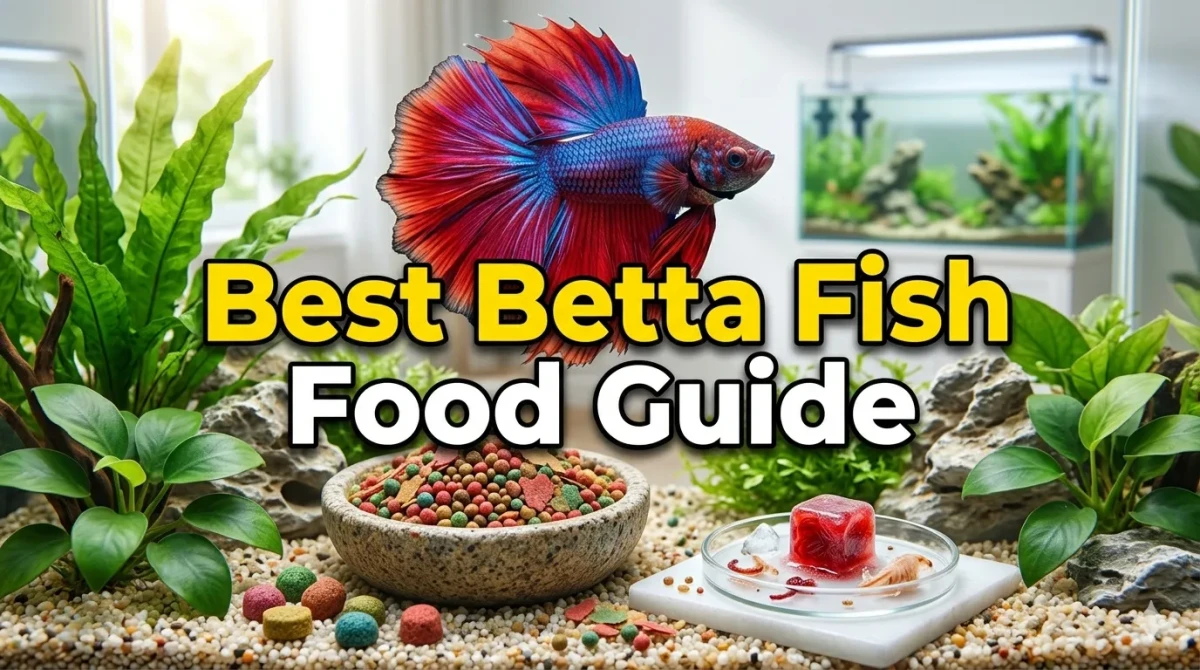
Why Choosing the Best Food for Betta Fish Is Critical for Health and Longevity
Betta fish, also known as Siamese fighting fish or Betta splendens, are among the most popular aquarium pets worldwide. Their stunning colors, flowing fins, and personalities make them beloved companions. However, many betta owners unknowingly compromise their fish's health through improper feeding. Selecting the best food for betta fish isn't just about convenience—it's about providing species-appropriate nutrition that supports vibrant coloration, strong fins, robust immunity, and a long, active life.
Featured Snippet Answer: The best food for betta fish is high-protein pellets or flakes specifically formulated for bettas, containing 35-50% protein from quality animal sources. Feed 2-3 small pellets twice daily, supplementing with frozen or live foods like bloodworms and brine shrimp 1-2 times weekly. Avoid overfeeding and ensure food sinks slowly or floats for easy access.
Bettas are carnivorous fish with specific nutritional requirements that differ significantly from herbivorous or omnivorous tropical fish. In their natural habitat—shallow rice paddies and slow-moving streams in Southeast Asia—bettas primarily consume insect larvae, small crustaceans, and zooplankton. This carnivorous nature means they require high protein levels and cannot thrive on plant-based diets or generic tropical fish food.
This comprehensive guide explores everything you need to know about betta fish nutrition: from understanding their biological requirements to selecting premium food brands, establishing proper feeding schedules, avoiding common mistakes, and recognizing signs of nutritional deficiencies. Whether you're a first-time betta owner or an experienced aquarist, you'll learn how to optimize your betta's diet for maximum health and vitality.
Understanding Betta Fish Nutritional Requirements
Betta fish have evolved as carnivorous predators, and their digestive systems reflect this specialization. Unlike omnivorous fish that can process significant plant matter, bettas require animal-based proteins to maintain optimal health.
Core Nutritional Needs:
- Protein: 35-50% of diet from high-quality animal sources (fish meal, shrimp meal, insect larvae)
- Fat: 10-15% for energy and vitamin absorption; essential for color development
- Fiber: Minimal amounts (5-8%); excessive fiber causes digestive issues
- Moisture: Varies by food type; frozen/live foods have higher moisture content
- Vitamins: A, C, D3, E, and B-complex for immune function and metabolism
- Minerals: Calcium, phosphorus, magnesium, and trace elements for bone and scale health
- 🐾 Fish Food for Growing Fry: Expert Nutrition & Feeding Guide
- 🐾 Homemade Small Pet Food Recipes and Complete Care Guide
- 🐾 Grain-Free Dog Food for Adult Dogs: Complete Guide
Protein Quality Matters: Not all proteins are equal. Whole fish meal, shrimp meal, and insect proteins are highly digestible and provide complete amino acid profiles. Plant proteins (soy, wheat gluten) are less suitable for bettas and can cause digestive stress when used as primary protein sources.
Fat Requirements: Healthy fats support color intensity, fin development, and energy metabolism. Sources like fish oil, krill meal, and shrimp provide omega-3 and omega-6 fatty acids that enhance pigmentation and immune function.
Digestive Limitations: Bettas have short digestive tracts designed for processing animal protein quickly. They cannot efficiently break down complex carbohydrates or cellulose, which is why plant-heavy diets lead to malnutrition and bloating.
Can betta fish eat tropical fish flakes?
While bettas can physically consume tropical fish flakes, these foods are often nutritionally inadequate. Tropical flakes typically contain 30-35% protein with significant plant matter, which doesn't meet bettas' carnivorous needs. If you must use flakes, choose those specifically labeled for bettas or carnivorous fish with 40%+ protein from animal sources. Pellets formulated for bettas are superior due to higher protein content and appropriate nutrient ratios.
Types of Betta Fish Food: Pros and Cons

Several food types are available for betta fish, each with distinct advantages and limitations. Understanding these options helps you create a balanced, varied diet.
1. Pellets: The Gold Standard
Advantages:
- Nutritionally complete when formulated properly
- Convenient storage and long shelf life
- Controlled portion sizes prevent overfeeding
- Floating or slow-sinking options match betta feeding behavior
- Less water contamination than flakes
- 🐾 Fish Food for Growing Fry: Expert Nutrition & Feeding Guide
- 🐾 Homemade Small Pet Food Recipes and Complete Care Guide
- 🐾 Grain-Free Dog Food for Adult Dogs: Complete Guide
Disadvantages:
- Some bettas refuse pellets initially
- Quality varies significantly between brands
- Can swell in digestive tract if overfed
- 🐾 Fish Food for Growing Fry: Expert Nutrition & Feeding Guide
- 🐾 Homemade Small Pet Food Recipes and Complete Care Guide
- 🐾 Grain-Free Dog Food for Adult Dogs: Complete Guide
Best For: Daily staple diet; most bettas thrive on high-quality pellets as their primary food source.
2. Flakes: Convenient but Variable
Advantages:
- Widely available and affordable
- Easy to crush for smaller portions
- Some bettas prefer flake texture
- 🐾 Fish Food for Growing Fry: Expert Nutrition & Feeding Guide
- 🐾 Homemade Small Pet Food Recipes and Complete Care Guide
- 🐾 Grain-Free Dog Food for Adult Dogs: Complete Guide
Disadvantages:
- Rapidly disintegrate, polluting water
- Often lower protein content than pellets
- Difficult to control portions
- Nutritional degradation after opening
- 🐾 Fish Food for Growing Fry: Expert Nutrition & Feeding Guide
- 🐾 Homemade Small Pet Food Recipes and Complete Care Guide
- 🐾 Grain-Free Dog Food for Adult Dogs: Complete Guide
Best For: Occasional variety; not recommended as sole food source.
3. Frozen Foods: Nutritional Powerhouses
Common frozen options include bloodworms, brine shrimp, daphnia, and mysis shrimp.
Advantages:
- High protein content and excellent palatability
- Retain most nutrients of live foods
- Convenient storage (freezer)
- No parasite risk (when commercially frozen)
- 🐾 Fish Food for Growing Fry: Expert Nutrition & Feeding Guide
- 🐾 Homemade Small Pet Food Recipes and Complete Care Guide
- 🐾 Grain-Free Dog Food for Adult Dogs: Complete Guide
Disadvantages:
- Require freezer space
- Must thaw before feeding
- Can pollute water if overfed
- More expensive than dry foods
- 🐾 Fish Food for Growing Fry: Expert Nutrition & Feeding Guide
- 🐾 Homemade Small Pet Food Recipes and Complete Care Guide
- 🐾 Grain-Free Dog Food for Adult Dogs: Complete Guide
Best For: Supplemental feeding 1-2 times weekly; excellent for conditioning breeding fish or encouraging picky eaters.
4. Live Foods: The Ultimate Treat
Options include live bloodworms, brine shrimp, blackworms, daphnia, and mosquito larvae.
Advantages:
- Highest nutritional value and palatability
- Stimulate natural hunting instincts
- Excellent for breeding conditioning
- Can culture at home for cost savings
- 🐾 Fish Food for Growing Fry: Expert Nutrition & Feeding Guide
- 🐾 Homemade Small Pet Food Recipes and Complete Care Guide
- 🐾 Grain-Free Dog Food for Adult Dogs: Complete Guide
Disadvantages:
- Risk of parasites and diseases
- Require maintenance (culturing or frequent purchase)
- Time-consuming
- Not practical as staple diet
- 🐾 Fish Food for Growing Fry: Expert Nutrition & Feeding Guide
- 🐾 Homemade Small Pet Food Recipes and Complete Care Guide
- 🐾 Grain-Free Dog Food for Adult Dogs: Complete Guide
Best For: Occasional treats, breeding conditioning, or training reluctant eaters. Always source from reputable suppliers to minimize disease risk.
5. Freeze-Dried Foods: Middle Ground
Freeze-dried bloodworms, brine shrimp, and tubifex worms offer convenience with decent nutrition.
Advantages:
- Long shelf life without refrigeration
- High protein content
- Convenient portion control
- 🐾 Fish Food for Growing Fry: Expert Nutrition & Feeding Guide
- 🐾 Homemade Small Pet Food Recipes and Complete Care Guide
- 🐾 Grain-Free Dog Food for Adult Dogs: Complete Guide
Disadvantages:
- Can cause constipation if not rehydrated
- Less nutritious than frozen or live foods
- May float excessively, frustrating bettas
- 🐾 Fish Food for Growing Fry: Expert Nutrition & Feeding Guide
- 🐾 Homemade Small Pet Food Recipes and Complete Care Guide
- 🐾 Grain-Free Dog Food for Adult Dogs: Complete Guide
Best For: Supplemental feeding when frozen foods aren't available. Always soak in tank water for 1-2 minutes before feeding.
Best Betta Fish Food Brands: Expert Recommendations

Not all betta foods are created equal. The following brands consistently deliver high-quality nutrition backed by ingredient transparency and positive aquarist feedback.
Top-Tier Pellet Brands
1. Omega One Betta Buffet Pellets
- Protein: 48% minimum from whole salmon and seafood
- Ingredients: Whole salmon, ocean fish meal, shrimp meal
- Pros: High protein, natural color enhancers, minimal fillers
- Cons: Premium price point
- Best For: Daily feeding; color enhancement
- 🐾 Fish Food for Growing Fry: Expert Nutrition & Feeding Guide
- 🐾 Homemade Small Pet Food Recipes and Complete Care Guide
- 🐾 Grain-Free Dog Food for Adult Dogs: Complete Guide
2. Fluval Bug Bites Betta Formula
- Protein: 46% minimum from insect larvae
- Ingredients: Salmon, black soldier fly larvae, shrimp
- Pros: Species-appropriate insect protein, slow-sinking, no artificial colors
- Cons: Slightly larger pellet size may challenge small bettas
- Best For: Bettas that prefer insect-based nutrition
- 🐾 Fish Food for Growing Fry: Expert Nutrition & Feeding Guide
- 🐾 Homemade Small Pet Food Recipes and Complete Care Guide
- 🐾 Grain-Free Dog Food for Adult Dogs: Complete Guide
3. New Life Spectrum Betta Formula
- Protein: 45% minimum from fish and krill
- Ingredients: Whole herring, krill, spirulina
- Pros: Enhanced with spirulina for color, highly digestible, no fillers
- Cons: Pellets may be too large for some bettas; can crumble
- Best For: Long-term health and color vibrancy
- 🐾 Fish Food for Growing Fry: Expert Nutrition & Feeding Guide
- 🐾 Homemade Small Pet Food Recipes and Complete Care Guide
- 🐾 Grain-Free Dog Food for Adult Dogs: Complete Guide
4. Hikari Bio-Gold Betta Pellets
- Protein: 45% minimum
- Ingredients: Fish meal, wheat germ, shrimp meal
- Pros: Floating formula, probiotics for digestion, widely available
- Cons: Contains wheat (minor filler); some bettas dislike texture
- Best For: Bettas with digestive sensitivity
- 🐾 Fish Food for Growing Fry: Expert Nutrition & Feeding Guide
- 🐾 Homemade Small Pet Food Recipes and Complete Care Guide
- 🐾 Grain-Free Dog Food for Adult Dogs: Complete Guide
5. Repashy Super Gold Gel Food
- Protein: 48% from fish and insect sources
- Ingredients: Fish meal, gelatin, spirulina
- Pros: Gel format reduces bloating risk, highly digestible, excellent for constipated bettas
- Cons: Requires refrigeration after mixing; shorter shelf life
- Best For: Bettas with digestive issues or as variety feeding
- 🐾 Fish Food for Growing Fry: Expert Nutrition & Feeding Guide
- 🐾 Homemade Small Pet Food Recipes and Complete Care Guide
- 🐾 Grain-Free Dog Food for Adult Dogs: Complete Guide
Quality Frozen Food Brands
Hikari Frozen Bloodworms: Sanitized, high-protein treat; cube format for easy portioning.
Ocean Nutrition Frozen Brine Shrimp: Nutrient-rich, excellent for conditioning.
San Francisco Bay Brand Frozen Daphnia: Natural laxative properties; helps prevent constipation.
Featured Snippet Answer:
Top betta food brands include Omega One Betta Buffet (48% protein), Fluval Bug Bites (insect-based), New Life Spectrum (color-enhancing), and Hikari Bio-Gold (probiotic-enriched). For frozen foods, choose Hikari or Ocean Nutrition bloodworms and brine shrimp. Always verify protein content exceeds 40% from animal sources.
Feeding Schedule and Portion Control

Proper feeding frequency and portion sizes are as critical as food quality. Overfeeding is the most common mistake betta owners make, leading to obesity, constipation, poor water quality, and premature death.
Daily Feeding Guidelines
Adult Bettas (6+ months):
- Frequency: Feed 2 times daily (morning and evening)
- Portion size: 2-3 small pellets per feeding (4-6 pellets total daily)
- Alternative: Flakes: tiny pinch (what fish can consume in 2 minutes)
- Frozen/live treats: 1-2 times weekly, replace one pellet feeding
- 🐾 Fish Food for Growing Fry: Expert Nutrition & Feeding Guide
- 🐾 Homemade Small Pet Food Recipes and Complete Care Guide
- 🐾 Grain-Free Dog Food for Adult Dogs: Complete Guide
Juvenile Bettas (Under 6 months):
- Frequency: Feed 3-4 times daily for rapid growth
- Portion size: 1-2 small pellets per feeding
- Focus: High-protein foods to support development
- 🐾 Fish Food for Growing Fry: Expert Nutrition & Feeding Guide
- 🐾 Homemade Small Pet Food Recipes and Complete Care Guide
- 🐾 Grain-Free Dog Food for Adult Dogs: Complete Guide
Senior Bettas (3+ years):
- Frequency: Once or twice daily
- Portion size: Slightly reduced (2-3 pellets total)
- Considerations: Softer foods if dental issues; monitor weight closely
- 🐾 Fish Food for Growing Fry: Expert Nutrition & Feeding Guide
- 🐾 Homemade Small Pet Food Recipes and Complete Care Guide
- 🐾 Grain-Free Dog Food for Adult Dogs: Complete Guide
The 2-Minute Rule
Only feed what your betta can consume within 2 minutes. Remove uneaten food immediately to prevent water contamination. This rule applies to all food types—pellets, flakes, frozen, or live.
Fasting Days
Implement one fasting day per week (no food). This practice:
- Allows digestive system to rest and clear
- Prevents obesity and fatty liver disease
- Reduces waste production and improves water quality
- Mimics natural feeding patterns in the wild
- 🐾 Fish Food for Growing Fry: Expert Nutrition & Feeding Guide
- 🐾 Homemade Small Pet Food Recipes and Complete Care Guide
- 🐾 Grain-Free Dog Food for Adult Dogs: Complete Guide
Never fast sick, underweight, or juvenile bettas without veterinary guidance.
Signs of Overfeeding
- Bloated or distended abdomen
- Constipation (stringy white feces or no feces)
- Lethargy or difficulty swimming
- Loss of appetite
- Cloudy water or excess algae growth
- Swim bladder disorder (floating or sinking abnormally)
- 🐾 Fish Food for Growing Fry: Expert Nutrition & Feeding Guide
- 🐾 Homemade Small Pet Food Recipes and Complete Care Guide
- 🐾 Grain-Free Dog Food for Adult Dogs: Complete Guide
If overfeeding occurs, fast the betta for 2-3 days, then resume with reduced portions. Offer a thawed, deshelled pea (mashed) to relieve constipation.
Signs of Underfeeding
- Sunken belly or visible spine
- Excessive aggression or food obsession
- Dull coloration
- Lethargy or weakness
- Poor fin condition or slow growth (juveniles)
- 🐾 Fish Food for Growing Fry: Expert Nutrition & Feeding Guide
- 🐾 Homemade Small Pet Food Recipes and Complete Care Guide
- 🐾 Grain-Free Dog Food for Adult Dogs: Complete Guide
Increase portions gradually if underfeeding is suspected. Rule out illness with veterinary consultation if symptoms persist despite adequate feeding.
Food Variety and Rotation Strategy

While pellets should form the dietary foundation, variety prevents nutritional gaps and maintains interest. A rotation strategy ensures comprehensive nutrition.
Weekly Feeding Rotation Example
- Monday-Saturday: High-quality pellets (morning and evening)
- Wednesday: Replace evening feeding with frozen bloodworms
- Sunday: Fasting day (no food)
- 🐾 Fish Food for Growing Fry: Expert Nutrition & Feeding Guide
- 🐾 Homemade Small Pet Food Recipes and Complete Care Guide
- 🐾 Grain-Free Dog Food for Adult Dogs: Complete Guide
Alternate frozen foods weekly: bloodworms one week, brine shrimp the next, daphnia the following week.
Benefits of Variety
- Complete nutrition: Different foods provide varying nutrient profiles
- Prevents deficiencies: No single food contains all nutrients in perfect ratios
- Mental stimulation: Novel foods engage natural foraging instincts
- Color enhancement: Carotenoids from varied sources intensify pigmentation
- Digestive health: Different textures and compositions support gut motility
- 🐾 Fish Food for Growing Fry: Expert Nutrition & Feeding Guide
- 🐾 Homemade Small Pet Food Recipes and Complete Care Guide
- 🐾 Grain-Free Dog Food for Adult Dogs: Complete Guide
Foods for Specific Goals
Color Enhancement: Foods rich in carotenoids (spirulina, krill, shrimp, bloodworms)
Fin Growth: High-protein foods with adequate fat (brine shrimp, quality pellets)
Digestive Health: Daphnia (natural laxative), Repashy gel foods, occasional fasting
Breeding Condition: Live or frozen bloodworms and brine shrimp daily for 2 weeks pre-spawning
Special Dietary Considerations

Certain situations require dietary adjustments to support your betta's health.
Constipation and Bloating
Symptoms: Swollen abdomen, lethargy, stringy white feces, loss of appetite
Treatment:
- Fast for 2-3 days
- Offer thawed, deshelled pea (mashed into tiny pieces)
- Increase water temperature to 78-80°F to boost metabolism
- Resume feeding with reduced portions and daphnia for fiber
- 🐾 Fish Food for Growing Fry: Expert Nutrition & Feeding Guide
- 🐾 Homemade Small Pet Food Recipes and Complete Care Guide
- 🐾 Grain-Free Dog Food for Adult Dogs: Complete Guide
Prevention: Avoid overfeeding, vary diet, implement weekly fasting, soak freeze-dried foods before feeding
Swim Bladder Disorder
Symptoms: Difficulty maintaining buoyancy, floating sideways, sinking to bottom
Causes: Overfeeding, constipation, poor water quality, bacterial infection
Treatment:
- Fast for 3-5 days
- Lower water level to reduce pressure
- Offer pea after fasting period
- Consult veterinarian if no improvement
- 🐾 Fish Food for Growing Fry: Expert Nutrition & Feeding Guide
- 🐾 Homemade Small Pet Food Recipes and Complete Care Guide
- 🐾 Grain-Free Dog Food for Adult Dogs: Complete Guide
Color Fading
Causes: Nutritional deficiency, stress, poor water quality, aging, disease
Nutritional Solutions:
- Increase foods rich in carotenoids: spirulina, krill, shrimp
- Ensure adequate protein (40%+)
- Add color-enhancing pellets with astaxanthin
- Supplement with frozen bloodworms 2-3 times weekly
- 🐾 Fish Food for Growing Fry: Expert Nutrition & Feeding Guide
- 🐾 Homemade Small Pet Food Recipes and Complete Care Guide
- 🐾 Grain-Free Dog Food for Adult Dogs: Complete Guide
Picky Eaters
Some bettas refuse certain foods or become fixated on live foods only.
Strategies:
- Mix crushed pellets with favorite frozen food
- Try different pellet brands and sizes
- Feed at consistent times to establish routine
- Use feeding tongs to offer food directly
- Never starve into submission; gradual transition is key
- 🐾 Fish Food for Growing Fry: Expert Nutrition & Feeding Guide
- 🐾 Homemade Small Pet Food Recipes and Complete Care Guide
- 🐾 Grain-Free Dog Food for Adult Dogs: Complete Guide
Foods to Avoid: Toxic and Harmful Items

Certain foods pose serious health risks to betta fish. Never offer these items:
Absolutely Toxic
- Bread: Expands in digestive tract, causes fatal bloating
- Dairy products: Cannot digest lactose; causes digestive distress
- Citrus fruits: Too acidic; damages digestive lining
- Salty or seasoned human foods: Toxic to fish; disrupts osmoregulation
- 🐾 Fish Food for Growing Fry: Expert Nutrition & Feeding Guide
- 🐾 Homemade Small Pet Food Recipes and Complete Care Guide
- 🐾 Grain-Free Dog Food for Adult Dogs: Complete Guide
Nutritionally Inadequate
- Generic tropical flakes: Too low in protein; high plant content
- Goldfish food: Formulated for omnivores; inappropriate nutrient ratios
- Dog or cat food: Completely unsuitable; causes organ failure
- 🐾 Fish Food for Growing Fry: Expert Nutrition & Feeding Guide
- 🐾 Homemade Small Pet Food Recipes and Complete Care Guide
- 🐾 Grain-Free Dog Food for Adult Dogs: Complete Guide
Risky Without Proper Preparation
- Freeze-dried foods (unsoaked): Expand in stomach; cause constipation
- Wild-caught live foods: May carry parasites or pesticides
- Beef heart: Too fatty; causes hepatic lipidosis
- 🐾 Fish Food for Growing Fry: Expert Nutrition & Feeding Guide
- 🐾 Homemade Small Pet Food Recipes and Complete Care Guide
- 🐾 Grain-Free Dog Food for Adult Dogs: Complete Guide
Featured Snippet Answer:
Never feed bettas bread, dairy, citrus, salty human foods, generic tropical flakes, goldfish food, or unsoaked freeze-dried foods. These items cause digestive blockages, malnutrition, or toxicity. Always choose foods specifically formulated for bettas or carnivorous fish.
Water Quality and Feeding Relationship

Feeding practices directly impact aquarium water quality, which in turn affects betta health. Poor water quality is a leading cause of betta illness and premature death.
How Overfeeding Pollutes Water
- Uneaten food decomposes, releasing ammonia
- Excess waste increases nitrate levels
- Ammonia and nitrites damage gills and organs
- Poor water quality suppresses immune system
- 🐾 Fish Food for Growing Fry: Expert Nutrition & Feeding Guide
- 🐾 Homemade Small Pet Food Recipes and Complete Care Guide
- 🐾 Grain-Free Dog Food for Adult Dogs: Complete Guide
Best Practices for Clean Water
- Remove uneaten food within 2 minutes using a net or siphon
- Perform 25-30% water changes weekly
- Use a quality filter appropriate for tank size
- Test water parameters weekly (ammonia, nitrite, nitrate, pH)
- Avoid feeding in corners where food gets trapped
- 🐾 Fish Food for Growing Fry: Expert Nutrition & Feeding Guide
- 🐾 Homemade Small Pet Food Recipes and Complete Care Guide
- 🐾 Grain-Free Dog Food for Adult Dogs: Complete Guide
Ideal Water Parameters for Betta Health
- Temperature: 76-82°F (24-28°C)
- pH: 6.5-7.5
- Ammonia: 0 ppm
- Nitrite: 0 ppm
- Nitrate: 20 ppm
- 🐾 Fish Food for Growing Fry: Expert Nutrition & Feeding Guide
- 🐾 Homemade Small Pet Food Recipes and Complete Care Guide
- 🐾 Grain-Free Dog Food for Adult Dogs: Complete Guide
Life Stage Nutrition: From Fry to Senior

Betta nutritional needs evolve throughout their lifespan. Adjust diet to support each life stage.
Fry (0-8 Weeks)
Requirements: Extremely high protein (50%+), frequent feedings, microscopic food size
Foods:
- Infusoria (first week)
- Baby brine shrimp (weeks 2-4)
- Crushed high-quality flakes or powdered fry food (weeks 4-8)
- 🐾 Fish Food for Growing Fry: Expert Nutrition & Feeding Guide
- 🐾 Homemade Small Pet Food Recipes and Complete Care Guide
- 🐾 Grain-Free Dog Food for Adult Dogs: Complete Guide
Feeding Frequency: 3-4 times daily in tiny amounts
Juveniles (2-6 Months)
Requirements: High protein for growth, calcium for bone development
Foods:
- Small pellets (crushed if necessary)
- Frozen or live baby brine shrimp
- High-quality flakes
- 🐾 Fish Food for Growing Fry: Expert Nutrition & Feeding Guide
- 🐾 Homemade Small Pet Food Recipes and Complete Care Guide
- 🐾 Grain-Free Dog Food for Adult Dogs: Complete Guide
Feeding Frequency: 3 times daily
Adults (6 Months - 3 Years)
Requirements: Maintenance nutrition, balanced protein and fat
Foods:
- Premium pellets as staple
- Frozen treats 1-2 times weekly
- Vegetable variety (daphnia, peas occasionally)
- 🐾 Fish Food for Growing Fry: Expert Nutrition & Feeding Guide
- 🐾 Homemade Small Pet Food Recipes and Complete Care Guide
- 🐾 Grain-Free Dog Food for Adult Dogs: Complete Guide
Feeding Frequency: Twice daily with one fasting day weekly
Seniors (3+ Years)
Requirements: Easier digestion, joint support, reduced calories
Foods:
- Soaked pellets or gel foods
- Smaller, more frequent meals
- Omega-3 rich foods for inflammation
- 🐾 Fish Food for Growing Fry: Expert Nutrition & Feeding Guide
- 🐾 Homemade Small Pet Food Recipes and Complete Care Guide
- 🐾 Grain-Free Dog Food for Adult Dogs: Complete Guide
Feeding Frequency: Once or twice daily; monitor weight closely
Storage and Food Freshness

Proper food storage preserves nutritional value and prevents contamination.
Dry Foods (Pellets/Flakes)
- Store in cool, dark place away from humidity
- Keep in original airtight container or transfer to sealed jar
- Use within 3 months of opening for optimal nutrition
- Never feed expired food; vitamins degrade over time
- Avoid storing in bathroom (humidity fluctuations)
- 🐾 Fish Food for Growing Fry: Expert Nutrition & Feeding Guide
- 🐾 Homemade Small Pet Food Recipes and Complete Care Guide
- 🐾 Grain-Free Dog Food for Adult Dogs: Complete Guide
Frozen Foods
- Keep frozen at 0°F (-18°C) until ready to use
- Thaw only what you'll feed immediately
- Never refreeze thawed food
- Use within 6 months of purchase
- Thaw in small container of tank water, not microwave
- 🐾 Fish Food for Growing Fry: Expert Nutrition & Feeding Guide
- 🐾 Homemade Small Pet Food Recipes and Complete Care Guide
- 🐾 Grain-Free Dog Food for Adult Dogs: Complete Guide
Live Foods
- Purchase from reputable sources only
- Rinse thoroughly before feeding
- Use within 24-48 hours of purchase
- Store in separate container with appropriate water
- Quarantine wild-caught foods to observe for disease
- 🐾 Fish Food for Growing Fry: Expert Nutrition & Feeding Guide
- 🐾 Homemade Small Pet Food Recipes and Complete Care Guide
- 🐾 Grain-Free Dog Food for Adult Dogs: Complete Guide
Quick Recap: Key Takeaways for Betta Nutrition

- Feed high-protein pellets (40-50% protein) as dietary staple
- Portion control: 2-3 pellets twice daily for adults
- Supplement with frozen or live foods 1-2 times weekly
- Implement one fasting day per week to prevent obesity
- Never overfeed; remove uneaten food within 2 minutes
- Choose quality brands: Omega One, Fluval Bug Bites, New Life Spectrum
- Avoid generic tropical flakes, bread, dairy, and human foods
- Vary diet to prevent deficiencies and enhance coloration
- Maintain pristine water quality through proper feeding practices
- Adjust nutrition for life stage: fry, juvenile, adult, senior
- Store food properly to preserve nutritional value
- Monitor weight, appetite, and feces as health indicators
- 🐾 Fish Food for Growing Fry: Expert Nutrition & Feeding Guide
- 🐾 Homemade Small Pet Food Recipes and Complete Care Guide
- 🐾 Grain-Free Dog Food for Adult Dogs: Complete Guide
Final Thoughts: Nutrition as the Foundation of Betta Health

Providing the best food for your betta fish is one of the most impactful decisions you can make for their wellbeing. A nutritionally complete, varied diet supports vibrant coloration, flowing fins, robust immunity, and a lifespan that can exceed 3-5 years with proper care.
Remember that feeding is both a science and an art. While guidelines provide structure, observing your individual betta's response to different foods allows you to fine-tune their diet for optimal health. Watch for signs of vitality: bright colors, active swimming, strong appetite, and regular waste production.
Avoid the temptation to overfeed out of affection—bettas thrive on moderation and variety. Implement fasting days, maintain water quality, and choose quality over quantity. Your betta will reward you with years of personality, beauty, and companionship.
Stay informed, prioritize species-appropriate nutrition, and never hesitate to consult an aquatic veterinarian if you notice concerning changes in appetite, behavior, or appearance. With the right food and dedicated care, your betta fish can live a long, healthy, and vibrant life.

0 Comments