.png)
Best Bio-Media for Aquarium Filters Complete Guide
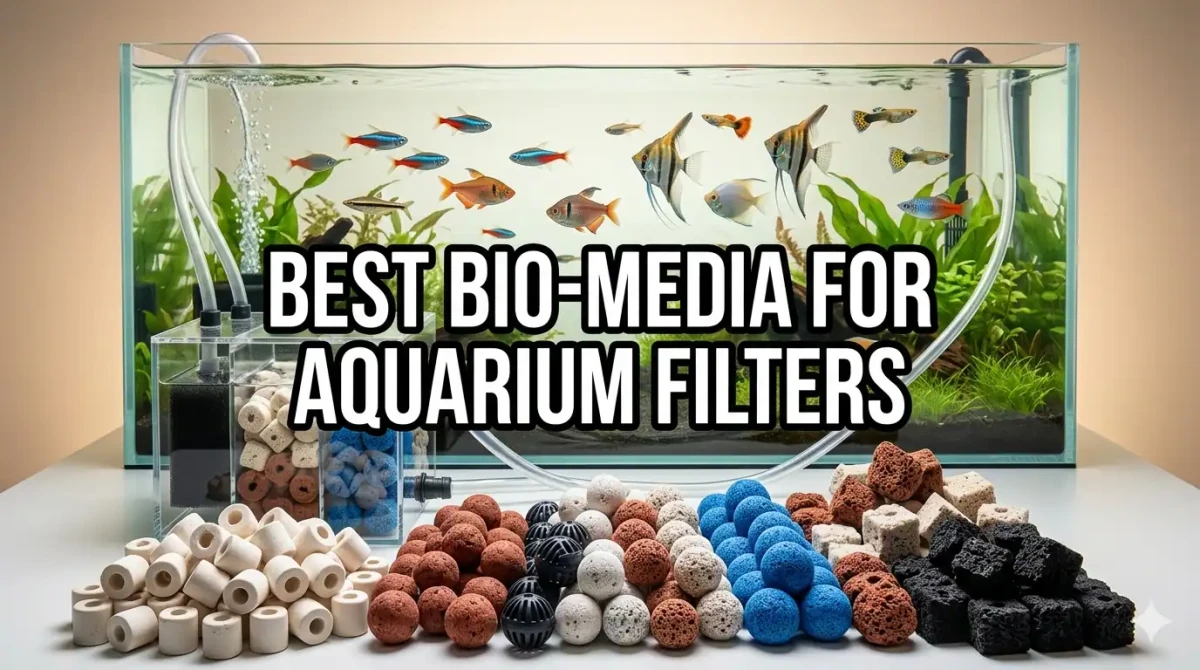
Understanding Bio-Media for Aquarium Filters and Its Critical Role
Best bio-media for aquarium filters represents the foundation of biological filtration, the most critical component of aquarium health and stability. Bio-media provides the essential surface area where beneficial nitrifying bacteria colonize, establishing the biological filtration system that converts toxic ammonia from fish waste into less harmful nitrite, then into relatively harmless nitrate. Without adequate bio-media and the beneficial bacteria colonies it supports, aquariums cannot maintain safe water parameters, leading to fish stress, disease, and potentially fatal ammonia or nitrite poisoning.
The connection between quality bio-media and aquarium stability is well documented through aquaculture research and experienced aquarist practice. Specific bio-media characteristics including surface area per volume, porosity, water flow characteristics, and durability determine how effectively beneficial bacteria can colonize and process nitrogenous waste. When appropriate bio-media is selected and maintained correctly, it creates a stable biological filter that maintains pristine water quality, supports fish health, and reduces maintenance requirements.
This comprehensive guide covers everything you need to know about selecting and using the best bio-media for aquarium filters, from understanding biological filtration principles and evaluating surface area to comparing different media types and implementing proper maintenance protocols. Whether you have a small freshwater tank, a large marine reef system, or a heavily stocked cichlid aquarium, these expert recommendations will help you choose bio-media that establishes robust biological filtration and maintains long-term aquarium stability.
Why Bio-Media Is Essential for Aquarium Health
Bio-media serves as the physical foundation for biological filtration, the process that makes aquariums habitable for fish and other aquatic life. Understanding why bio-media is essential helps aquarists appreciate its critical role and make informed decisions about selection and maintenance.
The nitrogen cycle depends entirely on beneficial bacteria colonizing surfaces within the aquarium system. These bacteria, primarily Nitrosomonas and Nitrobacter species, require substantial surface area to establish colonies large enough to process the ammonia and nitrite produced by fish waste, decaying organic matter, and uneaten food. Bio-media provides this surface area in a concentrated, efficient format that maximizes bacterial colonization within limited filter space.
Without adequate bio-media, aquariums cannot establish sufficient beneficial bacteria populations to handle biological waste. This leads to ammonia and nitrite spikes that stress or kill fish, promote algae growth, and create unstable water conditions. Even in established aquariums, insufficient bio-media limits the system's biological capacity, making it vulnerable to crashes when stocking increases or organic load rises.
Bio-media also provides long-term stability by protecting beneficial bacteria colonies from disruption. Quality bio-media maintains its structure over time, protecting bacterial colonies during routine maintenance and preventing the loss of biological filtration capacity that occurs when media breaks down or degrades.
How Does Biological Filtration Work in Aquariums?
Biological filtration is a multi-step process where beneficial bacteria convert toxic nitrogen compounds into less harmful substances through oxidation. Understanding this process helps aquarists appreciate why bio-media selection and maintenance are critical.
The first stage involves Nitrosomonas bacteria converting toxic ammonia (NH3/NH4+) into nitrite (NO2-). Ammonia is produced continuously from fish waste, decaying organic matter, and uneaten food. Even low levels of ammonia cause gill damage, immune suppression, and stress in fish. Nitrosomonas bacteria colonize bio-media surfaces and oxidize ammonia as their energy source.
The second stage involves Nitrobacter and Nitrospira bacteria converting nitrite into nitrate (NO3-). Nitrite is equally toxic to fish, interfering with oxygen transport in blood. These bacteria complete the nitrogen cycle by converting nitrite into nitrate, which is relatively non-toxic at moderate levels and can be managed through water changes or consumed by live plants.
Both bacterial groups require oxygen, stable pH, and adequate surface area to thrive. Bio-media provides the physical structure where these bacteria establish colonies, protecting them from being washed away by water flow while ensuring adequate oxygen and nutrient delivery. The more surface area available, the larger the bacterial colonies that can develop, increasing the aquarium's biological filtration capacity.
Types of Bio-Media for Aquarium Filters

Bio-media comes in diverse forms designed for different filtration systems, aquarium sizes, and biological filtration needs. Understanding these types helps aquarists select media that maximizes beneficial bacteria colonization while fitting their specific filtration setup.
Ceramic rings and tubes are among the most popular bio-media types, featuring porous ceramic construction with extensive surface area. These media pieces typically measure 1-3 cm in diameter with hollow centers that increase surface area and water flow. Ceramic media is durable, chemically inert, and provides excellent colonization surfaces for beneficial bacteria. It works well in canister filters, sumps, and external filtration systems.
Bio-balls are plastic spheres or shapes with extensive surface area created by intricate designs featuring fins, ridges, or internal structures. Originally developed for wet-dry filtration systems, bio-balls excel in applications where water trickles over media rather than submerging it completely. They provide excellent oxygenation and are easy to clean, though they occupy more space per unit of surface area compared to porous media.
Porous volcanic rock and lava rock provide natural bio-media with irregular surfaces and extensive porosity. These natural materials offer excellent bacterial colonization surfaces and are completely inert. They work well in both freshwater and marine applications and are particularly popular in cichlid tanks and reef sumps where natural aesthetics are valued.
Sintered glass bio-media features glass particles fused together at high temperatures to create extremely porous structures with massive surface area. This premium bio-media type offers the highest surface area per volume of any media type, making it ideal for aquariums with limited filter space or high biological loads. Sintered glass is chemically inert and extremely durable.
Foam and sponge bio-media provides mechanical and biological filtration in one component. These porous foam structures trap debris while providing surface area for beneficial bacteria. They work well in internal filters, hang-on-back filters, and sump pre-filtration stages. Foam media requires regular rinsing to prevent clogging but is inexpensive and effective.
Which Bio-Media Type Offers Best Surface Area?
Surface area is the primary factor determining bio-media effectiveness, as it directly correlates with beneficial bacteria colonization capacity. Understanding surface area differences helps aquarists maximize biological filtration within limited filter space.
Sintered glass bio-media offers the highest surface area, typically providing 500-1000+ square meters per liter of media volume. The microscopic pores created during the sintering process create enormous colonization surfaces in compact volumes. This makes sintered glass ideal for aquariums with space constraints or high biological loads.
Ceramic bio-media provides excellent surface area, typically 300-700 square meters per liter depending on porosity and manufacturing quality. High-quality ceramic rings with extensive internal porosity offer superior colonization surfaces compared to basic ceramic rings with minimal porosity.
Bio-balls provide moderate surface area, typically 100-300 square meters per liter. While they offer less surface area per volume than porous media, bio-balls excel in wet-dry systems where maximum oxygenation is prioritized over space efficiency.
Natural materials like lava rock and volcanic rock provide variable surface area, typically 100-400 square meters per liter depending on porosity. While offering less surface area than manufactured porous media, natural materials provide aesthetic benefits and are completely inert.
How Do Different Bio-Media Types Affect Water Flow?
Water flow characteristics impact both biological filtration efficiency and mechanical filtration performance. Understanding flow dynamics helps aquarists select bio-media that maximizes bacterial colonization while maintaining adequate water movement.
Ceramic rings and tubes allow excellent water flow through their hollow centers and porous structures. This ensures beneficial bacteria receive adequate oxygen and nutrients while waste products are efficiently removed. Good water flow prevents dead zones where anaerobic bacteria could develop.
Bio-balls are designed for maximum water flow, particularly in wet-dry systems where water trickles over the media. Their open designs prevent clogging and ensure excellent oxygenation, which is critical for nitrifying bacteria that require oxygen for ammonia and nitrite oxidation.
Porous media like sintered glass and high-quality ceramic media balance surface area with water flow. While extremely porous, quality media maintains structural integrity that allows water to penetrate internal pores where beneficial bacteria colonize. Poor quality porous media may have surface-only porosity that limits effective colonization.
Foam and sponge media can restrict water flow if not maintained properly. Regular rinsing prevents clogging that reduces flow and creates anaerobic zones. Foam media works best in pre-filtration stages or where moderate flow is acceptable.
Essential Features to Look for in Quality Bio-Media

Selecting high-quality bio-media requires evaluating specific characteristics that impact biological filtration effectiveness, longevity, and compatibility with your aquarium system. Understanding these features helps aquarists choose media that delivers reliable long-term performance.
Surface area per volume is the most critical feature, as it directly determines beneficial bacteria colonization capacity. Look for bio-media with documented surface area specifications, typically measured in square meters per liter. Higher surface area means more beneficial bacteria can colonize in limited filter space, increasing biological filtration capacity.
Porosity and internal structure determine how effectively water penetrates the media to reach internal colonization surfaces. Quality bio-media features interconnected pores that allow water flow throughout the structure, ensuring beneficial bacteria throughout the media receive oxygen and nutrients while waste products are removed.
Durability and chemical stability ensure bio-media maintains its structure and doesn't leach harmful substances into aquarium water. Quality bio-media is chemically inert, won't break down over time, and won't alter water chemistry. Avoid media that crumbles, dissolves, or releases particles that could cloud water or clog filters.
Compatibility with your filtration system ensures bio-media fits properly and functions effectively. Consider media size relative to your filter compartments, flow requirements, and whether the media is designed for submerged or wet-dry applications. Media that doesn't fit properly can create channeling where water bypasses the media, reducing filtration effectiveness.
What Safety Standards Should Bio-Media Meet?
Safety standards ensure bio-media won't harm aquarium inhabitants or disrupt water chemistry. Evaluating safety characteristics helps aquarists select media that supports fish health without introducing risks.
Chemical inertness is essential, as bio-media should not alter pH, hardness, or other water parameters. Quality bio-media is tested and verified to be chemically inert in both freshwater and marine applications. Avoid media that claims to buffer pH or alter water chemistry unless that's your specific intention.
Non-toxicity verification ensures media won't leach harmful substances into aquarium water. Quality manufacturers test their bio-media for heavy metals, toxins, and leachable compounds. Look for products from reputable manufacturers who provide safety certifications or testing documentation.
Physical safety ensures media won't break down into sharp fragments or particles that could injure fish or clog equipment. Quality bio-media maintains structural integrity under normal aquarium conditions and doesn't crumble or degrade over time.
Biological safety ensures media doesn't harbor pathogenic organisms or introduce harmful bacteria into aquariums. Quality bio-media is manufactured under clean conditions and doesn't introduce pathogens. Always rinse new bio-media before use to remove manufacturing dust and debris.
How Do You Evaluate Bio-Media Value Beyond Price?
Evaluating bio-media value requires considering surface area, longevity, and filtration efficiency rather than focusing solely on purchase price. Understanding value factors helps aquarists make economical choices that deliver effective biological filtration.
Surface area per dollar provides a practical value metric. Divide the total surface area by the price to compare value between different bio-media types. Higher surface area per dollar means more biological filtration capacity for your investment.
Longevity affects long-term value. Bio-media that maintains its structure and effectiveness for years provides better value than media that degrades or breaks down quickly, requiring frequent replacement. Quality ceramic and sintered glass media can last indefinitely, while foam media requires periodic replacement.
Filtration efficiency impacts overall aquarium health and maintenance requirements. Bio-media that establishes robust beneficial bacteria colonies reduces ammonia and nitrite spikes, minimizes maintenance frequency, and supports fish health. These benefits provide value beyond the initial purchase price.
Space efficiency matters for aquariums with limited filter capacity. Bio-media with high surface area per volume allows maximum biological filtration in limited space, potentially eliminating the need for additional filtration equipment.
Top Bio-Media Recommendations by Aquarium Type

Different aquarium types have varying biological filtration needs based on bioload, water volume, and maintenance requirements. Understanding which bio-media works best for specific aquarium types helps aquarists optimize their biological filtration.
Freshwater community tanks benefit from versatile bio-media like ceramic rings or high-quality porous ceramic media. These provide excellent surface area for beneficial bacteria while being compatible with various filter types. Ceramic media works well in canister filters, hang-on-back filters, and internal filters common in freshwater setups.
Heavily stocked aquariums and cichlid tanks require maximum biological filtration capacity. Sintered glass bio-media or high-porosity ceramic media provides the surface area needed to handle high bioloads. These aquariums benefit from using multiple bio-media types in combination to maximize colonization surfaces.
Marine and reef aquariums require robust biological filtration to handle protein-rich waste and maintain stable water parameters. Sintered glass media, live rock, and high-quality ceramic media work well in reef sumps. Marine systems benefit from bio-media that won't alter alkalinity or calcium levels.
Planted aquariums require biological filtration that doesn't compete with plants for nutrients. Porous ceramic media or sintered glass provides surface area for beneficial bacteria without releasing phosphates or nitrates that could fuel algae growth. Avoid bio-media that leaches nutrients in planted tanks.
Which Bio-Media Works Best for Freshwater Aquariums?
Freshwater aquariums have specific bio-media requirements based on water chemistry, fish species, and filtration systems. Selecting appropriate bio-media ensures effective biological filtration without disrupting freshwater parameters.
Ceramic rings and tubes are excellent for most freshwater applications. They're chemically inert, won't alter pH or hardness, and provide excellent surface area for beneficial bacteria. Ceramic media works well in canister filters, which are popular for freshwater aquariums.
Porous volcanic rock and lava rock provide natural bio-media options that work well in cichlid tanks and African rift lake aquariums. These natural materials are inert and provide aesthetic benefits while supporting beneficial bacteria colonization.
Foam and sponge media work well in internal filters and hang-on-back filters common in freshwater setups. They provide both mechanical and biological filtration, making them versatile for smaller freshwater aquariums.
Avoid bio-media designed for marine applications that may alter freshwater chemistry. Some marine bio-media is designed to buffer pH or add minerals, which can disrupt freshwater parameters.
What Bio-Media Is Best for Marine and Reef Aquariums?
Marine and reef aquariums require bio-media that supports robust biological filtration without altering alkalinity, calcium, or other critical marine parameters. Selecting appropriate bio-media is critical for reef stability.
Sintered glass bio-media is excellent for marine systems, providing maximum surface area in compact volumes. It's completely inert and won't alter marine water chemistry. Sintered glass works well in reef sumps where space efficiency is important.
Live rock provides natural biological filtration in marine systems while also providing habitat for beneficial organisms. While not traditional bio-media, live rock serves the same function and is essential for reef aquariums. Supplement live rock with additional bio-media in sumps for maximum biological capacity.
High-quality ceramic media designed for marine use provides reliable biological filtration without altering alkalinity or calcium. Look for ceramic media specifically labeled for marine use to ensure it won't disrupt water chemistry.
Avoid bio-balls in reef aquariums, as they can become nitrate factories if not maintained properly. While bio-balls work well in fish-only marine systems, they can contribute to elevated nitrate levels that harm corals in reef systems.
Installation and Maintenance of Bio-Media

Proper installation and maintenance of bio-media ensures maximum biological filtration efficiency and longevity. Understanding best practices helps aquarists establish and maintain robust beneficial bacteria colonies.
Installation location affects bio-media effectiveness. Place bio-media after mechanical filtration stages so water reaching the bio-media is free of large debris that could clog pores. In canister filters, bio-media typically goes in the final chambers after mechanical and chemical filtration stages. In sumps, bio-media works well in the return chamber after protein skimming and mechanical filtration.
Rinsing new bio-media before use removes manufacturing dust and debris that could cloud aquarium water. Rinse bio-media in dechlorinated water or aquarium water, never tap water, as chlorine kills beneficial bacteria. Never use soap or chemicals to clean bio-media, as residues can harm fish and kill beneficial bacteria.
Avoid over-cleaning bio-media, as this destroys beneficial bacteria colonies. When maintenance is necessary, gently rinse bio-media in removed aquarium water during water changes. Never clean all bio-media at once; clean portions in rotation to preserve beneficial bacteria populations. Never use tap water, soap, or chemicals on bio-media.
Monitor biological filtration performance through regular water testing. Ammonia and nitrite should always read zero in established aquariums. Elevated readings indicate insufficient biological filtration capacity or disrupted beneficial bacteria colonies requiring attention.
How Do You Maximize Beneficial Bacteria Colonization?
Maximizing beneficial bacteria colonization ensures your bio-media reaches its full biological filtration potential. Understanding colonization factors helps aquarists establish robust biological filtration quickly and maintain it long-term.
Provide adequate oxygenation, as nitrifying bacteria require oxygen to convert ammonia and nitrite. Ensure adequate water flow through bio-media to deliver oxygen and remove waste products. In sumps, consider adding air stones near bio-media to increase oxygenation.
Avoid disturbing established bio-media unnecessarily. Beneficial bacteria colonies take 4-6 weeks to fully establish in new aquariums and can be disrupted by excessive cleaning, chemical treatments, or media replacement. When adding new bio-media to established systems, place it near existing colonized media to accelerate colonization through bacterial transfer.
Maintain stable water parameters, as beneficial bacteria are sensitive to pH, temperature, and salinity changes. Sudden parameter shifts can kill beneficial bacteria, causing biological filtration crashes. Make parameter changes gradually when necessary.
Seed new bio-media with beneficial bacteria from established systems when possible. Squeezing established filter media into new media, adding substrate from established tanks, or using commercial beneficial bacteria supplements accelerates colonization of new bio-media.
When Should You Replace or Add Bio-Media?
Understanding when to replace or add bio-media prevents biological filtration disruptions while maintaining optimal filtration capacity. Proper timing ensures aquarium stability.
Replace bio-media only when it physically degrades, crumbles, or breaks down. Quality ceramic and sintered glass bio-media lasts indefinitely and should never need replacement unless physically damaged. Foam media requires replacement when it loses structural integrity or can no longer be cleaned effectively.
Add bio-media when increasing bioload through additional fish, when ammonia or nitrite readings indicate insufficient biological capacity, or when upgrading filtration systems. Adding bio-media increases biological filtration capacity, providing a buffer against bioload increases.
Never replace all bio-media at once, as this destroys beneficial bacteria colonies and causes biological filtration crashes. When bio-media must be replaced, do so gradually over several weeks, replacing portions while preserving established colonies in remaining media.
Add new bio-media gradually to avoid disrupting water flow or filter function. Adding too much bio-media at once can restrict flow or overwhelm filter capacity. Add bio-media in stages, monitoring flow and water parameters.
Common Bio-Media Mistakes and How to Avoid Them

Even experienced aquarists make bio-media mistakes that compromise biological filtration or aquarium stability. Understanding common errors helps prevent problems that can harm fish or destabilize aquariums.
Over-cleaning bio-media is one of the most common mistakes. Cleaning bio-media with tap water, soap, or excessive frequency destroys beneficial bacteria colonies, causing ammonia and nitrite spikes. Clean bio-media only when necessary, using aquarium water during water changes, and never clean all media at once.
Using inappropriate bio-media for your filtration system reduces effectiveness. Bio-balls designed for wet-dry systems don't work well submerged in canister filters. Foam media designed for mechanical filtration doesn't provide adequate surface area as primary bio-media. Match bio-media type to your filtration system.
Insufficient bio-media for your bioload leads to chronic ammonia or nitrite problems. Undersized biological filtration can't handle the waste produced by your fish population. Calculate biological filtration capacity based on your aquarium's bioload and ensure adequate bio-media volume.
Replacing all bio-media simultaneously destroys beneficial bacteria colonies and causes biological filtration crashes. Always preserve some established media when adding or replacing bio-media to maintain beneficial bacteria populations.
Why Is Surface Area More Important Than Media Volume?
Surface area, not volume, determines biological filtration capacity because beneficial bacteria colonize surfaces, not the interior of media pieces. Understanding this principle helps aquarists select effective bio-media.
Two liters of high-porosity sintered glass media with 1000 square meters per liter provides 2000 square meters of colonization surface. Two liters of basic ceramic rings with 200 square meters per liter provides only 400 square meters of surface. The sintered glass supports five times more beneficial bacteria despite identical volume.
Focusing on volume rather than surface area leads to undersized biological filtration. Aquarists may add sufficient media volume but insufficient surface area, resulting in chronic ammonia or nitrite problems despite apparently adequate media quantity.
When comparing bio-media options, always compare surface area per volume rather than just volume or price. Higher surface area media may cost more initially but provides more biological filtration capacity, potentially eliminating the need for additional media or filtration equipment.
How Do You Avoid Bio-Media Channeling?
Channeling occurs when water flows around bio-media rather than through it, reducing filtration effectiveness. Understanding how to prevent channeling ensures bio-media functions effectively.
Use appropriate media size for your filter compartments. Media that's too small can compact and restrict flow, while media that's too large creates gaps where water channels around the media. Select media sized appropriately for your filter design.
Avoid mixing incompatible media types that create uneven flow patterns. Different media types have different flow characteristics that can create channeling when mixed improperly. If mixing media types, layer them appropriately or use separate compartments.
Ensure adequate water flow through bio-media compartments. Insufficient flow allows debris to accumulate and creates dead zones where anaerobic bacteria develop. Excessive flow can prevent beneficial bacteria from colonizing effectively. Match flow rate to your bio-media type.
Use media baskets or bags designed for your filter to prevent media from shifting and creating channels. Proper media containment ensures even water distribution through the media bed.
Frequently Asked Questions About Bio-Media for Aquarium Filters

How Much Bio-Media Do I Need for My Aquarium?
General guidelines suggest 1-2 liters of quality bio-media per 100 liters (25 gallons) of aquarium water for lightly stocked tanks. Heavily stocked aquariums may require 3-5 liters per 100 liters. However, surface area is more important than volume. Calculate based on surface area: aim for 1 square meter of surface area per 1 liter of aquarium water for lightly stocked tanks, or 2-3 square meters per liter for heavily stocked systems.
Consider your bioload when calculating bio-media needs. Fish that produce more waste require more biological filtration capacity. Cichlids, goldfish, and large carnivorous fish require more bio-media than small community fish. When in doubt, add more bio-media rather than less, as excess capacity provides a safety buffer.
Factor in your filtration system's capacity. Canister filters and sumps can accommodate more bio-media than hang-on-back or internal filters. Maximize bio-media within your filter's capacity while maintaining adequate water flow.
Can You Use Too Much Bio-Media?
While rare, it's possible to use too much bio-media if it restricts water flow or reduces oxygen availability. Bio-media needs adequate water flow to deliver oxygen and nutrients to beneficial bacteria while removing waste products. Overfilling filter compartments with bio-media can restrict flow, creating anaerobic zones where harmful bacteria develop.
Too much bio-media in systems with low bioloads can lead to excessive nitrate production. Beneficial bacteria convert ammonia to nitrate, and excessive biological capacity with insufficient ammonia can still produce nitrate that accumulates without adequate water changes or plant uptake.
Balance bio-media volume with your filter's flow capacity and your aquarium's bioload. Add bio-media gradually, monitoring flow rates and water parameters. If flow is restricted or nitrate accumulates excessively, reduce bio-media volume or increase water changes.
Should Bio-Media Be Replaced or Cleaned?
Quality bio-media should rarely be replaced and should never be cleaned with tap water or chemicals. Ceramic, sintered glass, and other quality bio-media lasts indefinitely if not physically damaged. The beneficial bacteria colonies living in the media are more valuable than the media itself.
Clean bio-media only when flow is restricted by debris accumulation. When cleaning is necessary, gently rinse media in removed aquarium water during water changes. Never use tap water, as chlorine kills beneficial bacteria. Never use soap or chemicals. Clean only a portion of media at a time, preserving beneficial bacteria in the remaining media.
Replace bio-media only when it physically degrades, crumbles, or breaks down. Foam media requires periodic replacement when it loses structural integrity. Ceramic and sintered glass media should last indefinitely unless physically damaged.
Conclusion
Selecting the best bio-media for aquarium filters requires understanding surface area, porosity, compatibility with your filtration system, and your aquarium's specific biological filtration needs. While bio-media is just one component of aquarium filtration, it's the foundation that supports beneficial bacteria colonies essential for converting toxic ammonia and nitrite into harmless nitrate.
Remember that bio-media selection is just the beginning. Proper installation, minimal cleaning, and avoiding disruption of beneficial bacteria colonies are equally important for maintaining effective biological filtration. Quality bio-media combined with proper maintenance creates stable biological filtration that supports fish health and reduces maintenance requirements.
Your commitment to selecting and maintaining appropriate bio-media demonstrates dedication to your aquarium's health and stability. With the knowledge and strategies provided in this guide, you can confidently select bio-media that establishes robust biological filtration, maintains pristine water quality, and supports a thriving aquarium ecosystem for years to come.
🐱 আরও পড়ুন: Fish Accessories and Toys

0 Comments