.png)
Understanding Angelfish Nutrition and Dietary Requirements
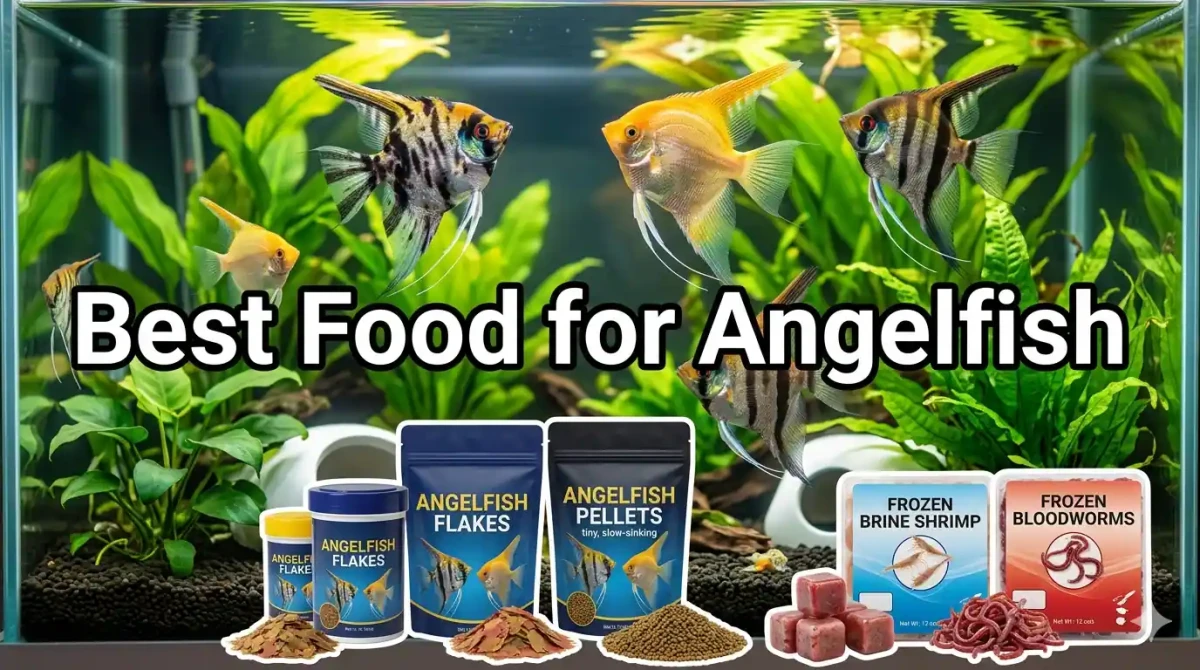
Best food for angelfish represents a fundamental consideration for aquarium enthusiasts seeking to maintain vibrant, healthy freshwater angelfish in home aquariums. Angelfish, belonging to the genus Pterophyllum, are omnivorous cichlids native to the Amazon Basin whose natural diet includes small insects, crustaceans, plant matter, and detritus. Replicating this varied nutritional profile in captivity requires thoughtful selection of commercial and supplemental foods that support growth, coloration, immune function, and breeding success. Understanding angelfish nutritional needs helps aquarium keepers select foods that promote optimal health while preventing common diet related issues like malnutrition, obesity, or poor coloration.
The connection between nutrition and angelfish health is well documented through aquaculture research and experienced hobbyist observation. Specific dietary factors including adequate protein for growth and tissue repair, balanced fats for energy and coloration, essential vitamins for immune function, and appropriate fiber for digestive health work synergistically to support overall angelfish wellbeing. When these factors are incorporated into balanced feeding routines, they provide consistent daily support that helps maintain angelfish vitality through proper nutrition rather than reactive treatment of health issues.
This comprehensive guide covers everything you need to know about selecting the best food for angelfish, from understanding species specific nutritional requirements and evaluating food quality to implementing feeding strategies that maximize health benefits. Whether you have juvenile angelfish requiring growth supporting nutrition, adult angelfish needing maintenance diets, or breeding pairs requiring enhanced nutrition for spawning success, these expert recommendations will help you choose foods that support vibrant coloration, robust health, and long term aquarium enjoyment.
Why Proper Nutrition Matters for Angelfish Health
Proper nutrition profoundly impacts nearly every aspect of angelfish physical condition, behavior, and longevity. Angelfish with inadequate nutrition often display faded coloration, reduced growth rates, weakened immune function making them susceptible to diseases like ich or fin rot, and decreased breeding success. These visible signs of poor nutrition reflect underlying physiological stress that can shorten lifespan and diminish the aesthetic appeal that makes angelfish such popular aquarium inhabitants.
The consequences of poor angelfish nutrition extend beyond individual fish health to affect the entire aquarium ecosystem. Undernourished angelfish may become aggressive competitors for limited food resources, disrupting tank harmony. Poor nutrition can also compromise waste production quality, affecting water parameters and potentially stressing tank mates. Additionally, malnourished angelfish may exhibit abnormal behaviors including lethargy, loss of appetite, or unusual swimming patterns that concern attentive aquarium keepers.
Preventive nutritional care is far more effective than attempting to correct advanced health issues in angelfish. By providing appropriate nutrition through quality foods before problems develop, you can support robust immune function, maintain vibrant coloration, and promote healthy growth patterns. Early nutritional intervention represents one of the most impactful steps aquarium keepers can take to support angelfish health and prevent costly, stressful health complications.
What Nutritional Requirements Do Angelfish Have?
Angelfish nutritional requirements reflect their omnivorous nature and cichlid heritage, requiring balanced intake of proteins, fats, carbohydrates, vitamins, and minerals for optimal health. Understanding these requirements helps aquarium keepers select foods that meet angelfish needs without excess or deficiency.
Protein requirements for angelfish typically range from 35 to 45 percent of total diet, with higher levels beneficial for juveniles and breeding adults. Quality animal based proteins from fish meal, krill, shrimp, and insect larvae provide essential amino acids supporting growth, tissue repair, and immune function. Plant based proteins from spirulina and legumes complement animal proteins while providing fiber and additional nutrients.
Fat levels of 8 to 15 percent provide concentrated energy and support absorption of fat soluble vitamins while contributing to vibrant coloration through carotenoid transport. Omega 3 and omega 6 fatty acids from fish oil and plant sources support cellular health, reduce inflammation, and enhance color intensity. Balanced fat intake prevents obesity while ensuring adequate energy for active angelfish.
Vitamins and minerals including vitamin C for immune function, vitamin A for vision and epithelial health, B complex vitamins for metabolism, and minerals like calcium and phosphorus for bone development complete angelfish nutritional requirements. Quality angelfish foods incorporate these micronutrients in bioavailable forms that support comprehensive health.
Types of Food for Angelfish and Their Benefits

Angelfish benefit from diverse food types that replicate their natural omnivorous diet while providing convenience and nutritional completeness for aquarium keeping. Understanding the characteristics and benefits of different food types helps aquarium keepers create balanced feeding routines that support angelfish health.
High quality flakes formulated for cichlids or tropical fish provide convenient, nutritionally complete base nutrition for angelfish. Quality flakes incorporate balanced protein levels, color enhancing ingredients like spirulina and astaxanthin, and essential vitamins in forms that dissolve appropriately in water. Flakes work well for daily feeding and are readily accepted by most angelfish, though they may dissolve quickly requiring prompt consumption.
Pellets designed for angelfish or cichlids offer advantages including slower dissolution, appropriate sizing for angelfish mouths, and reduced water pollution from uneaten food. Sinking pellets benefit angelfish that feed at mid water levels while floating pellets suit surface feeding tendencies. Pellets often contain higher nutrient density than flakes and maintain integrity longer in aquarium water.
Frozen and freeze dried foods including brine shrimp, bloodworms, daphnia, and krill provide high protein supplementation that mimics natural prey items. These foods offer excellent palatability and nutritional value, stimulating natural hunting behaviors while delivering concentrated nutrition. Frozen foods require thawing before feeding while freeze dried options offer convenience with longer shelf life.
Live foods including brine shrimp, blackworms, and daphnia provide the most natural feeding experience, stimulating hunting instincts and offering peak nutritional value. Live foods excel for conditioning breeding angelfish or enticing reluctant feeders, though they require cultivation or reliable sourcing and carry potential disease transmission risks if not properly quarantined.
Which Food Types Work Best for Different Angelfish Life Stages?
Angelfish nutritional needs vary significantly across life stages, requiring adjusted food selection and feeding strategies to support optimal development and health at each phase.
Juvenile angelfish under six months require higher protein levels of 40 to 50 percent to support rapid growth and development. Frequent small feedings of high quality flakes, micro pellets, and finely crushed frozen foods provide the concentrated nutrition growing angelfish need. Juvenile angelfish benefit from foods with enhanced vitamin and mineral content supporting skeletal development and immune system maturation.
Adult angelfish thrive on maintenance diets with 35 to 40 percent protein, balanced fats, and comprehensive vitamin profiles. Adult feeding focuses on maintaining health, coloration, and condition rather than supporting rapid growth. A combination of quality flakes or pellets with regular frozen food supplementation provides balanced adult nutrition while preventing obesity from overfeeding.
Breeding angelfish require enhanced nutrition to support egg production, sperm quality, and parental care behaviors. Breeding conditioning typically involves increased feeding frequency and higher protein foods including live or frozen options to maximize reproductive success. Post spawning, parents may require additional nutrition to recover from breeding efforts while caring for fry.
How Do Color Enhancing Foods Benefit Angelfish?
Color enhancing foods support the vibrant patterns that make angelfish such visually appealing aquarium inhabitants while providing nutritional benefits beyond aesthetics. Understanding how these foods work helps aquarium keepers maximize angelfish coloration through nutrition.
Carotenoids including astaxanthin, canthaxanthin, and beta carotene from natural sources like krill, spirulina, and marigold extract enhance red, orange, and yellow pigments in angelfish. These compounds cannot be synthesized by fish and must be obtained through diet, making dietary carotenoids essential for maintaining vibrant coloration.
Quality color enhancing foods incorporate natural carotenoid sources rather than artificial dyes, providing both color benefits and nutritional value. Natural carotenoids also function as antioxidants supporting immune function and cellular health beyond their color enhancing properties.
Consistent feeding of color enhancing foods over weeks to months produces gradual, sustainable color improvement rather than temporary artificial enhancement. Patience and consistency yield the most impressive and healthy coloration results in angelfish.
Evaluating Quality in Angelfish Foods

Selecting high quality angelfish food requires evaluating specific characteristics that impact nutritional value, safety, and effectiveness. Understanding these quality indicators helps aquarium keepers choose products that deliver genuine health benefits while avoiding inferior alternatives that waste money or compromise fish health.
Ingredient transparency represents a non negotiable priority for quality angelfish foods. Quality products explicitly list protein sources, fat content, and key ingredients through guaranteed analysis or detailed nutritional information. Avoid products that mention color enhancement or premium nutrition without quantifying key factors like protein percentage or carotenoid content, as therapeutic levels are required for effectiveness.
Protein quality and source significantly impact angelfish health and growth. High quality animal based proteins from named sources like fish meal, krill meal, or shrimp provide complete amino acid profiles supporting optimal growth and immune function. Avoid foods with vague protein sources like fish by products or meat meal without species specification.
Manufacturing date and freshness affect nutritional value, particularly for foods containing fats and vitamins that degrade over time. Look for products with clear manufacturing or expiration dates, and purchase from retailers with high product turnover to ensure freshness. Proper storage in cool, dry conditions preserves nutritional integrity after purchase.
What Safety Standards Should Angelfish Foods Meet?
Safety certifications and testing provide assurance that angelfish foods meet standards for nutritional adequacy and contaminant control. Evaluating compliance helps aquarium keepers select products prioritizing angelfish wellbeing.
Reputable manufacturers follow good manufacturing practices including ingredient testing, contamination prevention, and quality control protocols. Brands that publish quality control information or provide certificates of analysis on request demonstrate transparency and commitment to product safety.
Third party testing for contaminants including heavy metals, mycotoxins, and bacterial pathogens provides additional assurance of safety. This is particularly important for frozen and live foods that may carry disease risks if not properly handled and sourced.
Avoid foods lacking clear ingredient information, made by unknown manufacturers, or sold at prices suggesting compromised quality. Angelfish health depends on consistent, high quality nutrition, making verification of standards a critical purchasing consideration.
How Do You Assess Value Beyond Purchase Price?
Evaluating angelfish food value requires considering nutritional quality, feeding efficiency, and long term health benefits rather than focusing solely on purchase price. Understanding value factors helps aquarium keepers make economical choices that deliver genuine angelfish support.
Nutrient bioavailability determines how much of the nutritional ingredients angelfish actually absorb and utilize. High quality ingredients in bioavailable forms provide better value than larger quantities of poorly absorbed compounds. Look for foods using quality protein sources, natural color enhancers, and vitamin forms aligned with fish physiology.
Feeding efficiency impacts long term cost and water quality. Foods that angelfish consume completely with minimal waste reduce pollution and maximize nutritional value. Pellets often provide better feeding efficiency than flakes that may dissolve before consumption.
Palatability affects whether angelfish will consistently consume the food. Even the most nutritionally complete angelfish food provides no benefit if fish refuse to eat it. Look for foods with high acceptance rates among angelfish keepers and consider small trial sizes before committing to large quantities.
Manufacturer support and guarantees reflect confidence in product performance. Brands offering satisfaction guarantees or aquarium specialist support demonstrate commitment to customer success. These protections add value beyond the physical product.
Feeding Strategies That Maximize Angelfish Health

Proper feeding practices significantly impact the effectiveness of angelfish nutrition. Understanding how to optimize feeding strategies helps aquarium keepers maximize the health benefits of chosen foods while supporting overall aquarium balance.
Feeding frequency should match angelfish life stage and metabolism. Juvenile angelfish benefit from three to four small feedings daily to support rapid growth, while adults thrive on two feedings daily. Breeding angelfish may require increased frequency during conditioning periods. Consistent scheduling supports digestive health and helps monitor appetite changes that may indicate health issues.
Portion control prevents overfeeding, a common cause of water quality issues and angelfish health problems. Provide only what angelfish can consume within two to three minutes, removing uneaten food promptly. Overfeeding leads to excess waste that degrades water quality and can cause obesity related health issues in angelfish.
Food variety prevents nutritional gaps and maintains angelfish interest in feeding. Rotate between high quality flakes or pellets as base nutrition with regular supplementation of frozen or live foods. This variety mimics natural feeding patterns while ensuring comprehensive nutrient intake.
How Often Should Angelfish Be Fed for Optimal Health?
Feeding frequency significantly impacts angelfish growth, health, and aquarium water quality. Understanding optimal feeding schedules helps aquarium keepers support angelfish wellbeing through strategic nutrition timing.
Juvenile angelfish under six months benefit from three to four small feedings daily to support rapid growth and development. Their high metabolism and growth demands require frequent nutrient intake. Small portions prevent overfeeding while ensuring adequate nutrition for development.
Adult angelfish typically thrive on two feedings daily, morning and evening, spaced approximately 10 to 12 hours apart. This schedule supports stable metabolism while allowing adequate digestion time between meals. Adjust frequency based on individual angelfish activity levels and aquarium conditions.
Breeding angelfish may require increased feeding frequency during conditioning periods, with three feedings daily of high quality foods to maximize reproductive readiness. Post spawning, maintain enhanced nutrition to support parental care behaviors and recovery.
Consistency matters more than perfect timing. Establish a feeding routine angelfish can anticipate, as predictable schedules reduce stress and support digestive health. Adjust timing based on aquarium lighting schedules and owner availability while maintaining consistency day to day.
What Role Does Water Quality Play in Angelfish Nutrition?
Water quality significantly impacts angelfish nutritional health by affecting appetite, digestion, and nutrient absorption. Understanding this connection helps aquarium keepers optimize both feeding practices and water management for comprehensive angelfish care.
Poor water quality including elevated ammonia, nitrite, or nitrate levels can suppress angelfish appetite and compromise digestive function. Even nutritionally complete foods provide limited benefit if water conditions stress angelfish and reduce feeding response. Regular water testing and maintenance support optimal feeding efficiency.
Appropriate water parameters including temperature, pH, and hardness affect angelfish metabolism and nutrient utilization. Angelfish thrive in warm water between 76 and 82 degrees Fahrenheit with slightly acidic to neutral pH. Maintaining these parameters supports optimal digestion and nutrient absorption from foods.
Feeding practices directly impact water quality through waste production. Overfeeding or using foods that dissolve quickly increases organic waste that degrades water quality. Selecting appropriate food types and practicing portion control helps maintain water quality that supports angelfish health and nutrition.
Species and Variety Considerations for Angelfish Nutrition

Different angelfish varieties and related species have varying nutritional requirements based on size, coloration genetics, and breeding characteristics. Understanding these differences helps aquarium keepers customize nutrition for individual angelfish needs.
Standard freshwater angelfish including silver, marble, and koi varieties share similar nutritional requirements as omnivorous cichlids. These varieties benefit from balanced protein levels, color enhancing ingredients, and comprehensive vitamin profiles supporting general health and vibrant patterns.
Designer angelfish including platinum, gold, and albino varieties may have specific nutritional considerations related to color genetics. Albino and light colored varieties may benefit from enhanced carotenoid intake to support pigment development, while metallic varieties benefit from balanced nutrition supporting scale health and reflectivity.
Wild caught angelfish may require gradual transition to commercial foods and benefit from higher protein diets reflecting their natural prey rich environment. Captive bred angelfish typically adapt readily to quality commercial foods with appropriate nutritional profiles.
How Do Breeding Angelfish Benefit from Enhanced Nutrition?
Breeding angelfish have specific nutritional requirements supporting reproductive health, egg quality, and parental care behaviors. Understanding these needs helps aquarium keepers optimize nutrition for successful angelfish breeding.
Breeding conditioning typically begins two to four weeks before anticipated spawning with increased feeding frequency and enhanced protein intake. High quality frozen or live foods including brine shrimp, bloodworms, and blackworms provide concentrated nutrition supporting egg and sperm development.
Vitamin E and other antioxidants support reproductive health by protecting developing gametes from oxidative stress. Quality breeding foods incorporate these nutrients alongside balanced protein and fat profiles supporting overall reproductive condition.
Post spawning nutrition supports parental care behaviors and recovery from breeding efforts. Maintaining enhanced nutrition during fry care helps parent angelfish maintain condition while protecting and guiding developing offspring.
What Special Considerations Apply to Albino and Light Colored Angelfish?
Albino and light colored angelfish varieties have unique nutritional considerations related to pigment development and light sensitivity. Understanding these considerations helps aquarium keepers support optimal health and coloration in these special varieties.
Albino angelfish lack melanin pigment but still benefit from carotenoid intake supporting development of red and yellow pigments in fins and body. Quality foods with natural astaxanthin and beta carotene support vibrant coloration in albino and light varieties.
Light colored angelfish may be more sensitive to intense lighting and benefit from aquarium setups with appropriate shading. Nutritionally, they benefit from comprehensive vitamin profiles supporting overall health in potentially more sensitive individuals.
All angelfish varieties benefit from consistent, high quality nutrition regardless of coloration. Focus on balanced protein, appropriate fats, and comprehensive micronutrients as the foundation for all angelfish health, with color enhancing ingredients as valuable supplements.
Common Feeding Mistakes and How to Avoid Them

Even well intentioned aquarium keepers make feeding mistakes that compromise angelfish health or aquarium balance. Understanding these common errors helps aquarium keepers select genuinely effective feeding strategies that support angelfish wellbeing.
Overfeeding represents the most common angelfish feeding mistake, leading to water quality degradation, obesity, and health problems. Provide only what angelfish can consume within two to three minutes, removing uneaten food promptly. When in doubt, feed less rather than more, as angelfish can tolerate brief fasting better than chronic overfeeding.
Relying on a single food type creates nutritional gaps that compromise long term angelfish health. Rotate between quality flakes or pellets as base nutrition with regular frozen or live food supplementation. Variety prevents deficiencies and maintains angelfish interest in feeding.
Ignoring water quality impacts feeding effectiveness. Even the best angelfish food provides limited benefit if poor water conditions suppress appetite or compromise digestion. Maintain excellent water quality through regular testing, partial water changes, and appropriate filtration to support optimal nutrition utilization.
Why Is Food Variety Important for Angelfish Health?
Food variety prevents nutritional deficiencies and maintains angelfish interest in feeding, supporting comprehensive health through diverse nutrient intake. Understanding variety benefits helps aquarium keepers create balanced feeding routines.
Different food types provide complementary nutrients that no single food can deliver completely. Flakes offer convenience and balanced base nutrition, pellets provide sustained release and reduced waste, frozen foods deliver high protein supplementation, and live foods stimulate natural behaviors. Combining these types creates comprehensive nutrition.
Variety prevents habituation that can reduce feeding response. Angelfish may lose interest in monotonous diets, reducing food intake and nutritional benefit. Regular rotation of food types maintains feeding enthusiasm and ensures consistent nutrient consumption.
Nutritional redundancy through variety provides insurance against occasional feeding gaps or food quality variations. If one food type is temporarily unavailable or of lower quality, other foods in the rotation continue providing essential nutrients.
How Do You Prevent Overfeeding Angelfish?
Preventing overfeeding requires strategic portion control, observation, and consistency that protects both angelfish health and aquarium water quality. Understanding prevention strategies helps aquarium keepers maintain optimal feeding practices.
Use measured portions rather than estimating by eye. A pinch of flakes or small number of pellets appropriate for angelfish mouth size provides a starting point. Adjust based on consumption within the two to three minute window, reducing portions if food remains uneaten.
Observe angelfish feeding behavior to gauge appropriate portions. Healthy, well fed angelfish show interest in food but do not frantically compete for every particle. Lethargic or disinterested angelfish may indicate overfeeding or health issues requiring attention.
Establish consistent feeding routines that family members can follow. Post feeding guidelines visibly if multiple people care for the aquarium, ensuring consistent portion control regardless of who feeds the angelfish.
Supplemental Nutrition and Treats for Angelfish

Supplemental foods and treats enhance angelfish nutrition beyond base diets while providing enrichment and behavioral stimulation. Understanding appropriate supplementation helps aquarium keepers maximize angelfish health and engagement.
Frozen foods including brine shrimp, bloodworms, and daphnia provide high protein supplementation that mimics natural prey. These foods excel for conditioning, enticing reluctant feeders, or providing variety. Thaw frozen foods in aquarium water before feeding to prevent temperature shock and improve acceptance.
Live foods offer the most natural feeding experience, stimulating hunting instincts and providing peak nutritional value. Brine shrimp, blackworms, and daphnia work well for angelfish when properly sourced and quarantined to prevent disease introduction.
Vegetable supplements including blanched spinach, zucchini, or spirulina flakes provide plant matter that complements animal proteins in angelfish omnivorous diets. These supplements support digestive health and provide fiber alongside essential nutrients.
When Should You Use Supplemental Foods for Angelfish?
Strategic use of supplemental foods enhances angelfish nutrition at specific life stages or situations requiring enhanced support. Understanding appropriate timing helps aquarium keepers maximize supplemental benefits.
Breeding conditioning benefits from increased supplemental feeding with high protein frozen or live foods two to four weeks before anticipated spawning. This enhanced nutrition supports egg and sperm development, maximizing reproductive success.
Recovery from illness or stress may benefit from supplemental high quality foods that support immune function and tissue repair. Easily digestible options like brine shrimp or quality pellets help recovering angelfish regain strength.
Color enhancement programs benefit from consistent carotenoid rich supplements over weeks to months. Regular inclusion of spirulina, krill, or astaxanthin fortified foods gradually enhances angelfish coloration through nutritional support.
How Do You Safely Introduce Live Foods to Angelfish?
Live foods provide excellent nutrition and behavioral enrichment for angelfish but require careful introduction to prevent disease transmission and ensure safety. Understanding safe practices helps aquarium keepers incorporate live foods responsibly.
Source live foods from reputable suppliers who maintain clean cultures and disease free stock. Avoid collecting live foods from natural water sources that may contain parasites, predators, or contaminants harmful to aquarium fish.
Quarantine live foods when possible by rinsing in clean water or maintaining in separate containers before introduction to the main aquarium. This reduces disease transmission risk while allowing observation of food quality.
Introduce live foods gradually to allow angelfish to adapt to new prey items. Start with small quantities and observe feeding response before increasing amounts. Monitor angelfish health after introducing new live foods to ensure positive acceptance.
Frequently Asked Questions About Angelfish Nutrition

What Is the Best Food for Angelfish Color Enhancement?
Quality angelfish foods with natural carotenoids including astaxanthin from krill, beta carotene from spirulina, and canthaxanthin from marigold extract provide the most effective and safe color enhancement. These natural compounds enhance red, orange, and yellow pigments while supporting immune function through antioxidant activity.
Consistent feeding of color enhancing foods over four to eight weeks produces gradual, sustainable color improvement. Combine color enhancing base foods with periodic frozen food supplementation for comprehensive color support.
Avoid foods relying on artificial dyes for color enhancement, as these provide temporary visual effects without nutritional benefits and may compromise long term angelfish health.
Can Angelfish Eat Tropical Fish Flakes?
Angelfish can eat high quality tropical fish flakes formulated for omnivorous species, though cichlid specific formulas often provide better targeted nutrition. Look for tropical flakes with 35 to 45 percent protein, color enhancing ingredients, and comprehensive vitamin profiles appropriate for angelfish needs.
Supplement flakes with frozen or live foods to provide variety and enhanced protein intake. This combination approach ensures comprehensive nutrition while maintaining feeding interest.
Monitor angelfish acceptance and health when using tropical flakes, adjusting food selection if fish show poor growth, faded coloration, or reduced appetite that may indicate nutritional gaps.
How Do You Know If Your Angelfish Are Getting Proper Nutrition?
Well nourished angelfish display vibrant coloration, active behavior, steady growth appropriate for life stage, and consistent appetite. Regular observation of these indicators helps aquarium keepers assess nutritional adequacy.
Monitor angelfish body condition by observing overall shape and muscle development. Healthy angelfish show full, rounded bodies without excessive thinness or bloating. Regular weight monitoring through visual assessment helps detect nutritional issues early.
Consult aquarium specialists or experienced angelfish keepers if uncertain about nutritional adequacy. Professional guidance helps ensure angelfish receive appropriate nutrition for optimal health and longevity.
Conclusion

Selecting the best food for angelfish requires understanding species specific nutritional requirements, evaluating product quality beyond marketing claims, and committing to comprehensive feeding strategies that support health throughout life stages. While no single food provides complete nutrition for all situations, thoughtfully selected and varied feeding routines deliver exceptional value, health benefits, and aesthetic results when implemented consistently.
Remember that angelfish nutrition is multifaceted, requiring quality foods alongside appropriate feeding practices, water quality management, and environmental enrichment. No single strategy provides complete nutritional support, but the combination of these approaches creates comprehensive care that maximizes angelfish health and aquarium enjoyment.
Your commitment to quality angelfish nutrition demonstrates dedication to providing the best possible care for these elegant aquarium inhabitants. With the knowledge and strategies provided in this guide, you can confidently select and feed foods that support vibrant coloration, robust health, and long term aquarium success with your angelfish.

0 Comments