.png)
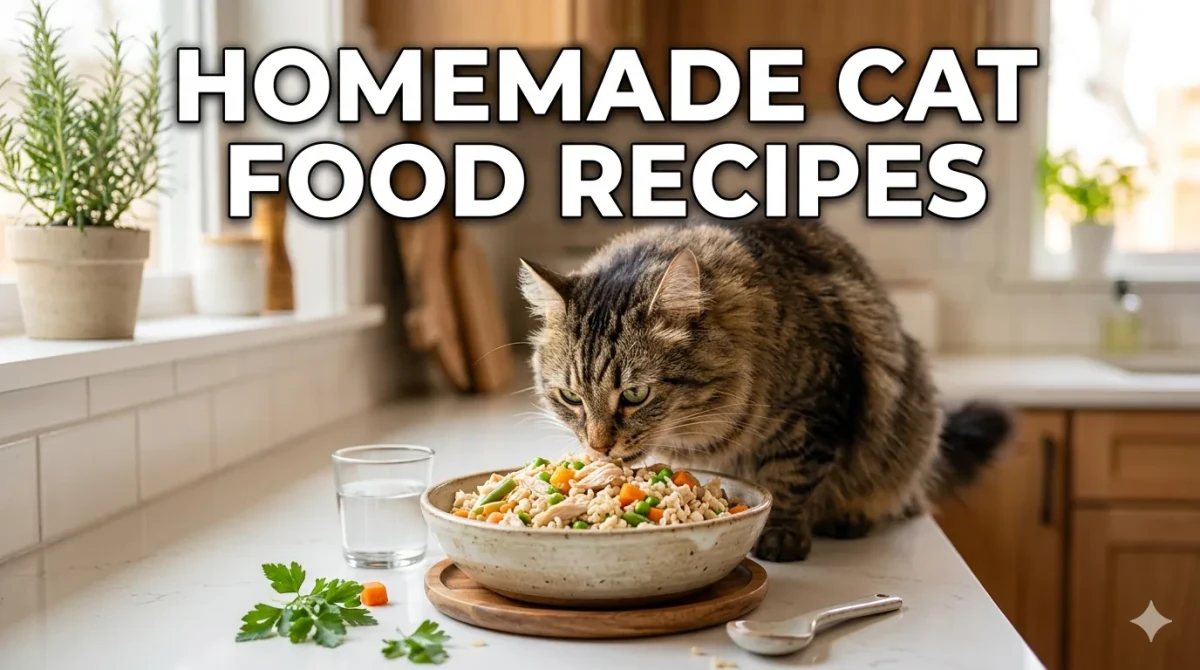
Introduction to Homemade Cat Food
Feeding your feline companion nutritious meals is one of the most important responsibilities of cat ownership. Homemade cat food recipes have gained tremendous popularity among pet parents who want complete control over what their cats consume. When you prepare meals at home, you eliminate questionable fillers, artificial preservatives, and low-quality ingredients often found in commercial cat foods.
Cats are obligate carnivores, meaning their bodies are designed to thrive on animal-based proteins. Unlike dogs or humans, cats have unique nutritional requirements that must be met through their diet. Understanding these needs is crucial before embarking on preparing homemade meals for your cat. This comprehensive guide will walk you through everything you need to know about creating safe, balanced, and delicious homemade cat food recipes that your feline friend will love.
The shift toward homemade cat food is driven by increasing awareness about pet nutrition and concerns about commercial pet food quality. Many cat owners report improved energy levels, shinier coats, better digestion, and healthier weights in their cats after switching to homemade diets. However, it is essential to approach homemade cat food preparation with knowledge and care to ensure your cat receives all necessary nutrients.
Why Choose Homemade Cat Food for Your Feline
Choosing to prepare homemade cat food recipes offers numerous benefits that extend beyond just controlling ingredients. When you cook for your cat, you know exactly what goes into every meal. This transparency is invaluable, especially for cats with food allergies, sensitivities, or specific health conditions that require dietary management.
One of the primary advantages is ingredient quality. You can select fresh, human-grade meats, vegetables, and supplements rather than relying on processed ingredients. High-quality protein sources like chicken, turkey, beef, and fish form the foundation of proper feline nutrition. You can also avoid common allergens and fillers such as corn, wheat, and soy that are prevalent in many commercial cat foods.
Homemade cat food allows for customization based on your cat individual needs. Senior cats may require different nutrient ratios than kittens or adult cats. Cats with kidney disease, diabetes, or digestive issues often benefit from specially formulated diets. By preparing food at home, you can adjust recipes to accommodate these specific requirements while maintaining nutritional balance.
Cost effectiveness is another consideration. While high-quality ingredients may seem expensive initially, preparing meals in bulk can be more economical than premium commercial cat foods over time. Additionally, you reduce packaging waste and environmental impact associated with processed pet food production and distribution.
The bonding experience of preparing food for your cat cannot be overlooked. Many pet owners find that cooking for their cats strengthens their relationship and provides peace of mind knowing they are providing optimal nutrition. Your cat will likely show appreciation through improved health, vitality, and enthusiasm at meal times.
Understanding Cat Nutritional Requirements

Before diving into homemade cat food recipes, it is critical to understand what makes feline nutrition unique. Cats have evolved as strict carnivores, and their digestive systems are specifically adapted to process animal-based proteins and fats. Unlike omnivores, cats cannot derive adequate nutrition from plant-based diets alone.
What are the essential nutrients cats need daily?
Cats require a precise balance of proteins, fats, vitamins, and minerals to maintain optimal health. Protein is the most critical macronutrient, making up the majority of a cat dietary needs. Adult cats require approximately 26 percent protein on a dry matter basis, though many experts recommend higher levels for optimal health. High-quality animal proteins provide essential amino acids that cats cannot synthesize on their own.
Taurine stands out as perhaps the most crucial nutrient for cats. This amino acid is essential for heart health, vision, digestion, and reproductive function. Unlike dogs and other mammals, cats cannot produce sufficient taurine internally and must obtain it entirely from their diet. A taurine deficiency can lead to serious health issues including dilated cardiomyopathy and blindness. The recommended allowance is approximately 10 mg per kg of body weight per day for adult cats.
Fats provide concentrated energy and are necessary for absorbing fat-soluble vitamins. Omega-3 and omega-6 fatty acids support healthy skin, shiny coats, and proper brain function. Cats also require specific vitamins including A, D, E, and B-complex vitamins. Vitamin A is particularly important as cats cannot convert beta-carotene from plants into usable vitamin A, meaning they must consume it from animal sources.
Minerals such as calcium, phosphorus, magnesium, potassium, and zinc play vital roles in bone health, nerve function, and enzymatic processes. The calcium to phosphorus ratio is especially important and should be maintained at approximately 1.2 to 1 for adult cats. Imbalances can lead to skeletal problems and other health issues.
Why is protein so important for cats?
Protein serves as the foundation of feline nutrition because cats have a higher protein requirement than most other mammals. Their metabolism is adapted to continuously use protein for energy through a process called gluconeogenesis. Even when carbohydrates are available, cats preferentially use protein for glucose production.
High-quality protein sources provide all essential amino acids in the correct ratios. Animal-based proteins from chicken, turkey, beef, lamb, and fish are ideal because they closely match the amino acid profile cats need. These proteins support muscle maintenance, tissue repair, immune function, and overall vitality.
Inadequate protein intake can lead to muscle wasting, weakened immune systems, poor coat quality, and reduced energy levels. Growing kittens, pregnant or nursing cats, and active adult cats have even higher protein requirements. When formulating homemade cat food recipes, ensuring adequate high-quality protein is non-negotiable.
Safety Guidelines for Preparing Cat Food at Home

Safety must be your top priority when preparing homemade cat food. Improperly prepared or stored food can harbor harmful bacteria, parasites, or toxins that pose serious health risks to your cat. Following established food safety protocols protects both your pet and your family.
How do you ensure homemade cat food is safe?
Start by selecting fresh, high-quality ingredients from reputable sources. Purchase meats from trusted butchers or grocery stores, ensuring they are within their use-by dates. If using fish, choose varieties low in mercury and other heavy metals. Organic ingredients can reduce exposure to pesticides and antibiotics, though they are not mandatory for safe cat food preparation.
Proper cooking temperatures are essential for eliminating harmful pathogens. Poultry should reach an internal temperature of 165 degrees Fahrenheit, while ground meats should reach 160 degrees Fahrenheit. Use a meat thermometer to verify temperatures rather than relying on visual cues. Thorough cooking kills bacteria like Salmonella and E. coli that can cause severe illness in cats.
If you choose to feed raw or partially cooked food, understand that this carries additional risks. Raw diets require extreme care in sourcing, handling, and storage. Freeze meat at 0 degrees Fahrenheit for at least three days to kill parasites. Always practice strict hygiene when handling raw ingredients, washing hands, utensils, and surfaces thoroughly.
Supplementation is critical for nutritional completeness. Meat alone does not provide all necessary nutrients. Calcium supplementation is particularly important when feeding muscle meat without bones. A calcium to phosphorus imbalance can cause serious skeletal problems. Many homemade cat food recipes recommend using ground eggshells or calcium carbonate powder to achieve proper ratios.
Taurine supplementation is non-negotiable in homemade cat food. This essential amino acid degrades with heat and time, so it must be added after cooking and just before serving. Use veterinary-grade taurine supplements and follow dosing recommendations carefully. Most recipes require 500 to 1000 mg of taurine per pound of food.
What ingredients are toxic to cats?
Certain foods that are safe for humans and even dogs are highly toxic to cats. Onions, garlic, chives, and leeks can cause red blood cell damage leading to anemia. These should never be included in homemade cat food recipes, even in small amounts.
Grapes and raisins can cause kidney failure in cats, though the exact toxic mechanism remains unknown. Chocolate contains theobromine and caffeine, both of which are dangerous for cats. Alcohol, even in small quantities, can cause severe neurological problems and should be strictly avoided.
Xylitol, an artificial sweetener found in many sugar-free products, is extremely toxic and can cause rapid insulin release leading to hypoglycemia and liver failure. Always check ingredient labels carefully. Raw yeast dough can expand in the stomach and produce alcohol, creating a dangerous combination.
Bones, especially cooked bones, pose choking hazards and can splinter, causing internal injuries. While some advocate for raw meaty bones, these should only be given under strict supervision and are not appropriate for all cats. When preparing homemade cat food, it is safer to remove all bones and provide calcium through supplements.
Essential Equipment and Ingredients

Having the right tools and ingredients makes preparing homemade cat food recipes efficient and consistent. You do not need expensive equipment, but certain items will simplify the process and ensure food safety.
What equipment do you need for making cat food?
A food processor or meat grinder is essential for achieving the right texture, especially if your cat prefers finely ground food. These tools also help blend supplements evenly throughout the mixture. A quality kitchen scale ensures accurate measurements of ingredients and supplements, which is crucial for nutritional balance.
Storage containers are important for portioning and preserving prepared food. BPA-free plastic containers, glass jars, or silicone molds work well. Ice cube trays are excellent for creating single-serving portions that can be frozen and thawed as needed. Label containers with preparation dates to track freshness.
Basic cooking equipment including pots, pans, and baking dishes are necessary for cooking meats and other ingredients. A meat thermometer ensures foods reach safe internal temperatures. Mixing bowls in various sizes facilitate combining ingredients and supplements.
Supplements form a critical component of homemade cat food. Invest in veterinary-grade supplements including taurine, fish oil or krill oil for omega-3 fatty acids, vitamin E, B-complex vitamins, and calcium sources. Some pet owners use commercial premixes designed specifically for homemade cat food, which can simplify the supplementation process.
Complete Homemade Cat Food Recipes

Now that you understand the fundamentals, let explore several nutritionally balanced homemade cat food recipes. These recipes have been developed with feline nutritional requirements in mind and can be customized based on your cat preferences and needs.
Recipe 1: Basic Chicken and Rice Formula
This beginner-friendly recipe provides a solid foundation for homemade cat food. It features easily digestible ingredients that most cats enjoy.
Ingredients:
- 1 pound ground chicken or chicken thighs, boneless
- 1/4 cup cooked brown rice or white rice
- 1/4 cup steamed carrots, finely chopped
- 2 tablespoons coconut oil or olive oil
- 1/2 teaspoon taurine powder
- 1/2 teaspoon salmon oil or fish oil
- 1/4 teaspoon ground eggshell powder or calcium carbonate
- 1/4 cup water or low-sodium chicken broth
- Vitamin E supplement: 50 IU
- B-complex vitamin supplement as directed
- 🐾 Healthy Guinea Pig Food Brands: 2026 Guide
- 🐾 High-Protein Dog Food for Active Dogs: Expert Nutrition Guide
- 🐾 Organic Fish Food Options Complete Aquarium Guide
Instructions:
Cook the ground chicken thoroughly in a skillet over medium heat until it reaches an internal temperature of 165 degrees Fahrenheit. Drain excess fat if desired, though some fat is beneficial for cats. While the chicken cooks, prepare the rice according to package directions and steam the carrots until tender.
Allow the cooked chicken to cool slightly, then combine it with the rice and carrots in a large mixing bowl. Add the coconut oil, which provides medium-chain triglycerides that support energy and coat health. Mix thoroughly to distribute the oil evenly.
In a separate small container, combine the taurine, salmon oil, eggshell powder, and vitamin supplements. Add this supplement mixture to the food just before serving, as some nutrients degrade over time. Stir well to ensure even distribution.
Add water or broth to achieve your desired consistency. Some cats prefer wetter food while others like it thicker. Divide into portions and refrigerate portions you will use within three days. Freeze remaining portions in individual servings for up to three months.
Recipe 2: Turkey and Pumpkin Delight
Turkey is an excellent protein source that many cats find highly palatable. Pumpkin adds fiber for digestive health.
Ingredients:
- 1 pound ground turkey
- 1/4 cup pure pumpkin puree (not pie filling)
- 2 tablespoons coconut oil
- 1/2 cup water or bone broth
- 1/2 teaspoon taurine powder
- 1/2 teaspoon fish oil
- 1/4 teaspoon calcium carbonate powder
- 1 egg, cooked and chopped
- Vitamin supplements as needed
- 🐾 Healthy Guinea Pig Food Brands: 2026 Guide
- 🐾 High-Protein Dog Food for Active Dogs: Expert Nutrition Guide
- 🐾 Organic Fish Food Options Complete Aquarium Guide
Instructions:
Cook the ground turkey in a large skillet over medium heat until thoroughly cooked and no pink remains. The internal temperature should reach 160 degrees Fahrenheit. Drain if necessary but retain some fat for nutrition.
Stir in the pumpkin puree, which provides soluble fiber that aids digestion and can help with both constipation and diarrhea. Add the coconut oil and mix well. The egg provides additional protein and nutrients including biotin for coat health.
Allow the mixture to cool to room temperature before adding supplements. Mix taurine, fish oil, calcium, and vitamins thoroughly into the food. Add water or bone broth to achieve desired consistency. Bone broth adds flavor and additional nutrients including collagen.
Portion into serving sizes and store appropriately. This recipe can be served at room temperature or slightly warmed, which many cats prefer as it enhances aroma.
Recipe 3: Fish and Sweet Potato Feast
Fish provides excellent protein and natural omega-3 fatty acids. This recipe is ideal for cats who enjoy seafood flavors.
Ingredients:
- 12 ounces cooked white fish (cod, haddock, or tilapia)
- 4 ounces cooked salmon or sardines
- 1/4 cup cooked sweet potato, mashed
- 2 tablespoons fish oil
- 1/2 teaspoon taurine powder
- 1/4 teaspoon calcium carbonate
- 1/4 cup cooked green beans, chopped
- Vitamin E and B-complex supplements
- 🐾 Healthy Guinea Pig Food Brands: 2026 Guide
- 🐾 High-Protein Dog Food for Active Dogs: Expert Nutrition Guide
- 🐾 Organic Fish Food Options Complete Aquarium Guide
Instructions:
Cook the white fish by baking, poaching, or steaming until it flakes easily. Ensure all bones are removed. Cook the salmon or use canned sardines in water with no salt added. The combination of white fish and oily fish provides balanced nutrition.
Mash the cooked sweet potato, which provides beta-carotene, fiber, and complex carbohydrates. While cats do not require carbohydrates, small amounts from whole food sources are acceptable and can aid in binding the food mixture.
Flake the fish and combine with sweet potato and green beans. Add fish oil for additional omega-3 fatty acids, which support skin, coat, and joint health. Mix in supplements thoroughly just before serving.
Note that fish-based diets should not be fed exclusively due to potential heavy metal accumulation and thiaminase enzymes in some fish that can destroy thiamine. Rotate fish recipes with poultry or meat-based recipes for balanced nutrition.
Recipe 4: Beef and Broccoli Power Bowl
Beef is a nutrient-dense protein source rich in iron and B vitamins. This recipe appeals to cats who prefer red meat flavors.
Ingredients:
- 1 pound lean ground beef (85-90 percent lean)
- 1/4 cup steamed broccoli, finely chopped
- 2 tablespoons coconut oil
- 1/2 cup water or beef broth
- 1/2 teaspoon taurine powder
- 1/2 teaspoon fish oil
- 1/4 teaspoon calcium carbonate
- 1 tablespoon cooked liver (chicken or beef), optional
- Vitamin supplements as directed
- 🐾 Healthy Guinea Pig Food Brands: 2026 Guide
- 🐾 High-Protein Dog Food for Active Dogs: Expert Nutrition Guide
- 🐾 Organic Fish Food Options Complete Aquarium Guide
Instructions:
Cook the ground beef thoroughly to 160 degrees Fahrenheit internal temperature. Drain excess fat if desired, though moderate fat content is beneficial. The liver, if using, should be cooked separately and added in small amounts as it is very rich in vitamin A.
Steam the broccoli until tender but not mushy. Broccoli provides fiber, vitamin C, and antioxidants. While cats do not require vegetables, small amounts can provide beneficial phytonutrients and fiber.
Combine the cooked beef, broccoli, and liver. Add coconut oil and mix well. Allow to cool before adding supplements. Stir in taurine, fish oil, calcium, and other vitamins thoroughly.
Add broth or water to achieve desired consistency. This recipe is particularly appealing to cats transitioning from commercial foods due to its strong meat flavor.
Recipe 5: Simple Sardine and Egg Recipe
This quick recipe is perfect for busy pet parents and provides excellent nutrition in minimal preparation time.
Ingredients:
- 2 cans sardines in water, no salt added
- 2 hard-boiled eggs, chopped
- 1/4 cup cooked quinoa or rice
- 1 tablespoon fish oil
- 1/2 teaspoon taurine powder
- 1/4 teaspoon calcium carbonate
- 2 tablespoons plain pumpkin puree
- Vitamin supplements as needed
- 🐾 Healthy Guinea Pig Food Brands: 2026 Guide
- 🐾 High-Protein Dog Food for Active Dogs: Expert Nutrition Guide
- 🐾 Organic Fish Food Options Complete Aquarium Guide
Instructions:
Drain the sardines thoroughly, removing any visible bones though small soft bones in sardines are generally safe and provide calcium. Mash the sardines in a mixing bowl. Chop the hard-boiled eggs and add to the sardines.
Stir in the cooked quinoa or rice, pumpkin puree, and fish oil. The eggs provide high-quality protein and choline for brain health. Mix supplements thoroughly into the food just before serving.
This recipe can be prepared in under 10 minutes if you have pre-cooked grains and hard-boiled eggs on hand. It is an excellent option for emergency homemade food or when you need a quick nutritious meal.
Storage and Preparation Tips

Proper storage extends the shelf life of homemade cat food and maintains nutritional quality. Understanding best practices prevents food waste and ensures your cat always has access to safe, fresh meals.
How long can you store homemade cat food?
Refrigerated homemade cat food remains fresh for 3 to 4 days when stored in airtight containers at 40 degrees Fahrenheit or below. Always use clean containers and utensils to prevent contamination. Label containers with preparation dates so you can track freshness.
Frozen homemade cat food maintains quality for 2 to 3 months, though it remains safe beyond this period if kept at 0 degrees Fahrenheit continuously. Freezing in individual portions using ice cube trays, muffin tins, or small containers allows you to thaw only what you need. This prevents repeated freezing and thawing which degrades quality.
To thaw frozen cat food, transfer portions to the refrigerator 12 to 24 hours before feeding. For quicker thawing, place sealed portions in cold water, changing the water every 30 minutes. Never thaw cat food at room temperature as this allows bacterial growth. Once thawed, use within 24 hours and do not refreeze.
Serving temperature matters to many cats. Most prefer food at room temperature or slightly warmed, as this enhances aroma and palatability. You can warm refrigerated or thawed food by placing the container in warm water for a few minutes or microwaving briefly, stirring well to eliminate hot spots.
Common Mistakes to Avoid

Even well-intentioned pet parents can make errors when preparing homemade cat food. Avoiding these common pitfalls ensures your cat receives safe, balanced nutrition.
What are the biggest mistakes in homemade cat food?
The most critical mistake is feeding nutritionally incomplete meals. Meat alone, no matter how high-quality, does not provide all necessary nutrients. Calcium deficiency is particularly common and dangerous, leading to metabolic bone disease. Always include appropriate supplements or use a balanced premix designed for cats.
Skipping taurine supplementation is another serious error. Taurine degrades with heat and time, so it must be added after cooking and just before serving. Regular taurine deficiency causes irreversible heart disease and blindness. Never assume that meat alone provides adequate taurine, especially after cooking.
Feeding the same recipe exclusively can lead to nutrient imbalances or deficiencies over time. Rotate between different protein sources and recipes to provide varied nutrition and prevent the development of food sensitivities. Variety also keeps meals interesting for your cat.
Over-relying on carbohydrates is a common mistake. Cats have limited ability to digest carbohydrates, and high-carb diets can contribute to obesity and diabetes. While small amounts of vegetables or grains are acceptable, meat should always be the primary ingredient.
Improper supplementation can be as harmful as inadequate supplementation. More is not better when it comes to vitamins and minerals. Excess vitamin A, for example, can cause bone problems. Always follow recommended dosages and consult with a veterinarian or veterinary nutritionist when formulating recipes.
Neglecting food safety protocols puts your cat at risk. Always practice proper hygiene, cook meats to safe temperatures, and store food appropriately. Clean all utensils, bowls, and preparation surfaces thoroughly after each use.
Transitioning Your Cat to Homemade Food

Switching from commercial to homemade cat food requires patience and a gradual approach. Sudden dietary changes can cause digestive upset including vomiting and diarrhea.
How do you transition cats to homemade food?
Begin by mixing a small amount of homemade food with your cat current food, starting with approximately 25 percent homemade and 75 percent commercial food. Maintain this ratio for 3 to 4 days while monitoring your cat appetite and stool quality.
If your cat tolerates the initial mix well, increase the homemade portion to 50 percent for another 3 to 4 days. Continue gradually increasing the homemade ratio by 25 percent every few days until your cat is eating 100 percent homemade food. This transition typically takes 2 to 3 weeks.
Some cats are more resistant to dietary changes than others. If your cat refuses the homemade food, try warming it slightly to enhance aroma, or add a small amount of tuna juice or chicken broth to make it more appealing. Patience is key, and some cats may take longer to accept new foods.
Monitor your cat weight, energy level, coat condition, and stool quality throughout the transition and after switching completely to homemade food. Schedule a veterinary check-up 2 to 3 months after the transition to ensure your cat is thriving on the new diet.
Frequently Asked Questions

Can kittens eat homemade cat food?
Yes, kittens can eat homemade food, but their nutritional requirements differ significantly from adult cats. Kittens need higher levels of protein, fat, calcium, and phosphorus to support rapid growth and development. The calcium to phosphorus ratio is especially critical for proper bone formation. Homemade kitten food recipes should be specifically formulated for growth, and consultation with a veterinary nutritionist is strongly recommended. Never feed adult cat food recipes to kittens without adjusting nutrient levels.
Is homemade cat food cheaper than commercial food?
The cost comparison depends on the quality of commercial food you are comparing against and the ingredients you choose for homemade recipes. High-quality homemade food is generally less expensive than premium commercial wet foods but may cost more than budget dry foods. Buying ingredients in bulk, choosing less expensive protein sources like chicken thighs instead of breast meat, and preparing large batches can reduce costs. Consider the potential long-term savings from improved health and reduced veterinary bills when evaluating cost.
Do I need to add supplements to homemade cat food?
Yes, supplements are absolutely essential for nutritionally complete homemade cat food. Meat, vegetables, and grains alone cannot provide all necessary nutrients in correct ratios. Taurine, calcium, vitamins, and minerals must be added to prevent serious deficiencies. You can purchase individual supplements or use commercial premixes specifically designed for homemade cat food. Never skip supplementation, as deficiencies can cause severe, sometimes irreversible health problems.
Can I use a slow cooker for homemade cat food?
Yes, slow cookers can be convenient for preparing homemade cat food in large batches. They are particularly useful for cooking tougher cuts of meat until tender. However, ensure that meats reach safe internal temperatures, and add heat-sensitive supplements like taurine after cooking, just before serving. Slow cooking can actually help preserve some nutrients better than high-heat methods. Always follow food safety guidelines when using slow cookers.
How much homemade food should I feed my cat?
The amount varies based on your cat age, weight, activity level, and metabolism. As a general guideline, adult cats typically need approximately 20 to 30 calories per pound of body weight per day. An average 10-pound cat would need 200 to 300 calories daily. Homemade cat food recipes vary in caloric density, so calculate the calories in your specific recipe. Divide the daily amount into 2 to 3 meals. Monitor your cat weight and adjust portions accordingly, consulting your veterinarian if unsure.
What if my cat refuses homemade food?
Cat food refusal is common during transitions. Try different strategies including warming the food to enhance aroma, adding small amounts of favorite treats or toppers like tuna juice, trying different protein sources, or adjusting texture by grinding more finely or leaving more chunky. Some cats prefer pâté consistency while others like chunks in gravy. Be patient and persistent, as it can take 10 to 15 exposures for cats to accept new foods. If refusal continues, consult your veterinarian to rule out underlying health issues.
Conclusion

Preparing homemade cat food recipes is a rewarding way to provide optimal nutrition for your feline companion. With proper knowledge, quality ingredients, and attention to nutritional balance, you can create delicious meals that support your cat health and longevity. The investment of time and effort pays dividends in the form of a vibrant, healthy cat and the peace of mind that comes from knowing exactly what your pet is eating.
Remember that each cat is unique, and what works for one may need adjustment for another. Start with simple recipes, follow food safety guidelines, and never skip essential supplements. Consult with your veterinarian or a veterinary nutritionist, especially when first starting out or if your cat has special health needs. With dedication and care, homemade cat food can be the foundation of your cat best life.
The journey to homemade cat food is ongoing, and you will continue learning and refining your approach. Join online communities, read reputable sources, and stay informed about feline nutrition. Your cat depends on you for proper nutrition, and by choosing to prepare homemade meals, you are taking an active role in promoting their health and happiness for years to come.

0 Comments