.png)
Why Active Dogs Need Specialized High-Protein Nutrition
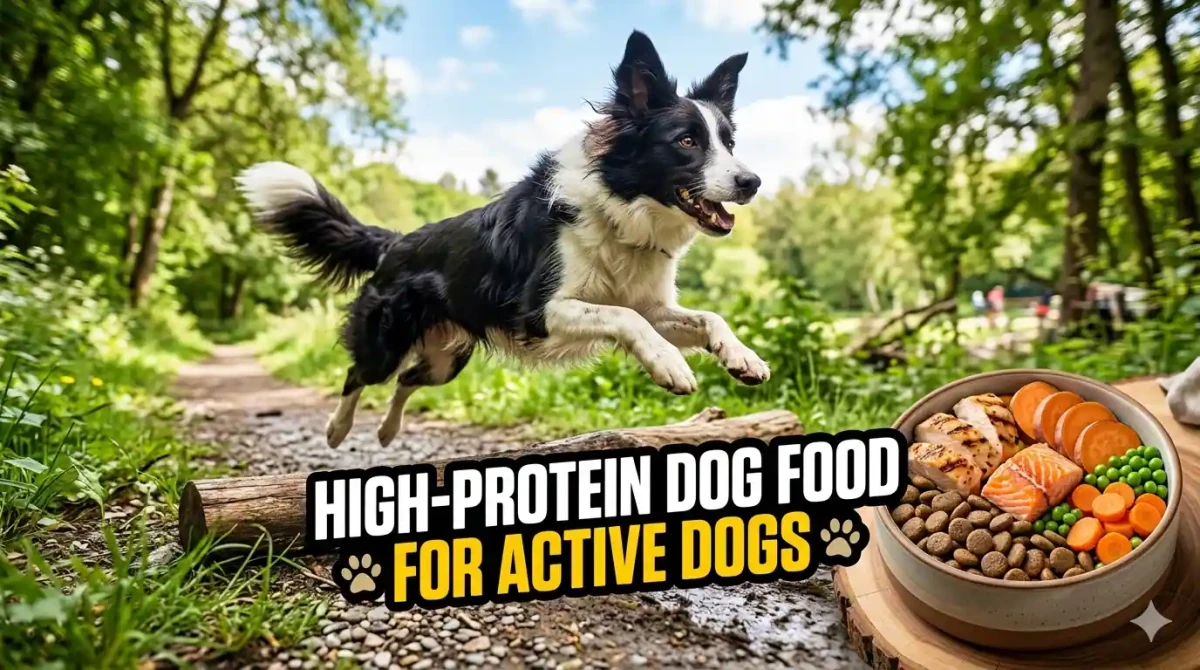
Active dogs—whether working breeds, sporting companions, agility athletes, or simply high-energy pets—have significantly different nutritional needs than sedentary dogs. Their muscles work harder, recover faster, and require more building blocks to maintain strength and endurance. Choosing the right high-protein dog food isn't just about fueling activity—it's about supporting muscle recovery, joint health, immune function, and long-term vitality for dogs who give their all.
Featured Snippet Answer: Active dogs need high-protein dog food with 25-35% protein from quality animal sources (chicken, beef, fish), moderate to high fat (15-25%) for sustained energy, and supportive nutrients like omega-3s, glucosamine, and antioxidants. Look for AAFCO-complete formulas labeled for "active," "performance," or "working" dogs. Feed 1-2 hours before or after intense activity, and adjust portions based on body condition and activity level.
Feeding an active dog a standard maintenance diet can lead to muscle loss, slow recovery, reduced performance, and increased injury risk. Understanding how protein, fat, and key nutrients support active canine physiology empowers you to make informed choices that help your dog thrive.
This comprehensive guide provides evidence-based, veterinarian-aligned strategies for selecting the best high-protein dog food for active dogs. You'll learn about protein requirements by activity level, ingredient quality evaluation, top product recommendations across price ranges, feeding timing strategies, and common pitfalls to avoid. Whether you have a Border Collie competing in agility, a Labrador retrieving all day, or a hiking companion who explores miles of trails, you'll find practical guidance to optimize their nutrition.
Understanding Active Dog Physiology: Why Protein Matters
Before selecting food, it's essential to understand how activity affects your dog's nutritional needs.
Key Characteristics of Active Dogs:
- Higher metabolic rate: Active dogs burn calories 1.5-3x faster than sedentary dogs, requiring more energy-dense nutrition
- Increased muscle turnover: Exercise creates micro-tears in muscle fibers; protein provides amino acids for repair and growth
- Enhanced recovery needs: Post-activity nutrition impacts recovery speed, soreness, and readiness for next session
- Joint and connective tissue stress: Repetitive motion increases wear; nutrients like glucosamine support joint health
- Immune system demands: Intense activity can temporarily suppress immunity; antioxidants support immune function
- 🐾 Best Seed Mix for Small Birds: Expert Nutrition Guide
- 🐾 Best Food for Dwarf Hamsters Complete Nutrition Guide
- 🐾 Homemade Cat Food Recipes and Complete Nutrition Guide
How These Traits Influence Food Selection:
- Protein quantity and quality: Active dogs need 25-35% protein from highly digestible animal sources to support muscle maintenance
- Fat for energy: Fat provides concentrated, sustained energy (9 kcal/g vs 4 kcal/g for protein/carbs); active dogs benefit from 15-25% fat
- Carbohydrate balance: Carbs provide quick energy; balance with protein/fat based on activity type (endurance vs sprint)
- Targeted nutrients: Omega-3s reduce inflammation; glucosamine supports joints; antioxidants combat exercise-induced oxidative stress
- 🐾 Best Seed Mix for Small Birds: Expert Nutrition Guide
- 🐾 Best Food for Dwarf Hamsters Complete Nutrition Guide
- 🐾 Homemade Cat Food Recipes and Complete Nutrition Guide
Featured Snippet Answer: Active dogs have higher metabolic rates, increased muscle turnover, and enhanced recovery needs. Their food should provide 25-35% high-quality animal protein, 15-25% fat for sustained energy, and supportive nutrients like omega-3s and glucosamine. Matching nutrition to activity type (endurance vs sprint) optimizes performance and recovery.
How much protein do active dogs really need?
Protein needs vary by activity level: lightly active pets need 22-25% protein; moderately active dogs benefit from 25-30%; highly active working/sporting dogs often thrive on 30-35% protein. Quality matters more than quantity—highly digestible animal proteins (chicken, beef, fish) provide essential amino acids more efficiently than plant proteins. Always consult your veterinarian to determine the ideal protein level for your dog's specific activity, age, and health status.
Key Factors in Choosing High-Protein Food for Active Dogs

Selecting the right food requires evaluating multiple factors beyond the protein percentage on the label.
1. Protein Quality and Source
Not all protein is created equal. Source and digestibility determine how effectively your dog can use it.
- Animal-based proteins: Chicken, beef, fish, lamb provide complete amino acid profiles essential for muscle repair
- Digestibility: Look for foods with >85% protein digestibility; highly digestible proteins reduce waste and support efficient recovery
- Named ingredients: "Chicken meal" or "salmon" as first ingredients indicate quality; avoid vague "meat meal" or "animal by-products"
- Amino acid profile: Ensure adequate levels of leucine, lysine, and methionine—critical for muscle protein synthesis
- 🐾 Best Seed Mix for Small Birds: Expert Nutrition Guide
- 🐾 Best Food for Dwarf Hamsters Complete Nutrition Guide
- 🐾 Homemade Cat Food Recipes and Complete Nutrition Guide
2. Fat Content for Sustained Energy
Fat is the primary fuel for endurance activities and supports overall energy needs.
- Endurance activities: Higher fat (20-25%) supports prolonged, moderate-intensity exercise
- Sprint/high-intensity activities: Moderate fat (15-20%) balanced with carbs for quick energy bursts
- Quality fat sources: Chicken fat, fish oil, flaxseed provide omega-3s and omega-6s for inflammation control
- Avoid excessive fat: Too much fat can cause digestive upset or weight gain in less active periods
- 🐾 Best Seed Mix for Small Birds: Expert Nutrition Guide
- 🐾 Best Food for Dwarf Hamsters Complete Nutrition Guide
- 🐾 Homemade Cat Food Recipes and Complete Nutrition Guide
3. Carbohydrate Balance for Activity Type
Carbs provide quick energy but should be balanced based on your dog's activity profile.
- Endurance dogs: Lower carbs (25-35%), higher fat for sustained energy
- Sprint/agility dogs: Moderate carbs (35-45%) for quick energy availability
- Quality carb sources: Sweet potato, oats, brown rice provide sustained energy without blood sugar spikes
- Avoid fillers: Excess corn, wheat, or soy may cause inflammation or digestive issues
- 🐾 Best Seed Mix for Small Birds: Expert Nutrition Guide
- 🐾 Best Food for Dwarf Hamsters Complete Nutrition Guide
- 🐾 Homemade Cat Food Recipes and Complete Nutrition Guide
4. Targeted Nutrients for Active Dogs
Active dogs benefit from specific nutrients that support recovery and performance.
- Omega-3 fatty acids (EPA/DHA): Reduce exercise-induced inflammation and support joint health
- Glucosamine and chondroitin: Support cartilage health and joint mobility under repetitive stress
- Antioxidants (vitamins E, C, selenium): Combat oxidative stress from intense exercise
- B-vitamins: Support energy metabolism and red blood cell production
- Electrolytes: Support hydration and muscle function during prolonged activity
- 🐾 Best Seed Mix for Small Birds: Expert Nutrition Guide
- 🐾 Best Food for Dwarf Hamsters Complete Nutrition Guide
- 🐾 Homemade Cat Food Recipes and Complete Nutrition Guide
5. Life Stage and Breed Considerations
Nutritional needs vary by age and breed characteristics.
- Active puppies: Need higher protein (28-32%) for growth plus activity; avoid excessive calories that cause rapid growth
- Adult active dogs: Benefit from 25-35% protein with balanced fat/carbs for performance and maintenance
- Senior active dogs: May need slightly lower protein (22-28%) with high digestibility to support aging kidneys while maintaining muscle
- Breed considerations: Working breeds (Malinois, Huskies) often tolerate higher protein/fat; some breeds may have sensitivities requiring novel proteins
- 🐾 Best Seed Mix for Small Birds: Expert Nutrition Guide
- 🐾 Best Food for Dwarf Hamsters Complete Nutrition Guide
- 🐾 Homemade Cat Food Recipes and Complete Nutrition Guide
Featured Snippet Answer:
Choose high-protein food for active dogs with: 25-35% protein from named animal sources, 15-25% fat from quality sources, balanced carbs based on activity type, and targeted nutrients (omega-3s, glucosamine, antioxidants). Match protein levels to activity intensity and consider life stage and breed-specific needs.
Top Recommended High-Protein Foods for Active Dogs

After extensive research and analysis of ingredient quality, nutritional analysis, performance feedback, and value, these are the best high-protein dog foods for active dogs.
1. Purina Pro Plan Sport 30/20: Best Overall for Performance
Key Features:
- 30% protein, 20% fat: optimized ratio for active and sporting dogs
- Real chicken as first ingredient; highly digestible animal protein
- Added omega-3 fatty acids (EPA/DHA) for joint health and inflammation control
- Antioxidant blend (vitamins E and C) supports immune function during intense activity
- Glucosamine supports joint health for dogs with repetitive motion demands
- AAFCO-complete for adult maintenance and growth
- 🐾 Best Seed Mix for Small Birds: Expert Nutrition Guide
- 🐾 Best Food for Dwarf Hamsters Complete Nutrition Guide
- 🐾 Homemade Cat Food Recipes and Complete Nutrition Guide
Best For: Sporting breeds, agility dogs, hunting companions, highly active pets
Pros: Excellent protein/fat balance, high-quality ingredients, targeted nutrients for active dogs, widely available, vet-recommended
Cons: Contains corn and poultry by-product meal (some owners prefer whole ingredients only); may be too rich for less active dogs
Price Range: $50-75 for 35-lb bag
Verdict: Purina Pro Plan Sport delivers research-backed nutrition optimized for active dogs. Its balanced protein/fat ratio and targeted nutrients make it a top choice for performance and recovery.
2. Victor Purpose Performance: Best for Working and Endurance Dogs
Key Features:
- 30% protein, 18% fat: formulated for working, sporting, and active dogs
- Beef meal, chicken meal, and fish meal as primary proteins; highly digestible
- Added glucosamine, chondroitin, and omega-3s for joint and inflammation support
- Prebiotics and probiotics support digestive health during high-energy demands
- No corn, wheat, or soy; grain-inclusive with quality carbohydrates
- AAFCO-complete for all life stages
- 🐾 Best Seed Mix for Small Birds: Expert Nutrition Guide
- 🐾 Best Food for Dwarf Hamsters Complete Nutrition Guide
- 🐾 Homemade Cat Food Recipes and Complete Nutrition Guide
Best For: Working breeds (Malinois, German Shepherds), sled dogs, endurance athletes, multi-activity dogs
Pros: High-quality protein blend, joint support nutrients, digestive support, no common fillers, all-life-stage formula
Cons: Higher price point; may be too rich for sedentary dogs or those with sensitive stomachs
Price Range: $55-80 for 40-lb bag
Verdict: Victor Purpose Performance offers exceptional nutrition for demanding activities. Its comprehensive nutrient profile and high digestibility make it ideal for working and endurance dogs.
3. Eukanuba Premium Performance 30/20: Best for Sporting Breeds
Key Features:
- 30% protein, 20% fat: precision formula for sporting and active dogs
- Chicken as first ingredient; highly digestible animal protein
- Optimal omega-6:omega-3 ratio (5:1) for skin, coat, and inflammation control
- Glucosamine and chondroitin for joint health under repetitive stress
- Antioxidant system supports immune function during intense activity
- AAFCO-complete for adult maintenance
- 🐾 Best Seed Mix for Small Birds: Expert Nutrition Guide
- 🐾 Best Food for Dwarf Hamsters Complete Nutrition Guide
- 🐾 Homemade Cat Food Recipes and Complete Nutrition Guide
Best For: Sporting breeds (Labradors, Pointers, Retrievers), agility competitors, hunting dogs
Pros: Sport-specific formulation, excellent ingredient quality, targeted joint and immune support, consistent manufacturing
Cons: Contains corn and chicken by-product meal; premium price; may not suit dogs with grain sensitivities
Price Range: $52-78 for 33-lb bag
Verdict: Eukanuba Premium Performance delivers sport-specific nutrition with precision. Its balanced formula and targeted nutrients make it excellent for sporting breeds and competitive dogs.
4. Taste of the Wild High Prairie: Best Grain-Free High-Protein Option
Key Features:
- 32% protein, 18% fat: high-protein, grain-free formula
- Roasted bison and venison as primary proteins; novel proteins for sensitive dogs
- Added probiotics for digestive health; prebiotic fiber supports gut flora
- Omega-3 and omega-6 fatty acids from fish oil and flaxseed
- Antioxidants from fruits and vegetables support immune function
- AAFCO-complete for adult maintenance
- 🐾 Best Seed Mix for Small Birds: Expert Nutrition Guide
- 🐾 Best Food for Dwarf Hamsters Complete Nutrition Guide
- 🐾 Homemade Cat Food Recipes and Complete Nutrition Guide
Best For: Active dogs with grain sensitivities, owners preferring novel proteins, dogs needing digestive support
Pros: High-quality novel proteins, grain-free, probiotic support, antioxidant-rich, palatable
Cons: Grain-free formulas have been scrutinized for potential DCM links (discuss with vet); higher price; novel proteins may not suit all dogs
Price Range: $48-70 for 28-lb bag
Verdict: Taste of the Wild High Prairie offers high-protein, grain-free nutrition with novel proteins and digestive support. Ideal for active dogs with sensitivities or owners preferring ancestral-style diets.
5. Diamond Performance Formula: Best Budget High-Protein Option
Key Features:
- 27% protein, 18% fat: high-protein formula at accessible price
- Chicken meal as first ingredient; quality animal protein
- Added glucosamine and chondroitin for joint support
- Omega fatty acids for skin, coat, and inflammation control
- Probiotics for digestive health
- AAFCO-complete for adult maintenance
- 🐾 Best Seed Mix for Small Birds: Expert Nutrition Guide
- 🐾 Best Food for Dwarf Hamsters Complete Nutrition Guide
- 🐾 Homemade Cat Food Recipes and Complete Nutrition Guide
Best For: Budget-conscious owners of active dogs, multi-dog households, training kennels
Pros: Excellent value for high-protein nutrition, joint support, probiotics, widely available
Cons: Contains corn and chicken by-product meal; may have more fillers than premium brands
Price Range: $35-55 for 40-lb bag
Verdict: Diamond Performance Formula delivers solid high-protein nutrition at an accessible price. Its joint support and probiotics make it a smart choice for active dogs on a budget.
6. The Farmer's Dog (Fresh Food): Best Fresh High-Protein Option
Key Features:
- Customized fresh food delivered to your door; protein levels tailored to your dog's activity
- Human-grade ingredients: chicken, beef, or turkey as primary protein
- No preservatives, fillers, or rendered ingredients
- Portion-controlled based on your dog's weight, age, and activity level
- Easy transition and storage; pre-portioned meals
- 🐾 Best Seed Mix for Small Birds: Expert Nutrition Guide
- 🐾 Best Food for Dwarf Hamsters Complete Nutrition Guide
- 🐾 Homemade Cat Food Recipes and Complete Nutrition Guide
Best For: Owners prioritizing fresh ingredients, dogs with sensitive digestion, personalized nutrition needs
Pros: Human-grade ingredients, customized portions, no preservatives, high palatability, convenient delivery
Cons: Premium price; requires freezer space; shorter shelf life than kibble
Price Range: $60-120+ per week depending on dog size and plan
Verdict: The Farmer's Dog offers personalized, fresh high-protein nutrition ideal for active dogs whose owners prioritize ingredient quality and customization.
Activity-Specific Nutrition Strategies

Different types of activity require slightly different nutritional approaches. Tailor your dog's diet to their specific demands.
Endurance Activities (Hiking, Running, Sledding)
Nutritional Priorities:
- Higher fat (20-25%) for sustained energy release
- Moderate protein (25-30%) for muscle maintenance without excess nitrogen waste
- Complex carbohydrates (sweet potato, oats) for steady glucose availability
- Electrolytes and hydration support for prolonged activity
- 🐾 Best Seed Mix for Small Birds: Expert Nutrition Guide
- 🐾 Best Food for Dwarf Hamsters Complete Nutrition Guide
- 🐾 Homemade Cat Food Recipes and Complete Nutrition Guide
Feeding Strategy:
- Feed main meal 3-4 hours before prolonged activity to allow digestion
- Offer small, easily digestible snacks (training treats, boiled chicken) during very long sessions
- Refeed within 30-60 minutes post-activity with protein + carb combo for recovery
- Ensure constant access to fresh water; consider electrolyte supplements for extreme conditions
- 🐾 Best Seed Mix for Small Birds: Expert Nutrition Guide
- 🐾 Best Food for Dwarf Hamsters Complete Nutrition Guide
- 🐾 Homemade Cat Food Recipes and Complete Nutrition Guide
High-Intensity/Sprint Activities (Agility, Flyball, Hunting)
Nutritional Priorities:
- Moderate-high protein (28-35%) for rapid muscle repair
- Moderate fat (15-20%) balanced with carbs for quick energy availability
- Fast-digesting carbs (rice, potato) for immediate energy replenishment
- Antioxidants to combat oxidative stress from intense bursts
- 🐾 Best Seed Mix for Small Birds: Expert Nutrition Guide
- 🐾 Best Food for Dwarf Hamsters Complete Nutrition Guide
- 🐾 Homemade Cat Food Recipes and Complete Nutrition Guide
Feeding Strategy:
- Avoid large meals 2 hours before high-intensity activity to prevent GI upset
- Offer small, carb-focused snack 30-60 minutes pre-activity if needed
- Refeed within 30 minutes post-activity with protein-focused meal for muscle recovery
- Hydrate before, during (if possible), and after activity
- 🐾 Best Seed Mix for Small Birds: Expert Nutrition Guide
- 🐾 Best Food for Dwarf Hamsters Complete Nutrition Guide
- 🐾 Homemade Cat Food Recipes and Complete Nutrition Guide
Working Dogs (Police, Service, Search & Rescue)
Nutritional Priorities:
- High protein (30-35%) for muscle maintenance under varied demands
- High fat (20-25%) for sustained energy during long shifts
- Joint support nutrients (glucosamine, omega-3s) for repetitive stress
- Mental focus support: B-vitamins, quality protein for neurotransmitter production
- 🐾 Best Seed Mix for Small Birds: Expert Nutrition Guide
- 🐾 Best Food for Dwarf Hamsters Complete Nutrition Guide
- 🐾 Homemade Cat Food Recipes and Complete Nutrition Guide
Feeding Strategy:
- Split daily ration into 2-3 meals to maintain steady energy
- Time main meal after primary work period when possible
- Keep high-value training treats separate from main diet to avoid overfeeding
- Monitor body condition closely; working dogs can lose condition quickly under stress
- 🐾 Best Seed Mix for Small Birds: Expert Nutrition Guide
- 🐾 Best Food for Dwarf Hamsters Complete Nutrition Guide
- 🐾 Homemade Cat Food Recipes and Complete Nutrition Guide
Active Companion Dogs (Hiking Partners, Running Buddies)
Nutritional Priorities:
- Moderate-high protein (25-30%) for maintenance and recovery
- Balanced fat (15-20%) for energy without excess weight gain
- Joint support for repetitive trail impact
- Flexibility to adjust portions based on weekly activity fluctuations
- 🐾 Best Seed Mix for Small Birds: Expert Nutrition Guide
- 🐾 Best Food for Dwarf Hamsters Complete Nutrition Guide
- 🐾 Homemade Cat Food Recipes and Complete Nutrition Guide
Feeding Strategy:
- Feed consistent base diet; adjust portions up/down based on weekly activity
- Offer small pre-activity snack for long outings
- Refeed with balanced meal post-activity
- Monitor weight monthly; active companion dogs can easily gain weight on rest days
- 🐾 Best Seed Mix for Small Birds: Expert Nutrition Guide
- 🐾 Best Food for Dwarf Hamsters Complete Nutrition Guide
- 🐾 Homemade Cat Food Recipes and Complete Nutrition Guide
Featured Snippet Answer: Tailor nutrition to activity type: endurance dogs need higher fat (20-25%) for sustained energy; sprint dogs benefit from moderate protein (28-35%) + fast carbs for quick recovery; working dogs need high protein/fat with joint support; active companions need flexible portions. Feed timing matters: avoid large meals pre-activity; refuel within 30-60 minutes post-activity.
How to Evaluate High-Protein Dog Food Quality

Marketing claims can be misleading. Use these evidence-based criteria to evaluate food quality.
Guaranteed Analysis: Understanding the Numbers
- Protein: 25-35% for active dogs; ensure it's from animal sources
- Fat: 15-25% depending on activity type; quality sources matter
- Fiber: 3-5% supports digestion without excessive fullness
- Moisture: Dry food should be 85% digestibility; highly digestible proteins reduce waste and support efficient recovery
- Bioavailability: Animal proteins are more bioavailable than plant proteins for dogs
- 🐾 Best Seed Mix for Small Birds: Expert Nutrition Guide
- 🐾 Best Food for Dwarf Hamsters Complete Nutrition Guide
- 🐾 Homemade Cat Food Recipes and Complete Nutrition Guide
Brand Reputation and Transparency
- Employ veterinary nutritionists: Brands with PhD nutritionists formulate more reliable foods
- Quality control: Look for brands conducting nutrient testing, contaminant screening, and feeding trials
- Recall history: Research brand recall patterns; occasional recalls happen, but frequent issues signal concerns
- Transparency: Brands disclosing ingredient sourcing and manufacturing practices enable informed choices
- 🐾 Best Seed Mix for Small Birds: Expert Nutrition Guide
- 🐾 Best Food for Dwarf Hamsters Complete Nutrition Guide
- 🐾 Homemade Cat Food Recipes and Complete Nutrition Guide
Featured Snippet Answer: Evaluate high-protein dog food by checking: 25-35% protein from named animal sources, 15-25% fat from quality sources, high digestibility (>85%), natural preservatives, and brand transparency about testing. Avoid vague ingredient terms and foods without AAFCO statements for active dogs.
Feeding Guidelines: Timing, Portions, and Strategies for Active Dogs

How and when you feed matters as much as what you feed for active dogs.
Determining the Right Portion
- Start with package guidelines: Use activity-level recommendations as a starting point
- Assess body condition: Ribs should be easily felt with thin fat cover; visible waist from above
- Adjust for activity fluctuations: Increase portions 10-20% on high-activity days; decrease on rest days
- Account for treats: Training treats should be
🐱 আরও পড়ুন: Dogs Food
- 🐾 Wet vs Dry Dog Food: Pros and Cons Guide
- 🐾 Senior Dog Food for Joint Health Complete Nutrition Guide
- 🐾 Grain-Free Dog Food for Adult Dogs: Complete Guide
- 🐾 Dog Food For Puppies With Sensitive Stomach Diarrhea And Vomiting Issues
- 🐾 Best Dog Food Brands in the USA- Complete Guide to Purina Pro Plan Hills Blue Buffalo and More

0 Comments