.png)
Understanding Senior Dog Joint Health and Nutrition Needs
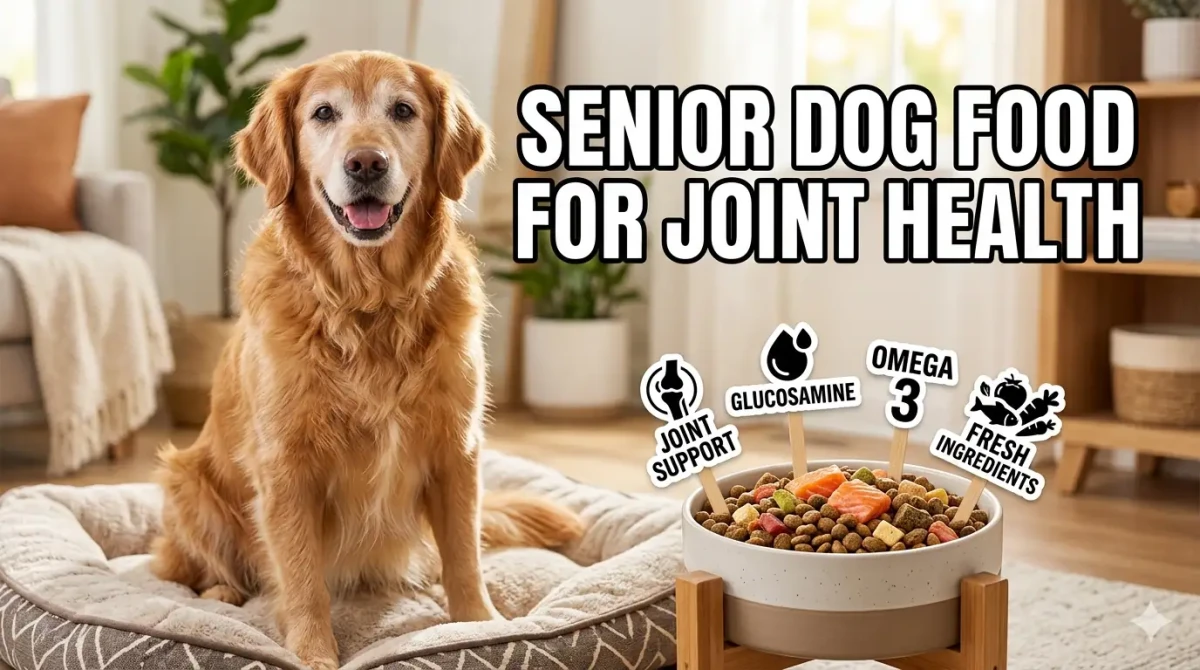
Senior dog food for joint health represents one of the most important nutritional considerations for aging canine companions, as joint deterioration affects the majority of dogs over seven years of age. As dogs enter their senior years, cartilage breakdown, decreased synovial fluid production, and chronic inflammation can lead to arthritis, reduced mobility, and decreased quality of life. Selecting appropriate senior dog food formulated with joint supporting nutrients can significantly slow joint degeneration, reduce pain and inflammation, and help your aging dog maintain activity levels and comfort throughout their golden years.
The connection between nutrition and joint health in senior dogs is well documented through veterinary research. Specific nutrients including glucosamine, chondroitin, omega 3 fatty acids, methylsulfonylmethane, and antioxidants work synergistically to support cartilage integrity, reduce inflammatory markers, and promote joint lubrication. When these nutrients are incorporated into balanced senior dog formulas, they provide consistent daily support that supplements alone cannot match in terms of bioavailability and absorption.
This comprehensive guide covers everything you need to know about selecting senior dog food for joint health, from understanding key ingredients and evaluating product quality to implementing feeding strategies that maximize joint support. Whether your senior dog is just beginning to show signs of stiffness or is managing diagnosed arthritis, these expert recommendations will help you choose nutrition that supports mobility, reduces discomfort, and enhances your dog's quality of life during their senior years.
Why Joint Health Matters for Senior Dogs
Joint health profoundly impacts nearly every aspect of a senior dog's physical and emotional wellbeing. Dogs with compromised joint function often experience chronic pain that affects their willingness to exercise, interact with family, and engage in activities they once enjoyed. This pain can lead to weight gain from reduced activity, muscle atrophy from decreased movement, and behavioral changes including irritability or withdrawal that reflect discomfort rather than personality changes.
The consequences of untreated joint deterioration extend beyond mobility issues. Senior dogs with painful joints may avoid climbing stairs, jumping into vehicles, or accessing favorite resting spots, limiting their independence and quality of life. Chronic pain from arthritis can suppress immune function, disrupt sleep patterns, and contribute to cognitive decline through reduced physical and mental stimulation.
Proactive joint nutrition is far more effective than attempting to reverse advanced joint damage. By providing joint supporting nutrients through senior dog food before severe symptoms develop, you can slow cartilage breakdown, maintain joint lubrication, and preserve mobility longer. Early nutritional intervention represents one of the most impactful steps you can take to support your senior dog's comfort and independence.
How Does Aging Affect Dog Joint Health?
Aging triggers multiple physiological changes that compromise joint health in senior dogs. Cartilage, the smooth tissue covering bone ends in joints, naturally thins and loses elasticity with age, reducing its ability to absorb shock and facilitate smooth movement. This cartilage degradation exposes bone surfaces, leading to friction, inflammation, and the development of bone spurs that further restrict joint function.
Synovial fluid production decreases with age, reducing joint lubrication that normally minimizes friction during movement. This decreased lubrication contributes to stiffness, particularly after rest periods, and increases wear on joint surfaces during activity. The combination of thinner cartilage and less lubricating fluid creates a cycle of progressive joint deterioration.
Chronic low grade inflammation increases with age, a phenomenon called inflammaging that affects joint tissues throughout the body. This systemic inflammation accelerates cartilage breakdown, sensitizes pain receptors, and contributes to the chronic discomfort characteristic of canine arthritis. Nutritional strategies that address inflammation play a crucial role in managing age related joint changes.
Essential Nutrients for Senior Dog Joint Support

Supporting senior dog joint health through nutrition requires providing specific nutrients that address the multiple pathways of joint deterioration. Understanding these key ingredients helps you evaluate senior dog foods and select formulas that deliver comprehensive joint support through scientifically backed components.
Glucosamine serves as a building block for cartilage repair and maintenance, stimulating the production of glycosaminoglycans that form the structural matrix of healthy cartilage. Senior dogs benefit from glucosamine hydrochloride or glucosamine sulfate at levels of 500 to 1000 milligrams per 25 pounds of body weight daily. Quality senior dog foods incorporate glucosamine at therapeutic levels that support ongoing cartilage maintenance.
Chondroitin sulfate works synergistically with glucosamine by inhibiting enzymes that break down cartilage and attracting fluid into cartilage tissue to improve shock absorption. Effective chondroitin supplementation typically ranges from 400 to 800 milligrams per 25 pounds of body weight daily. Senior dog foods that combine glucosamine and chondroitin provide comprehensive cartilage support through complementary mechanisms.
Omega 3 fatty acids, particularly EPA and DHA from fish oil, provide powerful anti inflammatory effects that reduce joint inflammation and pain. Senior dogs benefit from omega 3 levels providing 50 to 100 milligrams of combined EPA and DHA per pound of body weight daily. Quality senior formulas incorporate fish oil or other marine sources to deliver these essential fatty acids in bioavailable forms.
Which Additional Nutrients Support Senior Dog Joints?
Beyond the foundational trio of glucosamine, chondroitin, and omega 3s, several additional nutrients provide valuable joint support for senior dogs through complementary mechanisms.
Methylsulfonylmethane, commonly abbreviated as MSM, provides organic sulfur that supports connective tissue health and provides additional anti inflammatory benefits. MSM works synergistically with glucosamine and chondroitin to enhance cartilage repair and reduce discomfort. Effective MSM supplementation typically ranges from 50 to 100 milligrams per pound of body weight daily.
Green lipped mussel extract contains naturally occurring glucosamine, chondroitin, omega 3 fatty acids, and unique glycosaminoglycans that support joint health. This New Zealand sourced ingredient provides comprehensive joint support through multiple pathways and has demonstrated effectiveness in clinical studies of canine arthritis.
Antioxidants including vitamins C and E, selenium, and botanical extracts like turmeric and boswellia help combat oxidative stress that contributes to joint inflammation and cartilage degradation. These compounds work synergistically to reduce inflammatory markers and protect joint tissues from age related damage.
Collagen peptides provide amino acids that serve as building blocks for cartilage, tendons, and ligaments. Hydrolyzed collagen is readily absorbed and has demonstrated benefits for joint comfort and mobility in senior dogs when included at appropriate levels in senior formulas.
How Do These Nutrients Work Together for Joint Health?
The most effective senior dog foods for joint health incorporate multiple supportive nutrients that work through complementary pathways to address the complex nature of joint deterioration. Understanding these synergistic relationships helps you appreciate why comprehensive formulas often outperform single ingredient supplements.
Glucosamine and chondroitin work together to support cartilage structure, with glucosamine stimulating production of cartilage components while chondroitin inhibits destructive enzymes and improves cartilage hydration. This combination addresses both cartilage building and protection simultaneously.
Omega 3 fatty acids reduce the inflammatory environment that accelerates cartilage breakdown, creating conditions where glucosamine and chondroitin can work more effectively. By addressing inflammation, omega 3s enhance the effectiveness of cartilage supporting nutrients.
Antioxidants protect joint tissues from oxidative damage while supporting the body's natural repair processes. When combined with cartilage building blocks and anti inflammatory fatty acids, antioxidants create a comprehensive approach to joint health that addresses multiple aspects of age related joint changes.
Evaluating Senior Dog Foods for Joint Support

Selecting high quality senior dog food for joint health requires evaluating specific characteristics that impact effectiveness, safety, and value. Understanding these quality indicators helps you choose products that deliver genuine joint support while avoiding inferior alternatives that waste money or compromise your dog's health.
Ingredient transparency represents a non negotiable priority. Quality senior dog foods explicitly list joint supporting nutrients with specific amounts or guaranteed analysis levels. Avoid products that mention joint support ingredients without quantifying amounts, as therapeutic levels are required for effectiveness. Look for formulas that specify glucosamine, chondroitin, and omega 3 levels on the label or through manufacturer documentation.
Protein quality and level significantly impact senior dog health. Senior dogs require high quality, highly digestible protein to maintain muscle mass that supports joint stability. Look for senior formulas with 18 to 25 percent protein from named animal sources like chicken, fish, or lamb. Avoid formulas with excessive protein restriction unless specifically recommended by your veterinarian for kidney disease.
Calorie density should be appropriate for senior dogs who typically have reduced activity levels. Senior formulas often contain 10 to 20 percent fewer calories than adult maintenance foods to help prevent weight gain that stresses joints. However, calories should not be so restricted that your dog cannot maintain healthy body condition with appropriate portion sizes.
What Safety Standards Should Senior Dog Foods Meet?
Safety certifications and testing provide assurance that senior dog foods meet standards for nutritional adequacy and contaminant control. Evaluating compliance helps you select products prioritizing your senior dog's wellbeing.
AAFCO statement verification confirms the food meets nutritional standards for senior dogs or adult maintenance. Look for statements indicating the food is complete and balanced for adult dogs or all life stages. While AAFCO does not have a specific senior category, foods meeting adult maintenance standards provide appropriate baseline nutrition.
Third party testing for contaminants including heavy metals, mycotoxins, and bacterial pathogens provides additional assurance of safety. Brands that publish testing results or provide certificates of analysis on request demonstrate transparency and commitment to quality control.
Veterinary nutritionist involvement in formula development indicates professional expertise in senior dog nutritional requirements. Brands employing board certified veterinary nutritionists typically maintain higher standards for ingredient selection, nutrient balancing, and quality control.
Avoid foods lacking clear nutritional information, made by unknown manufacturers, or sold at prices suggesting compromised quality. Your senior dog's health depends on consistent, high quality nutrition, making verification of standards a critical purchasing consideration.
How Do You Assess Value Beyond Purchase Price?
Evaluating senior dog food value requires considering nutritional quality, joint support effectiveness, and long term health benefits rather than focusing solely on purchase price. Understanding value factors helps you make economical choices that deliver genuine joint support.
Nutrient bioavailability determines how much of the joint supporting ingredients your dog actually absorbs and utilizes. High quality ingredients in bioavailable forms provide better value than larger quantities of poorly absorbed compounds. Look for foods using glucosamine hydrochloride, chondroitin sulfate, and fish oil from reputable suppliers.
Feeding guidelines and caloric density impact long term cost. Foods with appropriate calorie levels for senior dogs help maintain healthy weight without requiring extremely small portions that may not provide adequate joint nutrients. Calculate cost per day of feeding rather than cost per bag to compare products fairly.
Palatability affects whether your senior dog will consistently consume the food. Even the most nutritionally complete food provides no benefit if your dog refuses to eat it. Look for foods with high palatability ratings from senior dog owners and consider sample sizes before committing to large bags.
Manufacturer support and guarantees reflect confidence in product performance. Brands offering satisfaction guarantees, veterinary support, or nutritional consultation demonstrate commitment to customer success. These protections add value beyond the physical product.
Feeding Strategies That Maximize Joint Support

Proper feeding practices significantly impact the effectiveness of senior dog food for joint health. Understanding how to optimize feeding strategies helps you maximize the joint supporting benefits of your chosen nutrition while supporting overall senior dog health.
Consistent feeding schedules help maintain stable nutrient levels that support continuous joint health. Most senior dogs thrive on two measured meals per day spaced approximately 12 hours apart. Consistent timing supports digestive health and helps you monitor appetite changes that may indicate health issues requiring attention.
Appropriate portion control prevents weight gain that stresses joints and undermines the benefits of joint supporting nutrition. Senior dogs typically require 10 to 20 percent fewer calories than younger adults due to reduced activity and metabolism. Use a kitchen scale or standard measuring cup to ensure accurate portions, and adjust based on regular weight monitoring.
Transitioning to senior joint support food requires gradual introduction over 7 to 10 days to allow digestive adaptation. Begin by mixing 25 percent new food with 75 percent current food, gradually increasing the new food proportion. Monitor your dog's stool quality, appetite, and mobility during transition, and consult your veterinarian if concerns arise.
How Often Should Senior Dogs Eat for Optimal Joint Health?
Feeding frequency impacts nutrient absorption, weight management, and overall comfort for senior dogs with joint concerns. Understanding optimal feeding schedules helps you support joint health through strategic meal timing.
Most senior dogs benefit from two meals per day, which helps maintain stable blood sugar, supports consistent nutrient delivery for joint support, and prevents the discomfort of large single meals. Splitting daily calories into two portions also helps manage weight more effectively than free feeding or single large meals.
Dogs with significant arthritis or mobility issues may benefit from smaller, more frequent meals if large meals cause discomfort when standing to eat. Three smaller meals can reduce the physical demand of mealtime while maintaining adequate nutrient intake for joint support.
Timing meals around activity can enhance joint comfort. Feeding after gentle exercise may support nutrient delivery to joints when blood flow is increased. However, avoid vigorous activity immediately before or after meals to reduce the risk of bloat, particularly in deep chested breeds.
Consistency matters more than perfect timing. Establish a feeding routine your senior dog can anticipate, as predictable routines reduce stress and support digestive health. Adjust timing based on your dog's preferences and comfort while maintaining consistency day to day.
What Role Does Weight Management Play in Joint Health?
Weight management represents one of the most impactful factors in senior dog joint health, as excess weight significantly increases stress on joints and accelerates cartilage deterioration. Understanding the weight joint connection helps you prioritize healthy body condition alongside nutritional joint support.
Every pound of excess body weight places approximately four pounds of additional stress on weight bearing joints during movement. For a senior dog with existing joint changes, even modest weight loss can significantly reduce pain and improve mobility. Research demonstrates that weight loss alone can improve lameness scores in arthritic dogs by 50 percent or more.
Senior dog foods formulated for joint health often incorporate weight management features including appropriate calorie levels, increased fiber for satiety, and high quality protein to preserve muscle mass during weight loss. These features support the dual goals of joint nutrition and healthy weight maintenance.
Monitor your senior dog's body condition score regularly by assessing rib coverage, waist definition, and abdominal tuck. Ideal body condition allows you to feel ribs with slight fat coverage, see a visible waist from above, and observe abdominal tuck from the side. Adjust portions to maintain this ideal condition throughout your dog's senior years.
Breed and Size Considerations for Senior Joint Nutrition

Different dog breeds and sizes have varying joint health risks and nutritional requirements that influence senior food selection. Understanding these differences helps you customize joint support nutrition for your individual senior dog's needs.
Large and giant breed dogs including German Shepherds, Labrador Retrievers, Golden Retrievers, and Great Danes face higher risks of hip dysplasia, elbow dysplasia, and osteoarthritis due to their size and growth patterns. These breeds benefit from senior foods with enhanced joint support nutrients, controlled calorie levels to prevent weight gain, and appropriate calcium phosphorus ratios for ongoing bone health.
Small breed senior dogs including Chihuahuas, Toy Poodles, and Yorkshire Terriers have different joint concerns including patellar luxation and dental issues that affect eating. Small breed senior formulas feature smaller kibble size for easier chewing, appropriate calorie density for their metabolism, and joint support nutrients scaled to their body weight.
Working and athletic breeds including Border Collies, Australian Shepherds, and sporting breeds may maintain higher activity levels into senior years. These dogs benefit from senior formulas that support joint health while providing adequate protein and calories to maintain muscle mass and activity levels.
How Do Large Breed Senior Dogs Benefit from Joint Support Nutrition?
Large breed senior dogs have specific joint nutrition requirements based on their size related joint stresses and common orthopedic conditions. Understanding these needs helps you select appropriate senior food for large breed companions.
Large breed senior formulas typically feature enhanced levels of glucosamine and chondroitin scaled to larger body weights, ensuring therapeutic doses are delivered through normal feeding. Look for foods providing at least 500 milligrams glucosamine and 400 milligrams chondroitin per cup for large breed seniors.
Controlled calorie density helps large breed seniors maintain healthy weight without requiring extremely small portions that may not provide adequate joint nutrients. Large breed senior formulas often contain 300 to 350 calories per cup, allowing appropriate portions that deliver joint support without excess calories.
Joint supporting nutrients work synergistically with appropriate exercise to maintain mobility in large breed seniors. Low impact activities like swimming, gentle walking, and physical therapy complement nutritional joint support by maintaining muscle strength and joint range of motion without excessive impact stress.
What Special Considerations Apply to Small Breed Senior Dogs?
Small breed senior dogs have unique joint nutrition requirements based on their size, metabolism, and common orthopedic concerns. Understanding these considerations helps you select appropriate senior food for small breed companions.
Small breed senior formulas feature smaller kibble size that accommodates smaller mouths and dental changes common in aging small dogs. Appropriate kibble size ensures your senior small dog can comfortably consume food that delivers joint supporting nutrients.
Calorie density in small breed senior formulas typically ranges from 350 to 400 calories per cup, reflecting their higher metabolic rate per pound compared to larger dogs. This appropriate calorie level helps maintain healthy weight while delivering adequate joint nutrients through normal portion sizes.
Small breed seniors often benefit from joint support nutrients scaled to their body weight. Look for formulas providing therapeutic levels of glucosamine, chondroitin, and omega 3s appropriate for dogs under 25 pounds, ensuring effective joint support without excessive supplementation.
Complementary Strategies for Senior Dog Joint Health

Nutrition forms the foundation of senior dog joint health, but complementary strategies enhance the effectiveness of joint supporting nutrition and provide comprehensive care for aging joints. Understanding these complementary approaches helps you create a holistic joint health program for your senior dog.
Appropriate exercise maintains muscle strength that supports joint stability and promotes synovial fluid circulation that nourishes cartilage. Low impact activities like leash walking, swimming, and gentle play provide joint benefits without excessive impact stress. Adjust exercise intensity and duration based on your senior dog's comfort level and veterinary guidance.
Environmental modifications reduce joint stress during daily activities. Ramps for furniture and vehicles, non slip flooring, orthopedic bedding, and elevated food bowls minimize the physical demands on senior joints. These modifications complement nutritional joint support by reducing mechanical stress on compromised joints.
Regular veterinary monitoring identifies joint changes early and allows timely intervention. Annual examinations should include orthopedic assessment, and your veterinarian may recommend diagnostic imaging or blood work to monitor joint health and overall senior wellness. Early detection enables proactive management that preserves mobility longer.
How Does Exercise Support Joint Health in Senior Dogs?
Appropriate exercise plays a crucial role in senior dog joint health by maintaining muscle strength, promoting joint lubrication, and supporting overall mobility. Understanding how to exercise senior dogs safely helps you maximize joint benefits while avoiding injury.
Low impact aerobic exercise like leash walking promotes synovial fluid circulation that nourishes cartilage and removes waste products from joint spaces. Regular gentle walking helps maintain joint range of motion and prevents stiffness that worsens with inactivity.
Muscle strengthening exercises support joint stability by maintaining the muscular support that reduces stress on joint structures. Gentle hill walking, controlled stair climbing, and physical therapy exercises prescribed by your veterinarian can help maintain muscle mass that supports aging joints.
Consistency matters more than intensity for senior dog exercise. Short, frequent exercise sessions of 10 to 15 minutes multiple times daily often provide better joint benefits than occasional longer sessions that may cause fatigue or discomfort. Adjust exercise based on your dog's daily comfort level and weather conditions.
What Environmental Modifications Help Senior Dogs with Joint Issues?
Environmental adaptations reduce mechanical stress on senior dog joints, complementing nutritional joint support by minimizing daily joint strain. Understanding helpful modifications helps you create a senior friendly home environment.
Non slip flooring prevents falls and reduces the muscle tension required for stability on slippery surfaces. Area rugs, non slip mats, or specialized pet flooring provide traction that helps senior dogs move confidently without joint strain from slipping or compensating for unstable footing.
Ramps and steps for furniture and vehicles reduce the impact stress of jumping that can aggravate arthritic joints. Portable ramps for cars and beds allow senior dogs to access favorite spots without the joint stress of jumping up or down.
Orthopedic bedding supports joint comfort during rest by distributing weight evenly and reducing pressure points. Memory foam or orthopedic dog beds help senior dogs rest comfortably, which supports tissue repair and reduces morning stiffness.
Elevated food and water bowls reduce the neck and shoulder strain of bending to ground level, particularly beneficial for senior dogs with cervical spine arthritis or shoulder issues. Adjustable height bowls allow customization to your dog's comfortable eating position.
Frequently Asked Questions About Senior Dog Food for Joint Health

When Should I Switch My Dog to Senior Joint Support Food?
Most dogs benefit from transitioning to senior joint support food between 7 and 10 years of age, depending on breed size and individual health status. Large and giant breeds often benefit from senior formulas starting at 5 to 7 years, while small breeds may transition at 10 to 12 years. Consult your veterinarian about the optimal timing for your individual dog based on breed, health status, and early signs of joint changes.
Early signs that may indicate readiness for joint support nutrition include stiffness after rest, reluctance to jump or climb stairs, decreased activity levels, or visible discomfort during movement. These signs suggest that proactive joint nutrition may provide benefits even before diagnosed arthritis develops.
Transition gradually over 7 to 10 days to allow digestive adaptation, monitoring your dog's stool quality, appetite, and mobility during the change. Consult your veterinarian if you have concerns about timing or if your dog has existing health conditions requiring specialized nutrition.
Can Senior Dog Food Replace Joint Supplements?
High quality senior dog foods formulated for joint health can provide therapeutic levels of joint supporting nutrients that may eliminate the need for separate supplements in many cases. Foods providing adequate glucosamine, chondroitin, omega 3 fatty acids, and other joint nutrients through normal feeding offer the convenience of integrated nutrition.
However, dogs with advanced arthritis or specific joint conditions may benefit from additional supplementation beyond what food provides. Your veterinarian can assess whether your senior dog's joint support needs are met through food alone or require supplemental support.
Never add supplements to senior dog food without veterinary guidance, as excessive levels of certain nutrients can cause imbalances or interact with medications. Always discuss supplementation plans with your veterinarian to ensure safety and effectiveness.
How Long Does It Take to See Joint Improvement from Senior Food?
Joint health improvements from senior dog food typically develop gradually over weeks to months rather than days, as cartilage support and inflammation reduction require time to manifest as visible mobility improvements. Many owners notice subtle improvements in stiffness or activity levels within 4 to 6 weeks, with more significant benefits developing over 3 to 6 months of consistent feeding.
Individual response varies based on the severity of existing joint changes, overall health status, and adherence to comprehensive joint care including appropriate exercise and weight management. Dogs with mild joint changes often show more rapid improvement than those with advanced arthritis.
Consistency is essential for achieving joint benefits from senior nutrition. Joint supporting nutrients work through cumulative effects that require consistent daily intake. Skipping meals or frequently changing foods can delay or diminish the joint health benefits of senior nutrition.
Conclusion

Selecting senior dog food for joint health requires understanding your aging dog's specific requirements, evaluating product quality beyond marketing claims, and committing to comprehensive care that supports mobility and comfort. While nutrition cannot reverse advanced joint damage, appropriate senior formulas with joint supporting nutrients can significantly slow deterioration, reduce discomfort, and help your senior dog maintain activity and independence longer.
Remember that joint health management is multifaceted, requiring nutrition alongside appropriate exercise, weight management, environmental modifications, and veterinary care. No single strategy provides complete joint support, but the combination of these approaches creates comprehensive care that maximizes your senior dog's quality of life.
Your commitment to joint health nutrition demonstrates dedication to your senior dog's comfort and wellbeing during their golden years. With the knowledge and strategies provided in this guide, you can confidently select senior dog food that supports joint health, helping your aging companion enjoy mobility, comfort, and happiness throughout their senior journey.

0 Comments