.png)
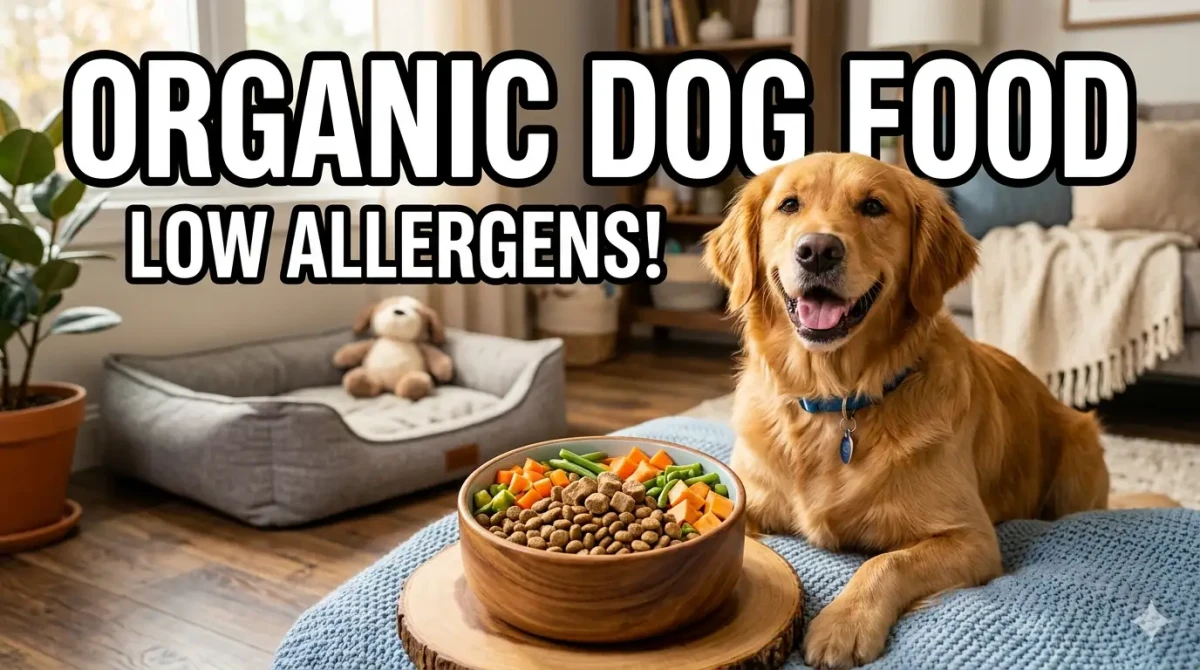
Understanding Organic Dog Food and Low Allergen Diets
Organic dog food brands with low allergens represent essential nutrition solutions for dogs with food sensitivities, allergies, or digestive issues. Food allergies affect approximately 10 percent of dogs, causing symptoms including itchy skin, ear infections, digestive upset, and chronic discomfort. Organic low-allergen dog foods combine the benefits of certified organic ingredients—grown without synthetic pesticides, fertilizers, or GMOs—with carefully selected limited ingredients that minimize exposure to common allergens. Understanding how to identify truly organic, hypoallergenic options helps dog owners provide nutrition that supports their pet's health while avoiding ingredients that trigger adverse reactions.
The connection between organic ingredients and reduced allergen exposure is supported by veterinary nutrition research and clinical experience. Organic farming practices reduce exposure to pesticide residues and synthetic additives that can irritate sensitive dogs. Limited ingredient formulas minimize the number of potential allergens, making it easier to identify and avoid triggers. When these approaches are combined in quality organic dog foods, they provide comprehensive support for dogs with food sensitivities while delivering the nutritional benefits of organic agriculture.
This comprehensive guide covers everything you need to know about selecting organic dog food brands with low allergens, from understanding food allergies and reading labels to evaluating top brands and implementing successful diet transitions. Whether your dog has diagnosed food allergies, suspected sensitivities, or you simply want to provide the cleanest nutrition possible, these expert recommendations will help you choose organic, low-allergen foods that support your dog's health and wellbeing.
Why Organic Low-Allergen Dog Food Matters for Sensitive Dogs
Organic low-allergen dog food provides unique benefits for dogs with food sensitivities that conventional foods cannot match. Understanding these benefits helps dog owners appreciate the value of investing in specialized nutrition for their sensitive companions.
Reduced chemical exposure is a primary benefit of organic ingredients. Conventional dog foods may contain pesticide residues, synthetic fertilizers, or GMO ingredients that can irritate sensitive digestive systems or trigger allergic reactions. Organic certification ensures ingredients are grown without these synthetic chemicals, reducing the overall chemical load on your dog's system and potentially reducing inflammatory responses.
Limited ingredient formulas minimize allergen exposure by reducing the number of protein and carbohydrate sources. Dogs with food allergies typically react to specific proteins (chicken, beef, dairy) or grains (wheat, corn, soy). Limited ingredient organic foods use novel proteins like duck, venison, or salmon alongside single carbohydrate sources like sweet potato or peas, making it easier to avoid known triggers while maintaining complete nutrition.
Improved digestibility supports dogs with sensitive stomachs. Organic ingredients are often more easily digestible than conventional alternatives, and limited ingredient formulas reduce the complexity that can overwhelm sensitive digestive systems. Better digestion means better nutrient absorption, healthier stools, and reduced gastrointestinal discomfort.
What Are Common Food Allergens in Dogs?
Understanding common food allergens helps dog owners identify ingredients to avoid when selecting low-allergen organic foods. While any ingredient can potentially cause an allergy, certain proteins and carbohydrates are more frequently implicated.
Protein allergens are the most common triggers. Beef, dairy products, chicken, lamb, fish, chicken eggs, corn, wheat, and soy represent the most frequently reported food allergens in dogs. Novel proteins like venison, duck, rabbit, kangaroo, or whitefish are less likely to trigger reactions because dogs haven't been previously exposed.
Grain allergens affect some dogs, though true grain allergies are less common than protein allergies. Wheat, corn, and soy are the most problematic grains. Many organic low-allergen foods are grain-free, using alternative carbohydrates like sweet potatoes, peas, lentils, or chickpeas.
Additives and preservatives can trigger sensitivities in some dogs. Artificial colors, flavors, and preservatives like BHA, BHT, or ethoxyquin may cause reactions in sensitive individuals. Organic certification prohibits many synthetic additives, reducing this risk.
How Do You Identify True Organic Certification?
Not all products labeled "natural" or "organic" meet official certification standards. Understanding certification requirements helps you identify genuinely organic dog foods.
USDA Organic certification requires that ingredients are grown without synthetic pesticides, fertilizers, GMOs, or irradiation. Livestock must be raised without antibiotics or growth hormones, with access to outdoor space and organic feed. Look for the USDA Organic seal on packaging to verify certification.
"Made with organic ingredients" means at least 70 percent of ingredients are organic, while "100% organic" means all ingredients meet organic standards. For dogs with severe sensitivities, 100% organic or at least 95% organic provides maximum chemical reduction.
Third-party certifications from organizations like Oregon Tilth, CCOF, or QAI provide additional verification of organic practices. These organizations conduct regular inspections and testing to ensure compliance with organic standards.
Avoid products that use "organic" in marketing without certification. Terms like "natural," "holistic," or "premium" have no regulatory definition and don't guarantee organic practices. Always look for official certification seals.
Top Organic Dog Food Brands with Low Allergen Options

Several reputable brands offer organic dog foods specifically formulated for dogs with allergies or sensitivities. Understanding the strengths and features of each brand helps you select the best option for your dog's specific needs.
Castor & Pollux Organix offers USDA Organic certified foods with limited ingredient options. Their Organic Limited Ingredient Diet features novel proteins like organic turkey or salmon with single carbohydrate sources like organic sweet potatoes. All ingredients are certified organic, and formulas avoid common allergens like corn, wheat, soy, and artificial additives.
Newman's Own Organics provides organic dog foods with simple, recognizable ingredients. Their formula features organic chicken or lamb with organic grains or grain-free options. While not specifically limited ingredient, their simple formulas with organic ingredients reduce exposure to potential irritants.
Tender & True Organic offers small-batch organic foods with limited ingredient options. Their recipes feature novel proteins like organic duck or rabbit with organic sweet potatoes or peas. All ingredients are certified organic, and they avoid common allergens and artificial additives.
Only Natural Pet offers organic, limited ingredient options designed for sensitive dogs. Their formulas feature novel proteins with single carbohydrate sources, all certified organic. They emphasize transparency in sourcing and avoid artificial preservatives, colors, or flavors.
Open Farm offers organic, ethically sourced ingredients with limited ingredient options. Their recipes feature novel proteins like wild-caught salmon or grass-fed lamb with organic vegetables. They emphasize traceability and sustainability alongside allergen-conscious formulations.
What Features Make These Brands Stand Out for Allergy-Prone Dogs?
Top organic low-allergen brands share specific characteristics that make them particularly suitable for dogs with food sensitivities. Understanding these features helps you evaluate options beyond brand names.
Limited ingredient formulas minimize allergen exposure by using few, carefully selected ingredients. Look for foods with single protein sources and single carbohydrate sources, avoiding complex formulas with multiple potential triggers.
Novel protein selection reduces the likelihood of reactions. Brands offering proteins your dog hasn't previously consumed (duck, venison, rabbit, kangaroo) provide options for dogs allergic to common proteins like chicken or beef.
Transparent ingredient sourcing allows you to verify ingredient quality and origin. Brands that disclose sourcing practices, farming methods, and testing protocols provide greater confidence in product safety and quality.
Avoidance of common irritants including corn, wheat, soy, dairy, artificial colors, flavors, and preservatives reduces the risk of triggering sensitivities. Quality brands explicitly state what they exclude from their formulas.
Third-party testing for contaminants including heavy metals, mycotoxins, and pesticide residues provides additional assurance of safety. Brands that publish testing results demonstrate commitment to quality and transparency.
How Do You Compare Organic Low-Allergen Brands?
Comparing organic low-allergen dog food brands requires evaluating multiple factors beyond price or marketing claims. Understanding comparison criteria helps you make informed decisions.
Ingredient quality should be your primary consideration. Look for foods with named organic protein sources (organic duck meal, not "poultry meal"), whole food ingredients, and minimal processing. Avoid foods with vague ingredient descriptions or excessive fillers.
Allergen profile should match your dog's specific needs. If your dog is allergic to chicken, avoid any food containing chicken or chicken by-products. Create a list of your dog's known allergens and eliminate any foods containing those ingredients.
Nutritional adequacy ensures the food meets your dog's life stage requirements. Look for AAFCO statements indicating the food is complete and balanced for your dog's age (puppy, adult, senior) and lifestyle (maintenance, growth, all life stages).
Price per feeding day provides a practical value comparison. Calculate daily feeding cost based on your dog's weight and the food's feeding guidelines. Higher quality foods may cost more per bag but provide better nutrition and potentially reduce veterinary costs long-term.
Customer reviews from owners of allergy-prone dogs offer real-world performance data. Look for reviews mentioning specific allergy improvements, digestive health, or skin condition changes. Consistent positive feedback indicates genuine effectiveness.
Evaluating Ingredients and Labels for Low Allergen Options

Reading and understanding dog food labels is essential for selecting truly low-allergen organic options. Label literacy helps you identify hidden allergens, verify organic certification, and ensure nutritional completeness.
Ingredient lists are ordered by weight, with the heaviest ingredients listed first. For low-allergen foods, look for a single, named organic protein source as the first ingredient (e.g., "organic duck" not "poultry"). Avoid foods with multiple protein sources that increase allergen exposure.
Organic certification should be clearly indicated with the USDA Organic seal or certification from recognized third-party organizations. Verify that the certification applies to the finished product, not just individual ingredients.
Guaranteed analysis provides minimum and maximum levels of key nutrients including protein, fat, fiber, and moisture. Compare these values to your dog's nutritional needs. Dogs with allergies don't require different nutrient levels, but sensitive dogs may benefit from moderate protein and fat levels that are easier to digest.
Feeding guidelines help you determine appropriate portions. Start with the lower end of the recommended range and adjust based on your dog's body condition. Overfeeding can worsen digestive symptoms in sensitive dogs.
What Ingredients Should You Avoid in Low Allergen Dog Foods?
Certain ingredients are more likely to trigger allergic reactions or sensitivities in dogs. Understanding what to avoid helps you select truly low-allergen options.
Common protein allergens including beef, dairy, chicken, lamb, fish, chicken eggs, corn, wheat, and soy should be avoided if your dog has known sensitivities to these ingredients. Even organic versions of these proteins can trigger reactions in allergic dogs.
Artificial additives including colors (Red 40, Yellow 5), flavors, and preservatives (BHA, BHT, ethoxyquin) can trigger sensitivities in some dogs. Organic certification prohibits many synthetic additives, but verify that the specific product avoids these ingredients.
Fillers and by-products including meat by-products, poultry by-product meal, corn gluten meal, and wheat middlings provide lower quality nutrition and may contain allergenic components. Quality low-allergen foods use whole food ingredients instead.
Grain ingredients including wheat, corn, and barley may trigger sensitivities in some dogs. While grain-free isn't necessary for all dogs, those with confirmed grain allergies should avoid these ingredients. Alternative carbohydrates like sweet potatoes, peas, or lentils provide energy without common grain allergens.
How Do You Verify Organic Certification and Quality?
Verifying organic certification and quality ensures you're getting genuinely organic, low-allergen nutrition for your dog. Understanding verification methods helps you avoid misleading marketing.
Look for the USDA Organic seal on packaging, which indicates the product meets federal organic standards. This seal is regulated and can only be used by certified products. Verify the seal is current and applies to the specific product you're purchasing.
Check for third-party certification from organizations like Oregon Tilth, CCOF, or QAI. These organizations conduct independent inspections and testing to verify organic practices. Their logos on packaging provide additional assurance of quality.
Research the brand's sourcing and manufacturing practices. Reputable brands disclose their ingredient sources, farming partners, and quality control processes. Transparency indicates confidence in product quality and commitment to organic standards.
Look for batch testing information. Quality brands test finished products for contaminants including heavy metals, mycotoxins, and pesticide residues. Brands that publish testing results or provide certificates of analysis demonstrate commitment to safety.
Read customer reviews and professional recommendations. Veterinarians, veterinary nutritionists, and experienced dog owners can provide valuable insights into product effectiveness and quality. Look for consistent positive feedback from owners of allergy-prone dogs.
Transitioning Your Dog to Organic Low-Allergen Food

Successfully transitioning your dog to organic low-allergen food requires careful planning and gradual implementation. Proper transition minimizes digestive upset and allows you to monitor your dog's response to the new diet.
Consult your veterinarian before making dietary changes, especially for dogs with diagnosed allergies or health conditions. Your veterinarian can help identify appropriate foods, rule out other causes of symptoms, and monitor your dog's response to the new diet.
Gradual transition over 7-10 days prevents digestive upset. Start with 25% new food mixed with 75% current food for 2-3 days. If your dog tolerates this well, increase to 50/50 for 2-3 days, then 75% new food for 2-3 days before transitioning to 100% new food. Monitor stool quality, appetite, and overall wellbeing throughout the transition.
Monitor for allergic reactions during and after transition. Watch for signs including itching, ear infections, digestive upset, or skin changes. If symptoms worsen or new symptoms appear, discontinue the new food and consult your veterinarian.
Keep a food diary to track your dog's response. Record symptoms, stool quality, energy levels, and any changes you observe. This documentation helps you and your veterinarian evaluate the food's effectiveness and make informed decisions about long-term use.
What If Your Dog Has Multiple Food Sensitivities?
Dogs with multiple food sensitivities require extra care in food selection and transition. Understanding how to manage complex sensitivities helps you provide appropriate nutrition without triggering reactions.
Work with a veterinary nutritionist to develop a customized diet plan. Veterinary nutritionists can formulate diets that avoid all known allergens while providing complete nutrition. This is particularly important for dogs with multiple confirmed allergies.
Consider hydrolyzed protein diets if your dog reacts to multiple protein sources. Hydrolyzed proteins are broken down into small fragments that are less likely to trigger allergic reactions. Some organic brands offer hydrolyzed options, or your veterinarian can prescribe veterinary therapeutic diets.
Implement an elimination diet to identify specific triggers. Feed a single novel protein and single carbohydrate source for 8-12 weeks, monitoring for symptom improvement. If symptoms improve, systematically reintroduce ingredients to identify specific triggers. This process requires veterinary guidance to ensure nutritional completeness.
Be patient with the process. Identifying and managing multiple sensitivities takes time and careful observation. Work closely with your veterinarian to develop a long-term management plan that supports your dog's health and quality of life.
How Do You Monitor Your Dog's Response to New Food?
Monitoring your dog's response to organic low-allergen food helps you evaluate effectiveness and make informed decisions about long-term use. Understanding what to monitor and how to interpret changes supports successful dietary management.
Track skin and coat condition. Improvements in itching, redness, ear infections, or coat quality indicate the new food is helping. Take photos to document changes over time. Note that improvements may take 4-8 weeks to become apparent as the body adjusts to the new diet.
Monitor digestive health including stool quality, frequency, and consistency. Healthy stools should be firm, well-formed, and easy to pass. Diarrhea, constipation, or excessive gas may indicate the food isn't suitable or the transition was too rapid.
Observe energy levels and behavior. Dogs feeling better on appropriate nutrition often show increased energy, improved mood, and better overall wellbeing. Note any changes in activity level, playfulness, or general demeanor.
Watch for new or worsening symptoms. If symptoms worsen or new symptoms appear after switching foods, discontinue the new food and consult your veterinarian. Not all organic or limited ingredient foods work for every dog, and individual responses vary.
Cost Considerations and Value of Organic Low-Allergen Dog Food

Organic low-allergen dog foods typically cost more than conventional options, but understanding the value proposition helps you make informed decisions about your investment in your dog's health.
Higher ingredient quality justifies higher costs. Organic ingredients require more labor-intensive farming practices, certification fees, and quality control measures. Limited ingredient formulas require careful sourcing of novel proteins and single carbohydrate sources. These quality factors contribute to higher prices but provide better nutrition for sensitive dogs.
Potential veterinary cost savings offset higher food costs. Dogs with well-managed food allergies experience fewer veterinary visits for skin infections, ear infections, or digestive issues. The cost of specialized food may be less than the cumulative cost of treating allergy-related health problems.
Improved quality of life has immeasurable value. Dogs feeling better on appropriate nutrition show improved comfort, energy, and happiness. The value of reducing your dog's discomfort and improving their wellbeing extends beyond financial considerations.
Calculate cost per feeding day rather than cost per bag. Divide the bag price by the number of days the bag will last based on your dog's weight and feeding guidelines. This provides a more accurate comparison between different foods and brands.
How Do You Balance Budget Constraints with Quality Needs?
Balancing budget constraints with the need for quality organic low-allergen nutrition requires strategic planning and prioritization. Understanding cost-saving strategies helps you provide appropriate nutrition without financial strain.
Prioritize organic certification for ingredients most likely to contain pesticide residues. The Environmental Working Group's "Dirty Dozen" list identifies produce most likely to contain pesticide residues. Prioritize organic versions of these ingredients when selecting dog food.
Consider mixing organic low-allergen food with homemade additions. Supplement commercial organic food with homemade organic vegetables or proteins that you know your dog tolerates. This extends the commercial food while adding variety and freshness.
Buy in bulk when possible to reduce per-unit costs. Many brands offer discounts for larger bag sizes or subscription services. Calculate whether bulk purchasing makes financial sense based on your dog's consumption rate and the food's shelf life.
Look for manufacturer coupons, loyalty programs, or retailer discounts. Many organic pet food brands offer coupons through their websites or social media. Pet retailers often have loyalty programs that provide discounts on regular purchases.
Consider that preventing health problems through appropriate nutrition may save money long-term. While organic low-allergen food costs more upfront, it may reduce veterinary expenses for allergy-related conditions. Factor potential savings into your cost-benefit analysis.
Frequently Asked Questions About Organic Low-Allergen Dog Food

How Do I Know If My Dog Has a Food Allergy?
Food allergies in dogs typically manifest as skin issues including itching, redness, ear infections, or recurrent hot spots. Digestive symptoms including vomiting, diarrhea, or frequent gas may also indicate food sensitivities. However, these symptoms can also result from environmental allergies, parasites, or other health conditions.
Diagnosis requires veterinary guidance and often involves elimination diets. Your veterinarian may recommend feeding a novel protein or hydrolyzed protein diet for 8-12 weeks while monitoring for symptom improvement. If symptoms improve, systematically reintroducing ingredients helps identify specific triggers.
Blood or skin tests for food allergies are available but have limitations in accuracy. Elimination diets remain the gold standard for diagnosing food allergies. Work with your veterinarian to develop an appropriate diagnostic plan for your dog.
Can Organic Dog Food Cure My Dog's Allergies?
Organic low-allergen dog food manages food allergies by avoiding trigger ingredients, but it doesn't "cure" allergies in the sense of eliminating the underlying immune response. Food allergies are lifelong conditions that require ongoing dietary management.
Appropriate nutrition can significantly reduce or eliminate allergy symptoms when trigger ingredients are avoided. Many dogs experience dramatic improvement in skin condition, digestive health, and overall wellbeing when fed appropriate organic low-allergen food.
Some dogs may outgrow certain food sensitivities, particularly if the sensitivity developed due to digestive immaturity or temporary gut imbalance. However, true food allergies typically require lifelong avoidance of trigger ingredients.
Work with your veterinarian to develop a long-term management plan that may include dietary management, supplements, and environmental modifications to support your dog's health and comfort.
Is Grain-Free Always Better for Dogs with Allergies?
Grain-free isn't automatically better for all dogs with allergies. True grain allergies are less common than protein allergies, affecting only a small percentage of dogs. Many dogs with food allergies react to proteins like chicken or beef rather than grains.
Grain-free diets may benefit dogs with confirmed grain allergies or sensitivities. If your dog has been diagnosed with grain allergy through elimination diet or testing, grain-free organic options provide appropriate nutrition without trigger ingredients.
Recent research has raised questions about potential links between grain-free diets and heart conditions in some dogs. While the relationship isn't fully understood, discuss grain-free options with your veterinarian, particularly for breeds predisposed to heart conditions.
Focus on identifying your dog's specific triggers rather than assuming grain-free is necessary. Work with your veterinarian to determine whether grain-free is appropriate for your dog's individual needs.
Conclusion

Selecting organic dog food brands with low allergens requires understanding your dog's specific needs, evaluating ingredient quality and certification, and implementing careful transition and monitoring protocols. While organic low-allergen foods represent a significant investment, they provide substantial benefits for dogs with food sensitivities including reduced chemical exposure, minimized allergen triggers, and improved digestibility.
Remember that dietary management is just one component of comprehensive allergy care. Environmental allergens, parasites, and other health conditions can cause similar symptoms to food allergies. Work with your veterinarian to develop a holistic approach that addresses all potential contributors to your dog's symptoms.
Your commitment to providing organic, low-allergen nutrition demonstrates dedication to your dog's health and comfort. With the knowledge and strategies provided in this guide, you can confidently select and implement organic low-allergen foods that support your dog's wellbeing, reduce allergy symptoms, and enhance their quality of life for years to come.
🐱 আরও পড়ুন: Dogs Food

0 Comments