.png)
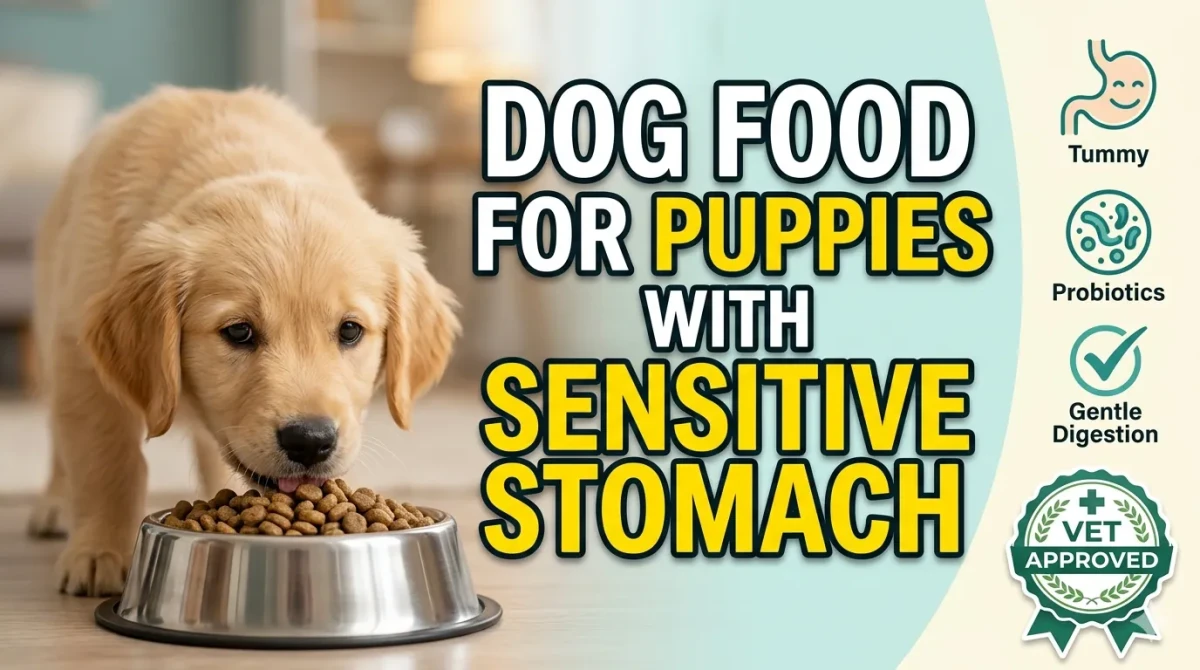
Quick Summary and Direct Answer
The best dog food for puppies with sensitive stomach diarrhea and vomiting issues features highly digestible proteins, prebiotic fibers, and limited ingredients that reduce gastrointestinal irritation while supporting healthy growth. Experts commonly recommend AAFCO approved formulas with single animal protein sources, added probiotics, and moderate fat levels fed in small frequent meals.
Most puppies with digestive sensitivities benefit from transitioning gradually over seven to ten days to gentle formulas containing chicken, lamb, or novel proteins like duck paired with easily digestible carbohydrates such as rice or oatmeal. You should feed three to four small meals daily at consistent times and monitor stool quality daily. Always consult a veterinarian before changing diets if your puppy shows persistent vomiting, bloody diarrhea, lethargy, or weight loss.
Investing in veterinary recommended sensitive stomach formulas may help reduce digestive episodes and support nutrient absorption during critical growth phases. Start with limited ingredient diets that publish ingredient sourcing and guaranteed analysis. Track your puppy symptoms daily and adjust feeding strategies based on veterinary guidance rather than trial and error alone. Contact a veterinarian immediately if symptoms worsen or persist beyond forty eight hours.
Key Data and Quick Reference Tables
The table below outlines digestive support nutrients, recommended levels, and functional benefits for sensitive puppy nutrition. This data helps you evaluate food labels without guesswork.
| Nutrient Category | Recommended Level | Primary Function | Common Food Sources |
|---|---|---|---|
| Highly Digestible Protein | 22 to 28 percent of diet | Muscle growth with minimal GI stress | Chicken meal, lamb, hydrolyzed protein |
| Prebiotic Fiber | 3 to 5 percent of diet | Supports beneficial gut bacteria | Chicory root, beet pulp, pumpkin |
| Probiotics | 100 million CFU per cup minimum | Restores healthy gut flora balance | Dried fermentation products, added cultures |
| Moderate Fat Content | 12 to 16 percent of diet | Energy without overwhelming digestion | Chicken fat, fish oil preserved with tocopherols |
| Electrolyte Support | Sodium 0.3 to 0.5 percent | Rehydration during digestive upset | Natural mineral sources, balanced formulations |
| Puppy Symptom Severity | Recommended Food Type | Feeding Frequency | When to Contact Vet |
|---|---|---|---|
| Mild occasional soft stool | Limited ingredient puppy formula | 3 to 4 small meals daily | If symptoms persist beyond 3 days |
| Moderate diarrhea with vomiting | Veterinary gastrointestinal formula | 4 to 6 very small meals daily | Immediately if vomiting continues 24 hours |
| Severe or bloody symptoms | Prescription hydrolyzed protein diet | As directed by veterinarian only | Emergency care required immediately |
Understanding Sensitive Stomach Causes in Puppies

Puppy digestive sensitivities commonly stem from immature gastrointestinal systems, dietary transitions, food intolerances, or underlying health conditions. Widely accepted veterinary gastroenterology standards emphasize that puppies under six months have developing gut flora and enzyme production that require specialized nutritional support.
Common triggers include sudden diet changes, low quality ingredients, high fat content, artificial additives, or exposure to environmental stressors. You should observe your puppy for patterns linking specific foods or situations to digestive episodes. Documenting these observations helps veterinarians identify appropriate dietary interventions.
Early intervention prevents nutritional deficiencies and dehydration risks. A consistent routine with gentle nutrition keeps your puppy comfortable during growth phases. You do not need prescription diets to start for mild cases. Simple limited ingredient formulas combined with proper transition protocols create balanced feeding solutions that support digestive health while respecting developmental sensitivities.
Essential Ingredients for Gentle Puppy Digestion

Ingredient selection significantly impacts digestive tolerance in sensitive puppies. Widely accepted canine nutrition standards recommend avoiding products containing artificial colors, flavors, preservatives like BHA BHT, corn gluten, soy, wheat, and unverified by product meals that commonly trigger gastrointestinal reactions.
Highly digestible protein sources like chicken meal, lamb, or hydrolyzed proteins reduce antigenic load on immature immune systems. Hydrolyzed proteins undergo enzymatic breakdown into smaller peptides that minimize allergic responses while maintaining amino acid availability for growth. You should verify protein source clarity on labels before selecting sensitive stomach formulas.
Easily digestible carbohydrates such as white rice, oatmeal, or sweet potato provide energy without fermentable fibers that may exacerbate diarrhea. These ingredients support stool firmness while minimizing gas production. You should select formulas listing these carbohydrates within the first five ingredients for optimal digestive compatibility.
Prebiotic fibers like chicory root and beet pulp nourish beneficial gut bacteria without irritating sensitive intestines. Probiotic cultures including Enterococcus faecium and Lactobacillus strains help restore microbial balance after digestive upset. You should verify guaranteed probiotic counts on packaging to ensure therapeutic levels.
Reading Labels for Sensitive Stomach Puppy Food Selection

Effective label reading begins with locating the AAFCO nutritional adequacy statement for growth or all life stages. This certification indicates the formula meets minimum requirements for puppy development despite digestive challenges. You should verify this statement appears on packaging before considering other label claims.
Ingredient lists reveal protein quality and potential irritants through specific naming conventions. Prioritize foods listing single named animal proteins like chicken or lamb within the first three ingredients. Avoid vague terms like meat meal or animal digest that may contain multiple protein sources triggering sensitivities.
Guaranteed analysis panels show minimum crude protein and fat percentages plus fiber content. For sensitive puppies, target formulas with twenty two to twenty eight percent protein, twelve to sixteen percent fat, and three to five percent fiber. You should contact manufacturers directly if guaranteed analysis lacks detail on digestibility or probiotic content.
Avoid foods containing artificial preservatives, colors, or flavors that may counteract digestive benefits. Natural preservation with mixed tocopherols and rosemary extract commonly supports nutrient stability without compromising gastrointestinal tolerance in developing systems.
Transitioning to Sensitive Stomach Formulas Safely

Gradual food transitions prevent exacerbating digestive upset when introducing new formulas to sensitive puppies. Widely accepted veterinary guidelines recommend an extended ten to fourteen day transition schedule that slowly increases new food proportion while monitoring symptom response.
Follow this step by step transition routine for sensitive puppies. Days one to three mix ten percent new food with ninety percent current food. Days four to six increase to twenty five percent new food. Days seven to nine use fifty percent each formula. Days ten to twelve increase to seventy five percent new food. Days thirteen to fourteen offer one hundred percent new formula. You should extend this timeline or pause progression if your puppy shows increased vomiting or diarrhea.
Introduce new formulas during calm periods with minimal environmental stressors. Avoid transitions during travel, vaccination weeks, or household changes that may compound digestive sensitivity. You should maintain consistent feeding times and portion sizes throughout transition to isolate food tolerance variables.
Monitor stool quality daily using a simple scoring system. Ideal stools are firm, formed, and easy to pick up. Soft but formed stools indicate adjustment progress. Watery or mucous stools warrant pausing transition and consulting your veterinarian. Document observations to share during veterinary appointments.
Feeding Schedule and Portion Control for Digestive Health

Structured feeding schedules support digestive regulation and nutrient absorption in puppies with sensitive stomachs. You should establish consistent meal times that align with your household routine while meeting your puppy developmental needs and minimizing gastrointestinal stress.
Follow this step by step feeding routine for sensitive puppies. Step one involves measuring portions using a standard measuring cup rather than estimating by eye. Step two divides daily calories into four small meals for puppies under four months or three meals for older puppies. Step three maintains fifteen minute meal windows to encourage routine eating without prolonged food exposure that may trigger nausea.
Monitor body condition weekly using the rib check method combined with stool assessment. You should feel ribs easily with light pressure but not see prominent rib definition. Adjust portions up or down by five to ten percent increments based on weight trends and digestive tolerance rather than package guidelines alone. This personalized approach commonly prevents under or over feeding during sensitive growth phases.
Provide fresh water at all times in clean bowls to support hydration during digestive episodes. You should change water twice daily and clean bowls with pet safe detergent to prevent bacterial growth that may compound gastrointestinal issues in developing immune systems.
Breed Size Specific Nutrition Strategies for Sensitive Puppies

Small breed puppies under twenty pounds adult weight require calorie dense formulas with small kibble size to meet high metabolic demands while accommodating sensitive digestion. These puppies commonly face hypoglycemia risk if meals are spaced too far apart during digestive upset.
Feed small breed sensitive puppies four small meals daily using limited ingredient formulas with highly digestible proteins. Monitor for weakness or trembling between meals that may indicate inadequate calorie absorption. You should keep veterinarian approved high value treats available to maintain blood sugar during appetite fluctuations without triggering further digestive distress.
Large breed puppies over fifty pounds adult weight need controlled growth formulas that limit calcium density while providing adequate protein for muscle development without overwhelming sensitive digestive systems. Rapid growth in large breeds combined with digestive issues may compound orthopedic risks if nutrition is not carefully managed.
Select large breed sensitive puppy formulas with balanced mineral profiles and moderate fat levels. Soften kibble slightly with warm water if gum sensitivity or nausea reduces chewing tolerance. You should avoid accelerating growth through excessive calories even if appetite temporarily increases after discomfort resolves. Consult your veterinarian about breed specific transition timelines for sensitive large breed puppies.
Health Monitoring and When to Seek Veterinary Care

Proper nutrition during digestive sensitivities may help support immune function, healthy growth, and symptom resolution. You should observe your puppy daily for signs of nutritional adequacy including bright eyes, shiny coat, appropriate energy levels, and improving stool quality despite dietary adjustments.
Digestive health indicators include firm formed stools one to three times daily with no blood, mucus, or undigested food. Loose stools, frequent diarrhea, or vomiting may indicate food intolerance, underlying illness, or need for veterinary intervention. You should consult your veterinarian before making diet changes if digestive issues persist beyond forty eight hours or worsen at any time.
Red flag symptoms requiring immediate veterinary attention include bloody diarrhea, persistent vomiting beyond twelve hours, lethargy, refusal to drink water, abdominal pain, or weight loss. These signs may indicate serious conditions like parvovirus, intestinal blockage, or systemic infection requiring professional diagnosis and treatment beyond dietary management alone.
Weight tracking provides objective data about growth progress during feeding transitions. Weigh your puppy weekly using the same scale and time of day. Document results alongside symptom logs in a simple journal to share with your veterinarian during wellness visits. This data driven approach commonly identifies nutritional concerns before they become significant health issues.
Supplements and Supportive Care for Sensitive Puppy Digestion

Probiotic supplements may help restore healthy gut flora balance during and after digestive episodes. Widely accepted veterinary gastroenterology standards emphasize that specific strains like Enterococcus faecium SF68 have research support for reducing diarrhea duration in puppies.
Pumpkin puree without additives provides soluble fiber that may help firm loose stools without irritating sensitive intestines. Add one teaspoon per ten pounds body weight to meals once or twice daily during mild digestive upset. You should verify pumpkin contains no added sugars, spices, or preservatives before offering to puppies.
Electrolyte solutions designed for pets may support hydration during vomiting or diarrhea episodes. Offer small frequent amounts rather than large volumes that may trigger further vomiting. You should consult your veterinarian before using human electrolyte products as sodium and potassium levels may not suit canine physiology.
Avoid over the counter human medications like anti diarrhea drugs without explicit veterinary direction. Many human medications are toxic to dogs or may mask symptoms of serious conditions requiring professional treatment. You should always consult your veterinarian before administering any supplement or medication to a puppy with digestive issues.
Common Mistakes Owners Make With Sensitive Stomach Puppies

Many owners switch foods too frequently when puppies show digestive symptoms. Rapid diet changes commonly exacerbate gastrointestinal upset and delay identification of true food tolerances. You should allow seven to fourteen days for each new formula to assess tolerance before making additional changes unless directed by your veterinarian.
Another frequent error involves feeding table scraps or unapproved treats during digestive episodes. Human foods commonly contain fats, spices, or ingredients that trigger further gastrointestinal distress in sensitive puppies. You should maintain strict dietary consistency during recovery periods and only offer veterinarian approved treats.
Delaying veterinary consultation for persistent symptoms may allow treatable conditions to progress. Puppies can dehydrate rapidly from vomiting and diarrhea. You should contact your veterinarian if symptoms persist beyond forty eight hours, worsen at any time, or if your puppy shows lethargy, refusal to drink, or other concerning signs regardless of dietary adjustments.
Budget versus Premium Sensitive Stomach Puppy Food Comparison

Entry level sensitive stomach puppy foods priced under one dollar per cup provide basic limited ingredient nutrition meeting AAFCO minimum standards. These options commonly feature single protein sources like chicken with rice carbohydrates. They suit mild sensitivity cases with no complex health needs when fed according to veterinarian guidance.
Mid range products between one and two dollars per cup offer enhanced ingredient quality with named novel proteins, added prebiotics and probiotics, and omega fatty acids for skin and coat support. These selections balance cost and quality for average household puppies with moderate digestive sensitivities and typical growth patterns.
Premium sensitive stomach puppy foods exceeding two dollars per cup utilize hydrolyzed proteins, veterinary formulated digestive support complexes, and transparent ingredient sourcing. Puppies with severe sensitivities, multiple food intolerances, or veterinary recommended therapeutic needs commonly benefit from this tier. While initial costs remain higher, premium options may reduce long term veterinary expenses through preventive digestive health support during critical development phases.
Expert Tips from Veterinary Gastroenterology and Nutrition Standards

Based on common veterinary gastroenterology practices, you should schedule wellness exams when digestive symptoms first appear and follow up at two week intervals during dietary transitions. Early detection of underlying conditions allows timely intervention that may help prevent chronic gastrointestinal issues.
Combine appropriate nutrition with stress reduction strategies for optimal digestive health. A calm puppy with consistent routines tolerates dietary adjustments more effectively. Aim for quiet feeding environments, predictable schedules, and gentle handling during digestive recovery periods to support both physical and emotional wellness.
Document feeding observations in a simple digestive health journal. Note food types, portion sizes, stool quality, vomiting episodes, energy levels, and weight trends. Over time, this data reveals patterns that improve feeding decisions. Share findings with your veterinarian during routine visits for personalized optimization insights regarding sensitive stomach management strategies.
Frequently Asked Questions

How long does it take for sensitive stomach puppy food to work
Most puppies show improved stool quality within three to five days of transitioning to appropriate sensitive stomach formulas. Complete digestive stabilization may require two to four weeks as gut flora rebalances. You should monitor symptoms daily and contact your veterinarian if no improvement occurs within one week or if symptoms worsen at any time.
Can I add probiotics to my puppies regular food
Adding veterinary approved probiotic supplements to complete commercial puppy food may support digestive health when used appropriately. You should consult your veterinarian before supplementing to ensure proper strain selection and dosing for your puppy age and condition. Most sensitive stomach formulas already include therapeutic probiotic levels.
What if my puppy refuses to eat sensitive stomach food
Temporary appetite reduction may occur during dietary transitions or digestive upset. You should offer food at room temperature, try hand feeding small amounts, and ensure fresh water availability. Contact your veterinarian if food refusal persists beyond twenty four hours or if your puppy shows lethargy, vomiting, or weight loss.
When should I switch my sensitive puppy to adult food
Most small breed puppies transition to adult sensitive stomach formulas between nine and twelve months. Medium breeds commonly switch around twelve months. Large and giant breeds may require puppy nutrition until eighteen to twenty four months to support extended growth periods. You should consult your veterinarian about breed specific timing based on growth assessment and digestive tolerance.

0 Comments