.png)
Best Food for Dwarf Hamsters Complete Nutrition Guide
Understanding Dwarf Hamster Nutrition and Dietary Requirements
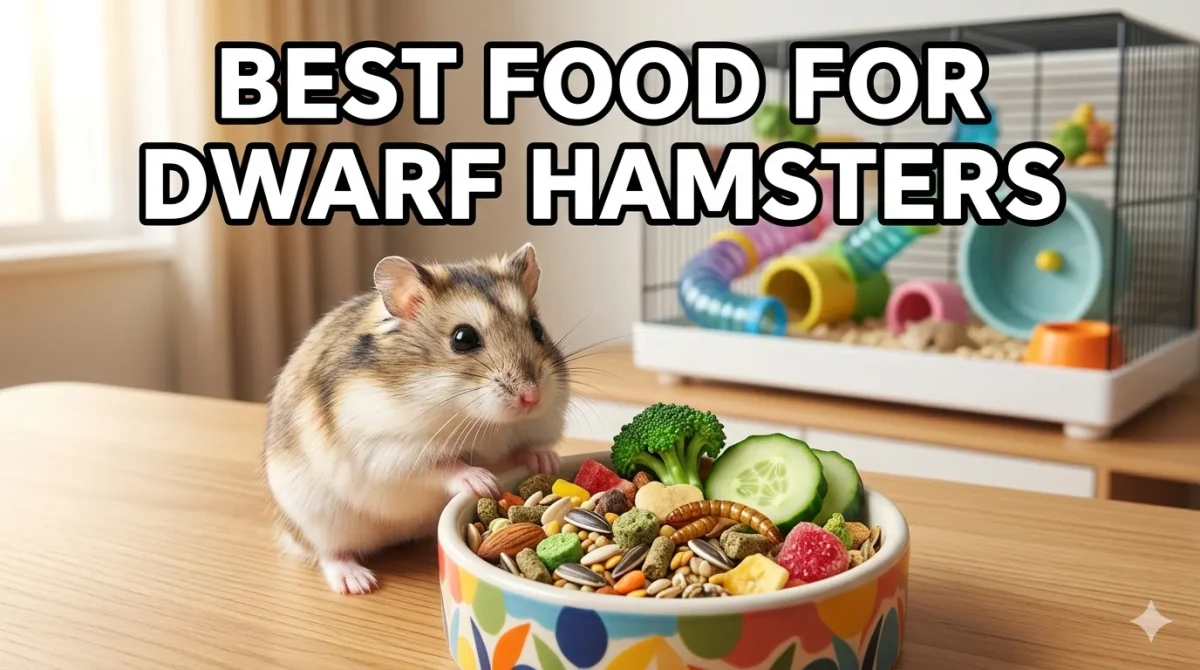
Best food for dwarf hamsters represents a fundamental consideration for pet owners seeking to maintain healthy, active, and long-lived dwarf hamster companions. Dwarf hamsters, including Campbell's Russian, Winter White Russian, Roborovski, and Chinese varieties, are omnivorous rodents with specific nutritional needs that differ from their larger Syrian hamster cousins. Their small size, fast metabolism, and susceptibility to diabetes (particularly in Campbell's and Winter White varieties) require careful attention to diet composition, portion control, and food selection. Understanding dwarf hamster nutritional needs helps pet owners select foods that support optimal health while preventing common diet-related issues like obesity, diabetes, dental problems, and nutritional deficiencies.
The connection between nutrition and dwarf hamster health is well documented through veterinary research and experienced breeder observation. Specific dietary factors including appropriate protein levels for tissue maintenance, controlled fat content to prevent obesity, complex carbohydrates for sustained energy, essential vitamins and minerals for immune function, and adequate fiber for digestive health work synergistically to support overall dwarf hamster wellbeing. When these factors are incorporated into balanced feeding routines, they provide consistent daily support that helps maintain dwarf hamster vitality through proper nutrition rather than reactive treatment of health issues.
This comprehensive guide covers everything you need to know about selecting the best food for dwarf hamsters, from understanding species-specific nutritional requirements and evaluating food quality to implementing feeding strategies that maximize health benefits. Whether you have a young dwarf hamster requiring growth-supporting nutrition, an adult needing maintenance diets, or a senior requiring adjusted nutrition, these expert recommendations will help you choose foods that support vibrant health, proper weight, and long-term companionship.
Why Proper Nutrition Matters for Dwarf Hamster Health
Proper nutrition profoundly impacts nearly every aspect of dwarf hamster physical condition, behavior, and longevity. Dwarf hamsters with inadequate nutrition often display dull coats, reduced energy levels, weakened immune function making them susceptible to respiratory infections and wet tail, dental problems from inadequate wear, and shortened lifespans. These visible signs of poor nutrition reflect underlying physiological stress that can diminish quality of life and increase veterinary expenses.
The consequences of poor dwarf hamster nutrition extend beyond individual health to affect behavior and temperament. Malnourished dwarf hamsters may become irritable, lethargic, or exhibit abnormal behaviors like excessive hoarding, cage bar chewing, or aggression. Poor nutrition can also compromise reproductive health in breeding animals and delay healing from injuries or illnesses.
Preventive nutritional care is far more effective than attempting to correct advanced health issues in dwarf hamsters. By providing appropriate nutrition through quality foods before problems develop, you can support robust immune function, maintain healthy weight, and promote proper dental wear. Early nutritional intervention represents one of the most impactful steps pet owners can take to support dwarf hamster health and prevent costly, stressful health complications.
What Nutritional Requirements Do Dwarf Hamsters Have?
Dwarf hamster nutritional requirements reflect their omnivorous nature and small size, requiring balanced intake of proteins, fats, carbohydrates, vitamins, and minerals in appropriate proportions. Understanding these requirements helps pet owners select foods that meet dwarf hamster needs without excess or deficiency that could lead to health problems.
Protein requirements for dwarf hamsters typically range from 16 to 20 percent of total diet, with higher levels beneficial for growing juveniles, pregnant or nursing females, and recovering animals. Quality animal and plant-based proteins from sources like soy, fish meal, and legumes provide essential amino acids supporting tissue maintenance, immune function, and healthy growth. However, excessive protein can strain developing kidneys, making balance crucial.
Fat levels of 4 to 8 percent provide concentrated energy and support absorption of fat-soluble vitamins while contributing to healthy skin and coat. Dwarf hamsters are particularly prone to obesity and diabetes, making controlled fat intake essential. Omega-3 and omega-6 fatty acids from quality sources support cellular health and reduce inflammation.
Complex carbohydrates from grains, seeds, and vegetables provide sustained energy, while fiber content of 8 to 12 percent supports digestive health and prevents gastrointestinal issues. Dwarf hamsters require vitamins A, D, E, and B-complex vitamins along with minerals like calcium, phosphorus, and zinc for comprehensive health support.
Types of Food for Dwarf Hamsters and Their Benefits

Dwarf hamsters benefit from diverse food types that replicate their natural omnivorous diet while providing convenience and nutritional completeness for pet keeping. Understanding the characteristics and benefits of different food types helps pet owners create balanced feeding routines that support dwarf hamster health.
High-quality commercial pellets formulated specifically for dwarf hamsters provide nutritionally complete base nutrition with controlled ingredients. Quality pellets incorporate balanced protein levels, appropriate fat content, essential vitamins and minerals, and adequate fiber in forms that prevent selective feeding. Pellets work well for daily feeding as they ensure consistent nutrient intake and prevent dwarf hamsters from picking out favorite items while leaving less nutritious components.
Seed mixes designed for dwarf hamsters offer variety and natural foraging enrichment but require careful selection to prevent nutritional imbalances. Quality seed mixes incorporate appropriate ratios of grains, seeds, and extruded components while limiting high-fat seeds like sunflower seeds that can contribute to obesity. Seed mixes should be supplemented with pellets to ensure complete nutrition.
Fresh vegetables and limited fruits provide essential vitamins, minerals, moisture, and variety that enhance dwarf hamster diets. Safe options include broccoli, carrots, cucumber, bell peppers, and small amounts of apple or berries. Fresh foods should be offered in small quantities to prevent digestive upset and removed promptly if uneaten to prevent spoilage.
Protein supplements including mealworms, crickets, or small amounts of cooked chicken provide occasional high-quality protein for variety and enrichment. These supplements should be offered sparingly as treats rather than dietary staples to prevent protein excess.
Which Food Types Work Best for Different Dwarf Hamster Species?
Different dwarf hamster species have varying nutritional needs based on size, metabolism, and diabetes susceptibility, requiring adjusted food selection and feeding strategies to support optimal health.
Campbell's Russian and Winter White Russian dwarf hamsters are particularly prone to diabetes and obesity, requiring careful attention to sugar and fat content. These species benefit from low-sugar pellets, limited fruit treats, controlled portions of high-fat seeds, and emphasis on vegetables and quality protein sources. Avoid foods with added sugars, honey, or dried fruits that can trigger diabetes in susceptible individuals.
Roborovski dwarf hamsters, the smallest dwarf variety, have extremely fast metabolisms requiring nutrient-dense foods in small portions. These active hamsters benefit from high-quality pellets with appropriate fat levels for energy, small seed portions, and frequent small meals. Their tiny size requires careful portion control to prevent both underfeeding and obesity.
Chinese dwarf hamsters, while technically not true dwarfs, share similar nutritional requirements with moderate diabetes risk. These hamsters benefit from balanced pellets, controlled treats, and emphasis on fresh vegetables alongside quality protein sources.
How Do Pellets Compare to Seed Mixes for Dwarf Hamsters?
The pellet versus seed mix debate centers on nutritional completeness versus natural foraging behavior, with each option offering distinct advantages and disadvantages for dwarf hamster care.
Pellets provide nutritionally complete meals that prevent selective feeding and ensure consistent nutrient intake. Dwarf hamsters cannot pick out favorite items and leave less nutritious components, preventing nutritional imbalances that commonly occur with seed mixes. Pellets also tend to have controlled fat and sugar levels appropriate for diabetes-prone dwarf species. However, some dwarf hamsters find pellets less engaging than varied seed mixes.
Seed mixes offer natural foraging enrichment and variety that stimulates natural behaviors and prevents boredom. Quality seed mixes can provide diverse nutrients and textures that enhance feeding interest. However, dwarf hamsters often selectively consume high-fat, high-sugar components while leaving nutritionally important but less palatable items, leading to nutritional deficiencies and obesity. Seed mixes require careful selection and supplementation to prevent these issues.
Many experienced dwarf hamster owners successfully combine both approaches, using high-quality pellets as the nutritional foundation (70-80 percent of diet) while offering limited seed mix or fresh foods for variety and enrichment. This combination approach balances nutritional completeness with behavioral enrichment while supporting optimal dwarf hamster health.
Evaluating Quality in Dwarf Hamster Foods

Selecting high-quality dwarf hamster food requires evaluating specific characteristics that impact nutritional value, safety, and effectiveness. Understanding these quality indicators helps pet owners choose products that deliver genuine health benefits while avoiding inferior alternatives that waste money or compromise hamster health.
Ingredient transparency represents a non-negotiable priority for quality dwarf hamster foods. Quality products explicitly list protein sources, fat content, fiber levels, and key ingredients through guaranteed analysis or detailed nutritional information. Avoid products that mention premium nutrition without quantifying key factors like protein percentage or sugar content, as appropriate levels are required for dwarf hamster health.
Protein quality and source significantly impact dwarf hamster health. High-quality animal and plant-based proteins from named sources like soy meal, fish meal, or legumes provide complete amino acid profiles supporting optimal health. Avoid foods with vague protein sources or excessive fillers like corn syrup, artificial colors, or unnecessary additives.
Sugar and fat content must be appropriate for dwarf hamster species, particularly diabetes-prone varieties. Quality foods list sugar content explicitly and avoid added sugars, honey, molasses, or dried fruits that can trigger diabetes. Fat levels should fall within the 4-8 percent range to prevent obesity while providing adequate energy.
What Safety Standards Should Dwarf Hamster Foods Meet?
Safety certifications and testing provide assurance that dwarf hamster foods meet standards for nutritional adequacy and contaminant control. Evaluating compliance helps pet owners select products prioritizing dwarf hamster wellbeing.
Reputable manufacturers follow good manufacturing practices including ingredient testing, contamination prevention, and quality control protocols. Brands that publish quality control information or provide certificates of analysis demonstrate transparency and commitment to product safety.
Third-party testing for contaminants including mycotoxins, pesticides, and bacterial pathogens provides additional assurance of safety. This is particularly important for seed-based foods that may carry mold risks if not properly processed and stored.
Freshness dating and proper packaging protect nutritional integrity. Look for products with clear manufacturing or expiration dates, and purchase from retailers with high product turnover to ensure freshness. Proper storage in cool, dry conditions preserves nutritional value after purchase.
Avoid foods lacking clear ingredient information, made by unknown manufacturers, or sold at prices suggesting compromised quality. Dwarf hamster health depends on consistent, high-quality nutrition, making verification of standards a critical purchasing consideration.
How Do You Assess Value Beyond Purchase Price?
Evaluating dwarf hamster food value requires considering nutritional quality, feeding efficiency, and long-term health benefits rather than focusing solely on purchase price. Understanding value factors helps pet owners make economical choices that deliver genuine dwarf hamster support.
Nutrient bioavailability determines how much of the nutritional ingredients dwarf hamsters actually absorb and utilize. High-quality ingredients in bioavailable forms provide better value than larger quantities of poorly absorbed compounds. Look for foods using quality protein sources, natural ingredients, and vitamin forms aligned with hamster physiology.
Feeding efficiency impacts long-term cost and waste. Foods that dwarf hamsters consume completely with minimal waste reduce pollution and maximize nutritional value. Pellets often provide better feeding efficiency than seed mixes that may be selectively consumed.
Palatability affects whether dwarf hamsters will consistently consume the food. Even the most nutritionally complete dwarf hamster food provides no benefit if hamsters refuse to eat it. Look for foods with high acceptance rates among dwarf hamster owners and consider small trial sizes before committing to large quantities.
Shelf life and storage requirements affect long-term value. Foods that maintain nutritional integrity over time with proper storage provide better value than products that degrade quickly or require special storage conditions.
Feeding Strategies That Maximize Dwarf Hamster Health

Proper feeding practices significantly impact the effectiveness of dwarf hamster nutrition. Understanding how to optimize feeding strategies helps pet owners maximize the health benefits of chosen foods while supporting overall hamster wellbeing.
Feeding frequency should match dwarf hamster metabolism and activity patterns. Most dwarf hamsters benefit from once or twice daily feeding with measured portions, though some owners prefer free-feeding pellets with controlled fresh food offerings. Consistent scheduling supports digestive health and helps monitor appetite changes that may indicate health issues.
Portion control prevents obesity, a common problem in dwarf hamsters that can lead to diabetes, joint problems, and reduced lifespan. Adult dwarf hamsters typically require 1-2 tablespoons of food daily, adjusted based on individual size, activity level, and body condition. Monitor your hamster's weight regularly and adjust portions to maintain healthy body condition.
Food variety prevents nutritional gaps and maintains dwarf hamster interest in feeding. Rotate between high-quality pellets as base nutrition with controlled portions of fresh vegetables, limited fruits, and occasional protein treats. This variety mimics natural feeding patterns while ensuring comprehensive nutrient intake.
Fresh water must be available at all times through a clean, functioning water bottle. Check water bottles daily to ensure proper function and refresh water regularly to prevent bacterial growth.
How Much Should You Feed Dwarf Hamsters Daily?
Daily food quantities for dwarf hamsters must balance nutritional needs with obesity prevention, requiring careful portion control based on individual factors. Understanding appropriate portions helps pet owners maintain healthy weight while ensuring adequate nutrition.
Adult dwarf hamsters typically require 1-2 tablespoons (approximately 10-15 grams) of commercial food daily, though individual needs vary based on size, activity level, age, and metabolism. Roborovski hamsters, being the smallest, require portions at the lower end of this range, while larger Chinese dwarf hamsters may require slightly more.
Juvenile dwarf hamsters under 12 weeks require more frequent feeding with slightly larger portions relative to body size to support rapid growth and development. Growing hamsters benefit from free-choice high-quality pellets with controlled fresh food supplementation.
Pregnant and nursing females require increased nutrition with free-choice food access to support fetal development and milk production. These hamsters may consume 2-3 times their normal intake during late pregnancy and nursing periods.
Monitor body condition regularly by observing overall shape and feeling for rib coverage. Healthy dwarf hamsters show slight rib coverage with visible waist when viewed from above. Adjust portions to maintain this ideal condition, reducing portions if hamsters become overweight or increasing if underweight.
What Role Does Fresh Food Play in Dwarf Hamster Nutrition?
Fresh food supplementation provides essential vitamins, minerals, moisture, and variety that enhance commercial dwarf hamster diets while supporting overall health and preventing nutritional deficiencies.
Safe vegetables for dwarf hamsters include broccoli, cauliflower, carrots, cucumber, bell peppers, zucchini, and leafy greens like romaine lettuce and spinach. These vegetables provide essential vitamins A and C, fiber, and moisture while adding variety to the diet. Offer small portions (approximately 1 teaspoon) 2-3 times weekly to prevent digestive upset.
Limited fruits including apple (no seeds), berries, banana, and melon can be offered as occasional treats due to their sugar content. Dwarf hamsters, particularly diabetes-prone varieties, require strict fruit limitation to prevent blood sugar spikes. Offer fruit treats no more than once weekly in tiny portions.
Protein supplements including small amounts of cooked chicken, hard-boiled egg, mealworms, or crickets provide occasional high-quality protein variety. These should be offered sparingly as treats rather than dietary staples to prevent protein excess.
Always introduce fresh foods gradually to allow digestive adaptation, and remove uneaten fresh food within 24 hours to prevent spoilage and bacterial growth. Wash all fresh foods thoroughly to remove pesticides and contaminants.
Species-Specific Considerations for Dwarf Hamster Nutrition

Different dwarf hamster species have varying nutritional requirements based on size, metabolism, diabetes susceptibility, and behavioral characteristics. Understanding these differences helps pet owners customize nutrition for individual dwarf hamster needs.
Campbell's Russian and Winter White Russian dwarf hamsters share similar nutritional requirements with high diabetes susceptibility requiring careful sugar and fat management. These species benefit from low-sugar pellets, minimal fruit treats, controlled seed portions, and emphasis on vegetables and quality protein. Avoid foods with added sugars, honey, molasses, or dried fruits.
Roborovski dwarf hamsters, the smallest and most active dwarf variety, have extremely fast metabolisms requiring nutrient-dense foods in appropriate portions. These hamsters benefit from high-quality pellets with appropriate fat levels for energy, small frequent meals, and emphasis on nutrient density over volume. Their tiny size requires careful monitoring to prevent both underfeeding and obesity.
Chinese dwarf hamsters, while technically not true dwarfs, share similar care requirements with moderate diabetes risk. These slightly larger hamsters benefit from balanced nutrition with controlled portions and emphasis on fresh vegetables alongside quality commercial food.
How Do You Prevent Diabetes in Dwarf Hamsters Through Diet?
Diabetes prevention through diet is critical for dwarf hamster health, particularly for Campbell's and Winter White Russian varieties with genetic diabetes susceptibility. Understanding preventive strategies helps pet owners protect their hamsters from this serious condition.
Select low-sugar commercial foods that explicitly list sugar content and avoid added sugars, honey, molasses, corn syrup, or dried fruits. Quality pellets formulated for dwarf hamsters or diabetic-safe small pet foods provide appropriate sugar levels. Avoid foods marketed for other small pets that may contain inappropriate sugar levels.
Limit fruit treats strictly or eliminate them entirely for diabetes-prone varieties. If offering fruit, choose low-sugar options like berries in tiny portions no more than once weekly. Never offer high-sugar fruits like grapes, bananas, or dried fruits to diabetes-prone dwarf hamsters.
Emphasize fresh vegetables as primary fresh food offerings, providing essential nutrients without sugar spikes. Vegetables like broccoli, cauliflower, cucumber, and bell peppers provide vitamins and fiber without diabetes risk.
Monitor your hamster regularly for diabetes symptoms including excessive thirst, frequent urination, weight loss despite normal appetite, and lethargy. Early detection allows dietary adjustment and veterinary intervention that can manage the condition.
What Special Considerations Apply to Senior Dwarf Hamsters?
Senior dwarf hamsters over 18-24 months have changing nutritional requirements based on decreased metabolism, potential dental issues, and reduced activity levels. Understanding these considerations helps pet owners support aging hamsters appropriately.
Senior dwarf hamsters may require adjusted protein levels to support muscle maintenance without straining aging kidneys. Quality senior small pet foods or adjusted portions of adult food with emphasis on digestibility support aging hamsters.
Dental health becomes increasingly important for senior hamsters, requiring appropriate chew materials and food textures that promote dental wear. Soft foods may be necessary for hamsters with dental issues, though this requires veterinary guidance.
Reduced activity levels in senior hamsters require portion adjustment to prevent obesity while ensuring adequate nutrition. Monitor body condition closely and adjust portions to maintain healthy weight without excess.
Enhanced vitamin and mineral support may benefit senior hamsters with reduced nutrient absorption. Consult your veterinarian about appropriate supplementation for aging dwarf hamsters.
Common Feeding Mistakes and How to Avoid Them

Even well-intentioned dwarf hamster owners make feeding mistakes that compromise hamster health or longevity. Understanding these common errors helps pet owners select genuinely effective feeding strategies that support dwarf hamster wellbeing.
Overfeeding represents the most common dwarf hamster feeding mistake, leading to obesity, diabetes, and reduced lifespan. Dwarf hamsters have small caloric requirements and easily become overweight with excessive portions. Measure food portions carefully and adjust based on body condition rather than feeding ad libitum with high-calorie foods.
Feeding inappropriate foods including sugary treats, high-fat seeds, or foods designed for other species creates nutritional imbalances and health problems. Avoid feeding dwarf hamsters foods intended for larger rodents, rabbits, or other pets without veterinary guidance.
Ignoring species-specific diabetes risk leads to preventable health problems in susceptible varieties. Campbell's and Winter White Russian dwarf hamsters require strict sugar management that other dwarf varieties may not need as strictly.
Inadequate fresh water provision compromises health regardless of food quality. Always provide clean, fresh water through a functioning water bottle checked daily.
Why Is Portion Control Critical for Dwarf Hamsters?
Portion control prevents obesity and diabetes, the two most common nutrition-related health problems in dwarf hamsters. Understanding portion control importance helps pet owners maintain healthy weight through appropriate feeding.
Dwarf hamsters have small caloric requirements relative to their size, typically requiring only 10-15 grams of food daily. Exceeding these requirements even slightly leads to gradual weight gain that stresses small bodies and increases diabetes risk.
Measuring food portions rather than free-feeding high-calorie foods allows precise control over caloric intake. Use measuring spoons or a small kitchen scale to ensure consistent, appropriate portions.
Regular weight monitoring helps detect portion problems early before obesity develops. Weigh your dwarf hamster weekly and adjust portions to maintain stable, healthy weight.
How Do You Prevent Selective Feeding in Dwarf Hamsters?
Selective feeding, where dwarf hamsters pick out favorite items while leaving nutritionally important components, creates nutritional imbalances that compromise health. Understanding prevention strategies helps pet owners ensure complete nutrition.
Pellet-based diets prevent selective feeding by providing complete nutrition in each bite. Dwarf hamsters cannot separate components, ensuring consistent nutrient intake.
If using seed mixes, offer limited portions that your hamster consumes completely rather than large quantities allowing selective feeding. Remove and replace seed mix daily to prevent hoarding of favorite items.
Combine pellets with controlled fresh food offerings to provide variety without allowing selective feeding on nutritionally incomplete items.
Frequently Asked Questions About Dwarf Hamster Nutrition

What Is the Best Commercial Food for Dwarf Hamsters?
High-quality pellets formulated specifically for dwarf hamsters or small pets with appropriate protein (16-20%), fat (4-8%), and fiber (8-12%) levels provide the best nutritional foundation. Look for brands that explicitly list nutritional content, avoid added sugars, and use quality protein sources. Popular reputable brands include Oxbow, Supreme Science Selective, and Burgess. Avoid foods with excessive seeds, added sugars, or artificial ingredients.
Can Dwarf Hamsters Eat Fresh Fruits and Vegetables?
Dwarf hamsters can and should eat fresh vegetables regularly as part of a balanced diet, with offerings 2-3 times weekly. Safe vegetables include broccoli, carrots, cucumber, bell peppers, and leafy greens. Fruits should be strictly limited or avoided entirely for diabetes-prone varieties (Campbell's and Winter White Russians) due to sugar content. If offering fruit to other dwarf varieties, choose low-sugar options like berries in tiny portions no more than once weekly.
How Do You Know If Your Dwarf Hamster Is Getting Proper Nutrition?
Well-nourished dwarf hamsters display shiny, full coats; bright, clear eyes; healthy weight with slight rib coverage; active behavior; and consistent appetite. Regular observation of these indicators helps pet owners assess nutritional adequacy. Monitor body condition weekly by observing overall shape and feeling for appropriate rib coverage. Consult an exotic veterinarian if you notice dull coat, weight loss or gain, lethargy, or appetite changes that may indicate nutritional issues.
Conclusion

Selecting the best food for dwarf hamsters requires understanding species-specific nutritional requirements, evaluating product quality beyond marketing claims, and committing to comprehensive feeding strategies that support health throughout life stages. While no single food provides complete nutrition for all situations, thoughtfully selected and varied feeding routines deliver exceptional value, health benefits, and longevity when implemented consistently.
Remember that dwarf hamster nutrition is multifaceted, requiring quality foods alongside appropriate portion control, fresh food supplementation, fresh water provision, and regular health monitoring. No single strategy provides complete nutritional support, but the combination of these approaches creates comprehensive care that maximizes dwarf hamster health and quality of life.
Your commitment to quality dwarf hamster nutrition demonstrates dedication to providing the best possible care for these small but complex companions. With the knowledge and strategies provided in this guide, you can confidently select and feed foods that support vibrant health, appropriate weight, diabetes prevention, and long-term companionship with your dwarf hamster.
🐱 আরও পড়ুন: Other Pet Food

0 Comments