.png)
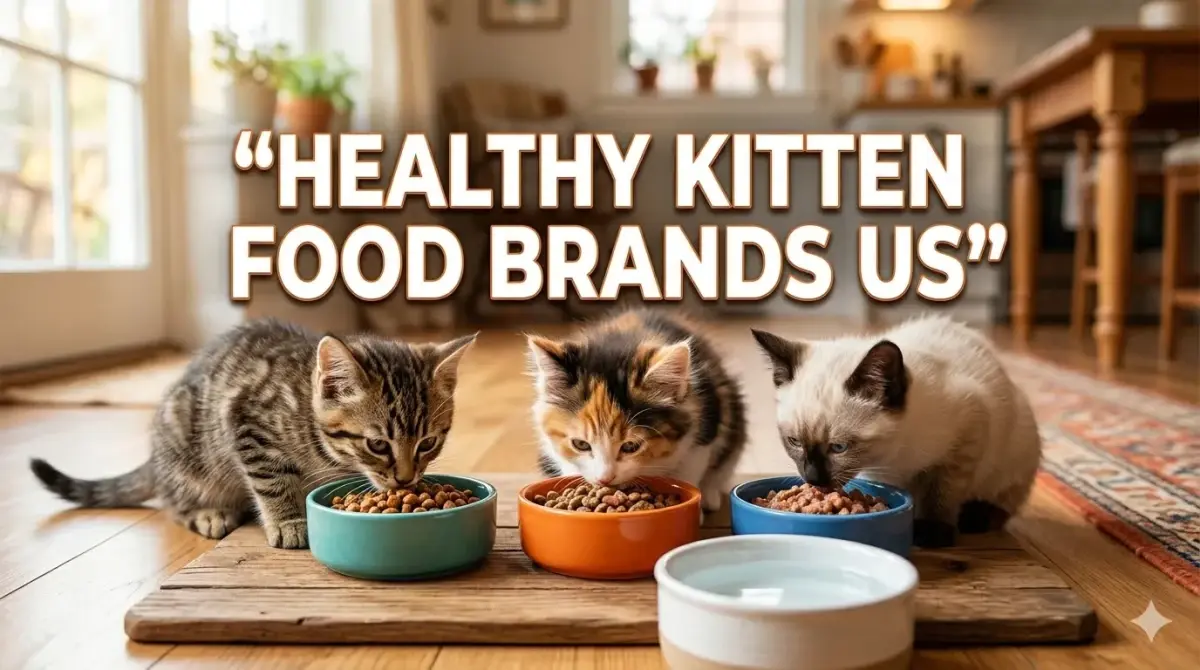
Choosing healthy kitten food brands in the US is one of the most critical decisions you'll make for your growing feline companion. Proper nutrition during the first year of life sets the foundation for lifelong health, strong bones, healthy development, and robust immune function. With countless kitten food options available in the American market—from premium boutique brands to veterinarian-recommended formulas—selecting the optimal nutrition for your kitten requires understanding nutritional requirements, ingredient quality, and breed-specific needs. This comprehensive guide explores the healthiest kitten food brands available in the USA, examining protein sources, essential nutrients, feeding guidelines, and expert recommendations to help you make informed decisions that support your kitten's growth and development. Whether you're raising a playful domestic shorthair, elegant Siamese, or fluffy Maine Coon, understanding proper kitten nutrition is fundamental to successful pet parenting.
Why Kitten Nutrition Matters for Lifelong Health
Kittens have unique nutritional requirements that differ significantly from adult cats. Understanding these differences helps you select foods that support optimal growth without causing developmental problems.
Critical Growth Periods
The first 12 months of a kitten's life represent a critical window for development:
- 0-3 months: Rapid brain development, immune system maturation, and digestive system establishment
- 3-6 months: Peak growth phase with significant bone, muscle, and organ development
- 6-12 months: Continued growth with breed-specific maturation timelines (small breeds mature faster than large breeds)
- 🐾 Affordable Cat Food for Senior Cats: 2026 Guide
- 🐾 Pellet vs Mix Small Pet Food: Which Is Better?
- 🐾 Affordable Canary Food Options: 2026 Budget Guide
Nutritional deficiencies or imbalances during these periods can cause irreversible health issues including skeletal abnormalities, weakened immune function, and cognitive deficits.
Essential Nutrients for Growing Kittens
Healthy kitten foods must provide balanced levels of these critical nutrients:
High-quality protein (30-40%): Supports muscle development, tissue repair, and immune function. Look for named animal proteins like chicken, turkey, or fish as first ingredients.
Controlled calcium and phosphorus: Critical for bone development. Kittens need balanced levels (1.0-1.6% calcium) to support proper skeletal growth.
DHA (docosahexaenoic acid): An omega-3 fatty acid essential for brain and vision development. Found in fish oil and certain algae sources.
Taurine: An essential amino acid cats cannot synthesize. Critical for heart health, vision, and reproduction.
Antioxidants: Vitamins E and C support developing immune systems and protect cells from oxidative damage.
Prebiotics and probiotics: Support healthy gut flora development, crucial for digestion and immune function.
AAFCO Standards and Kitten Food
The Association of American Feed Control Officials (AAFCO) sets nutritional standards for pet foods in the USA. Look for this statement on kitten food labels: "This food is formulated to meet the nutritional levels established by the AAFCO Cat Food Nutrient Profiles for Growth and Reproduction."
This certification ensures the food provides complete and balanced nutrition for growing kittens. Foods without this statement may lack essential nutrients or contain inappropriate levels for developing cats.
Key Features of Healthy Kitten Food Brands
Not all kitten foods are created equal. Understanding what makes a brand truly healthy helps you evaluate options effectively.
Ingredient Quality Indicators
Named protein sources first: Healthy kitten foods list specific animal proteins like "chicken," "turkey meal," or "salmon" as the first ingredient—not vague terms like "meat by-products" or "animal digest."
Whole food ingredients: Look for recognizable ingredients like sweet potatoes, peas, blueberries, and carrots rather than excessive fillers like corn syrup, artificial colors, or propylene glycol.
No artificial additives: Healthy brands avoid artificial preservatives (BHA, BHT, ethoxyquin), colors, and flavors that offer no nutritional benefit and may cause sensitivities.
Appropriate fat content: Kittens need 15-25% fat for energy and brain development, but excessive fat contributes to obesity, especially in less active breeds.
Manufacturing Standards and Safety
USA-based production: Foods manufactured in the USA typically follow stricter quality control standards and ingredient sourcing requirements.
Third-party testing: Reputable brands conduct independent testing for contaminants, nutrient accuracy, and ingredient verification.
Recall history: Research a brand's recall history. Occasional recalls happen, but frequent or severe recalls may indicate quality control issues.
Veterinary nutritionist involvement: Brands that employ board-certified veterinary nutritionists demonstrate commitment to scientific formulation.
Breed and Size-Specific Formulations
Healthy kitten foods account for different growth patterns:
Small breed formulas: Higher calorie density for fast metabolisms, smaller kibble size for tiny mouths, added DHA for brain development.
Large breed formulas: Controlled calcium and phosphorus to prevent rapid growth that can cause joint problems, glucosamine for joint support.
Indoor kitten formulas: Lower calorie content to prevent obesity in less active indoor kittens, added fiber for hairball control.
Top Healthy Kitten Food Brands in the USA for 2026

Based on nutritional analysis, veterinary recommendations, ingredient quality, and feedback from thousands of USA kitten owners, these brands consistently deliver exceptional nutrition for growing cats.
Hill's Science Diet Kitten
Veterinarian-recommended nutrition backed by decades of research:
Key features:
- AAFCO-certified for growth and development
- High-quality chicken as first ingredient
- DHA from fish oil for brain and eye development
- Antioxidant blend for immune support
- Controlled mineral levels for healthy bone growth
- Available in small kibble size for tiny mouths
- Made in USA facilities with global ingredient sourcing
- 🐾 Affordable Cat Food for Senior Cats: 2026 Guide
- 🐾 Pellet vs Mix Small Pet Food: Which Is Better?
- 🐾 Affordable Canary Food Options: 2026 Budget Guide
Best for: Kittens of all breeds, owners seeking veterinary-backed nutrition, kittens with sensitive digestion
Price range: $20-$50 for 3.5-15.5 lb bags
Real-world performance: Excellent digestibility, consistent quality, noticeable improvements in coat condition and energy levels. Trusted by veterinarians nationwide.
Royal Canin Kitten
Precision nutrition tailored to developmental needs:
Key features:
- Exclusive kibble shape and texture for small mouths
- Optimal protein and calcium levels for controlled growth
- DHA and EPA for cognitive development
- Prebiotics for digestive health
- Antioxidant complex for immune support
- Available in wet and dry formulations
- 🐾 Affordable Cat Food for Senior Cats: 2026 Guide
- 🐾 Pellet vs Mix Small Pet Food: Which Is Better?
- 🐾 Affordable Canary Food Options: 2026 Budget Guide
Best for: Purebred kittens, owners wanting breed-specific nutrition, kittens with specific developmental needs
Price range: $22-$55 for 2.5-13 lb bags
Real-world performance: Excellent for developmental growth patterns, high palatability, noticeable improvements in coat and energy. Particularly effective for kittens needing controlled growth.
Purina Pro Plan Kitten
Research-backed nutrition with probiotics for digestive health:
Key features:
- Real chicken or salmon as first ingredient
- Live probiotics (Bifidobacterium animalis) for gut health
- DHA from fish oil for brain development
- High-quality protein for muscle development
- Antioxidants for immune support
- Available in multiple formulas for different needs
- 🐾 Affordable Cat Food for Senior Cats: 2026 Guide
- 🐾 Pellet vs Mix Small Pet Food: Which Is Better?
- 🐾 Affordable Canary Food Options: 2026 Budget Guide
Best for: Kittens with sensitive digestion, active breeds, owners seeking science-backed nutrition at accessible prices
Price range: $18-$45 for 3.5-16 lb bags
Real-world performance: Excellent digestive health support, high acceptance rate among picky eaters, noticeable improvements in stool quality and energy.
Blue Buffalo Healthy Growth Kitten
Natural ingredients with added superfoods for comprehensive nutrition:
Key features:
- Real deboned chicken as first ingredient
- LifeSource Bits: cold-formed kibble with vitamins and antioxidants
- DHA and ARA for brain and eye development
- No chicken by-product meals, corn, wheat, or soy
- Antioxidant-rich fruits and vegetables
- Available in small kibble size for kittens
- 🐾 Affordable Cat Food for Senior Cats: 2026 Guide
- 🐾 Pellet vs Mix Small Pet Food: Which Is Better?
- 🐾 Affordable Canary Food Options: 2026 Budget Guide
Best for: Owners preferring natural ingredients, kittens with food sensitivities, families wanting added superfoods
Price range: $20-$50 for 3-11 lb bags
Real-world performance: High palatability, noticeable improvements in coat shine and energy levels. LifeSource Bits are popular with many kittens.
Wellness CORE Kitten
Grain-free, high-protein nutrition for active growing kittens:
Key features:
- Deboned turkey and chicken as primary proteins
- Grain-free formula with sweet potatoes and peas
- High protein (40%) for muscle development
- DHA for brain and eye development
- Probiotics and prebiotics for digestive health
- Omega fatty acids for skin and coat health
- 🐾 Affordable Cat Food for Senior Cats: 2026 Guide
- 🐾 Pellet vs Mix Small Pet Food: Which Is Better?
- 🐾 Affordable Canary Food Options: 2026 Budget Guide
Best for: Active kittens, grain-sensitive cats, owners preferring high-protein nutrition
Price range: $22-$55 for 2-10 lb bags
Real-world performance: Excellent for high-energy breeds, noticeable improvements in muscle tone and coat condition. High protein content supports active development.
Orijen Kitten
Biologically appropriate nutrition with fresh regional ingredients:
Key features:
- 85% quality animal ingredients including fresh and raw meats
- Free-run chicken and turkey, wild-caught fish, cage-free eggs
- WholePrey ratios: meat, organs, cartilage for complete nutrition
- No grain, potato, or tapioca fillers
- Freeze-dried liver coating for palatability
- Rich in natural DHA from fish and eggs
- 🐾 Affordable Cat Food for Senior Cats: 2026 Guide
- 🐾 Pellet vs Mix Small Pet Food: Which Is Better?
- 🐾 Affordable Canary Food Options: 2026 Budget Guide
Best for: Owners prioritizing fresh, regional ingredients, active breeds, kittens needing high-quality protein
Price range: $28-$70 for 2-12 lb bags
Real-world performance: Exceptional ingredient quality, high palatability, noticeable improvements in energy and coat condition. Premium price reflects premium ingredients.
The Farmer's Cat Fresh Kitten Food
Fresh, human-grade food delivered to your door:
Key features:
- Fresh, human-grade ingredients cooked gently
- Customized meal plans based on breed, age, and weight
- No preservatives, fillers, or artificial ingredients
- USDA-certified ingredients
- Convenient pre-portioned deliveries
- Veterinary nutritionist-formulated recipes
- 🐾 Affordable Cat Food for Senior Cats: 2026 Guide
- 🐾 Pellet vs Mix Small Pet Food: Which Is Better?
- 🐾 Affordable Canary Food Options: 2026 Budget Guide
Best for: Owners wanting fresh food convenience, kittens with sensitive digestion, families prioritizing ingredient transparency
Price range: $35-$90+ monthly depending on kitten size
Real-world performance: Exceptional palatability, noticeable improvements in coat, energy, and digestion. Convenience factor highly valued by busy owners.
Choosing Kitten Food by Breed and Lifestyle

Selecting the right formula for your kitten's expected adult size and lifestyle prevents developmental issues and supports optimal growth.
Small Breed and Indoor Kittens
Nutritional priorities:
- Higher calorie density for fast metabolisms
- Smaller kibble size for tiny mouths
- Added DHA for rapid brain development
- Higher protein (35-40%) to support growth
- Added fiber for hairball control in indoor kittens
- 🐾 Affordable Cat Food for Senior Cats: 2026 Guide
- 🐾 Pellet vs Mix Small Pet Food: Which Is Better?
- 🐾 Affordable Canary Food Options: 2026 Budget Guide
Recommended brands: Royal Canin Kitten, Hill's Science Diet Kitten, Blue Buffalo Healthy Growth Kitten
Feeding tips: Small breeds mature quickly (9-12 months). Transition to adult food earlier than large breeds. Feed 3-4 small meals daily to prevent hypoglycemia.
Large Breed Kittens (Maine Coon, Ragdoll, Norwegian Forest Cat)
Nutritional priorities:
- Controlled calcium (1.0-1.6%) and phosphorus to prevent rapid bone growth
- Moderate protein (30-35%) to support muscle without excessive weight gain
- Glucosamine and chondroitin for joint support
- Controlled calorie content to prevent obesity-related joint stress
- 🐾 Affordable Cat Food for Senior Cats: 2026 Guide
- 🐾 Pellet vs Mix Small Pet Food: Which Is Better?
- 🐾 Affordable Canary Food Options: 2026 Budget Guide
Recommended brands: Royal Canin Maine Coon Kitten, Hill's Science Diet Large Breed Kitten, Purina Pro Plan Large Breed Kitten
Feeding tips: Large breeds mature slowly (18-24 months). Never free-feed—measure portions carefully. Avoid excessive exercise during growth phases to protect developing joints.
Indoor-Only Kittens
Nutritional priorities:
- Lower calorie density to prevent obesity in less active lifestyles
- Added fiber for hairball control
- L-carnitine to support healthy metabolism
- Controlled fat content (15-18%)
- 🐾 Affordable Cat Food for Senior Cats: 2026 Guide
- 🐾 Pellet vs Mix Small Pet Food: Which Is Better?
- 🐾 Affordable Canary Food Options: 2026 Budget Guide
Recommended brands: Hill's Science Diet Indoor Kitten, Royal Canin Indoor Kitten, Purina Pro Plan Indoor Kitten
Feeding tips: Monitor weight closely as indoor kittens are prone to obesity. Provide interactive toys and play sessions to encourage activity.
Reading Kitten Food Labels Like a Pro

Understanding label information helps you evaluate food quality beyond marketing claims.
Ingredient List Decoding
First five ingredients matter most: These comprise the majority of the food. Look for named proteins and whole foods.
Beware of ingredient splitting: Some brands list multiple forms of the same ingredient (e.g., "corn gluten meal, ground corn, corn flour") to push meat higher on the list.
Understand protein sources: "Chicken meal" is concentrated protein; "chicken" includes moisture weight. Both can be quality ingredients when sourced responsibly.
Guaranteed Analysis Interpretation
These minimum/maximum values show nutrient levels:
- Crude protein: Minimum 30% for growth (AAFCO standard)
- Crude fat: 15-25% appropriate for kittens
- Crude fiber: Maximum 5% for easy digestion
- Moisture: Maximum 10% for dry food
- Calcium: 1.0-1.6% for proper bone development
- Taurine: Minimum 0.1% (essential for cats)
- 🐾 Affordable Cat Food for Senior Cats: 2026 Guide
- 🐾 Pellet vs Mix Small Pet Food: Which Is Better?
- 🐾 Affordable Canary Food Options: 2026 Budget Guide
AAFCO Statement Verification
Always confirm the food meets AAFCO standards for growth. Look for: "This food is formulated to meet the nutritional levels established by the AAFCO Cat Food Nutrient Profiles for Growth and Reproduction."
Foods without this statement may be suitable for maintenance but lack appropriate nutrition for growing kittens.
Feeding Guidelines for Healthy Kitten Development

Proper feeding practices maximize the benefits of quality nutrition.
How Much to Feed
Follow package guidelines as a starting point, then adjust based on your kitten's individual needs:
- 8-12 weeks: 4 meals daily
- 3-6 months: 3 meals daily
- 6-12 months: 2 meals daily
- 12+ months: Transition to adult feeding schedule
- 🐾 Affordable Cat Food for Senior Cats: 2026 Guide
- 🐾 Pellet vs Mix Small Pet Food: Which Is Better?
- 🐾 Affordable Canary Food Options: 2026 Budget Guide
Monitor body condition: you should feel ribs easily but not see them prominently. Adjust portions to maintain ideal growth rate.
Transitioning Foods Safely
When changing kitten foods, transition gradually over 7-10 days:
- Days 1-3: 75% old food, 25% new food
- Days 4-6: 50% old food, 50% new food
- Days 7-9: 25% old food, 75% new food
- Day 10+: 100% new food
- 🐾 Affordable Cat Food for Senior Cats: 2026 Guide
- 🐾 Pellet vs Mix Small Pet Food: Which Is Better?
- 🐾 Affordable Canary Food Options: 2026 Budget Guide
Monitor stool consistency during transition. Soft stools indicate the change is too rapid—slow down the transition.
Wet vs. Dry Food for Kittens
Wet food benefits:
- Higher moisture content supports hydration
- Often more palatable for picky eaters
- Lower carbohydrate content
- 🐾 Affordable Cat Food for Senior Cats: 2026 Guide
- 🐾 Pellet vs Mix Small Pet Food: Which Is Better?
- 🐾 Affordable Canary Food Options: 2026 Budget Guide
Dry food benefits:
- Convenient for free-feeding (though not recommended for kittens)
- Helps with dental health through mechanical action
- More economical per calorie
- 🐾 Affordable Cat Food for Senior Cats: 2026 Guide
- 🐾 Pellet vs Mix Small Pet Food: Which Is Better?
- 🐾 Affordable Canary Food Options: 2026 Budget Guide
Best approach: Many owners use a combination: dry food as staple with wet food supplements for variety and hydration.
Common Kitten Food Mistakes to Avoid

Even well-meaning owners can make errors that impact kitten development.
- Feeding adult food to kittens: Adult formulas lack appropriate nutrient levels for growth. Always choose food labeled for growth or all life stages.
- Overfeeding large breed kittens: Excessive calories cause rapid growth that stresses developing joints. Follow large breed guidelines carefully.
- Switching foods too frequently: Constant changes disrupt digestive development. Stick with a quality food for at least 4-6 weeks before evaluating.
- Ignoring breed-specific needs: Small and large breeds have different nutritional requirements. Choose formulas designed for your kitten's expected size.
- Free-feeding: Leaving food out all day encourages overeating and makes monitoring intake difficult. Measure meals instead.
- Adding human food without guidance: Many human foods are unsafe for kittens. Consult your veterinarian before sharing table scraps.
- Skipping veterinary input: Your veterinarian knows your kitten's specific needs. Discuss food choices at wellness visits.
- 🐾 Affordable Cat Food for Senior Cats: 2026 Guide
- 🐾 Pellet vs Mix Small Pet Food: Which Is Better?
- 🐾 Affordable Canary Food Options: 2026 Budget Guide
People Also Ask: Quick Answers

What is the healthiest kitten food brand?
The healthiest kitten food depends on your kitten's breed, size, and individual needs. Top vet-recommended brands include Hill's Science Diet, Royal Canin, and Purina Pro Plan for their research-backed formulations and AAFCO certification. For natural ingredient preferences, Blue Buffalo and Wellness CORE offer quality options. Always choose food labeled for growth.
Should I feed my kitten grain-free food?
Grain-free isn't automatically healthier. Most kittens tolerate grains like rice and oats well. Recent studies link certain grain-free diets to heart concerns in cats. Choose grain-inclusive unless your veterinarian recommends grain-free for specific health reasons. Focus on overall ingredient quality rather than grain content alone.
How do I know if my kitten food is high quality?
High-quality kitten foods feature named animal proteins as first ingredients, meet AAFCO standards for growth, avoid artificial additives, and are manufactured by reputable companies with quality control. Look for brands employing veterinary nutritionists and conducting feeding trials.
When should I switch my kitten to adult food?
Small breeds transition at 9-12 months, medium breeds at 12-15 months, and large/giant breeds at 18-24 months. Transition gradually over 7-10 days. Consult your veterinarian for breed-specific guidance, as individual development varies.
Can I mix different kitten food brands?
Yes, mixing high-quality brands can provide variety, but ensure both foods meet AAFCO standards for growth. Avoid mixing foods with vastly different nutrient profiles. When introducing a new brand, transition gradually to prevent digestive upset.
Budget Considerations and Value

Quality kitten nutrition is an investment in lifelong health, but costs vary significantly.
Price Ranges
- Budget ($15-$30 for 7-15 lbs): Store brands and basic formulas. May contain more fillers but can meet AAFCO standards.
- Mid-range ($30-$60 for 7-15 lbs): Premium brands like Hill's, Royal Canin, Purina Pro Plan. Better ingredient quality and research backing.
- Premium ($60-$100+ for 7-15 lbs): Boutique and fresh food brands like Orijen, The Farmer's Cat. Highest ingredient quality and customization.
- 🐾 Affordable Cat Food for Senior Cats: 2026 Guide
- 🐾 Pellet vs Mix Small Pet Food: Which Is Better?
- 🐾 Affordable Canary Food Options: 2026 Budget Guide
Cost-Per-Day Analysis
While premium foods cost more upfront, they often provide better value:
- Higher nutrient density means smaller portions needed
- Better digestibility reduces waste and vet visits
- Improved development prevents costly health issues later
- 🐾 Affordable Cat Food for Senior Cats: 2026 Guide
- 🐾 Pellet vs Mix Small Pet Food: Which Is Better?
- 🐾 Affordable Canary Food Options: 2026 Budget Guide
Calculate cost per day rather than per bag to compare true value.
Where to Buy Kitten Food in USA
- Pet specialty stores: Petco, Petsmart, independent shops offer variety and staff expertise
- Online retailers: Chewy.com, Amazon provide convenience and subscription discounts
- Veterinary clinics: Often carry prescription and premium brands
- Direct from manufacturers: Some brands offer auto-ship discounts and freshness guarantees
- 🐾 Affordable Cat Food for Senior Cats: 2026 Guide
- 🐾 Pellet vs Mix Small Pet Food: Which Is Better?
- 🐾 Affordable Canary Food Options: 2026 Budget Guide
Frequently Asked Questions

Can kittens eat adult cat food?
No, kittens should not eat adult cat food regularly. Adult formulas lack the higher protein, fat, calcium, and DHA levels kittens need for proper development. Feeding adult food to kittens can cause growth deficiencies and developmental problems.
How often should I feed my kitten?
Feed kittens 8-12 weeks old four times daily, 3-6 months old three times daily, and 6+ months old twice daily. Small breeds may need more frequent meals to prevent hypoglycemia. Always follow your veterinarian's specific recommendations.
What ingredients should I avoid in kitten food?
Avoid foods with artificial preservatives (BHA, BHT, ethoxyquin), artificial colors, excessive fillers (corn syrup, wheat gluten as primary ingredients), and vague protein sources ("meat by-products"). Also avoid foods without AAFCO certification for growth.
Can I feed my kitten raw food?
Raw diets carry risks of bacterial contamination and nutritional imbalances. If considering raw feeding, work with a veterinary nutritionist to ensure complete, balanced nutrition. Commercially prepared raw foods with AAFCO certification are safer than homemade raw diets.
How do I transition my kitten to a new food?
Transition gradually over 7-10 days: start with 75% old food/25% new, then 50/50, then 25/75, then 100% new. Monitor stool consistency and appetite. If digestive upset occurs, slow the transition or consult your veterinarian.
Conclusion: Investing in Your Kitten's Future

Choosing healthy kitten food brands in the US is one of the most important investments you'll make in your companion's lifelong health. Quality nutrition during the critical first year supports proper bone development, cognitive function, immune strength, and overall vitality.
Remember that the "best" kitten food depends on your individual kitten's breed, size, health status, and lifestyle. Use this guide as a foundation, but consult your veterinarian for personalized recommendations based on your kitten's specific needs.
Start today by evaluating your current kitten food against the guidelines in this article. If upgrades are needed, transition gradually to a high-quality brand that meets AAFCO standards for growth. Your kitten will reward your commitment to excellent nutrition with vibrant health, playful energy, and years of joyful companionship.
Remember, healthy kittens become healthy adult cats. The effort you invest in proper nutrition now pays dividends throughout your cat's life. Choose wisely, feed consistently, and enjoy watching your kitten thrive.
🐱 আরও পড়ুন: Cat Food

0 Comments