.png)
Quick Summary and Direct Answer
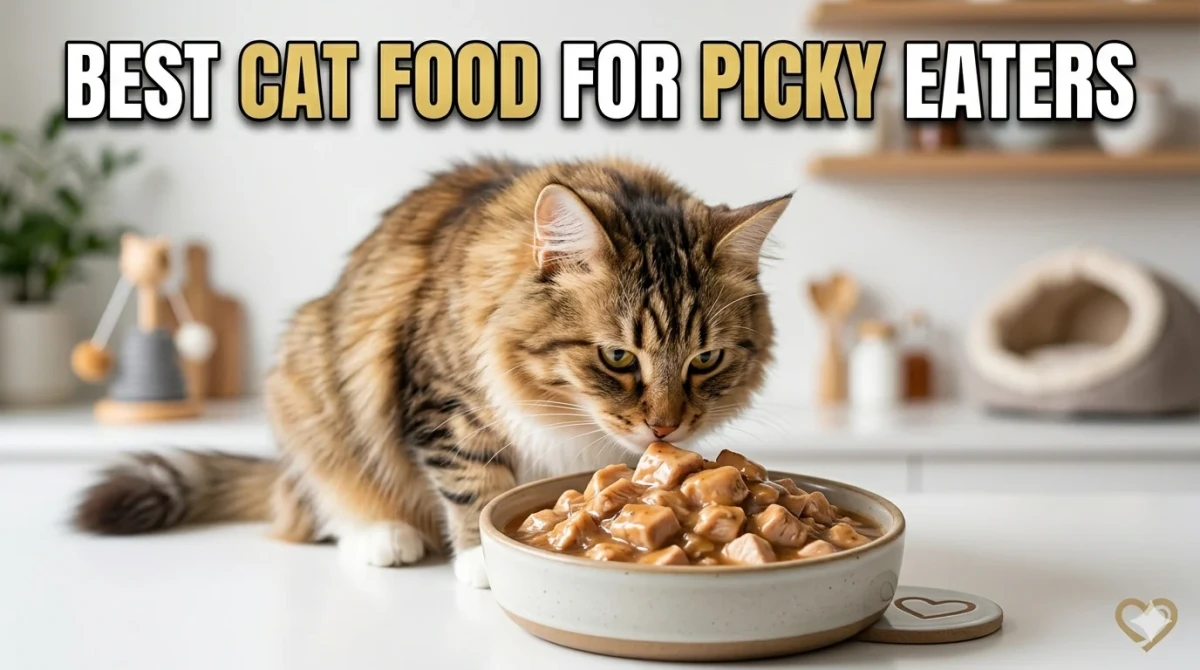
Choosing the best cat food for picky eaters requires selecting high palatability formulas with strong aromas, varied textures, and novel proteins that stimulate feline appetite. Most selective cats begin accepting new foods within three to five days when introduced using gradual mixing techniques. This guide provides vet aligned recommendations, precise feeding charts, and step by step transition protocols. You will learn how to compare budget versus premium options, recognize texture preferences, and adjust portions for kittens, adults, and seniors. All suggestions follow widely accepted feline nutrition standards and prioritize safety over marketing claims. Always consult your veterinarian before switching diets, especially if your cat has sudden appetite loss or underlying health conditions.
Featured Answer for Picky Eater Success
The best cat food for picky eaters combines strong smelling wet formulas with novel proteins like duck or rabbit, served at room temperature to enhance aroma. Offer small portions twice daily in a quiet feeding area, starting with one tablespoon per five pounds of body weight. Transition gradually over five days by mixing new food with current diet at twenty percent increments. Monitor acceptance, weight, and litter box habits daily, and schedule veterinary evaluation if appetite loss persists beyond forty eight hours.
Understanding Feline Picky Eating Behavior and Common Causes
Picky eating affects approximately thirty percent of domestic cats and often stems from texture preferences, aroma sensitivity, or learned food aversions. Unlike dogs that readily accept varied diets, cats are obligate carnivores with highly specialized taste receptors that detect amino acids and moisture content. Recognizing common triggers helps you select formulas that align with innate feline preferences.
Common causes include early food imprinting during kittenhood, dental discomfort that makes hard kibble painful, stress from environmental changes, or medical conditions like kidney disease that alter taste perception. Wet foods with gravy or pate textures typically appeal more to selective cats than dry kibble due to higher moisture content and stronger aromas that trigger natural hunting instincts.
| Preference Category | Common Triggers | Appealing Alternatives | Typical Acceptance Timeline |
|---|---|---|---|
| Texture Preferences | Dry kibble, large chunks | Pate, minced, gravy based formulas | One to three days with gradual introduction |
| Protein Sensitivity | Chicken, beef, fish | Duck, rabbit, venison, turkey | Two to five days with aroma enhancement |
| Temperature and Aroma | Cold food, weak scent | Room temperature servings, warmed gently | Immediate to twenty four hours |
These timelines represent average acceptance windows and may vary based on individual personality and health status. Persistent refusal beyond five days warrants veterinary evaluation to rule out dental pain, gastrointestinal issues, or systemic illness. Document all food trials and acceptance patterns to provide your veterinarian with actionable data during consultations.
Feeding Charts and Portion Guidelines for Selective Cats

Accurate portion control prevents obesity while ensuring adequate nutrient intake during food transitions. Overfeeding high calorie gourmet formulas can lead to weight gain, while underfeeding compromises energy levels and immune function. Use these baseline measurements as starting points and adjust based on weekly body condition assessments.
| Life Stage | Body Weight Range | Feeding Frequency | Daily Portion Size Wet Food | Calorie Range |
|---|---|---|---|---|
| Kitten | Two to ten pounds | Three to four times daily | One to three tablespoons per meal | Two hundred to four hundred kcal |
| Adult | Eight to fifteen pounds | Two times daily | Three to five ounces total daily | Two hundred to three hundred kcal |
| Senior | Seven to sixteen pounds | Two to three times daily | Two and a half to four ounces total | One hundred eighty to two hundred fifty kcal |
Kittens with selective appetites require careful monitoring as rapid growth demands precise nutrient density. Select formulas specifically labeled for kitten growth or consult a veterinary nutritionist before feeding adult gourmet diets to developing cats. Adult cats benefit from consistent meal timing that supports stable metabolism and reduces anxiety related to food anticipation. Senior cats often need reduced calorie density with increased palatability enhancers like broth or warming to stimulate appetite compromised by age related sensory decline.
Step by Step Guide to Transitioning Picky Cats to New Food

Abrupt diet changes frequently trigger complete food refusal in selective cats. Implement this structured five day transition protocol to allow taste preferences and digestive systems to adapt without unnecessary stress. Each phase includes specific monitoring checkpoints to identify adverse reactions early.
Transition Timeline and Acceptance Protocol
- Day one: Mix twenty percent new gourmet food with eighty percent current food. Serve at room temperature in a clean, quiet bowl and observe acceptance within fifteen minutes of offering.
- Day two: Increase to forty percent new food and sixty percent current food. Check for consistent eating patterns and note any hesitation or selective picking behaviors.
- Day three: Serve sixty percent new food with forty percent current food. Monitor total intake volume and ensure your cat consumes at least seventy five percent of offered portions.
- Day four: Increase to eighty percent new food with twenty percent current food. Watch for improved enthusiasm during feeding times and reduced food play or burying behaviors.
- Day five: Switch entirely to the new formula. Continue feeding measured portions and maintain a daily intake log for veterinary review if concerns arise.
If complete refusal occurs during any phase, pause the transition and maintain the current ratio for an additional twenty four hours. Persistent rejection requires veterinary evaluation to determine if underlying health issues or extreme texture aversions need addressing. Never force feed or withhold food for more than twenty four hours, as cats are prone to hepatic lipidosis when fasting.
Featured Answer for Transition Success
Transition picky cats to new food gradually over five days using twenty percent increments to prevent complete refusal. Serve food at room temperature in quiet areas to enhance aroma appeal. If your cat rejects meals for more than twenty four hours, consult your veterinarian immediately to rule out medical causes before continuing dietary changes.
Budget Versus Premium Cat Food Comparison for Picky Eaters

Cost should not compromise palatability when managing selective appetites, but understanding price tiers helps you allocate resources effectively. The following comparison outlines realistic monthly expenses for an average adult cat weighing ten pounds, including essential palatability enhancers often required for finicky felines.
| Price Tier | Monthly Cost Estimate | Protein Source | Key Features | Best For |
|---|---|---|---|---|
| Budget Friendly | Thirty to fifty dollars | Chicken or fish based formulas | Basic wet food varieties, no artificial colors | Mild selectivity, short term acceptance trials |
| Mid Range | Fifty to ninety dollars | Duck, turkey, or salmon based | Novel proteins, added broth, texture variety packs | Moderate pickiness, long term rotation strategies |
| Premium Quality | Ninety to one hundred sixty dollars | Human grade novel proteins or freeze dried raw | Veterinary formulated, single protein sources, freeze dried toppers | Extreme selectivity, medical appetite support |
Budget options provide adequate nutrition for cats with mild texture preferences but may lack advanced palatability enhancers that stimulate reluctant eaters. Mid range selections introduce novel proteins and broth based formulas that appeal to cats bored with standard flavors. Premium tiers feature human grade ingredients and freeze dried toppers that provide intense aroma and texture variation for cats with extreme selectivity. Purchasing variety packs, subscribing to auto delivery programs, and using manufacturer coupons can reduce premium costs by fifteen to twenty five percent without sacrificing quality.
Age Specific Considerations for Selective Cats

Appetite management strategies must adapt to life stage requirements to avoid creating new health issues while resolving picky eating. Applying a single formula across all ages often leads to nutritional gaps or excesses that compromise long term wellness. Recognizing these shifts ensures your chosen diet supports each developmental phase appropriately.
Kitten Appetite Development Protocols
Growing cats with selective appetites require formulas that balance palatability with complete nutrition for development. Select kitten specific gourmet foods that maintain higher calorie density and DHA levels for brain development. Increase feeding frequency to three or four smaller meals daily to accommodate small stomach capacity without overwhelming sensitive palates. Monitor weight gain weekly and adjust portions to maintain lean muscle development without excess fat accumulation.
Adult Maintenance Strategies
Mature cats with stabilized preferences benefit from consistent formulas that maintain acceptance without unnecessary ingredient rotation. Feed twice daily at fixed times to regulate digestive enzyme production and reduce anxiety related to food anticipation. Rotate protein sources only every two to three months to prevent boredom while providing amino acid diversity. Incorporate palatability enhancers like freeze dried chicken liver sprinkles at one teaspoon per meal to stimulate appetite without adding excessive calories.
Senior Dietary Modifications
Aging cats with declining appetites experience reduced sense of smell and dental sensitivity that require formula adjustments. Select senior specific gourmet foods with softened textures and increased aroma intensity to compensate for sensory decline. Add warm water or low sodium chicken broth to wet food to increase moisture intake and ease chewing for cats with dental issues. Schedule veterinary blood work every six months to monitor kidney and thyroid markers that influence appetite and nutrient needs.
Feline Versus Canine Feeding Differences

Understanding species specific nutrition prevents accidental feeding errors in multi pet households. Cats require higher protein percentages and specific nutrients like taurine and arachidonic acid that dog foods lack. Feeding dog food to picky cats long term leads to severe cardiac and retinal damage. Always prepare and store species specific meals in clearly labeled containers to avoid cross contamination that could trigger nutritional deficiencies in either pet.
Preventive Health and Veterinary Alignment for Selective Cats

Long term appetite management requires proactive health monitoring to maintain nutritional completeness and prevent secondary complications. Commercial gourmet formulas undergo strict testing for palatability and micronutrient balance, while homemade alternatives depend entirely on consistent ingredient selection. Regular veterinary checkups remain essential to identify deficiencies before clinical symptoms appear. Schedule comprehensive blood panels and dental evaluations every six months to track nutrient absorption, oral health, and metabolic markers that influence dietary needs.
Supplementation fills nutritional gaps that limited variety formulas cannot address alone. Add veterinary recommended taurine, omega three fatty acids, and B complex vitamins at manufacturer suggested dosages to support metabolic function and appetite regulation. Over supplementation causes toxicity symptoms including vomiting, neurological issues, and reduced appetite. Use a digital kitchen scale to measure supplements accurately rather than relying on visual estimates. Store supplements in cool, dry locations away from direct sunlight to preserve potency and prevent degradation that reduces effectiveness.
Featured Answer for Veterinary Coordination
Regular veterinary checkups remain essential when managing picky cat appetites. Schedule comprehensive blood work and dental evaluations every six months to verify nutrient absorption and rule out underlying health issues. Track food acceptance, weight trends, and litter box habits weekly to catch early signs of imbalance. Use veterinarian approved supplements rather than human formulations to ensure species specific dosing and prevent toxicity.
Behavioral Training and Feeding Routine Integration

Food refusal and selective eating frequently manifest as behavioral challenges including food play, mealtime anxiety, or attention seeking behaviors. Addressing nutritional preferences often resolves these behaviors without additional training interventions. Implement these supportive strategies alongside dietary transitions to accelerate acceptance and improve feeding compliance.
- Establish fixed meal times at the same hour daily to regulate circadian rhythms and reduce anxiety related to food anticipation.
- Use puzzle feeders or interactive food toys designed for wet food to extend engagement and prevent rapid consumption that can cause regurgitation.
- Redirect food burying or playing behaviors with gentle distraction techniques rather than punishment, as these actions often signal preference mismatch.
- Require a calm approach before placing food bowls, reinforcing quiet behavior and reducing food related excitement that can trigger refusal.
- Document acceptance patterns alongside dietary shifts to identify correlations between food presentation and eating compliance.
Positive reinforcement works effectively when paired with consistent appetite management. Reward calm eating behaviors with gentle praise rather than additional food treats that can reinforce pickiness. Avoid introducing new flavors during acceptance transitions, as even minor variations can trigger renewed selectivity. Track behavioral improvements alongside intake volume to demonstrate the full impact of dietary adjustments to your veterinary team.
Essential Accessories and Tools for Picky Eater Management

Proper feeding equipment and presentation tools support acceptance and prevent secondary issues in selective cats. Investing in reliable tools reduces stress risk and maintains comfort throughout the appetite management process. Select products that meet feline behavioral standards and prioritize functionality over aesthetic appeal.
- Shallow ceramic or stainless steel bowls prevent whisker fatigue that commonly causes food avoidance in sensitive cats.
- Food warming trays or microwave safe dishes allow gentle heating to room temperature to enhance aroma without cooking nutrients.
- Portion control scoops with gram measurements ensure accurate serving sizes that prevent overfeeding high calorie gourmet formulas.
- Airtight food storage containers with one touch lids preserve freshness and prevent aroma degradation that reduces palatability.
- Non slip feeding mats reduce bowl sliding during enthusiastic eating and simplify cleanup of spilled wet food.
Buying considerations should prioritize material safety and ease of sanitization. Avoid plastic bowls that degrade over time or harbor microscopic scratches where bacteria multiply. Select dishwasher safe components to streamline cleaning routines and maintain consistent hygiene standards. Budget friendly options often perform adequately for basic care, while premium tools offer extended warranties and superior material quality. Replace worn utensils immediately to prevent cross contamination and maintain feeding compliance.
Common Mistakes That Worsen Feline Picky Eating

Well intentioned owners frequently make errors that compromise appetite management despite using quality ingredients. Recognizing these pitfalls prevents unnecessary frustration and reduces veterinary visits. Apply these corrective strategies to maintain consistent meal quality and acceptance.
Overlooking Environmental Stressors During Feeding
Feeding in high traffic areas or near noisy appliances creates anxiety that suppresses appetite in sensitive cats. Designate quiet, low stress feeding zones away from household activity and other pets. Maintain consistent bowl placement to reduce uncertainty that can trigger refusal behaviors. Document environmental changes alongside acceptance patterns to identify hidden stress triggers.
Inconsistent Food Temperature and Presentation
Serving food straight from refrigeration dulls aromas that stimulate feline appetite. Always allow wet food to reach room temperature or warm gently for ten to fifteen seconds before offering. Use clean bowls for each meal to prevent residual odors that deter selective eaters. Maintain consistent presentation methods to build positive feeding associations.
Premature Formula Switching or Flavor Rotation
Changing foods before completing a full five day acceptance trial obscures which textures or proteins truly appeal to your cat. Maintain the exact same formula for at least one week to establish clear baseline responses. Introduce only one new variable every seven days after the initial trial to isolate preferences without overwhelming selective palates. Document all reactions carefully and eliminate any component that causes complete refusal immediately.
Expert Tips From Veterinary Behaviorists and Experienced Owners

Board certified veterinary behaviorists and longtime selective cat owners consistently emphasize patience, documentation, and environmental management when addressing picky eating. Real world insights complement clinical guidelines and provide practical strategies that commercial products rarely address. Incorporate these proven methods to optimize feeding routines and improve long term acceptance.
- Keep a detailed feeding journal tracking acceptance rates, texture preferences, and environmental conditions alongside dietary changes. Patterns emerge within one to two weeks that reveal hidden preferences or optimal combinations.
- Batch prepare portioned meals on weekends and store in refrigerator for quick weekday access to maintain consistency during busy schedules and reduce preparation stress.
- Consult a board certified veterinary nutritionist when designing long term gourmet diets to verify taurine levels and micronutrient adequacy for selective cats.
- Introduce palatability enhancers like freeze dried liver sprinkles during transition periods to stimulate appetite without adding excessive calories or triggering new preferences.
- Monitor household changes like new pets, visitors, or routine disruptions alongside diet adjustments, as concurrent stressors often require combined management strategies.
These practices align with widely accepted feline behavioral standards and emphasize proactive management over reactive treatment. Owners who implement structured documentation report fewer emergency vet visits and more predictable acceptance patterns. Consistency remains the most powerful tool when navigating selective diets, as gradual adjustments yield sustainable results without compromising nutritional balance or triggering renewed pickiness.
Frequently Asked Questions

How long does it take for a picky cat to accept new food
Most selective cats begin accepting new formulas within three to five days of consistent, gradual introduction. Feline taste preferences require approximately seventy two hours to adapt to new aromas and textures. Maintain the exact same presentation method during this window to establish clear baseline responses. Extend the observation period to seven days before evaluating overall success or considering additional flavor modifications.
Can I add human food to encourage my picky cat to eat
Adding small amounts of plain cooked chicken or tuna water can temporarily stimulate appetite but risks creating dependency on human food additives. Select veterinary approved palatability enhancers like freeze dried liver sprinkles instead. Always verify that any additive is safe for feline consumption and free from onions, garlic, or excessive salt that can cause toxicity.
Which textures appeal most to finicky cats
Pate and minced textures with gravy typically appeal more to selective cats than dry kibble or large chunk formulas due to easier consumption and stronger aroma release. Start with smooth pate varieties and gradually introduce texture variation only after consistent acceptance. Document texture preferences carefully and maintain preferred consistencies to prevent renewed selectivity.
How do I encourage my cat to eat without creating bad habits
Offer measured portions at fixed times and remove uneaten food after twenty minutes to prevent grazing behavior and maintain appetite for scheduled meals. Avoid hand feeding or excessive coaxing that reinforces attention seeking refusal. Use gentle environmental management like quiet feeding zones rather than food bribes to encourage consistent eating patterns.
What signs indicate my picky eater has a medical issue versus behavioral selectivity
Watch for sudden appetite loss lasting more than twenty four hours, weight loss, vomiting, or lethargy that signal potential medical issues. Behavioral pickiness typically maintains normal energy levels and litter box habits while showing selective acceptance of textures or flavors. Contact a veterinarian immediately if your cat refuses all food for more than one day or shows any signs of illness alongside selectivity.

0 Comments