.png)
Common Cat Health Problems and Prevention Tips
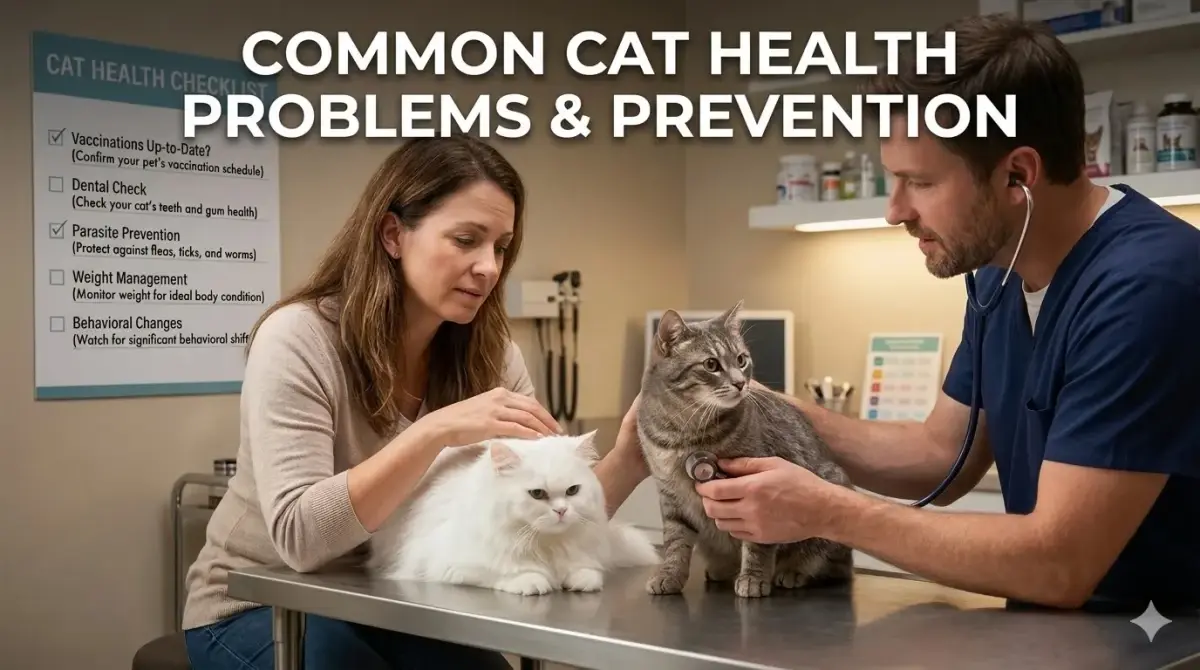
Understanding common cat health problems and prevention tips is essential for every cat owner in the United States. While cats are masters at hiding illness, recognizing early warning signs and implementing preventive care strategies can add years to your cat's life and improve their quality of life significantly. From obesity and dental disease to urinary issues and kidney problems, many common feline health issues are preventable or manageable with proper care, nutrition, and regular veterinary attention. This comprehensive guide covers the most prevalent cat health problems, their warning signs, and evidence-based prevention strategies to help you keep your feline companion healthy, happy, and thriving for years to come.
Why Preventive Care Matters for Cat Health
Preventive care is the cornerstone of feline health and longevity. Just as humans benefit from regular checkups, healthy eating, and exercise, cats thrive when their owners take proactive steps to maintain their wellbeing. Preventive care isn't just about avoiding illness—it's about creating an environment where your cat can live a long, happy, and active life.
The Cost of Prevention vs. Treatment
One of the most compelling reasons to focus on prevention is financial. In the USA, treating advanced feline diseases can cost thousands of dollars. A simple dental cleaning might cost $300-$500, but treating advanced periodontal disease with tooth extractions and infection management can exceed $2,000-$3,000. Similarly, managing obesity through diet and exercise costs minimal money, while treating diabetes or arthritis resulting from excess weight can cost hundreds of dollars monthly for medications, special diets, and veterinary visits.
Preventive care investments include:
- Annual wellness exams: $50-$100
- Vaccinations: $75-$100 annually
- Parasite prevention: $100-$300 annually
- Dental care: $300-$800 (as needed)
- Quality nutrition: Varies by cat size and dietary needs
- 🐾 Best Vitamins for Cat Health: Expert Veterinary Guide
- 🐾 How to Boost Small Pet Immune System Naturally: Expert Exotic Veterinary Guide
- 🐾 Fish Digestive Health Guide Complete Aquarium Care
Compare this to emergency care costs: urinary blockage surgery ($3,000-$7,000), cancer treatment ($5,000-$10,000+), or chronic disease management (ongoing costs of $50-$500 monthly).
The Human-Animal Bond and Quality of Life
Beyond financial considerations, preventive care strengthens the bond between you and your cat. A healthy cat is more active, playful, and engaged. They can climb cat trees, play with toys, and participate in family activities. Chronic pain or illness limits these experiences and can lead to behavioral changes that strain your relationship.
Obesity: America's Most Common Feline Health Crisis
Obesity affects approximately 60% of cats in the United States, making it the most prevalent health problem facing American cats today. This epidemic isn't just about appearance—excess weight significantly impacts your cat's health, longevity, and quality of life.
Health Consequences of Feline Obesity
Obesity in cats isn't merely a cosmetic issue; it's a serious medical condition that predisposes cats to numerous health problems:
- Diabetes mellitus: Obese cats are three times more likely to develop diabetes, requiring lifelong insulin injections and dietary management
- Arthritis and joint disease: Excess weight puts additional stress on joints, accelerating wear and tear and causing chronic pain
- Heart disease: The heart must work harder to pump blood through excess tissue, leading to cardiovascular strain
- Respiratory problems: Fat deposits in the chest cavity and around the airways make breathing more difficult
- Liver disease: Obesity increases risk of hepatic lipidosis (fatty liver disease)
- Reduced lifespan: Studies show obese cats live an average of 2.5 years less than cats at ideal weight
- Urinary issues: Obesity increases risk of feline lower urinary tract disease (FLUTD)
- Decreased quality of life: Obese cats have reduced mobility, energy, and ability to engage in normal activities
- 🐾 Best Vitamins for Cat Health: Expert Veterinary Guide
- 🐾 How to Boost Small Pet Immune System Naturally: Expert Exotic Veterinary Guide
- 🐾 Fish Digestive Health Guide Complete Aquarium Care
How to Prevent Obesity in Cats
Preventing obesity requires a multi-faceted approach addressing diet, exercise, and lifestyle:
Portion control: Measure your cat's food using a standard measuring cup or kitchen scale. Follow feeding guidelines on pet food packaging as a starting point, but adjust based on your individual cat's needs. Most cats need 20-30 calories per pound of ideal body weight daily, though this varies by age, activity level, and metabolism.
Limit treats: Treats should comprise no more than 10% of your cat's daily caloric intake. Choose low-calorie options like small pieces of cooked chicken or commercial treats designed for weight management. Avoid high-fat table scraps and commercial treats loaded with fillers.
Regular exercise: Most cats need 20-30 minutes of interactive play daily. This can include wand toys, laser pointers (always end with a physical toy), puzzle feeders, or climbing structures. High-energy breeds may need more. Adjust exercise based on your cat's age, health, and personality.
Regular weigh-ins: Weigh your cat monthly at home or during veterinary visits. Catching weight gain early makes it easier to address before it becomes a serious problem.
Body condition scoring: Learn to assess your cat's body condition. You should be able to feel (but not see) their ribs, see a waist when viewing from above, and observe a slight abdominal tuck from the side.
Recognizing Obesity Warning Signs
Early recognition allows for intervention before serious health problems develop:
- Ribs difficult to feel under a thick fat layer
- No visible waist when viewed from above
- No abdominal tuck when viewed from side
- Fat deposits over spine, tail base, and neck
- Reluctance to exercise or play
- Excessive panting with minimal exertion
- Difficulty grooming or reaching all body parts
- Lethargy or decreased activity
- 🐾 Best Vitamins for Cat Health: Expert Veterinary Guide
- 🐾 How to Boost Small Pet Immune System Naturally: Expert Exotic Veterinary Guide
- 🐾 Fish Digestive Health Guide Complete Aquarium Care
Dental Disease: The Silent Epidemic in Cats

Periodontal disease affects over 70% of cats by age three, making it one of the most common yet overlooked health problems in felines. Dental disease doesn't just cause bad breath—it can lead to systemic health issues affecting the heart, kidneys, and liver.
How Dental Disease Develops in Cats
Dental disease begins with plaque, a sticky film of bacteria that forms on teeth within hours of cleaning. If not removed, plaque hardens into tartar (calculus) within 24-72 hours. Tartar provides a rough surface for more plaque accumulation, creating a vicious cycle.
As bacteria multiply, they cause gingivitis (gum inflammation), characterized by red, swollen, bleeding gums. Without intervention, bacteria penetrate below the gumline, destroying the tissues and bone that support teeth. This advanced periodontal disease causes pain, tooth loss, and allows bacteria to enter the bloodstream, potentially damaging vital organs.
Preventing Dental Disease in Cats
Effective dental prevention requires daily attention and professional care:
Daily tooth brushing: Brush your cat's teeth daily using cat-specific toothpaste (never human toothpaste, which contains toxic ingredients like xylitol). Use a feline toothbrush or finger brush. Start slowly, allowing your cat to taste the toothpaste, then gradually introduce the brush. Focus on the outer surfaces where plaque accumulates most.
Dental diets and treats: Veterinary Oral Health Council (VOHC) approved dental diets and treats help reduce plaque and tartar through mechanical action. Look for the VOHC seal of acceptance. Popular options include Hill's Prescription Diet t/d, Purina DH, and certain dental treats.
Water additives: VOHC-approved water additives can help reduce plaque and freshen breath. These are added to your cat's water bowl daily and provide supplemental dental care.
Professional cleanings: Annual or biannual professional dental cleanings under anesthesia are essential for removing tartar below the gumline and assessing oral health. Your veterinarian will recommend frequency based on your cat's individual needs.
Warning Signs of Dental Problems
Watch for these indicators that your cat needs dental attention:
- Bad breath (halitosis)
- Yellow or brown tartar buildup on teeth
- Red, swollen, or bleeding gums
- Difficulty eating or dropping food
- Chewing on one side of mouth
- Pawing at the mouth
- Excessive drooling
- Blood on toys or in water bowl
- Loose or missing teeth
- Decreased appetite or weight loss
- 🐾 Best Vitamins for Cat Health: Expert Veterinary Guide
- 🐾 How to Boost Small Pet Immune System Naturally: Expert Exotic Veterinary Guide
- 🐾 Fish Digestive Health Guide Complete Aquarium Care
Urinary Tract Issues and FLUTD Prevention

Feline Lower Urinary Tract Disease (FLUTD) affects approximately 1-3% of cats annually, with male cats at higher risk for life-threatening urinary blockages. Understanding prevention strategies can protect your cat from this painful and potentially fatal condition.
Types of Urinary Problems in Cats
Feline Idiopathic Cystitis (FIC): The most common form of FLUTD, characterized by bladder inflammation without identifiable infection. Often stress-related.
Urinary crystals and stones: Mineral deposits that form in the bladder, causing irritation, blockages, or infection. Struvite and calcium oxalate are most common.
Urinary tract infections (UTIs): Bacterial infections of the bladder or urethra, more common in senior cats or those with underlying conditions.
Urethral obstruction: A life-threatening emergency where crystals, mucus, or inflammation blocks urine flow, primarily affecting male cats.
Preventing Urinary Tract Issues
Increase water consumption: Encourage drinking by providing multiple fresh water sources, using cat water fountains, or feeding wet food (75-85% moisture vs. 10% in dry food).
Manage stress: Stress is a major trigger for FIC. Provide consistent routines, safe hiding spaces, vertical territory, and environmental enrichment. Consider pheromone diffusers like Feliway for anxious cats.
Maintain healthy weight: Obesity increases FLUTD risk. Keep your cat at ideal weight through proper diet and exercise.
Provide adequate litter boxes: Follow the "one per cat plus one" rule. Keep boxes clean, in quiet locations, and use unscented, clumping litter that most cats prefer.
Feed appropriate diets: For cats with history of crystals, veterinary-prescribed urinary diets can help maintain proper urine pH and mineral balance.
Warning Signs of Urinary Problems
- Frequent trips to litter box with little output
- Straining or crying during urination
- Blood in urine
- Urinating outside the litter box
- Excessive licking of genital area
- Lethargy or loss of appetite
- Vomiting (sign of advanced blockage)
- 🐾 Best Vitamins for Cat Health: Expert Veterinary Guide
- 🐾 How to Boost Small Pet Immune System Naturally: Expert Exotic Veterinary Guide
- 🐾 Fish Digestive Health Guide Complete Aquarium Care
Emergency: Male cats straining with no urine output require immediate veterinary care—this is life-threatening.
Chronic Kidney Disease (CKD) Prevention and Management

Chronic kidney disease affects approximately 30-50% of senior cats, making it one of the most common age-related conditions. While CKD can't be cured, early detection and management can significantly slow progression and maintain quality of life.
Risk Factors for Feline Kidney Disease
- Age: Risk increases significantly after age 7
- Dental disease: Oral bacteria can enter bloodstream and affect kidneys
- Dehydration: Chronic low water intake stresses kidneys
- Toxin exposure: Certain plants (lilies), medications, or chemicals can damage kidneys
- Genetics: Some breeds (Persians, Maine Coons) have higher predisposition
- 🐾 Best Vitamins for Cat Health: Expert Veterinary Guide
- 🐾 How to Boost Small Pet Immune System Naturally: Expert Exotic Veterinary Guide
- 🐾 Fish Digestive Health Guide Complete Aquarium Care
Preventing and Managing Kidney Disease
Encourage hydration: Feed wet food, provide multiple water sources, use water fountains. Proper hydration reduces kidney workload.
Regular veterinary screening: Annual blood work and urinalysis for cats 7+ years can detect early kidney changes before symptoms appear.
Maintain dental health: Regular dental care prevents oral bacteria from entering bloodstream and affecting kidneys.
Avoid nephrotoxic substances: Keep lilies, NSAIDs, antifreeze, and other kidney-toxic substances away from cats.
Feed kidney-supportive diets: For cats with early kidney changes, veterinary-prescribed renal diets can slow progression.
Early Warning Signs of Kidney Issues
- Increased thirst and urination
- Decreased appetite or weight loss
- Lethargy or weakness
- Vomiting or nausea
- Poor coat condition
- Bad breath with ammonia odor
- 🐾 Best Vitamins for Cat Health: Expert Veterinary Guide
- 🐾 How to Boost Small Pet Immune System Naturally: Expert Exotic Veterinary Guide
- 🐾 Fish Digestive Health Guide Complete Aquarium Care
Hyperthyroidism: Prevention and Detection

Hyperthyroidism affects approximately 10% of senior cats, causing an overactive thyroid gland that accelerates metabolism. While the exact cause isn't fully understood, early detection and treatment lead to excellent outcomes.
Risk Factors and Prevention Considerations
While hyperthyroidism can't be entirely prevented, certain factors may influence risk:
- Age: Most common in cats 10+ years
- Diet: Some studies suggest high-iodine diets or certain canned food packaging may play a role
- Environmental toxins: Exposure to flame retardants or other chemicals may contribute
- 🐾 Best Vitamins for Cat Health: Expert Veterinary Guide
- 🐾 How to Boost Small Pet Immune System Naturally: Expert Exotic Veterinary Guide
- 🐾 Fish Digestive Health Guide Complete Aquarium Care
Early Detection Strategies
Annual senior screening: Blood tests measuring T4 levels can detect hyperthyroidism before symptoms become severe.
Monitor for symptoms: Watch for increased appetite with weight loss, hyperactivity, increased thirst, vomiting, or poor coat condition.
Regular weight monitoring: Unexplained weight loss despite good appetite warrants veterinary evaluation.
Diabetes Mellitus in Cats: Prevention Through Weight Management

Diabetes affects approximately 1 in 200 cats in the USA, with obesity being the single biggest risk factor. Type 2 diabetes in cats is often preventable through proper weight management and nutrition.
Preventing Feline Diabetes
Maintain healthy weight: This is the most critical prevention strategy. Keep your cat at ideal body condition through portion control and regular exercise.
Feed appropriate diets: High-protein, low-carbohydrate diets may help prevent diabetes. Avoid high-carb dry foods as sole diet for at-risk cats.
Encourage activity: Regular play and exercise helps maintain insulin sensitivity and healthy weight.
Regular veterinary checkups: Annual blood glucose screening for at-risk cats (overweight, senior, certain breeds) can detect early changes.
Warning Signs of Diabetes
- Increased thirst and urination
- Increased appetite with weight loss
- Lethargy or weakness
- Poor coat condition
- Walking with hocked legs (plantigrade stance)
- 🐾 Best Vitamins for Cat Health: Expert Veterinary Guide
- 🐾 How to Boost Small Pet Immune System Naturally: Expert Exotic Veterinary Guide
- 🐾 Fish Digestive Health Guide Complete Aquarium Care
Upper Respiratory Infections: Prevention in Multi-Cat Homes

Upper respiratory infections (URIs) are common in cats, especially in multi-cat households, shelters, or catteries. While often viral and self-limiting, prevention reduces spread and severity.
Preventing Respiratory Infections
Vaccination: Core vaccines (FVRCP) protect against common viral causes of URIs. Keep vaccinations current.
Reduce stress: Stress suppresses immune function. Provide consistent routines, adequate resources, and environmental enrichment.
Isolate new cats: Quarantine new cats for 2 weeks before introducing to resident cats to prevent disease transmission.
Maintain hygiene: Clean food/water bowls daily, scoop litter boxes regularly, and disinfect shared items.
Avoid overcrowding: Ensure adequate space, resources, and ventilation in multi-cat homes.
Warning Signs of Respiratory Issues
- Sneezing or nasal discharge
- Eye discharge or conjunctivitis
- Coughing or difficulty breathing
- Decreased appetite or lethargy
- Fever or warmth to touch
- 🐾 Best Vitamins for Cat Health: Expert Veterinary Guide
- 🐾 How to Boost Small Pet Immune System Naturally: Expert Exotic Veterinary Guide
- 🐾 Fish Digestive Health Guide Complete Aquarium Care
Parasite Prevention: Internal and External

Parasites pose significant health risks to cats and can affect human health. Consistent prevention is far easier and safer than treatment.
Common Feline Parasites
External parasites:
- Fleas: Cause itching, anemia, tapeworms, and flea allergy dermatitis
- Ticks: Transmit diseases like Lyme disease and cytauxzoonosis
- Ear mites: Cause intense ear itching and infection
- 🐾 Best Vitamins for Cat Health: Expert Veterinary Guide
- 🐾 How to Boost Small Pet Immune System Naturally: Expert Exotic Veterinary Guide
- 🐾 Fish Digestive Health Guide Complete Aquarium Care
Internal parasites:
- Roundworms and hookworms: Cause digestive upset, anemia, and can infect humans
- Tapeworms: Often transmitted by fleas, cause weight loss and digestive issues
- Heartworms: Transmitted by mosquitoes, can cause serious heart and lung disease
- 🐾 Best Vitamins for Cat Health: Expert Veterinary Guide
- 🐾 How to Boost Small Pet Immune System Naturally: Expert Exotic Veterinary Guide
- 🐾 Fish Digestive Health Guide Complete Aquarium Care
Prevention Strategies
Year-round prevention: Use veterinarian-recommended flea, tick, and heartworm preventives year-round, even for indoor cats. Mosquitoes and parasites can enter homes.
Regular deworming: Follow veterinary recommendations for deworming schedules, especially for kittens or cats with outdoor access.
Environmental control: Vacuum regularly, wash pet bedding, and treat home environment if infestation occurs.
Limit outdoor exposure: Indoor cats have significantly lower parasite risk. If outdoor access is allowed, ensure parasite prevention is current.
People Also Ask: Quick Answers

What is the most common health problem in cats?
Obesity is the most common health problem in cats, affecting approximately 60% of cats in the United States. Dental disease is a close second, affecting over 70% of cats by age three. Both conditions are largely preventable with proper diet, exercise, and preventive care.
How can I prevent my cat from getting sick?
Prevent cat illness through: annual veterinary wellness exams, staying current on vaccinations, year-round parasite prevention, maintaining ideal weight through proper diet and exercise, daily dental care, providing balanced nutrition, ensuring adequate enrichment, and promptly addressing any health changes or concerns.
What are the early warning signs of illness in cats?
Early warning signs include: changes in appetite or water consumption, increased or decreased urination, lethargy or decreased activity, vomiting or diarrhea, coughing or difficulty breathing, limping or difficulty moving, behavioral changes, weight loss or gain, lumps or bumps, bad breath, and changes in coat condition. Any persistent change warrants veterinary attention.
How often should cats have veterinary checkups?
Adult cats (1-7 years) should have annual wellness exams. Senior cats (7+ years) benefit from biannual exams with blood work. Kittens need multiple visits during their first year for vaccinations and wellness checks. Cats with chronic health conditions may need more frequent monitoring as recommended by their veterinarian.
What preventive care do cats need?
Essential preventive care includes: annual or biannual veterinary exams, core vaccinations (rabies, FVRCP), year-round parasite prevention (fleas, ticks, heartworm), dental care (daily brushing, professional cleanings), proper nutrition and weight management, regular exercise and enrichment, and age-appropriate health screening (blood work, urinalysis).
Creating a Preventive Care Schedule

Organizing preventive care helps ensure nothing falls through the cracks:
Daily Care
- Fresh food and water
- Litter box scooping and observation
- Quick health observation (appetite, energy, behavior)
- Interactive play or enrichment (20-30 minutes)
- Quick body check for lumps or abnormalities
- 🐾 Best Vitamins for Cat Health: Expert Veterinary Guide
- 🐾 How to Boost Small Pet Immune System Naturally: Expert Exotic Veterinary Guide
- 🐾 Fish Digestive Health Guide Complete Aquarium Care
Weekly Care
- Thorough brushing (daily for long-haired cats)
- Ear inspection and cleaning if needed
- Nail inspection and trimming if needed
- Weigh your cat
- Check and clean bedding
- Inspect toys for wear and safety
- 🐾 Best Vitamins for Cat Health: Expert Veterinary Guide
- 🐾 How to Boost Small Pet Immune System Naturally: Expert Exotic Veterinary Guide
- 🐾 Fish Digestive Health Guide Complete Aquarium Care
Monthly Care
- Administer parasite prevention
- Thorough body examination
- Deep clean food and water bowls
- Review health observations and note changes
- 🐾 Best Vitamins for Cat Health: Expert Veterinary Guide
- 🐾 How to Boost Small Pet Immune System Naturally: Expert Exotic Veterinary Guide
- 🐾 Fish Digestive Health Guide Complete Aquarium Care
Annual Care
- Wellness examination
- Vaccinations (as needed)
- Heartworm test (if in endemic area)
- Blood work and urinalysis (especially for seniors)
- Dental examination and cleaning if needed
- Parasite screening
- 🐾 Best Vitamins for Cat Health: Expert Veterinary Guide
- 🐾 How to Boost Small Pet Immune System Naturally: Expert Exotic Veterinary Guide
- 🐾 Fish Digestive Health Guide Complete Aquarium Care
Breed-Specific Health Concerns

Understanding your cat's breed-specific risks allows for targeted prevention:
Persians and Exotic Shorthairs
Prone to: Polycystic kidney disease (PKD), breathing difficulties due to flat faces, eye discharge, dental crowding. Prevention includes: regular eye cleaning, dental care, PKD screening, and monitoring breathing.
Maine Coons and Ragdolls
Prone to: Hypertrophic cardiomyopathy (HCM), hip dysplasia. Prevention includes: regular cardiac screening, maintaining healthy weight, and joint supplements as recommended.
Siamese and Oriental Breeds
Prone to: Dental disease, respiratory issues, certain cancers. Prevention includes: aggressive dental care, stress reduction, and regular veterinary screening.
Domestic Shorthairs and Mixed Breeds
Generally hardy but still prone to common issues like obesity, dental disease, and age-related conditions. Prevention focuses on: weight management, dental care, and regular wellness exams.
The Role of Nutrition in Disease Prevention

Quality nutrition is foundational to preventing nearly every health problem in cats.
Choosing the Right Food
Look for foods that:
- Meet AAFCO nutritional standards for your cat's life stage
- List a named protein source as the first ingredient
- Are appropriate for your cat's life stage (kitten, adult, senior)
- Come from reputable manufacturers with quality control
- Have undergone feeding trials
- 🐾 Best Vitamins for Cat Health: Expert Veterinary Guide
- 🐾 How to Boost Small Pet Immune System Naturally: Expert Exotic Veterinary Guide
- 🐾 Fish Digestive Health Guide Complete Aquarium Care
Avoid foods with excessive fillers, artificial colors, flavors, or preservatives. Consult your veterinarian for recommendations specific to your cat's needs.
Life Stage Nutrition
Kittens: Need higher protein, fat, and calories for growth. Choose kitten-formulated foods.
Adults: Need balanced maintenance nutrition. Adjust calories based on activity level to prevent obesity.
Seniors: Often benefit from reduced calories, increased fiber, joint supplements, and easier-to-digest proteins. Some need prescription diets for age-related conditions.
Wet vs. Dry Food Considerations
Wet food provides superior hydration, which supports urinary and kidney health. Many veterinarians recommend incorporating wet food into cats' diets, especially for cats prone to urinary issues or kidney disease. However, dry food offers convenience and dental benefits for some cats. A combination approach often works best.
Exercise and Enrichment as Preventive Medicine

Regular exercise and mental stimulation prevent obesity, maintain joint health, support cardiovascular function, improve mental health, and strengthen the immune system.
Exercise Guidelines by Life Stage
Kittens: Short, frequent play sessions. Avoid forced exercise. General guideline: multiple 5-10 minute sessions daily.
Adults: 20-30 minutes of interactive play daily. Mix wand toys, puzzle feeders, climbing, and chasing games.
Seniors: Continue regular exercise but adjust intensity and duration. Multiple short sessions often better than one long one. Low-impact play is excellent.
Environmental Enrichment
Provide vertical space (cat trees, shelves), hiding spots, scratching posts, puzzle feeders, and rotating toys to keep cats mentally stimulated and physically active. Enriched environments reduce stress-related health problems.
When Prevention Isn't Enough: Pet Insurance

Despite best preventive efforts, accidents and illnesses happen. Pet insurance can help manage unexpected veterinary costs:
- Enroll while your cat is young and healthy (pre-existing conditions aren't covered)
- Compare plans carefully—coverage varies widely
- Understand deductibles, reimbursement rates, and annual limits
- Consider wellness riders for routine care
- Popular USA providers include Healthy Paws, Embrace, ASPCA, and Nationwide
- 🐾 Best Vitamins for Cat Health: Expert Veterinary Guide
- 🐾 How to Boost Small Pet Immune System Naturally: Expert Exotic Veterinary Guide
- 🐾 Fish Digestive Health Guide Complete Aquarium Care
Frequently Asked Questions

Can all cat health problems be prevented?
No, not all health problems can be prevented. Genetic conditions, some cancers, and age-related diseases may occur despite excellent care. However, preventive care can reduce risk, delay onset, minimize severity, and ensure early detection when treatment is most effective. Focus on what you can control: nutrition, exercise, preventive medications, and regular veterinary care.
Is preventive care worth the cost?
Absolutely. Preventive care costs a fraction of treating advanced disease. Annual exams, vaccinations, and parasite prevention typically cost $200-$500 yearly. Treating a single emergency or chronic disease can cost thousands. Beyond finances, preventive care extends your cat's life and improves their quality of life, which is priceless.
What's the most important preventive care for cats?
While all preventive care is important, the highest priorities are: maintaining ideal weight through proper diet and exercise, year-round parasite prevention, annual veterinary wellness exams, and dental care. These four areas prevent the most common and serious health problems.
How do I know if my cat is at a healthy weight?
You should be able to feel (but not see) your cat's ribs easily. When viewing from above, you should see a waist. From the side, the abdomen should tuck up behind the ribs. Your veterinarian can perform a body condition score assessment and tell you your cat's ideal weight range.
Should senior cats get different preventive care?
Yes. Senior cats (7+ years) need biannual veterinary exams instead of annual, more frequent blood work to monitor organ function, adjusted nutrition for age-related changes, modified exercise appropriate for their abilities, and screening for age-related conditions like arthritis, dental disease, heart disease, and kidney disease.
Conclusion: Your Cat's Health Is in Your Hands

Understanding common cat health problems and implementing preventive strategies is one of the most important responsibilities of cat ownership. While you can't prevent every illness or extend your cat's life indefinitely, you have tremendous power to influence their health outcomes through daily choices and consistent care.
The foundation of preventive care is simple but requires commitment: provide balanced nutrition, ensure regular exercise and enrichment, maintain ideal weight, practice dental hygiene, administer parasite prevention consistently, schedule regular veterinary checkups, and stay alert to changes in your cat's behavior or health.
Remember that prevention is an investment—not just financial, but in time, attention, and love. The reward is a healthier, happier cat who can be your companion for many wonderful years. Start today by scheduling that overdue veterinary exam, brushing your cat's teeth, or taking an extra play session. Your cat's future self will thank you.
In the USA, where veterinary care is advanced but expensive, prevention is both compassionate and economical. By taking proactive steps now, you're setting your cat up for the best possible life while protecting yourself from the heartache and expense of preventable diseases. Every cat deserves this gift of health, and every owner has the power to provide it.

0 Comments