.png)
Healthy Diet Plan for Cats and Complete Nutrition Guide
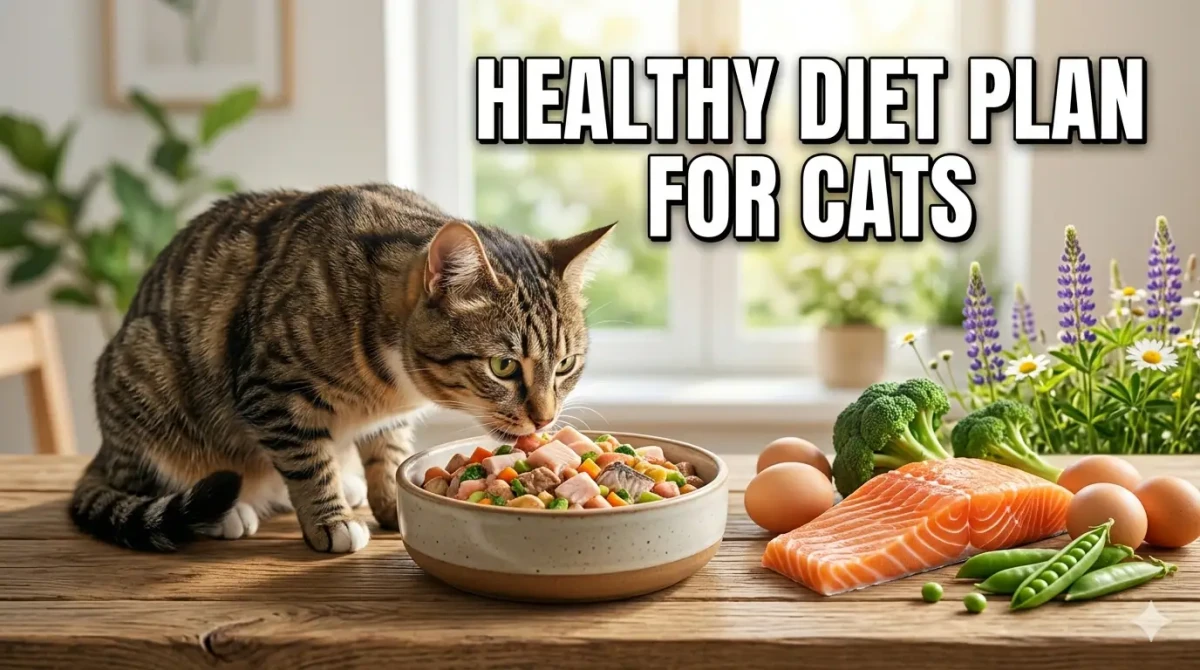
Introduction to Feline Nutrition and Diet Planning
Creating a healthy diet plan for cats is fundamental to supporting their longevity, vitality, and overall wellbeing. As obligate carnivores, cats have unique nutritional requirements that differ significantly from dogs and humans, making specialized knowledge essential for proper feeding. Understanding these distinct dietary needs helps owners provide meals that support optimal health, prevent disease, and enhance quality of life throughout every life stage.
Cats require high levels of animal-based protein, specific amino acids like taurine, and carefully balanced vitamins and minerals to thrive. Unlike omnivores, cats cannot efficiently utilize plant-based proteins or synthesize certain essential nutrients internally. A well-designed diet plan addresses these biological realities while accommodating individual preferences, health conditions, and lifestyle factors.
This comprehensive guide explores everything you need to know about developing a healthy diet plan for cats, from understanding fundamental nutritional requirements to selecting appropriate commercial foods or preparing balanced homemade meals. Whether you care for a playful kitten, an active adult, or a senior companion, proper nutrition forms the foundation of their ability to live a long, healthy, and happy life by your side.
Understanding Feline Nutritional Requirements
Cats are obligate carnivores, meaning their bodies are evolutionarily designed to obtain essential nutrients primarily from animal sources. This fundamental biological fact shapes every aspect of appropriate feline nutrition and diet planning.
What nutrients do cats need most for optimal health?
Protein serves as the cornerstone of feline nutrition, providing essential amino acids that cats cannot synthesize internally. Adult cats require approximately twenty-six percent protein on a dry matter basis, though many experts recommend thirty to forty percent for optimal health. High-quality animal proteins from chicken, turkey, beef, fish, or lamb provide complete amino acid profiles including taurine, arginine, and methionine that support muscle maintenance, immune function, and overall vitality.
Taurine stands out as perhaps the most critical nutrient for cats. This essential amino acid supports heart health, vision, digestion, and reproductive function. Unlike dogs and other mammals, cats cannot produce sufficient taurine internally and must obtain it entirely from their diet. A taurine deficiency can lead to dilated cardiomyopathy, blindness, and reproductive failure. The recommended allowance is approximately ten milligrams per kilogram of body weight daily for adult cats.
Fats provide concentrated energy and are necessary for absorbing fat-soluble vitamins. Omega-3 and omega-6 fatty acids support healthy skin, shiny coats, proper brain function, and reduced inflammation. Cats require specific ratios of these essential fatty acids, with arachidonic acid being particularly important as cats cannot synthesize it efficiently from plant sources.
Commercial versus Homemade Cat Diets

Both commercial and homemade diets can support feline health when properly formulated. Understanding the advantages and considerations of each approach helps you select the best option for your cat and your lifestyle.
What are the pros and cons of commercial versus homemade cat food?
Commercial cat foods offer convenience, nutritional completeness, and consistency backed by research and feeding trials. Reputable brands formulate products to meet Association of American Feed Control Officials guidelines, ensuring appropriate levels of protein, taurine, vitamins, and minerals. Look for products stating complete and balanced nutrition for your cat life stage, whether kitten, adult, or senior.
Wet commercial foods provide higher moisture content beneficial for urinary health and hydration, particularly important for cats with low thirst drives. Dry foods offer convenience for free-feeding and dental benefits through mechanical abrasion, though these dental claims remain debated among veterinary professionals. Many owners successfully combine both formats to leverage respective advantages.
Homemade diets provide complete ingredient control and customization for cats with specific sensitivities or preferences. You can select fresh, high-quality proteins and avoid fillers or ingredients your cat does not tolerate. However, formulating nutritionally complete homemade cat food requires significant knowledge and often veterinary nutritionist consultation to prevent critical deficiencies in taurine, calcium, vitamins, or minerals.
Essential Macronutrients for Feline Health

Understanding the roles of proteins, fats, and limited carbohydrates helps you select or formulate diets that optimize your cat health, energy, and longevity.
How much protein do cats really need daily?
Cats require higher protein levels than most mammals due to their unique metabolism adapted for continuous protein utilization through gluconeogenesis. Adult maintenance cats need approximately two to two point five grams of protein per pound of body weight daily, while growing kittens, pregnant or nursing cats, and highly active adults may require three grams or more per pound.
Protein quality matters as much as quantity. Named animal protein sources like chicken, turkey, beef, or fish provide complete amino acid profiles that match feline physiological needs. Avoid diets relying heavily on plant proteins like corn gluten or soy, as these lack essential amino acids cats require and may contribute to urinary issues in susceptible individuals.
Distribute protein intake across multiple small meals rather than one or two large feedings. This approach aligns with cats natural hunting and feeding patterns, supports steady energy levels, and may reduce risk of gastrointestinal upset. Most adult cats benefit from two to four small meals daily.
What role do fats play in cat nutrition?
Fats provide concentrated energy delivering nine calories per gram compared to four calories per gram for proteins and carbohydrates. This energy density supports cats relatively small stomach capacity while meeting their caloric needs. Adult cats typically thrive on diets containing fifteen to twenty-five percent fat on a dry matter basis.
Essential fatty acids including omega-3 and omega-6 support skin health, coat condition, cognitive function, and inflammatory response regulation. Arachidonic acid, an omega-6 fatty acid found primarily in animal fats, is particularly important for cats as they cannot synthesize it efficiently from plant precursors. Fish oil supplements providing EPA and DHA can enhance skin health and may support cognitive function in senior cats.
Life Stage Nutrition for Cats

Cats nutritional requirements change significantly throughout their lives. Tailoring diet plans to life stage ensures appropriate support for growth, maintenance, or aging.
How do nutritional needs change as cats age?
Kittens require substantially higher levels of protein, fat, calories, and specific nutrients to support rapid growth and development. Growing kittens need approximately thirty percent protein and twenty percent fat on a dry matter basis, along with elevated levels of calcium, phosphorus, and DHA for brain and vision development. Feed kitten-formulated foods until twelve months of age, or eighteen months for large breeds like Maine Coons.
Adult cats from one to seven years require maintenance-level nutrition focused on sustaining healthy weight and supporting active lifestyles. Most adult cats thrive on diets containing twenty-six to thirty percent protein and fifteen to twenty percent fat. Monitor body condition regularly and adjust portions to prevent weight gain, as indoor adult cats often have lower activity levels than their outdoor counterparts.
Senior cats seven years and older may benefit from adjusted protein levels to support muscle maintenance while accommodating potential kidney changes. Contrary to outdated beliefs, healthy senior cats do not require protein restriction and may actually benefit from higher quality protein to combat age-related muscle loss. However, cats with diagnosed kidney disease may require veterinary-supervised protein modification. Senior formulas often include joint support nutrients like glucosamine and enhanced antioxidants.
Special Dietary Considerations for Common Health Conditions

Many cats develop health conditions that benefit from targeted nutritional support. Understanding these dietary modifications helps you work effectively with your veterinarian to manage chronic conditions.
What dietary adjustments support cats with health issues?
Weight management diets focus on reducing caloric density while maintaining adequate protein to preserve muscle mass during weight loss. High-protein, moderate-fat, lower-carbohydrate formulations help cats feel satisfied while consuming fewer calories. Feed measured portions at scheduled times rather than free-choice feeding, and incorporate interactive feeders or food puzzles to encourage activity during mealtimes.
Urinary health diets address conditions like feline lower urinary tract disease by promoting urine dilution through increased moisture intake and managing mineral content to reduce crystal formation. Wet foods naturally support urinary health through higher water content. Prescription urinary diets carefully control magnesium, phosphorus, and calcium levels while promoting slightly acidic urine pH to discourage struvite crystal development.
Diabetes management in cats often benefits from low-carbohydrate, high-protein diets that help stabilize blood glucose levels. Wet foods typically contain fewer carbohydrates than dry kibble, making them preferable for diabetic cats. Work closely with your veterinarian to coordinate dietary changes with insulin therapy and monitoring protocols.
Feeding Schedules and Portion Control Strategies

Establishing appropriate feeding routines supports healthy weight management, digestive function, and behavioral wellbeing in cats.
How often and how much should you feed your cat?
Most adult cats benefit from two to four small meals daily rather than one or two large feedings. This schedule aligns with cats natural hunting patterns of consuming multiple small prey items throughout day and night. Divide your cats daily caloric allowance across these meals to prevent overconsumption at any single feeding.
Determine appropriate portion sizes based on your cats ideal body weight, activity level, and life stage. As a general guideline, adult cats require approximately twenty to thirty calories per pound of ideal body weight daily. An average ten-pound indoor cat typically needs two hundred to three hundred calories daily, though individual needs vary significantly. Consult your veterinarian for personalized calculations.
Use measuring cups or a kitchen scale to ensure consistent portion sizes rather than estimating by eye. Small variations in portion size can lead to significant weight changes over time. Track your cats weight monthly and adjust portions to maintain ideal body condition with palpable ribs under slight fat covering and visible waist when viewed from above.
Hydration and Water Intake for Cats

Proper hydration supports urinary health, kidney function, and overall wellbeing in cats, yet many cats have low thirst drives inherited from desert-dwelling ancestors.
How do you ensure adequate hydration for cats?
Incorporate wet food into your cats diet to increase moisture intake naturally. Canned foods contain approximately seventy to eighty percent water compared to ten percent in dry kibble. Even adding one wet meal daily significantly boosts total water consumption and supports urinary tract health.
Provide fresh, clean water in multiple locations throughout your home. Cats often prefer running water, so consider a cat water fountain to encourage drinking. Place water bowls away from food and litter boxes, as cats instinctively avoid drinking near potential contamination sources.
Monitor hydration status by checking gum moisture, skin elasticity, and urine output. Moist gums, quick skin recoil when gently pinched, and regular urination indicate adequate hydration. Dry gums, slow skin recoil, or decreased urination signal dehydration requiring veterinary attention.
Common Nutrition Mistakes to Avoid

Even well-intentioned cat owners can make dietary errors that compromise feline health. Avoiding these pitfalls ensures your nutrition plan truly supports your cat wellbeing.
What mistakes should you avoid when feeding cats?
Feeding dog food to cats represents a serious error as canine formulations lack adequate taurine, protein, and other nutrients cats require. Long-term feeding of dog food to cats can cause blindness, heart disease, and other severe health problems. Always feed species-appropriate nutrition.
Overfeeding treats and table scraps disrupts nutritional balance and contributes to obesity. Treats should comprise no more than ten percent of daily caloric intake. Many human foods are toxic to cats including onions, garlic, chocolate, grapes, and xylitol. Never feed cooked bones which can splinter and cause internal injuries.
Assuming all cats need the same diet overlooks individual variation in metabolism, preferences, and health status. Two cats of same breed and age may have different caloric needs or ingredient tolerances. Observe your cat response to dietary choices and adjust based on body condition, energy level, and overall health rather than following generic recommendations without customization.
Neglecting transition periods when changing foods can cause gastrointestinal upset. Always transition to new diets gradually over seven to ten days, mixing increasing proportions of new food with decreasing amounts of old food. This allows digestive adaptation and reduces risk of diarrhea or vomiting.
Reading and Understanding Cat Food Labels

Navigating cat food marketing and labeling helps you select products that truly meet your cats nutritional needs rather than falling for appealing but potentially misleading claims.
How do you evaluate cat food labels effectively?
Look for the Association of American Feed Control Officials statement indicating the food is complete and balanced for your cats life stage. This ensures the product meets minimum nutritional standards through formulation or feeding trials. Foods lacking this statement may not provide adequate nutrition for long-term feeding.
Examine the ingredient list, noting that ingredients appear in descending order by weight. Named animal protein sources like chicken, turkey, or salmon should appear first. Be cautious of products listing generic terms like meat by-products or animal digest, as these may indicate lower-quality or inconsistent ingredients.
Review the guaranteed analysis showing minimum protein and fat percentages and maximum fiber and moisture levels. Compare these values on a dry matter basis by removing moisture content to accurately assess nutrient density across wet and dry foods. Higher protein and moderate fat levels typically indicate better quality for obligate carnivores.
Transitioning Cats to New Diets Safely

Changing your cats diet requires patience and systematic approach to prevent gastrointestinal upset and ensure acceptance of new foods.
How do you transition cats to new food successfully?
Begin by mixing twenty-five percent new food with seventy-five percent current food for three to four days. Monitor your cats appetite, stool quality, and overall behavior during this initial phase. If your cat tolerates the mix well, increase the new food proportion to fifty percent for another three to four days.
Continue gradually increasing the new food ratio by twenty-five percent every few days until your cat consumes one hundred percent new diet. This transition typically takes two to three weeks total. Some cats accept changes more readily than others, so adjust the pace based on your individual cats response.
If your cat refuses the new food, try warming it slightly to enhance aroma, adding a small amount of tuna juice or low-sodium chicken broth to increase palatability, or trying different protein sources. Patience is essential, as some cats may take ten to fifteen exposures to accept new foods. Never force-feed or withhold food to compel acceptance, as this creates negative associations and may cause hepatic lipidosis in cats who stop eating.
Frequently Asked Questions

Can cats eat vegetarian or vegan diets?
No, cats cannot thrive on vegetarian or vegan diets due to their obligate carnivore biology. Cats require specific nutrients found primarily in animal tissues including taurine, arachidonic acid, vitamin A, and vitamin B12. While synthetic versions of some nutrients exist, formulating a nutritionally complete plant-based diet for cats remains extremely challenging and risks severe deficiencies. Veterinary consensus strongly recommends feeding cats animal-based proteins to ensure optimal health and prevent life-threatening nutritional disorders.
Is grain free better for cats?
Grain free does not automatically mean healthier for cats. Cats have limited carbohydrate requirements regardless of source, and quality grains like rice or oats can provide valuable nutrients when properly included. Focus on overall nutrient balance, protein quality, and appropriate formulation rather than grain content alone. Recent concerns about diet-associated dilated cardiomyopathy warrant selecting foods from reputable manufacturers conducting research and feeding trials, whether grain-free or grain-inclusive.
How do I know if my cat is getting enough nutrients?
Signs of adequate nutrition include healthy weight with good muscle tone, shiny coat, clear eyes, normal energy levels, and well-formed stools. Regular veterinary wellness exams with blood work can assess nutritional status and detect subclinical deficiencies. If you notice weight loss, dull coat, lethargy, or digestive issues despite appropriate feeding, consult your veterinarian to evaluate potential nutritional or medical concerns.
Should senior cats eat different food than adults?
Senior cats may benefit from diets formulated for aging, though individual needs vary significantly. Healthy senior cats often require similar protein levels to adults to maintain muscle mass, while those with kidney disease may need veterinary-supervised protein modification. Senior formulas frequently include joint support nutrients, enhanced antioxidants, and adjusted phosphorus levels. Consult your veterinarian to determine whether a senior-specific diet benefits your individual cat based on health status and laboratory values.
Can I feed my cat only dry food or only wet food?
Yes, cats can thrive on exclusively dry or wet food if the product is complete and balanced for their life stage. However, many owners successfully combine both formats to leverage respective advantages. Wet food supports hydration and urinary health, while dry food offers convenience and may provide dental benefits. Ensure total daily intake meets your cats caloric and nutritional needs regardless of format combination.
How do I help my cat lose weight safely?
Safe feline weight loss requires veterinary guidance to determine target weight and appropriate caloric restriction. Generally, cats should lose no more than one to two percent of body weight weekly to prevent hepatic lipidosis. Feed measured portions of a weight management formula high in protein to preserve muscle mass. Incorporate interactive feeders and play sessions to increase activity. Monitor progress monthly and adjust portions as needed under veterinary supervision.
Conclusion

Creating a healthy diet plan for cats requires understanding their unique biology as obligate carnivores, selecting appropriate foods or formulations, and adjusting intake based on life stage and individual health needs. By prioritizing high-quality animal protein, essential nutrients like taurine, and balanced fats while minimizing unnecessary carbohydrates, you provide the foundation your feline companion needs to thrive.
Remember that nutrition is just one component of comprehensive feline care. Regular veterinary wellness exams, appropriate preventive care, environmental enrichment, and attention to behavioral wellbeing all contribute to optimal health and longevity. Work with your veterinarian to develop personalized nutrition strategies that support your cats unique activities, health conditions, and life stage.
With thoughtful planning, consistent monitoring, and willingness to adjust based on your cats response, you can develop a nutrition program that enhances health while supporting lifelong vitality. Your commitment to providing optimal nutrition demonstrates the love and responsibility that defines exceptional cat ownership, ensuring your feline friend enjoys many years of joyful companionship by your side.

0 Comments