.png)
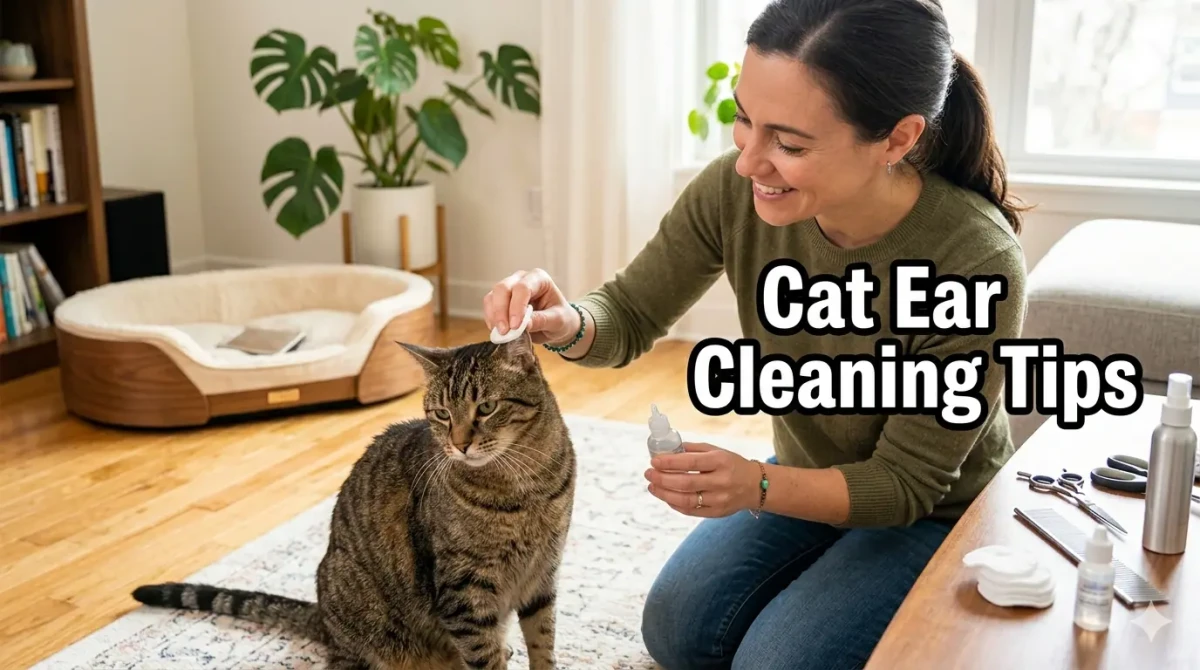
Understanding Cat Ear Health and the Importance of Regular Cleaning
Cat ear cleaning tips represent essential knowledge for responsible pet owners seeking to maintain their feline companion's ear health and prevent common problems like infections, mites, and wax buildup. A cat's ears are delicate structures that require proper care and attention, as they can accumulate wax, debris, and moisture that create ideal environments for bacterial and yeast infections. Understanding when and how to clean your cat's ears safely helps prevent discomfort, hearing problems, and costly veterinary treatments while strengthening the bond between you and your cat through gentle, positive handling.
The feline ear consists of three main parts: the outer ear (pinna), the ear canal, and the inner ear structures. While cats are generally good at self-grooming, they cannot effectively clean the inner portions of their ear canals, making occasional human assistance necessary for optimal ear health. Regular ear cleaning removes excess wax, prevents debris accumulation, and allows early detection of problems like ear mites, infections, or foreign objects that require veterinary attention.
This comprehensive guide covers everything you need to know about cleaning your cat's ears safely and effectively, from understanding normal ear anatomy and recognizing warning signs to selecting appropriate cleaning solutions and implementing stress-free cleaning techniques. Whether you have a kitten learning to accept ear care or an adult cat requiring regular maintenance, these expert strategies will help you maintain your cat's ear health while making the experience as comfortable as possible for both of you.
Why Regular Ear Cleaning Matters for Cat Health
Regular ear cleaning plays a crucial role in maintaining your cat's overall health and comfort. Clean ears prevent the buildup of wax, debris, and moisture that can lead to painful infections, unpleasant odors, and potential hearing damage. By establishing a regular ear cleaning routine, you not only maintain ear health but also create opportunities to detect problems early when they're most treatable.
The consequences of neglected ear care extend beyond simple discomfort. Untreated ear infections can spread to the middle and inner ear, potentially causing balance problems, head tilting, and even permanent hearing loss. Severe infections can become systemic, affecting your cat's overall health and requiring extensive veterinary treatment. Regular cleaning prevents these serious complications by maintaining a clean, healthy ear environment.
Beyond health benefits, regular ear cleaning helps you become familiar with what's normal for your cat's ears. This familiarity makes it easier to detect subtle changes that might indicate health problems, such as increased wax production, redness, swelling, or unusual odors. Early detection through regular inspection and cleaning can save your cat from unnecessary suffering and you from expensive emergency veterinary care.
What Are the Signs Your Cat's Ears Need Cleaning?
Recognizing when your cat's ears need cleaning helps you maintain optimal ear health without over-cleaning, which can irritate sensitive ear tissues. Understanding the signs of ear issues enables timely intervention before minor problems become serious infections.
Visible wax buildup appears as brown, yellow, or black debris in the ear canal. While some wax is normal, excessive accumulation that's visible when you gently fold back the ear flap indicates cleaning is needed. Healthy cat ears should have minimal visible wax and appear clean and pink inside.
Unusual odors emanating from the ears often indicate bacterial or yeast infections that require attention. While healthy cat ears have little to no odor, foul, yeasty, or unusually strong smells suggest infection or excessive wax buildup requiring cleaning and possibly veterinary evaluation.
Behavioral changes including frequent head shaking, ear scratching, head tilting, or sensitivity when the ears are touched indicate ear discomfort that may require cleaning or veterinary attention. Cats with ear problems may also rub their ears against furniture or the floor, or become irritable when their head or ears are handled.
Essential Supplies for Safe Cat Ear Cleaning

Having the right supplies is fundamental to safe and effective cat ear cleaning. Using inappropriate products or tools can damage your cat's sensitive ear tissues, cause pain, or fail to clean effectively. Investing in quality, cat-specific supplies ensures the cleaning process is both safe and successful.
Veterinary-approved ear cleaning solutions are specifically formulated for cats' sensitive ear tissues and pH balance. These solutions effectively break down wax and debris while being gentle enough for regular use. Never use human ear cleaners, hydrogen peroxide, alcohol, or vinegar-based solutions, as these can irritate or damage your cat's delicate ear tissues.
Cotton balls or gauze pads are essential for applying cleaning solution and wiping away debris. Never use cotton swabs or Q-tips inside the ear canal, as these can push debris deeper, damage the eardrum, or cause injury. Cotton balls allow you to clean visible areas safely without risking injury to deeper structures.
Treats and positive reinforcement items help create positive associations with ear cleaning, making future sessions easier. Having your cat's favorite treats ready allows you to reward calm behavior and create a stress-free experience that your cat will tolerate more willingly over time.
Which Ear Cleaning Solutions Are Safe for Cats?
Selecting the appropriate ear cleaning solution is critical for your cat's safety and comfort. The right solution effectively cleans without causing irritation, maintains proper ear pH, and addresses your cat's specific needs.
Veterinary-recommended ear cleaners contain gentle ingredients like salicylic acid, lactic acid, or enzymatic cleaners that break down wax and debris without irritating sensitive tissues. These solutions are pH-balanced for cats and often contain drying agents that help prevent moisture buildup that can lead to infections.
Medicated ear cleaners may be necessary for cats with recurrent infections, ear mites, or specific conditions. These contain ingredients like chlorhexidine, ketoconazole, or other antimicrobial agents that treat underlying conditions while cleaning. Always use medicated cleaners under veterinary guidance, as inappropriate use can disrupt normal ear flora or cause resistance.
Avoid solutions containing alcohol, hydrogen peroxide, or harsh chemicals, as these can cause significant irritation, pain, and tissue damage. Never use human ear cleaning products, as they're formulated for different ear anatomy and pH levels that don't match your cat's needs.
What Tools Should You Avoid When Cleaning Cat Ears?
Certain tools and products can cause serious harm when used for cat ear cleaning. Understanding what to avoid prevents injury and ensures the cleaning process is safe and effective.
Cotton swabs, Q-tips, and similar pointed objects should never be inserted into a cat's ear canal. These tools can push debris deeper into the ear, damage the delicate eardrum, or cause injury to the ear canal walls. They can also cause pain that makes your cat resistant to future ear care.
Sharp objects, tweezers, or forceps should never be used to remove debris from your cat's ears. These can cause serious injury to delicate ear tissues and should only be used by veterinary professionals when necessary.
Homemade solutions using vinegar, alcohol, hydrogen peroxide, or essential oils can cause severe irritation, chemical burns, or toxicity. These substances are too harsh for cats' sensitive ear tissues and can cause more harm than good. Always use products specifically formulated and tested for feline ear care.
Step-by-Step Guide to Cleaning Your Cat's Ears

Proper technique is essential for safe and effective cat ear cleaning. Following a systematic approach minimizes stress for your cat, ensures thorough cleaning, and prevents injury to sensitive ear structures. Practice patience and gentleness throughout the process to create positive experiences that make future cleanings easier.
Begin by choosing a quiet, comfortable location where your cat feels secure. Have all supplies ready before you begin, including ear cleaning solution, cotton balls or gauze, and treats. Position your cat comfortably on your lap or a stable surface where you can work without straining.
Gently fold back your cat's ear flap to expose the ear canal. Be gentle but firm, as sudden movements can startle your cat. Apply the ear cleaning solution according to package directions, typically 2-3 drops or enough to fill the ear canal. Avoid touching the ear canal with the bottle tip to prevent contamination.
Gently massage the base of the ear for 20-30 seconds. You should hear a squishing sound as the solution breaks down wax and debris. This massage helps the solution penetrate deeply and loosen accumulated debris. Your cat may shake their head after this step, which is normal and helps bring debris to the surface.
Use cotton balls or gauze to gently wipe away loosened debris from the visible portions of the ear canal and ear flap. Wipe in a gentle, outward motion, never pushing debris deeper into the ear. Use fresh cotton balls as needed until they come away clean. Never insert anything deep into the ear canal.
Reward your cat with treats and praise throughout and after the cleaning process. This positive reinforcement helps create positive associations with ear cleaning, making future sessions easier and less stressful for both of you.
How Do You Restrain a Cat Safely for Ear Cleaning?
Proper restraint ensures both your safety and your cat's comfort during ear cleaning. Gentle, confident restraint prevents injury and reduces stress, making the experience more tolerable for your cat.
For most cats, wrapping them snugly in a towel (often called a "purrito" method) provides security and prevents scratching while allowing access to the ears. Leave only the head exposed while keeping the body securely wrapped. This method works well for cats who are anxious or prone to scratching.
For cooperative cats, having them sit on your lap facing away from you allows you to gently hold them between your legs while accessing the ears. Use one arm to gently secure their body while using your other hand to clean the ears. This position provides control while maintaining a comforting presence.
Never use excessive force or restraint that causes distress. If your cat becomes extremely stressed or aggressive, stop and try again later or seek assistance from another person or a veterinary professional. Forcing the process can create negative associations that make future cleanings more difficult.
What If Your Cat Resists Ear Cleaning?
Cat resistance to ear cleaning is common, especially if they've had negative experiences or find the sensation uncomfortable. Understanding how to manage resistance helps you complete necessary cleaning while maintaining your cat's trust.
Break the cleaning process into smaller, manageable steps spread over multiple sessions. Start by simply touching your cat's ears and rewarding calm behavior. Progress to lifting the ear flap, then applying solution, then wiping, rewarding at each step. This gradual desensitization builds tolerance over time.
Use high-value treats that your cat receives only during ear cleaning to create positive associations. The special nature of these rewards can motivate even reluctant cats to tolerate the process. Choose treats your cat finds irresistible and use them generously during and after cleaning.
Consider enlisting a helper to gently hold and distract your cat while you clean. Sometimes having a familiar person provide comfort and treats while you focus on cleaning makes the process smoother for everyone involved.
If resistance is severe or your cat becomes aggressive, consult your veterinarian. They can demonstrate proper technique, recommend calming products, or in some cases, perform the cleaning themselves or prescribe medication to make future cleanings easier.
How Often Should You Clean Your Cat's Ears?

Establishing an appropriate cleaning frequency balances maintaining ear health with avoiding over-cleaning that can irritate sensitive tissues. The right frequency depends on your cat's individual needs, breed, health status, and lifestyle.
Most healthy cats with normal ears require cleaning every 2-4 weeks or as needed based on visible wax buildup. Some cats naturally produce more wax than others and may need more frequent cleaning, while others may need cleaning only occasionally. Regular inspection helps you determine the right schedule for your individual cat.
Cats with recurrent ear infections, ear mites, or underlying conditions like allergies may require more frequent cleaning as directed by your veterinarian. In these cases, your vet may recommend cleaning several times weekly or even daily during treatment periods, then less frequently for maintenance.
Certain breeds with narrow ear canals or excessive hair growth in the ears, such as Persians or Himalayans, may require more frequent cleaning to prevent wax buildup and infections. Similarly, cats who spend time outdoors or swim frequently may need more regular ear care to remove debris and moisture.
When Should You Consult a Veterinarian About Ear Cleaning?
While routine ear cleaning is a normal part of cat care, certain situations require veterinary attention rather than home cleaning. Recognizing when professional help is needed prevents complications and ensures your cat receives appropriate treatment.
Signs of infection including redness, swelling, discharge, foul odor, or pain when the ears are touched require veterinary evaluation before cleaning. Attempting to clean infected ears can cause pain and may push infection deeper. Your veterinarian needs to examine the ears, diagnose the underlying cause, and prescribe appropriate treatment.
Suspected ear mites, characterized by dark, coffee-ground-like debris, intense itching, and head shaking, require veterinary diagnosis and treatment. While cleaning can help remove debris, ear mites require specific medication to eliminate the parasites. Your veterinarian can confirm the diagnosis and prescribe appropriate treatment.
If your cat shows signs of ear pain, head tilting, loss of balance, or hearing changes, seek immediate veterinary attention. These symptoms may indicate middle or inner ear problems that require professional treatment rather than home cleaning.
Foreign objects in the ear, excessive bleeding, or any injury to the ear requires immediate veterinary care. Never attempt to remove foreign objects yourself, as this can cause serious injury.
Common Ear Problems in Cats and Prevention

Understanding common ear problems helps you recognize early warning signs and implement preventive measures that maintain your cat's ear health. Prevention through regular cleaning and inspection is far easier than treating established problems.
Ear mites are highly contagious parasites that cause intense itching, dark discharge, and head shaking. Regular ear cleaning helps detect mites early and removes debris that mites feed on. Keeping your cat indoors and avoiding contact with infested animals prevents mite transmission.
Bacterial and yeast infections cause redness, swelling, odor, and discharge. Regular cleaning removes the wax and debris that provide food for these organisms, while keeping ears dry prevents the moist environment they thrive in. Prompt treatment of allergies and underlying conditions prevents recurrent infections.
Wax buildup, while normal in small amounts, can become excessive and lead to infections if not regularly cleaned. Regular inspection and cleaning prevent problematic buildup while allowing you to monitor what's normal for your cat.
Foreign objects like grass seeds or small debris can become lodged in the ear canal, causing irritation and infection. Regular cleaning helps detect and remove foreign objects before they cause serious problems, though deeply embedded objects require veterinary removal.
How Do You Prevent Ear Infections in Cats?
Preventing ear infections requires a combination of regular cleaning, environmental management, and attention to underlying health conditions. Implementing preventive strategies reduces the frequency and severity of ear problems.
Regular ear cleaning removes the wax, debris, and moisture that create ideal environments for bacterial and yeast growth. Establish a cleaning schedule appropriate for your cat's needs and stick to it consistently, even when ears appear healthy.
Keep ears dry after bathing or swimming by gently drying the outer ear with a soft towel. Never insert anything into the ear canal to dry it. Moisture trapped in the ear canal promotes bacterial and yeast growth that leads to infection.
Manage underlying conditions like allergies, which can cause inflammation and increased wax production that predisposes cats to ear infections. Work with your veterinarian to identify and manage allergies through diet, medication, or environmental modifications.
Maintain overall health through proper nutrition, regular veterinary care, and parasite prevention. Healthy cats with strong immune systems are better able to resist ear infections and recover more quickly if infections do occur.
What Are the Signs of Serious Ear Problems?
Recognizing serious ear problems enables prompt veterinary intervention that prevents complications and preserves your cat's hearing and comfort. Some symptoms indicate conditions that require immediate professional attention.
Severe pain, indicated by vocalization, aggression when ears are touched, or reluctance to be handled, suggests serious infection or injury requiring immediate veterinary care. Pain is your cat's way of communicating that something is seriously wrong.
Head tilting, loss of balance, circling, or nystagmus (rapid eye movements) indicate middle or inner ear involvement that requires urgent veterinary attention. These symptoms suggest infection has spread beyond the outer ear and may affect balance and hearing.
Excessive bleeding, swelling, or visible injury to the ear requires immediate veterinary care. These symptoms may indicate trauma, severe infection, or other conditions requiring professional treatment.
Sudden hearing loss or significant changes in hearing ability warrant veterinary evaluation to determine the cause and appropriate treatment. Early intervention may preserve remaining hearing and address underlying causes.
Frequently Asked Questions About Cat Ear Cleaning

Can I Use Human Ear Cleaning Products on My Cat?
Never use human ear cleaning products on cats, as they're formulated for different ear anatomy, pH levels, and sensitivity. Human products can cause severe irritation, pain, and tissue damage in cats. Always use products specifically formulated and tested for feline ear care.
Cats have more sensitive ear tissues and different pH balance than humans, requiring gentler, specially formulated solutions. What's safe for human ears can be harmful to cats. When in doubt, consult your veterinarian for product recommendations appropriate for your cat's specific needs.
How Do I Know If My Cat Has Ear Mites?
Ear mites cause characteristic symptoms including intense itching, frequent head shaking, and dark, coffee-ground-like debris in the ears. Cats with ear mites often scratch their ears excessively and may develop scabs or sores around the ears from scratching.
However, only a veterinarian can definitively diagnose ear mites by examining ear debris under a microscope. Other conditions like yeast infections can cause similar symptoms. If you suspect ear mites, consult your veterinarian for proper diagnosis and treatment rather than attempting home treatment.
Is It Normal for Cats to Have Ear Wax?
Yes, it's normal for cats to have some ear wax, which appears as light brown or tan debris in small amounts. Healthy cat ears should have minimal visible wax, appear clean and pink inside, and have little to no odor.
However, excessive wax buildup, dark or black debris, or wax accompanied by odor, redness, or behavioral changes indicates a problem requiring attention. Regular cleaning removes normal wax buildup before it becomes excessive, while allowing you to monitor what's normal for your individual cat.
Conclusion

Proper cat ear cleaning is an essential aspect of responsible pet ownership that maintains your cat's comfort, health, and quality of life. By understanding proper techniques, using appropriate products, and establishing a regular cleaning routine, you can prevent common ear problems while strengthening the bond with your cat through gentle, positive handling.
Remember that every cat is unique, with individual tolerance levels and ear care needs. Patience, consistency, and positive reinforcement make ear cleaning a manageable part of your cat's care routine. When in doubt about your cat's ear health or cleaning technique, consult your veterinarian for guidance tailored to your cat's specific needs.
Your commitment to regular ear care demonstrates your dedication to your cat's wellbeing and helps ensure many years of comfortable, healthy life together. With the knowledge and strategies provided in this guide, you can confidently maintain your cat's ear health while making the experience as stress-free as possible for both of you.

0 Comments