.png)
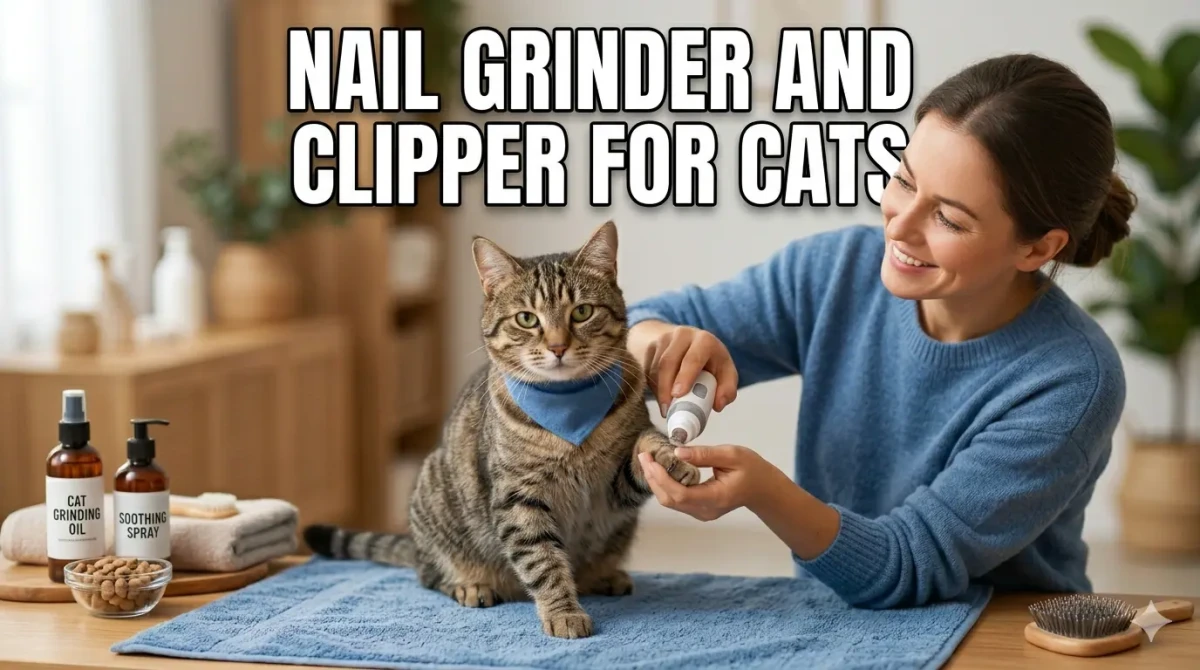
Introduction to Cat Nail Care Tools
Choosing between a nail grinder and clipper for cats is one of the most common questions pet parents face when establishing a grooming routine. Both tools serve the essential purpose of maintaining your feline friend nail health, but they differ significantly in operation, safety profile, and suitability for different cats and situations.
Regular nail maintenance is crucial for cat health and household harmony. Overgrown nails can curl into paw pads causing pain and infection, snag on fabrics leading to injury, and cause accidental scratches during play or affection. Understanding the differences between nail grinders and clippers empowers you to select the right tool for your cat temperament, your comfort level, and your grooming goals.
This comprehensive guide examines nail grinder and clipper for cats options in detail, comparing safety, effectiveness, ease of use, noise levels, and cost. We will explore proper techniques for both tools, address common concerns about stress and injury, and provide expert recommendations to help you make an informed decision that supports your cat wellbeing and your grooming success.
Why Regular Nail Trimming Matters for Cats
Many cat owners wonder whether nail trimming is truly necessary, especially for indoor cats with scratching posts. Understanding the health and behavioral benefits of regular nail maintenance helps motivate consistent care and prevents common problems.
What are the benefits of trimming cat nails regularly?
Regular nail trimming prevents overgrowth that can cause nails to curl into paw pads, leading to pain, infection, and difficulty walking. This is especially important for senior cats, less active cats, or those with limited access to appropriate scratching surfaces. Maintaining proper nail length supports comfortable movement and natural posture.
Trimming reduces damage to household items like furniture, carpets, and curtains. While scratching is a natural feline behavior for marking territory and maintaining nail health, keeping nails at appropriate length minimizes destructive potential while still allowing your cat to engage in this important activity on approved surfaces.
Regular handling during nail care builds trust and desensitizes cats to paw manipulation, which proves valuable during veterinary exams, medication administration, and emergency care. Cats accustomed to having their paws handled experience less stress during necessary medical procedures.
For multi-cat households or families with children, trimmed nails reduce the severity of accidental scratches during play or handling. This promotes safer interactions while preserving the joyful bond between cats and their human companions.
Understanding Cat Nail Anatomy

Before using any nail trimming tool, understanding feline nail structure is essential for safe, effective grooming that avoids injury and pain.
What is the quick in cat nails and why does it matter?
The quick is the living tissue inside the nail containing blood vessels and nerves. In cats with light-colored nails, the quick appears as a pinkish area visible through the translucent nail. In dark nails, the quick is not visible, requiring extra caution during trimming.
Cutting into the quick causes pain, bleeding, and can create lasting fear of nail care. Both grinders and clippers require avoiding the quick, but they approach this challenge differently. Clippers remove nail in discrete cuts requiring precise positioning, while grinders gradually file nail allowing more controlled removal with visual feedback.
Cat nails are retractable, meaning the claw extends only when needed for climbing, hunting, or defense. During grooming, gently pressing the paw pad extends the nail for access. Understanding this mechanism helps you handle paws confidently and minimize stress during trimming sessions.
Nail Clippers for Cats: Types and Features

Cat nail clippers come in several designs, each with distinct advantages and considerations. Understanding these options helps you select clippers that match your cat needs and your grooming style.
What types of cat nail clippers are available?
Guillotine-style clippers feature a hole where the nail is inserted and a blade that slides across to cut. These work well for small to medium nails and provide good visibility of the cutting area. However, they require sharp blades and proper technique to avoid crushing rather than cleanly cutting the nail.
Scissor-style clippers resemble small scissors with curved, sharp blades designed specifically for pet nails. These offer excellent control and leverage, making them popular among professional groomers and experienced pet parents. They work well for cats with thicker nails or those who resist grooming.
Human nail clippers are sometimes used for cats, particularly small breeds or kittens. While convenient, they are not ideal as they can crush rather than cleanly cut cat nails, potentially causing splintering or discomfort. Dedicated pet clippers are generally recommended for safety and effectiveness.
Plier-style clippers combine features of guillotine and scissor designs, offering strong cutting power with good visibility. These work well for cats with thick or hard nails but may be bulky for small paws or nervous cats.
Nail Grinders for Cats: Technology and Benefits

Electric nail grinders use rotating abrasive surfaces to gradually file nails smooth rather than cutting them. This technology offers unique advantages for certain cats and grooming situations.
How do cat nail grinders work and what are their advantages?
Nail grinders use a motorized rotating head covered with abrasive material to gently file nail surfaces. The gradual removal process allows precise control over nail length and shape, reducing the risk of cutting too short or hitting the quick.
Grinders produce smooth nail edges that are less likely to snag fabrics or cause accidental scratches. Unlike clippers that can leave sharp edges requiring additional filing, grinders complete the smoothing process in one step.
Many modern grinders feature variable speed settings, allowing you to start slowly for anxious cats and increase speed as your pet becomes comfortable. Quiet motors and vibration-dampening designs minimize stress for noise-sensitive felines.
Grinders work well for cats with dark nails where the quick is not visible, as the gradual filing process allows frequent inspection and reduces the chance of accidental injury. They also excel at rounding and shaping nails after initial trimming with clippers.
Comparing Safety: Grinder versus Clipper for Cats

Safety is the paramount concern when selecting nail care tools. Both grinders and clippers can be used safely with proper technique, but they present different risk profiles.
Which tool is safer for trimming cat nails?
Clippers carry a higher risk of cutting the quick if used improperly, as they remove nail material in a single motion. This risk increases with dark nails, uncooperative cats, or inexperienced handlers. However, with proper technique and good lighting, clippers can be used very safely.
Grinders offer more margin for error because they remove nail gradually, allowing frequent stops to assess progress. The filing action is less likely to cause sudden injury if the cat moves unexpectedly. However, grinders generate heat through friction, requiring brief application periods to avoid discomfort.
Both tools require proper restraint techniques and understanding of cat body language to prevent stress-related injuries. A calm, well-restrained cat is safer to groom regardless of tool choice. For anxious cats, gradual desensitization to handling and tools is more important than the specific implement used.
Ease of Use and Learning Curve

The practicality of nail care depends heavily on how easy the tool is to use, especially for pet parents new to cat grooming.
Which tool is easier for beginners to use?
Clippers generally have a shorter learning curve for basic use. The cutting action is intuitive, and results are immediately visible. However, mastering the technique to avoid the quick and achieve clean cuts requires practice and confidence.
Grinders require understanding of speed settings, pressure application, and heat management. The gradual process may feel less decisive to beginners, but it offers more forgiveness for small errors. Many pet parents find grinders easier to use once they overcome initial hesitation about the noise and vibration.
Both tools benefit from practice on cooperative cats or even on your own fingernails to develop technique. Watching tutorial videos, reading manufacturer instructions, and starting with short, positive sessions builds competence and confidence regardless of tool choice.
Noise and Stress Considerations for Cats

Cat temperament and sensitivity to sensory stimuli significantly impact grooming success. Understanding how different tools affect cat stress levels helps you choose appropriately.
How do grinders and clippers affect cat stress levels?
Clippers operate silently, which benefits noise-sensitive cats. However, the sudden pressure and snapping sensation of cutting can startle some cats, particularly if they have had negative experiences. The need for firm restraint during cutting may also increase anxiety.
Grinders produce motor noise and vibration that can frighten cats unfamiliar with the sensation. However, modern quiet grinders with low vibration designs minimize this issue. Once cats acclimate to the sound, the gentle filing sensation is often better tolerated than the abrupt pressure of clippers.
Regardless of tool choice, gradual desensitization is key to reducing stress. Introduce tools without using them, reward calm behavior, and keep early sessions very short. Pair grooming with treats, praise, and positive experiences to build cooperative attitudes toward nail care.
Cost and Long Term Value Comparison

Budget considerations influence tool selection, but evaluating long-term value provides a more complete picture than initial price alone.
Which option provides better value for cat nail care?
Basic cat nail clippers typically cost between five and twenty dollars, making them an affordable entry point for nail care. Quality clippers with sharp, durable blades can last years with proper maintenance, offering excellent long-term value.
Nail grinders range from twenty to sixty dollars for pet-specific models. While the initial investment is higher, grinders often include multiple grinding heads, speed settings, and features that support long-term use. Replacement grinding heads are inexpensive and extend tool life.
Consider your cat long-term needs when evaluating cost. Cats requiring frequent nail maintenance, those with thick or fast-growing nails, or multi-cat households may benefit from the efficiency and versatility of a quality grinder. Single-cat households with cooperative pets may find clippers perfectly adequate and economical.
Technique Guides for Both Tools

Proper technique is essential for safe, effective nail care regardless of tool choice. Step-by-step guidance helps you groom confidently and comfortably.
How do you use nail clippers on cats safely?
Begin by choosing a calm time when your cat is relaxed, perhaps after a meal or play session. Gather your clippers, styptic powder for accidental bleeding, and high-value treats. Position your cat comfortably on your lap or a stable surface with good lighting.
Gently press the paw pad to extend the nail. Identify the quick in light-colored nails, appearing as a pink area within the translucent nail. For dark nails, trim only the sharp hook at the tip, removing no more than one to two millimeters at a time.
Position clippers perpendicular to the nail, avoiding side-to-side cutting that can cause splintering. Make a clean, confident cut in one motion. Reward your cat immediately after each nail or paw to build positive associations.
If you accidentally cut the quick, apply styptic powder with gentle pressure to stop bleeding. Remain calm to avoid alarming your cat. Most minor quick cuts stop bleeding within a minute and heal quickly with minimal discomfort.
How do you use a nail grinder on cats effectively?
Acclimate your cat to the grinder before using it on nails. Turn it on at the lowest speed away from your cat, rewarding calm behavior. Gradually bring the running grinder closer, allowing your cat to investigate the sound and vibration without pressure.
When ready to groom, extend the nail by gently pressing the paw pad. Hold the grinder at a forty-five degree angle to the nail tip. Apply the grinding surface lightly to the nail for two to three seconds, then pause to check progress and allow heat dissipation.
Work in short bursts, frequently inspecting the nail to avoid approaching the quick. For dark nails, grind from the sides and tip rather than the top where the quick extends farther. Smooth the nail surface with light passes rather than aggressive grinding.
Keep sessions brief, focusing on one or two paws initially. Reward generously throughout and after grooming. If your cat shows stress, stop and try again later. Building positive experiences is more important than completing all nails in one session.
Special Considerations for Different Cat Types

Not all cats have the same grooming needs. Age, health status, temperament, and nail characteristics influence tool selection and technique.
How do you choose tools for senior cats or cats with health issues?
Senior cats often have thicker, more brittle nails that may require sharper clippers or grinders with adequate power. Arthritis or joint pain may make positioning difficult, favoring tools that allow comfortable handling angles.
Cats with diabetes, bleeding disorders, or on blood-thinning medications require extra caution to avoid quick injuries. Grinders may offer safer gradual removal for these cats, though consultation with your veterinarian is recommended before beginning any grooming routine.
Overweight or less flexible cats may benefit from tools that allow grooming in comfortable positions. Consider your cat mobility and comfort when selecting tools and planning grooming sessions.
What about anxious or aggressive cats?
For highly anxious or resistant cats, the tool itself matters less than the approach. Start with desensitization to paw handling and tool presence before attempting actual trimming. Use high-value rewards, keep sessions extremely short, and consider wrapping cats in towels for gentle restraint if needed.
Some cats tolerate clippers better due to the quick, silent action. Others prefer grinders once acclimated to the sound, as the sensation is less abrupt. Trial both tools with positive reinforcement to determine your cat preference.
For cats who cannot tolerate home grooming, consult your veterinarian or a professional groomer experienced with difficult cats. They can provide trimming services and may offer behavior modification strategies or mild sedation options for severe cases.
Common Mistakes to Avoid

Even well-intentioned pet parents can make errors that cause discomfort or create negative associations with nail care. Avoiding these pitfalls supports successful grooming experiences.
What mistakes should you avoid when trimming cat nails?
Cutting too short and hitting the quick is the most common error, causing pain and bleeding that can create lasting fear of grooming. Always trim conservatively, removing small amounts frequently rather than large amounts infrequently. When in doubt, trim less.
Using dull clippers crushes rather than cleanly cuts nails, causing discomfort and potential splintering. Replace or sharpen clippers regularly. For grinders, replace worn grinding heads to maintain effectiveness and reduce heat generation.
Rushing the process or forcing a resistant cat creates negative associations that make future sessions more difficult. If your cat becomes stressed, pause and try again later. Short, positive sessions build cooperation more effectively than marathon grooming attempts.
Neglecting regular maintenance leads to overgrown nails that are more challenging and stressful to trim. Establish a consistent schedule, typically every two to four weeks, to keep nails at manageable length and maintain your cat comfort with handling.
Maintenance and Care of Your Tools

Proper tool maintenance ensures safety, effectiveness, and longevity of your nail care equipment.
How do you maintain nail clippers and grinders?
Keep clippers clean by wiping blades with alcohol after each use to remove nail debris and prevent bacterial growth. Store in a dry location to prevent rust. Sharpen blades when cutting becomes difficult or nails appear crushed rather than cleanly cut.
For grinders, regularly remove accumulated nail dust from the motor housing and grinding head. Replace grinding heads when they become smooth or less effective. Check batteries or cords for wear and replace as needed to maintain consistent performance.
Store all tools in a dedicated grooming kit away from moisture and extreme temperatures. Keep styptic powder, treats, and other grooming supplies together for convenient access during nail care sessions.
Frequently Asked Questions

Can I use human nail clippers on my cat?
While human nail clippers can physically cut cat nails, they are not ideal for several reasons. Human clippers are designed for flat nails and may crush rather than cleanly cut the curved structure of cat claws, potentially causing splintering or discomfort. Additionally, human clippers lack the leverage and blade angle optimized for pet nail anatomy. Dedicated cat nail clippers are inexpensive and designed specifically for safe, effective feline nail care, making them the recommended choice.
How often should I trim my cat nails?
Most cats benefit from nail trimming every two to four weeks, though individual needs vary based on age, activity level, scratching habits, and nail growth rate. Indoor cats with limited access to abrasive surfaces typically need more frequent trimming than outdoor cats. Monitor your cat nails regularly and trim when you notice sharp tips, clicking on hard floors, or nails beginning to curl. Establishing a consistent schedule helps maintain nail health and keeps your cat accustomed to handling.
What if my cat absolutely refuses nail trimming?
For cats who strongly resist nail care, focus first on desensitization and positive association rather than forcing the procedure. Practice handling paws without trimming, rewarding calm behavior with high-value treats. Introduce tools gradually without using them. Consider trimming just one nail per session, or even just touching the tool to the nail. For cats who cannot tolerate home grooming, consult your veterinarian about professional trimming services, behavior modification strategies, or in severe cases, mild sedation options for necessary procedures.
Do I need to trim both front and back nails?
Front nails typically require more frequent trimming than back nails because cats use their front claws more actively for scratching, climbing, and hunting behaviors. Back nails often wear down naturally through activity. However, all nails should be checked regularly and trimmed if overgrown, curled, or causing discomfort. Some cats benefit from trimming all nails, while others need attention only to front claws. Assess each nail individually and trim as needed.
Is it better to trim nails before or after bathing?
Trimming nails before bathing is generally recommended because wet nails are softer and more prone to splitting or tearing during cutting. Additionally, cats are often more relaxed after bathing, making post-bath trimming potentially more stressful. However, some cats find bathing highly stressful, so schedule grooming tasks based on your individual cat temperament and routine. The most important factor is choosing a time when your cat is calm and receptive to handling.
Can I file cat nails instead of cutting them?
Filing cat nails with an emery board or human nail file is possible but generally impractical for routine care. The process is time-consuming and most cats lack the patience for extended filing sessions. Additionally, filing alone may not effectively shorten overgrown nails. However, filing can be useful for smoothing rough edges after clipping or for cats who tolerate gentle filing better than cutting. Electric grinders combine the benefits of filing with greater efficiency and are often a better option than manual filing.
Conclusion

Choosing between a nail grinder and clipper for cats depends on your cat unique temperament, your comfort level with grooming tools, and your specific grooming goals. Both options can provide safe, effective nail care when used with proper technique and positive reinforcement.
Clippers offer simplicity, silence, and affordability, making them excellent for cooperative cats and pet parents who prefer straightforward tools. Grinders provide gradual, controlled nail removal with smooth results, benefiting cats with dark nails, anxious temperaments, or those requiring frequent maintenance.
Regardless of tool choice, success depends on patience, consistency, and positive associations. Start slowly, reward generously, and prioritize your cat comfort over completing the task quickly. With time and practice, nail care can become a manageable, even bonding experience that supports your cat health and your household harmony.
When in doubt, consult your veterinarian or a professional groomer for personalized recommendations and technique guidance. They can help you select appropriate tools, demonstrate proper methods, and address any concerns about your cat specific needs. Your commitment to learning and applying proper nail care techniques demonstrates the love and responsibility that defines exceptional pet parenting.

0 Comments