.png)
Quick Summary and Direct Answer
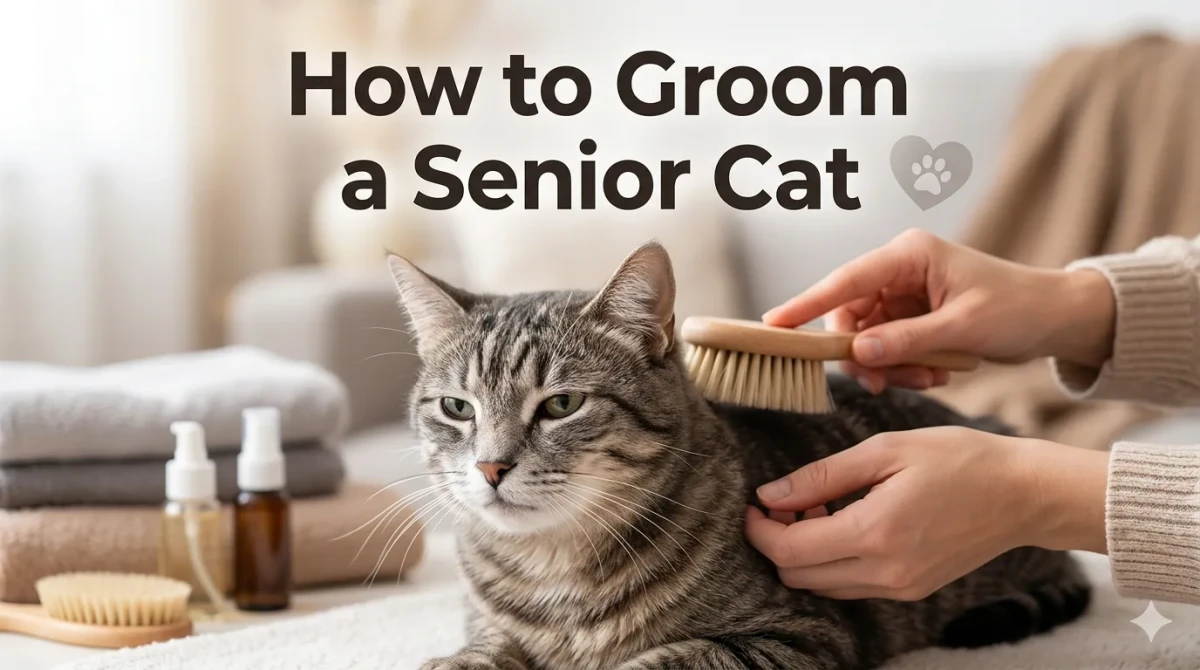
Grooming a senior cat requires gentle techniques, specialized tools, and patience to accommodate age related changes like arthritis, thinning skin, and reduced flexibility. Most senior cats benefit from short five to ten minute grooming sessions two to three times weekly rather than infrequent lengthy sessions. This guide provides vet aligned recommendations, precise grooming schedules, and step by step protocols adapted for elderly felines. You will learn how to select arthritis friendly tools, compare budget versus premium options, monitor health during grooming, and implement stress reduction strategies. All suggestions follow widely accepted veterinary geriatric care standards and prioritize comfort over cosmetic perfection. Always consult your veterinarian before beginning new grooming routines, especially if your senior cat has diagnosed mobility issues, skin conditions, or cognitive changes.
Featured Answer for Senior Cat Grooming Success
Groom senior cats using soft bristle brushes or grooming gloves in five to ten minute sessions two to three times weekly. Focus on gentle strokes avoiding sensitive joints, use warm towels instead of baths when possible, and trim nails only when your cat is relaxed. Monitor skin condition, coat texture, and behavior changes during each session, scheduling veterinary evaluation for any lumps, sores, or sudden grooming resistance that may indicate pain or illness.
Understanding Senior Cat Physiology and Grooming Needs
Cats enter their senior years around age eleven and experience physiological changes that directly impact grooming requirements and tolerance. Unlike younger cats that self groom efficiently, senior cats often struggle with flexibility, dental pain, or cognitive changes that reduce their ability to maintain coat health independently. Recognizing these age related shifts helps you provide supportive care that preserves dignity while preventing health complications.
Common senior cat changes include reduced joint mobility from arthritis, thinner skin that tears easily, decreased oil production causing dry coats, dental disease limiting self grooming, and cognitive decline affecting routine behaviors. These factors require adapted grooming approaches that prioritize comfort, safety, and health monitoring over aesthetic goals.
| Age Related Change | Grooming Impact | Adapted Technique | Frequency Recommendation |
|---|---|---|---|
| Arthritis and Joint Stiffness | Difficulty reaching back, hips, and hindquarters | Focus on accessible areas, use elevated surfaces, avoid forced positioning | Short sessions two to three times weekly |
| Thinning Skin and Fragile Tissue | Increased risk of tears or irritation from aggressive brushing | Use soft bristle brushes or grooming gloves, avoid metal combs | Gentle strokes, check skin daily during grooming |
| Dry Coat and Reduced Oil Production | Dull fur, increased matting, skin flakiness | Limit bathing, use moisturizing sprays, brush to distribute natural oils | Brush two to three times weekly, bathe only if medically necessary |
| Cognitive Changes or Confusion | Resistance to routine, anxiety during handling | Maintain consistent timing, use calming pheromones, keep sessions brief | Same time daily, five minute maximum sessions initially |
These guidelines serve as foundational recommendations rather than strict prescriptions. Individual senior cats may show unique preferences or sensitivities requiring personalized adjustments. Monitor your cat's comfort level during each session and adapt techniques based on real time responses rather than predetermined schedules. Document changes in coat condition, skin health, or behavior to provide valuable information during veterinary checkups.
Step by Step Guide to Gentle Senior Cat Grooming

Consistency and gentleness ensure grooming remains a positive experience that supports health rather than causing stress. Follow this exact workflow to maximize comfort while maintaining coat and skin health. Each step prioritizes your senior cat's physical limitations and emotional well being.
Pre Grooming Preparation and Environment Setup
- Choose a quiet, warm room away from household noise and other pets to minimize stress triggers that can overwhelm senior cats with reduced sensory filtering.
- Place a non slip mat or soft towel on your grooming surface to provide secure footing that reduces anxiety for cats with balance issues or vision changes.
- Gather all tools within arm reach before beginning to avoid leaving your cat unattended or creating interruptions that break trust during sensitive handling.
- Warm your hands by rubbing them together or holding a warm towel for thirty seconds before touching your cat, as cold hands can startle senior cats with heightened sensitivity.
- Apply feline calming pheromone spray to the grooming area fifteen minutes beforehand to create a reassuring environment that supports relaxation during handling.
- Have high value treats ready to reward calm behavior immediately, using tiny portions to avoid overfeeding while maintaining positive associations.
Store grooming tools in a dedicated container away from strong odors that might deter sensitive senior cats. Clean brushes and combs after each use with mild soap and warm water to prevent bacterial buildup that could irritate aging skin. Replace worn tools immediately when bristles become stiff or edges develop rough spots that could compromise fragile skin.
Featured Answer for Stress Reduction
Always groom senior cats in quiet, warm environments with non slip surfaces and all tools prepared beforehand. Keep sessions under ten minutes, use calming pheromones, and reward calm behavior with tiny treats. End sessions immediately if your cat shows stress signals like panting, trembling, or attempts to escape.
Essential Grooming Techniques Adapted for Senior Cats

Senior cats require modified techniques that accommodate physical limitations while achieving essential coat and skin maintenance. Implement these adapted methods to provide effective care without causing discomfort or injury.
Brushing and Coat Care Protocol
- Select soft bristle brushes, rubber grooming gloves, or wide tooth combs designed for sensitive skin rather than slicker brushes or fine metal combs that can irritate thinning skin.
- Begin brushing on your cat's preferred areas like cheeks or chin before gradually moving to less accessible regions, allowing your cat to acclimate to touch before addressing problem zones.
- Use gentle, short strokes following the direction of hair growth rather than vigorous back and forth motions that can pull fragile skin or cause discomfort in arthritic joints.
- Focus on distributing natural oils by brushing from head to tail in smooth motions, which helps moisturize dry coats without requiring bathing that stresses senior cats.
- Check for mats gently with fingertips before attempting removal, and use blunt tipped scissors to carefully trim mats close to skin only if brushing fails, avoiding pulling that causes pain.
- Limit full body brushing to five to ten minutes maximum per session, prioritizing high need areas like hindquarters where self grooming declines most significantly with age.
Monitor skin condition during each brushing session by parting fur gently to check for redness, sores, lumps, or parasites that senior cats may not groom away effectively. Document any changes and consult your veterinarian promptly for persistent abnormalities that could indicate underlying health issues requiring medical intervention.
Nail Trimming for Senior Cats with Limited Mobility
Senior cats often struggle to maintain nail health through scratching due to reduced mobility or arthritis pain. Regular trimming prevents overgrowth that can curl into paw pads causing infection and pain. Adapt your technique to accommodate your cat's comfort level.
- Trim nails only when your cat is relaxed, ideally after a meal or during a calm cuddle session rather than attempting grooming during active or anxious periods.
- Use cat specific nail clippers with safety guards to prevent over cutting, and trim only the clear hook tip avoiding the pink quick that contains blood vessels and nerves.
- Support your cat's paw gently but securely with one hand while trimming with the other, avoiding pressure on arthritic joints that could cause pain or resistance.
- Trim one or two nails per session initially, gradually increasing as tolerance builds, rather than attempting all nails at once which can overwhelm senior cats.
- Apply styptic powder immediately if bleeding occurs, holding gentle pressure for thirty seconds while reassuring your cat with calm voice tones and treats.
- Consider professional grooming or veterinary nail trims if home care causes significant stress, as forced handling can damage trust and worsen future cooperation.
Ear Cleaning and Dental Care Considerations
Senior cats benefit from gentle ear checks and dental monitoring during grooming sessions, though active cleaning should only occur under veterinary guidance. Implement these supportive practices to maintain health without causing distress.
- Check ears weekly by gently folding back the flap to look for excessive wax, redness, odor, or debris that may indicate infection requiring veterinary attention.
- Wipe visible outer ear dirt with a soft damp cloth only, never inserting cotton swabs or liquids into the ear canal which can cause injury or push debris deeper.
- Monitor dental health by observing breath odor, drooling, or difficulty eating during grooming sessions, scheduling veterinary dental evaluation for any concerning signs.
- Avoid attempting tooth brushing at home unless specifically trained by your veterinarian, as improper technique can cause pain or injury in senior cats with gum disease.
Featured Answer for Nail and Ear Care
Trim senior cat nails only when relaxed, using safety guarded clippers and removing just the clear hook tip. Check ears weekly for redness or odor but clean only visible outer areas with damp cloth. Consult your veterinarian for dental concerns rather than attempting home brushing without professional guidance.
Bathing Guidelines and Waterless Alternatives for Senior Cats

Bathing senior cats requires special consideration due to temperature sensitivity, stress vulnerability, and mobility limitations. Most senior cats benefit from waterless grooming methods that maintain hygiene without the risks of full immersion bathing.
When Bathing Is Medically Necessary
Only bathe senior cats when specifically recommended by a veterinarian for medical conditions like skin infections, severe matting, or contamination with toxic substances. Never bathe for cosmetic reasons alone, as the stress and physical demands often outweigh aesthetic benefits for elderly felines.
- Prepare a warm bathroom with ambient temperature seventy five to eighty degrees Fahrenheit to prevent chilling that senior cats struggle to regulate.
- Use a non slip mat in the sink or tub and fill with only two to three inches of lukewarm water to minimize drowning risk and provide secure footing.
- Select veterinary recommended hypoallergenic shampoo diluted according to instructions, avoiding human products that can disrupt sensitive skin pH balance.
- Work quickly but gently, lathering only necessary areas and rinsing thoroughly to prevent residue that can cause irritation or excessive licking.
- Dry your cat immediately with warm towels in a draft free room, using a low heat hair dryer only if your cat tolerates the noise and airflow without distress.
- Monitor closely for twenty four hours post bath for signs of chilling, stress, or skin reactions, contacting your veterinarian if concerns arise.
Waterless Grooming Alternatives for Routine Care
Waterless methods provide effective hygiene maintenance with significantly reduced stress for most senior cats. Incorporate these techniques into regular grooming routines to preserve coat health without bathing risks.
- Use veterinary approved grooming wipes to gently clean face, paws, and soiled areas between brushing sessions, selecting fragrance free formulas for sensitive skin.
- Apply moisturizing coat sprays containing natural oils like jojoba or vitamin E to combat dryness, spraying onto your hands first then stroking onto fur to avoid startling your cat.
- Utilize dry shampoo powders designed for cats by massaging small amounts into coat then brushing out, focusing on areas prone to oil buildup like the back and tail base.
- Wipe eyes gently with damp cotton pads to remove discharge that can accumulate due to reduced grooming efficiency in senior cats with arthritis or vision changes.
Tool Selection and Budget Versus Premium Comparison

Selecting appropriate grooming tools significantly impacts your senior cat's comfort and cooperation during care sessions. Understanding feature differences and price tiers helps you invest wisely in products that support gentle, effective grooming.
| Tool Category | Budget Option Cost | Premium Option Cost | Key Features for Seniors | Best Use Case |
|---|---|---|---|---|
| Brushes and Combs | Eight to fifteen dollars | Twenty to forty dollars | Soft rubber bristles, ergonomic handles, wide tooth spacing | Daily gentle brushing for dry coats and sensitive skin |
| Nail Clippers | Five to twelve dollars | Fifteen to thirty dollars | Safety guards, non slip grips, sharp stainless blades | Trimming overgrown nails without causing pain or injury |
| Grooming Wipes and Sprays | Ten to twenty dollars monthly | Twenty five to forty five dollars monthly | Hypoallergenic formulas, moisturizing ingredients, fragrance free | Waterless cleaning between brushing sessions for hygiene maintenance |
| Calming Aids | Ten to eighteen dollars | Twenty five to fifty dollars | Feline pheromone sprays, calming supplements, anxiety reducing textures | Reducing stress during grooming for cats with cognitive changes or anxiety |
Budget options provide adequate function for basic grooming needs but may require more frequent replacement due to material wear or less refined ergonomics. Mid range selections offer improved durability and user comfort that benefit most home groomers caring for senior cats. Premium tiers feature specialized designs that justify cost through enhanced gentleness and effectiveness for cats with significant sensitivities or health challenges. Purchasing during seasonal sales, using manufacturer warranties, and maintaining tools properly extends value across all price points.
Health Monitoring During Grooming Sessions

Grooming provides valuable opportunities to monitor your senior cat's health through hands on observation that may detect issues before clinical symptoms appear. Implement these monitoring practices to support proactive veterinary care.
Physical Assessment Checklist
- Check skin condition by parting fur gently to look for redness, sores, lumps, bald patches, or parasites that senior cats may not groom away effectively.
- Assess body condition by feeling ribs and spine through the coat, noting any unexpected weight loss or gain that warrants veterinary evaluation.
- Examine paws and nails for overgrowth, cracks, embedded debris, or signs of infection that can develop when senior cats reduce self grooming due to pain or mobility issues.
- Monitor coat texture and distribution, noting areas of matting, excessive oiliness, or dryness that may indicate underlying health changes requiring attention.
- Observe your cat's behavior during handling, documenting increased sensitivity, vocalization, or avoidance that could signal pain in specific body regions.
Document findings in a grooming journal including dates, observations, and any changes from previous sessions. This record provides valuable information during veterinary visits and helps identify patterns that might indicate developing health issues. Schedule veterinary evaluation promptly for any concerning findings rather than waiting for scheduled checkups.
Featured Answer for Health Monitoring
Use grooming sessions to check your senior cat's skin for lumps or sores, assess body condition by feeling ribs, examine paws for nail overgrowth, and monitor coat texture changes. Document observations and consult your veterinarian promptly for any abnormalities rather than waiting for scheduled appointments.
Behavioral Strategies for Stress Free Senior Cat Grooming

Successful grooming depends as much on your senior cat's emotional state as on technical skill. Implementing positive, patient approaches transforms grooming from stressful ordeal to manageable routine that supports both physical health and human cat bonding.
- Begin each session with five minutes of gentle petting in your cat's preferred areas before introducing grooming tools, allowing time for relaxation and trust building.
- Use counter conditioning by offering special treats available only during grooming, creating positive anticipation rather than dread associated with handling.
- Keep initial sessions under five minutes regardless of progress, ending on successful notes to build confidence rather than frustration that worsens future cooperation.
- Respect your cat's boundaries by stopping immediately if they show stress signals like panting, trembling, lip licking, or attempts to escape.
- Maintain consistent timing and location for grooming sessions to leverage routine familiarity that reduces anxiety in senior cats with cognitive changes.
- Involve your veterinarian in developing a grooming plan if your cat has severe arthritis, dementia, or anxiety that makes home care challenging.
Consistency matters more than thoroughness when grooming senior cats. Daily five minute sessions yield better long term results than weekly thirty minute marathons that overwhelm sensitive elderly felines. Document progress and preferences in a simple log to identify patterns and adjust techniques based on your individual cat's responses rather than generic advice.
Common Mistakes That Compromise Senior Cat Comfort

Well intentioned owners frequently make errors that cause pain, fear, or injury despite using quality tools and good intentions. Recognizing these pitfalls prevents unnecessary suffering and builds sustainable grooming habits that support your senior cat's quality of life.
Over Grooming and Physical Stress
The most common mistake involves attempting thorough grooming sessions that exceed your senior cat's physical tolerance, causing pain in arthritic joints or overwhelming cognitive capacity. Always prioritize comfort over completeness, limiting sessions to five to ten minutes and focusing on highest priority areas rather than attempting full body care every time.
Using Inappropriate Tools or Techniques
Applying tools designed for younger cats or human grooming to senior felines can cause injury to thinning skin or exacerbate joint pain. Select soft bristle brushes over metal combs, use safety guarded nail clippers, and avoid bathing unless medically necessary. Adapt techniques to your cat's current abilities rather than expecting performance matching their younger years.
Ignoring Behavioral Signals of Distress
Pushing through resistance because "the grooming needs to be done" damages trust and creates lasting aversion to handling. Learn to recognize early stress signals including tail flicking, ear flattening, pupil dilation, or vocalization changes, and end sessions immediately when these appear. Building positive associations matters more than achieving perfect grooming results in any single session.
Expert Tips From Veterinary Geriatric Specialists and Professional Groomers

Board certified veterinary geriatricians and master cat groomers consistently emphasize patience, observation, and individualized care when managing senior cat grooming. Real world insights complement technical guidelines and provide practical strategies that product manuals rarely address. Incorporate these proven methods to optimize care routines and improve your senior cat's quality of life.
- Groom after meals when senior cats are typically calmest and most receptive to gentle handling, leveraging natural post feeding relaxation to facilitate cooperation.
- Use the two person technique for cats with significant mobility issues, with one person providing comfort and treats while the other focuses on precise, gentle grooming actions.
- Elevate grooming surfaces to waist height to reduce your physical strain during careful handling, enabling better control and reducing accidental jostling that can startle senior cats.
- Keep a dedicated senior cat grooming kit with all supplies organized to minimize session delays that increase anxiety during preparation and transitions.
- End every session with a favorite activity like quiet cuddling or access to a sunny window regardless of grooming progress, reinforcing that handling leads to positive experiences.
These practices align with widely accepted veterinary geriatric care standards and emphasize quality of life over cosmetic perfection. Owners who implement structured patience and observation report fewer grooming related injuries and more cooperative senior cats during routine care. Consistency remains the most powerful tool when managing senior cat grooming, as predictable gentle routines reduce anxiety and build trust more effectively than expensive tools or quick fixes.
Frequently Asked Questions

How often should I groom my senior cat
Most senior cats benefit from gentle brushing two to three times weekly in five to ten minute sessions rather than infrequent lengthy grooming. Adjust frequency based on your cat's coat type, mobility level, and tolerance, prioritizing consistent short sessions over thorough but stressful occasional grooming. Monitor coat condition and skin health to determine if more or less frequent attention is needed.
What if my senior cat resists grooming completely
Start with very brief sessions focusing only on your cat's preferred petting areas, gradually introducing grooming tools over weeks while rewarding calm behavior. Consult your veterinarian to rule out pain or medical issues causing resistance, and consider professional grooming assistance or veterinary anti anxiety support for cats with severe fear responses that prevent essential care.
Can I bathe my senior cat at home
Only bathe senior cats when specifically recommended by a veterinarian for medical conditions, as the stress and physical demands often outweigh benefits for elderly felines. Use waterless alternatives like grooming wipes, moisturizing sprays, and dry shampoo for routine hygiene maintenance. If bathing is medically necessary, follow veterinary guidance for temperature control, product selection, and post bath monitoring.
How do I know if my senior cat needs professional grooming help
Seek professional assistance if your cat shows severe matting that cannot be gently brushed out, extreme resistance causing injury risk, or medical conditions like severe arthritis that make home handling unsafe. Professional groomers experienced with senior cats can provide essential care while minimizing stress, often in coordination with your veterinarian's recommendations.
What signs during grooming indicate I should call the veterinarian
Contact your veterinarian if you discover new lumps, sores, or bald patches during grooming, observe sudden weight changes, notice persistent skin redness or odor, or if your cat shows increased pain responses during handling. Early veterinary evaluation of grooming observations can identify treatable conditions before they progress to more serious health issues.
🐱 আরও পড়ুন: Cat Care

0 Comments