.png)
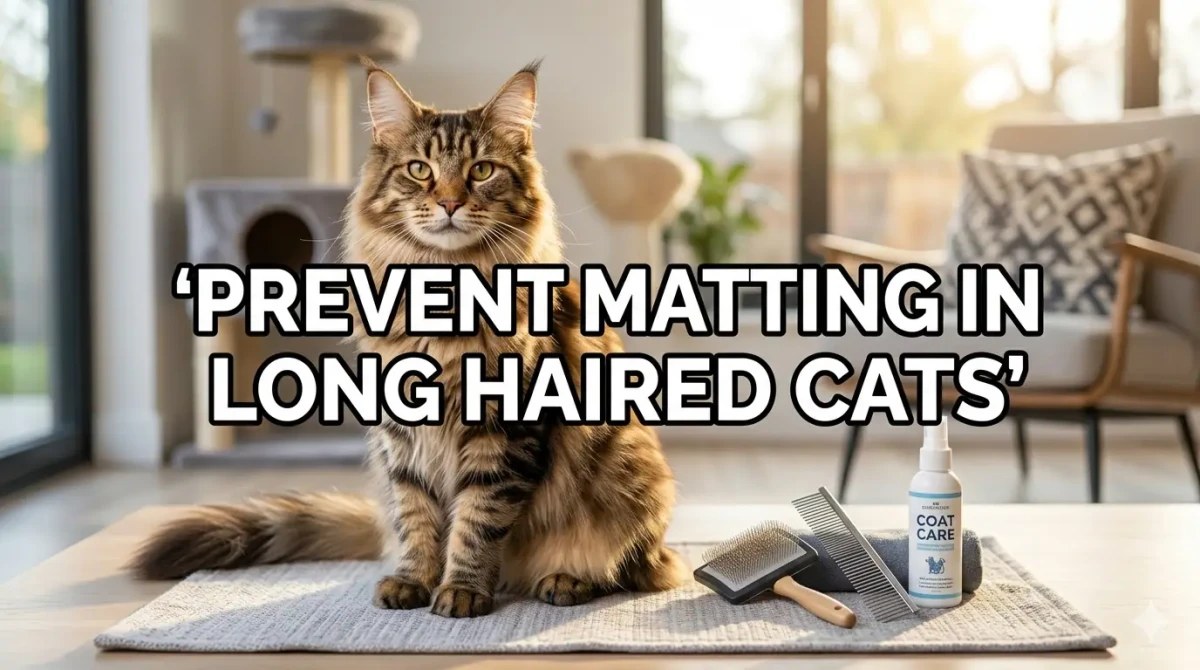
Understanding Matting in Long Haired Cats
Preventing matting in long haired cats is essential for maintaining your feline companion's comfort, health, and beautiful appearance. Long haired breeds like Persians, Maine Coons, Ragdolls, and Norwegian Forest Cats have luxurious coats that require dedicated care to prevent painful tangles and mats from forming. Mats occur when loose hair, dirt, oils, and debris become tightly intertwined, creating dense clumps that pull on the skin and can lead to serious health issues if left untreated.
Matting is not just a cosmetic concern. Severe mats can restrict blood flow, cause skin irritation, trap moisture leading to bacterial or fungal infections, and create significant discomfort for your cat. In extreme cases, mats can become so tight and extensive that professional grooming or even veterinary intervention is required to safely remove them. Understanding the causes of matting and implementing a consistent prevention routine protects your cat from pain and preserves the stunning coat that makes long haired breeds so beloved.
This comprehensive guide covers everything you need to know about preventing matting in long haired cats, from selecting the right grooming tools and mastering brushing techniques to nutrition support and professional grooming considerations. Whether you are a new long haired cat owner or looking to improve your current grooming routine, these expert strategies will help you maintain a tangle free, healthy coat that your cat will appreciate.
Why Long Haired Cats Are Prone to Matting
Long haired cats have unique coat structures that make them more susceptible to matting than their short haired counterparts. Their coats typically consist of a soft, dense undercoat beneath longer guard hairs, creating multiple layers where loose hair can become trapped. Without regular removal, this shed undercoat intertwines with the topcoat, forming the foundation for mats.
Several factors increase matting risk in long haired cats. Natural oils produced by the skin can cause hairs to stick together, particularly in areas with limited movement like behind the ears, under the legs, and around the hindquarters. Cats are meticulous groomers, but their tongues cannot effectively reach all areas or remove all loose hair from dense coats. Additionally, environmental factors like humidity, dirt, and debris can accelerate mat formation by causing hairs to clump together.
Certain life stages and health conditions also increase matting susceptibility. Older cats or those with arthritis may groom less effectively due to reduced flexibility. Overweight cats struggle to reach certain body areas during self grooming. Cats with dental pain, skin conditions, or systemic illnesses may reduce grooming efforts, allowing mats to develop more quickly. Understanding these risk factors helps you adjust your prevention routine to your individual cat's needs.
What Areas Are Most Prone to Cat Matting?
Matting typically develops in areas where friction, moisture, or limited movement allow hairs to tangle and tighten. The armpits and groin areas experience constant rubbing during movement, causing hairs to interlock. Behind the ears and under the collar area accumulate oils and debris while receiving less grooming attention, creating ideal conditions for mat formation.
The belly and hindquarters are particularly vulnerable because cats cannot easily reach these areas with their tongues during self grooming. Long hair in these regions can trap litter particles, urine, or fecal matter, accelerating mat development. The area around the tail base, often called the "britches" in breeds like Maine Coons, is another common matting location due to dense hair and limited grooming access.
Cats that wear collars may develop mats around the neck where the collar creates friction and traps loose hair. Regularly checking these high risk areas during grooming sessions allows early detection and removal of small tangles before they develop into painful mats. Prevention focuses on these vulnerable zones with extra attention during brushing routines.
Essential Tools for Preventing Cat Matting

Having the right grooming tools makes mat prevention more effective and comfortable for both you and your long haired cat. Quality equipment designed for feline coats helps remove loose hair, prevent tangles, and maintain coat health without causing discomfort or skin irritation.
Which Brushes Work Best for Long Haired Cats?
Long haired cats benefit from a combination of brushes that address different aspects of coat care. A wide toothed metal comb is essential for detecting and gently working through small tangles before they become mats. The smooth, rounded teeth glide through the coat without pulling skin, making combs ideal for daily maintenance and finishing touches after brushing.
Slicker brushes with fine, bent wires effectively remove loose undercoat hair and prevent the buildup that leads to matting. Choose slicker brushes with protective tips to avoid scratching sensitive skin. Use gentle, short strokes in the direction of hair growth, focusing on high risk areas like the belly, armpits, and hindquarters where mats commonly form.
For cats with extremely dense undercoats, an undercoat rake or deshedding tool can help remove loose hair before it tangles. These tools reach deep into the undercoat without damaging the protective topcoat. Always use deshedding tools sparingly and follow manufacturer guidelines to avoid over removing hair or irritating skin. A bristle brush or grooming glove can finish the session by distributing natural oils and smoothing the topcoat for a healthy shine.
What Detangling Products Help Prevent Mats?
Detangling sprays and conditioners formulated for cats can significantly reduce matting risk by adding slip to the coat, making hairs less likely to intertwine. Look for products containing natural ingredients like aloe vera, coconut oil, or hydrolyzed proteins that moisturize hair without leaving heavy residue that attracts dirt.
Apply detangling spray lightly to high risk areas before brushing, allowing the product to penetrate and loosen potential tangles. These products are especially helpful for cats resistant to grooming, as they reduce pulling and discomfort during brushing sessions. Always choose cat specific products, as human hair care items may contain ingredients toxic to felines.
Leave in conditioners provide ongoing protection between grooming sessions, helping maintain coat manageability and reducing static electricity that can contribute to tangling. Use sparingly to avoid greasy buildup, and focus application on areas prone to matting rather than the entire coat. For cats with sensitive skin, patch test new products on a small area before full application.
Effective Brushing Techniques for Mat Prevention

Consistent, proper brushing is the most important strategy for preventing matting in long haired cats. Mastering effective techniques ensures you remove loose hair, prevent tangles, and maintain coat health while keeping grooming sessions positive for your feline companion.
How Often Should You Brush a Long Haired Cat?
Long haired cats generally require daily brushing to effectively prevent matting, though individual needs vary based on coat density, lifestyle, and health status. Daily brushing removes loose hair before it can tangle, distributes natural oils throughout the coat, and provides an opportunity to detect small tangles while they are still easy to address.
Cats undergoing seasonal shedding, typically in spring and fall, may benefit from twice daily brushing sessions to manage increased hair loss. Older cats, overweight cats, or those with limited mobility may require more frequent assistance with grooming since they cannot effectively self groom all areas. Conversely, some long haired cats with less dense coats may maintain well with thorough brushing every other day.
Consistency matters more than perfect frequency. Establishing a regular brushing routine helps your cat accept grooming as a normal part of life, reducing stress and resistance. Even brief daily sessions are more effective than occasional lengthy grooming marathons. Monitor your cat's coat between sessions, and increase brushing frequency if you notice any tangles beginning to form.
What Is the Proper Technique for Brushing Long Haired Cats?
Proper brushing technique maximizes mat prevention while minimizing discomfort. Start by examining the coat for existing tangles or mats before brushing. Work through small sections systematically, beginning at the head and moving toward the tail, always brushing in the direction of hair growth to avoid pulling and irritating the skin.
For the undercoat, use gentle lifting motions with a slicker brush or undercoat rake to remove loose hair without damaging the topcoat. Follow with a wide toothed metal comb to ensure no tangles remain close to the skin where they can tighten unnoticed. Pay special attention to high risk areas like behind the ears, under the legs, the belly, and around the tail base, spending extra time on these zones.
If you encounter a small tangle, do not pull aggressively. Apply a small amount of detangling spray and gently work the tangle apart with your fingers or the tip of a metal comb, starting at the outer edges and working toward the skin. For stubborn tangles, hold the base of the hair near the skin to prevent pulling while you work the tangle free. Severe mats should be addressed by a professional groomer to avoid injuring your cat's delicate skin.
Bathing and Drying Strategies for Long Haired Cats

While cats are generally self cleaning, occasional bathing can support mat prevention in long haired breeds by removing oils, debris, and loose hair that contribute to tangling. Proper bathing and drying techniques maintain coat health without causing stress or creating conditions that promote matting.
When Should You Bathe a Long Haired Cat?
Most long haired cats benefit from bathing every four to eight weeks, though frequency depends on lifestyle, coat condition, and individual needs. Cats that spend time outdoors, have skin conditions requiring medicated baths, or accumulate debris in their coats may need more frequent bathing. Indoor cats with minimal exposure to dirt may require bathing only every two to three months.
Bathe your cat when the coat feels greasy, smells unpleasant, or shows visible dirt accumulation. Cats with mats that cannot be brushed out may benefit from a bath to help loosen tangles before professional grooming. However, avoid bathing as a primary solution for matting, as wet hair is more prone to tangling if not properly dried and brushed afterward.
Between baths, use waterless shampoos, grooming wipes, or dry shampoo powders formulated for cats to refresh the coat and remove surface debris. These products help maintain cleanliness without the stress of a full bath. Spot clean high risk areas like the belly and hindquarters after litter box use to prevent debris accumulation that can contribute to matting.
How Do You Dry a Long Haired Cat Without Causing Mats?
Proper drying is critical after bathing long haired cats, as wet hair tangles and mats much more easily than dry hair. Begin by gently squeezing excess water from the coat with absorbent microfiber towels, working from head to tail. Avoid vigorous rubbing, which can cause tangles and irritate sensitive skin.
Use a cat specific blow dryer on low heat and low speed settings to completely dry the coat, paying special attention to dense areas like the undercoat, belly, and hindquarters where moisture can hide. Keep the dryer moving continuously and maintain a safe distance to avoid overheating or burning the skin. Never use human hair dryers on high heat settings, as they can easily damage cat skin and coat.
While the coat is still slightly damp, apply a light leave in conditioner or detangling spray to help prevent tangles as the hair dries completely. Once fully dry, brush the coat thoroughly to restore its natural lay and ensure no tangles formed during the drying process. A completely dry, well brushed coat is much less likely to develop mats than a damp or partially dried coat.
Nutrition Support for Healthy Cat Coats

Proper nutrition plays a crucial role in maintaining a healthy, tangle resistant coat in long haired cats. Internal health directly impacts external appearance, and specific nutrients support skin integrity, hair strength, and natural oil production that prevent matting.
Which Nutrients Promote Tangle Resistant Cat Coats?
Omega 3 and omega 6 fatty acids are essential for healthy cat coats, supporting skin hydration, reducing inflammation, and promoting strong, flexible hair that resists tangling. These fatty acids help maintain the skin's natural moisture barrier and improve coat texture, making hairs less likely to stick together and form mats. Sources include fish oil, salmon, and high quality commercial cat foods fortified with these nutrients.
High quality protein provides the building blocks for healthy hair growth and coat strength. Long haired cats benefit from diets with animal based proteins as the primary ingredient, supporting robust hair follicles and resilient coat texture. Inadequate protein can result in brittle, weak hair that tangles more easily and sheds excessively.
Vitamins A and E support skin cell health and provide antioxidant protection that maintains coat quality. Biotin and other B vitamins contribute to healthy hair growth and reduce excessive shedding that can contribute to matting. Minerals like zinc support skin integrity and immune function, helping cats resist skin conditions that may affect coat health. Choose high quality commercial foods or consult a veterinary nutritionist about supplementing homemade diets to ensure adequate nutrient levels.
Should You Supplement Your Cat's Diet for Coat Health?
Most long haired cats receive adequate nutrition from high quality commercial cat foods formulated for long haired or indoor breeds. However, some cats may benefit from targeted supplementation, particularly those with skin conditions, excessive shedding, or coats prone to tangling despite proper grooming.
Fish oil supplements providing omega 3 fatty acids can improve coat texture and reduce inflammation in cats with sensitive skin. Choose supplements specifically formulated for cats, as human products may contain unsafe additives or incorrect dosages. Consult your veterinarian about appropriate dosages based on your cat's size and health status.
Probiotics may support skin and coat health by promoting healthy gut bacteria, which influences immune function and nutrient absorption. Some cats with food sensitivities or digestive issues experience improved coat condition with probiotic supplementation. Always introduce supplements gradually and monitor your cat for any adverse reactions.
Professional Grooming Considerations

While home grooming is essential for mat prevention, professional grooming services provide valuable support for long haired cats, particularly for cats resistant to home grooming, those with existing mats, or owners seeking expert maintenance.
When Should You Seek Professional Cat Grooming?
Professional grooming is recommended when mats have already formed and cannot be safely removed at home. Attempting to cut out severe mats with scissors risks injuring your cat's skin, which can be pulled into tight tangles. Professional groomers have the training, tools, and experience to safely remove mats without causing pain or injury.
Cats that become highly stressed or aggressive during home grooming may benefit from professional services, as experienced groomers can often complete grooming tasks more efficiently with minimal stress. Some groomers offer sedation options in consultation with veterinarians for extremely anxious cats, though this should be a last resort after behavioral training attempts.
Regular professional grooming every six to eight weeks can supplement home care, particularly for breeds with extremely dense coats like Persians or Himalayans. Professional groomers can perform thorough deshedding, sanitary trims, and detailed coat inspections that may be challenging to accomplish at home. Establish a relationship with a groomer experienced with long haired cats who understands feline behavior and safety protocols.
What Services Should You Request for Mat Prevention?
When visiting a professional groomer for mat prevention, request a full brush out using appropriate tools for your cat's coat type. This service removes loose undercoat hair and prevents the buildup that leads to matting. Ask the groomer to focus on high risk areas like the belly, armpits, and hindquarters where mats commonly form.
Sanitary trims, which shorten hair around the hindquarters and belly, can significantly reduce matting risk in these vulnerable areas while maintaining the overall appearance of your cat's coat. This practical trim prevents litter, urine, or fecal matter from becoming trapped in long hair, reducing both matting and hygiene issues.
Consider requesting a lion cut or other breed appropriate trim if your cat is prone to severe matting despite regular home care. While some owners prefer to maintain full length coats, strategic trimming can improve manageability and comfort for cats that struggle with extensive grooming requirements. Discuss options with your groomer to find a balance between aesthetics and practicality for your individual cat.
Common Mistakes That Cause Cat Matting

Even well intentioned cat owners can make grooming mistakes that inadvertently increase matting risk. Understanding and avoiding these common errors helps you maintain a tangle free coat more effectively.
Why Is Infrequent Brushing the Leading Cause of Matting?
Infrequent brushing is the most common cause of matting in long haired cats. Without regular removal of loose hair, shed undercoat accumulates and intertwines with the topcoat, creating the foundation for mats. Even cats that groom themselves diligently cannot remove all loose hair from dense long coats.
Many owners underestimate the grooming needs of long haired breeds, assuming that because cats are self cleaning, they do not require daily brushing. This misconception leads to neglected coats that quickly develop tangles and mats. Establishing a consistent daily brushing routine, even if brief, is far more effective than occasional lengthy grooming sessions.
Skipping brushing during busy periods or when your cat seems resistant allows small tangles to develop into severe mats that are painful to remove. If your cat resists grooming, address the underlying cause through positive reinforcement training, shorter sessions, or professional assistance rather than reducing grooming frequency.
What Problems Does Improper Tool Use Cause?
Using inappropriate grooming tools can actually contribute to matting rather than preventing it. Brushes with widely spaced teeth may glide over the surface of a long coat without reaching the undercoat where loose hair accumulates. This creates a false sense of accomplishment while mats develop beneath the seemingly well groomed topcoat.
Aggressive brushing with stiff bristles or excessive pressure can irritate skin, cause your cat to associate grooming with discomfort, and even break hairs, creating rough ends that tangle more easily. Always use tools designed for long haired cats and apply gentle pressure, allowing the tool to do the work rather than forcing it through the coat.
Attempting to brush through existing mats rather than addressing them properly can tighten tangles and cause pain, making your cat resistant to future grooming. Small tangles should be gently worked apart with fingers or a comb before brushing. Severe mats require professional removal to avoid injuring your cat's skin.
Breed Specific Mat Prevention Strategies

Different long haired cat breeds have varying coat types and grooming requirements. Understanding your breed's specific characteristics helps you tailor your mat prevention routine for optimal results.
How Do You Prevent Matting in Persian Cats?
Persian cats have extremely dense, fine coats that are highly prone to matting and require the most intensive grooming of any breed. Daily brushing is non negotiable for Persians, using a combination of wide toothed comb and slicker brush to address both undercoat and topcoat.
Persians benefit from regular eye cleaning to prevent tear staining that can mat the facial hair. The area around the face, called the ruff, requires special attention during brushing to prevent tangles. Many Persian owners opt for professional grooming every four to six weeks to maintain coat health and manage the extensive grooming requirements.
Consider a puppy cut or other trim for Persians that struggle with extensive grooming, particularly during warm weather or for older cats with reduced mobility. While some owners prefer the traditional long coat, strategic trimming can improve comfort and manageability without sacrificing the breed's beautiful appearance.
What Special Care Do Maine Coon Cats Require?
Maine Coon cats have water resistant, shaggy coats with a silky texture that is less prone to severe matting than Persian coats but still requires consistent care. Focus brushing efforts on the britches (long hair on the hind legs), belly, and tail, where mats commonly form due to friction and limited grooming access.
Maine Coons typically tolerate grooming well and may even enjoy the attention, making daily brushing sessions an opportunity for bonding. Use a wide toothed comb to work through the coat gently, followed by a slicker brush to remove loose undercoat. Pay attention to the ruff around the neck, which can develop tangles if not brushed regularly.
Maine Coons shed heavily twice yearly, requiring increased brushing frequency during these periods to manage loose hair and prevent matting. Despite their large size, Maine Coons generally have good temperaments for grooming, but start handling and brushing kittens early to establish positive associations with coat care.
Frequently Asked Questions About Preventing Cat Matting

Can You Remove Cat Mats at Home Safely?
Small, loose tangles can often be safely removed at home using proper technique and tools. Apply a small amount of detangling spray, then gently work the tangle apart with your fingers or the tip of a wide toothed metal comb, starting at the outer edges and working toward the skin. Hold the base of the hair near the skin to prevent pulling while you work.
Never use scissors to cut out mats, as cat skin is thin and easily injured, and mats often pull skin into the tangle where it is not visible. Attempting to cut mats can result in serious lacerations requiring veterinary care. Severe, tight, or extensive mats should always be addressed by a professional groomer or veterinarian.
If your cat becomes stressed, aggressive, or painful during attempts to remove a mat, stop immediately and seek professional assistance. Forcing the issue can damage your relationship with your cat and increase resistance to future grooming. Prevention through regular brushing is always preferable to mat removal.
How Do You Get a Cat Used to Regular Brushing?
Introduce brushing gradually using positive reinforcement to build positive associations. Start with brief sessions of just a few minutes, focusing on areas your cat enjoys being touched, like the head and chin. Offer treats, praise, or play immediately after brushing to create positive connections.
Gradually increase session duration and expand to more sensitive areas as your cat becomes comfortable. Always end sessions on a positive note, even if you have not completed a full brushing. Consistency matters more than perfection, so aim for daily brief sessions rather than occasional lengthy ones.
For cats that remain resistant, try different tools, brushing at different times of day, or incorporating brushing into bonding activities like lap time. Some cats prefer grooming gloves that mimic petting, while others respond better to specific brush types. If resistance persists, consult a professional groomer or veterinary behaviorist for additional strategies.
Does Neutering Affect Cat Coat and Matting Risk?
Neutering can affect a cat's coat texture and shedding patterns due to hormonal changes, potentially influencing matting risk. Some neutered cats develop slightly softer, denser coats that may require more frequent brushing to prevent tangles. Others may experience reduced shedding, which can decrease matting risk but still requires regular maintenance.
Neutered cats may also be more prone to weight gain, and overweight cats often struggle to groom themselves effectively, increasing reliance on owner assistance for mat prevention. Monitor your cat's weight and coat condition after neutering, adjusting grooming frequency and diet as needed to maintain optimal health.
Regardless of neuter status, long haired cats require consistent grooming to prevent matting. Hormonal changes may modify coat characteristics slightly, but the fundamental need for regular brushing remains unchanged for all long haired breeds.
Conclusion

Preventing matting in long haired cats requires commitment, consistency, and the right knowledge and tools. By understanding your cat's coat type, implementing daily brushing routines, using appropriate grooming products, and supporting coat health through nutrition, you can maintain a beautiful, tangle free coat that keeps your feline companion comfortable and healthy.
Remember that every cat is unique, with individual preferences, tolerances, and grooming needs. Monitor your cat's coat regularly, adjust your routine based on seasonal changes or life stage transitions, and seek professional assistance when needed. The goal is not perfection but consistent care that prevents painful mats before they form.
The time and effort invested in mat prevention pays dividends in your cat's comfort, health, and the joy of maintaining their stunning coat. With patience, positive reinforcement, and the strategies provided in this guide, you can successfully prevent matting and enjoy a beautiful, healthy long haired cat for years to come.
🐱 আরও পড়ুন: Cat Care

0 Comments