.png)
How to Train a Kitten to Use Litter Box: 2026 Guide
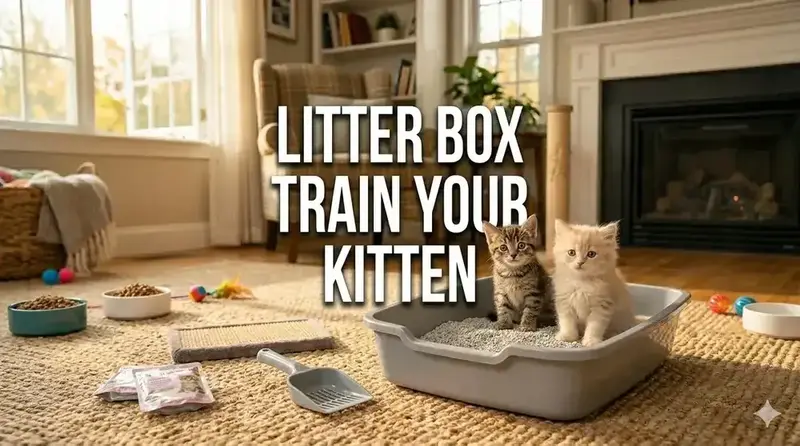
Learning how to train a kitten to use a litter box is one of the first and most important skills new kitten owners need to master. Fortunately, most kittens have a natural instinct to eliminate in sand-like materials, making litter box training relatively straightforward when done correctly. With the right setup, consistent routine, and positive reinforcement, most kittens learn to use their litter box reliably within a few days to a week. This comprehensive guide provides step-by-step instructions, troubleshooting tips, and expert advice to help you successfully litter train your kitten and establish good bathroom habits that last a lifetime.
Why Litter Box Training Matters
Proper litter box training is essential for maintaining a clean home, preventing behavioral problems, and ensuring your kitten's health and wellbeing. A well-trained kitten who consistently uses the litter box creates a more harmonious living environment and strengthens the bond between you and your new companion.
The Natural Instinct Advantage
Kittens are born with an innate desire to bury their waste, an instinct inherited from their wild ancestors who needed to hide their scent from predators. This natural behavior makes litter box training easier than many other training tasks. Most kittens as young as 3-4 weeks old begin showing interest in using a litter box, and by 8 weeks (typical adoption age), they should have basic litter box skills if raised properly by their mother.
However, not all kittens come to new homes fully trained, and some may need reinforcement or retraining. Understanding how to work with your kitten's natural instincts while providing proper guidance sets the foundation for success.
Health and Behavioral Benefits
Proper litter box training offers multiple advantages:
- Hygiene: Contains waste in a designated area, making cleanup easy and maintaining home cleanliness
- Health monitoring: Regular litter box use allows you to monitor your kitten's urine and stool for signs of illness
- Stress reduction: Kittens who know where to eliminate feel more secure and confident
- Prevention of problems: Proper training prevents inappropriate elimination that can become a difficult habit to break
- Multi-cat harmony: Well-trained kittens adapt better to multi-cat households with proper litter box management
- 🐾 How to Train a Ferret to Use Litter Box: Expert Step-by-Step Guide
- 🐾 How to Stop Cats from Biting: Expert Behavior Guide
- 🐾 How to Teach a Bird to Shake Hands Complete Training Guide
- 🐾 Train Puppy to Come When Called: Easy Steps
When to Start Litter Box Training
Timing is crucial for successful litter box training. Understanding developmental stages helps you set appropriate expectations and provide age-appropriate guidance.
Early Development Stages
3-4 weeks: Kittens begin developing the motor skills and awareness needed for litter box use. This is when mother cats typically start teaching their kittens to use a litter box. If you're fostering very young kittens, you can introduce a shallow box with non-clumping litter at this age.
5-6 weeks: Kittens become more coordinated and can reliably use a litter box with minimal guidance. They're learning by watching their mother and littermates.
7-8 weeks: Most kittens are fully litter trained by this age if raised with their mother. This is the typical minimum adoption age, and kittens should come to new homes already understanding basic litter box use.
8-12 weeks: New owners should reinforce good habits and address any gaps in training. This is the critical period for establishing lifelong litter box habits in your home.
Signs Your Kitten Needs to Eliminate
Recognizing when your kitten needs to use the litter box helps you guide them appropriately:
- Suddenly stopping play or activity
- Sniffing the ground or corners intently
- Squatting or assuming elimination position
- Walking in circles
- Meowing or vocalizing unusually
- Scratching at floors or carpets
- 🐾 How to Train a Ferret to Use Litter Box: Expert Step-by-Step Guide
- 🐾 How to Stop Cats from Biting: Expert Behavior Guide
- 🐾 How to Teach a Bird to Shake Hands Complete Training Guide
- 🐾 Train Puppy to Come When Called: Easy Steps
When you notice these signs, gently place your kitten in the litter box immediately. Timing is crucial for reinforcing the connection between the urge to eliminate and the appropriate location.
Choosing the Right Litter Box
The litter box you choose significantly impacts your kitten's success. Consider size, accessibility, and your kitten's comfort when making this important decision.
Size and Accessibility
Kittens need litter boxes that are easy to enter and exit. A box that's too large or has high sides can intimidate a small kitten or make it difficult for them to climb in.
Ideal kitten litter box features:
- Low sides (2-3 inches high) for easy access
- Small to medium size (approximately 13" x 9" for young kittens)
- Open top design (covered boxes can trap odors and intimidate kittens)
- Stable base that won't tip or slide
- Lightweight enough to move but sturdy enough to stay in place
- 🐾 How to Train a Ferret to Use Litter Box: Expert Step-by-Step Guide
- 🐾 How to Stop Cats from Biting: Expert Behavior Guide
- 🐾 How to Teach a Bird to Shake Hands Complete Training Guide
- 🐾 Train Puppy to Come When Called: Easy Steps
As your kitten grows, you can transition to a larger box. Adult cats need boxes at least 1.5 times their body length.
Number of Litter Boxes
The general rule is one litter box per cat plus one extra. For a single kitten, start with at least two boxes in different locations. This provides options and prevents accidents if one box is temporarily unavailable or dirty.
In multi-cat households, adequate litter box numbers prevent territorial issues and ensure each cat has access. Place boxes in different areas of your home, not all clustered together.
Litter Box Placement
Location matters enormously for litter box success:
- Quiet areas: Choose low-traffic locations away from loud appliances (washers, dryers, furnaces)
- Accessible: Ensure your kitten can easily reach the box at all times
- Away from food: Cats naturally avoid eliminating near their food and water
- Multiple floors: In multi-story homes, place at least one box on each level
- Privacy with escape routes: Kittens need some privacy but also clear escape routes so they don't feel trapped
- 🐾 How to Train a Ferret to Use Litter Box: Expert Step-by-Step Guide
- 🐾 How to Stop Cats from Biting: Expert Behavior Guide
- 🐾 How to Teach a Bird to Shake Hands Complete Training Guide
- 🐾 Train Puppy to Come When Called: Easy Steps
Avoid placing boxes in closets that might close, behind furniture that's difficult to navigate, or in areas your kitten might find frightening.
Selecting the Best Litter for Kittens
Litter choice affects your kitten's comfort, health, and willingness to use the box. Not all litters are appropriate for young kittens.
Safety Considerations for Young Kittens
Kittens under 4 months old are curious and may ingest litter while exploring. This makes litter safety paramount:
- Avoid clumping clay litter: Young kittens who ingest clumping litter risk intestinal blockage as the litter expands and hardens in their digestive tract
- Choose non-clumping options: Non-clumping clay, paper-based, or wood pellet litters are safer for kittens who might taste or swallow litter
- Dust-free formulas: Kittens have sensitive respiratory systems. Dusty litters can cause breathing problems
- Unscented varieties: Artificial fragrances can irritate kittens' sensitive noses and respiratory systems
- 🐾 How to Train a Ferret to Use Litter Box: Expert Step-by-Step Guide
- 🐾 How to Stop Cats from Biting: Expert Behavior Guide
- 🐾 How to Teach a Bird to Shake Hands Complete Training Guide
- 🐾 Train Puppy to Come When Called: Easy Steps
Litter Types Compared
Non-clumping clay litter: Affordable, absorbent, and safe for kittens. Needs more frequent changing than clumping varieties. Good choice for young kittens.
Paper-based litter: Made from recycled paper, highly absorbent, dust-free, and safe if ingested. More expensive but excellent for kittens.
Wood pellet litter: Natural, biodegradable, controls odor well, and safe for kittens. Some kittens need time to adjust to the texture.
Crystal/silica gel litter: Highly absorbent and excellent odor control, but not recommended for kittens due to ingestion risks and sharp crystals.
Clumping litter (for older kittens): Once your kitten is 4+ months and no longer ingesting litter, you can transition to clumping litter for easier maintenance.
Litter Depth
Fill the litter box with 2-3 inches of litter. This provides enough depth for kittens to dig and cover waste without being so deep that it's difficult to navigate. As kittens grow, you can increase to 3-4 inches.
Step-by-Step Litter Box Training Process
Follow this systematic approach to successfully train your kitten to use the litter box consistently.
Step 1: Introduce the Litter Box Immediately
When you bring your kitten home, show them the litter box location right away. Gently place your kitten in the box and allow them to explore. Let them sniff and investigate without pressure.
You can gently take your kitten's front paws and make a scratching motion in the litter to demonstrate what to do. Most kittens will instinctively understand, but this demonstration helps reinforce the behavior.
Step 2: Establish a Routine
Place your kitten in the litter box at key times:
- Immediately after waking up from naps
- 10-20 minutes after eating or drinking
- After play sessions
- Every 1-2 hours during initial training
- Before bedtime
- 🐾 How to Train a Ferret to Use Litter Box: Expert Step-by-Step Guide
- 🐾 How to Stop Cats from Biting: Expert Behavior Guide
- 🐾 How to Teach a Bird to Shake Hands Complete Training Guide
- 🐾 Train Puppy to Come When Called: Easy Steps
Consistency is crucial. By placing your kitten in the box at predictable times, you help them develop the habit of using it regularly.
Step 3: Use Positive Reinforcement
When your kitten successfully uses the litter box, immediately reward them with:
- Gentle praise in a happy, encouraging tone
- A small treat (kitten-safe)
- Gentle petting if they enjoy it
- Playtime with a favorite toy
- 🐾 How to Train a Ferret to Use Litter Box: Expert Step-by-Step Guide
- 🐾 How to Stop Cats from Biting: Expert Behavior Guide
- 🐾 How to Teach a Bird to Shake Hands Complete Training Guide
- 🐾 Train Puppy to Come When Called: Easy Steps
Timing matters—reward immediately after they finish, not after they've left the box. This helps them connect the behavior with the reward.
Never punish accidents. Cats don't understand punishment after the fact, and it creates fear and anxiety that can worsen litter box problems.
Step 4: Supervise and Prevent Accidents
During the initial training period (first 1-2 weeks), supervise your kitten closely. Watch for signs they need to eliminate and quickly guide them to the litter box.
When you can't supervise directly, confine your kitten to a small, kitten-proofed room with the litter box, food, water, and a bed. This prevents accidents in other areas of the house and reinforces that the litter box is the only appropriate elimination spot.
Gradually expand their access to your home as they demonstrate consistent litter box use.
Step 5: Maintain Cleanliness
Kittens are more particular about cleanliness than adult cats. A dirty litter box is a common reason kittens eliminate elsewhere.
Daily maintenance:
- Scoop waste at least once daily, preferably twice
- Remove clumps or soiled litter immediately
- Stir litter to distribute moisture and extend freshness
- 🐾 How to Train a Ferret to Use Litter Box: Expert Step-by-Step Guide
- 🐾 How to Stop Cats from Biting: Expert Behavior Guide
- 🐾 How to Teach a Bird to Shake Hands Complete Training Guide
- 🐾 Train Puppy to Come When Called: Easy Steps
Weekly maintenance:
- Completely change litter (for non-clumping varieties)
- Wash the box with mild, unscented soap and warm water
- Rinse thoroughly to remove all soap residue
- Dry completely before refilling
- 🐾 How to Train a Ferret to Use Litter Box: Expert Step-by-Step Guide
- 🐾 How to Stop Cats from Biting: Expert Behavior Guide
- 🐾 How to Teach a Bird to Shake Hands Complete Training Guide
- 🐾 Train Puppy to Come When Called: Easy Steps
Avoid harsh chemicals, ammonia-based cleaners, or strongly scented products that might deter your kitten from using the box.
Common Litter Box Problems and Solutions
Even with proper training, kittens may experience litter box challenges. Understanding common problems and their solutions helps you address issues quickly before they become habits.
Kitten Won't Use the Litter Box
Possible causes:
- Litter box is too difficult to access (sides too high)
- Litter type is uncomfortable or scary
- Box location is too noisy or intimidating
- Box isn't clean enough
- Medical issue causing pain during elimination
- Kitten was never properly trained
- 🐾 How to Train a Ferret to Use Litter Box: Expert Step-by-Step Guide
- 🐾 How to Stop Cats from Biting: Expert Behavior Guide
- 🐾 How to Teach a Bird to Shake Hands Complete Training Guide
- 🐾 Train Puppy to Come When Called: Easy Steps
Solutions:
- Switch to a box with lower sides
- Try different litter types (texture, unscented)
- Move box to quieter, more accessible location
- Increase cleaning frequency
- Consult veterinarian to rule out medical problems
- Restart basic training with frequent box placement
- 🐾 How to Train a Ferret to Use Litter Box: Expert Step-by-Step Guide
- 🐾 How to Stop Cats from Biting: Expert Behavior Guide
- 🐾 How to Teach a Bird to Shake Hands Complete Training Guide
- 🐾 Train Puppy to Come When Called: Easy Steps
Kitten Eliminates Outside the Box
Possible causes:
- Can't find the box in time
- Box is dirty
- Stress or anxiety
- Medical issues (UTI, parasites, digestive problems)
- Box is in a location the kitten finds frightening
- Too many changes in the environment
- 🐾 How to Train a Ferret to Use Litter Box: Expert Step-by-Step Guide
- 🐾 How to Stop Cats from Biting: Expert Behavior Guide
- 🐾 How to Teach a Bird to Shake Hands Complete Training Guide
- 🐾 Train Puppy to Come When Called: Easy Steps
Solutions:
- Add more litter boxes in different locations
- Scoop more frequently
- Identify and reduce stressors
- Visit veterinarian for health check
- Move box to more appealing location
- Maintain consistent routine and environment
- 🐾 How to Train a Ferret to Use Litter Box: Expert Step-by-Step Guide
- 🐾 How to Stop Cats from Biting: Expert Behavior Guide
- 🐾 How to Teach a Bird to Shake Hands Complete Training Guide
- 🐾 Train Puppy to Come When Called: Easy Steps
Clean accidents thoroughly with enzymatic cleaners designed to eliminate pet odors. Regular household cleaners don't remove the scent markers that attract kittens back to the same spot.
Kitten Plays in or Eats Litter
Concerns: Playing in litter is normal exploratory behavior, but eating litter is dangerous and can cause intestinal blockage.
Solutions:
- Switch to non-clumping, ingestible-safe litter immediately
- Supervise litter box use
- Remove kitten from box after they finish eliminating
- Provide alternative toys and enrichment
- Ensure kitten is receiving proper nutrition (sometimes pica indicates dietary deficiency)
- Consult veterinarian if behavior persists
- 🐾 How to Train a Ferret to Use Litter Box: Expert Step-by-Step Guide
- 🐾 How to Stop Cats from Biting: Expert Behavior Guide
- 🐾 How to Teach a Bird to Shake Hands Complete Training Guide
- 🐾 Train Puppy to Come When Called: Easy Steps
Kitten Only Uses Box Sometimes
Possible causes:
- Inconsistent training
- Box cleanliness varies
- Multiple boxes with different litter types
- Intermittent medical issues
- 🐾 How to Train a Ferret to Use Litter Box: Expert Step-by-Step Guide
- 🐾 How to Stop Cats from Biting: Expert Behavior Guide
- 🐾 How to Teach a Bird to Shake Hands Complete Training Guide
- 🐾 Train Puppy to Come When Called: Easy Steps
Solutions:
- Reinforce consistent routine
- Maintain uniform cleanliness standards
- Use same litter type in all boxes
- Rule out medical causes with veterinary exam
- 🐾 How to Train a Ferret to Use Litter Box: Expert Step-by-Step Guide
- 🐾 How to Stop Cats from Biting: Expert Behavior Guide
- 🐾 How to Teach a Bird to Shake Hands Complete Training Guide
- 🐾 Train Puppy to Come When Called: Easy Steps
Special Situations and Considerations
Certain situations require modified approaches to litter box training.
Rescue or Stray Kittens
Kittens from shelters, rescues, or stray situations may have had limited or no litter box training. These kittens need extra patience and consistent reinforcement.
Training approach:
- Start with basics as if training from scratch
- Use confinement to small area initially
- Place in box very frequently (every 30-60 minutes when awake)
- Be patient—these kittens may take 2-3 weeks to fully train
- Reward heavily for success
- Expect occasional setbacks
- 🐾 How to Train a Ferret to Use Litter Box: Expert Step-by-Step Guide
- 🐾 How to Stop Cats from Biting: Expert Behavior Guide
- 🐾 How to Teach a Bird to Shake Hands Complete Training Guide
- 🐾 Train Puppy to Come When Called: Easy Steps
Transitioning from Outdoor to Indoor
Kittens who were previously outdoor cats or had outdoor access may be accustomed to eliminating outside. Transitioning them to indoor litter box use requires patience.
Transition strategy:
- Start with soil or sand in the litter box (familiar texture)
- Gradually mix in cat litter over 1-2 weeks
- Eventually transition to full cat litter
- Keep box very clean and accessible
- Be patient—this transition can take several weeks
- 🐾 How to Train a Ferret to Use Litter Box: Expert Step-by-Step Guide
- 🐾 How to Stop Cats from Biting: Expert Behavior Guide
- 🐾 How to Teach a Bird to Shake Hands Complete Training Guide
- 🐾 Train Puppy to Come When Called: Easy Steps
Multi-Kitten Households
Training multiple kittens simultaneously requires additional planning:
- Provide one box per kitten plus one extra (minimum 3 boxes for 2 kittens)
- Place boxes in different locations to prevent territorial issues
- Use same litter type in all boxes initially
- Monitor each kitten's progress individually
- Ensure dominant kittens don't block access to boxes
- Clean all boxes frequently—multiple kittens create more waste
- 🐾 How to Train a Ferret to Use Litter Box: Expert Step-by-Step Guide
- 🐾 How to Stop Cats from Biting: Expert Behavior Guide
- 🐾 How to Teach a Bird to Shake Hands Complete Training Guide
- 🐾 Train Puppy to Come When Called: Easy Steps
Small Living Spaces
Apartment dwellers or those with limited space can still successfully litter train kittens:
- Use compact litter boxes designed for small spaces
- Consider vertical solutions like furniture with built-in litter boxes
- Place boxes in closets with doors propped open
- Use bathroom corners or under-sink areas
- Prioritize accessibility and ventilation
- Maintain extra cleanliness in small spaces
- 🐾 How to Train a Ferret to Use Litter Box: Expert Step-by-Step Guide
- 🐾 How to Stop Cats from Biting: Expert Behavior Guide
- 🐾 How to Teach a Bird to Shake Hands Complete Training Guide
- 🐾 Train Puppy to Come When Called: Easy Steps
Health Issues That Affect Litter Box Use
Sometimes litter box problems stem from medical issues rather than training failures. Recognizing when to seek veterinary care is crucial.
Medical Conditions to Rule Out
If your kitten suddenly stops using the litter box or shows changes in elimination habits, consult your veterinarian to rule out:
- Urinary tract infections (UTIs): Cause pain during urination, frequent attempts, blood in urine
- Intestinal parasites: Worms can cause diarrhea, urgency, and accidents
- Constipation: Makes elimination painful, causing kittens to avoid the box
- Diarrhea: May cause urgency and accidents before kitten reaches box
- Bladder stones or crystals: Cause pain and frequent urination attempts
- Congenital abnormalities: Rare structural issues affecting elimination
- 🐾 How to Train a Ferret to Use Litter Box: Expert Step-by-Step Guide
- 🐾 How to Stop Cats from Biting: Expert Behavior Guide
- 🐾 How to Teach a Bird to Shake Hands Complete Training Guide
- 🐾 Train Puppy to Come When Called: Easy Steps
Warning Signs Requiring Veterinary Attention
Contact your veterinarian immediately if you notice:
- Blood in urine or stool
- Straining to eliminate with no output (especially urgent in male kittens)
- Crying or vocalizing during elimination
- Sudden change in litter box habits
- Eliminating in unusual positions
- Excessive licking of genital area
- Lethargy combined with litter box changes
- Loss of appetite with elimination changes
- 🐾 How to Train a Ferret to Use Litter Box: Expert Step-by-Step Guide
- 🐾 How to Stop Cats from Biting: Expert Behavior Guide
- 🐾 How to Teach a Bird to Shake Hands Complete Training Guide
- 🐾 Train Puppy to Come When Called: Easy Steps
People Also Ask: Quick Answers
How long does it take to litter train a kitten?
Most kittens learn to use the litter box within 3-7 days of consistent training. Kittens who come from breeders or shelters where they were already trained may adapt to a new home's setup within 1-3 days. However, complete reliability and consistent habits may take 2-4 weeks to establish. Patience and consistency are key.
What age can kittens use a litter box?
Kittens can begin learning to use a litter box as early as 3-4 weeks old. By 8 weeks (typical adoption age), most kittens should be reliably using a litter box if raised properly. If you're fostering very young kittens, you can start training at 3-4 weeks with a shallow box and kitten-safe litter.
Why is my kitten peeing everywhere but the litter box?
Common reasons include: the box is too dirty, wrong litter type, box location is scary or inaccessible, medical issues like UTI, stress or anxiety, or the kitten was never properly trained. Rule out medical issues first with a veterinary visit, then address environmental and training factors.
Should I put my kitten in the litter box after eating?
Yes, placing your kitten in the litter box 10-20 minutes after eating is an excellent training strategy. Food stimulates the digestive system and creates the urge to eliminate. This timing helps kittens connect the litter box with the elimination urge and reinforces good habits.
Can I use clumping litter for kittens?
Clumping litter is not recommended for kittens under 4 months old because they may ingest it while exploring, and clumping litter can cause dangerous intestinal blockages when swallowed. Use non-clumping clay, paper-based, or wood pellet litter for young kittens. Once your kitten is 4+ months and no longer eating litter, you can transition to clumping litter.
Advanced Tips for Long-Term Success
Beyond basic training, these strategies help maintain excellent litter box habits throughout your cat's life.
Gradual Changes
Cats dislike sudden changes. When you need to modify any aspect of the litter box setup:
- Changing litter type: Mix increasing amounts of new litter with old over 7-10 days
- Moving box location: Move the box gradually a few feet per day to the new location
- Switching box style: Keep the old box available while introducing the new one
- 🐾 How to Train a Ferret to Use Litter Box: Expert Step-by-Step Guide
- 🐾 How to Stop Cats from Biting: Expert Behavior Guide
- 🐾 How to Teach a Bird to Shake Hands Complete Training Guide
- 🐾 Train Puppy to Come When Called: Easy Steps
Preventing Future Problems
Maintain good habits to prevent regression:
- Keep boxes consistently clean
- Avoid sudden environmental changes when possible
- Provide adequate number of boxes as your cat ages
- Monitor for stress triggers
- Maintain regular veterinary care to catch health issues early
- Address problems immediately before they become habits
- 🐾 How to Train a Ferret to Use Litter Box: Expert Step-by-Step Guide
- 🐾 How to Stop Cats from Biting: Expert Behavior Guide
- 🐾 How to Teach a Bird to Shake Hands Complete Training Guide
- 🐾 Train Puppy to Come When Called: Easy Steps
Aging Considerations
As your kitten matures into an adult and eventually senior cat, litter box needs may change:
- Adult cats (1-7 years): Maintain established routines, monitor for changes
- Senior cats (7+ years): May need boxes with lower sides for arthritic joints, more frequent cleaning due to increased sensitivity, boxes on every floor, and veterinary monitoring for age-related conditions affecting elimination
- 🐾 How to Train a Ferret to Use Litter Box: Expert Step-by-Step Guide
- 🐾 How to Stop Cats from Biting: Expert Behavior Guide
- 🐾 How to Teach a Bird to Shake Hands Complete Training Guide
- 🐾 Train Puppy to Come When Called: Easy Steps
Frequently Asked Questions
Do I need to show my kitten where the litter box is every time?
During initial training (first 1-2 weeks), yes—place your kitten in the box frequently, especially after eating, sleeping, and playing. Once your kitten consistently uses the box, they'll find it independently. However, if you move the box or your kitten seems confused, resume showing them the location.
Can I train my kitten to use a human toilet?
While toilet training kits exist, most veterinarians and behaviorists don't recommend toilet training for cats. It goes against their natural instincts to dig and cover waste, can cause stress, makes it difficult to monitor health through urine and stool, and becomes problematic as cats age or develop mobility issues. Traditional litter boxes are healthier and more natural for cats.
How do I clean litter box accidents?
Use an enzymatic cleaner specifically designed for pet accidents. These cleaners break down the proteins in urine and feces that attract cats back to the same spot. Avoid ammonia-based cleaners (ammonia smells like urine to cats) or regular household cleaners that don't eliminate odor completely. Blot up fresh accidents, apply enzymatic cleaner according to directions, and allow to dry completely.
Should I wake my kitten up to use the litter box at night?
Young kittens (under 12 weeks) may need nighttime litter box access. Place them in the box before bedtime and ensure they can easily access it overnight. Most kittens can sleep 4-6 hours without eliminating by 12 weeks old. If accidents occur overnight, confine your kitten to a small area with the litter box until they develop better bladder control.
What if my kitten is afraid of the litter box?
Fear may stem from negative experiences, loud box location, or intimidating box design. Try: moving to a quieter location, using a smaller or lower-sided box, trying different litter types, keeping the box extremely clean, using positive reinforcement without forcing, and giving your kitten time to adjust. Never force a frightened kitten into the box as this increases fear.
Conclusion: Building Lifelong Good Habits
Learning how to train a kitten to use a litter box is one of the most important skills you'll teach your new companion. With patience, consistency, and positive reinforcement, most kittens master litter box use quickly and maintain good habits throughout their lives.
Remember that successful litter box training rests on three pillars: the right setup (appropriate box, safe litter, good location), consistent routine (regular placement, positive reinforcement, cleanliness), and patience (understanding that accidents happen and learning takes time).
By following the guidelines in this article, addressing problems promptly, and maintaining open communication with your veterinarian about any concerns, you'll establish a strong foundation for your kitten's litter box habits. The effort you invest in proper training now pays dividends for years to come in the form of a well-adjusted, healthy cat and a clean, harmonious home.
Start today with the right supplies, a consistent routine, and plenty of positive reinforcement. Your kitten will thank you with reliable litter box use and the confidence that comes from knowing exactly where to go when nature calls.
🐱 আরও পড়ুন: Cat Training and Behavior

0 Comments