.png)
How to Train a Ferret to Use Litter Box: Expert Step-by-Step Guide
Why Litter Training Your Ferret Is Essential for a Happy Home
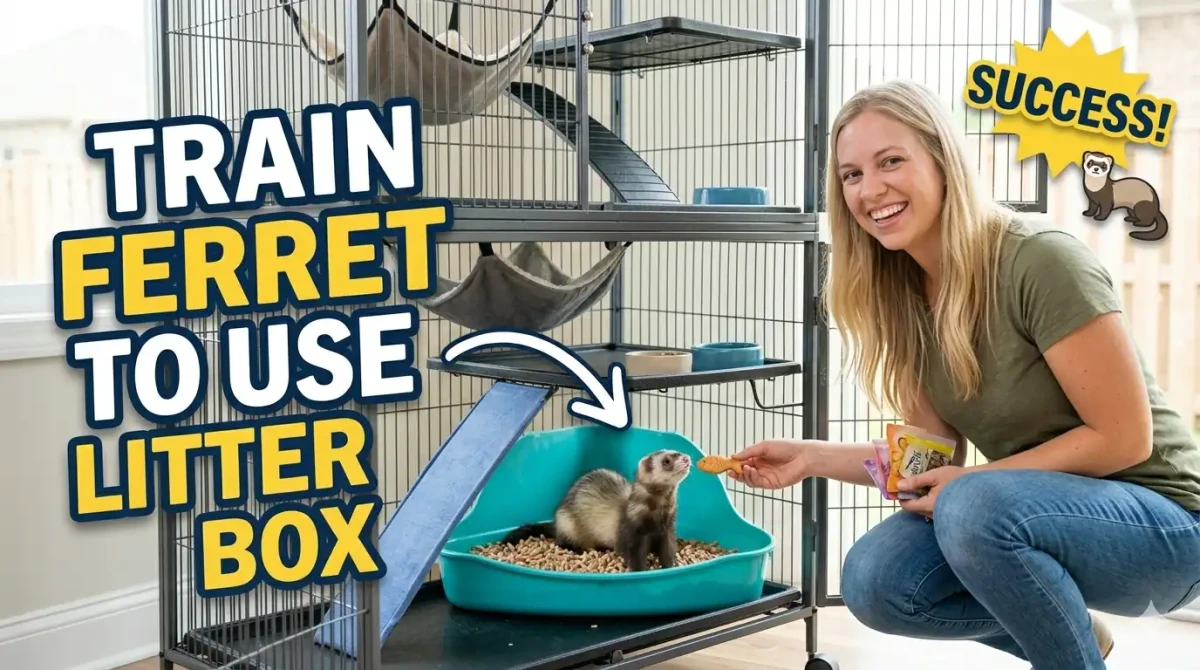
Training your ferret to use a litter box is one of the most important skills for successful ferret ownership. Ferrets have fast metabolisms and eliminate frequently—up to 10-12 times daily—making litter training essential for hygiene, odor control, and your ferret's wellbeing. While ferrets may never achieve cat-level reliability, strategic training can significantly reduce accidents and make daily care much more manageable.
Featured Snippet Answer: To train a ferret to use a litter box, place corner-style boxes in the spots your ferret naturally eliminates (usually cage corners), use ferret-safe litter (paper-based, wood pellets, or recycled paper—never clumping clay), reward successful use immediately with tiny treats and praise, and clean accidents thoroughly with enzymatic cleaner. Most ferrets develop partial litter habits within 2-4 weeks of consistent, positive training, though occasional accidents are normal.
Ferrets aren't naturally inclined to use litter boxes like cats, but they do develop predictable elimination patterns—typically choosing corners for urination and often defecating in the same areas. By working with these instincts rather than against them, you can encourage consistent litter box use. This comprehensive guide provides evidence-based, veterinarian-aligned strategies to set up an effective litter system, use positive reinforcement, troubleshoot common challenges, and maintain a healthy, low-odor habitat for your ferret.
Understanding Ferret Elimination Behavior: Work With Natural Instincts
Before beginning litter training, it's essential to understand how ferrets eliminate and what's realistic to expect.
Ferret Elimination Patterns:
- Fast metabolism: Ferrets process food quickly and eliminate frequently (every 1-3 hours when active)
- Corner preference: Most ferrets naturally choose corners for elimination, especially for urination
- Urine vs. feces: Ferrets are more reliable about urinating in litter boxes than defecating; feces may be deposited while exploring
- Backward elimination: Ferrets often back into corners to eliminate, making corner-style boxes ideal
- Stress sensitivity: Changes in routine, environment, or health can disrupt litter habits
- 🐾 How to Train a Gerbil to Use Litter Area: Expert Step-by-Step Guide
- 🐾 Stop Cats from Scratching Furniture: Pro Tips
- 🐾 How to Train a Parrot to Talk: Complete 2026 Guide
- 🐾 How to Train a Puppy to Sit: Step-by-Step 2026 Guide
Realistic Expectations:
- Most ferrets achieve 70-90% litter box reliability with consistent training
- Occasional accidents, especially during play or exploration, are normal
- Focus on capturing urine in the litter area—this provides the greatest hygiene benefits
- Never punish accidents; ferrets cannot control elimination like humans and punishment creates fear
- 🐾 How to Train a Gerbil to Use Litter Area: Expert Step-by-Step Guide
- 🐾 Stop Cats from Scratching Furniture: Pro Tips
- 🐾 How to Train a Parrot to Talk: Complete 2026 Guide
- 🐾 How to Train a Puppy to Sit: Step-by-Step 2026 Guide
Featured Snippet Answer: Ferrets eliminate frequently (every 1-3 hours) and prefer corners for urination. Most achieve 70-90% litter box reliability with training. Focus on capturing urine in litter boxes; occasional fecal accidents during play are normal. Never punish accidents—use positive reinforcement and strategic placement instead.
Can ferrets be fully litter trained like cats?
No, ferrets cannot achieve 100% litter box reliability like cats due to their fast metabolism, exploratory nature, and different elimination instincts. However, most ferrets learn to urinate consistently in designated litter areas and often defecate in boxes too. Realistic expectations—focusing on significant improvement rather than perfection—lead to successful, stress-free training.
Step 1: Choose the Right Litter Box and Safe Litter Materials

Selecting appropriate equipment is critical for comfort, safety, and training success.
Litter Box Options for Ferrets:
- Corner-style boxes: Triangular or wedge-shaped boxes designed to fit cage corners; ideal for ferrets' natural corner preference
- Low-entry boxes: Shallow sides allow easy access for ferrets of all ages and mobility levels
- Multiple boxes: Provide one litter box per cage level plus one extra; ferrets may not travel far to eliminate
- Secure placement: Use clips or weights to prevent boxes from tipping during play
- Avoid covered boxes: Ferrets prefer open access; covered boxes can trap ammonia and discourage use
- 🐾 How to Train a Gerbil to Use Litter Area: Expert Step-by-Step Guide
- 🐾 Stop Cats from Scratching Furniture: Pro Tips
- 🐾 How to Train a Parrot to Talk: Complete 2026 Guide
- 🐾 How to Train a Puppy to Sit: Step-by-Step 2026 Guide
Safe Litter Materials for Ferrets:
- Paper-based pellets: Highly absorbent, dust-free, safe if ingested in small amounts
- Wood pellet litter: Made from compressed pine or aspen (kiln-dried to remove phenols); absorbent and odor-controlling
- Recycled paper litter: Soft texture, highly absorbent, environmentally friendly
- Fleece liners: Washable, reusable option; place over absorbent layer for easy cleaning
- 🐾 How to Train a Gerbil to Use Litter Area: Expert Step-by-Step Guide
- 🐾 Stop Cats from Scratching Furniture: Pro Tips
- 🐾 How to Train a Parrot to Talk: Complete 2026 Guide
- 🐾 How to Train a Puppy to Sit: Step-by-Step 2026 Guide
Litter Materials to Avoid:
- Clumping clay litter: Dust can cause respiratory issues; clumps can cause intestinal blockages if ingested
- Cedar or pine shavings (non-kiln-dried): Contain phenols that cause respiratory and liver damage
- Scented litters: Artificial fragrances irritate ferrets' sensitive respiratory systems
- Corn or wheat-based litters: Can mold if damp; may attract pests
- 🐾 How to Train a Gerbil to Use Litter Area: Expert Step-by-Step Guide
- 🐾 Stop Cats from Scratching Furniture: Pro Tips
- 🐾 How to Train a Parrot to Talk: Complete 2026 Guide
- 🐾 How to Train a Puppy to Sit: Step-by-Step 2026 Guide
Important Safety Note: Never use calcium sand or dusty substrates in ferret litter areas. These can cause respiratory irritation or impaction if ingested. Always choose products specifically labeled safe for small animals or ferrets.
Step 2: Identify and Prepare Your Ferret's Preferred Elimination Spots

Before introducing litter boxes, observe your ferret for 2-3 days to identify which corners they naturally use for elimination. Most ferrets choose corners away from sleeping areas but often near food or water sources.
Observation Protocol:
- Watch your ferret during active periods (dawn/dusk are peak activity times)
- Note which corners they back into for elimination
- Track both urination and defecation locations
- Identify patterns: does your ferret prefer certain cage levels or areas?
- 🐾 How to Train a Gerbil to Use Litter Area: Expert Step-by-Step Guide
- 🐾 Stop Cats from Scratching Furniture: Pro Tips
- 🐾 How to Train a Parrot to Talk: Complete 2026 Guide
- 🐾 How to Train a Puppy to Sit: Step-by-Step 2026 Guide
Once you've identified preferred spots, thoroughly clean the area to remove old scent markers with an enzymatic cleaner, then place the litter box securely in that exact location. Ferrets rely on scent cues; placing the box where they already go leverages their existing habits.
Pro Tip: If your ferret uses multiple corners, start with the most frequently used one for urination. You can add secondary litter boxes later if needed, but begin with a single focused location to avoid confusion.
Step 3: Introduce the Litter Box with Positive Association

Place your ferret gently in the litter box after meals, naps, or active periods—times when elimination is likely. Offer a small treat (like a tiny piece of freeze-dried chicken, commercial ferret treat, or malt paste) while they explore the area. Never force them to stay; let them enter and exit freely.
When you observe your ferret using the litter box, immediately reward with a treat and calm praise. Timing matters: reward within 1-2 seconds of the desired behavior to create a clear association: "Using this box = good things happen!"
Featured Snippet Answer: Reward your ferret immediately after they use the litter box with a small, high-value treat and gentle praise. Consistent positive reinforcement teaches them that the litter box predicts rewards, gradually building reliable habits through repetition and patience. Never punish accidents—focus on rewarding success.
Keep initial sessions short and pressure-free. Ferrets learn through repetition and positive experiences, not coercion. If they seem stressed, pause and try again later during their active periods.
Step 4: Strategic Placement and Environmental Management

Environment heavily influences litter box success. Place boxes in quiet, accessible corners with good ventilation but away from loud appliances or high-traffic areas that might startle your ferret during use.
Food and Water Placement Strategy: Since ferrets often eliminate near feeding areas, position food bowls or water bottles near (but not inside) the litter box. This encourages time spent in the area and natural waste deposition.
Multi-Level Cage Setup:
- Place at least one litter box on each cage level
- Position boxes in corners ferrets naturally choose
- Ensure ramps between levels don't block access to boxes
- Consider adding a box near sleeping areas for nighttime/nap use
- 🐾 How to Train a Gerbil to Use Litter Area: Expert Step-by-Step Guide
- 🐾 Stop Cats from Scratching Furniture: Pro Tips
- 🐾 How to Train a Parrot to Talk: Complete 2026 Guide
- 🐾 How to Train a Puppy to Sit: Step-by-Step 2026 Guide
Free-Roam Area Setup:
- Place litter boxes in corners of play areas where your ferret spends time
- Use the same litter type as in the cage for consistency
- Supervise initially to redirect accidents to boxes
- Gradually expand free-roam areas as litter habits improve
- 🐾 How to Train a Gerbil to Use Litter Area: Expert Step-by-Step Guide
- 🐾 Stop Cats from Scratching Furniture: Pro Tips
- 🐾 How to Train a Parrot to Talk: Complete 2026 Guide
- 🐾 How to Train a Puppy to Sit: Step-by-Step 2026 Guide
Bedding and Cage Management: Keep the rest of the cage clean and dry. Remove soiled bedding outside the litter area promptly to avoid reinforcing alternative elimination spots. Ferrets prefer clean areas for sleeping and eating.
Step 5: Maintain Consistency with Daily Cleaning and Monitoring

Consistency accelerates learning. Spot-clean litter boxes multiple times daily: remove wet litter and soiled material, replace with fresh substrate, and refresh as needed. Ferrets avoid soiled areas; a clean box encourages repeat use.
Daily Maintenance Tasks:
- Scoop waste from litter boxes 2-3 times daily
- Replace soiled litter completely every 2-3 days
- Wash boxes with mild, unscented soap weekly
- Monitor your ferret's elimination patterns for changes
- 🐾 How to Train a Gerbil to Use Litter Area: Expert Step-by-Step Guide
- 🐾 Stop Cats from Scratching Furniture: Pro Tips
- 🐾 How to Train a Parrot to Talk: Complete 2026 Guide
- 🐾 How to Train a Puppy to Sit: Step-by-Step 2026 Guide
Weekly Deep Cleaning:
- Remove all litter and wash boxes with enzymatic cleaner or vinegar-water solution (1:1)
- Rinse thoroughly and dry completely before adding fresh litter
- Wipe down surrounding cage areas to remove residual odors
- Inspect boxes for wear, cracks, or sharp edges
- 🐾 How to Train a Gerbil to Use Litter Area: Expert Step-by-Step Guide
- 🐾 Stop Cats from Scratching Furniture: Pro Tips
- 🐾 How to Train a Parrot to Talk: Complete 2026 Guide
- 🐾 How to Train a Puppy to Sit: Step-by-Step 2026 Guide
Odor Control Tips:
- Use absorbent, odor-neutralizing litter like paper pellets or wood pellets
- Add a thin layer of baking soda under litter (never directly where ferrets can ingest)
- Ensure proper cage ventilation without drafts
- Clean food bowls and water bottles daily to prevent bacterial growth
- 🐾 How to Train a Gerbil to Use Litter Area: Expert Step-by-Step Guide
- 🐾 Stop Cats from Scratching Furniture: Pro Tips
- 🐾 How to Train a Parrot to Talk: Complete 2026 Guide
- 🐾 How to Train a Puppy to Sit: Step-by-Step 2026 Guide
Never use strong chemical cleaners or scented sprays near your ferret's habitat. Their sensitive respiratory systems can be irritated by artificial fragrances and harsh fumes.
Step 6: Fade Treats and Build Long-Term Habits

Once your ferret uses the litter box regularly (typically after 2-4 weeks), begin fading food rewards to prevent dependency. Start by rewarding every other successful use, then every third, while maintaining verbal praise and gentle interaction as reinforcement.
"Life rewards" also work well: litter box use leads to out-of-cage playtime, favorite toys, or gentle petting. This teaches your ferret that cooperation unlocks enjoyable experiences, building long-term willingness without constant food bribes.
Maintenance Tip: Occasionally "jackpot" reward with an extra-special treat (like a tiny piece of freeze-dried liver) to maintain motivation. Random, unpredictable rewards strengthen behavior long-term, similar to variable reinforcement principles used across animal training.
Troubleshooting: What If My Ferret Won't Use the Litter Box?

If progress stalls after 2-3 weeks of consistent training, reassess with these targeted strategies:
Check Health First: Sudden changes in elimination habits can signal urinary issues, digestive problems, or pain. Consult an exotic pet veterinarian if you notice straining, blood in urine, diarrhea, or reduced appetite.
Reassess Litter Preference: Your ferret may dislike the texture or scent of the current substrate. Try switching to paper pellets, wood pellets, or fleece liners to find their preference.
Evaluate Box Placement: Is the box in a high-traffic area? Too close to food? Too far from sleeping areas? Adjust placement based on your ferret's observed preferences.
Consider Box Size and Entry: Older or less mobile ferrets may struggle with high sides. Use a low-entry corner box or create a gentle ramp for easier access.
Address Stress Factors: New pets, loud noises, cage moves, or routine changes can disrupt habits. Address environmental stressors before resuming training.
Try Target Training First: If direct litter training causes stress, teach your ferret to target a stick with their nose. This builds confidence and can be shaped toward litter box use gradually.
Why does my ferret pee in the litter box but poop everywhere?
This is common and normal. Ferrets are often more reliable about urinating in designated areas than defecating. Urine is deposited in larger, more predictable amounts, while feces may be dropped while exploring or playing. Focus on capturing urine in the litter area—this provides the greatest hygiene and odor benefits. Continue rewarding fecal deposits in boxes when they occur, but don't expect 100% reliability for defecation.
Can I litter train an older or rescue ferret?
Yes, ferrets of any age can develop litter habits. Older or rescue ferrets may have established patterns, so training may take longer. Go slower, prioritize trust, and celebrate small improvements. Many rescue ferrets adapt well to gentle, consistent routines. If your ferret has medical issues or extreme stress, consult an exotic veterinarian for personalized guidance.
Health and Wellness: Supporting Training Through Proper Care

A healthy ferret learns and adapts more readily. Support training with optimal nutrition: high-quality ferret food (30-40% protein, 15-20% fat), fresh water always available, and limited treats to avoid digestive upset.
Ensure your ferret has adequate space to move: minimum cage size of 24"W × 24"D × 18"H per ferret, with multiple levels for exploration. Adequate exercise reduces stress and supports overall wellbeing, making training more effective.
Respiratory Health: Ferrets are prone to respiratory issues. Use dust-free litter, avoid scented products, and maintain good ventilation without drafts. Ammonia buildup from urine can irritate airways—daily spot-cleaning is essential.
Enrichment Beyond Litter Training: Provide tunnels, hammocks, chew toys, and foraging opportunities. Mentally stimulated ferrets are calmer and more receptive to training. Rotate toys weekly to maintain novelty.
Advanced Tips: Optimizing Your Setup for Success

Once basic litter habits are established, try these advanced strategies to refine your system:
Multiple Box Strategy: Place identical litter boxes in different preferred corners. Gradually remove extras once your ferret consistently uses one location, concentrating habits in a single spot.
Fleece Liner Integration: For eco-friendly care, use washable fleece liners with an absorbent layer underneath. Place a small corner box with paper pellets on top for urine concentration. Wash liners every 2-3 days to maintain hygiene.
Travel and Temporary Setup: When traveling or using playpens, bring a small portable corner box with familiar substrate. Consistency across environments reinforces habits and reduces accidents.
Multi-Ferret Households: Provide one litter box per ferret plus one extra. Place boxes in different cage zones to prevent resource guarding. Monitor for bullying or competition around boxes.
Common Mistakes That Sabotage Litter Training

Even well-intentioned owners make errors that delay progress or create confusion. Avoid these pitfalls:
Mistake 1: Choosing unsafe litter materials. Clumping clay, cedar, or scented litters can cause respiratory or digestive harm. Always use paper-based, kiln-dried wood pellets, or other ferret-safe options.
Mistake 2: Placing boxes in the wrong location. Putting the litter box where your ferret doesn't naturally go guarantees failure. Observe first, then place boxes in their preferred corners.
Mistake 3: Expecting perfection. Ferrets won't eliminate exclusively in litter boxes. Celebrate partial success—reduced cleanup time and odor are meaningful wins.
Mistake 4: Inconsistent cleaning. A soiled litter box discourages reuse. Daily spot-cleaning maintains appeal and reinforces the habit.
Mistake 5: Punishing accidents. Ferrets cannot control elimination like humans. Negative reactions create stress and undermine trust. Focus on rewarding desired behavior instead.
Mistake 6: Too few boxes. Ferrets may not travel far to eliminate. Provide at least one box per cage level plus extras for multi-ferret homes.
Quick Recap: Key Takeaways for Success

- Observe your ferret's natural elimination patterns before placing litter boxes
- Choose safe, absorbent materials: paper pellets, kiln-dried wood pellets, or fleece liners
- Place corner-style boxes in your ferret's preferred elimination spots
- Reward litter box use immediately with small, high-value treats
- Spot-clean litter boxes multiple times daily to maintain appeal and hygiene
- Keep realistic expectations: partial success still improves care significantly
- Avoid punishment—focus on positive reinforcement and environmental management
- Rule out health issues if elimination habits change suddenly
- Be patient: most ferrets develop partial litter habits in 2-4 weeks
- Maintain consistency in routine, placement, and cleaning for long-term success
- 🐾 How to Train a Gerbil to Use Litter Area: Expert Step-by-Step Guide
- 🐾 Stop Cats from Scratching Furniture: Pro Tips
- 🐾 How to Train a Parrot to Talk: Complete 2026 Guide
- 🐾 How to Train a Puppy to Sit: Step-by-Step 2026 Guide
Final Thoughts: Progress Over Perfection

Training your ferret to use a litter box is a journey of observation, patience, and gentle guidance. Success isn't measured by flawless compliance but by meaningful improvements: less daily cleanup, reduced odors, and a healthier habitat for your ferret.
Every ferret is an individual. Some will adopt litter habits quickly; others may only partially comply. Both outcomes are valuable. Focus on building a positive relationship through consistent, reward-based interactions, and celebrate the small wins along the way.
Remember: the goal isn't perfection—it's partnership. By working with your ferret's natural instincts and providing a clean, comfortable environment, you create a happier life for your pet and a more manageable routine for yourself. With time, consistency, and compassion, litter training becomes a rewarding part of your ferret care journey.
When in doubt, consult an exotic pet veterinarian or experienced ferret owner for advice specific to your situation. The ferret community is generally very helpful and passionate about proper care, so don't hesitate to ask questions and learn from others' experiences. Your patience and dedication will be rewarded with a cleaner home and a happier, healthier ferret companion.
🐱 আরও পড়ুন: Other Pet Training and Behavior
- 🐾 How to Stop Ferrets from Chewing Items and Complete Behavior Guide
- 🐾 Train Chinchilla to Use Litter Box: Easy Guide
- 🐾 How to Stop Rabbits from Chewing Furniture: Expert Training & Prevention Guide
- 🐾 Train Guinea Pig to Use Litter Box: Easy Guide
- 🐾 How to Train a Gerbil to Use Litter Area: Expert Step-by-Step Guide

0 Comments