.png)
How to Train a Puppy to Sit: Step-by-Step 2026 Guide
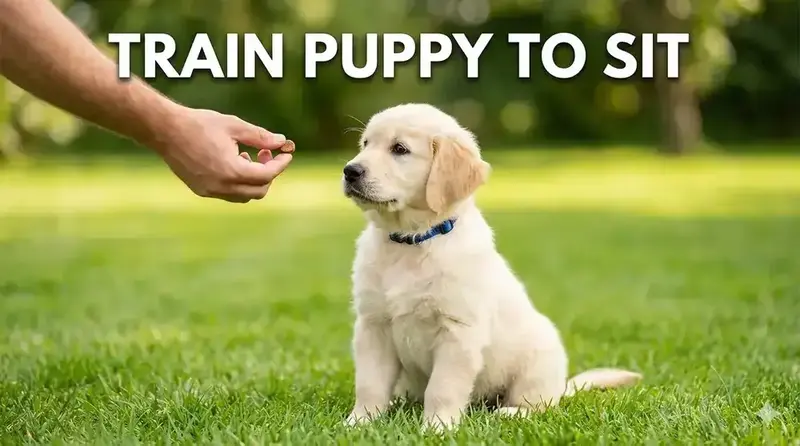
Training a puppy to sit is one of the most fundamental obedience skills every dog owner should teach. The sit command establishes communication, builds focus, and creates a foundation for more advanced training. Using positive reinforcement methods, most puppies can learn to sit reliably within 1-2 weeks of consistent, short daily practice sessions.
Why Teaching "Sit" Matters for Puppy Development
The sit command is far more than a party trick—it's a crucial tool for managing your puppy's behavior and ensuring their safety. When a puppy learns to sit on cue, they develop impulse control, focus, and a stronger bond with their owner. This basic command becomes the building block for more complex behaviors like stay, down, and come.
From a practical standpoint, teaching sit helps prevent jumping on guests, reduces pulling on the leash, and provides a calm alternative to excited or anxious behaviors. In the USA, where many public spaces welcome well-behaved dogs, a reliable sit command opens doors to dog-friendly cafes, parks, and travel opportunities.
Benefits of Early Obedience Training
Starting training early—typically around 8 weeks of age—takes advantage of your puppy's critical socialization and learning period. Puppies are naturally curious and eager to please during these early months, making them highly receptive to positive reinforcement techniques.
Early training also helps prevent the development of undesirable behaviors. A puppy who learns that sitting earns rewards is less likely to develop habits like jumping, nipping, or demanding attention through unwanted behaviors. Consistent training builds confidence in shy puppies and provides appropriate outlets for energy in bold ones.
When to Start Training Your Puppy to Sit
You can begin teaching the sit command as soon as your puppy comes home, usually around 8 weeks of age. At this stage, keep sessions extremely short—just 2-3 minutes—and focus on making training fun and rewarding. Puppies have short attention spans, so frequent, brief sessions yield better results than infrequent, lengthy ones.
Readiness Signs for Training
Before starting formal training, ensure your puppy displays these readiness indicators:
- Alert and engaged with you for at least 1-2 minutes at a time
- Interested in food rewards or toys
- Comfortable in their new home environment
- Healthy and free from illness or injury
- Not overly tired or overstimulated
- 🐾 Train Hamster to Use Litter Area: Simple Steps
- 🐾 How to Train a Cat to Use Litter Consistently: Complete 2026 Guide
- 🐾 Train Puppy to Come When Called: Easy Steps
- 🐾 How to Teach a Bird to Wave Complete Training Guide
If your puppy seems distracted, sleepy, or stressed, postpone training until they're in a better state of mind. Forcing training when a puppy isn't ready creates negative associations and slows progress.
Optimal Training Times
Schedule training sessions when your puppy is naturally alert but not hyperactive. Many puppies are most focused after a short nap and before mealtime, when they're motivated by food rewards. Avoid training immediately after vigorous play or when household activity is high, as distractions will compete with your cues.
In the USA, consider your daily routine: morning sessions before work, midday breaks for stay-at-home owners, or evening sessions after dinner often work well. Consistency in timing helps your puppy anticipate and prepare for training.
Essential Supplies for Puppy Sit Training

Gathering the right tools before you begin sets you up for success. You don't need expensive equipment—just a few simple items that facilitate positive, effective training.
High-Value Training Treats
Choose small, soft, smelly treats that your puppy loves and can swallow quickly. Ideal options include:
- Commercial training treats designed for puppies (pea-sized pieces)
- Small bits of boiled chicken, turkey, or lean beef
- Tiny pieces of cheese (if your puppy tolerates dairy)
- Freeze-dried liver or fish treats
- 🐾 Train Hamster to Use Litter Area: Simple Steps
- 🐾 How to Train a Cat to Use Litter Consistently: Complete 2026 Guide
- 🐾 Train Puppy to Come When Called: Easy Steps
- 🐾 How to Teach a Bird to Wave Complete Training Guide
Avoid large, hard, or crumbly treats that take time to chew or create mess. The goal is to deliver rewards instantly to reinforce the desired behavior. Reserve these high-value treats exclusively for training to maintain their motivational power.
Clicker or Marker Word
A clicker provides a precise, consistent sound that marks the exact moment your puppy performs correctly. If you prefer not to use a clicker, choose a short marker word like "Yes!" or "Good!" spoken in an upbeat tone. The marker tells your puppy, "That's exactly what I wanted," and bridges the moment between behavior and reward.
If using a clicker, spend one session "charging" it by clicking and immediately giving a treat 10-15 times. This teaches your puppy that the click sound predicts a reward, making it a powerful communication tool.
Quiet Training Environment
Start training in a low-distraction area like a quiet room in your home. As your puppy masters the sit command, gradually add challenges by practicing in different rooms, then your yard, and eventually public spaces. This progression, called "proofing," ensures your puppy responds reliably in various environments.
Step-by-Step Method to Teach Sit

The most effective way to teach sit uses a technique called "luring," where you guide your puppy into position with a treat. This method is clear, gentle, and works for nearly all puppies regardless of breed or temperament.
Step 1: Get Your Puppy's Attention
Hold a treat in your hand and let your puppy sniff it. Say their name or use a cue like "Watch me" to ensure they're focused on you. Wait for eye contact before proceeding—this builds the foundation for focused training.
Step 2: Lure Into Position
With your puppy standing, hold the treat close to their nose. Slowly move your hand upward and slightly backward over their head, toward their tail. As their nose follows the treat, their bottom will naturally lower to the ground. The moment their rear touches the floor, mark the behavior with your clicker or marker word, then immediately give the treat.
Keep your hand movement smooth and deliberate. Moving too fast may cause your puppy to jump up instead of sitting. If they jump, lower your hand closer to their nose and try a slower, smaller motion.
Step 3: Add the Verbal Cue
Once your puppy reliably follows the lure into a sit (usually after 10-20 successful repetitions), begin saying "Sit" just before you start the hand motion. This pairs the verbal command with the action. After several sessions, try saying "Sit" without the hand lure to see if they respond to the word alone.
If they don't respond to the verbal cue yet, go back to luring for a few more repetitions, then test the verbal cue again. Patience is key—most puppies need 3-5 short sessions to connect the word with the behavior.
Step 4: Fade the Lure and Hand Signal
Gradually reduce the prominence of your hand motion. Start by holding the treat in your other hand while making the same upward motion with your empty hand. Then, use just the hand signal without a visible treat. Finally, practice with no hand signal at all, relying solely on the verbal cue.
This fading process prevents your puppy from becoming dependent on seeing food in your hand. It also prepares them for real-world situations where you won't always have treats visible.
Step 5: Practice and Reinforce
Practice sit in short bursts throughout the day—before meals, before going outside, before petting. This integrates the command into daily life and reinforces its value. Always reward successful sits initially, then gradually shift to intermittent reinforcement (rewarding 3 out of 4 times, then 1 out of 3, etc.) to build a strong, lasting behavior.
Common Mistakes to Avoid

Even experienced dog owners can make errors that slow training progress. Avoiding these pitfalls helps your puppy learn faster and enjoy the process.
- Pushing your puppy's bottom down: This can cause fear, resistance, or physical discomfort. Always let your puppy choose to sit by following the lure.
- Repeating the cue multiple times: Saying "Sit, sit, sit!" teaches your puppy they don't need to respond the first time. Say the cue once, wait 3-5 seconds, then help them succeed with a lure if needed.
- Training when your puppy is distracted: Starting in high-distraction environments sets your puppy up to fail. Build reliability in quiet spaces first.
- Ending sessions on a failure: Always finish training with a successful repetition and enthusiastic praise. This leaves your puppy motivated for the next session.
- Using punishment or frustration: Negative reactions create anxiety and damage trust. If training isn't going well, take a break and try again later.
- Expecting too much too soon: Puppies learn at different paces. Celebrate small progress and keep expectations age-appropriate.
- 🐾 Train Hamster to Use Litter Area: Simple Steps
- 🐾 How to Train a Cat to Use Litter Consistently: Complete 2026 Guide
- 🐾 Train Puppy to Come When Called: Easy Steps
- 🐾 How to Teach a Bird to Wave Complete Training Guide
Troubleshooting Training Challenges

Every puppy is unique, and you may encounter specific hurdles. Here's how to address common issues:
Puppy Jumps Instead of Sitting
If your puppy jumps up when you move the treat, lower your hand closer to their nose and use a smaller, slower motion. You can also practice with your puppy on a non-slip surface to improve stability. If jumping persists, try training with your puppy on a leash gently held to limit upward movement.
Puppy Backs Away Instead of Sitting
Some puppies move backward when the lure goes over their head. Practice in a corner or against a wall to limit backward movement. Alternatively, try luring from the side rather than directly overhead, then gradually shift to the standard motion.
Puppy Loses Interest Quickly
Shorten sessions to 1-2 minutes and increase the value of your treats. Incorporate play breaks between repetitions—toss a toy or do a quick game of tug after 3-4 successful sits. Keeping training fun maintains engagement.
Puppy Only Sits With Food in Hand
This is normal in early training. Follow the fading steps outlined above: hide the treat in your other hand, then use an empty hand signal, then rely on the verbal cue alone. Practice in different locations to generalize the behavior.
People Also Ask: Quick Answers

How long does it take to train a puppy to sit?
Most puppies learn the basic sit command within 1-2 weeks of consistent daily practice. However, reliability in different environments and around distractions may take 4-8 weeks of ongoing reinforcement. Patience and consistency matter more than speed.
What age should I start training my puppy?
You can begin basic training like sit as early as 8 weeks old, as soon as your puppy comes home. Keep sessions very short (2-3 minutes) and focus on fun, positive experiences. Formal obedience classes typically start around 12-16 weeks after puppies have received initial vaccinations.
How many times a day should I train my puppy?
Aim for 3-5 short training sessions daily, each lasting 2-5 minutes. Puppies have limited attention spans, so frequent, brief practices are more effective than one long session. Integrate training into daily routines for natural reinforcement.
What if my puppy won't take treats during training?
First, ensure your puppy is healthy and not stressed. Try higher-value treats like small bits of chicken or cheese. Train before mealtime when your puppy is hungrier. If treat motivation remains low, use a favorite toy or enthusiastic praise as rewards instead.
Should I use a clicker for puppy training?
Clickers are highly effective for marking desired behaviors precisely, but they're optional. A consistent marker word like "Yes!" works equally well. Choose the method you feel most comfortable using consistently, as your confidence impacts your puppy's learning.
Building on the Sit Command

Once your puppy reliably sits on cue, you can expand this foundation into more advanced skills and real-world applications.
Sit for Polite Greetings
Teach your puppy to sit when guests arrive by practicing with family members. Have visitors ignore your puppy until they sit, then reward with attention and treats. This prevents jumping and creates calm, polite greetings—a valuable skill for USA homes that entertain frequently.
Sit-Stay Progression
After mastering sit, add duration by waiting 1-2 seconds before rewarding. Gradually increase the wait time to 5, 10, then 30 seconds. Introduce the "Stay" cue once your puppy can hold sit for 10 seconds reliably. Always release with a clear cue like "Okay!" to end the behavior.
Sit at Doorways and Curbs
Practice sit before opening doors or stepping off curbs. This builds impulse control and enhances safety. In the USA, where many neighborhoods have busy streets, teaching sit at curbs prevents darting into traffic. Reward heavily for compliance in these high-distraction moments.
Sit for Veterinary and Grooming Handling
Use the sit command during nail trims, brushing, or vet exams. Ask your puppy to sit, then gently handle their paws or body while rewarding calm behavior. This creates positive associations with necessary care routines and reduces stress during appointments.
Advanced Tips for Faster Progress

These expert strategies accelerate learning and strengthen your puppy's understanding:
- Train before meals: Hunger increases food motivation, making treats more valuable.
- End on success: Always finish sessions with a correct response and enthusiastic praise.
- Vary locations gradually: Once reliable at home, practice in the yard, then quiet parks, then busier areas.
- Use life rewards: After mastering sit with treats, reward with access to fun activities like walks, play, or cuddles.
- Keep your energy upbeat: Puppies mirror your emotions. Enthusiastic, patient delivery encourages engagement.
- Track progress: Note improvements in a training journal to stay motivated during plateaus.
- 🐾 Train Hamster to Use Litter Area: Simple Steps
- 🐾 How to Train a Cat to Use Litter Consistently: Complete 2026 Guide
- 🐾 Train Puppy to Come When Called: Easy Steps
- 🐾 How to Teach a Bird to Wave Complete Training Guide
Integrating Sit Into Daily Life

The true power of training emerges when commands become part of everyday interactions. Use sit as a "please" for your puppy:
- Ask for sit before placing the food bowl down
- Request sit before attaching the leash for walks
- Practice sit before throwing a toy during fetch
- Use sit to calm excited moments before petting
- Ask for sit when visitors enter your home
- 🐾 Train Hamster to Use Litter Area: Simple Steps
- 🐾 How to Train a Cat to Use Litter Consistently: Complete 2026 Guide
- 🐾 Train Puppy to Come When Called: Easy Steps
- 🐾 How to Teach a Bird to Wave Complete Training Guide
This integration teaches your puppy that listening earns good things throughout the day, not just during formal training sessions. It also reinforces the command through natural repetition without feeling like "work."
When to Seek Professional Help

Most puppies learn sit with patient, consistent home training. However, consult a certified professional dog trainer (CPDT) or veterinary behaviorist if:
- Your puppy shows fear, aggression, or extreme stress during training
- No progress occurs after 3-4 weeks of consistent practice
- Your puppy has special needs due to health or behavioral challenges
- You want to prepare for advanced obedience or therapy dog work
- 🐾 Train Hamster to Use Litter Area: Simple Steps
- 🐾 How to Train a Cat to Use Litter Consistently: Complete 2026 Guide
- 🐾 Train Puppy to Come When Called: Easy Steps
- 🐾 How to Teach a Bird to Wave Complete Training Guide
In the USA, look for trainers who use force-free, positive reinforcement methods. Organizations like the Certification Council for Professional Dog Trainers (CCPDT) or the Association of Professional Dog Trainers (APDT) offer directories of qualified professionals.
Frequently Asked Questions

Can I train my puppy to sit without treats?
While treats are the most efficient reward for initial learning, you can transition to other rewards once the behavior is established. Praise, petting, toys, or access to desired activities can reinforce sit long-term. However, starting with high-value treats accelerates learning and builds strong motivation.
Should both family members use the same training method?
Yes, consistency is crucial. Ensure everyone in your household uses the same cue word ("Sit," not "Sit down" or "Park it"), hand signal, and reward system. Mixed messages confuse puppies and slow progress. Hold a brief family training meeting to align approaches.
How do I know if my puppy truly understands the command?
Your puppy reliably sits within 3-5 seconds of hearing the cue, in multiple locations, and with mild distractions. They don't need to see a treat in your hand or a hand signal. If performance drops in new environments, return to easier settings and rebuild gradually.
Is it okay to train my puppy on hard floors?
Yes, but ensure the surface isn't slippery. Hardwood or tile can be challenging for puppies to balance on while learning sit. Use a non-slip rug or mat for initial sessions if your puppy seems unsteady. As they gain confidence, practice on various surfaces to generalize the skill.
What if my puppy sits but pops back up immediately?
This is normal in early training. Reward the moment their bottom touches the floor, even if they stand right after. Gradually delay the reward by half-seconds, then full seconds, to build duration. Pair this with the "stay" command once they can hold sit for 5+ seconds.
Conclusion: Patience Builds Perfect Puppies

Training your puppy to sit is a rewarding journey that strengthens your bond and sets the stage for a lifetime of good behavior. Remember that every puppy learns at their own pace—some grasp commands in days, others need weeks. What matters most is consistency, positivity, and celebrating small victories.
Keep sessions short, fun, and frequent. Use high-value rewards, clear cues, and patient guidance. Integrate sit into daily life to reinforce its value beyond formal training. With time and practice, your puppy will offer sits willingly, proudly, and reliably.
This foundational skill opens doors to more advanced training, safer outings, and a happier, better-behaved companion. Whether you're in a suburban USA home or an urban apartment, the sit command is a universal tool for clear communication and mutual respect. Start today, stay consistent, and enjoy watching your puppy grow into a confident, obedient friend.
🐱 আরও পড়ুন: Dog Training and Behavior

0 Comments