.png)
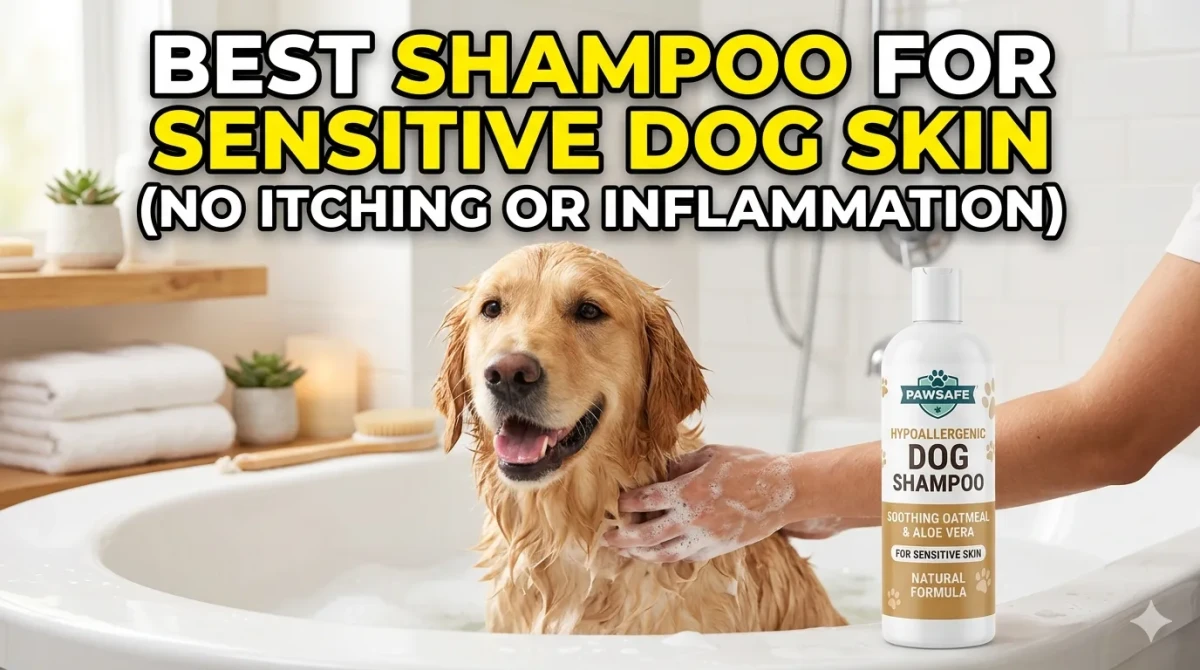
Understanding Sensitive Skin in Dogs: Why Specialized Shampoo Matters
Dogs with sensitive skin require special care when it comes to bathing and grooming. Unlike humans, dogs have a different skin pH balance and more delicate skin structure, making them susceptible to irritation from inappropriate products. Choosing the best shampoo for sensitive dog skin isn't just about cleanliness—it's about preventing discomfort, reducing itching, and maintaining your dog's overall skin health and coat quality.
Featured Snippet Answer: The best shampoo for sensitive dog skin is fragrance-free, hypoallergenic, and pH-balanced specifically for canines. Look for soothing ingredients like colloidal oatmeal, aloe vera, or chamomile, and avoid harsh chemicals, artificial fragrances, and sulfates. Always choose tear-free formulas and consult your veterinarian for dogs with severe skin conditions or allergies.
Sensitive skin in dogs can manifest as excessive scratching, redness, flakiness, hair loss, or visible irritation. These symptoms may stem from environmental allergies, flea sensitivity, food reactions, contact dermatitis, or underlying health conditions. Using the wrong shampoo can exacerbate these issues, leading to a cycle of discomfort and skin damage.
This comprehensive guide explores everything you need to know about selecting and using shampoo for dogs with sensitive skin. You'll learn about the science of canine skin pH, ingredients that soothe versus irritate, top veterinarian-recommended products, proper bathing techniques for sensitive dogs, and when to seek veterinary care. Whether your dog has mild skin sensitivity or chronic dermatological issues, you'll find practical, evidence-based strategies to keep their skin healthy and comfortable.
The Science of Canine Skin: pH Balance and Sensitivity
Understanding your dog's skin biology is essential for choosing appropriate grooming products. Dog skin differs significantly from human skin in structure, pH level, and sensitivity.
Canine Skin pH: Dog skin has a pH range of approximately 6.2 to 7.5, which is more neutral to slightly alkaline compared to human skin (pH 4.5-5.5, which is more acidic). Using human shampoo on dogs disrupts this delicate pH balance, stripping natural oils and creating an environment where harmful bacteria and yeast can thrive.
Skin Structure: Dog skin is thinner and more delicate than human skin in many areas, with a higher density of nerve endings that make it more sensitive to irritation. The epidermis (outer layer) varies by breed but is generally more sensitive to chemical irritants.
Natural Oil Production: Dogs produce natural oils (sebum) that protect their skin and keep their coat healthy and water-resistant. Harsh shampoos strip these oils, leading to dryness, flaking, and increased sensitivity.
Why pH-Balanced Matters: Shampoos formulated specifically for dogs maintain the appropriate pH range, preserving the skin's acid mantle—a protective barrier against pathogens. Products labeled "pH-balanced for dogs" or "canine-specific" have been tested to ensure compatibility with dog skin.
Can I use baby shampoo on my dog with sensitive skin?
While baby shampoo is gentler than adult human shampoo, it's still not ideal for dogs. Baby shampoo is formulated for human infant pH (around 5.5), which is more acidic than dog skin. Additionally, many baby shampoos contain fragrances, preservatives, or other ingredients that can irritate sensitive canine skin. Always choose shampoo specifically formulated for dogs, preferably labeled for sensitive skin or hypoallergenic.
Common Causes of Sensitive Skin in Dogs

Identifying the underlying cause of your dog's skin sensitivity helps you choose the most appropriate shampoo and treatment approach.
Allergic Dermatitis:
- Flea allergy dermatitis: The most common cause of canine skin allergies; even a single flea bite can trigger intense itching
- Environmental allergies (atopic dermatitis): Reactions to pollen, dust mites, mold, or grass
- Food allergies: Sensitivity to proteins like beef, dairy, chicken, or wheat
- 🐾 How to Prevent Odor in Cages: Expert Guide for Small Pet Owners
- 🐾 Daily Care Routine for Dogs: Complete 2026 Guide
- 🐾 How to Brush Cat Teeth Properly: Step-by-Step Guide
Contact Dermatitis: Skin reactions to substances that touch your dog's skin, including:
- Certain grooming products or shampoos
- Household cleaners or detergents
- Plastic food bowls (can cause chin acne)
- Carpet cleaners or fabric softeners
- 🐾 How to Prevent Odor in Cages: Expert Guide for Small Pet Owners
- 🐾 Daily Care Routine for Dogs: Complete 2026 Guide
- 🐾 How to Brush Cat Teeth Properly: Step-by-Step Guide
Parasitic Infections:
- Fleas, mites (mange), or ringworm can cause severe itching and skin inflammation
- 🐾 How to Prevent Odor in Cages: Expert Guide for Small Pet Owners
- 🐾 Daily Care Routine for Dogs: Complete 2026 Guide
- 🐾 How to Brush Cat Teeth Properly: Step-by-Step Guide
Bacterial or Fungal Infections:
- Secondary infections often develop in dogs with compromised skin barriers
- 🐾 How to Prevent Odor in Cages: Expert Guide for Small Pet Owners
- 🐾 Daily Care Routine for Dogs: Complete 2026 Guide
- 🐾 How to Brush Cat Teeth Properly: Step-by-Step Guide
Stress-Related Skin Issues:
- Overgrooming or licking due to anxiety can cause hair loss and skin irritation
- 🐾 How to Prevent Odor in Cages: Expert Guide for Small Pet Owners
- 🐾 Daily Care Routine for Dogs: Complete 2026 Guide
- 🐾 How to Brush Cat Teeth Properly: Step-by-Step Guide
Underlying Medical Conditions:
- Hypothyroidism, Cushing's disease, or immune disorders can manifest as skin problems
- 🐾 How to Prevent Odor in Cages: Expert Guide for Small Pet Owners
- 🐾 Daily Care Routine for Dogs: Complete 2026 Guide
- 🐾 How to Brush Cat Teeth Properly: Step-by-Step Guide
Featured Snippet Answer: Common causes of sensitive skin in dogs include flea allergy dermatitis, environmental allergies, food sensitivities, contact dermatitis from grooming products, parasitic infections, and underlying medical conditions. Identifying the root cause with veterinary help ensures you choose the right shampoo and treatment approach.
Key Ingredients to Look For in Sensitive Skin Dog Shampoo

The best shampoos for sensitive dog skin contain soothing, natural ingredients that calm irritation without causing further sensitivity.
Colloidal Oatmeal:
One of the most effective ingredients for sensitive skin, colloidal oatmeal (finely ground oat particles suspended in liquid) provides multiple benefits:
- Soothes itching and inflammation
- Forms a protective barrier on the skin
- Retains moisture and prevents dryness
- Contains antioxidants and anti-inflammatory compounds
- Safe for frequent use
- 🐾 How to Prevent Odor in Cages: Expert Guide for Small Pet Owners
- 🐾 Daily Care Routine for Dogs: Complete 2026 Guide
- 🐾 How to Brush Cat Teeth Properly: Step-by-Step Guide
Aloe Vera:
Known for its healing properties, aloe vera:
- Cools and soothes irritated skin
- Promotes wound healing
- Provides deep hydration
- Has natural antibacterial and antifungal properties
- 🐾 How to Prevent Odor in Cages: Expert Guide for Small Pet Owners
- 🐾 Daily Care Routine for Dogs: Complete 2026 Guide
- 🐾 How to Brush Cat Teeth Properly: Step-by-Step Guide
Chamomile Extract:
A gentle botanical ingredient that:
- Reduces inflammation and redness
- Calms itchy skin
- Has mild antiseptic properties
- Suitable for very sensitive dogs
- 🐾 How to Prevent Odor in Cages: Expert Guide for Small Pet Owners
- 🐾 Daily Care Routine for Dogs: Complete 2026 Guide
- 🐾 How to Brush Cat Teeth Properly: Step-by-Step Guide
Vitamin E:
- Powerful antioxidant that protects skin cells
- Promotes healing and reduces scarring
- Moisturizes and softens the coat
- 🐾 How to Prevent Odor in Cages: Expert Guide for Small Pet Owners
- 🐾 Daily Care Routine for Dogs: Complete 2026 Guide
- 🐾 How to Brush Cat Teeth Properly: Step-by-Step Guide
Coconut Oil:
- Natural moisturizer that doesn't clog pores
- Has antimicrobial properties
- Helps restore the skin's lipid barrier
- Adds shine to the coat
- 🐾 How to Prevent Odor in Cages: Expert Guide for Small Pet Owners
- 🐾 Daily Care Routine for Dogs: Complete 2026 Guide
- 🐾 How to Brush Cat Teeth Properly: Step-by-Step Guide
Hypoallergenic Formulations:
Look for shampoos labeled "hypoallergenic," which means they're formulated to minimize allergic reactions. These typically:
- Exclude common allergens
- Use minimal ingredients
- Avoid harsh chemicals
- Are dermatologist or veterinarian tested
- 🐾 How to Prevent Odor in Cages: Expert Guide for Small Pet Owners
- 🐾 Daily Care Routine for Dogs: Complete 2026 Guide
- 🐾 How to Brush Cat Teeth Properly: Step-by-Step Guide
Tear-Free Formulas:
Essential for dog safety, tear-free shampoos won't sting if they get in your dog's eyes during bathing.
Ingredients to Avoid in Dog Shampoo

Certain ingredients commonly found in human or even some pet shampoos can trigger or worsen skin sensitivity in dogs.
Artificial Fragrances:
One of the most common irritants, synthetic fragrances can cause:
- Contact dermatitis
- Respiratory irritation (dogs have sensitive noses)
- Allergic reactions
- 🐾 How to Prevent Odor in Cages: Expert Guide for Small Pet Owners
- 🐾 Daily Care Routine for Dogs: Complete 2026 Guide
- 🐾 How to Brush Cat Teeth Properly: Step-by-Step Guide
Sulfates (SLS/SLES):
Sodium lauryl sulfate and sodium laureth sulfate are harsh foaming agents that:
- Strip natural oils from skin and coat
- Cause dryness and irritation
- Disrupt the skin's protective barrier
- 🐾 How to Prevent Odor in Cages: Expert Guide for Small Pet Owners
- 🐾 Daily Care Routine for Dogs: Complete 2026 Guide
- 🐾 How to Brush Cat Teeth Properly: Step-by-Step Guide
Parabens:
Preservatives like methylparaben and propylparaben that may:
- Cause allergic reactions
- Disrupt hormonal balance (endocrine disruptors)
- Accumulate in body tissues over time
- 🐾 How to Prevent Odor in Cages: Expert Guide for Small Pet Owners
- 🐾 Daily Care Routine for Dogs: Complete 2026 Guide
- 🐾 How to Brush Cat Teeth Properly: Step-by-Step Guide
Artificial Dyes:
Color additives serve no functional purpose and can:
- Trigger skin sensitivity
- Cause allergic reactions
- Be absorbed through the skin
- 🐾 How to Prevent Odor in Cages: Expert Guide for Small Pet Owners
- 🐾 Daily Care Routine for Dogs: Complete 2026 Guide
- 🐾 How to Brush Cat Teeth Properly: Step-by-Step Guide
Alcohol:
Drying alcohols like isopropyl alcohol or ethanol can:
- Severely dry out skin
- Cause burning or stinging
- Worsen existing irritation
- 🐾 How to Prevent Odor in Cages: Expert Guide for Small Pet Owners
- 🐾 Daily Care Routine for Dogs: Complete 2026 Guide
- 🐾 How to Brush Cat Teeth Properly: Step-by-Step Guide
Formaldehyde-Releasing Preservatives:
Ingredients like DMDM hydantoin or quaternium-15 release small amounts of formaldehyde and can cause:
- Severe allergic reactions
- Skin sensitization
- Long-term health concerns
- 🐾 How to Prevent Odor in Cages: Expert Guide for Small Pet Owners
- 🐾 Daily Care Routine for Dogs: Complete 2026 Guide
- 🐾 How to Brush Cat Teeth Properly: Step-by-Step Guide
Phthalates:
Often hidden in "fragrance," phthalates are endocrine disruptors linked to:
- Hormonal imbalances
- Reproductive issues
- Developmental problems
- 🐾 How to Prevent Odor in Cages: Expert Guide for Small Pet Owners
- 🐾 Daily Care Routine for Dogs: Complete 2026 Guide
- 🐾 How to Brush Cat Teeth Properly: Step-by-Step Guide
Featured Snippet Answer: Avoid dog shampoos containing artificial fragrances, sulfates (SLS/SLES), parabens, artificial dyes, drying alcohols, formaldehyde-releasing preservatives, and phthalates. These ingredients can trigger or worsen skin sensitivity, cause allergic reactions, and disrupt your dog's natural skin barrier.
Top Recommended Shampoos for Sensitive Dog Skin
Based on veterinary recommendations, ingredient quality, and user reviews, these shampoos are excellent choices for dogs with sensitive skin.
1. Earthbath Oatmeal & Aloe Dog Shampoo
Key Features:
- Colloidal oatmeal and organic aloe vera for soothing relief
- 100% biodegradable and eco-friendly
- Soap-free, paraben-free, and sulfate-free
- pH-balanced for dogs
- Vanilla-almond scent (naturally derived)
- 🐾 How to Prevent Odor in Cages: Expert Guide for Small Pet Owners
- 🐾 Daily Care Routine for Dogs: Complete 2026 Guide
- 🐾 How to Brush Cat Teeth Properly: Step-by-Step Guide
Best For: Mild to moderate skin sensitivity, dry skin, general maintenance
Pros: Gentle formula, environmentally responsible, widely available
Cons: Contains natural fragrance (may bother extremely sensitive dogs)
2. Vet's Best Hypo-Allergenic Dog Shampoo
Key Features:
- Fragrance-free formula
- Developed with veterinarians
- Contains tea tree oil (in safe, diluted concentration)
- Hypoallergenic and soap-free
- No-rinse option available
- 🐾 How to Prevent Odor in Cages: Expert Guide for Small Pet Owners
- 🐾 Daily Care Routine for Dogs: Complete 2026 Guide
- 🐾 How to Brush Cat Teeth Properly: Step-by-Step Guide
Best For: Dogs with severe allergies, fragrance sensitivity
Pros: Veterinarian-formulated, truly fragrance-free, affordable
Cons: Tea tree oil, even diluted, may not suit all dogs
3. Burt's Bees for Dogs Hypoallergenic Shampoo
Key Features:
- Colloidal oatmeal and honey for moisture
- 99.7% natural ingredients
- No fragrances, sulfates, or parabens
- pH-balanced for dogs
- Made in USA
- 🐾 How to Prevent Odor in Cages: Expert Guide for Small Pet Owners
- 🐾 Daily Care Routine for Dogs: Complete 2026 Guide
- 🐾 How to Brush Cat Teeth Properly: Step-by-Step Guide
Best For: Natural product seekers, mild sensitivity
Pros: High natural ingredient percentage, gentle, affordable
Cons: Contains honey (avoid if your dog has specific allergies)
4. TropiClean OxyMed Sensitive Skin Dog Shampoo
Key Features:
- Colloidal oatmeal and vitamin E
- Omega-3 and omega-6 fatty acids for coat health
- Soap-free and paraben-free
- Deodorizing without harsh fragrances
- 🐾 How to Prevent Odor in Cages: Expert Guide for Small Pet Owners
- 🐾 Daily Care Routine for Dogs: Complete 2026 Guide
- 🐾 How to Brush Cat Teeth Properly: Step-by-Step Guide
Best For: Itchy skin, coat conditioning
Pros: Adds essential fatty acids, good lather, pleasant mild scent
Cons: Contains natural fragrance
5. Davis Oatmeal Shampoo for Dogs
Key Features:
- 3% colloidal oatmeal concentration
- Veterinarian-recommended brand
- Soap-free and biodegradable
- Can be used frequently
- Professional grooming quality
- 🐾 How to Prevent Odor in Cages: Expert Guide for Small Pet Owners
- 🐾 Daily Care Routine for Dogs: Complete 2026 Guide
- 🐾 How to Brush Cat Teeth Properly: Step-by-Step Guide
Best For: Frequent bathing, professional results
Pros: High oatmeal concentration, trusted by groomers, effective
Cons: May be harder to find in retail stores
6. Espree Silky Show Dog Shampoo
Key Features:
- Aloe vera and lanolin for moisture
- Hypoallergenic formula
- pH-balanced
- Enhances coat shine
- Professional grooming brand
- 🐾 How to Prevent Odor in Cages: Expert Guide for Small Pet Owners
- 🐾 Daily Care Routine for Dogs: Complete 2026 Guide
- 🐾 How to Brush Cat Teeth Properly: Step-by-Step Guide
Best For: Show dogs, long-haired breeds
Pros: Excellent conditioning, professional quality
Cons: Contains lanolin (avoid if allergic), higher price point
Medicated Options (Veterinary Guidance Required):
Chlorhexidine Shampoos: For bacterial or fungal infections
Ketoconazole Shampoos: For yeast infections and ringworm
Benzoyl Peroxide: For deep cleansing and follicular flushing (can be drying)
Important: Medicated shampoos should only be used under veterinary supervision and for specific diagnosed conditions.
How to Bathe a Dog with Sensitive Skin: Step-by-Step Guide
Bathing a dog with sensitive skin requires extra care to avoid causing additional irritation or stress.
Before the Bath: Preparation
1. Brush Thoroughly: Remove loose fur, mats, and debris before wetting. Mats trap water and shampoo against the skin, causing irritation.
2. Trim Nails: Protect yourself from scratches that can stress both you and your dog.
3. Gather Supplies: Have everything within arm's reach:
- Appropriate shampoo (diluted if recommended)
- Several soft towels
- Pitcher or handheld sprayer with gentle flow
- Cotton balls for ears
- Treats for positive reinforcement
- 🐾 How to Prevent Odor in Cages: Expert Guide for Small Pet Owners
- 🐾 Daily Care Routine for Dogs: Complete 2026 Guide
- 🐾 How to Brush Cat Teeth Properly: Step-by-Step Guide
4. Choose the Right Environment:
- Warm, draft-free room
- Non-slip mat in sink or tub
- Calm, quiet atmosphere
- 🐾 How to Prevent Odor in Cages: Expert Guide for Small Pet Owners
- 🐾 Daily Care Routine for Dogs: Complete 2026 Guide
- 🐾 How to Brush Cat Teeth Properly: Step-by-Step Guide
5. Water Temperature: Lukewarm water (around 100°F/38°C)—test on your wrist. Water that's too hot or cold can stress sensitive skin.
During the Bath: Gentle Technique
Step 1: Protect Ears
Gently place cotton balls in ear canals to prevent water entry, which can cause infections.
Step 2: Wet Gradually
Use a pitcher or gentle spray to wet the coat slowly, starting from the neck and working down. Avoid the face and ears. Speak calmly to reassure your dog.
Step 3: Apply Shampoo
Use a small amount of shampoo (diluted according to instructions). Gently massage into the coat using your fingertips—never nails. Focus on soiled areas but avoid vigorous scrubbing.
Step 4: Rinse Thoroughly
This is critical for sensitive skin. Rinse until water runs completely clear. Shampoo residue is a common cause of irritation. Lift the coat to ensure water reaches the skin.
Step 5: Avoid the Face
Never apply shampoo directly to the face. If needed, use a damp washcloth to gently wipe the face.
Featured Snippet Answer: When bathing a dog with sensitive skin, use lukewarm water, apply a small amount of diluted hypoallergenic shampoo, massage gently with fingertips (not nails), and rinse thoroughly until water runs completely clear. Avoid the face and ears, and keep the experience calm and stress-free with gentle handling and reassurance.
After the Bath: Drying and Comfort
1. Towel Dry Gently: Blot—don't rub—to absorb water. Rubbing can irritate sensitive skin and tangle fur.
2. Keep Warm: Place your dog in a warm, draft-free room until completely dry. Use a soft, clean towel or blanket.
3. Avoid Blow Dryers: Most dogs find dryers stressful, and heat can irritate sensitive skin. If you must use one, choose the lowest heat setting and keep it moving.
4. Brush When Dry: Once completely dry, gently brush to remove any remaining loose fur and distribute natural oils.
5. Reward: Offer treats and praise to create positive associations with bath time.
Bathing Frequency for Dogs with Sensitive Skin
How often you should bathe a dog with sensitive skin depends on the underlying cause and severity of their condition.
General Guidelines:
- Healthy dogs: Every 4-6 weeks, or when visibly dirty or smelly
- Mild sensitivity: Every 4-6 weeks with gentle shampoo
- Moderate conditions: Every 2-3 weeks as directed by veterinarian
- Severe dermatitis or infections: As prescribed (may be weekly initially)
- 🐾 How to Prevent Odor in Cages: Expert Guide for Small Pet Owners
- 🐾 Daily Care Routine for Dogs: Complete 2026 Guide
- 🐾 How to Brush Cat Teeth Properly: Step-by-Step Guide
Over-Bathing Risks:
Bathing too frequently, even with gentle shampoo, can:
- Strip natural oils
- Disrupt the skin barrier
- Cause dryness and increased sensitivity
- Lead to compensatory oil production (greasy coat)
- 🐾 How to Prevent Odor in Cages: Expert Guide for Small Pet Owners
- 🐾 Daily Care Routine for Dogs: Complete 2026 Guide
- 🐾 How to Brush Cat Teeth Properly: Step-by-Step Guide
Under-Bathing Risks:
Not bathing enough when medically necessary can:
- Allow allergens to accumulate on the skin
- Perpetuate infection or inflammation
- Delay healing
- 🐾 How to Prevent Odor in Cages: Expert Guide for Small Pet Owners
- 🐾 Daily Care Routine for Dogs: Complete 2026 Guide
- 🐾 How to Brush Cat Teeth Properly: Step-by-Step Guide
Alternative Cleaning Methods:
For dogs who absolutely cannot tolerate bathing:
- Waterless shampoos: Foam or spray formulas that don't require rinsing
- Grooming wipes: Hypoallergenic wipes for spot cleaning
- Regular brushing: Removes dirt, allergens, and loose fur
- 🐾 How to Prevent Odor in Cages: Expert Guide for Small Pet Owners
- 🐾 Daily Care Routine for Dogs: Complete 2026 Guide
- 🐾 How to Brush Cat Teeth Properly: Step-by-Step Guide
These aren't substitutes for medicated baths when prescribed but can help maintain cleanliness between baths.
How often should I bathe my dog with sensitive skin?
Dogs with mild skin sensitivity typically need bathing every 4-6 weeks with a gentle, hypoallergenic shampoo. Dogs with moderate to severe conditions may need bathing every 2-3 weeks or as directed by a veterinarian. Over-bathing can strip natural oils and worsen sensitivity, so always follow veterinary guidance for your individual dog's needs.
When to See a Veterinarian: Beyond Shampoo
While the right shampoo can manage mild sensitivity, certain situations require veterinary intervention.
Seek Veterinary Care If:
- Intense itching persists despite using appropriate shampoo
- Hair loss or bald patches develop
- Open sores, scabs, or bleeding appear
- Redness or swelling worsens after bathing
- Behavioral changes like lethargy, loss of appetite, or aggression
- Signs of infection: pus, foul odor, warmth to touch
- No improvement after 2-3 baths with appropriate shampoo
- 🐾 How to Prevent Odor in Cages: Expert Guide for Small Pet Owners
- 🐾 Daily Care Routine for Dogs: Complete 2026 Guide
- 🐾 How to Brush Cat Teeth Properly: Step-by-Step Guide
Diagnostic Tests Your Vet May Recommend:
- Skin scraping: To check for mites or parasites
- Fungal culture: To diagnose ringworm
- Bacterial culture: To identify infection and appropriate antibiotics
- Allergy testing: To identify environmental or food allergens
- Blood work: To rule out systemic diseases
- Food elimination trial: To diagnose food allergies
- 🐾 How to Prevent Odor in Cages: Expert Guide for Small Pet Owners
- 🐾 Daily Care Routine for Dogs: Complete 2026 Guide
- 🐾 How to Brush Cat Teeth Properly: Step-by-Step Guide
Prescription Treatments May Include:
- Medicated shampoos with specific active ingredients
- Oral or topical antibiotics for infections
- Antifungal medications
- Anti-inflammatory drugs or steroids
- Antihistamines for allergies
- Immunotherapy for environmental allergies
- Prescription hypoallergenic diets
- 🐾 How to Prevent Odor in Cages: Expert Guide for Small Pet Owners
- 🐾 Daily Care Routine for Dogs: Complete 2026 Guide
- 🐾 How to Brush Cat Teeth Properly: Step-by-Step Guide
Natural and DIY Options: Proceed with Caution
Some dog owners prefer natural or homemade shampoo alternatives. While these can work for some dogs, proceed with caution.
Safe Natural Options:
- Diluted unscented castile soap: Very mild, but can still be drying; use sparingly
- Oatmeal bath: Grind plain, unflavored oats into powder, mix with warm water to create a paste
- Aloe vera gel (pure): Can soothe skin but ensure it's free of preservatives and additives
- 🐾 How to Prevent Odor in Cages: Expert Guide for Small Pet Owners
- 🐾 Daily Care Routine for Dogs: Complete 2026 Guide
- 🐾 How to Brush Cat Teeth Properly: Step-by-Step Guide
Ingredients to Never Use:
- Essential oils: Many are toxic to dogs, including tea tree, lavender, peppermint, and citrus oils
- Vinegar: Too acidic for dog skin
- Baking soda: Can be drying and irritating
- Dish soap: Far too harsh; strips all natural oils
- Human shampoo or baby shampoo: Wrong pH balance
- 🐾 How to Prevent Odor in Cages: Expert Guide for Small Pet Owners
- 🐾 Daily Care Routine for Dogs: Complete 2026 Guide
- 🐾 How to Brush Cat Teeth Properly: Step-by-Step Guide
Important Note: "Natural" doesn't automatically mean safe. Many natural ingredients are toxic to dogs. Always research thoroughly and consult your veterinarian before using DIY solutions.
Complementary Care for Sensitive Skin
Shampoo is just one part of managing sensitive skin. Comprehensive care includes:
Nutrition:
- High-quality diet with omega-3 fatty acids (fish oil)
- Consider hypoallergenic or limited-ingredient diets if food allergies suspected
- Ensure adequate hydration
- 🐾 How to Prevent Odor in Cages: Expert Guide for Small Pet Owners
- 🐾 Daily Care Routine for Dogs: Complete 2026 Guide
- 🐾 How to Brush Cat Teeth Properly: Step-by-Step Guide
Environmental Management:
- Regular flea prevention (even for indoor dogs)
- Use fragrance-free household cleaners
- Wash bedding frequently in hypoallergenic detergent
- Reduce dust and allergens with air purifiers
- Avoid cigarette smoke
- 🐾 How to Prevent Odor in Cages: Expert Guide for Small Pet Owners
- 🐾 Daily Care Routine for Dogs: Complete 2026 Guide
- 🐾 How to Brush Cat Teeth Properly: Step-by-Step Guide
Stress Reduction:
- Provide safe spaces and vertical territory
- Maintain consistent routines
- Use pheromone diffusers (Adaptil) if anxiety-related overgrooming
- Provide environmental enrichment (toys, scratching posts)
- 🐾 How to Prevent Odor in Cages: Expert Guide for Small Pet Owners
- 🐾 Daily Care Routine for Dogs: Complete 2026 Guide
- 🐾 How to Brush Cat Teeth Properly: Step-by-Step Guide
Regular Grooming:
- Daily brushing to remove allergens and distribute oils
- Regular nail trims to prevent self-trauma from scratching
- Professional grooming for long-haired dogs
- 🐾 How to Prevent Odor in Cages: Expert Guide for Small Pet Owners
- 🐾 Daily Care Routine for Dogs: Complete 2026 Guide
- 🐾 How to Brush Cat Teeth Properly: Step-by-Step Guide
Quick Recap: Key Takeaways for Sensitive Dog Skin Care
- Choose pH-balanced, hypoallergenic shampoo specifically formulated for dogs
- Look for soothing ingredients like colloidal oatmeal, aloe vera, and chamomile
- Avoid artificial fragrances, sulfates, parabens, and dyes
- Bathe only as often as necessary—typically every 4-6 weeks for mild sensitivity
- Use lukewarm water and rinse thoroughly to prevent residue irritation
- Handle gently and keep bath time calm and stress-free
- Consult your veterinarian for persistent or severe skin issues
- Address underlying causes like allergies, parasites, or infections
- Support skin health with proper nutrition and environmental management
- Never use human shampoo, essential oils, or unverified DIY recipes
- 🐾 How to Prevent Odor in Cages: Expert Guide for Small Pet Owners
- 🐾 Daily Care Routine for Dogs: Complete 2026 Guide
- 🐾 How to Brush Cat Teeth Properly: Step-by-Step Guide
Final Thoughts: Gentle Care for Your Sensitive Dog
Managing sensitive skin in dogs requires patience, observation, and the right products. The best shampoo for sensitive dog skin is just one piece of a comprehensive care approach that includes proper nutrition, environmental management, stress reduction, and veterinary guidance when needed.
Remember that every dog is unique. What works for one may not work for another. Pay attention to your dog's responses, keep a journal of products used and skin reactions, and maintain open communication with your veterinarian.
With the right shampoo, gentle bathing techniques, and holistic care, you can help your sensitive-skinned dog feel comfortable, look beautiful, and enjoy a better quality of life. Your dedication to understanding and meeting your dog's needs is the foundation of their health and happiness.
🐱 আরও পড়ুন: Dog Care
- 🐾 How to Brush Dog Teeth Properly: Expert Step-by-Step Guide
- 🐾 Grooming Hacks for Shedding Dogs: Expert Tips to Reduce Fur & Manage Shedding
- 🐾 Dog Coat Care in Winter Complete Grooming Guide
- 🐾 Daily Care Routine for Dogs: Complete 2026 Guide
- 🐾 How to Prevent Matting in Long Haired Dogs Complete Grooming Guide

0 Comments