.png)
Annual Health Check Routine for Dogs: Complete Guide
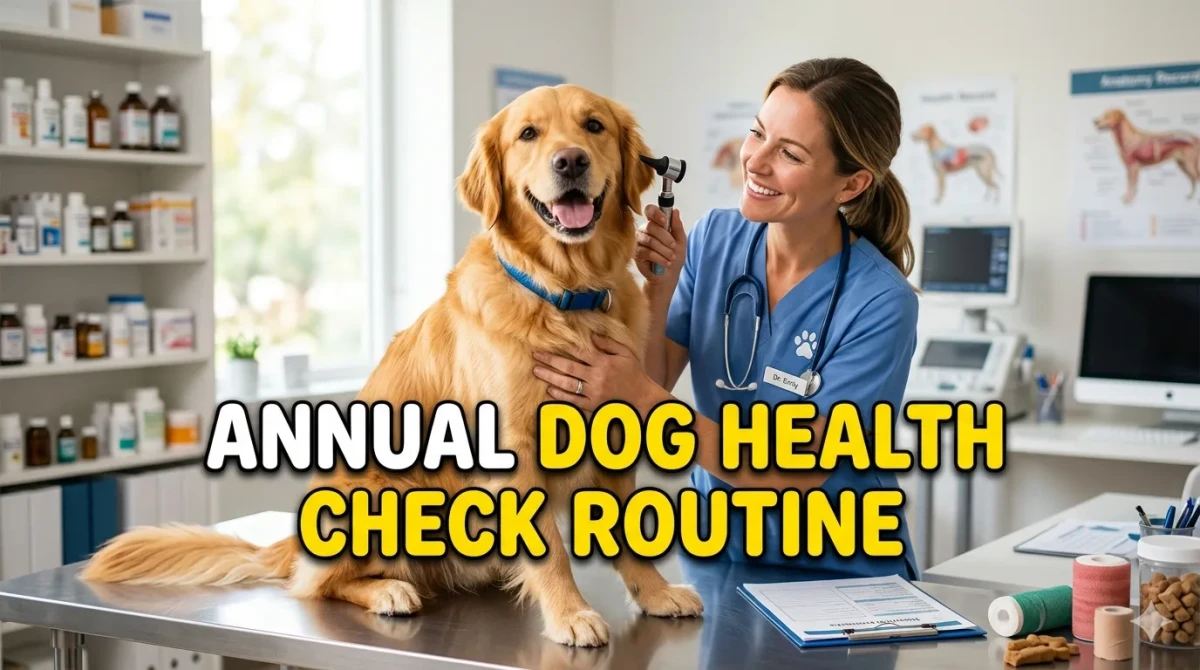
Why Annual Health Checks Are Essential for Your Dog's Longevity
Annual health checks are one of the most powerful tools you have to ensure your dog lives a long, healthy, and happy life. Just like humans, dogs benefit tremendously from preventive care—catching potential issues early, updating preventive protections, and establishing baseline health data that helps veterinarians detect subtle changes over time. An annual wellness exam isn't just a "shot visit"; it's a comprehensive assessment of your dog's physical, dental, behavioral, and cognitive health.
Featured Snippet Answer: An annual dog health check includes a complete physical examination, dental assessment, weight and body condition evaluation, vaccination updates, parasite prevention review, and age-appropriate diagnostic screening (blood work, urinalysis). Puppies and senior dogs may need checkups every 6 months. At-home monitoring between visits includes observing appetite, energy, bathroom habits, and behavior changes.
Many dog owners assume that if their dog "seems fine," veterinary visits aren't necessary. However, dogs are masters at hiding discomfort, and many serious conditions (kidney disease, heart disease, early cancer, dental disease) show no obvious symptoms until they're advanced. Annual checkups allow veterinarians to detect problems when they're most treatable—and often before your dog even shows signs of illness.
This comprehensive guide provides evidence-based, veterinarian-aligned strategies for establishing and maintaining an effective annual health check routine for your dog. You'll learn what to expect during wellness exams, how to prepare your dog, age-specific considerations, at-home monitoring techniques, vaccination and preventive care schedules, and how to partner with your veterinary team for lifelong health. Whether you have a playful puppy, a prime adult, or a wise senior dog, you'll find practical guidance to support their wellbeing.
What Happens During a Canine Wellness Exam: The Complete Checklist
A thorough annual wellness exam goes far beyond vaccinations. Understanding each component helps you participate actively in your dog's care.
1. History Review and Owner Consultation
- Diet and nutrition: Review of current food, treats, supplements, and feeding practices
- Activity and exercise: Discussion of daily routine, exercise tolerance, and any changes
- Behavior and cognition: Assessment of temperament, anxiety, training progress, and age-related cognitive changes
- Environmental factors: Living situation, travel, exposure to other animals, and potential toxin risks
- Owner concerns: Dedicated time to address your questions or observations
- 🐾 Best Vitamins for Dog Health: Expert Veterinary Guide
- 🐾 Common Diseases in Small Pets Every Owner Should Know
- 🐾 Fish Health Basics for Beginners: Essential Guide
2. Vital Signs and Basic Measurements
- Weight: Precise measurement to track trends; even small changes can signal health issues
- Body Condition Score (BCS): 1-9 scale assessing fat coverage and muscle mass; ideal is 4-5/9
- Temperature: Normal range 100-102.5°F (37.8-39.2°C)
- Heart rate: Normal range varies by size: small dogs 100-140 bpm, large dogs 60-100 bpm
- Respiratory rate: Normal 10-30 breaths per minute at rest
- Mucous membrane color: Gums should be pink and moist; pale, blue, or yellow indicates problems
- Capillary refill time: Press gum gently; color should return in 24 hours
- Vomiting or diarrhea lasting >24 hours, or containing blood
- Difficulty breathing, coughing, or gagging
- Sudden weakness, collapse, or inability to stand
- Seizures or significant behavior changes
- Straining to urinate or defecate without production
- Visible pain, crying, or guarding a body part
- Rapid weight loss or gain
- 🐾 Best Vitamins for Dog Health: Expert Veterinary Guide
- 🐾 Common Diseases in Small Pets Every Owner Should Know
- 🐾 Fish Health Basics for Beginners: Essential Guide
Featured Snippet Answer: Monitor your dog daily for changes in appetite, energy, bathroom habits, and behavior. Perform monthly hands-on checks for lumps, oral health, and joint mobility. Keep a health journal to track trends. Seek veterinary care for appetite loss >24 hours, vomiting/diarrhea >24 hours, breathing difficulty, collapse, seizures, or visible pain.
Vaccination and Preventive Care: Staying Protected Year-Round

Preventive care is the cornerstone of annual wellness. Staying current on vaccines and parasite prevention protects your dog from serious, often fatal diseases.
Core Vaccines: Essential for All Dogs
- Rabies: Legally required in most areas; fatal viral disease transmissible to humans. Initial series in puppyhood, booster at 1 year, then every 1-3 years per vaccine label and local law.
- DHPP (Distemper, Hepatitis, Parvovirus, Parainfluenza): Protects against severe, often fatal viral diseases. Puppy series, booster at 1 year, then every 1-3 years based on risk assessment and titer testing if desired.
- 🐾 Best Vitamins for Dog Health: Expert Veterinary Guide
- 🐾 Common Diseases in Small Pets Every Owner Should Know
- 🐾 Fish Health Basics for Beginners: Essential Guide
Non-Core Vaccines: Based on Lifestyle Risk Assessment
- Bordetella (Kennel Cough): Recommended for dogs boarding, grooming, attending daycare, or visiting dog parks. Intranasal, oral, or injectable forms; boosters every 6-12 months.
- Leptospirosis: Bacterial disease spread through wildlife urine; can infect humans. Recommended for dogs with outdoor exposure, rural living, or standing water access. Two-dose initial series, annual boosters.
- Lyme Disease: Tick-borne bacterial disease. Recommended for dogs in endemic areas (Northeast, Upper Midwest, West Coast) or with outdoor exposure. Two-dose initial series, annual boosters; continue year-round tick prevention.
- Canine Influenza: Viral respiratory disease. Recommended for dogs in outbreak areas or high-contact settings (boarding, shows). Two-dose initial series, annual boosters.
- 🐾 Best Vitamins for Dog Health: Expert Veterinary Guide
- 🐾 Common Diseases in Small Pets Every Owner Should Know
- 🐾 Fish Health Basics for Beginners: Essential Guide
Parasite Prevention: Year-Round Protection
- Heartworm: Fatal parasitic disease spread by mosquitoes. Annual testing required before continuing prevention. Year-round preventive medication (oral, topical, or injectable) is essential—even in winter, as mosquitoes can survive indoors.
- Flea and Tick: Cause discomfort, allergic reactions, and transmit diseases (Lyme, ehrlichiosis, tapeworms). Year-round prevention recommended in most regions; choose products appropriate for your dog's lifestyle and local parasite risks.
- Intestinal Parasites: Roundworms, hookworms, whipworms, and giardia affect dogs and can infect humans. Annual fecal testing and year-round broad-spectrum preventives recommended, especially for puppies and dogs with outdoor access.
- 🐾 Best Vitamins for Dog Health: Expert Veterinary Guide
- 🐾 Common Diseases in Small Pets Every Owner Should Know
- 🐾 Fish Health Basics for Beginners: Essential Guide
Vaccination and Prevention Discussion Points for Your Annual Visit:
- Has your dog's lifestyle changed (new activities, travel, boarding)?
- Are you moving to or traveling to areas with different disease risks?
- Is your current preventive regimen still appropriate for your dog's age and health?
- Would titer testing be appropriate for any vaccines to assess immunity?
- 🐾 Best Vitamins for Dog Health: Expert Veterinary Guide
- 🐾 Common Diseases in Small Pets Every Owner Should Know
- 🐾 Fish Health Basics for Beginners: Essential Guide
Featured Snippet Answer: Core vaccines (rabies, DHPP) are essential for all dogs; non-core vaccines (bordetella, leptospirosis, Lyme, influenza) depend on lifestyle risk. Year-round parasite prevention (heartworm, flea/tick, intestinal parasites) is critical. Discuss lifestyle changes with your vet annually to adjust preventive protocols.
Dental Health: The Overlooked Component of Canine Wellness

Dental disease affects over 80% of dogs by age 3 and impacts overall health. Annual dental assessment is non-negotiable for comprehensive wellness.
Why Dental Health Matters Beyond the Mouth:
- Systemic impact: Oral bacteria can enter the bloodstream, affecting heart, kidneys, and liver
- Pain and quality of life: Dental disease causes significant pain dogs often hide
- Prevention is easier than treatment: Professional cleanings require anesthesia; home care reduces frequency
- 🐾 Best Vitamins for Dog Health: Expert Veterinary Guide
- 🐾 Common Diseases in Small Pets Every Owner Should Know
- 🐾 Fish Health Basics for Beginners: Essential Guide
Annual Dental Assessment Components:
- Visual examination: Tartar buildup, gum inflammation, tooth mobility, fractures, oral masses
- Periodontal staging: Assessment of gum recession, pocket depth, bone loss (may require sedation for full evaluation)
- Pain evaluation: Checking for loose teeth, abscesses, or signs of oral discomfort
- Home care review: Brushing technique, dental diets, chews, water additives, or toys
- 🐾 Best Vitamins for Dog Health: Expert Veterinary Guide
- 🐾 Common Diseases in Small Pets Every Owner Should Know
- 🐾 Fish Health Basics for Beginners: Essential Guide
Home Dental Care Strategies:
- Tooth brushing: Gold standard; daily with dog-specific toothpaste and soft brush or finger brush
- Dental diets: VOHC-approved kibble designed to reduce plaque through mechanical action
- Dental chews/toys: VOHC-approved products that help reduce plaque; monitor for choking hazards
- Water additives/oral gels: Enzymatic products that help reduce bacterial load; supplement, don't replace, brushing
- 🐾 Best Vitamins for Dog Health: Expert Veterinary Guide
- 🐾 Common Diseases in Small Pets Every Owner Should Know
- 🐾 Fish Health Basics for Beginners: Essential Guide
When Professional Cleaning Is Needed:
- Moderate to severe tartar buildup visible above gumline
- Gingivitis (red, swollen gums) or periodontal pocketing
- Loose, fractured, or discolored teeth
- Bad breath despite home care
- Veterinarian recommendation based on examination
- 🐾 Best Vitamins for Dog Health: Expert Veterinary Guide
- 🐾 Common Diseases in Small Pets Every Owner Should Know
- 🐾 Fish Health Basics for Beginners: Essential Guide
Professional Cleaning Process:
- Pre-anesthetic evaluation: Blood work and physical exam to ensure anesthesia safety
- Anesthesia: Required for thorough cleaning below gumline and oral examination; modern protocols are very safe with proper monitoring
- Scaling and polishing: Ultrasonic and hand instruments remove tartar above and below gumline; polishing smooths enamel
- Oral radiographs: X-rays reveal problems below gumline (root abscesses, bone loss) not visible externally
- Extractions if needed: Severely diseased teeth may require removal to eliminate pain and infection
- Post-operative care: Pain management, soft food, and home care instructions
- 🐾 Best Vitamins for Dog Health: Expert Veterinary Guide
- 🐾 Common Diseases in Small Pets Every Owner Should Know
- 🐾 Fish Health Basics for Beginners: Essential Guide
Featured Snippet Answer: Annual dental assessment includes visual examination, periodontal staging, and home care review. Brush teeth daily with dog-specific toothpaste; use VOHC-approved dental diets/chews as supplements. Professional cleaning under anesthesia is needed for moderate/severe tartar, gingivitis, or loose teeth. Dental disease affects overall health—don't overlook it.
Weight Management and Body Condition: Preventing Obesity-Related Disease

Obesity affects over 50% of dogs and contributes to diabetes, arthritis, heart disease, and reduced lifespan. Annual weight assessment is critical for prevention and early intervention.
Body Condition Scoring (BCS): The Gold Standard
Veterinarians use a 1-9 scale to assess body condition:
- 1-3 (Underweight): Ribs, spine, hip bones prominent; no fat cover; muscle loss
- 4-5 (Ideal): Ribs easily felt with thin fat cover; waist visible from above; abdominal tuck from side
- 6-9 (Overweight/Obese): Ribs difficult to feel; no waist; abdominal distension; heavy fat deposits
- 🐾 Best Vitamins for Dog Health: Expert Veterinary Guide
- 🐾 Common Diseases in Small Pets Every Owner Should Know
- 🐾 Fish Health Basics for Beginners: Essential Guide
Annual Weight Management Protocol:
- Precise weighing: Same scale, same time of day for accurate trend tracking
- BCS assessment: Veterinarian evaluates fat coverage and muscle mass
- Calorie calculation: Determine resting energy requirement (RER) and adjust for activity level
- Feeding plan: Measure food precisely; account for treats (should be 24 hours
- New lumps, bumps, or skin changes
- Behavioral changes (anxiety, confusion, aggression)
- Chronic cough, sneezing, or nasal discharge
- Limping or joint stiffness lasting >48 hours
- Ear odor, discharge, or head shaking
- Eye redness, cloudiness, or squinting
- 🐾 Best Vitamins for Dog Health: Expert Veterinary Guide
- 🐾 Common Diseases in Small Pets Every Owner Should Know
- 🐾 Fish Health Basics for Beginners: Essential Guide
Preparing for Emergency or Urgent Visits:
- Know your resources: Save contact information for your regular vet, nearest emergency clinic, and animal poison control (ASPCA: (888) 426-4435)
- Transport safely: Use a secure carrier or crate; muzzle if pain may cause biting (unless breathing difficulty)
- Bring records: Have vaccination history, medication list, and recent test results available
- Stay calm: Your dog senses your anxiety; speak calmly and handle gently during transport
- 🐾 Best Vitamins for Dog Health: Expert Veterinary Guide
- 🐾 Common Diseases in Small Pets Every Owner Should Know
- 🐾 Fish Health Basics for Beginners: Essential Guide
Featured Snippet Answer: Seek immediate veterinary care for breathing difficulty, repeated vomiting/diarrhea, seizures, trauma, toxin exposure, urinary blockage, severe pain, or heatstroke. Schedule prompt appointments for appetite changes >24 hours, new lumps, behavioral changes, or persistent cough/limping. Save emergency contacts and keep health records accessible.
Quick Recap: Key Takeaways for Annual Dog Health Checks

- Annual wellness exams include comprehensive physical assessment, dental evaluation, preventive care updates, and age-appropriate diagnostics
- Puppies need frequent visits for vaccinations; adults need annual exams; seniors benefit from checkups every 6 months
- Monitor your dog at home for changes in appetite, energy, bathroom habits, weight, and behavior
- Core vaccines (rabies, DHPP) are essential; non-core vaccines depend on lifestyle risk assessment
- Year-round parasite prevention (heartworm, flea/tick, intestinal parasites) is non-negotiable
- Dental health impacts overall health; brush teeth daily and schedule professional cleanings as recommended
- Maintain ideal body condition (BCS 4-5/9) through measured feeding and appropriate exercise
- Senior dogs need advanced screening: blood work, urinalysis, blood pressure, and cognitive assessment
- Prepare for appointments by compiling records, documenting concerns, and bringing requested samples
- Keep organized health records digitally or in print; share key information during emergencies
- Seek immediate care for breathing difficulty, trauma, toxin exposure, or severe pain; schedule prompt visits for persistent changes
- 🐾 Best Vitamins for Dog Health: Expert Veterinary Guide
- 🐾 Common Diseases in Small Pets Every Owner Should Know
- 🐾 Fish Health Basics for Beginners: Essential Guide
Final Thoughts: Partnership, Prevention, and Peace of Mind

An annual health check routine isn't just a veterinary appointment—it's a commitment to your dog's lifelong wellbeing. By partnering with your veterinary team, staying observant at home, and prioritizing preventive care, you give your dog the best possible chance at a long, vibrant life.
Remember that prevention is always easier, safer, and more affordable than treatment. The time and resources invested in annual wellness pay dividends in early disease detection, reduced emergency visits, and the joy of more healthy years with your companion.
Stay curious and engaged: ask questions, learn about your dog's specific needs, and advocate for their care. Every dog is unique; your knowledge of their normal behavior and baseline health makes you an invaluable member of their healthcare team.
Finally, celebrate the partnership: your annual checkup is more than a medical necessity—it's an opportunity to connect with your dog, celebrate their health, and plan for many more happy years together. With consistent care, attentive monitoring, and veterinary partnership, you're not just extending your dog's life—you're enriching every moment of it.

0 Comments