.png)
How to Train Cats to Sit on Command Complete Guide
Understanding Cat Training and the Sit Command
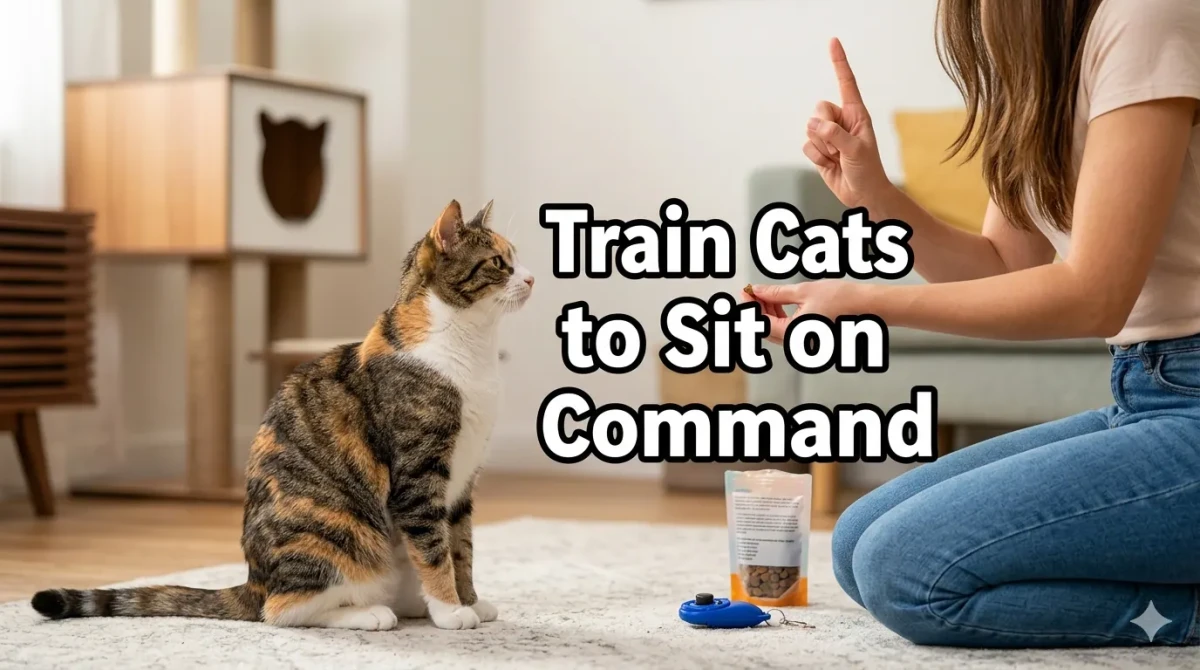
How to train cats to sit on command represents a valuable foundational skill for cat parents seeking to enhance communication, safety, and cooperation with their feline companions. While cats have a reputation for independence, they are highly intelligent animals capable of learning complex behaviors when trained using appropriate methods. The sit command, which teaches cats to lower their hindquarters into a seated position on cue, offers numerous practical benefits including improved safety during veterinary visits, controlled interactions, calm behavior during grooming, and enhanced bonding through positive interaction.
Training cats differs fundamentally from training dogs due to species specific motivations, learning styles, and communication methods. Cats respond best to positive reinforcement, short engaging sessions, and training that respects their autonomy. Unlike dogs who often work to please their handlers, cats typically participate in training because it benefits them directly through treats, praise, or enjoyable activities. Understanding these feline characteristics helps you approach sit training with realistic expectations and effective techniques.
This comprehensive guide covers everything you need to know about teaching your cat to sit on command, from foundational training principles and prerequisite skills to step by step instructions, troubleshooting common challenges, and advancing to complex scenarios. Whether you have a playful kitten eager to learn or an adult cat needing behavioral refinement, these expert strategies will help you build reliable sit behavior that enhances your cat's safety, your peace of mind, and the quality of your relationship.
Why Teaching Sit Benefits Cats and Their Owners
Teaching cats to sit on command provides practical advantages that extend far beyond simple obedience. The sit command serves as a foundation for numerous safety and management scenarios, making it one of the most valuable behaviors you can teach your feline companion.
Safety represents the primary benefit of sit training. Cats who reliably sit when commanded are easier to handle during veterinary examinations, grooming sessions, and nail trims. The sit position provides stability and control that makes these necessary procedures less stressful for both cat and owner. Additionally, a reliable sit command can prevent cats from darting through open doors or approaching dangerous areas when paired with other commands.
Beyond safety, sit training strengthens the bond between you and your cat through positive, cooperative interaction. Training sessions provide mental stimulation that prevents boredom, reduce problem behaviors by channeling energy constructively, and build your cat's confidence through successful learning experiences. Cats who participate in training often show increased engagement with their owners and greater overall satisfaction in their home environment.
The sit command also serves as a foundation for teaching additional behaviors. Once your cat understands sit, you can build on this foundation to teach stay, down, high five, or other useful behaviors. This progressive learning approach makes advanced training more accessible and enjoyable for both cat and owner.
What Makes Cat Training Different from Dog Training?
Understanding fundamental differences between cat and dog training approaches is essential for success when teaching sit commands. Cats are independent hunters who evolved to make autonomous decisions, while dogs are pack animals selected for cooperation with humans. These evolutionary histories shape how each species responds to training methods.
Cats typically require shorter training sessions of 3 to 5 minutes, as their attention spans for focused tasks are briefer than dogs. They respond best to high value rewards like favorite treats, play sessions, or affection rather than praise alone. Cats also benefit from training that occurs on their terms, allowing them to initiate or end sessions rather than feeling forced to participate.
Timing and consistency matter greatly in cat training. Cats learn through immediate consequences, so rewards must follow desired behaviors within seconds to create clear associations. Inconsistent responses confuse cats and slow learning, making it essential that all family members use identical cues and reinforcement strategies.
Cats are more sensitive to pressure and force than dogs. Training methods that work well with dogs, such as physical guidance or correction, often backfire with cats, creating fear or resistance. Positive reinforcement that rewards desired behaviors without coercion is the most effective approach for feline training.
Foundational Skills Before Teaching Sit

Successfully teaching cats to sit requires establishing foundational skills that support learning and communication. These prerequisites create the framework for effective sit training and prevent frustration for both cat and owner.
Clicker training or marker word training provides precise communication that accelerates learning. A clicker or consistent marker word like "yes" marks the exact moment your cat performs the desired behavior, bridging the gap between action and reward. This precise feedback helps cats understand exactly what behavior earns reinforcement, making complex behaviors like sit easier to teach.
Target training teaches cats to touch a specific object with their nose or paw, building focus and willingness to follow guidance. Target training develops the attention and cooperation skills necessary for sit commands while providing a foundation for teaching additional behaviors. Cats who understand targeting typically learn sit commands more quickly and reliably.
Basic recall training, teaching cats to come when called, establishes the communication foundation necessary for sit training. Cats who respond reliably to their name or a recall cue demonstrate the focus and cooperation needed for more advanced behaviors like sit.
Comfort with handling prepares cats for the physical aspects of training. Cats who are comfortable being touched, having their paws handled, and receiving treats from your hand will learn sit commands more easily than cats who are fearful or reactive to handling.
Which Rewards Work Best for Cat Training?
Selecting appropriate rewards significantly impacts training success, as cats must find reinforcement valuable enough to motivate participation in sit exercises. Understanding reward preferences helps you choose incentives that maintain your cat's engagement throughout training.
High value food treats typically prove most effective for initial sit training. Small, soft treats like freeze dried chicken, commercial cat treats, or tiny pieces of cooked fish provide quick consumption and strong motivation. Choose treats your cat loves but receives only during training to maintain their special value.
Play rewards work well for cats motivated by interaction rather than food. Brief sessions with favorite toys like wand toys, laser pointers, or puzzle feeders can reinforce sit behavior for play driven cats. Play rewards also provide mental and physical enrichment alongside training benefits.
Affection and praise may reinforce sit behavior for cats who enjoy physical contact, though these typically work best combined with food or play rewards rather than alone. Observe your cat's preferences and adjust rewards accordingly, as individual cats vary significantly in what they find motivating.
Variable rewards maintain long term engagement. Once your cat reliably performs sit, occasionally reward with high value treats, sometimes with lower value rewards, and sometimes with praise alone. This variable reinforcement schedule creates behaviors that persist even when rewards aren't guaranteed every time.
How Do You Prepare Your Cat for Training Sessions?
Proper preparation sets the stage for productive training sessions that build sit behavior without overwhelming your cat. Thoughtful preparation respects feline preferences while maximizing learning efficiency.
Choose quiet, low distraction environments for initial sit training. Cats learn best when they can focus on you and the task without competing stimuli. Select a familiar room with minimal foot traffic, noise, or other pets that might interrupt concentration.
Time training sessions when your cat is alert but not overexcited. Many cats respond well to training before meals when they are motivated by food rewards, or during their naturally active periods. Avoid training when your cat is sleepy, stressed, or focused on other activities.
Gather all necessary supplies before beginning sessions, including treats, clicker or marker word, and any training props. Interruptions to retrieve items break your cat's focus and reduce training effectiveness. Keep sessions short, typically 3 to 5 minutes, ending on a positive note before your cat loses interest.
Ensure your cat is comfortable and relaxed before beginning. If your cat seems stressed, anxious, or distracted, postpone training until they're in a better state of mind. Training should be a positive experience, not a source of stress.
Step by Step Guide to Teaching the Sit Command

Teaching cats to sit on command requires systematic progression through clearly defined steps that build the behavior gradually. This methodical approach prevents overwhelming your cat while establishing reliable behavior that generalizes to various situations.
Begin by ensuring your cat is comfortable with clicker training or marker words. If you haven't established this foundation, spend a session "charging" the clicker by clicking and immediately giving a treat, repeating 10-20 times until your cat associates the click with reward. This creates the communication bridge necessary for effective training.
Wait for your cat to sit naturally. Cats sit frequently throughout the day, so observe your cat and be ready to mark and reward the behavior when it occurs spontaneously. The instant your cat's hindquarters touch the floor, click or say your marker word and immediately offer a treat. This captures the natural behavior and begins building the association between sitting and rewards.
Repeat this capturing process multiple times per session, marking and rewarding each instance of sitting. Your cat will begin sitting more frequently as they learn this behavior earns rewards. Be patient, as some cats take longer than others to offer the behavior naturally.
Once your cat is sitting frequently in anticipation of rewards, add the verbal cue "sit" or a hand signal just before they sit. Say the cue clearly, then wait for your cat to sit, then mark and reward. With repetition, your cat will associate the cue with the behavior and begin sitting in response to the command.
Practice the cued sit behavior multiple times per session, always marking and rewarding successful responses. Consistency builds reliability, so practice daily in short sessions until your cat sits reliably on cue.
How Do You Shape the Sit Behavior If Your Cat Doesn't Sit Naturally?
Some cats may not sit frequently enough for capturing to be efficient. In these cases, shaping the behavior through successive approximations teaches sit by rewarding closer and closer approximations of the final behavior.
Begin by rewarding any downward movement of the hindquarters. If your cat lowers their back end even slightly, mark and reward. This begins building the association between lowering the rear and receiving rewards.
Gradually raise your criteria, only rewarding when your cat lowers their hindquarters further. Progress from slight lowering to a partial sit, then to a full sit with hindquarters fully on the floor. This progressive shaping builds the complete sit behavior step by step.
Use a lure if necessary to guide your cat into the sit position. Hold a treat near your cat's nose, then slowly move it up and slightly back over their head. As their nose follows the treat upward, their hindquarters will naturally lower into a sit. The instant they sit, mark and reward. Gradually fade the lure by using smaller hand movements until your cat sits in response to just the hand signal or verbal cue.
Be patient with the shaping process, as some cats develop sits quickly while others require weeks of progressive training. Always reward approximations of the desired behavior and avoid raising criteria too quickly, which can frustrate your cat and slow learning.
What Is the Best Way to Add the Verbal or Visual Cue?
Adding a clear cue transforms the captured or shaped behavior into a trained command your cat can perform on request. Understanding how to add cues effectively ensures your cat responds reliably to your command.
Choose a clear, consistent cue word like "sit" or a hand signal such as raising your hand palm up. Use the same cue every time to prevent confusion. Say the cue word clearly or present the hand signal just before your cat sits.
Initially, you may need to say the cue and then wait for your cat to offer the sit behavior. Mark and reward immediately when they sit after hearing the cue. With repetition, your cat will associate the cue with the behavior and begin sitting in response to the command.
Gradually require your cat to sit only when cued, rather than offering the behavior spontaneously for rewards. If your cat sits without a cue, don't reward; wait for them to sit in response to your cue before marking and rewarding. This teaches your cat that the cue is necessary to earn the reward.
Practice the cued sit behavior in various locations and with increasing distractions once your cat responds reliably in the initial training environment. This generalization ensures your cat understands the cue regardless of context.
Troubleshooting Common Sit Training Challenges

Even with careful training, cats may encounter challenges when learning to sit on command. Understanding common obstacles and their solutions helps you maintain progress without frustration for you or your cat.
If your cat doesn't sit when cued, return to earlier steps in the training process. Your cat may not fully understand the cue, or the criteria may have been raised too quickly. Go back to rewarding spontaneous sits or using a lure to guide the behavior, then gradually rebuild the cued response.
If your cat sits but doesn't hold the position, you may be marking and rewarding too slowly. Mark the instant the sit occurs, then deliver the reward while your cat is still sitting. This reinforces the sit position itself rather than the transition into or out of the sit.
If your cat loses interest or becomes frustrated, shorten training sessions, increase reward value, or return to easier behaviors your cat enjoys performing. Training should remain fun and positive for both you and your cat. Never force training when your cat is clearly disengaged or stressed.
What If Your Cat Walks Away During Training?
Cats walking away during training sessions is common and usually indicates the session is too long, rewards aren't valuable enough, or the cat is stressed or distracted. Understanding how to respond helps you maintain productive training.
Shorten training sessions if your cat walks away frequently. Cats have brief attention spans for focused tasks, and sessions longer than 3-5 minutes often exceed their capacity for sustained focus. End sessions while your cat is still engaged, even if you haven't completed your planned training.
Increase reward value if your cat seems unmotivated. If your cat walks away to pursue other activities, the rewards you're offering may not be valuable enough to compete with those alternatives. Try higher value treats, favorite toys, or extra affection to increase motivation.
Reduce distractions if your cat is walking away to investigate other stimuli. Train in quieter environments with fewer competing interests until your cat can maintain focus on training tasks. Gradually add distractions as your cat's focus improves.
Respect your cat's autonomy by allowing them to end sessions. If your cat walks away, don't force them to continue. End the session positively and try again later when your cat is more receptive. Forcing training creates negative associations that make future sessions more difficult.
How Do You Handle Distractions During Sit Training?
Distractions challenge sit training by competing for your cat's attention, but systematic exposure builds reliability in real world conditions. Teaching cats to sit despite distractions requires gradual progression and strategic management.
Begin training in quiet, low distraction environments until your cat reliably sits on cue. Once the behavior is solid in calm conditions, gradually introduce mild distractions such as quiet background noise or mild movement at a distance. Ask for sit behaviors your cat can already perform reliably, then add the mild distraction. Reward successful sits generously.
Increase distraction intensity gradually as your cat succeeds. Progress from quiet environments to rooms with moderate activity, then to more challenging scenarios with other pets, visitors, or interesting sounds. Always advance at your cat's pace, returning to easier levels if distractions prove overwhelming.
Use higher value rewards when training with distractions to maintain motivation despite competing interests. A cat who finds sit rewards more valuable than the distraction will choose to perform the behavior. Adjust reward value based on distraction level to ensure continued success.
Practice the "look at me" or focus cue alongside sit training to help your cat maintain attention on you despite distractions. Teaching your cat to check in with you provides a tool for regaining focus when distractions arise.
Advancing Sit Behavior for Real World Applications

Once your cat reliably sits on cue in controlled training environments, advance the behavior for greater reliability, duration, and practical applications. Advanced sit training builds on foundational skills while adding complexity and usefulness.
Practice sit commands in varied locations throughout your home to build generalization. Train in different rooms, near doors, in the kitchen, and in areas with varying levels of activity. Each new location requires initial practice at easier criteria before advancing to previous performance levels. This generalization ensures your cat sits reliably regardless of environment.
Increase duration by requiring your cat to hold the sit position longer before marking and rewarding. Start with brief holds of one second, then gradually extend to two seconds, five seconds, or longer. Duration training builds impulse control and creates more useful sit behaviors for real world situations.
Add distance by asking your cat to sit while you step back from them. Start with minimal distance and gradually increase how far you stand from your cat while giving the sit cue. Distance training builds reliability and allows you to request sits from across the room.
Combine sit with other commands to build complex behaviors. Ask your cat to sit and stay before meals, sit while you put on their harness, or sit while you open doors. These combinations create useful skills that enhance safety and cooperation in everyday situations.
How Do You Teach Sit for Veterinary and Grooming Situations?
Teaching sit specifically for veterinary and grooming contexts provides practical benefits that make necessary procedures less stressful for both cat and owner. This specialized application requires additional training considerations.
Practice sit on elevated surfaces like tables or examination tables to prepare for veterinary visits. Start with low, stable surfaces your cat is comfortable on, then gradually increase height as your cat gains confidence. Reward sits on these surfaces generously to build positive associations.
Incorporate handling into sit training to prepare cats for veterinary exams and grooming. Ask your cat to sit, then gently touch their paws, ears, or body while they remain seated. Mark and reward calm acceptance of handling. Gradually increase the duration and intensity of handling as your cat remains comfortable.
Practice sit with grooming tools present to desensitize cats to necessary procedures. Place brushes, nail clippers, or other grooming tools near your cat during sit training, rewarding calm behavior. Gradually incorporate gentle use of these tools while your cat remains seated and calm.
Use high value rewards specifically for veterinary and grooming sit training to build strong positive associations. The extra motivation helps cats overcome any anxiety about these contexts and builds reliable behavior when it matters most.
What If Your Cat Sits Only for Certain People?
Cats who respond to sit commands for some family members but not others require consistent training across all handlers to build reliable behavior. This common challenge reflects cats' ability to distinguish between individuals and their varying training approaches.
Ensure all family members use identical cues, rewards, and training methods for sit commands. Inconsistent handling confuses cats and creates person specific responses. Post training guidelines visibly if necessary, and practice together so everyone applies the same techniques.
Have less successful handlers train with more successful family members present initially. This allows cats to generalize the sit behavior across people while maintaining the support of familiar, successful interactions. Gradually reduce the presence of the successful handler as the cat builds reliability with others.
Adjust reward value based on handler experience, with less experienced trainers using higher value rewards to maintain motivation. As handlers gain skill and cats build reliability, reward values can normalize across family members.
Practice with different people in varied contexts to build robust generalization. Have different family members ask for sits in different locations, with different distractions, and at different times of day. This comprehensive practice ensures your cat responds to the cue regardless of who gives it.
Maintaining and Proofing Sit Behavior Long Term

Reliable sit behavior requires ongoing maintenance to prevent regression and ensure continued usefulness. Understanding how to maintain and proof sit commands helps you preserve training investments over your cat's lifetime.
Practice sit commands regularly even after initial training is complete. Brief weekly reviews maintain behavior without requiring extensive time investment. Incorporate sit into daily routines to provide natural reinforcement without formal training sessions.
Vary reinforcement schedules to build resistance to extinction. Once sit behavior is reliable, occasionally reward with high value treats, sometimes with lower value rewards, and sometimes with praise alone. Variable reinforcement creates behaviors that persist even when rewards are not guaranteed every time.
Continue proofing sit behavior by periodically testing in new environments, with novel distractions, or under slightly challenging conditions. These occasional challenges maintain reliability while identifying areas needing refreshers before problems develop in critical situations.
Refresh training if performance declines. If your cat's sit response becomes less reliable, return to brief refresher sessions at easier criteria to rebuild confidence and reliability. Small amounts of consistent practice prevent significant regression.
How Often Should You Practice Sit Commands?
Maintenance frequency balances behavior preservation with avoiding overtraining that might reduce your cat's enthusiasm. Understanding optimal practice schedules helps you maintain reliable sit without burdening you or your cat.
During initial learning, practice sit commands daily in short sessions of 3 to 5 minutes. Frequent brief practice builds neural pathways more effectively than infrequent long sessions, while respecting cats' attention spans and motivation levels.
Once sit behavior is reliable, reduce formal practice to 2 to 3 times weekly while incorporating sit into daily routines naturally. Ask your cat to sit before meals, during grooming, or when visitors arrive to provide practical reinforcement without dedicated training time.
For long term maintenance, practice sit commands at least weekly, varying location, duration, and distractions to maintain generalization. Occasional refresher sessions at easier criteria rebuild confidence if performance declines, preventing small issues from becoming significant problems.
Adjust practice frequency based on your cat's performance and your goals. Cats who use sit frequently in daily life may need less formal practice, while cats learning advanced applications may benefit from more frequent review.
What If Sit Behavior Regresses Over Time?
Behavioral regression occurs naturally and does not indicate training failure. Understanding normal fluctuations helps you respond appropriately without frustration when sit performance temporarily declines.
Identify potential causes of regression including environmental changes, health issues, or reduced practice. Address underlying factors first, as training cannot overcome physical discomfort, significant stress, or insufficient reinforcement.
Return to easier criteria temporarily when regression occurs. Practice shorter duration sits, closer distances, or simpler environments to rebuild success and confidence. Gradually advance criteria again as your cat regains reliability, progressing at their current pace rather than previous performance levels.
Increase reward value temporarily during regression recovery to rebuild motivation. Higher value incentives encourage participation while reestablishing the behavior, then can be reduced once reliability returns.
Be patient with regression, as it's a normal part of learning and memory. Consistent, positive reinforcement during recovery rebuilds reliable behavior more effectively than frustration or pressure.
Frequently Asked Questions About Training Cats to Sit

How Long Does It Take to Train a Cat to Sit?
Training duration varies significantly based on individual cat factors including age, temperament, prior training experience, and consistency of practice. Most cats learn basic sit behavior within 2 to 4 weeks of daily short sessions, though reliable performance in varied situations may require 2 to 3 months of consistent practice.
Kittens often learn more quickly due to greater neuroplasticity and fewer established habits, while older cats may require more patience but can absolutely learn sit commands with appropriate methods. Cats with prior positive training experience typically progress faster than those new to structured learning.
Focus on progress rather than timelines, advancing criteria only when your cat succeeds consistently at current levels. Rushing progression creates confusion and setbacks, while patient, systematic training builds reliable behavior that lasts.
Can Older Cats Learn to Sit?
Absolutely, older cats can learn sit commands and often benefit significantly from mental stimulation that training provides. Age affects learning speed but not capacity, and many senior cats enjoy the engagement and positive interaction that training offers.
Adapt training methods for older cats by keeping sessions shorter, using higher value rewards, and accommodating any physical limitations. Cats with arthritis may prefer sit training from comfortable resting positions rather than requiring specific postures.
Senior cats may progress more slowly but often show excellent focus and motivation when training respects their pace and preferences. The bond strengthening and mental enrichment benefits of training make it worthwhile for cats of any age.
Should You Use Punishment If Your Cat Doesn't Sit?
Never use punishment when cats don't perform sit commands, as punishment creates fear, damages trust, and does not teach desired behavior. Cats who experience punishment may avoid training entirely, become anxious around handlers, or develop additional behavioral problems.
Instead of punishment, simply reduce criteria and make the behavior easier when your cat doesn't sit. If your cat cannot sit on cue, return to capturing natural sits or use a lure to guide the behavior. Success builds learning while failure creates frustration.
Focus on preventing errors through appropriate criteria setting rather than correcting mistakes after they occur. Setting your cat up to succeed through thoughtful progression proves far more effective than attempting to punish unwanted behavior.
Conclusion

Training cats to sit on command represents a valuable investment in your feline companion's safety, your peace of mind, and the quality of your relationship. While cats present unique training challenges compared to dogs, their intelligence, capacity for learning, and responsiveness to positive reinforcement make sit training entirely achievable with patience and appropriate methods.
Remember that successful cat training respects feline autonomy, uses high value rewards, maintains short engaging sessions, and progresses at your cat's individual pace. Setbacks and variations in performance are normal parts of the learning process, not indications of failure. Consistency, patience, and positive reinforcement build reliable sit behavior that enhances your relationship with your cat.
Your commitment to humane, effective training demonstrates your dedication to providing the best possible care for your cat. With the strategies and knowledge provided in this guide, you can confidently teach your cat to sit on command, creating a safer, more cooperative, and more enjoyable companionship that benefits both of you for years to come.
🐱 আরও পড়ুন: Cat Training and Behavior

0 Comments