.png)
How to Train a Rabbit to Use Litter Box: 2026 Guide
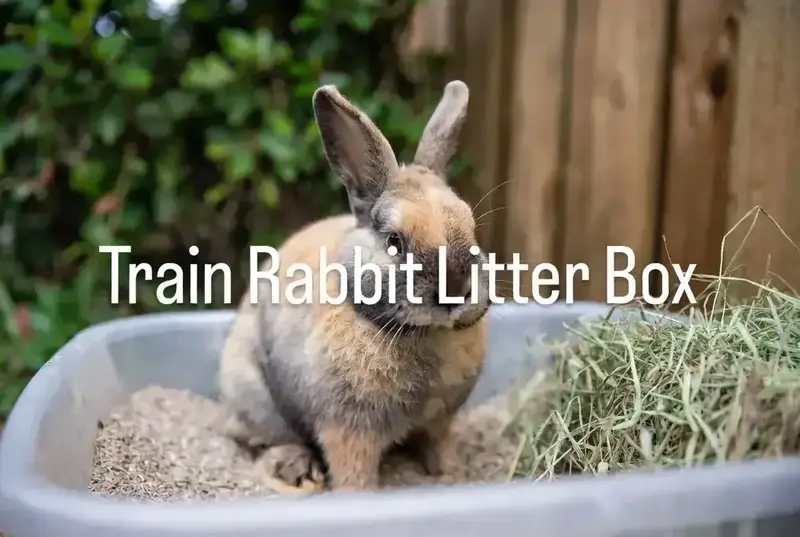
Learning how to train a rabbit to use a litter box is one of the most important skills every rabbit owner can master. Unlike cats, rabbits aren't naturally inclined to use a designated elimination spot, but with patience, consistency, and the right approach, most rabbits can be successfully litter trained. Proper litter box training keeps your home clean, reduces odors, makes bonding easier, and helps you monitor your rabbit's health through droppings observation. This comprehensive guide provides step-by-step instructions, troubleshooting tips, and expert advice to help you successfully litter train your rabbit, whether you're caring for a small Netherland Dwarf, a medium-sized Holland Lop, or a large Flemish Giant in the USA.
Why Litter Training Matters for Rabbit Owners
Litter training isn't just about convenience—it's essential for rabbit health, hygiene, and the human-animal bond. Rabbits produce a significant amount of waste daily, and without proper training, this can quickly create unsanitary conditions that stress both rabbit and owner.
Health and Hygiene Benefits
Proper litter box use provides multiple health advantages:
- Disease monitoring: Concentrated waste in a litter box makes it easy to observe droppings for signs of illness like GI stasis, parasites, or urinary issues
- Reduced infection risk: Keeping waste contained minimizes bacterial growth and prevents rabbits from stepping in or ingesting contaminated material
- Improved air quality: Proper litter management reduces ammonia buildup that can irritate rabbits' sensitive respiratory systems
- Easier cleaning: Focused waste areas simplify daily maintenance and deep cleaning routines
- 🐾 How to Stop Hamsters from Chewing Cages Complete Guide
- 🐾 How to Teach a Bird to Wave Complete Training Guide
- 🐾 How to Stop Puppy Biting: Expert Step-by-Step Training Guide
- 🐾 How to Train Cats to Sit on Command Complete Guide
Behavioral and Bonding Benefits
Litter training strengthens your relationship with your rabbit:
- Reduced stress: Rabbits feel more secure when their environment is clean and predictable
- Increased trust: Positive reinforcement during training builds confidence and strengthens your bond
- More freedom: Litter-trained rabbits can safely enjoy larger exercise areas and free-roam time
- Better socialization: Clean rabbits are more pleasant to handle and interact with
- 🐾 How to Stop Hamsters from Chewing Cages Complete Guide
- 🐾 How to Teach a Bird to Wave Complete Training Guide
- 🐾 How to Stop Puppy Biting: Expert Step-by-Step Training Guide
- 🐾 How to Train Cats to Sit on Command Complete Guide
Understanding Rabbit Elimination Habits
Rabbits have unique elimination patterns that influence training success:
- Natural tendency: Rabbits often choose one or two spots in their territory for elimination, which can be leveraged for training
- Cecotropes: Rabbits produce special nutrient-rich droppings they re-ingest directly from the anus—this is normal and shouldn't be confused with litter box failure
- Marking behavior: Unspayed/unneutered rabbits may spray or scatter droppings to mark territory; spaying/neutering significantly improves litter training success
- Stress responses: Changes in elimination patterns often signal stress, illness, or environmental issues requiring attention
- 🐾 How to Stop Hamsters from Chewing Cages Complete Guide
- 🐾 How to Teach a Bird to Wave Complete Training Guide
- 🐾 How to Stop Puppy Biting: Expert Step-by-Step Training Guide
- 🐾 How to Train Cats to Sit on Command Complete Guide
When to Start Litter Training Your Rabbit
Timing significantly impacts training success. Understanding developmental stages helps set appropriate expectations.
Optimal Age for Training
Young rabbits (8-16 weeks): Can begin basic litter training but may have frequent accidents due to developing bladder control. Focus on positive reinforcement and consistency rather than perfection.
Adolescent rabbits (4-6 months): Prime training window. Most rabbits develop reliable litter habits during this period, especially after spaying/neutering.
Adult rabbits (6+ months): Can absolutely learn litter training, though established habits may require more patience to modify. Spaying/neutering dramatically improves success rates.
Senior rabbits: May need accommodations for mobility issues but can maintain or learn litter habits with appropriate setup.
Spaying/Neutering: The Training Accelerator
Spaying or neutering is the single most effective step for successful litter training:
- Reduces territorial marking: Hormone-driven spraying and scattering decrease significantly
- Improves focus: Less distracted by mating behaviors, rabbits focus better on training
- Enhances temperament: Many rabbits become calmer and more receptive to training post-surgery
- Health benefits: Prevents reproductive cancers and reduces aggression
- 🐾 How to Stop Hamsters from Chewing Cages Complete Guide
- 🐾 How to Teach a Bird to Wave Complete Training Guide
- 🐾 How to Stop Puppy Biting: Expert Step-by-Step Training Guide
- 🐾 How to Train Cats to Sit on Command Complete Guide
Most veterinarians recommend spaying/neutering between 4-6 months of age. Allow 4-6 weeks post-surgery for hormones to stabilize before expecting major litter training improvements.
Signs Your Rabbit Is Ready to Train
Look for these readiness indicators:
- Consistent elimination in one or two areas of their space
- Interest in exploring different areas of their enclosure
- Healthy appetite and normal droppings
- Comfortable with handling and positive reinforcement
- No signs of illness or stress that could interfere with learning
- 🐾 How to Stop Hamsters from Chewing Cages Complete Guide
- 🐾 How to Teach a Bird to Wave Complete Training Guide
- 🐾 How to Stop Puppy Biting: Expert Step-by-Step Training Guide
- 🐾 How to Train Cats to Sit on Command Complete Guide
Choosing the Right Litter Box Setup

The right equipment significantly impacts training success. Select litter boxes and materials that encourage proper use.
Litter Box Selection
Size considerations:
- Box should be large enough for rabbit to turn around comfortably
- Low entry sides (2-3 inches) for easy access, especially for young or senior rabbits
- Higher back sides to contain litter and waste
- Corner-style boxes fit well in cage corners where rabbits naturally eliminate
- 🐾 How to Stop Hamsters from Chewing Cages Complete Guide
- 🐾 How to Teach a Bird to Wave Complete Training Guide
- 🐾 How to Stop Puppy Biting: Expert Step-by-Step Training Guide
- 🐾 How to Train Cats to Sit on Command Complete Guide
Material choices:
- Plastic boxes are lightweight, easy to clean, and affordable
- Stainless steel boxes resist chewing and odors but cost more
- Avoid wire-bottom boxes that can hurt feet
- 🐾 How to Stop Hamsters from Chewing Cages Complete Guide
- 🐾 How to Teach a Bird to Wave Complete Training Guide
- 🐾 How to Stop Puppy Biting: Expert Step-by-Step Training Guide
- 🐾 How to Train Cats to Sit on Command Complete Guide
Litter Selection: Safety First
Choosing safe litter is critical—rabbits may ingest litter while exploring:
Safe litter options:
- Paper-based litter: Recycled paper pellets or crumbles are absorbent, dust-free, and safe if ingested
- Aspen shavings: Natural wood shavings (not pine or cedar) are safe and absorbent
- Hay-based litter: Compressed hay pellets combine litter and food, encouraging use
- 🐾 How to Stop Hamsters from Chewing Cages Complete Guide
- 🐾 How to Teach a Bird to Wave Complete Training Guide
- 🐾 How to Stop Puppy Biting: Expert Step-by-Step Training Guide
- 🐾 How to Train Cats to Sit on Command Complete Guide
Litters to avoid:
- Clay/clumping cat litter: Can cause fatal intestinal blockage if ingested
- Pine or cedar shavings: Aromatic oils can cause respiratory and liver damage
- Corn cob or walnut shell litter: Risk of mold, impaction, and toxicity
- Scented litters: Artificial fragrances irritate rabbits' sensitive respiratory systems
- 🐾 How to Stop Hamsters from Chewing Cages Complete Guide
- 🐾 How to Teach a Bird to Wave Complete Training Guide
- 🐾 How to Stop Puppy Biting: Expert Step-by-Step Training Guide
- 🐾 How to Train Cats to Sit on Command Complete Guide
Strategic Placement for Success
Location dramatically influences litter box use:
- Observe natural habits: Place litter box where your rabbit already eliminates
- Corner placement: Rabbits prefer eliminating in corners; position boxes accordingly
- Multiple boxes: For large enclosures or free-roam areas, provide multiple boxes
- Quiet locations: Avoid high-traffic or noisy areas that might startle rabbits
- Easy access: Ensure boxes are always accessible, not blocked by toys or furniture
- 🐾 How to Stop Hamsters from Chewing Cages Complete Guide
- 🐾 How to Teach a Bird to Wave Complete Training Guide
- 🐾 How to Stop Puppy Biting: Expert Step-by-Step Training Guide
- 🐾 How to Train Cats to Sit on Command Complete Guide
Step-by-Step Litter Training Process

Follow this systematic approach to successfully train your rabbit to use a litter box consistently.
Step 1: Prepare the Environment
Set up for success before beginning training:
- Spay or neuter your rabbit if not already done
- Choose appropriate litter box and safe litter
- Place box in observed elimination spot or cage corner
- Add a small amount of soiled bedding or droppings to the box to signal purpose
- Ensure fresh hay is available near or in the litter box (rabbits often eat while eliminating)
- 🐾 How to Stop Hamsters from Chewing Cages Complete Guide
- 🐾 How to Teach a Bird to Wave Complete Training Guide
- 🐾 How to Stop Puppy Biting: Expert Step-by-Step Training Guide
- 🐾 How to Train Cats to Sit on Command Complete Guide
Step 2: Confine and Observe
Start training in a limited space to build habits:
- Confine rabbit to a small area (exercise pen or single room) with litter box, food, water, and hiding spot
- Observe where rabbit naturally eliminates
- If rabbit eliminates outside box, gently place them in the box immediately
- Never punish accidents—this creates fear and undermines training
- 🐾 How to Stop Hamsters from Chewing Cages Complete Guide
- 🐾 How to Teach a Bird to Wave Complete Training Guide
- 🐾 How to Stop Puppy Biting: Expert Step-by-Step Training Guide
- 🐾 How to Train Cats to Sit on Command Complete Guide
Step 3: Use Positive Reinforcement
Reward desired behavior to encourage repetition:
- Immediately praise softly or offer a tiny treat when rabbit uses litter box
- Use consistent verbal cues like "good bunny" to mark success
- Keep rewards small to avoid overfeeding; tiny herb pieces work well
- Be patient—rabbits learn through repetition, not instant perfection
- 🐾 How to Stop Hamsters from Chewing Cages Complete Guide
- 🐾 How to Teach a Bird to Wave Complete Training Guide
- 🐾 How to Stop Puppy Biting: Expert Step-by-Step Training Guide
- 🐾 How to Train Cats to Sit on Command Complete Guide
Step 4: Manage Accidents Constructively
Accidents are part of the learning process:
- Clean accidents immediately with rabbit-safe enzymatic cleaner to remove scent markers
- Place any stray droppings in the litter box to reinforce its purpose
- If rabbit repeatedly eliminates in one spot outside the box, consider moving the box to that location
- Never rub rabbit's nose in waste or use punishment—this damages trust and increases stress
- 🐾 How to Stop Hamsters from Chewing Cages Complete Guide
- 🐾 How to Teach a Bird to Wave Complete Training Guide
- 🐾 How to Stop Puppy Biting: Expert Step-by-Step Training Guide
- 🐾 How to Train Cats to Sit on Command Complete Guide
Step 5: Gradually Expand Freedom
Once rabbit reliably uses litter box in confined space:
- Gradually expand accessible area while maintaining litter box access
- Add additional boxes in new areas if needed
- Continue supervising and reinforcing good habits
- Be prepared for occasional setbacks during expansion—this is normal
- 🐾 How to Stop Hamsters from Chewing Cages Complete Guide
- 🐾 How to Teach a Bird to Wave Complete Training Guide
- 🐾 How to Stop Puppy Biting: Expert Step-by-Step Training Guide
- 🐾 How to Train Cats to Sit on Command Complete Guide
Step 6: Maintain Consistency
Long-term success depends on ongoing habits:
- Clean litter box daily to encourage continued use
- Keep hay available near or in the box
- Maintain consistent feeding and cleaning schedules
- Monitor for changes in elimination patterns that might signal health issues
- 🐾 How to Stop Hamsters from Chewing Cages Complete Guide
- 🐾 How to Teach a Bird to Wave Complete Training Guide
- 🐾 How to Stop Puppy Biting: Expert Step-by-Step Training Guide
- 🐾 How to Train Cats to Sit on Command Complete Guide
Common Litter Training Challenges and Solutions

Even with proper technique, rabbits may present training challenges. Understanding common issues helps you address them effectively.
Rabbit Won't Use the Litter Box
Possible causes:
- Litter box is too small, uncomfortable, or difficult to access
- Litter type is unpleasant or unsafe
- Box location is stressful or inconvenient
- Rabbit isn't spayed/neutered (hormonal marking)
- Medical issue causing pain during elimination
- Inconsistent training or reinforcement
- 🐾 How to Stop Hamsters from Chewing Cages Complete Guide
- 🐾 How to Teach a Bird to Wave Complete Training Guide
- 🐾 How to Stop Puppy Biting: Expert Step-by-Step Training Guide
- 🐾 How to Train Cats to Sit on Command Complete Guide
Solutions:
- Try different box sizes, styles, or locations
- Switch to paper-based or aspen litter
- Ensure box is in quiet, accessible corner
- Consult veterinarian about spaying/neutering
- Rule out medical issues with veterinary exam
- Reinforce training with patience and positive reinforcement
- 🐾 How to Stop Hamsters from Chewing Cages Complete Guide
- 🐾 How to Teach a Bird to Wave Complete Training Guide
- 🐾 How to Stop Puppy Biting: Expert Step-by-Step Training Guide
- 🐾 How to Train Cats to Sit on Command Complete Guide
Rabbit Eliminates Outside the Box
Possible causes:
- Box isn't clean enough
- Stress from environmental changes
- Medical issues like urinary tract infection
- Territorial marking (unfixed rabbits)
- Box placement doesn't match natural habits
- 🐾 How to Stop Hamsters from Chewing Cages Complete Guide
- 🐾 How to Teach a Bird to Wave Complete Training Guide
- 🐾 How to Stop Puppy Biting: Expert Step-by-Step Training Guide
- 🐾 How to Train Cats to Sit on Command Complete Guide
Solutions:
- Clean box more frequently; rabbits prefer pristine conditions
- Identify and reduce stressors (new pets, loud noises, routine changes)
- Visit veterinarian to rule out health problems
- Spay/neuter to reduce marking behavior
- Move box to match observed elimination patterns
- 🐾 How to Stop Hamsters from Chewing Cages Complete Guide
- 🐾 How to Teach a Bird to Wave Complete Training Guide
- 🐾 How to Stop Puppy Biting: Expert Step-by-Step Training Guide
- 🐾 How to Train Cats to Sit on Command Complete Guide
Rabbit Eats or Plays in Litter
Concerns: While some litter exploration is normal, excessive ingestion can cause health problems.
Solutions:
- Switch to hay-based or paper pellet litter that's safer if ingested
- Ensure rabbit has unlimited access to fresh hay to satisfy chewing instincts
- Provide plenty of safe chew toys to redirect chewing behavior
- Supervise initial litter box use and gently redirect if needed
- Consult veterinarian if ingestion seems excessive or causes digestive issues
- 🐾 How to Stop Hamsters from Chewing Cages Complete Guide
- 🐾 How to Teach a Bird to Wave Complete Training Guide
- 🐾 How to Stop Puppy Biting: Expert Step-by-Step Training Guide
- 🐾 How to Train Cats to Sit on Command Complete Guide
Rabbit Only Uses Box Sometimes
Possible causes:
- Inconsistent cleaning or maintenance
- Multiple boxes with different litter types causing confusion
- Intermittent stress or health issues
- Normal territorial behavior in multi-rabbit households
- 🐾 How to Stop Hamsters from Chewing Cages Complete Guide
- 🐾 How to Teach a Bird to Wave Complete Training Guide
- 🐾 How to Stop Puppy Biting: Expert Step-by-Step Training Guide
- 🐾 How to Train Cats to Sit on Command Complete Guide
Solutions:
- Maintain consistent cleaning schedule and litter type
- Use identical litter in all boxes
- Monitor for stress triggers or health changes
- Provide adequate space and resources for multiple rabbits
- 🐾 How to Stop Hamsters from Chewing Cages Complete Guide
- 🐾 How to Teach a Bird to Wave Complete Training Guide
- 🐾 How to Stop Puppy Biting: Expert Step-by-Step Training Guide
- 🐾 How to Train Cats to Sit on Command Complete Guide
Special Situations and Considerations

Certain scenarios require modified approaches to litter training.
Rescue or Previously Untrained Rabbits
Rabbits from shelters or previous homes with poor training may need extra patience:
- Start with basics as if training from scratch
- Use confinement to small area initially
- Place in box very frequently (after eating, waking, playing)
- Be patient—these rabbits may take 2-4 weeks to fully train
- Reward heavily for success and ignore setbacks
- 🐾 How to Stop Hamsters from Chewing Cages Complete Guide
- 🐾 How to Teach a Bird to Wave Complete Training Guide
- 🐾 How to Stop Puppy Biting: Expert Step-by-Step Training Guide
- 🐾 How to Train Cats to Sit on Command Complete Guide
Multi-Rabbit Households
Training multiple rabbits requires additional planning:
- Provide one litter box per rabbit plus one extra
- Place boxes in different locations to prevent territorial disputes
- Use same litter type in all boxes initially
- Monitor each rabbit's progress individually
- Ensure dominant rabbits don't block access to boxes
- Clean all boxes frequently—multiple rabbits create more waste
- 🐾 How to Stop Hamsters from Chewing Cages Complete Guide
- 🐾 How to Teach a Bird to Wave Complete Training Guide
- 🐾 How to Stop Puppy Biting: Expert Step-by-Step Training Guide
- 🐾 How to Train Cats to Sit on Command Complete Guide
Free-Roam Rabbit Training
Rabbits with house access need strategic litter placement:
- Place boxes in corners of each room rabbit accesses
- Use identical boxes and litter throughout the house for consistency
- Initially limit access to one room, then gradually expand as training progresses
- Use baby gates to manage access during training phases
- Be prepared for occasional accidents during expansion—this is normal
- 🐾 How to Stop Hamsters from Chewing Cages Complete Guide
- 🐾 How to Teach a Bird to Wave Complete Training Guide
- 🐾 How to Stop Puppy Biting: Expert Step-by-Step Training Guide
- 🐾 How to Train Cats to Sit on Command Complete Guide
Senior or Mobility-Impaired Rabbits
Older rabbits or those with health issues need accommodations:
- Use low-entry boxes for easy access
- Place boxes in easily reachable locations
- Consider larger boxes for rabbits with arthritis
- Use softer, more absorbent litter for comfort
- Be patient with occasional accidents due to mobility challenges
- 🐾 How to Stop Hamsters from Chewing Cages Complete Guide
- 🐾 How to Teach a Bird to Wave Complete Training Guide
- 🐾 How to Stop Puppy Biting: Expert Step-by-Step Training Guide
- 🐾 How to Train Cats to Sit on Command Complete Guide
Health Issues That Affect Litter Box Use

Sometimes litter box problems stem from medical issues rather than training failures. Recognizing when to seek veterinary care is crucial.
Medical Conditions to Rule Out
If your rabbit suddenly stops using the litter box or shows changes in elimination habits, consult your veterinarian to rule out:
- Urinary tract infections: Cause pain during urination, frequent attempts, blood in urine
- Bladder stones or sludge: Cause discomfort and frequent elimination attempts
- Gastrointestinal stasis: Slowed digestion affects droppings production and consistency
- Arthritis or mobility issues: Make accessing litter boxes painful or difficult
- Dental disease: Pain while eating hay near litter box may reduce use
- Parasites: Intestinal parasites can cause diarrhea or unusual droppings
- 🐾 How to Stop Hamsters from Chewing Cages Complete Guide
- 🐾 How to Teach a Bird to Wave Complete Training Guide
- 🐾 How to Stop Puppy Biting: Expert Step-by-Step Training Guide
- 🐾 How to Train Cats to Sit on Command Complete Guide
Warning Signs Requiring Veterinary Attention
Contact your rabbit-savvy veterinarian immediately if you notice:
- Blood in urine or droppings
- Straining to eliminate with no output
- Crying or vocalizing during elimination
- Sudden change in litter box habits
- Eliminating in unusual positions
- Excessive licking of genital area
- Lethargy combined with elimination changes
- Loss of appetite with elimination changes
- Diarrhea or unusually soft droppings
- 🐾 How to Stop Hamsters from Chewing Cages Complete Guide
- 🐾 How to Teach a Bird to Wave Complete Training Guide
- 🐾 How to Stop Puppy Biting: Expert Step-by-Step Training Guide
- 🐾 How to Train Cats to Sit on Command Complete Guide
People Also Ask: Quick Answers

How long does it take to litter train a rabbit?
Most rabbits learn basic litter box use within 1-2 weeks of consistent training. However, complete reliability and consistent habits may take 4-8 weeks to establish, especially for adolescent or previously untrained rabbits. Spayed/neutered rabbits typically learn faster than intact rabbits. Patience and consistency are key—every rabbit learns at their own pace.
What age can you start litter training a rabbit?
You can begin basic litter training as early as 8 weeks old, when rabbits develop better bladder control. However, the most effective training window is 4-6 months of age, especially after spaying/neutering. Adult rabbits can absolutely learn litter training at any age with patience and consistent technique.
Why is my rabbit peeing everywhere but the litter box?
Common reasons include: unspayed/unneutered hormonal marking, dirty litter box, stress from environmental changes, medical issues like UTI, or box placement that doesn't match natural habits. Rule out medical issues first with a veterinary visit, then address behavioral and environmental factors.
Should I put hay in my rabbit's litter box?
Yes, placing fresh hay in or near the litter box encourages use. Rabbits naturally eat while eliminating, so having hay available makes the box more appealing. Use a hay rack attached to the box or place a small pile of fresh hay in one corner of the box.
Can I use cat litter for my rabbit?
No, never use clumping clay cat litter for rabbits. If ingested, it can cause fatal intestinal blockage. Even non-clumping clay litters can cause respiratory irritation. Always use rabbit-safe litter like paper-based pellets, aspen shavings, or hay-based litter.
Advanced Tips for Long-Term Success

Beyond basic training, these strategies help maintain excellent litter box habits throughout your rabbit's life.
Gradual Changes
Rabbits dislike sudden changes. When you need to modify any aspect of the litter box setup:
- Changing litter type: Mix increasing amounts of new litter with old over 7-10 days
- Moving box location: Move the box gradually a few feet per day to the new location
- Switching box style: Keep the old box available while introducing the new one
- 🐾 How to Stop Hamsters from Chewing Cages Complete Guide
- 🐾 How to Teach a Bird to Wave Complete Training Guide
- 🐾 How to Stop Puppy Biting: Expert Step-by-Step Training Guide
- 🐾 How to Train Cats to Sit on Command Complete Guide
Preventing Future Problems
Maintain good habits to prevent regression:
- Keep boxes consistently clean—scoop daily, deep clean weekly
- Avoid sudden environmental changes when possible
- Provide adequate number of boxes as your rabbit's space changes
- Monitor for stress triggers
- Maintain regular veterinary care to catch health issues early
- Address problems immediately before they become habits
- 🐾 How to Stop Hamsters from Chewing Cages Complete Guide
- 🐾 How to Teach a Bird to Wave Complete Training Guide
- 🐾 How to Stop Puppy Biting: Expert Step-by-Step Training Guide
- 🐾 How to Train Cats to Sit on Command Complete Guide
Seasonal Considerations
Adjust litter management for seasonal changes:
- Summer: Clean more frequently as heat accelerates odor development; ensure good ventilation
- Winter: Use extra-absorbent litter if rabbit spends more time indoors; monitor for decreased water intake affecting urine concentration
- Holiday seasons: Maintain routines despite household changes; provide quiet litter box locations during gatherings
- 🐾 How to Stop Hamsters from Chewing Cages Complete Guide
- 🐾 How to Teach a Bird to Wave Complete Training Guide
- 🐾 How to Stop Puppy Biting: Expert Step-by-Step Training Guide
- 🐾 How to Train Cats to Sit on Command Complete Guide
Frequently Asked Questions

Do I need to show my rabbit the litter box every time?
During initial training (first 1-2 weeks), yes—place your rabbit in the box frequently, especially after eating, sleeping, and playing. Once your rabbit consistently uses the box, they'll find it independently. However, if you move the box or your rabbit seems confused, resume showing them the location.
Can I train my rabbit to use a human toilet?
While toilet training kits exist, most rabbit experts don't recommend toilet training. It goes against rabbits' natural elimination habits, can cause stress, makes health monitoring difficult, and becomes problematic as rabbits age or develop mobility issues. Traditional litter boxes are healthier and more natural for rabbits.
How do I clean litter box accidents?
Use an enzymatic cleaner specifically designed for pet accidents. These cleaners break down the proteins in urine and feces that attract rabbits back to the same spot. Avoid ammonia-based cleaners (ammonia smells like urine to rabbits) or regular household cleaners that don't eliminate odor completely. Blot up fresh accidents, apply enzymatic cleaner according to directions, and allow to dry completely.
Should I wake my rabbit up to use the litter box at night?
No, rabbits are crepuscular (most active at dawn and dusk) and will naturally use their litter box during their active periods. Ensure the litter box is always accessible, and your rabbit will use it as needed. If accidents occur overnight, check that the box is clean, accessible, and in a location your rabbit prefers.
What if my rabbit is afraid of the litter box?
Fear may stem from negative experiences, loud box location, or intimidating box design. Try: moving to a quieter location, using a smaller or lower-sided box, trying different litter types, keeping the box extremely clean, using positive reinforcement without forcing, and giving your rabbit time to adjust. Never force a frightened rabbit into the box as this increases fear.
Conclusion: Patience and Consistency Build Lifelong Habits

Learning how to train a rabbit to use a litter box is one of the most important skills you'll teach your new companion. With patience, consistency, and positive reinforcement, most rabbits master litter box use and maintain good habits throughout their lives.
Remember that successful litter box training rests on three pillars: the right setup (appropriate box, safe litter, good location), consistent routine (positive reinforcement, cleanliness, observation), and patience (understanding that accidents happen and learning takes time).
By following the guidelines in this article, addressing problems promptly, and maintaining open communication with your veterinarian about any concerns, you'll establish a strong foundation for your rabbit's litter box habits. The effort you invest in proper training now pays dividends for years to come in the form of a well-adjusted, healthy rabbit and a clean, harmonious home.
Start today with the right supplies, a consistent routine, and plenty of positive reinforcement. Your rabbit will thank you with reliable litter box use and the confidence that comes from knowing exactly where to go when nature calls.
🐱 আরও পড়ুন: Other Pet Training and Behavior

0 Comments