.png)
How to Stop Chinchillas from Chewing Cords Safely
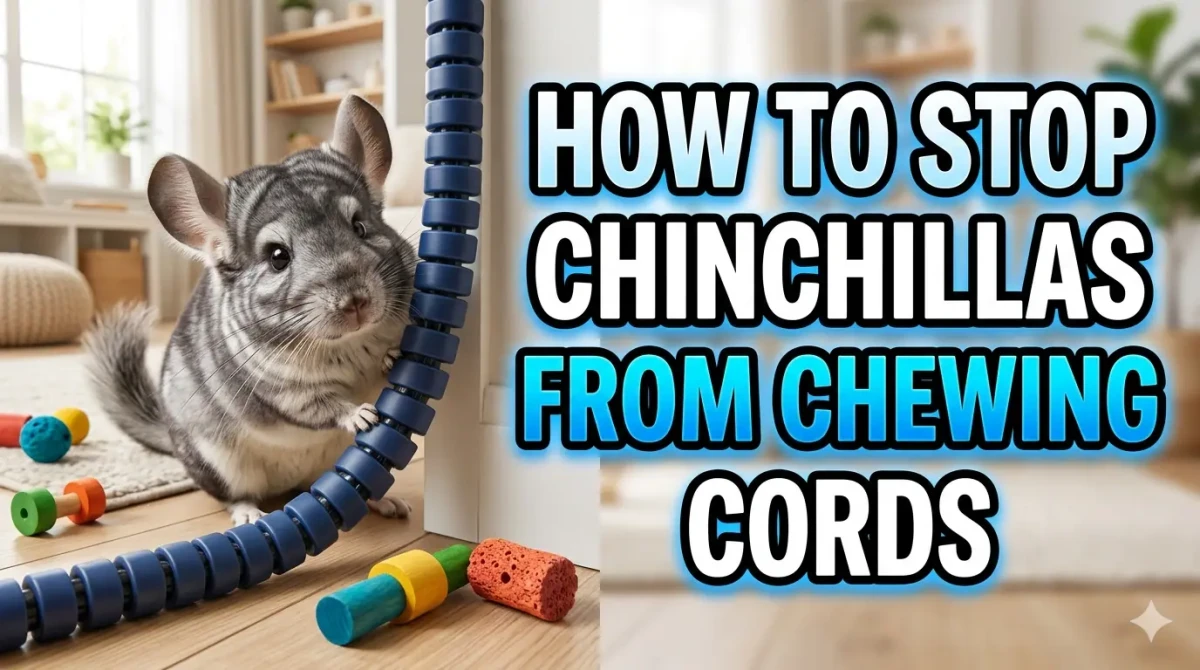
Quick Summary and Direct Answer
The most effective way to stop chinchillas from chewing cords combines physical barriers, environmental enrichment, and consistent behavior redirection using safe chew alternatives. Experts commonly recommend installing split loom tubing or rigid cord covers on all accessible wires while providing unlimited access to approved wooden chews.
Chinchillas typically require twenty to forty minutes of supervised playtime daily outside their cage. You should chinchilla proof any room by covering cords, removing toxic plants, and blocking small spaces before allowing free roam. Always monitor interactions with new objects and consult an exotic veterinarian if your pet shows signs of electrical shock, oral injury, or behavioral distress.
Investing in a mix of budget and premium cord protection products ensures long term safety without overspending. Start with basic split loom tubing and apple wood sticks before considering custom enclosures. Consult an exotic veterinarian if chewing behaviors persist despite environmental modifications.
Key Data and Quick Reference Tables
The table below outlines cord protection methods, installation effort, and average cost ranges. This data helps you prioritize safety upgrades without guesswork.
| Protection Method | Best For | Installation Time | Average Cost USD |
|---|---|---|---|
| Split Loom Tubing | Individual cords and thin cables | 5 to 10 minutes per cord | 8 to 25 USD |
| Rigid PVC Cord Covers | Multiple cords along baseboards | 15 to 30 minutes per section | 15 to 45 USD |
| Cable Management Boxes | Power strips and adapter clusters | 2 to 5 minutes per box | 12 to 35 USD |
| Wire Mesh Cord Guards | High risk areas with persistent chewers | 10 to 20 minutes per installation | 20 to 55 USD |
| Flexible Spiral Wrap | Temporary protection during playtime | 3 to 8 minutes per cord | 6 to 18 USD |
| Chinchilla Life Stage | Chewing Risk Level | Recommended Supervision | Replacement Timeline for Chew Toys |
|---|---|---|---|
| Kit under 6 months | High curiosity moderate chewing | Constant direct supervision | Every 1 to 2 weeks |
| Adult 6 months to 5 years | Peak chewing drive and energy | Close monitoring during play | Every 2 to 4 weeks |
| Senior over 5 years | Reduced but persistent chewing | Periodic checks during activity | Every 3 to 6 weeks |
Understanding Chinchilla Chewing Behavior and Instincts

Chinchilla chewing is a natural and necessary behavior driven by continuously growing teeth. Widely accepted exotic veterinary standards emphasize that rodents must chew daily to prevent dental overgrowth that can cause painful abscesses and eating difficulties.
When appropriate chew items are unavailable, chinchillas commonly redirect chewing instincts toward household objects including electrical cords. This behavior may help maintain tooth length but poses severe electrocution and fire hazards in home environments.
Early intervention prevents dangerous habit formation. A consistent routine with varied safe chews keeps dental health optimal. You do not need expensive custom setups to start. Simple apple wood sticks combined with proper cord protection create a balanced environment that satisfies natural drives while ensuring safety.
Chinchilla Proofing Your Home Step by Step

Effective chinchilla proofing follows a systematic room assessment before any supervised playtime begins. You should walk through the intended play area at chinchilla eye level to identify accessible hazards that may not be obvious from human perspective.
Follow this step by step proofing routine. Step one involves unplugging and removing all non essential electronics from the play zone. Step two covers remaining cords with split loom tubing or rigid protectors secured with cable ties. Step three blocks access behind furniture using cardboard or pet safe barriers. Step four removes toxic plants, small ingestible objects, and exposed insulation.
Consistency remains essential for long term safety. Proof every room your chinchilla may access, not just the primary play area. This method commonly reduces emergency incidents and supports confident supervised exploration.
Safe Cord Protection Products and Materials Guide

Material safety remains the highest priority when selecting cord protection for chinchilla households. Widely accepted exotic pet care standards recommend avoiding products containing PVC with phthalates, soft plastics that can be ingested, and unverified chemical coatings. Rigid polyethylene, metal mesh, and untreated wood are commonly recommended for chinchilla safe cord management.
Split loom tubing should feature thick walled construction that resists puncture from persistent chewing. You must inspect protected cords weekly for signs of wear, loose fittings, or exposed wire. Ingestion of plastic fragments commonly leads to gastrointestinal blockages that require emergency veterinary intervention.
Look for products tested by independent pet safety organizations. Many reputable brands publish material certifications on their official websites. When in doubt, consult an exotic veterinarian about specific brand recommendations for your chinchilla health profile, especially for pets with prior dental issues or digestive sensitivities.
Providing Appropriate Chew Alternatives to Redirect Behavior

Offering abundant safe chew items directly reduces interest in prohibited objects like electrical cords. Chinchillas require unlimited access to chewable materials that satisfy dental maintenance needs without toxicity risks.
Recommended chew alternatives include untreated apple wood sticks, pumice stones, hay based toys, and cardboard tubes without adhesive. You should provide at least three distinct chew types in the cage and rotate them every two to three days to maintain novelty value.
Monitor chew consumption and replace items when they become small enough to swallow whole. Document which materials your chinchilla prefers to refine future purchases. This data driven approach commonly reduces frustration and supports long term behavioral success.
Health and Preventive Care Through Chewing Management

Proper chewing management supports dental health, digestive function, and mental wellness in chinchillas. Regular access to appropriate chews naturally files continuously growing teeth without stressful veterinary trimming procedures.
Mental enrichment through varied chew textures may help prevent behavioral disorders in long lived companion chinchillas. Problem solving elements like foraging toys and puzzle feeders keep cognitive functions sharp throughout aging. You should combine chew provision with supervised playtime for comprehensive wellness support.
Monitor chewing activities for signs of injury including oral sores, excessive drooling, or refusal to eat. Broken tooth fragments or gum irritation warrant immediate veterinary attention. Contact a licensed exotic veterinarian if you notice labored breathing, weight loss, or sudden disinterest in previously accepted chew items.
Training and Behavior Guidance for Cord Avoidance

Teaching your chinchilla to avoid cords requires patience and consistent redirection rather than punishment. Never scold or startle a chinchilla for natural chewing behaviors as this commonly increases stress and reduces trust.
Follow this step by step redirection routine. Step one involves interrupting cord interest with a gentle noise like a soft clap. Step two immediately offers an approved chew toy as an alternative. Step three rewards acceptance of the alternative with verbal praise or a small treat. Step four repeats consistently across all household members.
Consistency remains essential for long term success. Use identical interruption cues and alternative offerings every time. Rotate chew toys every two to three days to preserve novelty value. This method commonly reduces persistent cord interest and increases engagement with safe alternatives.
Accessories and Tools for Extended Chinchilla Safety

Supporting tools enhance standard cord protection and extend household safety. Cable management clips secure protected cords to baseboards preventing displacement during play. You should keep proofing supplies organized in a dedicated kit to streamline room preparation routines.
Cleaning accessories like pet safe enzymatic cleaners remove urine or scent markers that may attract repeated chewing. Hand wash reusable cord covers using mild detergent to preserve integrity without chemical residue. Air dry completely before reinstallation to prevent mold growth that could trigger respiratory issues.
Replacement chew supplies provide cost effective enrichment without purchasing premium brands. Many chinchillas accept budget friendly options like untreated pine blocks or cardboard rolls. Always verify material safety and absence of adhesives before offering new chew items.
Budget versus Premium Product Comparison

Entry level cord protection priced under ten USD provides effective starting options for basic safety. These items commonly feature standard split loom tubing or simple cable ties. They suit low risk environments or temporary proofing during supervised play sessions.
Mid range products between twelve and forty USD offer reinforced construction and aesthetic integration. These selections balance cost and durability for average household chinchillas. Many include modular designs that simplify installation and reduce long term replacement expenses.
Premium cord protection exceeding forty five USD utilizes commercial grade materials and custom fitting options. Persistent chewers and multi pet households typically require this durability tier. While initial costs remain higher, premium options often last three to five times longer than budget alternatives and reduce injury risk from protection failure.
Common Mistakes Chinchilla Owners Make

Many owners rely solely on behavioral training without physical barriers. Chinchillas have strong chewing instincts that commonly override learned avoidance. You should always combine redirection techniques with cord protectors for comprehensive safety.
Another frequent error involves using soft plastic wraps that chinchillas can puncture and ingest. Flexible spiral wrap may deter casual interest but rarely withstands persistent chewing. You should select rigid or metal reinforced protectors for high risk areas.
Purchasing based solely on visual appeal leads to inconsistent safety outcomes. Decorative cord covers do not guarantee chew resistance or material safety. Read verified customer feedback and consult exotic pet forums before finalizing purchases. Prioritize material certification and structural integrity over aesthetic design.
Expert Tips from Exotic Veterinary and Husbandry Standards

Based on common exotic veterinary practices, you should conduct weekly safety inspections during chinchilla playtime. Check for wear patterns, loose fittings, and exposed wire that indicate protection breakdown. Early detection prevents accidental electrocution incidents and extends product lifespan.
Combine physical protection with environmental enrichment for optimal results. A stimulated chinchilla explores safely and retains calm behavior longer. Aim for thirty minutes of supervised playtime daily alongside unlimited access to approved chew items. This sequence aligns with natural rodent activity cycles and dental maintenance needs.
Document chewing preferences in a simple journal. Note which cords attract interest, which protectors withstand chewing, and which alternatives satisfy redirection. Over time, this data reveals cost effective patterns that improve household safety. Share findings with your exotic veterinarian or certified small animal behaviorist for additional insights.
Frequently Asked Questions

What should I do if my chinchilla chews a live electrical cord
Immediately disconnect power at the circuit breaker before approaching your chinchilla. Check for burns, difficulty breathing, or unusual behavior. Contact an emergency exotic veterinarian even if your pet appears normal as internal injuries may not be immediately visible. Never touch a chinchilla still in contact with live electricity.
Are bitter apple sprays safe for deterring chinchilla chewing
Bitter apple sprays may help deter some chinchillas but are not universally effective. You should test on a small area first and monitor for respiratory sensitivity. Never rely solely on deterrent sprays without physical cord protection as persistent chewers commonly overcome taste aversion.
Can chinchillas outgrow the urge to chew cords
Chewing instincts remain throughout a chinchilla life due to continuously growing teeth. You should maintain cord protection and safe chew provision regardless of age. Consistent management commonly reduces problematic chewing but complete elimination of chewing drive is neither expected nor healthy.
What materials should I avoid in cord protectors for chinchillas
Avoid protectors containing soft plastics, PVC with phthalates, or adhesive components that can be ingested. Phenols in certain treated woods and chemical coatings remain concerns for chinchilla respiratory and liver health. Choose products labeled small animal safe or exotic pet approved. When uncertain, request material safety documentation directly from manufacturers.
🐱 আরও পড়ুন: Other Pet Training and Behavior
- 🐾 Train Chinchilla to Use Litter Box: Easy Guide
- 🐾 How to Train a Rabbit to Use Litter Box: 2026 Guide
- 🐾 How to Stop Rabbits from Chewing Furniture: Expert Training & Prevention Guide
- 🐾 How to Train a Ferret to Use Litter Box: Expert Step-by-Step Guide
- 🐾 How to Stop Ferrets from Chewing Items and Complete Behavior Guide

0 Comments