.png)
How to Stop Hamsters from Chewing Cages Complete Guide
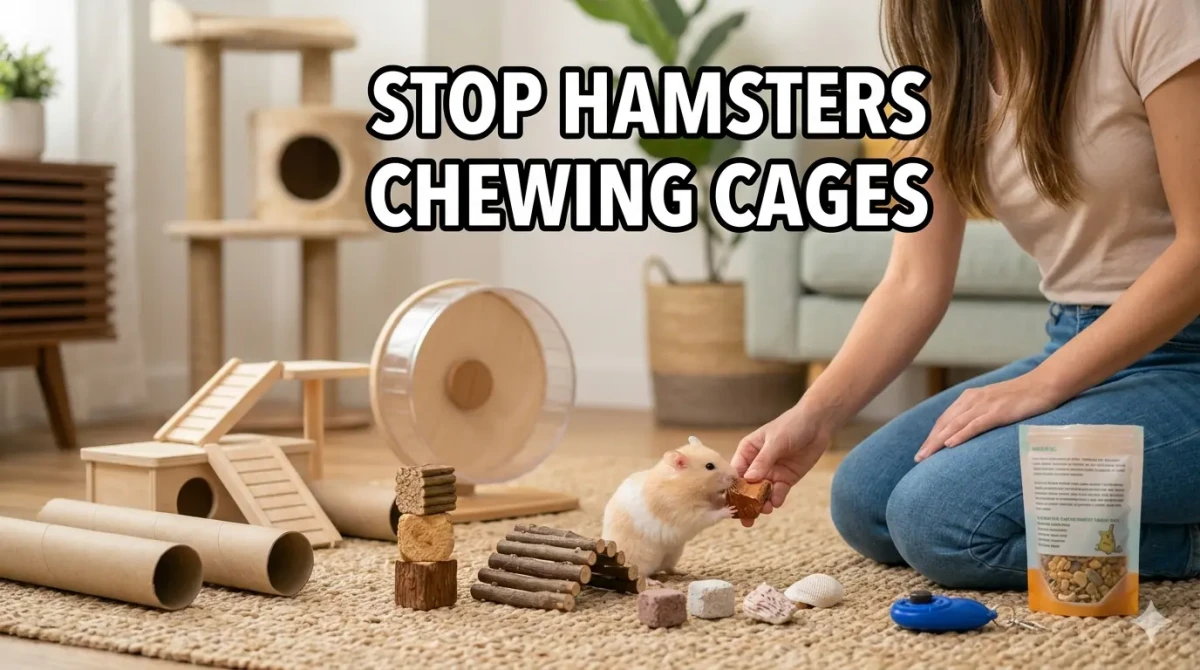
Understanding Why Hamsters Chew Cages and Why It Matters
How to stop hamsters from chewing cages represents one of the most common challenges facing hamster owners, as cage bar chewing is a frustrating and potentially harmful behavior that many pet hamsters develop. This behavior, also known as cage bar chewing or cage chewing, occurs when hamsters repeatedly bite and gnaw on the metal bars or plastic components of their enclosures. While chewing is a natural and necessary behavior for hamsters whose teeth grow continuously throughout their lives, directing this behavior toward cage bars instead of appropriate chew toys can lead to serious health problems including dental damage, stress, and injury.
Hamsters chew cage bars for several reasons including boredom, stress, inadequate cage size, lack of appropriate chew toys, insufficient enrichment, or underlying health issues. Understanding the root cause of your hamster's cage chewing behavior is essential for implementing effective solutions that address the underlying problem rather than just managing symptoms. This comprehensive approach ensures long-term success in eliminating this problematic behavior while promoting your hamster's overall wellbeing.
This comprehensive guide covers everything you need to know about stopping hamsters from chewing cages, from understanding the underlying causes and health risks to implementing effective prevention strategies, providing appropriate alternatives, and creating enriching environments that satisfy your hamster's natural chewing instincts. Whether you have a Syrian hamster, dwarf hamster, or any other species, these expert recommendations will help you eliminate cage chewing behavior while promoting your hamster's physical and mental health.
Why Hamsters Chew Cage Bars and the Risks Involved
Understanding why hamsters chew cage bars is essential for addressing this behavior effectively. Hamsters have continuously growing incisors that require constant wear through chewing to prevent overgrowth. In the wild, hamsters chew on various natural materials including wood, seeds, and vegetation. In captivity, when appropriate chewing outlets are insufficient, hamsters may redirect this natural behavior toward cage bars.
Boredom and lack of mental stimulation are primary drivers of cage bar chewing. Hamsters are intelligent, active animals requiring regular mental and physical enrichment. Without adequate stimulation, they create their own entertainment through cage bar chewing, which provides both mental engagement and physical activity. This behavior becomes habitual and can be difficult to break once established.
Stress and anxiety also contribute to cage chewing behavior. Hamsters experiencing stress from inadequate cage size, lack of hiding places, loud noises, or inappropriate handling may chew cage bars as a coping mechanism. This stress-related chewing can become compulsive and may indicate deeper welfare issues requiring attention.
What Health Risks Does Cage Chewing Pose for Hamsters?
Cage bar chewing poses several serious health risks that make addressing this behavior essential for your hamster's wellbeing. Understanding these risks motivates proactive intervention and prevention.
Dental damage represents the most immediate concern. Metal cage bars are much harder than appropriate chewing materials and can cause tooth fractures, misalignment, or abnormal wear patterns. Damaged teeth can lead to difficulty eating, pain, and potentially fatal malnutrition if left untreated. Dental problems in hamsters often require veterinary intervention and can be costly to treat.
Nose and face injuries occur when hamsters push their faces against cage bars while chewing. This can cause cuts, abrasions, or infections on the nose, lips, and face. Repeated trauma to these sensitive areas can lead to chronic issues requiring medical attention.
Stress and behavioral problems develop from compulsive cage chewing. This behavior indicates your hamster is not receiving adequate enrichment or is experiencing environmental stress. Untreated, this can lead to additional behavioral issues including aggression, lethargy, or self-harm behaviors.
Essential Strategies to Prevent Cage Bar Chewing

Preventing cage bar chewing requires implementing comprehensive strategies that address the underlying causes while providing appropriate alternatives. Understanding and consistently applying these strategies creates an environment that satisfies your hamster's natural instincts without destructive behaviors.
Provide adequate cage size as the foundation of prevention. Hamsters require spacious enclosures that allow for natural behaviors including running, burrowing, and exploring. The minimum recommended cage size is 450 square inches of continuous floor space, though larger is always better. Inadequate space is a primary cause of stress-related cage chewing.
Offer abundant appropriate chew toys to satisfy your hamster's dental needs. Provide a variety of safe chewing materials including untreated wood blocks, cardboard tubes, paper-based toys, and mineral chews. Rotate toys regularly to maintain interest and prevent boredom. Having multiple chew options available at all times gives your hamster appropriate outlets for their natural chewing instincts.
Create environmental enrichment through varied activities and stimulation. Include exercise wheels (minimum 8-12 inches diameter depending on species), tunnels, hiding places, climbing structures, and foraging opportunities. Bury treats in bedding to encourage natural foraging behaviors. Environmental complexity prevents boredom and reduces stress that leads to cage chewing.
How Do You Provide Appropriate Chew Toys for Hamsters?
Providing appropriate chew toys is essential for redirecting chewing behavior away from cage bars. Understanding which materials are safe and effective helps you create a comprehensive chewing program for your hamster.
Untreated wood blocks from safe tree species provide excellent chewing outlets. Apple wood, aspen, birch, and poplar are safe options that hamsters enjoy chewing. Avoid woods from stone fruit trees (cherry, peach, plum) or treated/painted wood. Provide blocks in various sizes and shapes to maintain interest.
Cardboard tubes and boxes offer free, safe chewing materials. Toilet paper tubes, paper towel rolls, and small cardboard boxes can be stuffed with treats or bedding to create engaging chew toys. Remove any tape, staples, or printed materials before offering to your hamster.
Mineral chews and salt blocks provide dental wear while supplementing nutrition. These hardened chews last longer than wood or cardboard and provide variety in texture. Place them in accessible locations where your hamster can chew freely.
Paper-based toys including unprinted paper bags, shredded paper, and tissue paper provide safe chewing and nesting material. Many hamsters enjoy shredding and chewing paper products, which satisfy chewing urges while being harmless if ingested in small amounts.
What Role Does Cage Size Play in Preventing Chewing?
Cage size plays a crucial role in preventing cage bar chewing by reducing stress and providing adequate space for natural behaviors. Understanding space requirements helps you create an environment that promotes wellbeing.
Minimum space requirements vary by species but generally start at 450 square inches of continuous floor space for Syrian hamsters and 360 square inches for dwarf species. However, these are minimums and larger cages are strongly recommended. More space allows for natural behaviors including running, burrowing, and territory establishment that reduce stress.
Continuous floor space is more important than multi-level cages. While levels add vertical space, hamsters need substantial unbroken floor area for running and burrowing. A single-level cage with 600+ square inches is better than a small multi-level cage.
Deep bedding (6+ inches) allows for natural burrowing behaviors that reduce stress and provide mental stimulation. Deep bedding satisfies the instinct to dig and create tunnels, providing an alternative outlet for energy that might otherwise be directed toward cage bar chewing.
Environmental Enrichment to Reduce Cage Chewing
Environmental enrichment is essential for preventing cage bar chewing by providing mental stimulation, physical activity, and opportunities for natural behaviors. A well-enriched environment keeps hamsters engaged and satisfied, reducing the likelihood of stress-related cage chewing.
Exercise wheels are essential enrichment that allows hamsters to run and burn energy. Wheels should be solid-surfaced (not wire) and appropriately sized: 8-12 inches for Syrian hamsters and 6-8 inches for dwarf species. Wheels that are too small can cause back problems and don't provide adequate exercise.
Tunnels and tubes provide exploration opportunities and hiding places. Use cardboard tubes, commercial plastic tunnels, or create tunnels with cardboard boxes. These satisfy the natural instinct to explore confined spaces and provide mental stimulation.
Foraging opportunities encourage natural food-seeking behaviors. Hide treats throughout the cage, use puzzle feeders, or scatter food in bedding rather than providing it only in a bowl. Foraging activities provide mental challenges and extend feeding time, reducing boredom.
Hide houses and shelters provide security and stress reduction. Provide multiple hiding places in different locations throughout the cage. Hamsters feel safer when they have places to retreat and hide, reducing stress that can lead to cage chewing.
How Do You Create a Stress-Free Environment for Hamsters?
Creating a stress-free environment is essential for preventing cage bar chewing, as stress is a primary driver of this behavior. Understanding stress factors and how to minimize them helps you create optimal living conditions.
Place the cage in a quiet location away from loud noises, direct sunlight, and temperature extremes. Hamsters are sensitive to environmental stressors and need calm, stable conditions. Avoid placing cages near televisions, speakers, or high-traffic areas.
Maintain consistent temperature between 65-75°F (18-24°C) and humidity between 40-60%. Extreme temperatures or rapid fluctuations cause stress that can trigger cage chewing behavior.
Provide adequate hiding places and nesting materials. Hamsters need places to feel secure and materials to build nests. Provide unscented paper-based bedding, tissue paper, or commercial nesting materials. Multiple hide houses in different locations give your hamster options for security.
Handle your hamster gently and regularly to build trust. Stress from fear of handling can contribute to overall stress levels. Handle your hamster gently, support their body fully, and avoid sudden movements. Regular positive handling builds trust and reduces stress.
What Exercise and Activity Options Prevent Cage Chewing?
Providing adequate exercise and activity opportunities is crucial for preventing cage bar chewing by allowing hamsters to burn energy and engage in natural behaviors.
Supervised out-of-cage playtime provides additional exercise and mental stimulation. Create a safe, hamster-proofed play area where your hamster can explore under supervision. Provide tunnels, toys, and hiding places in the play area. Limit sessions to 15-30 minutes to prevent stress or escape attempts.
Exercise balls allow hamsters to explore safely outside their cage. Use appropriately sized balls (6-7 inches for dwarf hamsters, 8-9 inches for Syrians) and limit sessions to 15-20 minutes. Always supervise ball use and ensure the area is safe and escape-proof.
Climbing structures provide physical activity and mental stimulation. Provide safe climbing opportunities using cardboard tubes, branches from safe trees, or commercial climbing toys. Ensure all climbing structures are stable and cannot collapse.
Digging boxes filled with safe materials like coconut fiber, aspen bedding, or organic potting soil (without additives) satisfy the natural instinct to dig. Provide a designated digging area in the cage where your hamster can dig freely.
Addressing Underlying Health Issues
Sometimes cage bar chewing indicates underlying health issues that require veterinary attention. Understanding when to seek professional help ensures your hamster receives appropriate care.
Dental problems can cause excessive chewing as hamsters attempt to relieve discomfort. Overgrown teeth, tooth fractures, or dental infections cause pain that hamsters may try to alleviate through chewing. Signs include difficulty eating, drooling, weight loss, or visible tooth abnormalities. Consult an exotic veterinarian if you suspect dental issues.
Nutritional deficiencies may drive excessive chewing as hamsters attempt to obtain missing nutrients. Ensure your hamster receives a balanced diet including high-quality hamster pellets, fresh vegetables, and occasional protein sources. Consult your veterinarian about appropriate nutrition for your specific hamster species.
Stress-related health issues including gastrointestinal problems, weakened immune function, or behavioral disorders can result from chronic stress that causes cage chewing. Addressing the underlying stress through environmental improvements is essential for overall health.
When Should You Consult a Veterinarian About Cage Chewing?
Veterinary consultation is necessary when cage chewing persists despite environmental improvements or when accompanied by other concerning symptoms.
Consult a veterinarian if cage chewing is accompanied by weight loss, decreased appetite, or changes in eating habits. These symptoms may indicate dental problems or other health issues requiring professional diagnosis and treatment.
Seek veterinary attention if you notice visible injuries to your hamster's nose, mouth, or teeth from cage bar chewing. Open wounds, bleeding, or obvious dental abnormalities require immediate professional care.
Get professional help if cage chewing is compulsive or excessive despite implementing all recommended prevention strategies. Compulsive behaviors may indicate underlying medical or behavioral issues requiring specialized intervention.
Consult an exotic veterinarian experienced with small mammals for accurate diagnosis and treatment. General veterinarians may not have specific experience with hamster health issues.
How Do You Identify and Treat Dental Problems?
Dental problems are common in hamsters and can cause or result from cage bar chewing. Understanding how to identify and address these issues is essential for your hamster's health.
Signs of dental problems include difficulty eating, dropping food, decreased appetite, weight loss, drooling, bad breath, or visible tooth abnormalities. Hamsters may also paw at their mouth or show signs of pain when eating.
Regular dental checks during handling help you monitor tooth health. Gently lift your hamster's lips to check that teeth are aligned, not overgrown, and free from fractures or discoloration. Front teeth should be orange-yellow in color; white teeth may indicate calcium deficiency.
Veterinary treatment for dental problems may include tooth trimming, extraction of damaged teeth, or treatment of infections. Never attempt to trim your hamster's teeth yourself, as this can cause serious injury. Always seek professional veterinary care for dental issues.
Preventive dental care includes providing abundant appropriate chew toys to maintain proper tooth wear through natural chewing. This is the most effective way to prevent dental overgrowth and related problems.
Alternative Cage Designs to Prevent Chewing
For hamsters with persistent cage chewing problems despite environmental improvements, alternative cage designs may be necessary. Understanding different cage options helps you select housing that prevents chewing while meeting your hamster's needs.
Glass aquariums or terrariums eliminate cage bars entirely, removing the opportunity for bar chewing. Aquariums provide excellent visibility, maintain humidity well, and allow for deep bedding. Ensure adequate ventilation with a mesh lid and provide at least 450 square inches of floor space.
Bin cages made from large plastic storage bins offer affordable, chew-proof housing. Cut out sections of the lid and sides, replacing them with hardware cloth (1/4 inch mesh) for ventilation. Bin cages provide ample space and are completely chew-proof.
Modular cage systems with plastic tubes and chambers offer chew-resistant housing with interesting layouts. These systems provide exploration opportunities while eliminating metal bars. Ensure adequate space and ventilation.
Wooden cages made from untreated, safe woods provide natural, chew-resistant housing. These cages can be customized to your specifications and provide excellent ventilation. Ensure wood is untreated and from safe species.
What Are the Best Cage Materials to Prevent Chewing?
Selecting appropriate cage materials is essential for preventing chewing while ensuring your hamster's safety and wellbeing.
Glass is completely chew-proof and provides excellent visibility. It's easy to clean, maintains humidity well, and doesn't harbor bacteria. However, glass cages are heavy and can be expensive. Ensure adequate ventilation with a mesh lid.
High-quality plastic is chew-resistant for most hamsters and lightweight. Look for thick, durable plastic that won't crack or break. Avoid thin plastic that determined chewers can penetrate. Plastic cages are affordable and easy to clean.
Hardware cloth (1/4 inch mesh) is essential for ventilation in bin cages or aquarium lids. Unlike wire mesh, hardware cloth is difficult for hamsters to chew through. Use stainless steel or galvanized hardware cloth for durability.
Untreated wood from safe species provides natural, chew-resistant housing. Apple wood, aspen, and poplar are safe options. Avoid treated, painted, or stained wood. Wooden cages require regular inspection for chew damage.
Avoid wire mesh or metal bars as primary cage materials for hamsters prone to cage chewing. These materials encourage chewing behavior and can cause dental injuries.
Maintaining Long-Term Success in Preventing Cage Chewing
Maintaining long-term success in preventing cage bar chewing requires ongoing attention to your hamster's environment, health, and enrichment needs. Understanding maintenance strategies ensures lasting behavioral change.
Regularly rotate and refresh chew toys to maintain interest. Hamsters can become bored with the same toys, leading to renewed cage chewing. Rotate toys weekly, introducing new items while removing old ones. This maintains novelty and engagement.
Monitor your hamster's behavior and environment continuously. Watch for early signs of stress or boredom that might lead to cage chewing. Address issues promptly before they become established behaviors.
Maintain consistent environmental enrichment. Don't allow enrichment to decline over time. Continue providing varied activities, toys, and opportunities for natural behaviors. Consistency prevents boredom and stress.
Schedule regular veterinary checkups to monitor dental health and overall wellbeing. Early detection of health issues prevents problems that might trigger cage chewing.
How Do You Prevent Cage Chewing from Returning?
Preventing cage chewing from returning requires vigilance and proactive management. Understanding prevention strategies helps you maintain long-term success.
Maintain adequate cage size and enrichment permanently. Don't reduce cage size or remove enrichment once cage chewing stops. These elements are essential for ongoing wellbeing and behavioral health.
Continue providing abundant appropriate chew toys at all times. Never allow your hamster to be without appropriate chewing outlets. This is a lifelong need, not a temporary solution.
Monitor for stress triggers and address them immediately. Changes in environment, routine, or household dynamics can trigger stress that leads to cage chewing. Maintain stability and address changes gradually.
Respond immediately if cage chewing resumes. Don't ignore the behavior hoping it will go away. Return to prevention strategies immediately, identifying and addressing the underlying cause.
Frequently Asked Questions About Stopping Hamsters from Chewing Cages
Will My Hamster Stop Chewing the Cage on Its Own?
Hamsters typically will not stop chewing cages on their own without intervention. Cage bar chewing is often a symptom of underlying issues including inadequate cage size, lack of enrichment, boredom, or stress. Without addressing these root causes, the behavior is likely to continue or worsen.
Some hamsters may reduce cage chewing if provided with appropriate alternatives and environmental improvements, but proactive intervention is necessary. Waiting for the behavior to stop on its own can lead to dental damage, injuries, and established behavioral patterns that are harder to break.
Immediate action to address underlying causes provides the best chance of success. Implement the strategies outlined in this guide consistently to see results.
Can I Use Bitter Sprays to Stop Cage Chewing?
Bitter sprays are generally not recommended for stopping hamster cage chewing. These products can be stressful for hamsters and may not address the underlying cause of the behavior. Additionally, hamsters may simply avoid the treated areas and find other bars to chew, or the spray may wear off quickly requiring frequent reapplication.
Bitter sprays can also cause stress, which may worsen the underlying problem. Stress is often a primary driver of cage chewing, and adding aversive stimuli can increase stress levels.
Focus on positive solutions including environmental enrichment, appropriate chew toys, and adequate cage size rather than deterrents. These approaches address the root cause and promote overall wellbeing.
Is Cage Chewing a Sign of Stress or Boredom?
Cage chewing is typically a sign of both stress and boredom, though the primary cause varies by individual hamster. Understanding the underlying cause helps you implement appropriate solutions.
Boredom-related cage chewing occurs when hamsters lack adequate mental and physical stimulation. These hamsters chew bars to create their own entertainment and activity. Providing enrichment, toys, and activities addresses this cause.
Stress-related cage chewing occurs when hamsters experience environmental stress including inadequate cage size, lack of hiding places, loud noises, or inappropriate handling. These hamsters chew bars as a coping mechanism. Addressing stressors through environmental improvements is essential.
Many hamsters experience both boredom and stress, requiring comprehensive solutions addressing both factors. Implement all recommended strategies for best results.
Conclusion
Stopping hamsters from chewing cages requires understanding the underlying causes, implementing comprehensive prevention strategies, and maintaining consistent environmental enrichment. While cage bar chewing is a common problem, it's preventable and manageable through appropriate cage setup, abundant chew toys, environmental enrichment, and attention to your hamster's physical and mental needs.
Remember that cage chewing is a symptom of unmet needs rather than a behavioral problem to be punished. Addressing the root causes through positive environmental changes is more effective and humane than deterrents or punishment. Your hamster's health and wellbeing depend on having appropriate outlets for natural chewing behaviors and adequate mental and physical stimulation.
Your commitment to preventing cage chewing demonstrates dedication to your hamster's health and happiness. With the knowledge and strategies provided in this guide, you can create an environment that satisfies your hamster's natural instincts while protecting their dental health and overall wellbeing, ensuring many happy, healthy years together.
🐱 আরও পড়ুন: Other Pet Training and Behavior

0 Comments