.png)
How to Stop Puppy Chewing Complete Training Guide
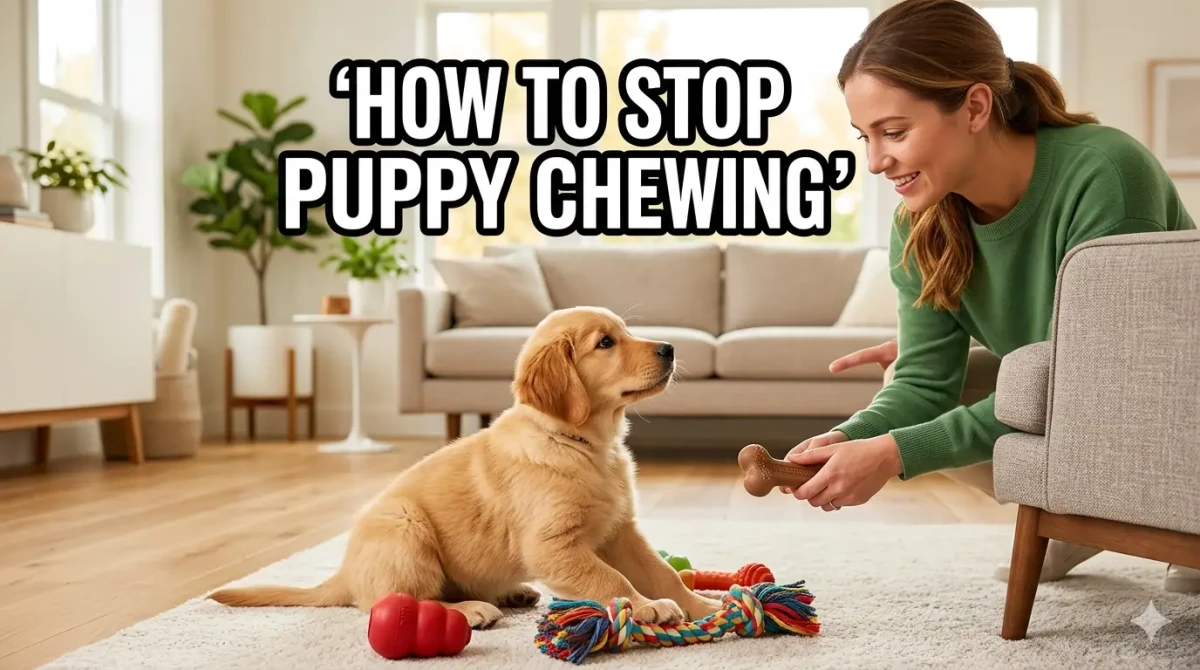
Understanding Puppy Chewing Behavior and Why It Happens
How to stop puppy chewing represents one of the most common challenges facing new puppy parents, yet understanding that chewing is a completely normal developmental behavior helps frame the issue appropriately. Puppies explore their world primarily through their mouths, much like human infants use their hands. This natural instinct, combined with the physical discomfort of teething, creates a perfect storm of chewing behavior that can test even the most patient owner's resolve. The key to success lies not in eliminating chewing entirely, which is impossible and unhealthy, but in redirecting it toward appropriate outlets while protecting your belongings and teaching your puppy boundaries.
Puppy chewing serves multiple developmental purposes beyond simple exploration. During the teething phase, typically occurring between 3 and 6 months of age, puppies experience significant gum discomfort as baby teeth fall out and adult teeth emerge. Chewing provides relief from this discomfort through counter-pressure on sore gums. Additionally, chewing exercises jaw muscles, helps clean teeth, and provides mental stimulation that prevents boredom. Understanding these underlying needs helps you address the behavior compassionately while still maintaining household boundaries.
This comprehensive guide covers everything you need to know about managing and redirecting puppy chewing behavior, from understanding developmental stages and providing appropriate outlets to implementing effective training techniques and puppy-proofing your home. Whether you have a new puppy just starting to explore or an older puppy whose chewing has become destructive, these expert strategies will help you navigate this challenging but temporary phase while building a foundation for good behavior that lasts a lifetime.
Why Puppies Chew: Developmental Stages and Triggers
Understanding why puppies chew helps you respond appropriately to the behavior rather than reacting with frustration. Puppies progress through distinct developmental stages, each with unique chewing characteristics and motivations. Recognizing these stages helps you anticipate needs and adjust your management strategies accordingly.
The neonatal and transitional stages (birth to 3 weeks) involve minimal chewing as puppies focus on nursing and basic development. The socialization period (3 to 12 weeks) marks the beginning of exploratory chewing as puppies develop teeth and begin investigating their environment. This is when most puppies come home to new families, making early intervention crucial for establishing good habits.
The juvenile period (3 to 6 months) represents peak chewing intensity due to teething discomfort. During this phase, puppies lose baby teeth and adult teeth emerge, creating significant gum irritation that drives intense chewing behavior. This stage requires maximum management and patience, as the biological drive to chew is strongest during teething. The adolescent period (6 to 18 months) may see continued chewing driven by boredom, anxiety, or habit if not properly addressed during earlier stages.
What Triggers Excessive Puppy Chewing?
Multiple factors can trigger or exacerbate puppy chewing beyond normal developmental needs. Identifying these triggers helps you address root causes rather than just symptoms, leading to more effective and lasting behavior modification.
Teething discomfort represents the most common trigger, particularly between 12 and 24 weeks of age. Puppies experiencing teething pain will chew anything available to relieve discomfort, often with increased intensity and urgency. Providing appropriate cold chew toys during this period can significantly reduce destructive chewing.
Boredom and insufficient mental stimulation drive many puppies to create their own entertainment through chewing. Puppies are intelligent, curious animals requiring regular mental engagement. Without adequate enrichment, they naturally seek stimulation through exploring objects with their mouths. Exercise deficiency similarly contributes to chewing, as pent-up physical energy seeks outlet through destructive behaviors.
Anxiety and stress trigger chewing as a self-soothing mechanism. Puppies separated from littermates, adjusting to new homes, or experiencing environmental changes may chew to comfort themselves. Separation anxiety specifically manifests in destructive chewing when owners leave. Addressing underlying anxiety through training, routine, and sometimes professional help proves more effective than simply managing the chewing behavior itself.
Essential Strategies for Preventing Destructive Chewing

Prevention forms the foundation of successful puppy chewing management. By setting up your puppy and your home for success, you reduce opportunities for inappropriate chewing while teaching your puppy what items are acceptable. Prevention strategies work best when implemented consistently from the moment your puppy comes home.
Puppy-proofing your home eliminates access to tempting but inappropriate chew items. Remove shoes, children's toys, remote controls, and other attractive objects from puppy reach. Use baby gates to restrict access to rooms where supervision is difficult. Secure electrical cords with cord protectors or bitter apple spray to deter chewing that could result in electrocution. Pick up socks, underwear, and small objects that could be swallowed and cause intestinal blockage.
Supervision remains critical during the chewing phase. Keep your puppy in the same room with you using leashes, playpens, or baby gates. Active supervision allows immediate intervention when your puppy approaches inappropriate items and provides opportunities to redirect to appropriate toys. Never leave young puppies unsupervised in areas with access to household items until they have learned appropriate chewing habits.
Exercise and mental stimulation reduce chewing driven by boredom or excess energy. Provide age-appropriate physical exercise through walks, play sessions, and training activities. Mental enrichment through puzzle toys, training sessions, and nose work tires puppies mentally, reducing their drive to seek stimulation through destructive chewing. A tired puppy is less likely to engage in problematic chewing behavior.
How Do You Puppy-Proof Your Home Effectively?
Effective puppy-proofing requires viewing your home from a puppy's perspective, identifying and eliminating hazards before they become problems. This proactive approach prevents dangerous situations and protects your belongings while your puppy learns appropriate behavior.
Start by getting down on your hands and knees to see your home at puppy eye level. This perspective reveals tempting items and hazards you might miss from standing height. Remove or secure items within puppy reach including shoes, bags, pillows, children's toys, and remote controls. Store these items in closed closets or on high shelves inaccessible to your puppy.
Address electrical safety by securing cords with cord covers, routing cords behind furniture, or applying bitter-tasting sprays designed to deter chewing. Unplug unnecessary cords and use outlet covers on unused electrical sockets. Check behind and under furniture where cords may be accessible.
Secure trash cans with locking lids or store them in cabinets. Puppies find garbage irresistible and may ingest dangerous items including food wrappers, bones, or toxic substances. Remove houseplants or verify they are non-toxic to dogs, as many common plants are poisonous if ingested.
Use baby gates to create puppy-safe zones where supervision is easier and hazards are eliminated. These areas should include appropriate toys, water, and comfortable resting spots. Rotate your puppy between safe zones and supervised areas of the house to balance freedom with safety.
What Role Does Exercise Play in Reducing Chewing?
Adequate exercise significantly impacts chewing behavior by addressing one of its primary causes: excess energy. Puppies with insufficient physical and mental outlets naturally seek stimulation through chewing, often destructively. Understanding your puppy's exercise needs helps you prevent problem behavior proactively.
Physical exercise burns energy that might otherwise fuel destructive chewing. Provide age-appropriate exercise through walks, fetch, tug games, and free play. Follow the general guideline of 5 minutes of exercise per month of age, up to twice daily. For example, a 3-month-old puppy needs approximately 15 minutes of exercise per session.
Mental stimulation proves equally important as physical exercise for reducing chewing. Puppies are intelligent animals requiring mental challenges to prevent boredom. Provide puzzle toys, training sessions, nose work games, and interactive feeders that engage your puppy's brain. Mental exercise often tires puppies more effectively than physical activity alone.
Establish consistent exercise routines that meet your puppy's needs before leaving them alone or in situations where chewing might occur. A well-exercised puppy is more likely to rest calmly than seek entertainment through destructive chewing. Adjust exercise based on your individual puppy's breed, energy level, and developmental stage.
Training Techniques to Redirect Chewing Behavior

Training forms the cornerstone of long-term chewing management, teaching your puppy what items are appropriate to chew while building impulse control and good decision-making skills. Effective training combines positive reinforcement, consistent redirection, and clear communication that helps your puppy understand expectations.
Redirection represents the most important training technique for managing puppy chewing. When you catch your puppy chewing something inappropriate, immediately interrupt the behavior with a neutral sound like "uh-uh" or "oops," then offer an appropriate chew toy. When your puppy takes the toy, praise enthusiastically and allow them to chew the approved item. This teaches your puppy what they CAN chew rather than just what they cannot.
Positive reinforcement strengthens appropriate chewing behavior. When you observe your puppy chewing approved toys independently, offer praise, treats, or attention to reinforce the behavior. This proactive reinforcement teaches your puppy that chewing appropriate items earns rewards, making them more likely to choose toys over furniture in the future.
Teaching "leave it" and "drop it" commands provides tools for managing chewing in real-time. "Leave it" prevents your puppy from picking up inappropriate items, while "drop it" gets them to release items already in their mouth. Train these commands using high-value treats and consistent practice, starting with low-value items and gradually increasing difficulty.
How Do You Teach Appropriate Chew Toy Selection?
Teaching your puppy to distinguish between appropriate toys and forbidden items requires consistency, patience, and clear communication. Your puppy cannot inherently know which items are acceptable; they learn through your guidance and feedback.
Make appropriate toys more appealing than household items by rotating toys regularly to maintain novelty and interest. Keep toys engaging by playing with your puppy using interactive toys, adding treats to puzzle toys, or freezing wet toys for soothing teething relief. When toys are more interesting than furniture, your puppy naturally chooses them.
Use taste deterrents on items you cannot remove or puppy-proof completely. Bitter apple spray, bitter cherry spray, or homemade solutions using vinegar create unpleasant tastes that discourage chewing. Apply deterrents consistently to furniture legs, baseboards, or other targeted areas. Test deterrents on inconspicuous areas first to ensure they do not damage surfaces.
Provide variety in appropriate chew toys to satisfy different chewing needs and preferences. Offer soft toys for gentle chewing, rubber toys for durability, rope toys for dental health, and frozen toys for teething relief. Rotate toys regularly to prevent boredom and maintain interest in approved items.
What Is the Best Way to Interrupt Inappropriate Chewing?
Interrupting inappropriate chewing effectively requires timing, consistency, and appropriate techniques that teach without frightening or confusing your puppy. The goal is to stop the behavior and redirect, not to punish or create fear.
Use neutral interrupters like "uh-uh," "oops," or a gentle clap to gain your puppy's attention when catching them chewing inappropriately. Avoid yelling, scolding, or using your puppy's name in a negative tone, as this can create anxiety or teach your puppy to avoid you when chewing rather than stop the behavior itself.
Interrupt immediately when you catch the behavior, not minutes later. Puppies live in the moment and cannot connect consequences with actions that occurred in the past. If you discover chewed items after the fact, clean up without reacting and increase supervision and management going forward.
Always follow interruption with redirection to an appropriate toy. Simply stopping the behavior without providing an alternative leaves your puppy confused about what they should do. When your puppy accepts the appropriate toy, praise enthusiastically to reinforce the correct choice.
Avoid physical punishment, which can damage your relationship with your puppy, create fear, and potentially lead to aggression. Punishment does not teach appropriate behavior and may cause your puppy to chew when you are not present to avoid getting caught.
Choosing the Right Chew Toys for Your Puppy

Selecting appropriate chew toys significantly impacts your success in managing puppy chewing behavior. The right toys satisfy your puppy's natural chewing instincts, provide teething relief, and keep them engaged long enough to prevent boredom-driven destruction of household items.
Durable rubber toys like Kong classics, Nylabones, or similar products withstand intense chewing while providing long-lasting entertainment. These toys can be stuffed with treats or frozen for added appeal and teething relief. Look for toys labeled as appropriate for puppies, as adult dog toys may be too hard for developing teeth.
Rope toys serve dual purposes by satisfying chewing urges while promoting dental health through flossing action. Supervise rope toy use to prevent ingestion of fibers, and replace toys when they become frayed. Rope toys work well for interactive play and independent chewing sessions.
Edible chews like puppy-safe rawhide alternatives, dental chews, or bully sticks provide consumable chewing outlets that eventually disappear. These work well for extended chewing sessions but require supervision to prevent choking or ingestion of large pieces. Choose size-appropriate chews and monitor your puppy during use.
Frozen toys provide soothing relief for teething puppies. Freeze wet washcloths, rubber toys filled with wet food, or specialized teething toys to create cold surfaces that numb sore gums. Rotate frozen toys to ensure you always have one ready when teething discomfort peaks.
How Do You Keep Chew Toys Interesting?
Maintaining your puppy's interest in appropriate toys prevents boredom that leads to seeking entertainment through destructive chewing. Novelty, variety, and engagement keep toys appealing over time.
Rotate toys regularly by keeping only 3-4 toys available at once and storing the rest. Every few days, swap out current toys for stored ones, creating novelty that renews interest. This strategy makes old toys feel new again and prevents habituation that leads to boredom.
Make toys interactive by playing with your puppy using tug toys, throwing balls for fetch, or hiding treats in puzzle toys. Interactive play strengthens your bond while teaching your puppy that toys are fun and rewarding. Puppies are more likely to choose toys independently if they associate them with positive interactions with you.
Enhance toys with treats, peanut butter (xylitol-free), or frozen broth to increase appeal. Stuff Kong toys with kibble and freeze for extended engagement. Sprinkle treats on rope toys or hide food in puzzle toys to create positive associations with appropriate chew items.
Vary toy textures and types to satisfy different chewing preferences and needs. Offer soft plush toys, durable rubber, crunchy rope, and edible chews to provide comprehensive options. Observe which textures your puppy prefers and ensure those remain available while introducing variety to prevent boredom.
What Toys Should You Avoid for Puppies?
Certain toys pose safety risks or may encourage inappropriate chewing habits. Understanding what to avoid protects your puppy from injury and prevents confusion about acceptable chew items.
Avoid toys small enough to swallow or choke on. Toys should be larger than your puppy's mouth when fully opened. Never give puppies toys designed for adult dogs if they are too hard, as these can fracture developing teeth. Test toy hardness by pressing with your fingernail; if it is too hard for your nail to make an indent, it is too hard for your puppy's teeth.
Avoid toys with small parts that can be chewed off and swallowed, including squeakers, plastic eyes, buttons, or ribbons. These pose choking hazards and may cause intestinal blockage requiring surgical intervention. Inspect toys regularly and discard any showing damage or loose parts.
Never give puppies real bones, cooked bones, or hooves, which can splinter and cause internal injuries or dental fractures. Avoid rawhide for young puppies, as it poses choking and digestive risks. Choose puppy-safe alternatives designed specifically for developing teeth and digestive systems.
Avoid giving puppies old shoes, socks, or household items as toys, even for play. Puppies cannot distinguish between old items you give permission to chew and new items that are forbidden. This confusion undermines training and encourages destructive behavior.
Managing Teething Discomfort and Chewing

Teething represents the most intense chewing phase in puppy development, typically occurring between 12 and 24 weeks of age. During this period, puppies lose 28 baby teeth and gain 42 adult teeth, creating significant gum discomfort that drives intense chewing behavior. Understanding and managing teething helps you support your puppy through this challenging but temporary phase.
Recognize teething signs including increased chewing intensity, drooling, bleeding gums, bad breath, visible teeth emerging, and occasional decreased appetite. Your puppy may also paw at their mouth or seem irritable. These symptoms are normal but require management to prevent destructive behavior and ensure your puppy's comfort.
Provide appropriate teething relief through cold items that numb sore gums. Freeze wet washcloths, rubber toys, or specialized teething rings for your puppy to chew. The cold temperature provides pain relief while the chewing action helps loosen baby teeth and soothes inflamed gums.
Increase supervision during teething phases, as the drive to chew becomes almost compulsive. Puppies experiencing teething discomfort will chew anything available if not guided toward appropriate outlets. Proactive management prevents destructive habits from forming during this critical developmental window.
How Do You Soothe a Teething Puppy's Pain?
Soothing teething discomfort reduces your puppy's need to seek relief through destructive chewing while supporting their comfort and wellbeing during this challenging phase.
Cold therapy provides the most effective teething relief. Freeze puppy-safe toys, wet washcloths twisted into rope shapes, or specialized teething toys. The cold numbs inflamed gums and reduces pain. Rotate frozen items to ensure you always have one available when your puppy needs relief.
Gentle gum massage using clean fingers can provide temporary relief and help loosen baby teeth. Rub your puppy's gums gently in circular motions, being careful not to cause discomfort. Some puppies enjoy this attention while others prefer independent chewing; respect your puppy's preferences.
Provide soft food options if your puppy shows decreased appetite due to teething pain. Soak kibble in warm water or offer wet food to make eating more comfortable. Ensure your puppy continues eating adequately during teething to support proper development.
Consult your veterinarian if teething seems excessively painful, if baby teeth do not fall out properly, or if your puppy stops eating. Retained baby teeth may require extraction to prevent dental problems. Your veterinarian can assess your puppy's teething progress and provide guidance specific to their needs.
What If Your Puppy Swallows Something Dangerous?
Puppies exploring the world through chewing occasionally ingest inappropriate or dangerous items. Knowing how to respond protects your puppy from serious harm and may save their life.
Recognize emergency signs including choking, gagging, drooling, pawing at the mouth, difficulty breathing, vomiting, lethargy, abdominal pain, or inability to defecate. These symptoms may indicate an object lodged in the throat, stomach, or intestines requiring immediate veterinary attention.
If your puppy is choking and cannot breathe, perform the Heimlich maneuver appropriate for dogs. For small puppies, hold them face down on your forearm with their head lower than their body and deliver firm pats between the shoulder blades. For larger puppies, stand behind them, wrap your arms around their waist, and thrust upward below the rib cage. Seek emergency veterinary care immediately after.
If your puppy swallows something dangerous but is not choking, contact your veterinarian or pet poison control immediately. Do not induce vomiting unless specifically instructed by a professional, as some objects can cause more damage coming back up. Provide information about what was ingested, approximately when, and your puppy's current condition.
Prevent ingestion through proactive management including puppy-proofing, supervision, and providing appropriate chew toys. Prevention is far safer and less stressful than emergency response.
Addressing Chewing When Left Alone

Chewing that occurs specifically when you leave your puppy alone often indicates separation anxiety, boredom, or insufficient exercise rather than simple teething or exploration. Addressing this pattern requires understanding the underlying cause and implementing targeted strategies.
Separation anxiety manifests as destructive chewing combined with other symptoms including vocalization, pacing, drooling, house soiling, and escape attempts. The chewing typically occurs within the first 30 minutes of departure and focuses on exit points like doors and windows. This anxiety-driven behavior requires patient training to address the underlying emotional distress.
Boredom-related chewing occurs when puppies lack adequate mental and physical stimulation. These puppies may chew throughout your absence, targeting various items as they seek entertainment. Addressing boredom requires increasing exercise, enrichment, and environmental stimulation.
Preparation before departures sets your puppy up for success. Provide vigorous exercise and mental enrichment before leaving to tire your puppy physically and mentally. Offer a special long-lasting chew toy or food puzzle exclusively when you leave, creating positive associations with your departure.
How Do You Prevent Chewing During Absences?
Preventing chewing when you cannot supervise requires management strategies that limit access to inappropriate items while providing appropriate outlets for chewing behavior.
Use confinement strategically by restricting your puppy to puppy-proofed areas when unsupervised. Crates, playpens, or small rooms with appropriate toys prevent access to household items while keeping your puppy safe. Ensure confinement areas include comfortable bedding, water, and engaging toys.
Provide exclusive departure toys that your puppy receives only when you leave. Stuff Kong toys with high-value treats and freeze them, or use puzzle feeders that dispense food slowly. These special toys create positive associations with your departure and keep your puppy occupied during the highest-risk period.
Practice gradual departures to build your puppy's confidence being alone. Start with very short absences of just seconds, gradually increasing duration as your puppy remains calm. This systematic desensitization prevents anxiety that drives destructive chewing.
Avoid making departures and arrivals emotional events. Keep greetings and goodbyes calm and low-key to reduce anxiety. Ignore your puppy for several minutes before leaving and after returning to normalize comings and goings.
What If Chewing Indicates Separation Anxiety?
Separation anxiety requires specific intervention beyond basic chewing management, as the behavior stems from emotional distress rather than simple boredom or teething.
Recognize separation anxiety symptoms including destructive chewing focused on exits, excessive vocalization, pacing, drooling, house soiling despite being house trained, and escape attempts. These behaviors typically begin within minutes of departure and indicate significant distress requiring intervention.
Implement systematic desensitization by practicing departure cues without actually leaving. Pick up your keys, put on your shoes, or open the door, then sit back down without leaving. This breaks the association between these cues and your absence, reducing anxiety.
Create positive associations with departure by providing high-value treats or toys exclusively when you leave. Your puppy learns to anticipate your departure as a positive event rather than a stressful one.
Consult a professional dog trainer or veterinary behaviorist if separation anxiety is severe or does not improve with basic interventions. Severe cases may require behavior modification protocols and sometimes medication to address underlying anxiety.
Common Mistakes That Worsen Chewing Problems

Even well-intentioned puppy parents make mistakes that inadvertently reinforce or worsen chewing problems. Understanding these common errors helps you avoid pitfalls that undermine training and extend the chewing phase unnecessarily.
Inconsistent responses confuse puppies and slow learning. Allowing chewing on some shoes but not others, or sometimes permitting furniture chewing while other times punishing it, creates confusion about what is actually acceptable. Consistency from all family members is essential for clear communication.
Punishment after the fact does not teach puppies what they did wrong and damages trust. Discovering chewed items hours later and scolding your puppy creates fear without understanding, as puppies cannot connect consequences with actions from the past. This approach may cause your puppy to hide chewing or avoid you rather than stop the behavior.
Insufficient exercise and mental stimulation leave puppies with excess energy and boredom that fuel destructive chewing. No amount of training can overcome a puppy whose basic needs for activity and engagement are not being met.
Providing inappropriate toys or failing to make approved toys interesting enough drives puppies to seek entertainment from household items. Your puppy will naturally choose the most appealing available option.
Why Punishment Doesn't Work for Chewing?
Punishment-based approaches to chewing are ineffective and potentially harmful, creating problems that extend beyond the original behavior. Understanding why punishment fails helps you choose more effective, humane training methods.
Puppies cannot connect punishment with actions that occurred in the past. If you scold your puppy for chewing your shoe discovered an hour ago, your puppy does not understand what they are being punished for. They only learn that you are unpredictable and potentially dangerous, damaging your relationship.
Punishment creates fear and anxiety that can worsen chewing or create new behavioral problems. Puppies who fear punishment may chew when you are not present to avoid getting caught, or they may develop anxiety that actually increases destructive behavior.
Punishment does not teach appropriate behavior. Even if punishment stops chewing temporarily, it does not tell your puppy what they should chew instead. Your puppy still has the same biological need to chew but lacks guidance on appropriate outlets.
Positive reinforcement and redirection prove far more effective than punishment. Teaching your puppy what to chew through rewards and providing appropriate outlets addresses the root cause while building a positive relationship based on trust and clear communication.
How Does Inconsistency Undermine Training?
Inconsistent responses to chewing confuse puppies and significantly slow the learning process, extending the chewing phase and frustrating both puppy and owner.
Mixed messages occur when different family members enforce different rules, or when the same person sometimes allows chewing and other times punishes it. Puppies need consistent feedback to learn boundaries. When rules change unpredictably, puppies cannot form clear associations about what is acceptable.
Inconsistent supervision creates opportunities for rehearsal of unwanted behavior. Every time your puppy chews furniture unsupervised, they practice and reinforce that behavior. Consistent management prevents this rehearsal while training takes effect.
Inconsistent toy availability confuses puppies about what is appropriate to chew. Toys that are sometimes available and sometimes forbidden create uncertainty. Maintain clear distinctions between puppy toys and human belongings at all times.
Ensure all family members understand and follow the same rules regarding chewing. Post guidelines visibly if necessary, and communicate regularly about your puppy's progress and any adjustments to the training plan.
Frequently Asked Questions About Puppy Chewing

When Does Puppy Chewing Stop?
Puppy chewing typically peaks during teething between 3 and 6 months of age, then gradually decreases as adult teeth emerge and your puppy matures. Most puppies show significant improvement by 8 to 10 months, though some chewing continues into adolescence. By 12 to 18 months, most dogs have outgrown destructive chewing if properly trained, though they retain the need for appropriate chew outlets throughout life.
Individual variation exists based on breed, temperament, training consistency, and whether underlying issues like anxiety or boredom are addressed. High-energy breeds or puppies with insufficient exercise may chew longer than calmer individuals. Consistent training and management significantly impact how quickly chewing improves.
Remember that adult dogs still need appropriate chew toys for dental health, mental stimulation, and stress relief. The goal is not to eliminate chewing entirely but to direct it toward acceptable items throughout your dog's life.
Should You Use Bitter Sprays on Furniture?
Bitter sprays can be helpful tools for deterring chewing on items you cannot remove or puppy-proof completely, but they work best as part of a comprehensive training program rather than a standalone solution.
Bitter sprays create unpleasant tastes that discourage chewing on treated surfaces. Apply to furniture legs, baseboards, door frames, or other targeted areas. Test sprays on inconspicuous areas first to ensure they do not damage finishes, and reapply regularly as the taste fades.
Understand that bitter sprays do not work for all puppies, as individual sensitivity to taste varies. Some puppies find the taste sufficiently unpleasant to avoid treated items, while others are undeterred. Never rely solely on deterrents without providing appropriate alternatives and training.
Combine bitter sprays with positive reinforcement for chewing appropriate toys, adequate exercise, and consistent supervision for best results. Deterrents manage the environment while training teaches lasting behavior change.
How Do You Stop Puppy Chewing Hands and Feet?
Puppy mouthing and chewing on hands and feet represents normal play behavior that requires gentle but consistent redirection to prevent it from becoming a persistent problem.
Immediately stop play when your puppy mouths skin by saying "ouch" in a high-pitched voice and withdrawing attention for 10-20 seconds. This mimics how littermates communicate that biting hurts too hard. Resume play gently, and repeat if mouthing continues.
Redirect to appropriate chew toys when your puppy mouths hands or feet. Always have toys readily available during play sessions so you can immediately offer an alternative. Praise enthusiastically when your puppy chews the toy instead of skin.
Avoid rough play that encourages mouthing, including wrestling with hands or waving fingers in your puppy's face. These games teach puppies that hands are toys, creating confusion about appropriate biting targets.
Ensure your puppy receives adequate exercise and mental stimulation, as overtired or overexcited puppies are more likely to mouth excessively. Provide calm downtime and avoid overstimulation that triggers mouthing behavior.
Conclusion

Successfully managing puppy chewing requires patience, consistency, and understanding that this behavior, while challenging, is a normal and temporary part of puppy development. By providing appropriate chew outlets, implementing consistent training, puppy-proofing your environment, and addressing underlying needs for exercise and mental stimulation, you guide your puppy through this phase while building a foundation for good behavior that lasts a lifetime.
Remember that punishment and frustration do not teach puppies what they need to learn. Instead, focus on prevention, redirection, and positive reinforcement that clearly communicates expectations while preserving your relationship with your puppy. Every puppy progresses at their own pace, and setbacks are normal parts of the learning process.
Your commitment to humane, effective training during the chewing phase demonstrates your dedication to raising a well-adjusted, happy dog. With the strategies provided in this guide, you can navigate this challenging but temporary phase successfully, protecting your belongings while supporting your puppy's development into a well-behaved adult dog who understands appropriate chewing boundaries.
🐱 আরও পড়ুন: Dog Training and Behavior

0 Comments