.png)
How to Socialize a Puppy and Complete Training Guide
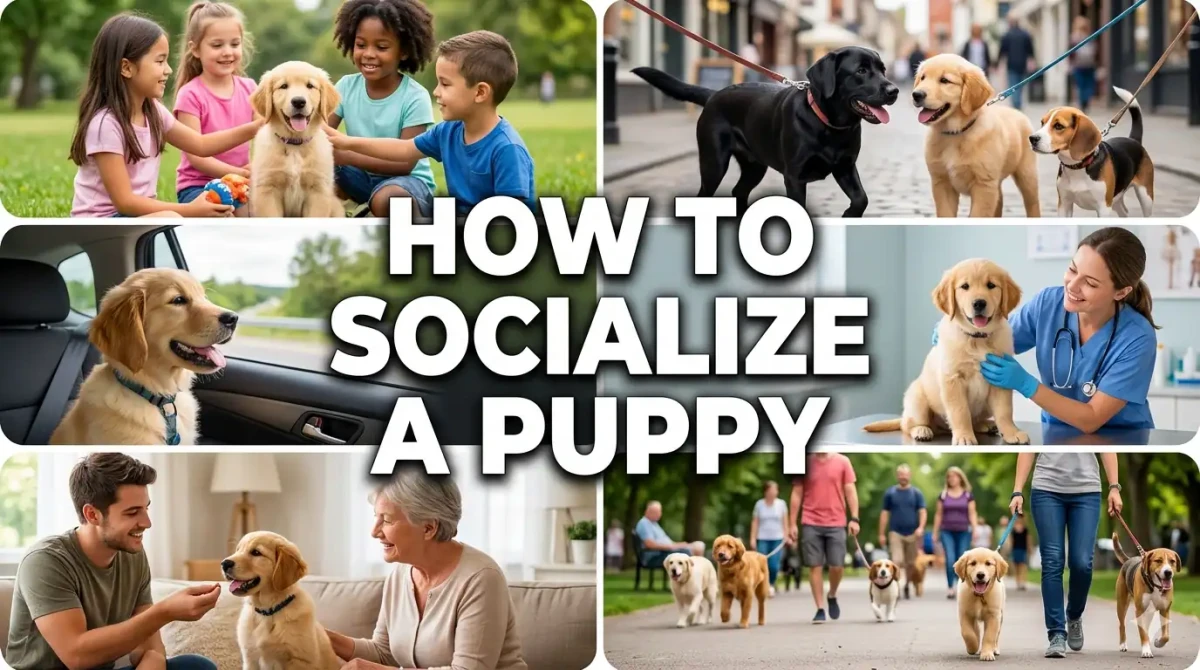
Introduction to Puppy Socialization
Learning how to socialize a puppy is one of the most important responsibilities new dog owners face, as proper early experiences shape a dog temperament, behavior, and quality of life for years to come. Socialization involves intentionally exposing puppies to a wide variety of people, animals, environments, sounds, and experiences in positive, controlled ways that build confidence rather than fear. Understanding how to socialize a puppy effectively helps pet parents raise well-adjusted, friendly dogs who thrive in diverse situations throughout their lives.
The critical socialization period for puppies occurs between three and fourteen weeks of age, when young dogs are most receptive to new experiences and least likely to develop lasting fears. During this window, positive exposures create neural pathways that promote confidence and adaptability, while negative or absent experiences can lead to fearfulness, anxiety, and behavioral problems that persist into adulthood. Responsible breeders begin socialization before puppies leave home, but new owners must continue and expand these efforts to ensure comprehensive development.
This comprehensive guide explores everything you need to know about how to socialize a puppy, from understanding developmental stages and critical periods to implementing practical exposure techniques and troubleshooting common challenges. Whether you welcome a shy rescue puppy or an outgoing purebred, systematic socialization builds the foundation for a happy, well-behaved companion who enjoys life alongside humans and other animals.
Why Puppy Socialization Matters
Proper socialization is not merely beneficial for puppies; it is essential for preventing behavioral problems and ensuring lifelong wellbeing. Understanding the profound impact of early experiences motivates owners to prioritize systematic, positive exposure during critical developmental windows.
What are the benefits of socializing puppies early?
Behavioral stability and reduced fear represent primary benefits of early socialization. Puppies who experience diverse people, animals, and environments during their critical period develop confidence that protects against fear-based aggression, anxiety, and reactivity later in life. Well-socialized dogs are more adaptable to changes, handle veterinary visits and grooming with less stress, and integrate more smoothly into families and communities.
Safety and quality of life improve dramatically for socialized puppies. Dogs who are comfortable around strangers, other animals, and novel situations are less likely to panic, bolt, or react aggressively when encountering unexpected stimuli. This confidence reduces risks of escape, injury, and euthanasia due to behavioral problems, while enabling richer experiences like travel, outdoor activities, and social gatherings.
Training success accelerates when puppies have solid socialization foundations. Confident dogs learn more readily, focus better during training sessions, and generalize commands across different environments. Socialization builds the emotional stability that allows puppies to engage with training rather than becoming overwhelmed by fear or distraction.
Understanding Critical Socialization Periods

Puppy development follows predictable stages, each with unique learning capacities and socialization priorities. Understanding these periods helps owners time exposures appropriately and maximize developmental benefits.
When is the best time to socialize a puppy?
The primary socialization window spans approximately three to fourteen weeks of age, with peak sensitivity between six and eight weeks. During this period, puppies are naturally curious and less fearful, making them highly receptive to positive new experiences. Exposures during this window create lasting impressions that shape adult temperament and behavior.
Before three weeks, puppies are primarily focused on maternal bonding and basic sensory development. Breeders should handle puppies gently and introduce mild stimuli, but intensive socialization begins after eyes and ears fully open and mobility increases. Responsible breeders start exposing puppies to varied sounds, surfaces, and gentle human interaction during this early phase.
After fourteen weeks, puppies enter a secondary socialization period extending through approximately sixteen to eighteen weeks. While still receptive to new experiences, older puppies may show increased caution and require more gradual, positive introductions. Socialization continues throughout adolescence and adulthood, but early experiences carry disproportionate weight in shaping lifelong responses.
Vaccination status requires careful balancing with socialization needs. While puppies should avoid high-risk areas like dog parks until fully vaccinated, they can safely experience many environments through controlled exposures like carrying them outdoors, visiting friends homes with healthy vaccinated dogs, or attending puppy classes that require health verification.
Step by Step Puppy Socialization Process

Effective socialization follows systematic principles that maximize positive learning while minimizing stress and fear. A structured approach ensures comprehensive exposure without overwhelming young dogs.
How do you socialize a puppy properly?
Begin with low-intensity exposures in controlled environments before progressing to more complex situations. Start socialization at home with familiar people, gentle handling exercises, and mild novel stimuli like different floor textures or soft background sounds. Gradually expand to quiet outdoor areas, then busier environments as your puppy demonstrates comfort and confidence.
Pair every new experience with positive associations using treats, praise, and play. When introducing novel stimuli, offer high-value rewards before, during, and after exposure to create positive emotional connections. If your puppy shows hesitation, increase distance from the stimulus and reward calm behavior, gradually decreasing distance as confidence builds.
Keep sessions brief and end on positive notes. Puppies have limited attention spans and become overwhelmed easily. Limit socialization sessions to five to fifteen minutes depending on age and temperament, always concluding while your puppy remains engaged and happy rather than tired or stressed.
Monitor body language closely to gauge comfort levels. Signs of stress include tucked tails, flattened ears, whale eye, lip licking, yawning, or attempts to hide. If you observe these signals, increase distance from the stimulus, reduce intensity, or pause the session entirely. Pushing puppies beyond their comfort zones can create lasting fear rather than confidence.
Socializing Puppies with People

Exposing puppies to diverse humans builds comfort with different ages, appearances, and interaction styles, preventing fear or aggression toward people later in life.
How do you socialize puppies with different types of people?
Introduce puppies to people of varying ages, genders, ethnicities, and physical characteristics. Invite friends and family members to interact gently with your puppy, offering treats and calm petting. Include children supervised closely to ensure gentle handling, as well as adults wearing hats, sunglasses, uniforms, or using mobility aids to normalize diverse appearances.
Teach appropriate interaction protocols to everyone meeting your puppy. Instruct people to approach calmly, avoid direct eye contact initially, offer treats from open palms, and pet gently on the chest or side rather than reaching over the head. These practices prevent overwhelming puppies and create positive first impressions.
Include handling exercises that prepare puppies for grooming and veterinary care. Gently touch paws, ears, mouth, and body while offering treats, gradually increasing duration and pressure as your puppy remains comfortable. Practice lifting your puppy, examining teeth, and simulating nail trims to build tolerance for necessary care procedures.
Socializing Puppies with Other Dogs

Positive interactions with other dogs teach appropriate canine communication, play skills, and social boundaries that prevent fear or aggression toward dogs throughout life.
How do you safely socialize puppies with other dogs?
Start with calm, vaccinated, well-socialized adult dogs known to be gentle with puppies. Arrange controlled introductions on neutral territory with both dogs on leash initially, allowing them to sniff and interact at their own pace. Watch for appropriate play signals like play bows and loose body language, intervening if interactions become too rough or one dog shows stress.
Attend puppy socialization classes designed for young dogs with verified vaccination records. These structured environments provide supervised interaction with multiple puppies under professional guidance, teaching appropriate play while minimizing disease risk. Classes also offer opportunities for owners to learn from trainers and other puppy parents.
Avoid dog parks and uncontrolled group settings until puppies are fully vaccinated and have developed basic social skills. Dog parks expose young puppies to unknown health risks and potentially overwhelming interactions with adult dogs whose play styles may be too intense. Wait until your puppy has mastered basic manners and completed vaccination protocols before visiting high-traffic dog areas.
Exposing Puppies to Environments and Stimuli

Broad environmental exposure builds adaptability and prevents fear of novel places, sounds, and experiences that puppies will encounter throughout life.
What environments and stimuli should puppies experience?
Introduce puppies to varied surfaces including grass, concrete, wood floors, tile, gravel, and carpet. Walk puppies on different textures to build confidence in footing and reduce sensitivity to unusual ground conditions. Practice climbing gentle slopes, stepping over small obstacles, and navigating slightly uneven terrain.
Expose puppies to common sounds at low volumes initially, gradually increasing intensity as they remain comfortable. Recordings of traffic, thunderstorms, vacuum cleaners, doorbells, and household appliances can be played softly during positive activities like feeding or play. Never force exposure to loud or frightening sounds; always pair auditory stimuli with rewards and allow puppies to retreat if overwhelmed.
Visit diverse locations including quiet streets, parking lots, pet-friendly stores, outdoor cafes, and friends homes. Carry young puppies to high-traffic areas before they are fully vaccinated, allowing them to observe without direct contact. As vaccination status permits, gradually allow supervised exploration of new environments with positive reinforcement for calm behavior.
Common Socialization Mistakes to Avoid

Even well-intentioned owners can make errors that undermine socialization efforts or create lasting fear. Recognizing and avoiding these pitfalls protects your puppy emotional development.
What mistakes should you avoid when socializing puppies?
Overwhelming puppies with too much too soon represents the most common socialization error. Flooding puppies with intense stimuli or forcing interactions beyond their comfort levels creates fear rather than confidence. Always progress gradually, watching for stress signals and adjusting pace to match your puppy individual temperament and responses.
Neglecting positive associations undermines socialization effectiveness. Simply exposing puppies to new experiences without pairing them with rewards fails to build positive emotional connections. Every novel stimulus should be accompanied by treats, praise, or play to create favorable associations that promote approach rather than avoidance behaviors.
Skipping vaccination precautions risks serious illness. While socialization is critical, exposing unvaccinated puppies to high-risk environments like dog parks, pet stores with unknown animal traffic, or areas frequented by unvaccinated dogs can transmit dangerous diseases like parvovirus. Balance socialization needs with health protection through controlled, low-risk exposures.
Ignoring puppy body language leads to missed warning signs. Puppies communicate discomfort through subtle signals that inexperienced owners may overlook. Learn to recognize stress indicators and respond appropriately by reducing intensity, increasing distance, or ending sessions before fear becomes entrenched.
Breed Specific Socialization Considerations

Different breeds have varying temperaments, sensitivities, and developmental timelines that influence socialization approaches. Tailoring strategies to breed characteristics optimizes outcomes.
How do socialization needs vary by puppy breed?
Sensitive breeds like herding dogs, sighthounds, and some toy breeds may require slower, more gradual socialization with extra attention to positive associations. These dogs often notice subtle environmental changes and may startle more easily. Extend the acclimation period, use higher-value rewards, and progress through exposures more slowly than with bold, resilient breeds.
Bold, confident breeds like retrievers, terriers, and working dogs often adapt quickly to new experiences but may benefit from early impulse control training alongside socialization. These puppies may approach novel stimuli enthusiastically, requiring guidance to learn appropriate greeting manners and self-control around exciting triggers.
Guardian breeds and livestock protection dogs need careful socialization to distinguish between appropriate protective behaviors and inappropriate fear or aggression. Expose these puppies broadly to people and situations while teaching that calm observation rather than reactive behavior is desired. Professional guidance from trainers experienced with guardian breeds can optimize socialization outcomes.
Troubleshooting Fear and Anxiety During Socialization

Even with careful planning, puppies may show fear or hesitation during socialization. Knowing how to respond appropriately prevents temporary concerns from becoming lasting problems.
What should you do if your puppy shows fear during socialization?
Increase distance from the frightening stimulus immediately. Fear decreases with physical distance, so creating space allows your puppy to observe without feeling threatened. Reward calm behavior at this comfortable distance, then gradually decrease distance over multiple sessions as confidence builds.
Use counter-conditioning to change emotional responses. Pair the previously scary stimulus with high-value treats, starting at distances where your puppy remains relaxed. Over repeated sessions, your puppy learns to associate the stimulus with positive outcomes rather than fear. Progress slowly, never pushing closer than your puppy comfortably tolerates.
Avoid comforting fearful behavior with excessive petting or soothing words that may inadvertently reinforce fear responses. Instead, remain calm and matter-of-fact, redirecting attention to positive activities once your puppy recovers. Confidence builds through successful experiences, not through reassurance that validates fear.
Consult professional help if fear persists or intensifies. Certified fear-free trainers, veterinary behaviorists, or experienced dog trainers can provide customized strategies for puppies showing significant anxiety. Early intervention prevents mild concerns from developing into severe behavioral problems.
Socialization During Special Circumstances

Certain situations require modified socialization approaches to maintain progress while addressing unique challenges or constraints.
How do you socialize puppies during challenging circumstances?
During illness recovery or vaccination waiting periods, focus on low-risk exposures that build foundational skills without health risks. Practice handling exercises, introduce novel sounds through recordings, expose puppies to varied surfaces indoors, and invite healthy vaccinated visitors to your home. These activities maintain socialization momentum while protecting health.
For rescue puppies with unknown histories or potential trauma, proceed more slowly and prioritize building trust before expanding exposures. Allow extra time for adjustment to your home environment before introducing novel stimuli. Work with experienced trainers who specialize in rescue dogs to develop appropriate socialization plans that respect your puppy individual background and needs.
During pandemic restrictions or limited mobility, maximize available opportunities through creative adaptations. Use video calls to expose puppies to diverse faces and voices, practice car rides to new locations while remaining in the vehicle, and explore varied environments during off-peak hours when fewer people are present. Quality of exposures matters more than quantity.
Tracking Progress and Adjusting Plans

Systematic monitoring helps owners evaluate socialization effectiveness and modify approaches based on individual puppy responses and development.
How do you track puppy socialization progress?
Maintain a socialization journal documenting exposures, puppy responses, and lessons learned. Record dates, locations, stimuli encountered, your puppy body language, and outcomes. This log helps identify patterns, track improvement over time, and plan future exposures that build on successes while addressing areas needing more work.
Set specific, achievable goals for each developmental stage. Rather than vague objectives like socialize my puppy, define concrete targets such as puppy calmly accepts being touched on paws or puppy observes strangers at ten feet without hiding. Measurable goals provide direction and allow assessment of progress.
Adjust plans based on observed responses. If your puppy excels with certain exposures, gradually increase complexity or intensity. If challenges arise, slow the pace, increase positive reinforcement, or consult professionals for guidance. Flexibility ensures socialization remains effective and enjoyable rather than stressful or counterproductive.
Frequently Asked Questions

What is the critical period for puppy socialization?
The primary critical socialization period spans approximately three to fourteen weeks of age, with peak sensitivity between six and eight weeks. During this window, puppies are naturally curious and less fearful, making them highly receptive to positive new experiences that shape lifelong temperament. While socialization continues throughout life, early exposures carry disproportionate influence on adult behavior. Begin socialization as soon as your puppy joins your home, balancing vaccination precautions with developmental needs through controlled, low-risk exposures.
How do I socialize my puppy if I live in an area with disease risks?
Balance socialization needs with health protection through creative, controlled exposures. Carry your puppy to observe busy areas without setting them down, visit homes of friends with healthy vaccinated dogs, attend puppy classes requiring health verification, and expose your puppy to varied sounds and surfaces indoors. Use recordings of environmental sounds, invite diverse visitors to your home, and practice handling exercises. These low-risk activities build foundational socialization skills while minimizing disease exposure until vaccination protocols are complete.
Can you socialize an older puppy or adult dog?
Yes, socialization remains possible and beneficial throughout life, though approaches differ from early puppyhood. Older puppies and adult dogs may require slower progress, more intensive positive reinforcement, and professional guidance for significant fears. Focus on building confidence through gradual exposure paired with high-value rewards, celebrating small improvements rather than expecting rapid transformation. While early socialization is ideal, it is never too late to help dogs become more comfortable and confident in diverse situations.
How long should socialization sessions last?
Keep socialization sessions brief to match puppy attention spans and prevent overwhelm. For young puppies under twelve weeks, limit sessions to five to ten minutes. Older puppies may tolerate fifteen to twenty minute exposures. Always end sessions while your puppy remains engaged and positive rather than tired or stressed. Multiple short sessions throughout the day prove more effective than occasional lengthy exposures, allowing repeated positive experiences without fatigue.
What if my puppy seems fearful of everything?
Extreme fearfulness warrants professional evaluation to rule out medical issues and develop customized intervention strategies. Consult your veterinarian to ensure no underlying health problems contribute to fear responses, then work with a certified fear-free trainer or veterinary behaviorist. These professionals can assess your puppy specific needs, design gradual exposure plans, and teach techniques for building confidence safely. Early intervention improves outcomes significantly, so seek help promptly rather than hoping fears will resolve independently.
Should I force my puppy to face fears during socialization?
No, forcing puppies to confront frightening stimuli without preparation or positive association typically worsens fear rather than resolving it. Flooding techniques that overwhelm puppies with intense exposures can create lasting trauma and damage trust. Instead, use desensitization and counter-conditioning: start at distances or intensities where your puppy remains comfortable, pair exposures with high-value rewards, and gradually progress as confidence builds. Patience and positive methods create lasting confidence; pressure and force create lasting fear.
Conclusion

Learning how to socialize a puppy represents one of the most valuable investments you can make in your dog lifelong wellbeing and your shared quality of life. By understanding critical developmental periods, implementing systematic positive exposures, and responding appropriately to your puppy individual needs, you build the foundation for a confident, adaptable, and happy companion who thrives in diverse situations throughout life.
Remember that socialization is an ongoing process rather than a one-time task. While early experiences carry special importance, continued positive exposures throughout adolescence and adulthood maintain and strengthen the confidence built during puppyhood. Stay attentive to your dog evolving needs, adjust approaches as circumstances change, and celebrate progress along the journey.
By following the guidelines in this comprehensive guide, you can confidently socialize your puppy using evidence-based methods that prioritize positive experiences, respect individual temperament, and build lasting confidence. Your commitment to thoughtful socialization demonstrates the love and responsibility that defines exceptional dog ownership, ensuring your canine companion enjoys many years of joyful adventures by your side.

0 Comments