.png)
How to Train Cats to Come When Called: Expert Step-by-Step Guide
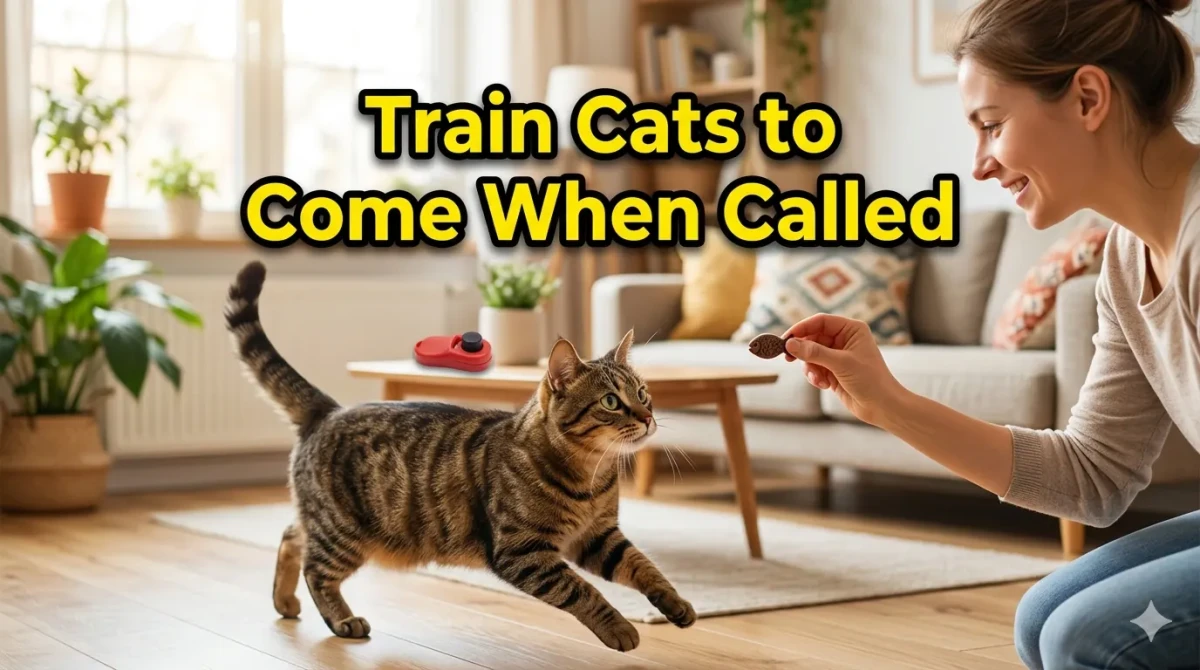
Why Training Your Cat to Come When Called Is Essential for Safety and Bonding
Training your cat to come when called isn't just a party trick—it's a critical safety skill that can prevent accidents, facilitate veterinary care, and strengthen your bond. Unlike dogs, cats aren't naturally inclined to respond to recall cues, but with patient, positive training, most cats can learn reliable recall. The key is understanding feline motivation, using high-value rewards, and building trust through consistent, reward-based methods.
Featured Snippet Answer: To train a cat to come when called: choose a consistent cue (name or "come"), use ultra-high-value rewards reserved exclusively for recall, start training in quiet, low-distraction environments, reward immediately when cat approaches, and gradually increase distance and distractions. Keep sessions short (2-3 minutes), end on success, and never punish non-response. Most cats develop reliable recall in 2-6 weeks with daily practice.
This comprehensive guide provides evidence-based, cat-behaviorist-aligned strategies to teach recall humanely and effectively. You'll learn how to select motivating rewards, structure training sessions, troubleshoot common challenges, and generalize the behavior to real-world situations. Whether you have a playful kitten, a shy rescue, or a confident adult cat, you'll find practical guidance to build a reliable recall that enhances safety and connection.
Understanding Cat Motivation: Why Recall Training Works
Before beginning training, it's essential to understand how cats learn and what motivates them.
Key Principles of Feline Learning:
- Cats are voluntary learners: Unlike dogs bred for cooperation, cats choose whether to respond; training must make responding more rewarding than ignoring
- Immediate rewards matter: Cats connect actions to consequences within 1-2 seconds; delayed rewards lose effectiveness
- High-value rewards drive behavior: Regular kibble won't motivate recall; reserve special treats exclusively for training
- Stress blocks learning: Fear, anxiety, or overstimulation prevent cats from focusing on training
- Consistency builds reliability: Using the same cue, reward, and response pattern helps cats learn faster
- 🐾 How to Stop Rabbits from Chewing Furniture: Expert Training & Prevention Guide
- 🐾 Stop Cats from Scratching Furniture: Pro Tips
- 🐾 How to Train a Parrot to Talk: Complete 2026 Guide
- 🐾 How to Stop Puppy Biting: Expert Step-by-Step Training Guide
Why Cats May Not Come When Called (Initially):
- Lack of motivation: The reward isn't valuable enough to compete with current activity
- Poor cue association: Cat hasn't learned that the cue predicts something good
- Environmental distractions: Birds, other pets, or interesting smells are more compelling
- Previous negative experiences: Being called for unpleasant things (baths, vet visits) creates avoidance
- Medical issues: Hearing loss, pain, or illness can affect responsiveness
- 🐾 How to Stop Rabbits from Chewing Furniture: Expert Training & Prevention Guide
- 🐾 Stop Cats from Scratching Furniture: Pro Tips
- 🐾 How to Train a Parrot to Talk: Complete 2026 Guide
- 🐾 How to Stop Puppy Biting: Expert Step-by-Step Training Guide
Featured Snippet Answer: Cats learn through immediate, high-value rewards and consistent cue association. They may not come when called initially due to low motivation, poor cue association, distractions, negative past experiences, or medical issues. Understanding feline learning principles—voluntary response, immediate rewards, and stress sensitivity—guides effective recall training.
How long does it take to train a cat to come when called?
Most cats develop basic recall in 2-6 weeks with daily 2-3 minute sessions. Reliable response in varied environments may take 2-3 months. Progress depends on the cat's personality, motivation, training consistency, and distraction levels. Shy or fearful cats may need longer; highly food-motivated cats often learn faster. Patience and consistency matter more than speed.
Step 1: Preparation—Setting Up for Recall Success

Proper preparation prevents frustration and accelerates learning.
Choosing Your Recall Cue
Options:
- Your cat's name: Simple and practical, but ensure it's used positively (not just for scolding)
- Distinct word: "Come," "Here," or a unique sound (kiss noise, clicker) that's easy to say consistently
- Whistle or sound cue: Useful for outdoor recall; ensure it's distinct from environmental sounds
- 🐾 How to Stop Rabbits from Chewing Furniture: Expert Training & Prevention Guide
- 🐾 Stop Cats from Scratching Furniture: Pro Tips
- 🐾 How to Train a Parrot to Talk: Complete 2026 Guide
- 🐾 How to Stop Puppy Biting: Expert Step-by-Step Training Guide
Cue Selection Guidelines:
- Choose one cue and use it consistently—never alternate between multiple cues
- Avoid using the cue for negative experiences (vet trips, baths) during training
- Keep the cue short, clear, and easy to say in emergencies
- If using your cat's name, pair it with a distinct tone for recall vs. casual use
- 🐾 How to Stop Rabbits from Chewing Furniture: Expert Training & Prevention Guide
- 🐾 Stop Cats from Scratching Furniture: Pro Tips
- 🐾 How to Train a Parrot to Talk: Complete 2026 Guide
- 🐾 How to Stop Puppy Biting: Expert Step-by-Step Training Guide
Selecting Ultra-High-Value Rewards
What Makes a Reward "High-Value":
- Novelty: Treats your cat doesn't get daily
- Smell and taste: Strong-smelling, moist treats are most motivating
- Exclusivity: Reserve these rewards exclusively for recall training
- 🐾 How to Stop Rabbits from Chewing Furniture: Expert Training & Prevention Guide
- 🐾 Stop Cats from Scratching Furniture: Pro Tips
- 🐾 How to Train a Parrot to Talk: Complete 2026 Guide
- 🐾 How to Stop Puppy Biting: Expert Step-by-Step Training Guide
Top Reward Options:
- Freeze-dried meats: Chicken, liver, or fish (strong smell, high value)
- Churu or squeeze treats: Lickable treats cats find irresistible
- Cooked chicken or fish: Tiny pieces of plain, unseasoned meat
- Commercial training treats: Small, soft treats designed for training
- Catnip or silver vine: For cats who respond strongly (use sparingly)
- 🐾 How to Stop Rabbits from Chewing Furniture: Expert Training & Prevention Guide
- 🐾 Stop Cats from Scratching Furniture: Pro Tips
- 🐾 How to Train a Parrot to Talk: Complete 2026 Guide
- 🐾 How to Stop Puppy Biting: Expert Step-by-Step Training Guide
Reward Preparation Tips:
- Break treats into tiny pea-sized pieces to allow multiple rewards per session
- Keep rewards in a dedicated pouch or container for quick access
- Store perishable rewards properly to maintain freshness
- 🐾 How to Stop Rabbits from Chewing Furniture: Expert Training & Prevention Guide
- 🐾 Stop Cats from Scratching Furniture: Pro Tips
- 🐾 How to Train a Parrot to Talk: Complete 2026 Guide
- 🐾 How to Stop Puppy Biting: Expert Step-by-Step Training Guide
Creating the Right Training Environment
Initial Sessions:
- Choose a quiet room with minimal distractions
- Ensure your cat is calm and slightly hungry (train before meals)
- Remove competing rewards (other pets, food bowls, toys)
- Keep sessions short: 2-3 minutes maximum to prevent fatigue
- 🐾 How to Stop Rabbits from Chewing Furniture: Expert Training & Prevention Guide
- 🐾 Stop Cats from Scratching Furniture: Pro Tips
- 🐾 How to Train a Parrot to Talk: Complete 2026 Guide
- 🐾 How to Stop Puppy Biting: Expert Step-by-Step Training Guide
Featured Snippet Answer:
Prepare for recall training by: choosing one consistent cue (name or distinct word), selecting ultra-high-value rewards reserved exclusively for training, and starting in quiet, low-distraction environments. Use tiny, smelly treats like freeze-dried meats or Churu. Keep sessions short (2-3 minutes) and train when your cat is calm and slightly hungry.
Step 2: Building the Cue-Reward Association

The foundation of recall is teaching your cat that your cue predicts something wonderful.
Phase 1: Classical Conditioning (Days 1-3)
Goal: Create a positive emotional response to the cue before asking for behavior.
Protocol:
Sit quietly with your cat in a calm environment Say your recall cue clearly and calmly Immediately give a high-value treat (within 1 second) Repeat 5-10 times per session, 2-3 sessions daily Don't expect your cat to move—just associate cue with rewardSuccess indicators:
Cat perks up or looks toward you when hearing the cue Cat shows anticipation (ears forward, tail up) after cue Cat approaches voluntarily after several repetitions 🐾 How to Stop Rabbits from Chewing Furniture: Expert Training & Prevention Guide🐾 Stop Cats from Scratching Furniture: Pro Tips🐾 How to Train a Parrot to Talk: Complete 2026 Guide🐾 How to Stop Puppy Biting: Expert Step-by-Step Training GuidePhase 2: Adding Distance (Days 4-7)
Goal: Encourage your cat to move toward you after the cue.
Protocol:
Start with your cat 1-2 feet away Say your cue in an encouraging tone If cat moves toward you, mark with "yes!" or clicker and reward immediately If cat doesn't move, toss a treat toward them to create positive association, then try again later Gradually increase distance by 1 foot per successful sessionPro tips:
Crouch down to appear less intimidating Use an enthusiastic, happy tone (but not loud or startling) Never chase or force your cat—let them choose to approach If cat walks away, end session positively and try again later 🐾 How to Stop Rabbits from Chewing Furniture: Expert Training & Prevention Guide🐾 Stop Cats from Scratching Furniture: Pro Tips🐾 How to Train a Parrot to Talk: Complete 2026 Guide🐾 How to Stop Puppy Biting: Expert Step-by-Step Training GuidePhase 3: Adding Duration and Distractions (Week 2+)
Goal: Strengthen recall in slightly more challenging situations.
Protocol:
Practice in different rooms of your home Add mild distractions (soft music, another person quietly present) Gradually increase distance up to 10-15 feet Begin varying reward schedule: reward every response initially, then intermittently Keep sessions short and end on successFeatured Snippet Answer:
Build recall in phases: (1) Classical conditioning—say cue, immediately reward, repeat 5-10x/session; (2) Add distance—start 1-2 feet away, reward movement toward you, gradually increase distance; (3) Add mild distractions and vary locations. Keep sessions short, use high-value rewards, and never force your cat. Most cats progress through phases in 1-2 weeks.
Step 3: Proofing and Generalizing the Behavior

Once your cat responds reliably at home, practice in varied situations to ensure real-world reliability.
Increasing Difficulty Gradually
Distance:
Practice at increasing distances: 5 ft → 10 ft → across room → different rooms Always reward successful responses; if cat fails, reduce distance and rebuild 🐾 How to Stop Rabbits from Chewing Furniture: Expert Training & Prevention Guide🐾 Stop Cats from Scratching Furniture: Pro Tips🐾 How to Train a Parrot to Talk: Complete 2026 Guide🐾 How to Stop Puppy Biting: Expert Step-by-Step Training GuideDistractions:
Start with low distractions (quiet room), then add: soft TV, another person, mild noises Progress to moderate distractions: other pets at a distance, doorbell sounds, meal prep Advanced: practice with higher distractions only after mastering lower levels 🐾 How to Stop Rabbits from Chewing Furniture: Expert Training & Prevention Guide🐾 Stop Cats from Scratching Furniture: Pro Tips🐾 How to Train a Parrot to Talk: Complete 2026 Guide🐾 How to Stop Puppy Biting: Expert Step-by-Step Training GuideLocations:
Practice in different rooms, then hallways, then near doors For outdoor cats: practice in secure, enclosed areas before attempting yard recall Always prioritize safety—never practice recall near roads or unsafe areas 🐾 How to Stop Rabbits from Chewing Furniture: Expert Training & Prevention Guide🐾 Stop Cats from Scratching Furniture: Pro Tips🐾 How to Train a Parrot to Talk: Complete 2026 Guide🐾 How to Stop Puppy Biting: Expert Step-by-Step Training GuideVariable Reinforcement for Long-Term Reliability
Why Variable Rewards Work:
Intermittent reinforcement creates stronger, more persistent behaviors Cats learn that responding might yield a reward, maintaining motivation Prevents "reward dependency" where cat only responds when they see the treat 🐾 How to Stop Rabbits from Chewing Furniture: Expert Training & Prevention Guide🐾 Stop Cats from Scratching Furniture: Pro Tips🐾 How to Train a Parrot to Talk: Complete 2026 Guide🐾 How to Stop Puppy Biting: Expert Step-by-Step Training GuideHow to Implement:
Phase 1 (learning): Reward every successful response Phase 2 (strengthening): Reward 3 out of 4 responses (randomly) Phase 3 (maintenance): Reward 1 out of 2-3 responses, plus occasional "jackpot" rewards Always praise verbally even when not giving a treat 🐾 How to Stop Rabbits from Chewing Furniture: Expert Training & Prevention Guide🐾 Stop Cats from Scratching Furniture: Pro Tips🐾 How to Train a Parrot to Talk: Complete 2026 Guide🐾 How to Stop Puppy Biting: Expert Step-by-Step Training GuideFeatured Snippet Answer:
Proof recall by gradually increasing distance, adding mild distractions, and practicing in varied locations. Use variable reinforcement: reward every response initially, then intermittently (3/4, then 1/2-1/3) to build long-term reliability. Always prioritize safety—never practice near hazards. Maintain occasional "jackpot" rewards to keep motivation high.
Advanced Techniques: Enhancing Recall Reliability

Once basic recall is established, these techniques strengthen response in challenging situations.
Emergency Recall Cue
What it is: A distinct, high-priority cue reserved exclusively for urgent situations.
How to train:
Choose a unique cue (e.g., special whistle, distinct word like "NOW") Pair exclusively with ultra-high-value rewards (e.g., extra-special treat) Practice 1-2x weekly in low-distraction settings to maintain association Never use for routine calls or negative experiencesWhen to use: Only for genuine emergencies (cat heading toward danger, medical needs)
Recall with Multiple Cats
Challenges: Competition, resource guarding, or one cat dominating rewards.
Solutions:
Train cats individually first to build individual cue association Use separate, high-value rewards for each cat to prevent competition Call cats one at a initially; reward each immediately upon arrival Gradually practice group recall once individuals are reliable Ensure each cat receives rewards—never let one cat steal another's reward 🐾 How to Stop Rabbits from Chewing Furniture: Expert Training & Prevention Guide🐾 Stop Cats from Scratching Furniture: Pro Tips🐾 How to Train a Parrot to Talk: Complete 2026 Guide🐾 How to Stop Puppy Biting: Expert Step-by-Step Training GuideRecall for Outdoor or Indoor-Outdoor Cats
Safety First:
Only practice outdoor recall in secure, enclosed areas initially Use a long-line leash (15-30 ft) for safety during early outdoor training Choose a distinct cue (whistle works well outdoors) that carries over distance Practice at quiet times of day with minimal distractions Always reward generously for outdoor recall—higher stakes require higher motivation 🐾 How to Stop Rabbits from Chewing Furniture: Expert Training & Prevention Guide🐾 Stop Cats from Scratching Furniture: Pro Tips🐾 How to Train a Parrot to Talk: Complete 2026 Guide🐾 How to Stop Puppy Biting: Expert Step-by-Step Training GuideNever:
Call your cat to you for something unpleasant (bath, nail trim) during training Practice recall near roads, other animals, or unsafe areas Assume recall is reliable outdoors until extensively proofed in safe settings 🐾 How to Stop Rabbits from Chewing Furniture: Expert Training & Prevention Guide🐾 Stop Cats from Scratching Furniture: Pro Tips🐾 How to Train a Parrot to Talk: Complete 2026 Guide🐾 How to Stop Puppy Biting: Expert Step-by-Step Training GuideFeatured Snippet Answer:
Enhance recall with: an emergency cue reserved for urgent situations; individual training for multi-cat households; and safety protocols for outdoor cats (secure areas, long-line leash, distinct cue). Never use recall cues for negative experiences. Outdoor recall requires extensive proofing in safe settings before relying on it near hazards.
Troubleshooting Common Recall Challenges

Even with good training, challenges arise. Here's how to address them.
Problem: Cat Ignores the Cue
Possible Causes:
Reward isn't valuable enough Too many distractions Cue hasn't been sufficiently conditioned Cat is stressed, tired, or not hungry 🐾 How to Stop Rabbits from Chewing Furniture: Expert Training & Prevention Guide🐾 Stop Cats from Scratching Furniture: Pro Tips🐾 How to Train a Parrot to Talk: Complete 2026 Guide🐾 How to Stop Puppy Biting: Expert Step-by-Step Training GuideSolutions:
Upgrade to higher-value rewards (try Churu, freeze-dried liver) Reduce distractions; return to quieter environment Rebuild cue association with classical conditioning phase Train when cat is calm and slightly hungry; avoid post-meal or overstimulated times 🐾 How to Stop Rabbits from Chewing Furniture: Expert Training & Prevention Guide🐾 Stop Cats from Scratching Furniture: Pro Tips🐾 How to Train a Parrot to Talk: Complete 2026 Guide🐾 How to Stop Puppy Biting: Expert Step-by-Step Training GuideProblem: Cat Comes but Won't Stay or Let You Handle Them
Possible Causes:
Cat associates coming with unpleasant outcomes (being picked up, confined) Insufficient reward for the "stay" component 🐾 How to Stop Rabbits from Chewing Furniture: Expert Training & Prevention Guide🐾 Stop Cats from Scratching Furniture: Pro Tips🐾 How to Train a Parrot to Talk: Complete 2026 Guide🐾 How to Stop Puppy Biting: Expert Step-by-Step Training GuideSolutions:
Never call your cat to do something unpleasant during training Reward cat for staying near you after coming: multiple treats, gentle petting if enjoyed Practice "come and stay" separately: reward for approaching, then reward for remaining Gradually add handling: touch gently while rewarding, build tolerance slowly 🐾 How to Stop Rabbits from Chewing Furniture: Expert Training & Prevention Guide🐾 Stop Cats from Scratching Furniture: Pro Tips🐾 How to Train a Parrot to Talk: Complete 2026 Guide🐾 How to Stop Puppy Biting: Expert Step-by-Step Training GuideProblem: Cat Only Comes When They See the Treat
Possible Causes:
Cat is responding to visual cue (treat in hand) rather than auditory cue Insufficient cue-reward association 🐾 How to Stop Rabbits from Chewing Furniture: Expert Training & Prevention Guide🐾 Stop Cats from Scratching Furniture: Pro Tips🐾 How to Train a Parrot to Talk: Complete 2026 Guide🐾 How to Stop Puppy Biting: Expert Step-by-Step Training GuideSolutions:
Hide treats in your pocket or pouch; don't show them before calling Practice cue without visible reward; reward from hidden source after cat approaches Reinforce classical conditioning: say cue, then produce treat from hidden location 🐾 How to Stop Rabbits from Chewing Furniture: Expert Training & Prevention Guide🐾 Stop Cats from Scratching Furniture: Pro Tips🐾 How to Train a Parrot to Talk: Complete 2026 Guide🐾 How to Stop Puppy Biting: Expert Step-by-Step Training GuideProblem: Regression After Initial Success
Possible Causes:
Inconsistent training or reward schedule Environmental changes (new pet, move, routine disruption) Medical issues affecting hearing or motivation 🐾 How to Stop Rabbits from Chewing Furniture: Expert Training & Prevention Guide🐾 Stop Cats from Scratching Furniture: Pro Tips🐾 How to Train a Parrot to Talk: Complete 2026 Guide🐾 How to Stop Puppy Biting: Expert Step-by-Step Training GuideSolutions:
Return to earlier training phase; rebuild with high-value rewards Re-establish consistency: same cue, same reward pattern, same timing Rule out medical causes with veterinary checkup if regression is sudden Be patient—regression is normal; rebuilding is usually faster than initial training 🐾 How to Stop Rabbits from Chewing Furniture: Expert Training & Prevention Guide🐾 Stop Cats from Scratching Furniture: Pro Tips🐾 How to Train a Parrot to Talk: Complete 2026 Guide🐾 How to Stop Puppy Biting: Expert Step-by-Step Training GuideFeatured Snippet Answer:
Troubleshoot recall issues by: upgrading rewards if cat ignores cue; ensuring coming predicts positive outcomes if cat won't stay; hiding treats to prevent visual cue dependency; and rebuilding consistency if regression occurs. Rule out medical issues for sudden changes. Most challenges resolve with adjusted motivation, reduced distractions, or refresher training.
Common Mistakes That Undermine Recall Training

Avoid these pitfalls that delay progress or damage trust.
Mistake 1: Using the Recall Cue for Negative Experiences
Problem: Calling cat for baths, vet trips, or confinement creates negative associations Solution: Never use recall cue for unpleasant activities during training; go get your cat instead 🐾 How to Stop Rabbits from Chewing Furniture: Expert Training & Prevention Guide🐾 Stop Cats from Scratching Furniture: Pro Tips🐾 How to Train a Parrot to Talk: Complete 2026 Guide🐾 How to Stop Puppy Biting: Expert Step-by-Step Training GuideMistake 2: Punishing Non-Response
Problem: Yelling, chasing, or punishing when cat doesn't come creates fear and avoidance Solution: If cat doesn't respond, end session positively and try again later with higher-value rewards or fewer distractions 🐾 How to Stop Rabbits from Chewing Furniture: Expert Training & Prevention Guide🐾 Stop Cats from Scratching Furniture: Pro Tips🐾 How to Train a Parrot to Talk: Complete 2026 Guide🐾 How to Stop Puppy Biting: Expert Step-by-Step Training GuideMistake 3: Inconsistent Cue or Rewards
Problem: Using multiple cues or varying rewards confuses cats and slows learning Solution: Choose one cue and stick with it; use the same high-value rewards consistently during training 🐾 How to Stop Rabbits from Chewing Furniture: Expert Training & Prevention Guide🐾 Stop Cats from Scratching Furniture: Pro Tips🐾 How to Train a Parrot to Talk: Complete 2026 Guide🐾 How to Stop Puppy Biting: Expert Step-by-Step Training GuideMistake 4: Asking for Too Much Too Soon
Problem: Expecting reliable recall in high-distraction environments before mastering basics Solution: Progress gradually: quiet room → mild distractions → varied locations → higher distractions 🐾 How to Stop Rabbits from Chewing Furniture: Expert Training & Prevention Guide🐾 Stop Cats from Scratching Furniture: Pro Tips🐾 How to Train a Parrot to Talk: Complete 2026 Guide🐾 How to Stop Puppy Biting: Expert Step-by-Step Training GuideMistake 5: Not Making Rewards Worthwhile
Problem: Using regular kibble or low-value treats won't compete with distractions Solution: Reserve ultra-high-value, smelly, exclusive rewards exclusively for recall training 🐾 How to Stop Rabbits from Chewing Furniture: Expert Training & Prevention Guide🐾 Stop Cats from Scratching Furniture: Pro Tips🐾 How to Train a Parrot to Talk: Complete 2026 Guide🐾 How to Stop Puppy Biting: Expert Step-by-Step Training GuideFeatured Snippet Answer:
Avoid recall training mistakes: never use recall cue for negative experiences, never punish non-response, maintain consistent cues and rewards, progress gradually through difficulty levels, and use ultra-high-value rewards. These practices build trust and accelerate learning.
Age and Personality Considerations

Tailor your approach to your cat's individual needs.
Kittens (Under 6 Months)
Advantages: Highly food-motivated, adaptable, less set in habits
Considerations:
Keep sessions very short (1-2 minutes) to match attention span Use extra-soft, tiny treats appropriate for developing teeth Focus on building positive associations; reliability will develop with maturity Socialize to various people, sounds, and environments alongside recall training 🐾 How to Stop Rabbits from Chewing Furniture: Expert Training & Prevention Guide🐾 Stop Cats from Scratching Furniture: Pro Tips🐾 How to Train a Parrot to Talk: Complete 2026 Guide🐾 How to Stop Puppy Biting: Expert Step-by-Step Training GuideAdult Cats (6 Months - 10 Years)
Advantages: Established routines, clearer personality traits to work with
Considerations:
May have established habits; patience needed to modify behavior Identify individual motivators: some prefer food, others play or affection Build on existing positive associations with your voice or presence 🐾 How to Stop Rabbits from Chewing Furniture: Expert Training & Prevention Guide🐾 Stop Cats from Scratching Furniture: Pro Tips🐾 How to Train a Parrot to Talk: Complete 2026 Guide🐾 How to Stop Puppy Biting: Expert Step-by-Step Training GuideSenior Cats (10+ Years)
Advantages: Often calmer, more focused, strong bond with owner
Considerations:
Rule out hearing loss or mobility issues that may affect response Use softer cues or visual signals if hearing is impaired Keep sessions gentle; avoid demanding physical exertion Reward generously—senior cats may need extra motivation 🐾 How to Stop Rabbits from Chewing Furniture: Expert Training & Prevention Guide🐾 Stop Cats from Scratching Furniture: Pro Tips🐾 How to Train a Parrot to Talk: Complete 2026 Guide🐾 How to Stop Puppy Biting: Expert Step-by-Step Training GuideShy or Fearful Cats
Special Approach:
Start with classical conditioning at a distance; don't expect approach initially Let cat set the pace; never force interaction Use extra-high-value rewards and calm, quiet cues Celebrate tiny progress: a glance, a step forward, any voluntary movement Consult a cat behaviorist if fear is severe or progress stalls 🐾 How to Stop Rabbits from Chewing Furniture: Expert Training & Prevention Guide🐾 Stop Cats from Scratching Furniture: Pro Tips🐾 How to Train a Parrot to Talk: Complete 2026 Guide🐾 How to Stop Puppy Biting: Expert Step-by-Step Training GuideFeatured Snippet Answer:
Tailor recall training to your cat: kittens need short sessions and soft treats; adults benefit from identifying individual motivators; seniors may need hearing accommodations; shy cats require extra patience and high-value rewards. Always respect your cat's pace and consult a professional for severe fear or lack of progress.
Safety and Ethical Considerations

Recall training should enhance your cat's wellbeing, not create stress.
Never Use Recall for Negative Experiences During Training
If you need to do something unpleasant (vet visit, nail trim), go get your cat instead of calling them Once recall is highly reliable, you can occasionally pair with neutral/positive experiences, but maintain a 10:1 ratio of positive to neutral/negative 🐾 How to Stop Rabbits from Chewing Furniture: Expert Training & Prevention Guide🐾 Stop Cats from Scratching Furniture: Pro Tips🐾 How to Train a Parrot to Talk: Complete 2026 Guide🐾 How to Stop Puppy Biting: Expert Step-by-Step Training GuideRespect Your Cat's Autonomy
Never chase, grab, or force your cat to come If cat walks away, end session positively and try again later Training should feel like a game, not a demand 🐾 How to Stop Rabbits from Chewing Furniture: Expert Training & Prevention Guide🐾 Stop Cats from Scratching Furniture: Pro Tips🐾 How to Train a Parrot to Talk: Complete 2026 Guide🐾 How to Stop Puppy Biting: Expert Step-by-Step Training GuideOutdoor Safety
Never rely on recall alone for outdoor safety; use enclosed spaces or harness/leash Practice outdoor recall only in secure areas until extensively proofed Have a backup plan (long-line leash) for early outdoor training 🐾 How to Stop Rabbits from Chewing Furniture: Expert Training & Prevention Guide🐾 Stop Cats from Scratching Furniture: Pro Tips🐾 How to Train a Parrot to Talk: Complete 2026 Guide🐾 How to Stop Puppy Biting: Expert Step-by-Step Training GuideWhen to Consult a Professional
If recall training causes increased fear, anxiety, or avoidance If your cat shows signs of pain, hearing loss, or other medical issues If biting, aggression, or extreme fear accompanies recall attempts If no progress after 4-6 weeks of consistent, positive training 🐾 How to Stop Rabbits from Chewing Furniture: Expert Training & Prevention Guide🐾 Stop Cats from Scratching Furniture: Pro Tips🐾 How to Train a Parrot to Talk: Complete 2026 Guide🐾 How to Stop Puppy Biting: Expert Step-by-Step Training GuideFeatured Snippet Answer:
Train recall ethically: never use recall cue for negative experiences during training, respect your cat's choice to not respond, and prioritize safety (especially outdoors). Consult a veterinarian or cat behaviorist if training causes fear, if medical issues are suspected, or if no progress after 4-6 weeks of consistent effort.
Quick Recap: Key Takeaways for Training Cats to Come When Called

Final Thoughts: Patience, Partnership, and Progress

Training your cat to come when called is a journey of communication, trust, and mutual respect. Unlike obedience training with dogs, cat recall is a voluntary partnership—your cat chooses to respond because you've made it worthwhile. This voluntary nature is not a limitation but a strength: when your cat comes when called, it's a genuine expression of trust and connection.
Remember that every cat is unique. Some will learn recall in days; others may take months. What matters isn't speed but consistency, compassion, and celebrating progress. Stay observant: your cat's body language tells you when they're engaged, stressed, or ready for the next step. Stay flexible: be willing to adjust rewards, cues, or pacing based on what works for your individual cat. Stay patient: building reliable recall is an investment in your cat's safety and your relationship.
With knowledge, positive methods, and partnership, you can teach your cat a recall that enhances safety, facilitates care, and deepens your bond. Every successful response, every willing approach, and every moment of connection is a testament to your care. Trust the process, celebrate small wins, and enjoy the journey of communicating with your remarkable feline companion.
When in doubt, consult a certified cat behaviorist or veterinarian. They understand feline behavior, can assess individual needs, and provide personalized guidance that generic advice cannot. Together, you can create a training plan that supports your cat's wellbeing and strengthens your lifelong partnership.
🐱 আরও পড়ুন: Cat Training and Behavior
🐾 How to Train a Cat to Use Litter Consistently: Complete 2026 Guide🐾 How to Train Cats to Sit on Command Complete Guide🐾 How to Stop Cats from Aggressive Behavior: Expert Behavior Guide🐾 How to Train Cats to Stay on Command Complete Guide🐾 Stop Cats from Scratching Furniture: Pro Tips
0 Comments