.png)
How to Check Your Cats Temperature Safely at Home
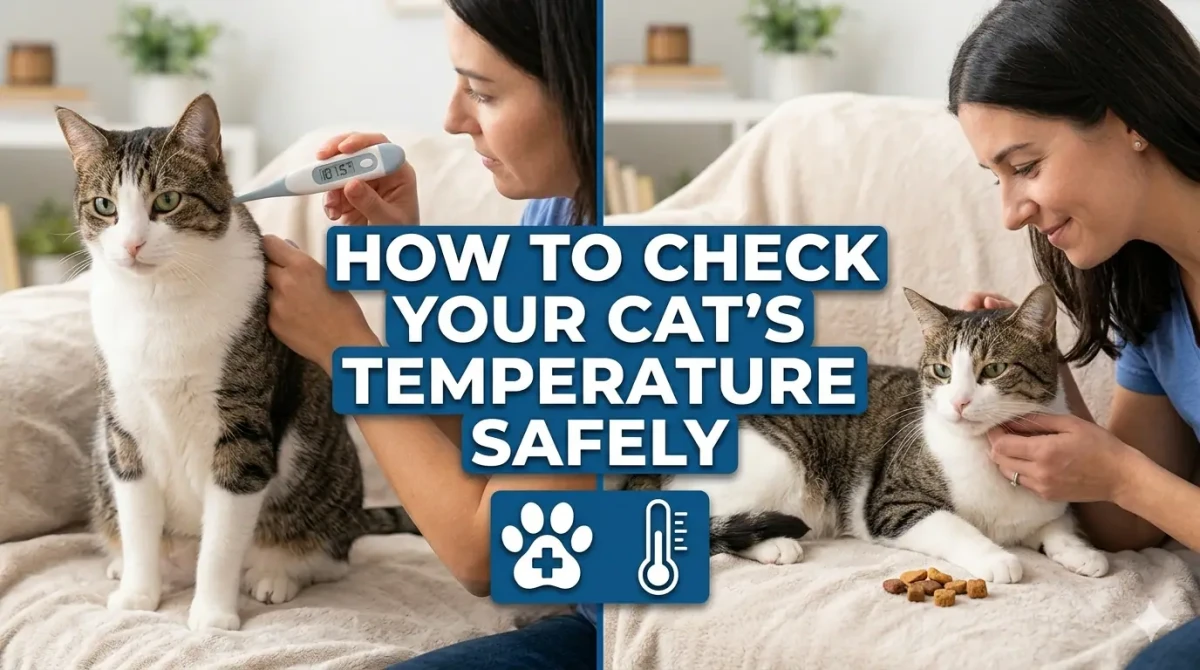
Quick Summary and Direct Answer
Checking your cat's temperature safely at home requires a digital rectal thermometer, water based lubricant, and gentle restraint techniques that minimize stress while obtaining accurate readings. Experts commonly recommend normal feline temperature ranges between one hundred zero point zero and one hundred two point five degrees Fahrenheit.
Most adult cats tolerate brief temperature checks when performed calmly with positive reinforcement. You should establish baseline readings during wellness periods to recognize changes during illness. Always lubricate the thermometer tip, insert only one half to one inch depending on cat size, and reward cooperation immediately after. Consult a veterinarian if temperature falls below one hundred zero or exceeds one hundred three degrees Fahrenheit, or if your cat shows signs of distress during the process.
Investing in a quality digital pet thermometer ensures reliable home monitoring without overspending. Start with a basic flexible tip model before considering advanced features. Consult a veterinarian if your cat resists handling, shows pain during examination, or if abnormal readings persist beyond brief observation periods.
Key Data and Quick Reference Tables
The table below outlines temperature parameters, normal ranges, and measurement guidance. This data helps you establish baseline health monitoring without guesswork.
| Temperature Category | Normal Range Fahrenheit | When to Monitor | Action Required |
|---|---|---|---|
| Normal Healthy Cat | 100.0 to 102.5 F | Monthly baseline or wellness checks | Record for future comparison |
| Mild Elevation | 102.6 to 103.5 F | When cat seems lethargic or warm | Monitor closely, contact vet if persistent |
| Fever Range | 103.6 to 104.5 F | With illness signs like vomiting or hiding | Consult veterinarian within 24 hours |
| High Fever Emergency | Above 104.5 F | With severe symptoms like collapse | Seek emergency veterinary care immediately |
| Hypothermia Concern | Below 100.0 F | After cold exposure or shock | Warm gradually and contact veterinarian |
| Cat Life Stage | Typical Temperature Range | Measurement Considerations | Frequency Guidance |
|---|---|---|---|
| Kitten under 6 months | 100.5 to 102.5 F | Higher baseline, gentle handling essential | During illness or weekly wellness |
| Adult 1 to 10 years | 100.0 to 102.5 F | Establish baseline during calm periods | Monthly or when symptoms appear |
| Senior over 10 years | 99.5 to 102.5 F | May run slightly lower, monitor trends | Bi weekly or with health changes |
Understanding Feline Temperature and Health Indicators

Cat body temperature reflects core physiological function and immune response. Widely accepted veterinary standards emphasize that home temperature monitoring complements professional care but does not replace veterinary diagnosis or treatment for illness.
Normal feline temperature ranges slightly higher than human norms due to metabolic differences. A reading between one hundred zero and one hundred two point five degrees Fahrenheit typically indicates healthy function in adult cats at rest.
Early detection through gentle monitoring may help identify health changes before visible symptoms worsen. A consistent routine with calm handling keeps your cat comfortable during assessments. You do not need expensive medical equipment to start. Simple digital thermometers combined with proper technique create reliable home monitoring that supports veterinary care decisions.
Essential Tools and Safe Product Guidelines

Tool selection significantly impacts measurement accuracy and cat comfort. Widely accepted veterinary care standards recommend avoiding mercury thermometers, human ear thermometers not calibrated for pets, or unverified smartphone apps that lack clinical validation. Digital rectal thermometers designed for pets, water based lubricant, and soft towels are commonly recommended for home temperature assessment.
Thermometer features should include flexible tips, fast read times under ten seconds, and memory storage for tracking trends. You must clean thermometers with alcohol wipes before and after each use to prevent cross contamination. Improper insertion or cold lubricant commonly causes discomfort that reduces future cooperation.
Look for products tested by independent veterinary organizations. Many reputable brands publish safety certifications on their official websites. When in doubt, consult your veterinarian about specific brand recommendations for your cat size and temperament profile, especially for anxious pets or those with prior medical procedures.
Step by Step Safe Temperature Measurement Protocol

Accurate temperature measurement follows a progressive sequence that prioritizes safety while obtaining reliable readings. You should master each step before advancing to maintain trust and reduce stress throughout the process.
Step one involves preparation and positioning. Gather digital thermometer, water based lubricant, and high value treats. Choose a quiet room with minimal distractions. Have your cat stand calmly on non slip surface or lie on side with helper gently restraining if needed. Apply small amount of room temperature lubricant to thermometer tip.
Step two focuses on gentle insertion technique. Lift tail gently with one hand and insert thermometer slowly one half to one inch into rectum depending on cat size. Never force insertion. Hold thermometer steadily at slight angle toward tail base. Wait for audible beep indicating reading complete, typically five to ten seconds.
Step three records and interprets results. Note temperature immediately with time and date. Normal range is one hundred zero to one hundred two point five degrees Fahrenheit. Temperatures below one hundred zero or above one hundred three warrant veterinary consultation. Clean thermometer thoroughly with alcohol wipe after use.
Step four rewards cooperation immediately. Offer high value treat and gentle praise regardless of reading outcome. This positive association commonly reduces resistance during future monitoring sessions. Document trends in simple health journal for veterinary reference during appointments.
Alternative Methods and Their Limitations

Some owners seek non rectal temperature methods for anxious cats. Widely accepted veterinary guidelines emphasize that ear, forehead, or paw pad readings commonly lack accuracy for clinical decision making in feline patients.
Infrared ear thermometers designed for humans may give variable readings in cats due to ear canal anatomy differences. You should use these only for trend monitoring, never for emergency assessment. Always confirm concerning readings with rectal measurement when possible.
Digital paw pad thermometers offer convenience but typically read one to two degrees lower than core temperature. You may add one point five degrees to paw readings for estimation, but consult your veterinarian before making treatment decisions based solely on alternative methods.
Behavioral temperature assessment involves observing signs like warm ears, lethargy, or reduced appetite. While helpful for initial screening, these indicators cannot replace numerical temperature data for veterinary communication. Combine observation with proper measurement for comprehensive evaluation.
Recognizing Fever Signs and When to Seek Help

Temperature abnormalities often accompany other clinical signs that warrant veterinary attention. Widely accepted emergency protocols emphasize that combining temperature data with behavioral observation improves triage accuracy.
Common fever indicators include lethargy, reduced appetite, warm ears or paws, rapid breathing, and hiding behavior. You should monitor for these signs alongside temperature readings to assess overall wellness status.
Seek veterinary guidance for temperatures below one hundred zero or above one hundred three degrees Fahrenheit. Also contact your veterinarian if abnormal readings persist beyond two hours, or if your cat shows vomiting, diarrhea, difficulty breathing, or collapse regardless of temperature value.
Document observations systematically to support veterinary diagnosis. Note symptom onset time, temperature trends, and environmental factors. This data driven approach commonly accelerates accurate diagnosis and improves treatment outcomes for feline health concerns.
Managing Cat Stress During Temperature Checks

Feline anxiety during handling can elevate temperature readings and reduce future cooperation. Widely accepted feline behavior standards emphasize that force free methods build trust while rushed or stressful sessions commonly increase fear and resistance.
Calming strategies include using pheromone sprays, offering high value treats before and after, and performing checks during naturally calm periods. You should deliver rewards within one to two seconds of cooperative behavior to create clear positive associations.
Session pacing remains essential for long term success. End each temperature check while your cat remains calm. Multiple brief practices weekly outperform single stressful sessions monthly. This method commonly reduces stress markers and builds confidence during home health monitoring.
Never punish resistance as this commonly worsens anxiety and reduces future participation. If your cat becomes highly stressed, pause the session and consult a veterinarian or certified feline behavior consultant for desensitization strategies.
Budget versus Premium Thermometer Comparison

Entry level thermometers priced under fifteen USD provide effective starting options for basic temperature monitoring. These items commonly include standard digital pet thermometers with basic features. They suit calm cats or owners with prior handling experience.
Mid range products between twenty and forty five USD offer enhanced comfort features and specialized designs. These selections balance cost and quality for average household cats. Many include flexible tips, memory storage, and fast read times that simplify monitoring routines.
Premium thermometers exceeding fifty USD utilize veterinary grade materials and advanced tracking features. Cats with chronic conditions or senior pets commonly benefit from this support tier. While initial costs remain higher, premium options often improve measurement consistency and reduce stress for both pet and owner.
Common Mistakes Cat Owners Make During Temperature Checks

Many owners measure temperature immediately after activity or excitement. Exercise temporarily elevates body temperature creating misleading readings. You should always allow fifteen to thirty minutes of quiet rest before assessment for accurate baseline data.
Another frequent error involves inserting thermometers too deeply or without lubrication. This commonly causes discomfort, inaccurate readings, and reduced future cooperation. You should insert only one half to one inch with adequate water based lubricant for safe measurement.
Purchasing based solely on convenience leads to inconsistent monitoring outcomes. Human medical devices do not guarantee suitability for feline anatomy. Read verified customer feedback and consult veterinary directories before finalizing purchases. Prioritize species specific design and safety certifications over general availability.
Expert Tips from Feline Veterinary and Emergency Standards

Based on common feline veterinary practices, you should establish baseline temperature readings during wellness periods. Document normal temperature for your individual cat during calm healthy times. Early comparison during illness allows timely recognition of concerning changes.
Combine temperature monitoring with behavioral observation for comprehensive assessment. A cat with normal temperature but lethargy, poor appetite, or pain signals may still require veterinary evaluation. You should report both numerical readings and behavioral changes to your veterinarian for complete clinical picture.
Document monitoring observations in simple health journal. Note date, time, readings, and contextual factors like recent activity or environment. Over time, this data reveals patterns that improve home assessment accuracy. Share findings with your veterinarian during routine visits for personalized optimization insights.
Frequently Asked Questions

What is the normal temperature range for cats
Normal feline temperature ranges from one hundred zero point zero to one hundred two point five degrees Fahrenheit for adult cats at rest. Kittens may run slightly higher while senior cats may trend slightly lower. You should establish your cat's individual baseline during wellness for meaningful comparison during illness.
Can I use a human thermometer for my cat
Digital rectal thermometers designed for humans may work for cats with proper technique and lubrication. However, pet specific models commonly feature flexible tips and faster read times that improve comfort. You should clean any thermometer thoroughly with alcohol before and after feline use regardless of original design.
When should I contact a veterinarian about temperature
Contact your veterinarian for temperatures below one hundred zero or above one hundred three degrees Fahrenheit. Also seek guidance if abnormal readings persist beyond two hours, or if your cat shows vomiting, diarrhea, difficulty breathing, or collapse regardless of temperature value.
How do I make temperature checks less stressful for my cat
Reduce stress by performing checks during calm periods, using water based lubricant at room temperature, and rewarding cooperation immediately. Practice brief handling sessions without measurement to build positive associations. Consult a feline behavior consultant if anxiety persists despite gentle techniques.

0 Comments