.png)
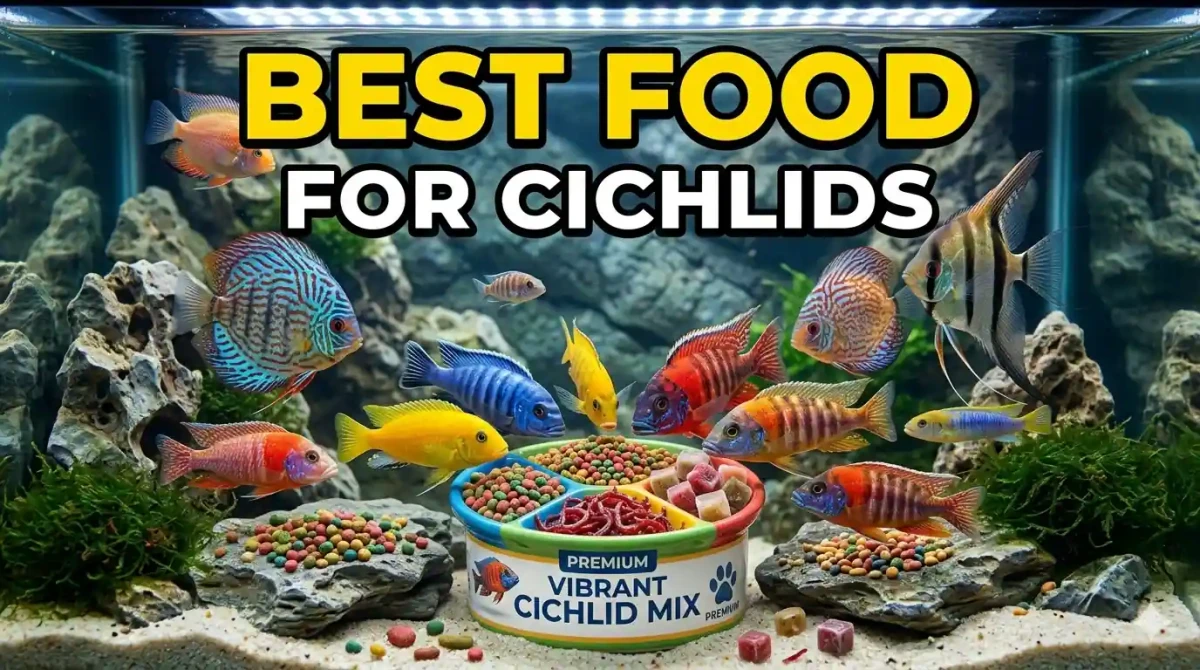
Why Cichlid Nutrition Requires Species-Specific Expertise
Cichlids represent one of the most diverse fish families in aquaria, with over 2,000 species spanning Africa, South America, and Central America. Their dietary needs vary dramatically: herbivorous Mbuna from Lake Malawi require algae-based nutrition, while carnivorous Peacock cichlids and South American species need high-protein formulations. Choosing the best food for cichlids isn't just about filling bellies—it's about supporting species-specific digestive systems, enhancing natural coloration, preventing bloat and Malawi bloat, and promoting long-term health and breeding success.
Featured Snippet Answer: The best food for cichlids depends on species: African herbivores (Mbuna) need spirulina-rich, plant-based foods (30-40% protein); African carnivores (Peacocks, Haps) and South American cichlids require high-protein foods (40-50% protein) with quality animal ingredients. Choose appropriately sized pellets, rotate with frozen foods, feed 1-2 times daily in small portions, and avoid overfeeding to prevent bloat and water quality issues.
Feeding the wrong diet to cichlids can cause serious health problems: herbivores fed high-protein carnivore foods risk Malawi bloat (a often-fatal digestive condition), while carnivores on plant-heavy diets may suffer malnutrition and poor coloration. Understanding your cichlid's natural habitat and feeding ecology empowers you to make informed choices that support optimal health.
This comprehensive guide provides evidence-based, aquarist-aligned strategies for selecting the best food for cichlids. You'll learn about cichlid digestive physiology, species-specific nutritional requirements, ingredient evaluation criteria, top recommended products across price ranges, feeding protocols, and common pitfalls to avoid. Whether you keep colorful Mbuna, elegant Peacocks, majestic Discus, or aggressive Oscars, you'll find practical guidance to optimize their nutrition and vitality.
Understanding Cichlid Diversity: Herbivores, Omnivores, and Carnivores
Cichlids aren't a monolith—their dietary needs reflect their evolutionary adaptations to distinct ecosystems.
African Cichlids: Lake Malawi & Lake Tanganyika
- Mbuna (Rock-dwellers): Herbivores/algivores; graze aufwuchs (algae, microorganisms) from rocks; require 30-40% protein, high fiber (8-12%), spirulina-based foods
- Peacock Cichlids (Aulonocara): Omnivores with carnivore leanings; feed on small invertebrates in sand; need 40-45% protein, moderate fiber, quality animal proteins
- Haplochromis (Haps): Carnivores/piscivores; hunt small fish and invertebrates; require 45-50% protein, low fiber, high-quality animal ingredients
- Tanganyikan Species: Vary by niche; many are omnivores requiring balanced protein/fiber ratios
- 🐾 Best Pellet Food for Parrots Complete Nutrition Guide
- 🐾 Diet and Feeding Hygiene Tips for Small Pets Complete Guide
- 🐾 Grain-Free Cat Food for Adult Cats: Complete Guide
South & Central American Cichlids
- Angelfish & Discus: Omnivores with carnivore preferences; feed on insects, small crustaceans, plant matter; need 40-45% protein, highly digestible ingredients
- Convict, Jack Dempsey, Firemouth: Omnivorous opportunists; adaptable but thrive on varied diets with 35-45% protein
- Oscar, Jaguar, Green Terror: Carnivorous predators; require 45-50% protein, high-quality animal proteins, minimal plant fillers
- Discus (Special Case): Extremely sensitive; require premium, highly digestible foods with 45-50% protein, minimal fillers, frequent small feedings
- 🐾 Best Pellet Food for Parrots Complete Nutrition Guide
- 🐾 Diet and Feeding Hygiene Tips for Small Pets Complete Guide
- 🐾 Grain-Free Cat Food for Adult Cats: Complete Guide
Why Matching Diet to Species Matters:
- Digestive anatomy: Herbivores have longer intestines for plant digestion; carnivores have shorter tracts for protein processing
- Malawi bloat prevention: Herbivorous Mbuna fed high-protein carnivore foods risk fatal digestive blockages
- Color enhancement: Species-specific pigments (astaxanthin, spirulina) enhance natural coloration when matched to diet
- Water quality: Inappropriate foods increase waste, ammonia, and maintenance burden
- 🐾 Best Pellet Food for Parrots Complete Nutrition Guide
- 🐾 Diet and Feeding Hygiene Tips for Small Pets Complete Guide
- 🐾 Grain-Free Cat Food for Adult Cats: Complete Guide
Featured Snippet Answer: Cichlid dietary needs vary by species: Mbuna (herbivores) need spirulina-rich, high-fiber foods (30-40% protein); Peacocks and South American cichlids need high-protein foods (40-50% protein). Matching diet to natural feeding ecology prevents Malawi bloat, supports coloration, and maintains water quality.
How do I know if my cichlid is herbivore, omnivore, or carnivore?
Research your cichlid's species and origin: Mbuna from Lake Malawi rocky shores are herbivores; Peacocks, Haps, and most South American cichlids are omnivores/carnivores. Consult reputable cichlid resources, aquarium books, or your local fish store. When in doubt, choose balanced omnivore formulas and observe your fish's response—healthy cichlids show vibrant coloration, active behavior, and consistent waste production.
Key Factors in Choosing Cichlid Food

Selecting the right food requires evaluating multiple factors beyond marketing claims.
1. Protein Content and Source
Protein quality and quantity must match your cichlid's digestive capabilities.
- Herbivores (Mbuna): 30-40% protein from plant sources (spirulina, algae meal) and quality fish meals
- Omnivores (Peacocks, Angelfish): 40-45% protein from balanced animal/plant sources
- Carnivores (Oscars, Haps): 45-50% protein from high-quality animal proteins (fish meal, krill, shrimp)
- Source quality: Named ingredients (krill meal, herring meal) indicate quality; avoid vague "fish meal" or "animal by-products"
- Digestibility: High-quality proteins reduce waste and support efficient nutrient absorption
- 🐾 Best Pellet Food for Parrots Complete Nutrition Guide
- 🐾 Diet and Feeding Hygiene Tips for Small Pets Complete Guide
- 🐾 Grain-Free Cat Food for Adult Cats: Complete Guide
2. Fiber Content for Digestive Health
Fiber supports gut motility and prevents bloat, especially critical for herbivorous cichlids.
- Herbivores: 8-12% fiber from spirulina, algae, and plant matter
- Omnivores: 4-7% fiber for balanced digestion
- Carnivores: 2-4% fiber; excessive fiber can reduce nutrient absorption
- Fiber sources: Spirulina, wheat germ, pea protein, algae meal
- 🐾 Best Pellet Food for Parrots Complete Nutrition Guide
- 🐾 Diet and Feeding Hygiene Tips for Small Pets Complete Guide
- 🐾 Grain-Free Cat Food for Adult Cats: Complete Guide
3. Color-Enhancing Ingredients
Cichlids display spectacular colors; nutrition directly impacts pigmentation.
- Astaxanthin: Powerful carotenoid from krill/shrimp; enhances reds, oranges, and blues
- Spirulina: Blue-green algae rich in beta-carotene; enhances blues and greens in Mbuna
- Canthaxanthin: Synthetic carotenoid; effective but prefer natural sources when possible
- Balanced approach: Color enhancers work best alongside overall nutritional balance
- 🐾 Best Pellet Food for Parrots Complete Nutrition Guide
- 🐾 Diet and Feeding Hygiene Tips for Small Pets Complete Guide
- 🐾 Grain-Free Cat Food for Adult Cats: Complete Guide
4. Pellet Size and Texture
Appropriate sizing prevents choking and ensures all tank inhabitants can feed comfortably.
- Small cichlids (Mbuna, dwarf species): 1-2mm micro-pellets or crumbles
- Medium cichlids (Peacocks, Angelfish): 2-3mm small pellets
- Large cichlids (Oscars, Jack Dempsey): 3-5mm medium/large pellets
- Texture: Sinking pellets for bottom/mid-water feeders; floating for surface feeders; slow-sinking for versatility
- 🐾 Best Pellet Food for Parrots Complete Nutrition Guide
- 🐾 Diet and Feeding Hygiene Tips for Small Pets Complete Guide
- 🐾 Grain-Free Cat Food for Adult Cats: Complete Guide
5. Ingredient Quality and Fillers
Quality ingredients support health; fillers increase waste without nutrition.
- Prioritize: Named animal proteins (krill, herring, shrimp), spirulina, quality grains
- Limit: Wheat, corn, soy as primary ingredients; acceptable in moderation as binders
- Avoid: Excessive fillers (milo, rice hulls), artificial colors, preservatives (BHA/BHT)
- Preservatives: Prefer natural preservatives (mixed tocopherols/vitamin E) over synthetic options
- 🐾 Best Pellet Food for Parrots Complete Nutrition Guide
- 🐾 Diet and Feeding Hygiene Tips for Small Pets Complete Guide
- 🐾 Grain-Free Cat Food for Adult Cats: Complete Guide
6. Format Variety: Pellets, Flakes, Frozen, Live
Different formats offer complementary benefits for comprehensive nutrition.
- Pellets: Nutritionally complete, reduce waste, available in species-specific formulas
- Flakes: Good for small cichlids and fry; less nutrient-dense than pellets
- Frozen foods: Brine shrimp, bloodworms, mysis shrimp provide variety and enrichment; thaw before feeding
- Live foods: Blackworms, brine shrimp stimulate hunting instincts; risk of disease introduction; use sparingly
- Rotation strategy: Use pellets as staple (70-80%), supplement with frozen foods (20-30%) for variety
- 🐾 Best Pellet Food for Parrots Complete Nutrition Guide
- 🐾 Diet and Feeding Hygiene Tips for Small Pets Complete Guide
- 🐾 Grain-Free Cat Food for Adult Cats: Complete Guide
Featured Snippet Answer:
Choose cichlid food with: appropriate protein content (30-40% for Mbuna, 40-50% for carnivores), species-matched fiber levels (8-12% for herbivores), natural color enhancers (astaxanthin, spirulina), appropriately sized pellets, and quality ingredients with minimal fillers. Rotate pellets with frozen foods for comprehensive nutrition.
Top Recommended Foods for Cichlids by Category

After extensive research and analysis of ingredient quality, species-specific formulation, palatability, and aquarist feedback, these are the best foods for cichlids.
1. Omega One Cichlid Pellets: Best Overall for African Cichlids
Key Features:
- Species-specific formulas: Mbuna (herbivore), Cichlid (omnivore), Large Cichlid (carnivore)
- High-quality proteins: whole salmon, herring, krill as primary ingredients
- Mbuna formula: 35% protein, 10% fiber, spirulina-rich for herbivorous digestion
- Color enhancement: natural astaxanthin from krill for vibrant coloration
- Natural preservatives: mixed tocopherols (vitamin E); no artificial colors or flavors
- Slow-sinking pellets: appropriate for mid-water cichlid feeding behavior
- 🐾 Best Pellet Food for Parrots Complete Nutrition Guide
- 🐾 Diet and Feeding Hygiene Tips for Small Pets Complete Guide
- 🐾 Grain-Free Cat Food for Adult Cats: Complete Guide
Best For: African cichlid keepers seeking species-specific, high-quality nutrition
Pros: Excellent ingredient quality, species-specific formulations, natural color enhancement, minimal fillers, widely available
Cons: Premium price point; pellets may be too large for very small Mbuna juveniles
Price Range: $12-25 for 8.8oz-17.6oz containers depending on formula
Verdict: Omega One Cichlid Pellets offer exceptional species-specific nutrition with high-quality ingredients and natural color enhancement, making them an excellent choice for serious African cichlid keepers.
2. Fluval Bug Bites Cichlid Formula: Best Natural Ingredient Option
Key Features:
- First ingredient: black soldier fly larvae (natural, sustainable protein source)
- 42% protein, 5% fiber: balanced for omnivorous cichlids
- Natural color enhancers: spirulina and krill meal for vibrant pigmentation
- No artificial colors, flavors, or preservatives
- Slow-sinking micro-pellets: suitable for small to medium cichlids
- Easy-to-digest formula with prebiotics for gut health
- 🐾 Best Pellet Food for Parrots Complete Nutrition Guide
- 🐾 Diet and Feeding Hygiene Tips for Small Pets Complete Guide
- 🐾 Grain-Free Cat Food for Adult Cats: Complete Guide
Best For: Owners prioritizing natural, sustainable ingredients with balanced omnivore nutrition
Pros: Innovative protein source, natural ingredients, balanced nutrition, eco-friendly packaging, good value
Cons: Primarily formulated for omnivores (less ideal for strict herbivores or carnivores); pellet size may not suit very large cichlids
Price Range: $10-20 for 4.9oz-11.6oz containers
Verdict: Fluval Bug Bites delivers innovative, natural nutrition with sustainable ingredients, ideal for owners prioritizing eco-conscious, balanced cichlid nutrition.
3. Hikari Cichlid Bio-Gold: Best for Color Enhancement
Key Features:
- High protein (40%) from fish meal and shrimp meal
- Enhanced with astaxanthin and spirulina for maximum color development
- Probiotics (Bacillus subtilis) support digestive health and nutrient absorption
- Slow-sinking pellets with stable formulation that doesn't cloud water
- Available in small, medium, and large pellet sizes
- Fortified with vitamins and minerals for comprehensive nutrition
- 🐾 Best Pellet Food for Parrots Complete Nutrition Guide
- 🐾 Diet and Feeding Hygiene Tips for Small Pets Complete Guide
- 🐾 Grain-Free Cat Food for Adult Cats: Complete Guide
Best For: Cichlid keepers prioritizing vibrant coloration and digestive health support
Pros: Excellent color enhancement, probiotic support, multiple pellet sizes, water-stable, widely available
Cons: Contains wheat and corn as binders; higher price than budget options
Price Range: $11-28 for 7.4oz-35.2oz bags depending on size
Verdict: Hikari Cichlid Bio-Gold excels in color enhancement and digestive support, making it ideal for show-quality cichlids or keepers prioritizing vibrant pigmentation.
4. NorthFin Cichlid Formula: Best Premium Whole-Food Option
Key Features:
- Whole food ingredients: herring meal, krill meal, spirulina, kelp
- 45% protein, 5% fiber: balanced for omnivorous to carnivorous cichlids
- No fillers: wheat-free, corn-free, soy-free formulation
- Natural color enhancers: astaxanthin from krill, beta-carotene from spirulina
- Small, slow-sinking pellets: highly digestible with minimal waste
- Canadian-made with rigorous quality control
- 🐾 Best Pellet Food for Parrots Complete Nutrition Guide
- 🐾 Diet and Feeding Hygiene Tips for Small Pets Complete Guide
- 🐾 Grain-Free Cat Food for Adult Cats: Complete Guide
Best For: Discus, Peacock, and premium cichlid keepers seeking filler-free, whole-food nutrition
Pros: Exceptional ingredient quality, no fillers, excellent digestibility, natural color enhancement, minimal water pollution
Cons: Premium price; primarily suited for omnivores/carnivores (not ideal for strict Mbuna herbivores)
Price Range: $18-45 for 125g-500g bags
Verdict: NorthFin Cichlid Formula delivers premium, filler-free nutrition with exceptional digestibility, ideal for discerning keepers of sensitive or high-value cichlids.
5. Aqueon Cichlid Food: Best Budget-Friendly Option
Key Features:
- Species-specific formulas: African Cichlid (spirulina-rich), Cichlid Omnivore, Large Cichlid
- African formula: 32% protein, 8% fiber with spirulina for herbivorous digestion
- Color enhancement: natural ingredients support pigmentation
- Floating and sinking options available
- Fortified with vitamins and minerals
- Widely available at pet stores and online
- 🐾 Best Pellet Food for Parrots Complete Nutrition Guide
- 🐾 Diet and Feeding Hygiene Tips for Small Pets Complete Guide
- 🐾 Grain-Free Cat Food for Adult Cats: Complete Guide
Best For: Budget-conscious cichlid keepers seeking reliable, species-appropriate nutrition
Pros: Affordable price, species-specific options, widely available, balanced nutrition for the price
Cons: Contains more fillers (wheat, corn) than premium brands; color enhancement less pronounced than premium options
Price Range: $6-15 for 7.4oz-24oz containers
Verdict: Aqueon Cichlid Food delivers reliable, species-appropriate nutrition at an accessible price, making it an excellent entry point for new cichlid keepers or those managing multiple tanks on a budget.
6. Repashy Super Gold Soilent Green: Best Gel Food for Variety
Key Features:
- Gel-based food: mix powder with hot water to create nutritious gel
- High spirulina content (40%+): ideal for Mbuna and herbivorous cichlids
- 35% protein, 12% fiber: perfectly balanced for herbivorous digestion
- Rich in natural pigments: enhances blues and greens in African cichlids
- Highly digestible: minimal waste, excellent for sensitive digestive systems
- Versatile: can be fed alone or mixed with other foods
- 🐾 Best Pellet Food for Parrots Complete Nutrition Guide
- 🐾 Diet and Feeding Hygiene Tips for Small Pets Complete Guide
- 🐾 Grain-Free Cat Food for Adult Cats: Complete Guide
Best For: Mbuna keepers and owners seeking variety beyond traditional pellets
Pros: Exceptional for herbivores, highly digestible, natural color enhancement, versatile preparation, minimal waste
Cons: Requires preparation (mixing with water); shorter shelf life once mixed; not ideal as sole food for carnivorous cichlids
Price Range: $12-20 for 3oz-8oz containers
Verdict: Repashy Soilent Green is unparalleled for herbivorous cichlids, offering spirulina-rich nutrition in a highly digestible gel format—ideal for Mbuna specialists or as a supplement to pellet diets.
Species-Specific Feeding Guidelines

Tailoring food selection and feeding protocols to your cichlid species ensures optimal health and prevents common problems.
African Mbuna (Herbivores)
Nutritional Priorities:
- Protein: 30-40% from plant sources (spirulina, algae) and quality fish meals
- Fiber: 8-12% to support long intestinal tracts and prevent bloat
- Primary ingredients: spirulina, algae meal, wheat germ, quality plant proteins
- Avoid: high-protein carnivore formulas (>45% protein) that risk Malawi bloat
- 🐾 Best Pellet Food for Parrots Complete Nutrition Guide
- 🐾 Diet and Feeding Hygiene Tips for Small Pets Complete Guide
- 🐾 Grain-Free Cat Food for Adult Cats: Complete Guide
Top Food Picks:
- Omega One Mbuna Pellets
- Repashy Soilent Green Gel Food
- Aqueon African Cichlid Food
- 🐾 Best Pellet Food for Parrots Complete Nutrition Guide
- 🐾 Diet and Feeding Hygiene Tips for Small Pets Complete Guide
- 🐾 Grain-Free Cat Food for Adult Cats: Complete Guide
Feeding Protocol:
- Feed 1-2 times daily; small portions consumed within 2-3 minutes
- Supplement with spirulina flakes or blanched vegetables (zucchini, spinach) 2-3x weekly
- Limit high-protein frozen foods to occasional treats (once weekly max)
- Fast one day weekly to support digestive health
- 🐾 Best Pellet Food for Parrots Complete Nutrition Guide
- 🐾 Diet and Feeding Hygiene Tips for Small Pets Complete Guide
- 🐾 Grain-Free Cat Food for Adult Cats: Complete Guide
African Peacocks & Haps (Omnivores/Carnivores)
Nutritional Priorities:
- Protein: 40-45% from quality animal sources (krill, shrimp, fish meal)
- Fiber: 4-7% for balanced digestion
- Primary ingredients: krill meal, shrimp meal, fish meal, spirulina for color
- Color enhancement: astaxanthin from krill enhances blues, yellows, and reds
- 🐾 Best Pellet Food for Parrots Complete Nutrition Guide
- 🐾 Diet and Feeding Hygiene Tips for Small Pets Complete Guide
- 🐾 Grain-Free Cat Food for Adult Cats: Complete Guide
Top Food Picks:
- Omega One Cichlid Pellets (Omnivore formula)
- Hikari Cichlid Bio-Gold
- Fluval Bug Bites Cichlid
- 🐾 Best Pellet Food for Parrots Complete Nutrition Guide
- 🐾 Diet and Feeding Hygiene Tips for Small Pets Complete Guide
- 🐾 Grain-Free Cat Food for Adult Cats: Complete Guide
Feeding Protocol:
- Feed 1-2 times daily; portions consumed within 2-3 minutes
- Rotate with frozen foods (brine shrimp, mysis shrimp) 2-3x weekly for variety
- Supplement with spirulina-based foods 1-2x weekly for color balance
- Monitor body condition; reduce portions if fish become rounded
- 🐾 Best Pellet Food for Parrots Complete Nutrition Guide
- 🐾 Diet and Feeding Hygiene Tips for Small Pets Complete Guide
- 🐾 Grain-Free Cat Food for Adult Cats: Complete Guide
South American Cichlids (Angelfish, Discus, Oscars)
Nutritional Priorities:
- Protein: 40-50% from highly digestible animal proteins
- Fiber: 2-5% (lower for carnivorous species like Oscars)
- Primary ingredients: fish meal, krill, shrimp, squid meal
- Discus special considerations: extremely sensitive; require premium, highly digestible foods with frequent small feedings
- 🐾 Best Pellet Food for Parrots Complete Nutrition Guide
- 🐾 Diet and Feeding Hygiene Tips for Small Pets Complete Guide
- 🐾 Grain-Free Cat Food for Adult Cats: Complete Guide
Top Food Picks:
- Angelfish/Convicts: Omega One Cichlid, Hikari Cichlid Bio-Gold, Fluval Bug Bites
- Discus: NorthFin Cichlid, Hikari Discus Bio-Gold, Repashy Discus Delight
- Oscars/Large Cichlids: Omega One Large Cichlid, Hikari Cichlid Excel, NorthFin Cichlid
- 🐾 Best Pellet Food for Parrots Complete Nutrition Guide
- 🐾 Diet and Feeding Hygiene Tips for Small Pets Complete Guide
- 🐾 Grain-Free Cat Food for Adult Cats: Complete Guide
Feeding Protocol:
- Angelfish/Convicts: Feed 1-2 times daily; rotate pellets with frozen bloodworms/brine shrimp
- Discus: Feed 3-5 small meals daily; use highly digestible pellets/gel foods; maintain pristine water quality
- Oscars/Large Cichlids: Feed 1-2 times daily; avoid overfeeding to prevent obesity and water quality issues
- Supplement with frozen foods 2-3x weekly; limit live foods to occasional treats
- 🐾 Best Pellet Food for Parrots Complete Nutrition Guide
- 🐾 Diet and Feeding Hygiene Tips for Small Pets Complete Guide
- 🐾 Grain-Free Cat Food for Adult Cats: Complete Guide
Featured Snippet Answer: Feed Mbuna spirulina-rich foods (30-40% protein, 8-12% fiber) 1-2x daily; Peacocks/Haps need balanced omnivore foods (40-45% protein); South American cichlids require high-protein foods (40-50%). Discus need premium, highly digestible foods with frequent small feedings. Always feed small portions consumed within 2-3 minutes.
Feeding Protocols: Frequency, Portions, and Best Practices

How you feed matters as much as what you feed. Proper protocols prevent overfeeding, bloat, and water quality issues.
Feeding Frequency by Life Stage
Juvenile Cichlids (Under 6 Months):
- Feed 3-4 small meals daily to support rapid growth
- Use smaller pellet sizes or crumbles appropriate for tiny mouths
- Supplement with baby brine shrimp or finely crushed frozen foods for protein boost
- Monitor growth; adjust portions to prevent obesity while supporting development
- 🐾 Best Pellet Food for Parrots Complete Nutrition Guide
- 🐾 Diet and Feeding Hygiene Tips for Small Pets Complete Guide
- 🐾 Grain-Free Cat Food for Adult Cats: Complete Guide
Adult Cichlids (6 Months - 3 Years):
- Feed 1-2 meals daily; most cichlids thrive on once-daily feeding
- Portions should be consumed within 2-3 minutes to prevent overfeeding
- Rotate food types: pellets as staple, frozen foods 2-3x weekly for variety
- Fast one day weekly to support digestive health and prevent obesity
- 🐾 Best Pellet Food for Parrots Complete Nutrition Guide
- 🐾 Diet and Feeding Hygiene Tips for Small Pets Complete Guide
- 🐾 Grain-Free Cat Food for Adult Cats: Complete Guide
Senior Cichlids (3+ Years):
- Feed 1 meal daily; reduce portions if activity decreases
- Choose easily digestible formulas with enhanced vitamins for aging fish
- Monitor weight closely; adjust portions to maintain healthy body condition
- Consider softer foods or moistened pellets if dental issues develop
- 🐾 Best Pellet Food for Parrots Complete Nutrition Guide
- 🐾 Diet and Feeding Hygiene Tips for Small Pets Complete Guide
- 🐾 Grain-Free Cat Food for Adult Cats: Complete Guide
Portion Control Guidelines
- Rule of thumb: Feed only what cichlids consume within 2-3 minutes
- Visual cue: Fish bellies should appear slightly rounded after feeding, not distended
- Adjust for tank size: Larger tanks with more fish require proportionally more food, but still feed small portions multiple times if needed
- Remove uneaten food: Siphon out uneaten pellets after 5 minutes to prevent water quality issues
- 🐾 Best Pellet Food for Parrots Complete Nutrition Guide
- 🐾 Diet and Feeding Hygiene Tips for Small Pets Complete Guide
- 🐾 Grain-Free Cat Food for Adult Cats: Complete Guide
Food Rotation Strategy
- Staple: High-quality pellets formulated for your cichlid type (70-80% of diet)
- Supplement: Frozen foods (brine shrimp, mysis shrimp, bloodworms) 2-3x weekly (20-30% of diet)
- Occasional treats: Live foods (blackworms, brine shrimp) once weekly max; blanched vegetables for Mbuna
- Benefits: Rotation prevents nutritional gaps, reduces selective eating, and provides enrichment
- 🐾 Best Pellet Food for Parrots Complete Nutrition Guide
- 🐾 Diet and Feeding Hygiene Tips for Small Pets Complete Guide
- 🐾 Grain-Free Cat Food for Adult Cats: Complete Guide
Special Considerations for Discus
- Frequency: Feed 3-5 small meals daily; Discus have small stomachs and fast metabolisms
- Food quality: Use only premium, highly digestible foods; avoid fillers and low-quality ingredients
- Water quality: Maintain pristine conditions; Discus are extremely sensitive to ammonia and nitrite
- Temperature: Feed at optimal temperature (82-86°F/28-30°C) for best digestion
- 🐾 Best Pellet Food for Parrots Complete Nutrition Guide
- 🐾 Diet and Feeding Hygiene Tips for Small Pets Complete Guide
- 🐾 Grain-Free Cat Food for Adult Cats: Complete Guide
Featured Snippet Answer: Feed juvenile cichlids 3-4 small meals daily; adults 1-2 meals; seniors 1 meal. Always feed portions consumed within 2-3 minutes. Rotate pellets (70-80%) with frozen foods (20-30%). Fast one day weekly. For Discus: feed 3-5 small meals daily with premium, highly digestible foods.
Addressing Common Cichlid Health Issues Through Nutrition

Proper nutrition prevents and manages common cichlid health challenges.
Preventing Malawi Bloat (Herbivorous African Cichlids)
The Challenge: Malawi bloat is a often-fatal digestive condition in Mbuna caused by feeding inappropriate high-protein foods.
Nutritional Prevention Strategies:
- Feed only spirulina-rich, high-fiber foods (30-40% protein, 8-12% fiber)
- Avoid carnivore formulas, high-protein frozen foods, or meaty treats
- Supplement with blanched vegetables (zucchini, spinach) for additional fiber
- Fast one day weekly to support digestive rest
- Maintain excellent water quality; stress exacerbates bloat risk
- 🐾 Best Pellet Food for Parrots Complete Nutrition Guide
- 🐾 Diet and Feeding Hygiene Tips for Small Pets Complete Guide
- 🐾 Grain-Free Cat Food for Adult Cats: Complete Guide
If Symptoms Appear:
- Immediately stop feeding high-protein foods
- Switch to pure spirulina diet or Repashy Soilent Green
- Consult an aquatic veterinarian; early intervention improves outcomes
- 🐾 Best Pellet Food for Parrots Complete Nutrition Guide
- 🐾 Diet and Feeding Hygiene Tips for Small Pets Complete Guide
- 🐾 Grain-Free Cat Food for Adult Cats: Complete Guide
Supporting Color Development
The Challenge: Cichlids display spectacular colors that depend on nutrition for full expression.
Nutritional Strategies:
- Include natural carotenoids: astaxanthin (krill/shrimp) for reds/oranges; spirulina for blues/greens
- Ensure adequate protein: color pigments require quality protein for synthesis
- Maintain optimal water quality: poor conditions dull coloration regardless of diet
- Provide appropriate lighting: full-spectrum lighting enhances color perception
- 🐾 Best Pellet Food for Parrots Complete Nutrition Guide
- 🐾 Diet and Feeding Hygiene Tips for Small Pets Complete Guide
- 🐾 Grain-Free Cat Food for Adult Cats: Complete Guide
Managing Aggression Through Feeding
The Challenge: Cichlids can be aggressive; feeding strategies can reduce competition and stress.
Nutritional Strategies:
- Feed multiple small portions: reduces competition at feeding time
- Use sinking pellets: allows bottom/mid-water feeders to access food without surface competition
- Spread food across tank: prevents dominant fish from monopolizing food
- Consider feeding rings: concentrate food in specific areas to reduce chasing
- 🐾 Best Pellet Food for Parrots Complete Nutrition Guide
- 🐾 Diet and Feeding Hygiene Tips for Small Pets Complete Guide
- 🐾 Grain-Free Cat Food for Adult Cats: Complete Guide
Supporting Breeding and Fry Development
The Challenge: Breeding cichlids have heightened nutritional demands.
Nutritional Strategies:
- Increase protein: 45-50% for breeding pairs to support egg/sperm production
- Enhance with vitamins: especially vitamin E for reproductive health
- Feed fry appropriately: crushed flakes, baby brine shrimp, or specialized fry foods
- Separate fry if needed: protect from predation while ensuring adequate nutrition
- 🐾 Best Pellet Food for Parrots Complete Nutrition Guide
- 🐾 Diet and Feeding Hygiene Tips for Small Pets Complete Guide
- 🐾 Grain-Free Cat Food for Adult Cats: Complete Guide
Featured Snippet Answer: Prevent Malawi bloat in Mbuna with spirulina-rich, high-fiber foods; support coloration with astaxanthin and spirulina; reduce aggression by feeding multiple small portions across the tank; support breeding with increased protein and vitamins. Always maintain excellent water quality alongside proper nutrition.
How to Evaluate Cichlid Food Quality

Marketing claims can be misleading. Use these evidence-based criteria to evaluate food quality.
Ingredient List Analysis
- First 3-5 ingredients: Should include species-appropriate proteins (spirulina for Mbuna; krill, shrimp for carnivores)
- Avoid vague terms: "Fish meal" without species specification; "animal by-products"; "grain products"
- Named ingredients: Krill meal, herring meal, spirulina, shrimp meal indicate quality
- Fillers: Wheat, corn, soy acceptable as binders in moderation; avoid as primary ingredients
- Preservatives: Prefer natural preservatives (mixed tocopherols) over BHA, BHT, or ethoxyquin
- 🐾 Best Pellet Food for Parrots Complete Nutrition Guide
- 🐾 Diet and Feeding Hygiene Tips for Small Pets Complete Guide
- 🐾 Grain-Free Cat Food for Adult Cats: Complete Guide
Guaranteed Analysis: Understanding the Numbers
- Protein: 30-40% for Mbuna; 40-45% for omnivores; 45-50% for carnivores
- Fat: 5-10% for most cichlids; higher (10-15%) for breeding or cold-water species
- Fiber: 8-12% for Mbuna; 4-7% for omnivores; 2-4% for carnivores
- Moisture: Dry foods should be

0 Comments