.png)
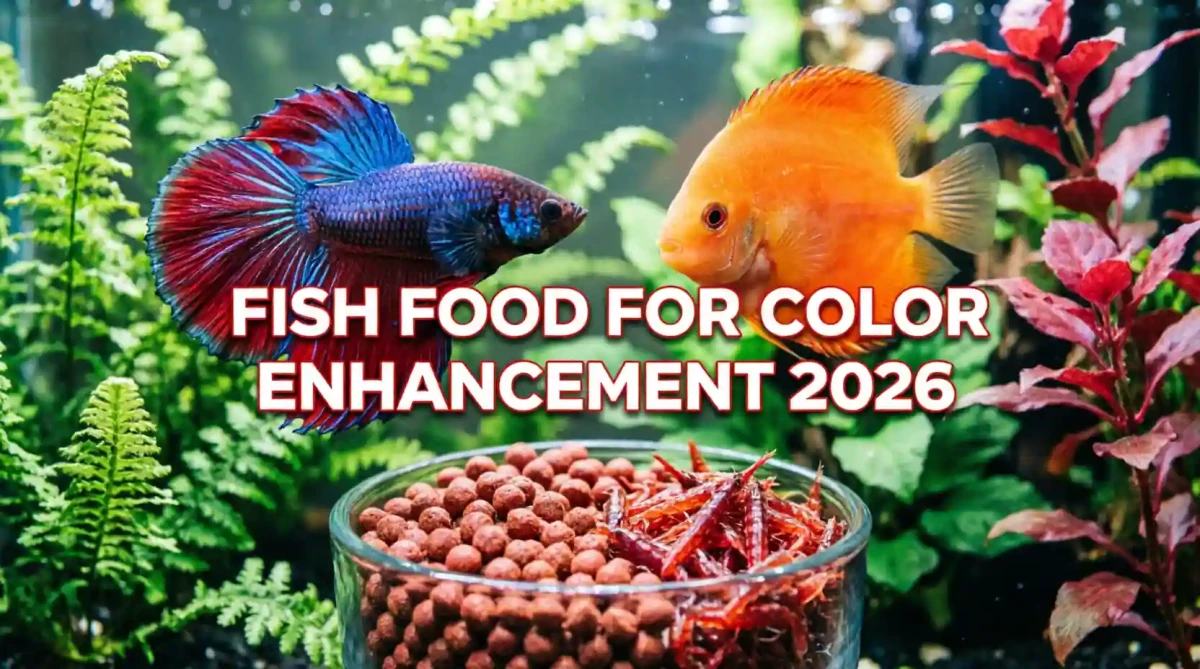
Selecting the fish food for color enhancement is the most effective way to transform a dull-looking aquarium into a vibrant underwater masterpiece. Many fish keepers are disappointed when their brightly colored tropical fish lose their luster after a few weeks at home. This often happens because the fish are no longer receiving the specific natural pigments they find in the wild.
Color enhancement in fish is not about using artificial dyes; it is about providing biological building blocks like carotenoids and xanthins. These natural compounds, found in specific aquatic plants and crustaceans, are absorbed into the fish's skin and scales. A scientifically balanced diet may help intensify reds, oranges, and yellows while supporting the overall immune system of your aquatic pets.
Quick Summary of Color Enhancing Nutrition
To achieve the best results, look for foods containing natural pigment sources such as Krill, Spirulina, and Marigold petals. These ingredients provide astaxanthin and zeaxanthin, which are essential for color expression. Most hobbyists notice a visible improvement in their fish’s color intensity within 14 to 30 days of consistent feeding with specialized color boosters.
| Pigment Source | Primary Color Impact | Common Ingredients | Health Benefit |
|---|---|---|---|
| Astaxanthin | Red and Pink | Krill, Shrimp, Algae | Powerful Antioxidant |
| Carotenoids | Orange and Yellow | Marigold, Carrots, Alfalfa | Vitamin A precursor |
| Spirulina | Green and Blue | Blue-green Algae | Immune Support |
| Phycocyanin | Deep Blue | Artico-algae extracts | Stress reduction |
How Color Enhancement Works in Fish
Unlike mammals, fish cannot synthesize their own pigments. They must ingest them through their diet. In the wild, a Discus fish eats small crustaceans rich in carotene, while a Cichlid might graze on algae-covered rocks. When these pigments are digested, they are deposited in specialized cells called chromatophores.
According to widely accepted pet care standards, the intensity of a fish’s color is also a direct indicator of its health. A stressed or sick fish will "pale out" as it redirects energy away from its chromatophores. Therefore, the best color-enhancing foods also include vitamins like C and E to ensure the fish is healthy enough to show off its natural beauty.
Featured Snippet: What is the best fish food for color enhancement?
The best fish food for color enhancement contains natural carotenoids such as astaxanthin from krill and spirulina algae. These ingredients naturally boost red, orange, and blue pigments in the fish's skin. Look for premium pellets or flakes that list whole salmon, shrimp, or marigold extract among the first five ingredients for maximum vibrancy.
Feeding Guide for Maximum Vibrancy

Feeding for color requires a balance between variety and consistency. Overfeeding can lead to water quality issues, which ironically causes fish to lose color due to stress. Use the following table to manage your feeding routine based on fish type.
| Fish Type | Daily Frequency | Amount | Specialized Ingredient |
|---|---|---|---|
| Betta Fish | 1 - 2 times | 2-3 pellets per eye size | Krill-based pellets |
| Goldfish | 2 times | What they eat in 2 mins | Marigold and Spirulina |
| Cichlids | 2 - 3 times | Small pinches | Astaxanthin boosters |
| Tetras/Guppies | 2 times | Fine flakes or micro-pellets | Natural Carotenoids |
Diet Types: Flakes vs Pellets vs Frozen

Different fish species feed at different levels of the water column. Choosing the right format is essential to ensure the color-enhancing nutrients actually reach the fish.
Color-Enhancing Flakes: Best for surface feeders like Guppies and Top-dwelling Tetras. Flakes dissolve quickly, releasing pigments that are easily absorbed, but they can be messy if not eaten immediately.
Slow-Sinking Pellets: Ideal for mid-water feeders like Discus and Angels. These pellets retain their nutritional value longer in the water and allow the fish to graze naturally.
Freeze-Dried/Frozen Foods: Foods like Bloodworms or Mysis Shrimp are naturally high in protein and pigments. These are commonly recommended as "treats" 2-3 times a week to provide a massive biological boost to the fish’s color intensity.
Comparing Budget vs Premium Color Foods

The price of fish food often reflects the source of its pigments. Synthetic pigments are cheaper but less effective and less healthy for the fish long-term.
Premium Options ($$$): Brands like New Life Spectrum, NorthFin, or Hikari Sinking Gold. These brands use high concentrations of whole krill and herring meal rather than "fish meal." They avoid artificial dyes and focus on biological health. Expect to pay $15–$25 per 150g jar.
Mid-Range Options ($$): Brands like TetraColor or Fluval Bug Bites Color Enhancer. These provide a solid balance of nutrition and color boosters. They are effective for most community tanks and cost between $8 and $14.
Budget Options ($): Generic store-brand flakes. These often use "yellow 5" or "red 40" dyes to make the food look colorful to the human eye, but they provide little actual pigment to the fish. These are usually $3–$6 but may lead to poor water quality.
Health and Preventive Care for Bright Colors

You can feed the best food in the world, but if your water chemistry is poor, your fish will remain dull. High ammonia or nitrate levels cause "chemical stress," which leads to the contraction of pigment cells.
- Water Changes: Perform a 25% water change weekly to keep nitrates low.
- Lighting: High-quality LED lighting with a "full spectrum" (6500K) helps highlight the colors that the food is producing.
- Stress Reduction: Ensure your fish have plenty of hiding spots. A secure fish is a colorful fish.
- Temperature: Keep the water within the species-specific range; cold water slows metabolism and pigment absorption.
Common Mistakes in Color Management

The most common mistake is expecting instant results. Color enhancement is a biological process that takes time. Switching foods every three days will not work; you must stay consistent for at least a month.
Another mistake is feeding only color-enhancing food to herbivorous fish. For example, some African Cichlids require high vegetable matter. Feeding them too much protein-heavy "red" color enhancer can lead to digestive issues like "Malawi Bloat." Always match the color booster to the fish's primary dietary needs (herbivore vs carnivore).
Localized Advice: Bangladesh and Tropical Climates

In Bangladesh, the high humidity can cause open fish food containers to spoil or lose vitamin potency within weeks. To prevent this, buy smaller jars or store your main supply in the refrigerator, taking out only what you need for one week.
Local live foods like Moina or Daphnia, often available in local markets, are excellent natural color boosters. However, they must be sourced from clean water to avoid introducing parasites. During the monsoon season, ensure your aquarium heater is stable, as temperature swings can cause "Ich," which will immediately cause fish to lose their color.
Expert Tips for Prize-Winning Color

For those looking for "show-quality" color, consider "shrimp-loading." Many professional breeders feed their fish high-quality shrimp eggs or finely ground dried shrimp. This provides the most concentrated form of natural astaxanthin available. Additionally, adding live plants to your tank provides a natural backdrop that makes fish feel safe, causing them to flare their fins and display their maximum color potential.
Frequently Asked Questions

Is color enhancing food safe for all fish?
Yes, most color enhancers use natural ingredients like spirulina or shrimp, which are safe for all species. However, always ensure the protein-to-fat ratio matches your fish’s specific requirements.
Will red food make my blue fish turn purple?
No. Natural pigments generally enhance the colors already present in the fish’s genetics. A red booster will deepen the red spots on a blue fish but won't change the base blue color into red.
Can I make my own color enhancing food?
You can mix ingredients like blanched spinach, carrots, and shrimp into a "gel food." While this is effective, it is difficult to balance perfectly, so it is best used as a supplement to commercial food.
Why did my fish turn white?
Sudden loss of color is usually a sign of extreme stress, poor water quality, or illness. Check your ammonia levels immediately and consult a veterinarian if you see other symptoms like clamped fins.
Do LED lights help with color?
Lights don't change the fish's biological pigment, but "color-enhancing" LEDs use specific red and blue spectrums to make the existing colors pop more vividly to the human eye.

0 Comments