.png)
Diet and Feeding Hygiene Tips for Small Pets Complete Guide
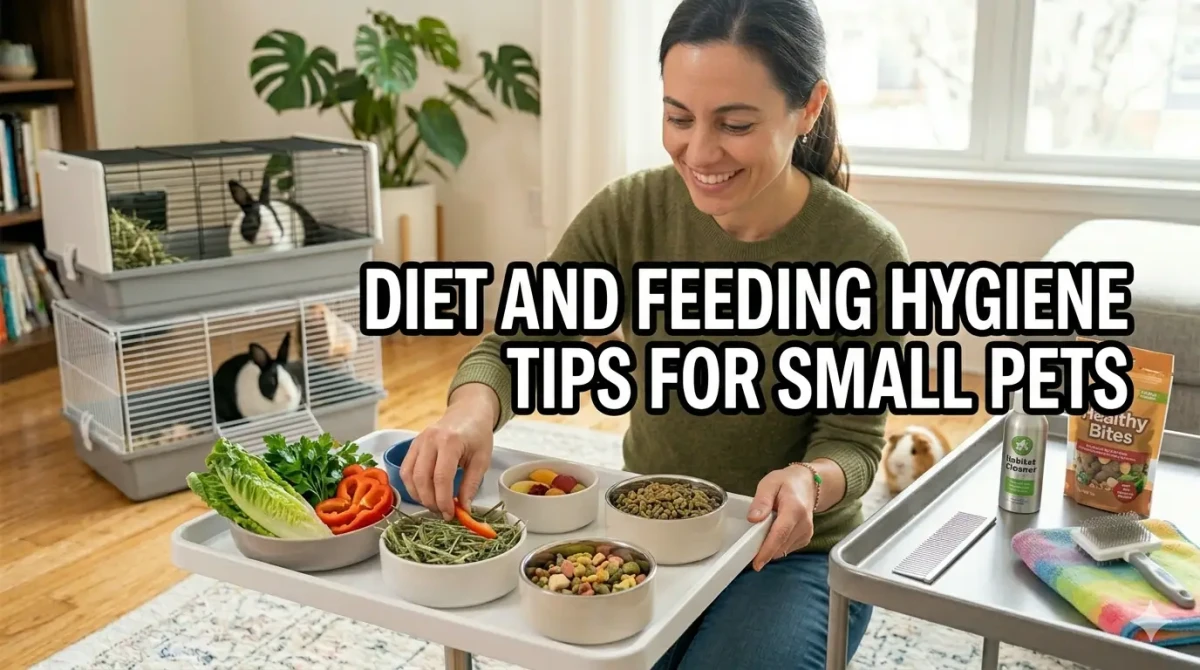
Understanding Small Pet Nutrition and Feeding Hygiene Fundamentals
Diet and feeding hygiene tips for small pets represent essential knowledge for responsible pet owners seeking to maintain their companion animals' health, longevity, and quality of life. Small pets including rabbits, guinea pigs, hamsters, gerbils, rats, and ferrets have unique nutritional requirements that differ significantly from each other and from larger pets. Providing appropriate nutrition combined with proper feeding hygiene prevents digestive disorders, dental problems, obesity, and foodborne illnesses that can compromise your small pet's health and wellbeing.
The connection between proper nutrition, feeding hygiene, and small pet health is well documented through veterinary research and experienced breeder practices. Specific dietary factors including species-appropriate food types, proper portion control, fresh water availability, and hygienic feeding practices work synergistically to support optimal health. When these factors are implemented consistently, they prevent common health issues like gastrointestinal stasis in rabbits, scurvy in guinea pigs, obesity in hamsters, and dental disease across all small pet species.
This comprehensive guide covers everything you need to know about diet and feeding hygiene for small pets, from understanding species-specific nutritional requirements and selecting appropriate foods to implementing hygienic feeding practices and food storage protocols. Whether you have a new small pet requiring nutritional guidance or an established pet needing dietary optimization, these expert recommendations will help you provide nutrition that supports vibrant health, proper weight, and long-term companionship.
Why Proper Diet and Feeding Hygiene Matter for Small Pet Health
Proper nutrition and feeding hygiene profoundly impact nearly every aspect of small pet health, behavior, and longevity. Small pets with inadequate nutrition or poor feeding hygiene often display dull coats, reduced energy levels, weakened immune function making them susceptible to infections, dental problems from improper wear, digestive disorders, and significantly shortened lifespans. These visible signs reflect underlying physiological stress that diminishes quality of life and increases veterinary expenses.
The consequences of poor nutrition and feeding hygiene extend beyond individual health issues. Contaminated food or dirty feeding equipment can harbor bacteria, mold, and parasites that cause foodborne illnesses. Improper food storage leads to nutrient degradation and potential toxin formation. Inadequate portion control results in obesity or malnutrition. Poor feeding hygiene creates environments where pathogens multiply, potentially causing serious illness or death.
Preventive nutrition and hygiene practices are far more effective than attempting to correct advanced health problems. By providing species-appropriate nutrition through quality foods, maintaining clean feeding equipment, and implementing proper food storage, you support robust immune function, maintain healthy weight, promote proper dental wear, and prevent foodborne illnesses. Early intervention through proper nutrition and hygiene represents one of the most impactful steps pet owners can take to support small pet health.
What Are the Core Principles of Small Pet Feeding Hygiene?
Feeding hygiene encompasses practices that prevent food contamination, maintain nutrient integrity, and protect small pets from foodborne illnesses. Understanding and implementing these principles is essential for responsible small pet care.
Clean feeding equipment is fundamental to feeding hygiene. Food bowls, water bottles, and feeding dishes should be washed daily with hot soapy water, rinsed thoroughly, and dried completely before refilling. Bacteria and mold multiply rapidly in dirty dishes, potentially causing digestive upset or serious illness. Stainless steel or ceramic dishes are preferable to plastic, which can harbor bacteria in scratches and may leach chemicals.
Fresh food removal prevents spoilage and bacterial growth. Uneaten fresh vegetables, fruits, or perishable foods should be removed within 2-4 hours to prevent spoilage. Spoiled food can cause digestive upset, diarrhea, or more serious illness. Remove and discard any food that appears moldy, slimy, or has an off odor immediately.
Proper food storage maintains nutrient integrity and prevents contamination. Dry foods should be stored in airtight containers in cool, dry locations away from direct sunlight. Refrigerate fresh vegetables and fruits. Never feed moldy, discolored, or spoiled food. Check expiration dates on commercial foods and rotate stock to use older food first.
Species-Specific Nutritional Requirements

Different small pet species have vastly different nutritional requirements based on their digestive systems, metabolism, and evolutionary adaptations. Understanding these species-specific needs is fundamental to providing appropriate nutrition and preventing diet-related health problems.
Rabbits are hindgut fermenters requiring unlimited high-fiber hay (80-90% of diet), moderate pellets (5-10%), and limited fresh vegetables (10-15%). Their digestive systems require constant fiber intake to prevent gastrointestinal stasis, a potentially fatal condition. Rabbits also require vitamin A, D, and E, along with adequate calcium and phosphorus ratios.
Guinea pigs are also hindgut fermenters but cannot synthesize vitamin C, making daily supplementation essential. Their diet should consist of unlimited hay (80%), quality guinea pig pellets fortified with vitamin C (10-15%), and fresh vegetables high in vitamin C (10-15%). Without adequate vitamin C, guinea pigs develop scurvy, causing joint pain, poor wound healing, and potentially death.
Hamsters are omnivores requiring balanced diets of quality pellets or seed mixes (75-80%), fresh vegetables (10-15%), and occasional protein sources like mealworms or cooked eggs (5-10%). They require moderate protein (16-20%), controlled fat (4-8%), and adequate fiber. Dwarf hamsters are particularly prone to diabetes and require low-sugar diets.
Gerbils have similar requirements to hamsters but are more prone to nasal dermatitis from high-fat diets. They require quality gerbil pellets, limited seeds, fresh vegetables, and occasional protein. Gerbils have efficient water conservation and require less water than other small pets.
Rats are omnivores requiring quality rat pellets (75-80%), fresh vegetables (15-20%), and occasional protein treats (5%). They require 14-18% protein, moderate fat, and adequate vitamins and minerals. Rats are social feeders and benefit from varied diets.
Ferrets are obligate carnivores requiring high-protein (30-40%), high-fat (15-20%) diets from animal sources. They require meat-based ferret food or high-quality kitten food, with no plant-based foods. Ferrets have short digestive tracts and require frequent feeding of highly digestible animal protein.
How Do Digestive Systems Affect Nutritional Needs?
Understanding small pet digestive systems is crucial for providing appropriate nutrition and preventing digestive disorders.
Hindgut fermenters (rabbits, guinea pigs) have enlarged ceca where beneficial bacteria ferment fiber to produce volatile fatty acids and vitamins. These species require constant fiber intake to maintain gut motility and prevent gastrointestinal stasis. They practice cecotrophy (eating special nutrient-rich fecal pellets) to maximize nutrient absorption. Disruption of this system through low-fiber diets or antibiotics can be fatal.
Omnivores (hamsters, gerbils, rats) have simpler digestive systems adapted to varied diets. They can digest both plant and animal matter but require balanced nutrition. These species are prone to obesity from high-fat, high-sugar diets and require portion control.
Obligate carnivores (ferrets) have short digestive tracts adapted for rapid digestion of animal protein. They cannot digest plant matter efficiently and require diets consisting almost entirely of animal protein and fat. Plant-based foods can cause digestive upset and malnutrition in ferrets.
Essential Components of Small Pet Diets

Quality small pet diets consist of several essential components that work together to provide complete nutrition. Understanding these components helps pet owners select appropriate foods and create balanced diets.
Hay forms the foundation of diets for rabbits and guinea pigs, providing essential fiber for digestive health and dental wear. Timothy hay, orchard grass, and meadow hay are excellent choices for adult rabbits and guinea pigs. Alfalfa hay, higher in calcium and protein, is appropriate for young, growing, pregnant, or nursing animals but should be limited in adults to prevent obesity and urinary problems.
Quality pellets provide concentrated nutrition including vitamins, minerals, and protein. Pellets should be species-specific (rabbit pellets, guinea pig pellets, etc.) and formulated without added sugars, artificial colors, or unnecessary fillers. Pellets prevent selective feeding that occurs with seed mixes, ensuring consistent nutrient intake.
Fresh vegetables provide essential vitamins, minerals, moisture, and variety. Safe vegetables include leafy greens (romaine, cilantro, parsley), carrots, bell peppers, broccoli, and zucchini. Introduce new vegetables gradually and monitor for digestive upset. Remove uneaten vegetables within 2-4 hours to prevent spoilage.
Fresh water must be available at all times in clean bottles or bowls. Water should be changed daily, and bottles should be checked regularly to ensure proper function. Dehydration can cause serious health issues including gastrointestinal stasis in rabbits and guinea pigs.
What Foods Should Small Pets Avoid?
Certain foods are toxic or harmful to small pets and should never be fed. Understanding these foods prevents accidental poisoning or health problems.
Rabbits and guinea pigs should never eat iceberg lettuce (causes diarrhea), potatoes, rhubarb, onions, garlic, chocolate, candy, or processed human foods. These can cause digestive upset, toxicity, or serious illness.
Hamsters, gerbils, and rats should avoid chocolate, candy, processed human foods, citrus fruits (can cause digestive upset), and raw beans (contain toxins). Limit high-sugar fruits and fatty foods to prevent obesity and diabetes.
Ferrets should never eat plant-based foods, dairy products (lactose intolerant), fruits, vegetables, or foods containing sugar or fiber. These can cause digestive upset and malnutrition in obligate carnivores.
All small pets should avoid moldy or spoiled food, which can contain mycotoxins causing serious illness or death. Always inspect food carefully before feeding.
Feeding Hygiene Practices

Implementing proper feeding hygiene practices prevents food contamination, maintains nutrient integrity, and protects small pets from foodborne illnesses. These practices should become routine aspects of small pet care.
Daily food bowl cleaning is essential. Wash food and water dishes daily with hot soapy water, rinse thoroughly to remove all soap residue, and dry completely before refilling. Use separate brushes for pet dishes and human dishes to prevent cross-contamination. Stainless steel or ceramic dishes are preferable to plastic, which can harbor bacteria in scratches.
Water bottle maintenance prevents bacterial growth and ensures proper function. Clean water bottles weekly by disassembling completely, washing all parts with hot soapy water, rinsing thoroughly, and drying completely. Check sipper tubes regularly to ensure proper flow and replace if clogged or damaged.
Fresh food handling prevents contamination. Wash all fresh vegetables and fruits thoroughly before feeding to remove pesticides and contaminants. Use clean cutting boards and knives designated for pet food preparation. Remove uneaten fresh food within 2-4 hours to prevent spoilage.
Hand washing before and after handling pet food prevents cross-contamination. Always wash hands thoroughly with soap and water before preparing pet food and after handling pet food or feeding equipment.
How Do You Prevent Food Contamination?
Preventing food contamination requires vigilance and proper handling practices throughout food storage, preparation, and feeding.
Proper food storage prevents contamination and maintains nutrient integrity. Store dry foods in airtight containers in cool, dry locations away from direct sunlight, moisture, and pests. Never store food in garages or sheds where temperature fluctuations and pests can compromise food quality. Check food regularly for signs of mold, insects, or spoilage.
Avoid cross-contamination by using separate utensils, cutting boards, and storage containers for pet food and human food. Never use pet food bowls for human food or vice versa. Store pet food separately from human food to prevent cross-contamination.
Inspect food before feeding. Check dry food for mold, insects, or unusual odors. Inspect fresh vegetables and fruits for mold, slime, or spoilage. Never feed moldy or spoiled food, as mycotoxins can cause serious illness or death.
Rotate food stock using the first-in, first-out method. Use older food before opening new packages to ensure freshness and prevent nutrient degradation. Check expiration dates and discard expired food.
Portion Control and Feeding Schedules

Appropriate portion control and consistent feeding schedules are essential for maintaining healthy weight, preventing obesity, and ensuring adequate nutrition. Overfeeding is one of the most common mistakes in small pet care and leads to obesity, diabetes, and reduced lifespan.
Rabbits should have unlimited hay available at all times, 1/4 to 1/2 cup pellets per 6 pounds body weight daily, and 1-2 cups fresh vegetables per 6 pounds body weight daily. Divide vegetables into two feedings. Monitor body condition and adjust portions to maintain healthy weight.
Guinea pigs require unlimited hay, 1/8 to 1/4 cup pellets daily, and 1 cup fresh vegetables daily including vitamin C-rich options. Divide vegetables into two feedings. Monitor weight regularly and adjust portions to maintain healthy body condition.
Hamsters require 1-2 tablespoons of quality pellets or seed mix daily, plus small amounts of fresh vegetables 2-3 times weekly. Dwarf hamsters require less due to diabetes risk. Monitor weight weekly and adjust portions to prevent obesity.
Gerbils require 1-2 tablespoons of quality gerbil pellets daily with limited seeds and occasional fresh vegetables. Monitor body condition and adjust portions as needed.
Rats require 1-2 tablespoons of quality rat pellets daily plus 1-2 tablespoons fresh vegetables daily. Monitor weight and adjust portions to maintain healthy body condition.
Ferrets require free-choice feeding of high-quality ferret food or 3-4 small meals daily. Ferrets have fast metabolisms and require constant access to food. Monitor body condition and adjust portions to maintain healthy weight.
How Do You Monitor Small Pet Weight and Body Condition?
Regular weight monitoring and body condition assessment enables early detection of weight problems and allows timely intervention.
Weigh small pets weekly using a digital kitchen scale or pet scale. Record weights to track trends over time. Sudden weight loss or gain indicates health problems requiring veterinary attention.
Assess body condition by feeling for rib coverage, observing waist definition, and checking abdominal profile. Healthy small pets should have slight rib coverage (ribs palpable but not visible), visible waist when viewed from above, and slight abdominal tuck from the side.
Adjust portions based on body condition. Reduce portions if your pet is overweight, increase if underweight. Make changes gradually over 1-2 weeks to avoid digestive upset. Consult your veterinarian if you're unsure about appropriate weight or portion sizes.
Food Storage and Freshness

Proper food storage maintains nutrient integrity, prevents contamination, and ensures your small pet receives optimal nutrition. Improper storage leads to nutrient degradation, mold growth, and potential toxicity.
Dry food storage requires airtight containers in cool, dry locations away from direct sunlight, moisture, and pests. Transfer food from original bags to food-grade plastic or metal containers with tight-fitting lids. Store in temperatures between 50-70°F (10-21°C) with humidity below 15%.
Fresh food storage requires refrigeration at 40°F (4°C) or below. Store vegetables in crisper drawers to maintain humidity. Use fresh vegetables within 3-7 days of purchase for optimal nutrition. Wash vegetables just before feeding, not before storage, to prevent moisture-related spoilage.
Hay storage requires cool, dry, well-ventilated areas away from direct sunlight and moisture. Store hay off concrete floors on pallets or shelves to prevent moisture wicking. Check hay regularly for mold, dust, or discoloration. Discard moldy hay immediately as it can cause serious respiratory and digestive problems.
Pellet freshness affects nutrient content. Pellets lose vitamin content over time, particularly vitamin C in guinea pig pellets. Purchase pellets in quantities your pet can consume within 6-8 weeks of opening. Check expiration dates and use oldest food first.
How Do You Recognize Spoiled or Contaminated Food?
Recognizing spoiled or contaminated food prevents feeding harmful substances that can cause illness or death.
Visual inspection reveals mold (fuzzy growth in various colors), discoloration, insect infestation (webbing, larvae, or adult insects), or moisture damage. Discard any food showing these signs immediately.
Odor changes indicate spoilage. Fresh food should smell clean and appropriate for the food type. Sour, musty, or rancid odors indicate spoilage. Trust your nose—if food smells off, discard it.
Texture changes indicate moisture damage or spoilage. Dry food should be dry and free-flowing. Clumping, sliminess, or stickiness indicates moisture damage or bacterial growth. Discard affected food immediately.
When in doubt, throw it out. Never feed questionable food to your small pet. The cost of replacing food is insignificant compared to veterinary bills for foodborne illness.
Common Feeding Mistakes and How to Avoid Them

Even well-intentioned small pet owners make feeding mistakes that compromise pet health. Understanding these common errors helps prevent problems and ensures optimal nutrition.
Overfeeding is the most common mistake, leading to obesity, diabetes, and reduced lifespan. Small pets have small caloric requirements and easily become overweight. Measure food portions carefully and adjust based on body condition rather than feeding ad libitum (except for hay for rabbits and guinea pigs).
Feeding inappropriate foods including human foods, foods for other species, or foods high in sugar and fat creates nutritional imbalances and health problems. Always feed species-appropriate foods and avoid treats high in sugar, fat, or artificial ingredients.
Inadequate hay for rabbits and guinea pigs leads to gastrointestinal stasis, dental problems, and obesity. Hay should comprise 80-90% of their diet and be available unlimited at all times.
Poor feeding hygiene including dirty dishes, spoiled food, or contaminated water causes digestive upset and illness. Implement daily cleaning routines and proper food storage to prevent contamination.
Inconsistent feeding schedules disrupt digestive health and make it difficult to monitor appetite changes. Establish consistent feeding times and stick to them.
Why Is Fresh Water Critical for Small Pet Health?
Fresh, clean water is essential for all small pets, supporting digestion, temperature regulation, kidney function, and overall health. Dehydration can cause serious health issues including gastrointestinal stasis in rabbits and guinea pigs, kidney problems, and death.
Water requirements vary by species, size, diet, and environmental conditions. Rabbits and guinea pigs require 50-150ml per kg body weight daily. Hamsters and gerbils require less but still need constant access. Ferrets require significant water due to high-protein diets.
Water bottles are preferable to bowls for most small pets as they stay cleaner and prevent contamination from bedding and waste. Check bottles daily to ensure proper function and adequate water levels. Clean bottles weekly to prevent bacterial growth.
Water quality matters. Use filtered or bottled water if tap water quality is poor. Avoid distilled water as it lacks essential minerals. Change water daily to ensure freshness.
Frequently Asked Questions About Small Pet Diet and Feeding Hygiene

How Often Should I Feed My Small Pet?
Feeding frequency depends on species. Rabbits and guinea pigs should have unlimited hay available at all times, with pellets and vegetables divided into two daily feedings. Hamsters, gerbils, and rats typically do well with one or two measured feedings daily. Ferrets require free-choice feeding or 3-4 small meals daily due to fast metabolisms.
Consistency is more important than exact timing. Establish a feeding schedule and stick to it, as predictability supports digestive health and helps you monitor appetite changes.
Can I Feed My Small Pet Human Food?
Most human foods are inappropriate for small pets and can cause serious health problems. Small pets have specific nutritional requirements that human foods don't meet, and many human foods are toxic to small pets.
Safe fresh vegetables and limited fruits appropriate for your species can be fed as part of a balanced diet, but these should be fresh, washed, and given in appropriate portions. Never feed processed human foods, chocolate, candy, dairy (except for some ferrets), or foods high in sugar, salt, or fat.
When in doubt, don't feed it. Stick to species-appropriate commercial foods and veterinarian-approved fresh foods.
How Do I Know If My Small Pet Is Getting Proper Nutrition?
Well-nourished small pets display shiny, full coats; bright, clear eyes; healthy weight with appropriate body condition; active behavior; consistent appetite; and normal droppings. Regular observation of these indicators helps assess nutritional adequacy.
Monitor body condition weekly by observing overall shape and feeling for appropriate rib coverage. Weigh your pet regularly to detect weight changes early. Consult an exotic veterinarian if you notice dull coat, weight loss or gain, lethargy, appetite changes, or abnormal droppings that may indicate nutritional issues.
Conclusion

Providing proper diet and maintaining feeding hygiene are fundamental aspects of responsible small pet ownership that directly impact your pet's health, longevity, and quality of life. By understanding species-specific nutritional requirements, implementing hygienic feeding practices, maintaining proper food storage, and monitoring your pet's condition, you create the foundation for optimal health.
Remember that nutrition and hygiene work together—quality food provides no benefit if contaminated or spoiled, and perfect hygiene cannot compensate for inappropriate nutrition. Both elements are essential for your small pet's wellbeing.
Your commitment to proper diet and feeding hygiene demonstrates dedication to your small pet's health and happiness. With the knowledge and strategies provided in this guide, you can confidently provide nutrition that supports vibrant health, appropriate weight, and long-term companionship with your small pet.
🐱 আরও পড়ুন: Other Pet Food

0 Comments