.png)
Why Choosing the Best Food for Cockatiels Matters for Long-Term Health
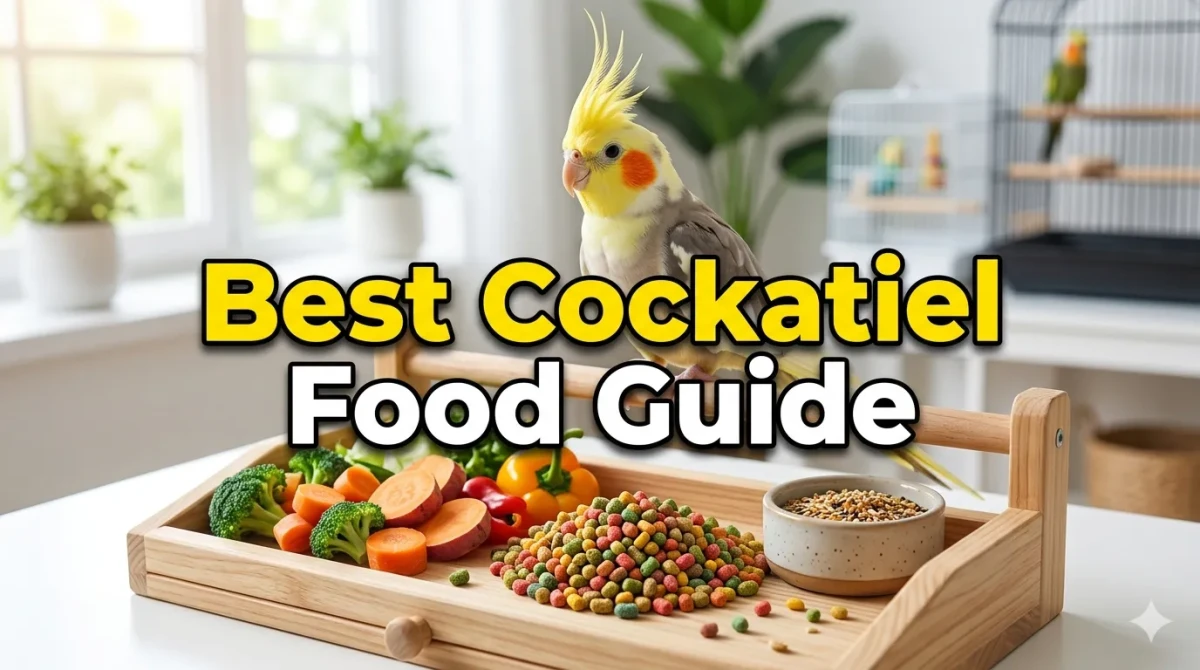
Providing the best food for cockatiels isn't just about filling a bowl—it's about supporting vibrant plumage, strong immunity, healthy digestion, and a long, active life. Cockatiels, like all psittacine birds, have specific nutritional requirements that differ significantly from mammals. A balanced diet directly impacts their energy levels, feather quality, reproductive health, and even behavior.
Featured Snippet Answer: The best food for cockatiels consists of 60-70% high-quality pelleted diet, 20-30% fresh vegetables and limited fruits, and 10% seeds or treats. Pellets provide complete nutrition, while fresh produce offers vitamins and enrichment. Always provide clean water, calcium sources like cuttlebone, and avoid toxic foods like avocado, chocolate, and caffeine.
Many cockatiel owners unknowingly feed diets heavy in seeds, which are high in fat and low in essential nutrients. While seeds are enjoyed as treats, relying on them as a staple can lead to obesity, fatty liver disease, vitamin deficiencies, and shortened lifespans. This comprehensive guide explains exactly what to feed your cockatiel, how to transition from an unbalanced diet, and how to create a sustainable feeding routine that supports lifelong health.
Understanding Cockatiel Nutritional Requirements
Cockatiels are small parrots native to Australia, adapted to forage on grasses, seeds, and native vegetation. In captivity, their diet must replicate the nutritional balance of their natural intake while compensating for the limitations of captive food sources.
Core Nutritional Needs:
- Protein: 12-15% of diet for maintenance; higher during molting or breeding
- Fat: 4-6% for energy; excess leads to obesity and liver issues
- Carbohydrates: Moderate amounts from vegetables and limited grains
- Vitamins: Especially A, D3, E, and B-complex; vitamin A deficiency is common in seed-only diets
- Minerals: Calcium, phosphorus (proper 2:1 ratio), iron, zinc, and trace minerals
- Water: Fresh, clean water daily; hydration supports digestion and kidney function
- 🐾 High-Protein Fish Food for Goldfish: 2026 Guide
- 🐾 Best Cat Food for Indoor Cats: Complete 2026 Guide
- 🐾 Best Dog Food for Small Breeds: Expert Nutrition Guide
Cockatiels cannot synthesize certain nutrients and must obtain them from food. For example, they require preformed vitamin A (from orange/dark green vegetables) because they cannot efficiently convert beta-carotene. They also need dietary calcium for bone health and egg production in females.
Do cockatiels need vitamins or supplements?
Most cockatiels eating a balanced pellet-based diet with fresh vegetables do not need additional vitamin supplements. Over-supplementation can cause toxicity. However, calcium sources (cuttlebone, mineral block) should always be available. Consult an avian veterinarian before adding supplements, especially during molting, breeding, or recovery from illness.
The Foundation: High-Quality Pellets as the Dietary Staple

Pelleted diets are formulated to provide complete, balanced nutrition in every bite. Unlike seed mixes, where birds selectively eat favorite (often fatty) seeds and discard nutritious ones, pellets ensure consistent nutrient intake.
Why Pellets Are Recommended:
- Nutritionally complete: Formulated to meet AAFCO or NRC standards for psittacines
- Prevent selective eating: No picking out favorite seeds
- Consistent quality: Reputable brands undergo rigorous testing
- Support long-term health: Reduce risk of deficiencies and obesity
- 🐾 High-Protein Fish Food for Goldfish: 2026 Guide
- 🐾 Best Cat Food for Indoor Cats: Complete 2026 Guide
- 🐾 Best Dog Food for Small Breeds: Expert Nutrition Guide
Top Pellet Brands for Cockatiels:
- Harrison's High Potency: Organic, no artificial additives; ideal for transitioning birds or those needing higher nutrition
- Roudybush Daily Maintenance: Scientifically formulated, no artificial colors or flavors
- Zupreem Natural: Palatable options with fruit flavors; choose natural versions over artificially colored
- Mazuri Small Bird: Affordable, widely available, nutritionally sound
- Top's Parrot Food: UK-based brand with high-quality ingredients
- 🐾 High-Protein Fish Food for Goldfish: 2026 Guide
- 🐾 Best Cat Food for Indoor Cats: Complete 2026 Guide
- 🐾 Best Dog Food for Small Breeds: Expert Nutrition Guide
Choosing the Right Pellet: Look for pellets where the first ingredients are whole grains, legumes, or vegetables—not sugar, artificial colors, or excessive fillers. Avoid pellets with added sugar, artificial dyes (especially red or yellow), or ethoxyquin preservatives.
Featured Snippet Answer: Feed cockatiels a high-quality pelleted diet as 60-70% of their daily intake. Choose brands like Harrison's, Roudybush, or Mazuri that list whole ingredients first and avoid artificial colors or sugars. Always transition gradually over 2-4 weeks to prevent food refusal.
Fresh Foods: Vegetables, Fruits, and Cooked Grains

Fresh produce adds variety, enrichment, and essential phytonutrients to your cockatiel's diet. Aim for 20-30% of the daily diet to come from fresh foods, with vegetables prioritized over fruits due to lower sugar content.
Best Vegetables for Cockatiels:
- Dark leafy greens: kale, collard greens, dandelion greens, mustard greens (rich in vitamin A and calcium)
- Orange vegetables: carrots, sweet potato, butternut squash (excellent beta-carotene sources)
- Cruciferous veggies: broccoli, cauliflower (florets and stems), Brussels sprouts
- Other safe options: bell peppers (all colors), zucchini, cucumber, green beans, peas in pod
- 🐾 High-Protein Fish Food for Goldfish: 2026 Guide
- 🐾 Best Cat Food for Indoor Cats: Complete 2026 Guide
- 🐾 Best Dog Food for Small Breeds: Expert Nutrition Guide
Fruits in Moderation: Fruits are high in natural sugars; offer 1-2 times weekly as treats. Safe options include apple (no seeds), pear, berries, melon, papaya, and mango. Always remove pits and seeds, which can contain cyanide compounds.
Cooked Grains and Legumes: Small amounts of cooked quinoa, brown rice, oats, or lentils provide variety and fiber. Cook without salt, butter, or seasoning. Cool completely before offering.
Food Safety Tips:
- Wash all produce thoroughly to remove pesticides
- Remove uneaten fresh food within 2-4 hours to prevent bacterial growth
- Chop foods into bite-sized pieces appropriate for your cockatiel's beak
- Introduce new foods gradually; persistence is key with picky birds
- 🐾 High-Protein Fish Food for Goldfish: 2026 Guide
- 🐾 Best Cat Food for Indoor Cats: Complete 2026 Guide
- 🐾 Best Dog Food for Small Breeds: Expert Nutrition Guide
How much fresh food should I feed my cockatiel daily?
Offer 1-2 tablespoons of chopped fresh vegetables daily, plus a small piece of fruit 1-2 times weekly. Remove uneaten portions within 2-4 hours. Fresh food should complement, not replace, the pelleted diet. Monitor your bird's weight and adjust portions to maintain ideal body condition.
Seeds and Treats: Use Strategically, Not as Staples

Seeds are high in fat and low in many essential nutrients. While cockatiels love them, seeds should comprise no more than 10% of the diet—used primarily for training rewards, foraging enrichment, or occasional treats.
Healthier Seed Options:
- Sprouted seeds: Sprouting increases nutrient bioavailability and reduces fat content
- Millet sprays: Use sparingly as high-value training treats
- Small amounts of sunflower or safflower seeds: Reserve for special rewards only
- 🐾 High-Protein Fish Food for Goldfish: 2026 Guide
- 🐾 Best Cat Food for Indoor Cats: Complete 2026 Guide
- 🐾 Best Dog Food for Small Breeds: Expert Nutrition Guide
Avoid Seed-Only Diets: Diets consisting primarily of seeds lead to common health issues: obesity, fatty liver disease, vitamin A deficiency (causing respiratory and skin issues), and poor feather quality. Transitioning to pellets is one of the most impactful health decisions you can make.
Treat Guidelines:
- Limit high-fat treats (seeds, nuts) to 1-2 teaspoons weekly
- Use healthy alternatives: small pieces of whole-grain toast, unsweetened cereal, or fresh veggies as rewards
- Never use treats to replace balanced meals
- 🐾 High-Protein Fish Food for Goldfish: 2026 Guide
- 🐾 Best Cat Food for Indoor Cats: Complete 2026 Guide
- 🐾 Best Dog Food for Small Breeds: Expert Nutrition Guide
Essential Supplements and Calcium Sources

While a balanced pellet diet minimizes the need for supplements, certain additions support specific health needs.
Calcium Sources (Always Available):
- Cuttlebone: Natural calcium source; also helps maintain beak health
- Mineral block: Provides calcium plus trace minerals
- Calcium-fortified treats: Use occasionally, not as primary source
- 🐾 High-Protein Fish Food for Goldfish: 2026 Guide
- 🐾 Best Cat Food for Indoor Cats: Complete 2026 Guide
- 🐾 Best Dog Food for Small Breeds: Expert Nutrition Guide
Female cockatiels, breeding birds, or those with egg-binding history may need additional calcium under veterinary guidance.
Probiotics and Digestive Support: High-quality avian probiotics can support gut health during stress, antibiotic treatment, or dietary transitions. Choose products formulated specifically for birds.
What to Avoid:
- Vitamin supplements in water: They promote bacterial growth and degrade quickly
- Over-supplementation: Excess vitamins A, D, or minerals can cause toxicity
- Human supplements: Formulations for humans or other animals may contain unsafe ingredients
- 🐾 High-Protein Fish Food for Goldfish: 2026 Guide
- 🐾 Best Cat Food for Indoor Cats: Complete 2026 Guide
- 🐾 Best Dog Food for Small Breeds: Expert Nutrition Guide
Foods to Absolutely Avoid: Toxic and Harmful Items

Several common human foods are toxic or dangerous for cockatiels. Never offer these under any circumstances:
Highly Toxic Foods:
- Avocado: Contains persin, which can cause respiratory distress and death
- Chocolate and caffeine: Contain theobromine and caffeine, causing cardiac and neurological toxicity
- Alcohol: Even small amounts can be fatal
- Onions and garlic: Can cause hemolytic anemia
- Fruit pits and apple seeds: Contain cyanide compounds
- 🐾 High-Protein Fish Food for Goldfish: 2026 Guide
- 🐾 Best Cat Food for Indoor Cats: Complete 2026 Guide
- 🐾 Best Dog Food for Small Breeds: Expert Nutrition Guide
Harmful or Problematic Foods:
- Salty, sugary, or fatty human snacks: Contribute to obesity and organ stress
- Dairy products: Birds lack lactase enzyme; small amounts of hard cheese occasionally may be tolerated but aren't necessary
- Rhubarb: Contains oxalic acid, which interferes with calcium absorption
- Mushrooms: Some varieties are toxic; best avoided entirely
- Dried beans (uncooked): Contain hemagglutinin; only offer thoroughly cooked legumes
- 🐾 High-Protein Fish Food for Goldfish: 2026 Guide
- 🐾 Best Cat Food for Indoor Cats: Complete 2026 Guide
- 🐾 Best Dog Food for Small Breeds: Expert Nutrition Guide
Featured Snippet Answer: Never feed cockatiels avocado, chocolate, caffeine, alcohol, onions, garlic, fruit pits, or salty/sugary human foods. These items can cause severe illness or death. Always research new foods before offering them to your bird.
Feeding Schedule and Portion Guidelines

Consistent feeding routines support digestion and help monitor your cockatiel's appetite—a key health indicator.
Daily Feeding Routine:
- Morning: Offer fresh pellets and fresh vegetables
- Afternoon: Refresh water; offer a small treat or foraging opportunity
- Evening: Remove uneaten fresh food; ensure pellets and water remain available overnight
- 🐾 High-Protein Fish Food for Goldfish: 2026 Guide
- 🐾 Best Cat Food for Indoor Cats: Complete 2026 Guide
- 🐾 Best Dog Food for Small Breeds: Expert Nutrition Guide
Portion Sizes:
- Pellets: 1.5-2 tablespoons daily for an average adult cockatiel
- Fresh vegetables: 1-2 tablespoons chopped, varied daily
- Fruit: 1-2 teaspoons, 1-2 times weekly
- Seeds/treats: 1 teaspoon maximum, used strategically
- 🐾 High-Protein Fish Food for Goldfish: 2026 Guide
- 🐾 Best Cat Food for Indoor Cats: Complete 2026 Guide
- 🐾 Best Dog Food for Small Breeds: Expert Nutrition Guide
Adjust portions based on your bird's activity level, age, and body condition. Weigh your cockatiel weekly on a gram scale to monitor health; sudden weight loss warrants veterinary attention.
Transitioning Your Cockatiel to a Healthier Diet

Switching from a seed-heavy diet to a balanced pellet-based regimen requires patience and strategy. Cockatiels can be neophobic (afraid of new foods), so gradual transitions prevent starvation or stress.
4-Week Transition Plan:
- Week 1: Offer pellets in a separate dish alongside current diet. Crush a few pellets over seeds to introduce flavor/texture.
- Week 2: Mix 25% pellets with 75% seeds. Continue offering fresh vegetables daily.
- Week 3: Increase to 50% pellets, 50% seeds. Remove seed dish for 1-2 hours midday to encourage pellet sampling (monitor closely).
- Week 4: Offer 75% pellets, 25% seeds. Gradually phase out seeds entirely or reserve for treats only.
- 🐾 High-Protein Fish Food for Goldfish: 2026 Guide
- 🐾 Best Cat Food for Indoor Cats: Complete 2026 Guide
- 🐾 Best Dog Food for Small Breeds: Expert Nutrition Guide
Tips for Success:
- Eat "together": Mimic eating pellets yourself; cockatiels are social learners
- Try different textures: Some birds prefer crumbled pellets initially
- Warm pellets slightly: Enhances aroma and palatability
- Be patient: Some birds take 6-8 weeks to fully transition
- Never withhold all food: Cockatiels can develop hepatic lipidosis if they starve
- 🐾 High-Protein Fish Food for Goldfish: 2026 Guide
- 🐾 Best Cat Food for Indoor Cats: Complete 2026 Guide
- 🐾 Best Dog Food for Small Breeds: Expert Nutrition Guide
If your bird refuses pellets after several weeks, consult an avian veterinarian or certified bird behavior consultant for personalized support.
Life Stage Nutrition: Adjusting for Age and Health

Cockatiel dietary needs change throughout life. Tailor nutrition to support each stage:
Young Cockatiels (Under 1 Year):
- Higher protein needs for growth: Choose "high potency" or "growth" formulas
- Introduce diverse fresh foods early to prevent pickiness
- Monitor weight gain; avoid overfeeding seeds
- 🐾 High-Protein Fish Food for Goldfish: 2026 Guide
- 🐾 Best Cat Food for Indoor Cats: Complete 2026 Guide
- 🐾 Best Dog Food for Small Breeds: Expert Nutrition Guide
Adult Cockatiels (1-10 Years):
- Maintenance diet: Balanced pellets with fresh produce
- Prevent obesity: Limit high-fat treats; encourage foraging and exercise
- Annual veterinary check-ups to assess nutritional status
- 🐾 High-Protein Fish Food for Goldfish: 2026 Guide
- 🐾 Best Cat Food for Indoor Cats: Complete 2026 Guide
- 🐾 Best Dog Food for Small Breeds: Expert Nutrition Guide
Senior Cockatiels (10+ Years):
- Easier-to-digest foods: Soaked pellets, softer vegetables
- Joint support: Omega-3 fatty acids from flax or fish oil (vet-approved)
- Monitor for age-related issues: Kidney function, arthritis, vision changes
- 🐾 High-Protein Fish Food for Goldfish: 2026 Guide
- 🐾 Best Cat Food for Indoor Cats: Complete 2026 Guide
- 🐾 Best Dog Food for Small Breeds: Expert Nutrition Guide
Special Considerations:
- Molting: Increase protein slightly; ensure adequate vitamins A and E for feather regeneration
- Breeding: Higher calcium, protein, and overall calories; consult avian vet for breeding diet planning
- Illness recovery: Easily digestible, nutrient-dense foods; follow veterinary guidance
- 🐾 High-Protein Fish Food for Goldfish: 2026 Guide
- 🐾 Best Cat Food for Indoor Cats: Complete 2026 Guide
- 🐾 Best Dog Food for Small Breeds: Expert Nutrition Guide
Enrichment Through Feeding: Foraging and Mental Stimulation

Feeding isn't just about nutrition—it's an opportunity for mental enrichment. Cockatiels are intelligent, active birds who benefit from foraging challenges that mimic natural behaviors.
Foraging Ideas:
- Hide pellets in paper cups, cardboard tubes, or foraging toys
- Thread chopped veggies onto bird-safe skewers
- Use puzzle feeders designed for small parrots
- Scatter fresh foods in clean cage substrate for ground-foraging practice
- 🐾 High-Protein Fish Food for Goldfish: 2026 Guide
- 🐾 Best Cat Food for Indoor Cats: Complete 2026 Guide
- 🐾 Best Dog Food for Small Breeds: Expert Nutrition Guide
Benefits of Foraging:
- Reduces boredom and feather-destructive behaviors
- Encourages natural problem-solving skills
- Slows eating, supporting digestion and satiety
- Strengthens bond through interactive feeding games
- 🐾 High-Protein Fish Food for Goldfish: 2026 Guide
- 🐾 Best Cat Food for Indoor Cats: Complete 2026 Guide
- 🐾 Best Dog Food for Small Breeds: Expert Nutrition Guide
Rotate foraging toys weekly to maintain novelty and engagement.
Monitoring Health Through Diet and Observation

Your cockatiel's food intake and physical condition provide valuable health insights. Regular monitoring helps catch issues early.
Key Health Indicators:
- Weight: Weigh weekly; 10% loss warrants veterinary attention
- Droppings: Normal: firm fecal portion + white urate + clear urine. Changes in color, consistency, or frequency may signal illness
- Feather quality: Smooth, vibrant feathers indicate good nutrition; stress bars, dullness, or poor preening may signal deficiencies
- Appetite: Sudden decreases can indicate illness; monitor daily
- Energy levels: Lethargy or hyperactivity may relate to diet or health issues
- 🐾 High-Protein Fish Food for Goldfish: 2026 Guide
- 🐾 Best Cat Food for Indoor Cats: Complete 2026 Guide
- 🐾 Best Dog Food for Small Breeds: Expert Nutrition Guide
When to Consult a Veterinarian:
- Unexplained weight loss or gain
- Changes in droppings lasting >24 hours
- Loss of appetite for >24 hours
- Feather plucking or skin issues
- Difficulty breathing, swelling, or behavioral changes
- 🐾 High-Protein Fish Food for Goldfish: 2026 Guide
- 🐾 Best Cat Food for Indoor Cats: Complete 2026 Guide
- 🐾 Best Dog Food for Small Breeds: Expert Nutrition Guide
Find an avian-certified veterinarian for specialized care. Regular check-ups (annually for adults, biannually for seniors) support preventive health.
Quick Recap: Key Takeaways for Cockatiel Nutrition

- Feed 60-70% high-quality pellets as the dietary foundation
- Offer 20-30% fresh vegetables daily; limit fruit to 1-2 times weekly
- Restrict seeds and treats to 10% of diet; use strategically for training
- Always provide fresh water, cuttlebone, and mineral block
- Avoid toxic foods: avocado, chocolate, caffeine, alcohol, onions, garlic
- Transition diets gradually over 4+ weeks to prevent food refusal
- Adjust nutrition for life stage: growth, maintenance, senior care
- Use foraging toys to enrich feeding time and mental health
- Monitor weight, droppings, and feather quality as health indicators
- Consult an avian veterinarian for personalized dietary guidance
- 🐾 High-Protein Fish Food for Goldfish: 2026 Guide
- 🐾 Best Cat Food for Indoor Cats: Complete 2026 Guide
- 🐾 Best Dog Food for Small Breeds: Expert Nutrition Guide
Final Thoughts: Nutrition as the Foundation of a Happy, Healthy Cockatiel

Choosing the best food for your cockatiel is one of the most impactful decisions you can make for their wellbeing. A balanced diet rich in pellets, fresh produce, and thoughtful treats supports vibrant feathers, strong immunity, mental sharpness, and a long, active life.
Remember that nutrition is personal: observe your individual bird's preferences, monitor their response to dietary changes, and adjust as needed. Patience during transitions, consistency in offering healthy options, and enrichment through feeding routines create not just a well-fed bird, but a thriving companion.
Stay informed, prioritize quality over convenience, and partner with an avian veterinarian to ensure your cockatiel receives the nutrition they deserve. With the right food and care, your feathered friend can enjoy 15-20+ years of health, personality, and joy.
🐱 আরও পড়ুন: Bird Food

0 Comments