.png)
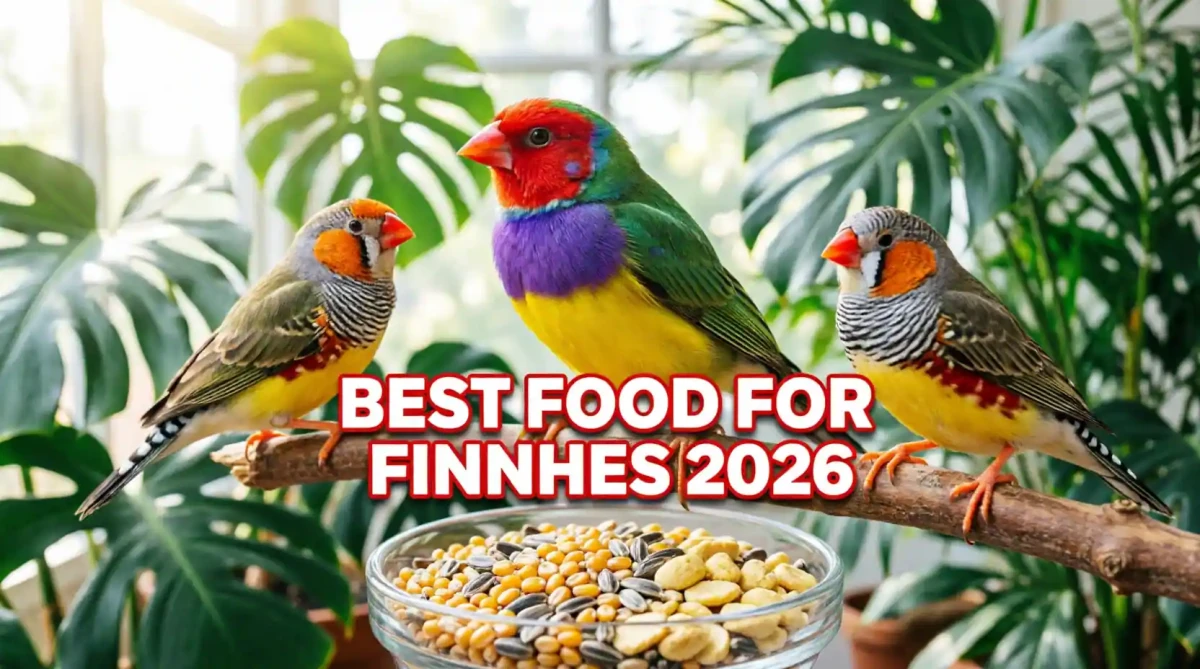
Choosing the best food for finches is the single most important decision you will make for your feathered companions. Finches are high-metabolism birds that require a constant supply of energy to maintain their health, vibrant plumage, and active lifestyles. A simple seed bag from a grocery store is rarely enough to provide the complex vitamins and minerals these small birds need to thrive.
In the wild, finches are opportunistic foragers, consuming a variety of grass seeds, insects, and vegetation. In captivity, your goal is to replicate this nutritional diversity. A balanced finch diet commonly recommended by avian experts consists of a high-quality seed base, daily fresh greens, and essential mineral supplements. Proper nutrition may help prevent common avian ailments like egg binding and feather plucking.
Quick Summary of Finch Nutritional Requirements
To keep your finches in peak condition, their diet should follow a specific ratio. Seeds provide the bulk of the calories, but fresh vegetables and supplements provide the "life insurance" for their immune systems. Most pet finches, such as Zebra, Society, or Gouldian finches, thrive on a diet of 60% high-grade seeds or pellets, 30% fresh vegetables, and 10% protein-rich supplements like egg food.
| Food Category | Percentage of Diet | Examples | Frequency |
|---|---|---|---|
| Base Seed/Pellet | 60% - 70% | Yellow Millet, Canary Seed | Daily (Always available) |
| Fresh Vegetables | 20% - 30% | Kale, Broccoli, Carrots | Daily |
| Protein/Egg Food | 5% - 10% | Commercial Egg Food, Boiled Egg | 2-3 times weekly |
| Minerals | Supplement | Cuttlebone, Oyster Shell | Always available |
The Foundation: High-Quality Seed Mixes
Not all seed mixes are created equal. Many budget-friendly options are filled with "filler" seeds like red millet, which many finches ignore, leading to waste and malnutrition. The best food for finches usually leads with yellow proso millet and canary grass seed.
Canary grass seed is particularly high in protein and essential fatty acids. A premium mix will also include Japanese millet and panicum, which are smaller and easier for tiny finch beaks to crack. When buying, ensure the seeds look shiny and dust-free; dull seeds are often old and have lost their nutritional potency.
Featured Snippet: What is the best food for pet finches?
The best food for finches is a diversified diet consisting of a premium seed mix (rich in canary seed and yellow millet), daily fresh leafy greens like kale or spinach, and a constant supply of calcium via cuttlebone. Supplementing with egg food twice a week ensures they receive necessary proteins and amino acids.
Comparison: Pellets vs Seed Diets

There is a long-standing debate among bird keepers regarding pellets versus seeds. While seeds are more "natural" and provide foraging enrichment, pellets are formulated to prevent selective eating, where a bird only picks out the fattiest seeds.
Seed-Based Diets: These are highly palatable and encourage natural behavior. However, they are often low in Vitamin A and Calcium. If you use seeds, you MUST supplement with fresh vegetables and minerals to avoid deficiencies.
Pelleted Diets: High-quality bird pellets (specifically sized for finches) offer a nutritionally complete bite every time. Many owners find that a 50/50 mix of seeds and pellets is the perfect middle ground, offering the benefits of both worlds without the risks of a seed-only diet.
Daily Feeding Guide and Portions

Finches have a very fast metabolism and can starve in as little as 24 hours if food is withheld. It is widely accepted pet care standard to keep their dry food available at all times. Use the following table as a guide for daily maintenance.
| Bird Type | Daily Seed/Pellet Amount | Fresh Food Serving | Water Requirement |
|---|---|---|---|
| Zebra/Society Finch | 1 to 1.5 teaspoons | 0.5 teaspoon (chopped) | Fresh daily (filtered) |
| Gouldian Finch | 1.5 to 2 teaspoons | 1 teaspoon (chopped) | Fresh daily (filtered) |
| Java Sparrow (Large Finch) | 2 to 3 teaspoons | 1.5 teaspoons | Fresh daily (filtered) |
Essential Fresh Vegetables and Fruits

Fresh produce is non-negotiable for a healthy finch. Vegetables provide Vitamin A, which is essential for respiratory health and skin integrity. Always wash produce thoroughly to remove pesticides before serving.
- Leafy Greens: Kale, spinach, bok choy, and dandelion greens (pesticide-free).
- Crunchy Veggies: Finely grated carrots, broccoli florets, and cucumber slices.
- Sprouted Seeds: These are "superfoods" for finches. Sprouting seeds increases their protein and vitamin content significantly.
- Fruits (Limited): Small pieces of apple (no seeds), pear, or melon can be offered once a week as a treat.
Protein and Egg Food for Breeding and Molting

During breeding season or when your bird is molting (shedding old feathers), their protein requirements spike. Feathers are made of keratin (protein), so a bird on a low-protein diet will struggle to grow healthy, strong plumage.
Commercial Egg Food: This is a dry, crumbly mixture available in pet stores. It is easy to use and stays fresh longer than real eggs. It is commonly recommended to offer this 2-3 times a week for maintenance and daily during breeding.
Fresh Boiled Eggs: You can mash a hard-boiled egg (including the shell for calcium) and offer a small amount. Ensure you remove any uneaten fresh egg after two hours to prevent spoilage and bacterial growth.
Calcium and Mineral Supplements

Calcium is the most critical mineral for finches, especially females. A lack of calcium can lead to "egg binding," a life-threatening condition where a female bird cannot pass an egg. To prevent this, always provide the following accessories:
Cuttlebone: This is the internal shell of a cuttlefish. Finches will peck at it as needed to regulate their calcium levels. It also helps keep their beaks trimmed and sharp.
Mineral Blocks: These often contain a mix of calcium, iodine, and other trace minerals. They are especially useful for birds kept in areas where the water may be soft and lacking in natural minerals.
Oyster Shell/Grit: While finches do not strictly need insoluble grit for digestion (like some other birds), soluble grit like crushed oyster shells provides an excellent digestible source of calcium.
Budget vs Premium Finch Food Comparison

Investing in higher-quality food often saves money in the long run by reducing vet visits and bird mortality. Here is how the market breaks down in terms of spending behavior and quality.
Premium Brands ($$$): Brands like Harrison’s, Lafeber’s, or Volkmans Avian Science. These use human-grade ingredients, organic components, and are fortified with specific probiotics. A 5lb bag typically ranges from $20 to $35.
Mid-Range ($$): Brands like Kaytee or Higgins. These are widely available and offer decent nutritional balance but may contain more artificial colors or preservatives. Expect to pay $12 to $18 for a 5lb bag.
Budget/Generic ($): Unbranded bulk seeds from farm supply or grocery stores. These are often high in "waste" seeds and lacking in vitamins. Prices are low ($5 - $10), but the hidden cost is a shorter lifespan for your birds.
Common Feeding Mistakes to Avoid

One of the most dangerous mistakes is feeding toxic foods. Avocado, chocolate, caffeine, fruit pits, and onions are strictly forbidden and can be fatal to small birds. Avoid giving your finches salty or sugary "human" snacks, as their kidneys cannot process high levels of sodium.
Another common error is the "bottomless bowl" trap. Owners often see a bowl full of husks and assume it is full of food. Finches leave the empty hulls on top of the seeds. If you don't dump the husks daily, your bird might starve while sitting next to a bowl that "looks" full.
Localized Advice: Feeding Finches in Bangladesh

For bird owners in Bangladesh, the hot and humid climate presents unique challenges. Seeds can go moldy or attract pests very quickly. Always store your bird food in airtight plastic or glass containers in a cool, shaded area. Avoid buying huge quantities that will sit for months in the humidity.
Local seasonal greens like "Kolmi Shak" or "Pui Shak" can be excellent additions to a finch's diet, provided they are sourced from clean areas and washed thoroughly. During the intense heat of April and May, ensure you change the water at least twice a day to prevent rapid bacterial growth in the drinkers.
Expert Tips for a Happy Finch

Consistency and observation are your best tools. Watch your birds while they eat; a healthy finch should be eager to approach the food bowl. If a bird is sitting puffed up and ignoring their favorite greens, it is a sign they may need a veterinary checkup. Try hide-and-seek feeding by tucking millet sprays into different corners of the cage to provide mental stimulation and mimic natural foraging.
Frequently Asked Questions

Can finches eat wild bird seed?
It is not recommended. Wild bird seed often contains large corn kernels or sunflower seeds that are too big for finches to eat. It also lacks the specific vitamin fortification required for indoor pet birds.
How often should I give my finch millet sprays?
Millet sprays are like "candy" for finches. While they are great for taming or as a treat, they are high in fat. Limit millet sprays to about one inch per bird, twice a week, to prevent obesity.
Do finches need grit to digest their food?
Most experts agree that finches, who hull their seeds before eating, do not strictly need "insoluble" grit (like sand). However, "soluble" grit like crushed oyster shells is beneficial for calcium intake.
My finch isn't eating its vegetables, what should I do?
Be patient! Finches are neophobic (afraid of new things). Try finely chopping the veggies (a "chop" mix) and sprinkling a few of their favorite seeds on top to encourage them to take the first bite.
Is tap water safe for finches?
If the tap water is safe for human consumption, it is generally okay for birds. However, in areas with high chlorine or heavy metals, using filtered or bottled water is a safer choice for their small systems.

0 Comments