.png)
Signs of a Healthy Aquarium Fish Every Owner Should Know
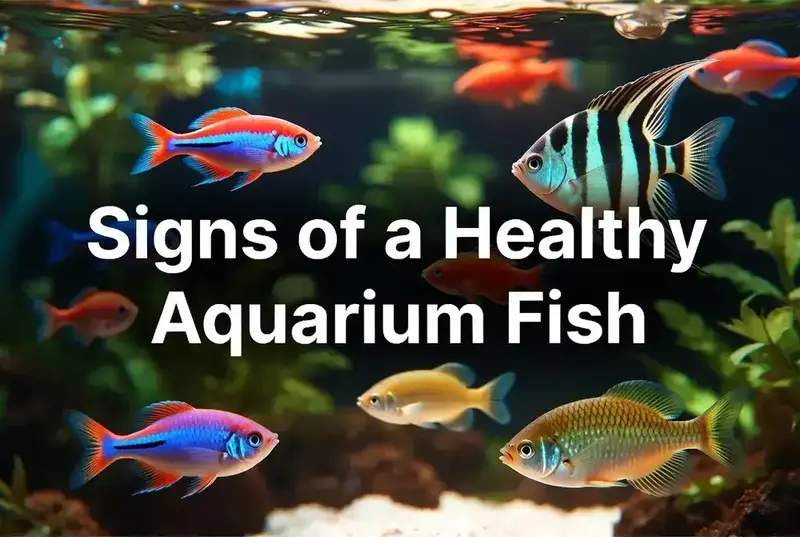
Recognizing the signs of a healthy aquarium fish is one of the most critical skills every aquarist must develop. Fish cannot verbally communicate discomfort, pain, or illness, making it essential for owners to understand what normal health looks like. From vibrant coloration and active swimming to consistent appetite and clear fins, healthy aquarium fish display clear indicators that attentive owners can learn to identify. This comprehensive guide covers all the essential signs of aquatic wellness, empowering you to monitor your fish's health confidently at home and detect problems early when treatment is most effective. Whether you're caring for colorful tetras, elegant angelfish, peaceful community fish, or vibrant cichlids in the USA, understanding these health indicators is fundamental to successful aquarium keeping.
Why Recognizing Healthy Fish Signs Matters
Understanding what a healthy aquarium fish looks and behaves like isn't just about peace of mind—it's a critical component of preventive care that can literally save your fish's life. Aquarium fish are sensitive creatures that rely entirely on their human caretakers for environmental stability, nutrition, and health monitoring. Early detection of issues like parasitic infections, water quality problems, or nutritional deficiencies dramatically improves treatment outcomes and can extend your fish's life significantly.
The Fish's Instinct to Hide Illness
In the wild, showing weakness makes animals vulnerable to predators. Aquarium fish retain this powerful survival instinct, often masking symptoms until illness becomes severe. A fish may continue swimming and appearing relatively normal even while experiencing significant internal disease or stress. This evolutionary trait means owners must be proactive in monitoring health indicators rather than waiting for obvious signs of sickness.
By learning the baseline signs of health for your individual fish and aquarium, you create a reference point for detecting deviations. What's normal for one species may differ from another, so establishing your aquarium's personal "healthy" profile is essential for effective health monitoring. This includes knowing normal swimming patterns, typical appetite levels, characteristic coloration, and expected social behaviors for each species in your tank.
Benefits of Regular Health Observation
Consistent observation of your fish's health signs provides multiple advantages:
- Early problem detection: Catching issues like color fading, lethargy, or appetite changes early allows for simpler, less expensive treatment with better outcomes
- Reduced emergency costs: Preventive care and early intervention cost far less than emergency treatment for advanced disease
- Improved aquarium management: Healthy fish indicate proper water quality, feeding, and environmental conditions
- Peace of mind: Knowing your fish are healthy reduces anxiety and helps you enjoy your aquarium
- Better veterinary consultations: When you can describe specific changes in behavior, appearance, or appetite, aquatic veterinarians can diagnose more accurately
- Extended lifespan: Fish receiving prompt care for health issues typically live longer, healthier lives
- 🐾 Annual Health Check for Small Pets: Complete Guide
- 🐾 Best Vitamins for Aquarium Fish: Expert Aquatic Nutrition Guide
- 🐾 Early Symptoms of Illness in Dogs Every Owner Should Know
Physical Signs of a Healthy Aquarium Fish
Physical indicators provide the most visible evidence of your fish's health status. Regular examination of these features helps you establish what normal looks like for your aquatic companions and detect problems early.
Coloration: Vibrant and Species-Appropriate
Healthy fish display bright, vivid colors that are characteristic of their species:
- Species-appropriate hues: Neon tetras show bright blue and red stripes; angelfish display clear vertical barring; guppies exhibit vibrant tail patterns
- Consistent intensity: Colors should remain vibrant without sudden fading or darkening
- Even distribution: Coloration should be uniform without unusual patches, spots, or discoloration
- Natural variation: Some color changes are normal (breeding colors, stress colors that resolve quickly)
- 🐾 Annual Health Check for Small Pets: Complete Guide
- 🐾 Best Vitamins for Aquarium Fish: Expert Aquatic Nutrition Guide
- 🐾 Early Symptoms of Illness in Dogs Every Owner Should Know
Dull, faded, or patchy coloration often signals stress, poor nutrition, water quality issues, or illness. However, note that some fish naturally darken when sleeping or during breeding—learn your species' normal patterns.
Fins: Fully Extended and Intact
Healthy fins are one of the most reliable indicators of fish wellness:
- Fully extended: Fins should be spread naturally during swimming, not clamped against the body
- Smooth edges: Fin edges should be intact without fraying, tearing, or white fuzzy growth
- Normal movement: Fins should move smoothly during swimming without trembling or stiffness
- Species-appropriate shape: Fins should maintain their characteristic shape without deformities
- Clear membranes: Fin tissue should be transparent or appropriately colored, not cloudy or spotted
- 🐾 Annual Health Check for Small Pets: Complete Guide
- 🐾 Best Vitamins for Aquarium Fish: Expert Aquatic Nutrition Guide
- 🐾 Early Symptoms of Illness in Dogs Every Owner Should Know
Clamped fins (held tight against the body) often indicate stress, poor water quality, or illness. Frayed or disintegrating fins may signal fin rot, aggression from tank mates, or physical damage.
Body Condition: Well-Proportioned and Firm
Healthy fish maintain appropriate body condition for their species:
- Smooth contours: Body should have smooth, natural curves without lumps, bumps, or sunken areas
- Appropriate fullness: Belly should be slightly rounded but not bloated or severely sunken
- Firm flesh: Body should feel firm, not soft or mushy (assessed during netting if necessary)
- Proportional head-to-body ratio: Head should not appear disproportionately large (sign of wasting)
- Normal spine alignment: Spine should be straight without curvature (scoliosis indicates serious problems)
- 🐾 Annual Health Check for Small Pets: Complete Guide
- 🐾 Best Vitamins for Aquarium Fish: Expert Aquatic Nutrition Guide
- 🐾 Early Symptoms of Illness in Dogs Every Owner Should Know
Emaciation (visible spine, sunken belly) indicates malnutrition, parasites, or chronic illness. Bloating may signal constipation, dropsy, or internal infections.
Eyes: Clear, Bright, and Symmetrical
Healthy fish eyes provide important health information:
- Clear and bright: Eyes should be transparent without cloudiness, film, or opacity
- Fully open: Both eyes should be wide open during waking hours
- Equal size: Both eyes should appear symmetrical and equally prominent
- Normal position: Eyes should sit normally in sockets, not protruding (pop-eye) or sunken
- No discharge: Absence of cloudy film, mucus, or white spots around eyes
- 🐾 Annual Health Check for Small Pets: Complete Guide
- 🐾 Best Vitamins for Aquarium Fish: Expert Aquatic Nutrition Guide
- 🐾 Early Symptoms of Illness in Dogs Every Owner Should Know
Cloudy eyes, protruding eyes, or asymmetry often indicate infection, injury, or systemic illness requiring immediate attention.
Scales: Smooth, Intact, and Properly Aligned
Scale condition reflects overall health and water quality:
- Smooth surface: Scales should lie flat against the body without raised or missing scales
- Intact coverage: No bare patches, holes, or areas of scale loss
- Proper alignment: Scales should overlap neatly in species-appropriate patterns
- Natural sheen: Healthy scales reflect light with a subtle iridescence
- No protrusion: Scales should not stick out like pinecones (indicates dropsy)
- 🐾 Annual Health Check for Small Pets: Complete Guide
- 🐾 Best Vitamins for Aquarium Fish: Expert Aquatic Nutrition Guide
- 🐾 Early Symptoms of Illness in Dogs Every Owner Should Know
Raised scales (pineconing), missing scales, or unusual textures signal serious health problems requiring veterinary attention.
Gills: Steady Movement and Healthy Appearance
Gill health is critical for respiration and overall wellbeing:
- Steady rhythm: Gill covers should move in regular, relaxed patterns
- Appropriate rate: Breathing should be calm, not rapid or labored
- Normal color: Gills should appear pink or red (visible when fish yawns), not pale or dark
- Smooth operation: Gill covers should open and close fully without sticking
- No flaring: Excessive gill flaring indicates respiratory distress
- 🐾 Annual Health Check for Small Pets: Complete Guide
- 🐾 Best Vitamins for Aquarium Fish: Expert Aquatic Nutrition Guide
- 🐾 Early Symptoms of Illness in Dogs Every Owner Should Know
Rapid gilling, gasping at the surface, or uneven gill movement signals oxygen deficiency, ammonia toxicity, or gill disease.
Behavioral Signs of a Healthy Aquarium Fish

Behavior often reveals health status before physical signs become obvious. Understanding normal fish behavior helps you recognize concerning changes.
Swimming Patterns: Active and Coordinated
Healthy fish display characteristic swimming behaviors:
- Steady movement: Fish should swim smoothly without listing, spinning, or difficulty maintaining position
- Appropriate activity level: Species-typical activity (active tetras, deliberate angelfish, bottom-dwelling corydoras)
- Normal orientation: Fish should maintain upright position without tilting or swimming upside down
- Confident navigation: Fish should move purposefully without bumping into objects or appearing disoriented
- Regular rest periods: Healthy fish rest occasionally but remain alert and responsive
- 🐾 Annual Health Check for Small Pets: Complete Guide
- 🐾 Best Vitamins for Aquarium Fish: Expert Aquatic Nutrition Guide
- 🐾 Early Symptoms of Illness in Dogs Every Owner Should Know
Erratic swimming, inability to maintain position, or constant hiding may indicate neurological issues, swim bladder problems, or severe stress.
Appetite and Feeding Response
Healthy fish display consistent, enthusiastic eating patterns:
- Eager response: Fish should become active and approach the surface when food is introduced
- Efficient consumption: Fish should eat readily without spitting out food repeatedly
- Normal intake: Appetite should remain consistent day-to-day for individual fish
- Species-appropriate feeding: Surface feeders should feed at top; bottom dwellers should seek food at substrate
- Healthy competition: Some competition is normal; extreme aggression or complete avoidance signals problems
- 🐾 Annual Health Check for Small Pets: Complete Guide
- 🐾 Best Vitamins for Aquarium Fish: Expert Aquatic Nutrition Guide
- 🐾 Early Symptoms of Illness in Dogs Every Owner Should Know
Sudden loss of appetite is often the first sign of illness. A fish that refuses food for more than 2-3 days needs investigation.
Social Interaction and Schooling Behavior
Most aquarium fish are social creatures with characteristic interaction patterns:
- Species-appropriate grouping: Schooling fish (tetras, rasboras) should swim together; territorial fish should maintain appropriate spacing
- Normal aggression levels: Some chasing is normal; persistent bullying or extreme withdrawal indicates problems
- Responsive behavior: Fish should react to environmental changes, feeding, and tank maintenance
- Comfortable positioning: Fish should use all tank levels appropriately without hiding constantly
- 🐾 Annual Health Check for Small Pets: Complete Guide
- 🐾 Best Vitamins for Aquarium Fish: Expert Aquatic Nutrition Guide
- 🐾 Early Symptoms of Illness in Dogs Every Owner Should Know
Isolation from the group, excessive hiding, or unusual aggression often signals stress, illness, or incompatible tank mates.
Resting and Sleep Patterns
Healthy fish have predictable rest behaviors:
- Normal resting position: Species-typical rest posture (some rest on substrate, others hover motionless)
- Appropriate duration: Fish rest during dark periods but remain alert to threats
- Easy arousal: Resting fish should respond to movement or feeding cues
- Consistent patterns: Rest timing should align with lighting schedule
- 🐾 Annual Health Check for Small Pets: Complete Guide
- 🐾 Best Vitamins for Aquarium Fish: Expert Aquatic Nutrition Guide
- 🐾 Early Symptoms of Illness in Dogs Every Owner Should Know
Fish resting on the bottom during daylight hours, difficulty waking, or unusual resting positions may indicate illness or severe stress.
Water Quality Indicators of Fish Health

Healthy fish depend on stable, high-quality water. Water parameters directly impact visible health signs.
Clear Water as a Health Indicator
Water clarity reflects overall aquarium health:
- Crystal clarity: Healthy aquariums have clear, transparent water without cloudiness
- No unusual odors: Fresh, clean smell indicates good biological filtration
- Minimal surface film: Slight protein film is normal; thick scum indicates poor surface agitation
- Stable parameters: Consistent temperature, pH, and hardness support fish health
- 🐾 Annual Health Check for Small Pets: Complete Guide
- 🐾 Best Vitamins for Aquarium Fish: Expert Aquatic Nutrition Guide
- 🐾 Early Symptoms of Illness in Dogs Every Owner Should Know
Cloudy water, foul odors, or excessive surface film often precede visible fish health problems.
Normal Waste Production
Healthy fish produce consistent, normal waste:
- Regular elimination: Fish should defecate regularly with normal frequency
- Normal appearance: Feces should be firm, dark, and cohesive (varies by diet)
- Appropriate volume: Waste production should match feeding amounts
- No stringy or white feces: Unusual fecal appearance may indicate parasites or digestive issues
- 🐾 Annual Health Check for Small Pets: Complete Guide
- 🐾 Best Vitamins for Aquarium Fish: Expert Aquatic Nutrition Guide
- 🐾 Early Symptoms of Illness in Dogs Every Owner Should Know
Changes in waste appearance, frequency, or volume often signal digestive problems or parasitic infections.
Response to Water Changes
Healthy fish respond positively to proper maintenance:
- Increased activity: Fish often become more active after water changes
- Improved coloration: Clean water enhances natural colors
- Normal behavior: Fish should not show stress signs during or after proper water changes
- Consistent response: Healthy fish respond similarly to routine maintenance
- 🐾 Annual Health Check for Small Pets: Complete Guide
- 🐾 Best Vitamins for Aquarium Fish: Expert Aquatic Nutrition Guide
- 🐾 Early Symptoms of Illness in Dogs Every Owner Should Know
Extreme stress during water changes may indicate poor water quality, illness, or improper maintenance techniques.
Species-Specific Health Indicators

Different fish species have unique health indicators based on their natural biology and behavior.
Tetras and Small Schooling Fish
Healthy indicators:
- Tight schooling behavior with coordinated movement
- Bright, species-specific coloration (neon blue/red stripes, etc.)
- Active swimming throughout water column
- Eager feeding response at surface
- Regular, synchronized resting periods
- 🐾 Annual Health Check for Small Pets: Complete Guide
- 🐾 Best Vitamins for Aquarium Fish: Expert Aquatic Nutrition Guide
- 🐾 Early Symptoms of Illness in Dogs Every Owner Should Know
Warning signs: Isolated fish, faded colors, erratic swimming, or surface gasping.
Angelfish and Cichlids
Healthy indicators:
- Confident, deliberate swimming with fully extended fins
- Clear vertical barring or species-appropriate patterns
- Appropriate territorial behavior without excessive aggression
- Strong appetite and efficient feeding
- Normal breeding behaviors when mature
- 🐾 Annual Health Check for Small Pets: Complete Guide
- 🐾 Best Vitamins for Aquarium Fish: Expert Aquatic Nutrition Guide
- 🐾 Early Symptoms of Illness in Dogs Every Owner Should Know
Warning signs: Clamped fins, faded patterns, hiding constantly, or unusual aggression.
Betta Fish
Healthy indicators:
- Vibrant coloration with fully flowing fins
- Active exploration of tank with occasional resting
- Eager feeding response and efficient consumption
- Bubble nest building (males) indicating good health
- Alert response to movement and feeding
- 🐾 Annual Health Check for Small Pets: Complete Guide
- 🐾 Best Vitamins for Aquarium Fish: Expert Aquatic Nutrition Guide
- 🐾 Early Symptoms of Illness in Dogs Every Owner Should Know
Warning signs: Clamped fins, faded colors, lethargy, or loss of appetite.
Bottom Dwellers (Corydoras, Plecos)
Healthy indicators:
- Active foraging along substrate with whisker movement
- Normal grazing behavior on algae or sinking foods
- Smooth, coordinated movement without scraping or rubbing
- Regular resting in preferred hiding spots
- Healthy appetite for appropriate foods
- 🐾 Annual Health Check for Small Pets: Complete Guide
- 🐾 Best Vitamins for Aquarium Fish: Expert Aquatic Nutrition Guide
- 🐾 Early Symptoms of Illness in Dogs Every Owner Should Know
Warning signs: Lying on side, excessive hiding, loss of appetite, or unusual rubbing against objects.
Red Flags: When to Take Action

While knowing healthy signs is crucial, recognizing warning signs is equally important. Contact an aquatic veterinarian or experienced aquarist immediately if you observe:
- Respiratory distress: Gasping at surface, rapid gilling, or labored breathing
- Sudden behavior changes: Lethargy, isolation, or unusual aggression
- Physical abnormalities: White spots, fuzzy growths, red streaks, or bloating
- Loss of appetite: Refusing food for more than 2-3 days
- Swimming problems: Listing, spinning, inability to maintain position, or upside-down swimming
- Visible parasites: White spots (ich), velvet dusting, or visible worms
- Fins or scale damage: Fraying fins, missing scales, or pineconing
- Eye abnormalities: Cloudiness, protrusion, or asymmetry
- Color changes: Sudden fading, darkening, or unusual patches
- Excessive mucus: Cloudy film on body or excessive slime production
- 🐾 Annual Health Check for Small Pets: Complete Guide
- 🐾 Best Vitamins for Aquarium Fish: Expert Aquatic Nutrition Guide
- 🐾 Early Symptoms of Illness in Dogs Every Owner Should Know
When in doubt, test water parameters immediately and seek guidance. Fish can deteriorate rapidly, and early intervention often saves lives.
People Also Ask: Quick Answers

What are the first signs of a sick aquarium fish?
Early signs of illness in aquarium fish include decreased appetite, lethargy, clamped fins, faded coloration, hiding more than usual, changes in swimming patterns, and abnormal waste. Fish often show subtle behavioral changes before obvious physical symptoms appear. Monitor your fish's baseline behavior to detect deviations early.
How can I check my fish's health at home?
Perform daily health checks: observe swimming patterns, appetite, and social behavior; examine fins, eyes, and body condition; monitor waste appearance; test water parameters weekly; and note any changes in coloration or activity. Keep a journal to track changes over time and identify patterns.
What does healthy fish poop look like?
Healthy fish feces are typically firm, dark brown or green (depending on diet), and cohesive. They should sink and maintain shape briefly before dispersing. Stringy, white, clear, or floating feces may indicate parasites, digestive issues, or poor nutrition.
How often should I check my aquarium fish health?
Observe fish briefly every day during feeding (2-3 minutes). Perform more thorough visual examinations 2-3 times weekly. Test water parameters weekly for new tanks and monthly for established tanks. Document any changes to track trends and catch problems early.
Can fish hide illness, and how do I know if my fish hurts?
Yes, fish excel at hiding pain due to evolutionary instincts. Signs of discomfort include reduced activity, reluctance to feed, unusual positioning, clamped fins, hiding more than usual, or rubbing against objects. If you suspect pain or illness, test water parameters immediately and consult an aquatic veterinarian.
Common Mistakes Owners Make Monitoring Fish Health

Even attentive aquarists can overlook important health indicators. Avoid these frequent errors:
- Assuming clear water means healthy fish: Water can look clear while harboring dangerous ammonia or nitrite levels. Test parameters regularly.
- Ignoring subtle behavior changes: Small shifts in swimming, feeding, or social behavior often signal health issues before physical signs develop.
- Overlooking individual fish: In community tanks, monitor each fish individually. Dominant fish may hide problems in subordinate tank mates.
- Waiting for obvious symptoms: By the time fish show clear illness signs, conditions may be advanced. Proactive monitoring catches problems earlier.
- Not establishing baselines: Without knowing your fish's normal appearance and behavior, detecting changes is difficult. Document healthy characteristics.
- Self-diagnosing from internet searches: While research is valuable, only aquatic veterinarians can accurately diagnose and treat fish health issues.
- Ignoring water testing: Visual observation complements but doesn't replace chemical testing. Test ammonia, nitrite, nitrate, and pH regularly.
- 🐾 Annual Health Check for Small Pets: Complete Guide
- 🐾 Best Vitamins for Aquarium Fish: Expert Aquatic Nutrition Guide
- 🐾 Early Symptoms of Illness in Dogs Every Owner Should Know
Building a Wellness Monitoring Routine

Creating a simple, consistent health monitoring habit makes detecting changes easier and less stressful.
Daily Quick Checks (2-3 minutes)
- Observe fish activity during feeding time
- Note appetite and feeding response
- Quick visual scan of fins, eyes, and coloration
- Check water clarity and surface condition
- Listen for unusual equipment sounds
- 🐾 Annual Health Check for Small Pets: Complete Guide
- 🐾 Best Vitamins for Aquarium Fish: Expert Aquatic Nutrition Guide
- 🐾 Early Symptoms of Illness in Dogs Every Owner Should Know
Weekly Detailed Checks (10-15 minutes)
- Examine each fish individually for physical changes
- Test water parameters (ammonia, nitrite, nitrate, pH)
- Check equipment function (filter flow, heater temperature)
- Observe waste production and appearance
- Document any changes in behavior or appearance
- 🐾 Annual Health Check for Small Pets: Complete Guide
- 🐾 Best Vitamins for Aquarium Fish: Expert Aquatic Nutrition Guide
- 🐾 Early Symptoms of Illness in Dogs Every Owner Should Know
Monthly Records
- Review health observation logs for trends
- Assess growth and development in young fish
- Evaluate effectiveness of feeding and maintenance routines
- Plan veterinary consultations if needed
- 🐾 Annual Health Check for Small Pets: Complete Guide
- 🐾 Best Vitamins for Aquarium Fish: Expert Aquatic Nutrition Guide
- 🐾 Early Symptoms of Illness in Dogs Every Owner Should Know
Annual Veterinary Partnership
Establish a relationship with an aquatic veterinarian for professional guidance. Bring your health monitoring notes to help assess trends. Discuss preventive care including quarantine protocols, nutrition optimization, and species-specific health screening.
Frequently Asked Questions

How do I know if my aquarium fish is happy and healthy?
A happy, healthy fish displays vibrant coloration, active swimming, eager feeding response, normal social behavior, clear eyes and fins, and regular waste production. Trust your knowledge of your individual fish's baseline behavior and appearance.
What should I do if my fish's health signs change suddenly?
Test water parameters immediately (ammonia, nitrite, nitrate, pH, temperature). Isolate affected fish if possible. Document specific changes, when they started, and any recent tank modifications. Contact an aquatic veterinarian promptly—don't wait to see if symptoms resolve on their own.
Can water quality affect my fish's health signs?
Absolutely. Water quality is the foundation of fish health. Poor water parameters cause stress that manifests as faded colors, clamped fins, lethargy, and loss of appetite. Maintain stable, appropriate parameters through regular testing, water changes, and proper filtration.
How can I make health checks less stressful for my fish?
Integrate health checks into routine activities like feeding. Move slowly and avoid sudden movements. Use dim lighting during close examinations. Keep handling to an absolute minimum. Gradual desensitization helps fish tolerate necessary observations.
What health records should I keep for my aquarium?
Maintain records of: water parameter test results, feeding schedules and amounts, fish additions and removals, equipment maintenance, observed health changes, and veterinary consultations. Digital apps or simple notebooks work well. Share records with aquatic veterinarians during consultations.
Conclusion: Empowering Aquarists Through Knowledge

Recognizing the signs of a healthy aquarium fish transforms you from a passive caretaker into an active partner in your aquatic companions' wellbeing. By learning what normal looks like for your individual fish and aquarium—physically and behaviorally—you gain the power to detect problems early when intervention is most effective and least invasive.
Remember that health monitoring isn't about perfection or constant worry. It's about establishing simple, sustainable habits that fit into your daily routine: a quick observation during feeding, noting water clarity during maintenance, checking equipment function during evening routines. These small moments of attention accumulate into powerful preventive care.
Partner with aquatic veterinarians and experienced aquarists for professional guidance, but trust your instincts as the person who knows your aquarium best. You notice the subtle changes that even professionals might miss during brief consultations. Your observations, combined with expert knowledge, create the strongest foundation for your fish's lifelong health.
Every aquarium fish deserves an owner who understands their health signals and advocates for their wellbeing. By mastering the signs of a healthy fish, you're not just preventing illness—you're creating a thriving aquatic ecosystem, reducing stress for your fish, and ensuring your underwater companions enjoy the highest quality of life possible. Start today with one simple observation, and build your confidence as a knowledgeable, attentive aquarist.
🐱 আরও পড়ুন: Fish Health

0 Comments