.png)
Bird Digestive Health Guide Complete Care Information
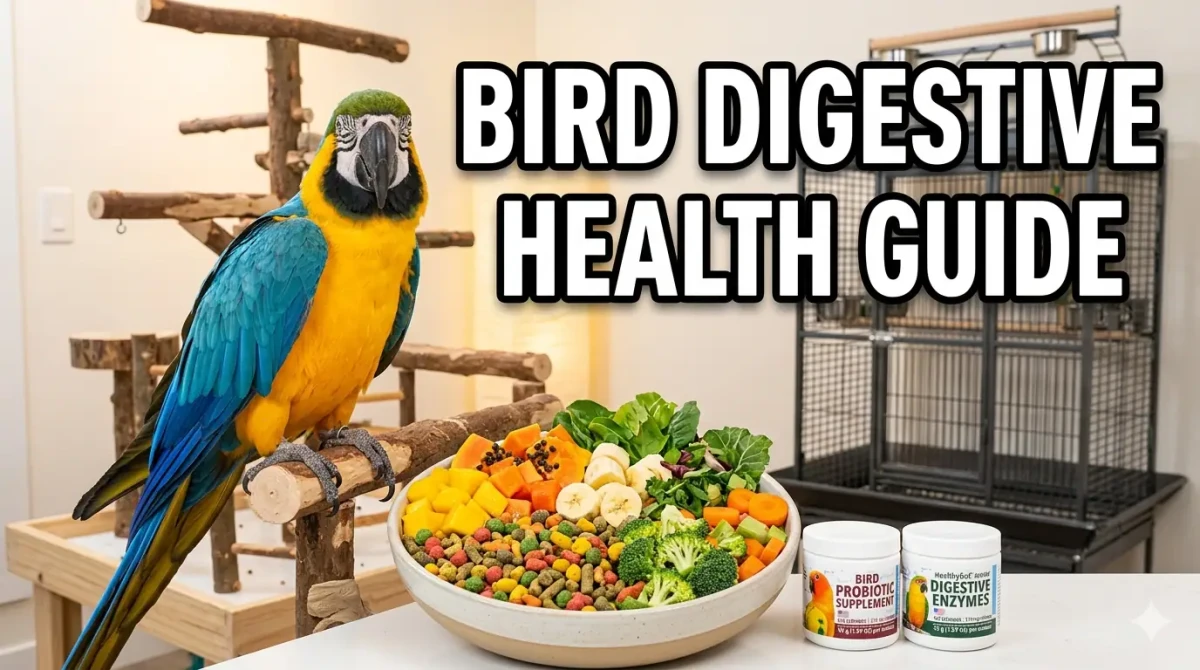
Understanding Avian Digestive Health Fundamentals
Bird digestive health guide is essential knowledge for every responsible bird owner who wants to ensure their feathered companion enjoys optimal wellbeing, energy, and longevity. A healthy digestive system is the foundation of your bird's overall health, influencing everything from immune function and nutrient absorption to feather quality, energy levels, and behavioral stability. When digestion functions properly, your bird efficiently extracts nutrients from food, maintains healthy weight, produces normal droppings, and experiences minimal gastrointestinal discomfort.
The avian digestive system is a highly specialized network uniquely adapted for flight and efficient nutrient processing. It includes the beak, esophagus, crop, proventriculus, gizzard, small intestine, ceca, large intestine, and cloaca, all working together to break down food, absorb nutrients, and eliminate waste. Unlike mammals, birds have a rapid digestive transit time and specialized organs like the crop for food storage and the gizzard for mechanical grinding. Understanding how this complex system works and what supports its optimal function empowers you to make informed decisions about your bird's diet and care.
This comprehensive guide covers everything you need to know about supporting and maintaining your bird's digestive health, from selecting appropriate foods and supplements to recognizing warning signs that require veterinary attention. Whether you have a parrot with a sensitive digestive system, a finch experiencing occasional upset, or simply want to establish preventive care strategies, these expert tips will help you promote a healthy gut and a happier, healthier bird.
Why Digestive Health Matters for Avian Wellness
Digestive health profoundly impacts nearly every aspect of your bird's physical and mental wellbeing. The gastrointestinal tract houses a significant portion of the immune system, making gut health critical for disease resistance and overall immunity. A balanced gut microbiome, the community of beneficial bacteria living in your bird's intestines, helps protect against pathogens, supports nutrient absorption, and even influences mood and behavior through the gut brain axis.
Poor digestive health in birds manifests in various ways beyond obvious symptoms like diarrhea or regurgitation. Chronic digestive issues can lead to nutrient deficiencies despite adequate food intake, resulting in poor feather quality, weak immune function, weight loss, decreased energy levels, and failure to thrive. Birds with compromised digestion may also exhibit behavioral changes including irritability, feather plucking, decreased vocalization, or lethargy due to discomfort or nutrient imbalances affecting overall health.
Preventive digestive care is far easier and less costly than treating established gastrointestinal diseases. By implementing healthy feeding practices, providing appropriate species specific nutrition, and monitoring your bird's digestive patterns and droppings, you can identify and address minor issues before they escalate into serious health problems requiring extensive veterinary treatment and causing unnecessary suffering for your beloved companion.
How Does the Bird Digestive System Work?
The bird digestive process begins with the beak, which is adapted to the species' natural diet. Parrots have strong curved beaks for cracking nuts and seeds, while finches have conical beaks for seed eating, and nectar feeders have brush tipped tongues. Birds swallow food relatively whole with minimal chewing, relying on specialized digestive organs to break down food mechanically and chemically.
Food travels down the esophagus to the crop, a pouch like structure that stores and softens food before it enters the stomach. The crop allows birds to eat quickly and digest later, an adaptation for survival in the wild. From the crop, food moves to the proventriculus, the true stomach where digestive enzymes and acids begin chemical breakdown. Next, food enters the gizzard or ventriculus, a muscular organ that grinds food mechanically, often with the help of ingested grit in some species.
From the gizzard, partially digested food enters the small intestine, the primary site of nutrient absorption. Here, enzymes from the pancreas and bile from the liver further break down fats, proteins, and carbohydrates. The ceca, present in some species like chickens but reduced in parrots, ferment fiber and absorb water. The large intestine absorbs remaining water and electrolytes before waste is eliminated through the cloaca. The entire digestive process in birds is remarkably fast, typically taking 2 to 4 hours in small birds and 4 to 12 hours in larger parrots, reflecting their high metabolic rates.
Essential Nutrients for Optimal Avian Digestion

Supporting your bird's digestive health starts with providing the right nutrients in appropriate forms and proportions specific to their species. Certain dietary components are particularly important for maintaining healthy digestion, promoting beneficial gut bacteria, and preventing common gastrointestinal issues in birds.
High quality protein sources form the foundation of avian nutrition, though requirements vary significantly by species. Parrots require moderate protein levels from sources like legumes, nuts, and seeds, while insectivorous birds need higher protein from insects. Highly digestible proteins reduce the workload on the digestive system and minimize undigested material that can feed harmful bacteria or cause irritation. Protein quality is more important than quantity for digestive health.
Appropriate fat levels provide concentrated energy and support absorption of fat soluble vitamins A, D, E, and K. Birds require essential fatty acids including omega 3 and omega 6 for skin, feather, and overall health. Fiber plays a crucial role in avian digestion, with soluble fiber from fruits and vegetables helping regulate digestion and support beneficial gut bacteria, while insoluble fiber from seeds and pellets adds bulk and promotes healthy gut motility.
Which Probiotics Benefit Bird Digestive Health?
Probiotics are live beneficial bacteria that support digestive health by maintaining a balanced gut microbiome, crowding out harmful pathogens like Salmonella and E. coli, and supporting immune function. The most researched probiotic strains for birds include Lactobacillus species, Bifidobacterium species, and Enterococcus faecium, all of which have demonstrated benefits for avian digestive health in clinical studies.
Probiotics can help manage various digestive issues including diarrhea from antibiotics, stress related gastrointestinal upset from travel or environmental changes, and chronic conditions requiring digestive support. They may also support immune function, improve nutrient absorption, and reduce the frequency of digestive problems in sensitive birds. Look for probiotic supplements specifically formulated for birds with guaranteed colony forming units and strains proven effective in avian studies.
Probiotic rich foods like fermented foods designed for birds or veterinary recommended supplements can provide natural sources of beneficial bacteria, though supplement potency is more reliable for therapeutic purposes. Always introduce probiotics gradually and consult your avian veterinarian about appropriate strains and dosages for your bird's specific species, age, and health status. Probiotics are particularly beneficial after antibiotic treatment or during stressful periods.
What Role Do Digestive Enzymes Play for Birds?
Digestive enzymes are proteins that break down food components into absorbable nutrients. Birds naturally produce enzymes including amylase for carbohydrates, protease for proteins, and lipase for fats, though enzyme production varies by species and diet. Some birds benefit from supplemental enzymes, particularly older birds with reduced enzyme production, birds recovering from illness, or those with pancreatic insufficiency.
Supplemental digestive enzymes can improve nutrient absorption, reduce undigested food in droppings, decrease gas and digestive discomfort, and reduce the digestive workload for birds with compromised pancreatic function. Enzyme supplements containing pancreatin provide broad spectrum digestive support. Plant based enzymes from sources like bromelain and papain offer additional benefits for some birds with specific sensitivities.
Enzyme supplements should be given with meals to be effective, as they work in the digestive tract alongside your bird's natural enzymes. While generally safe, consult your avian veterinarian before starting enzyme supplementation, particularly if your bird has underlying health conditions, is taking medications, or is a young bird with developing digestive systems. Enzyme supplementation is most beneficial for birds with diagnosed digestive insufficiencies.
Feeding Practices That Support Avian Digestive Health

How you feed your bird is as important as what you feed them when it comes to digestive health. Proper feeding practices reduce the risk of crop stasis, improve nutrient absorption, prevent digestive upset, and support healthy eating behaviors that benefit gastrointestinal function throughout your bird's life.
Consistent feeding schedules help regulate your bird's digestive system by establishing predictable patterns of hunger, digestion, and elimination. Most pet birds thrive on scheduled meals rather than free feeding, which can lead to selective eating, obesity, and irregular digestive patterns. Offer fresh food at consistent times daily, typically morning and evening, removing uneaten fresh food after 2 to 4 hours to prevent spoilage.
Portion control prevents overfeeding and food waste, both of which can cause digestive upset and health problems. Provide appropriate portion sizes based on your bird's species, size, age, and activity level. Monitor your bird's body condition regularly, adjusting portions to maintain ideal weight. Fresh water must be available at all times, changed at least daily, as hydration is critical for digestive function and overall health.
How Should You Transition Bird Foods Safely?
Abrupt diet changes are a leading cause of digestive upset in birds, including diarrhea, regurgitation, and decreased appetite. Birds have sensitive digestive systems that require gradual adaptation to new foods. Always transition between foods slowly over 2 to 4 weeks to allow your bird's digestive system and gut bacteria to adjust without disruption.
Begin the transition by mixing 25 percent new food with 75 percent current food for 5 to 7 days. If your bird tolerates this well with no digestive upset, increase to 50 percent new food for another 5 to 7 days, then 75 percent new food for 5 to 7 days before completing the transition to 100 percent new food. Monitor your bird closely throughout the process, watching droppings, appetite, energy, and behavior for any signs of digestive distress.
If your bird experiences diarrhea, regurgitation, or decreased appetite during the transition, slow the process by spending more days at each ratio or temporarily returning to the previous ratio until symptoms resolve. Some sensitive birds may require 4 to 6 weeks for a comfortable transition. Always ensure fresh water is available during food changes to support digestion and hydration, and consult your avian veterinarian if symptoms persist or worsen.
What Is the Best Way to Prevent Crop Problems?
Crop problems including crop stasis, sour crop, and impaction are serious digestive issues that can be prevented through proper feeding practices. The crop should empty completely between meals, typically within 2 to 4 hours. Ensure food is appropriate for your bird's species and age, with proper texture and size to prevent impaction.
Avoid feeding foods that can cause crop problems including moldy or spoiled food, excessively sticky foods, large hard pieces that can cause impaction, and foods at extreme temperatures. Always provide fresh, clean food and water. Remove uneaten fresh food after a few hours to prevent bacterial growth that can lead to sour crop.
Monitor your bird's crop regularly by gently feeling the area at the base of the neck. The crop should feel soft and empty before the next meal. A hard, distended, or fluid filled crop that does not empty normally requires immediate veterinary attention. Preventive care including proper diet, clean food and water, and regular health monitoring significantly reduces crop problem risk.
Common Digestive Problems and Solutions

Even healthy birds occasionally experience digestive upset, and knowing how to address common issues appropriately can provide relief while determining if veterinary care is needed. Many mild digestive problems respond well to dietary adjustments, environmental modifications, and supportive care.
Diarrhea or loose droppings in birds can result from dietary changes, stress, parasites, bacterial infections, or viral diseases. Mild, short term changes in dropping consistency may resolve with conservative management including ensuring hydration and offering familiar foods. However, persistent diarrhea, especially with other symptoms, requires veterinary evaluation to identify and treat underlying causes.
Regurgitation and vomiting are serious symptoms that require attention. Regurgitation is a normal courtship behavior in some species but frequent regurgitation or vomiting indicates digestive problems. Causes include crop issues, infections, toxins, organ disease, or dietary problems. Any bird showing repeated regurgitation or vomiting should see an avian veterinarian promptly for diagnosis and treatment.
How Do You Manage Mild Bird Digestive Upset at Home?
For mild digestive upset without concerning symptoms, start by ensuring your bird has access to fresh, clean water to prevent dehydration. Offer familiar, easily digestible foods and remove any new or rich foods that may have triggered the upset. Maintain a warm, stress free environment to support recovery.
Offer bland, easily digestible foods like cooked plain rice, plain pasta, or species appropriate pellets. Avoid fatty foods, fruits high in sugar, or rich vegetables until digestion normalizes. Probiotic supplements formulated for birds can help restore beneficial gut bacteria. Ensure your bird continues eating, as birds cannot safely fast like mammals.
Monitor droppings closely for changes in color, consistency, frequency, or volume. Normal droppings should have formed fecal portion, white urates, and clear liquid urine. Contact your avian veterinarian if symptoms persist beyond 24 hours, worsen, include blood, or are accompanied by lethargy, fluffing, decreased appetite, or other concerning signs. Birds deteriorate rapidly when ill, so early veterinary intervention is critical.
What Natural Remedies Support Bird Digestive Comfort?
Several gentle natural approaches can support digestive comfort in birds with mild gastrointestinal upset. Plain cooked pumpkin or squash in small amounts provides soluble fiber that helps regulate digestion while being gentle on sensitive avian digestive systems. Use only plain, unseasoned preparations without added sugars, salts, or spices.
Ensuring adequate hydration supports digestive health significantly. Offer fresh water in clean bowls changed multiple times daily. Some birds drink more from running water, so a bird safe water fountain may encourage increased water intake. Fresh fruits and vegetables with high water content like cucumber and watermelon can provide additional hydration for species that consume them.
Stress reduction is crucial for digestive health. Provide a quiet, calm environment with minimal disturbances during recovery. Maintain consistent routines for feeding and interaction. Avoid introducing new foods, toys, or environmental changes during digestive upset. If your bird shows signs of stress, provide familiar comfort items and minimize handling to only necessary care.
Dietary Choices That Promote Avian Digestive Wellness

What you feed your bird has the greatest impact on digestive health, making food selection one of the most important decisions you make as a bird owner. Understanding which dietary components support versus challenge avian digestion helps you choose foods that promote gastrointestinal wellness appropriate for your bird's species.
High quality commercial bird foods formulated for your specific species provide balanced nutrition supporting digestive health. Pelleted diets offer consistent nutrition and prevent selective feeding common with seed only diets. Look for foods with quality ingredients, appropriate nutrient levels for your bird's species and life stage, and no artificial additives that can irritate sensitive digestive systems.
Fresh foods should complement commercial diets, providing variety, enrichment, and additional nutrients. Offer species appropriate fresh vegetables like leafy greens, carrots, and bell peppers, along with limited fruits. Avoid avocado, chocolate, caffeine, alcohol, salt, sugar, and foods toxic to birds. Introduce fresh foods gradually and remove uneaten portions after a few hours to prevent spoilage.
Should Birds Eat Seeds or Pellets for Digestive Health?
The seed versus pellet debate centers on nutritional completeness and digestive health. Seed only diets are high in fat, deficient in many vitamins and minerals, and encourage selective feeding where birds pick out favorite seeds and leave nutritious ones. This leads to nutritional imbalances, obesity, fatty liver disease, and digestive problems.
Pelleted diets provide complete, balanced nutrition in every bite, preventing selective feeding and ensuring consistent nutrient intake. High quality pellets support digestive health through appropriate fiber levels, balanced nutrients, and digestible ingredients. Most avian veterinarians recommend pellets as 60 to 80 percent of the diet for optimal health.
Seeds can be offered as treats or enrichment comprising no more than 10 to 20 percent of the diet. Choose high quality seeds appropriate for your bird's species and store them properly to prevent rancidity. The best approach combines quality pellets as the diet foundation with fresh vegetables, limited fruits, and small amounts of seeds for variety and enrichment.
How Do Fresh Foods Impact Bird Digestive Health?
Fresh foods provide essential variety, moisture, enzymes, and nutrients that support digestive health in birds. Fresh vegetables like leafy greens, broccoli, carrots, and bell peppers provide fiber, vitamins, and minerals that promote healthy digestion and beneficial gut bacteria. Offer fresh vegetables daily in amounts appropriate for your bird's size.
Fruits provide natural sugars, vitamins, and moisture but should be offered in moderation due to high sugar content. Offer fruits like berries, melon, and papaya as occasional treats comprising no more than 10 percent of the diet. Always remove seeds and pits from fruits as many contain toxic compounds.
Fresh foods must be washed thoroughly to remove pesticides and contaminants. Offer fresh foods at room temperature, never cold from refrigeration or hot. Remove uneaten fresh food after 2 to 4 hours to prevent bacterial growth and spoilage. Introduce new fresh foods gradually to monitor tolerance and prevent digestive upset.
Recognizing Warning Signs Requiring Veterinary Care

While some digestive issues resolve with supportive care, certain symptoms indicate problems requiring professional avian veterinary evaluation and treatment. Knowing when to seek help prevents minor issues from becoming serious emergencies and ensures your bird receives appropriate care promptly. Birds hide illness instinctively, so by the time symptoms are obvious, the condition may be advanced.
Seek immediate veterinary attention for symptoms including persistent vomiting or regurgitation, blood in droppings or vomit, complete loss of appetite for more than 12 hours, severe diarrhea, or signs of pain. These symptoms can indicate serious conditions requiring urgent intervention. Birds deteriorate rapidly when ill, so prompt veterinary care is essential.
Other warning signs include changes in droppings lasting more than 24 hours, unexplained weight loss, decreased energy, fluffed feathers, labored breathing, and any digestive symptoms in young, old, or immunocompromised birds. Regular monitoring of droppings, weight, appetite, and behavior helps you detect problems early when treatment is most effective.
When Is Bird Digestive Upset an Emergency?
Certain digestive symptoms constitute emergencies requiring immediate avian veterinary care. Suspected ingestion of toxic substances including avocado, chocolate, caffeine, alcohol, heavy metals, or toxic plants requires immediate veterinary attention even before digestive symptoms appear. Contact your avian veterinarian or animal poison control immediately if you suspect your bird has consumed something harmful.
Signs of crop stasis or impaction including a hard, distended crop that does not empty, regurgitation, lethargy, and decreased appetite require emergency evaluation. Crop problems can become life threatening quickly and often require veterinary intervention including crop lavage, medications, or supportive care.
Severe dehydration signs including dry mucous membranes, sunken eyes, loss of skin elasticity, weakness, or collapse require emergency care. Dehydration can develop rapidly with persistent diarrhea or vomiting and becomes life threatening if not addressed promptly with fluid therapy and supportive care. Keep your bird warm and seek emergency veterinary care immediately.
What Diagnostic Tests Evaluate Bird Digestive Health?
When digestive problems persist or are severe, avian veterinarians use various diagnostic tests to identify underlying causes. Fecal examinations check for parasites like worms, giardia, or coccidia that cause diarrhea and require specific treatments. Gram stains and cultures identify bacterial overgrowth or pathogenic bacteria requiring antibiotic treatment.
Blood tests evaluate organ function, check for infections, inflammation, and assess overall health status. Imaging studies including x rays and ultrasound visualize the digestive tract to identify obstructions, masses, organ enlargement, or structural abnormalities. Endoscopy allows direct visualization of the digestive tract with biopsy capability for diagnosing conditions like proventricular dilatation disease or cancer.
These diagnostic approaches help target treatment effectively rather than managing symptoms alone, improving outcomes for birds with digestive issues and providing peace of mind for concerned owners. Work with an experienced avian veterinarian who understands bird specific digestive health and can provide appropriate diagnostic and treatment options.
Preventive Strategies for Long Term Avian Digestive Wellness

Preventing digestive problems is far easier and less stressful than treating them after they develop. Implementing consistent preventive strategies supports your bird's digestive health throughout life and reduces the likelihood of gastrointestinal issues that cause discomfort and require veterinary intervention.
Maintain a consistent, high quality diet appropriate for your bird's species, age, activity level, and health status. Avoid sudden diet changes, table scraps, and access to inappropriate food sources that commonly trigger digestive upset. Provide fresh, clean water at all times, changed at least daily, to support digestion and overall health.
Manage stress through environmental enrichment, predictable routines, and adequate sleep, as stress significantly impacts avian digestive function through the gut brain axis. Birds with anxiety related digestive issues may benefit from behavior modification, environmental management, or veterinarian recommended supplements. Regular veterinary wellness exams including fecal testing help detect and address potential issues before they become serious problems.
How Does Environmental Management Support Digestive Health?
Environmental management reduces stress that can manifest as digestive upset in birds. Provide appropriate cage size, safe toys, perches of varying sizes and textures, and opportunities for foraging and mental stimulation. Reduced stress supports healthy digestive function and immune response.
Maintain consistent routines for feeding, sleep, and interaction, as birds thrive on predictability. Sudden changes in household dynamics, schedules, or environment can trigger stress related digestive issues. When changes are necessary, introduce them gradually and provide extra reassurance during transition periods.
Ensure your bird has access to clean food and water dishes washed daily. Dirty dishes harbor bacteria that can cause digestive infections. Maintain appropriate temperature and humidity levels, avoiding drafts and extreme temperatures that stress the digestive system. Provide 10 to 12 hours of uninterrupted sleep in a quiet, dark area to support overall health including digestive function.
What Supplements Support Preventive Digestive Care for Birds?
Certain supplements can support digestive health preventively in birds, particularly those with sensitive systems or predispositions to gastrointestinal issues. Probiotics maintain beneficial gut bacteria balance, supporting immune function and digestive regularity. Choose avian specific products with researched strains and guaranteed potency for best results.
Digestive enzymes may benefit older birds or those with reduced pancreatic function, improving nutrient absorption and reducing digestive workload. Omega 3 fatty acids from appropriate sources reduce inflammation throughout the body including the digestive tract, supporting gut health and overall wellness. Always consult your avian veterinarian before starting supplements to ensure appropriateness for your bird's species, health status, and to determine proper dosing.
Vitamin and mineral supplements should only be used under veterinary guidance, as over supplementation can be harmful. Birds receiving balanced pelleted diets with fresh vegetables typically do not need additional vitamin supplementation. Quality matters, so choose supplements from reputable manufacturers with transparent testing and formulation specifically for birds.
Frequently Asked Questions About Bird Digestive Health

How Do You Know If Your Bird Has Digestive Problems?
Birds with digestive problems typically show changes in droppings including diarrhea, unusual color, blood, or undigested food. They may exhibit decreased appetite, weight loss, regurgitation, vomiting, lethargy, fluffed feathers, or behavioral changes. Chronic symptoms warrant veterinary evaluation to rule out underlying conditions like infections, parasites, organ disease, or dietary issues.
Regular monitoring of droppings, weight, appetite, and behavior helps you detect problems early. Establish what is normal for your bird so you can recognize changes quickly. When in doubt, consult your avian veterinarian, as birds deteriorate rapidly when ill and early intervention improves outcomes significantly.
Can Stress Cause Digestive Problems in Birds?
Yes, stress significantly impacts avian digestive health through the gut brain axis, a bidirectional communication system between the digestive tract and nervous system. Stressful events like travel, environmental changes, new pets, loud noises, or inadequate sleep can trigger diarrhea, decreased appetite, regurgitation, or other digestive issues in susceptible birds.
Managing stress related digestive issues involves identifying and minimizing stressors when possible, maintaining consistent routines, providing adequate sleep and enrichment, and using behavior modification techniques. Supplements like probiotics or veterinarian recommended calming products may help birds with significant anxiety related digestive problems.
What Foods Are Dangerous for Bird Digestive Health?
Avoid feeding birds foods known to cause digestive upset or toxicity including avocado, chocolate, caffeine, alcohol, salt, sugar, dairy products, dried beans, fruit seeds and pits, and foods high in fat or sugar. Many human foods are toxic to birds and can cause severe digestive problems or death.
Be cautious with sudden diet changes, moldy or spoiled food, or access to inappropriate items, as dietary indiscretion is a leading cause of acute digestive upset in birds. Always provide fresh, clean food and water, and remove uneaten fresh food after a few hours to prevent bacterial growth. When introducing new foods, do so gradually and monitor for adverse reactions.
Conclusion

Maintaining optimal digestive health is fundamental to your bird's overall wellbeing, quality of life, and longevity. By understanding how the avian digestive system works, providing appropriate species specific nutrition, implementing healthy feeding practices, and recognizing warning signs early, you empower yourself to support your bird's gastrointestinal wellness throughout their life.
Remember that every bird is unique, with individual digestive sensitivities and needs based on species, age, and health status. What works well for one bird may not suit another, so observe your pet closely, adjust care strategies based on their responses, and partner with an experienced avian veterinarian for personalized guidance. Preventive care through consistent healthy practices is far more effective and less stressful than treating established digestive problems.
Your commitment to your bird's digestive health demonstrates your dedication to providing the best possible care. With the knowledge and strategies provided in this guide, you can confidently support your bird's digestive wellness, helping them enjoy vibrant health, beautiful feathers, and many happy years of companionship by your side.
🐱 আরও পড়ুন: Bird Health

0 Comments