.png)
Best Wooden Bird Toys Complete Buying Guide
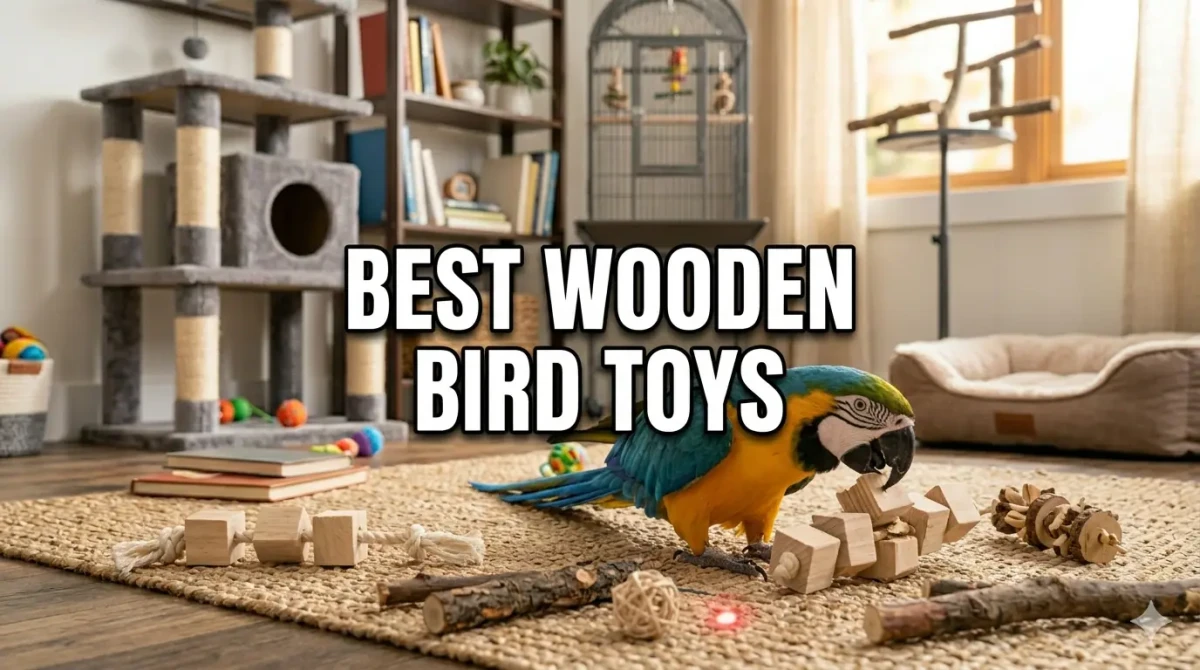
Understanding Wooden Bird Toys and Their Importance
Best wooden bird toys represent essential enrichment for pet birds of all species, providing natural chewing outlets, mental stimulation, and physical exercise that support overall avian health and wellbeing. Wood is a fundamental material in birds' natural environments, where wild parrots, cockatiels, conures, and other species spend hours daily gnawing, shredding, and manipulating branches, bark, and wooden structures. Replicating this natural behavior in captivity through appropriate wooden toys satisfies deep instinctual needs that, if unaddressed, can lead to behavioral problems including feather plucking, excessive screaming, aggression, and depression.
Wooden bird toys serve multiple critical functions beyond simple entertainment. They promote beak health by providing appropriate resistance that keeps beaks trimmed and strong, preventing overgrowth that can interfere with eating and preening. Chewing wood exercises jaw muscles, supports dental health, and provides mental enrichment that prevents boredom. Natural wood textures and flavors engage birds' senses in ways plastic or metal toys cannot, offering varied tactile experiences that maintain interest and encourage natural foraging behaviors.
This comprehensive guide covers everything you need to know about selecting the best wooden bird toys for your avian companion, from understanding wood safety and species appropriateness to evaluating quality construction and maintenance requirements. Whether you have a tiny budgie needing gentle wood options, a powerful macaw requiring heavy duty wooden toys, or any bird species in between, these expert recommendations will help you find natural wood toys that engage, delight, and provide excellent value while supporting your bird's long term physical and mental health.
Why Wooden Toys Are Essential for Pet Birds
Wooden toys address fundamental behavioral and physiological needs that are critical for captive bird health. In natural habitats, birds spend significant portions of their day manipulating wood through chewing, shredding, and nest building activities. These behaviors are not optional pastimes but essential activities that maintain physical health, mental sharpness, and emotional balance. Domestic birds retain these powerful instincts, and denying appropriate outlets creates frustration that manifests in numerous problematic ways.
The consequences of inadequate wooden enrichment extend beyond behavioral issues. Birds without appropriate chewing outlets often develop beak overgrowth requiring veterinary intervention, experience muscle atrophy from lack of jaw exercise, or develop stereotypic behaviors indicating psychological distress. Wooden toys provide the resistance and texture variety necessary for maintaining beak condition naturally, reducing or eliminating the need for artificial beak trimming procedures.
Wooden toys also support cognitive health through problem solving opportunities. Birds must figure out how to manipulate, destroy, or extract treats from wooden structures, engaging intelligence and preventing mental stagnation. This cognitive engagement is particularly important for highly intelligent species like African Greys, macaws, and cockatoos who require substantial mental challenges to remain psychologically healthy.
What Types of Wood Are Safe for Bird Toys?
Wood safety is paramount when selecting bird toys, as certain wood types contain toxic compounds that can cause serious illness or death. Understanding which woods are safe and which to avoid protects your bird from preventable health crises. Always verify wood type before purchasing wooden toys, and when in doubt, contact manufacturers for specific material information.
Safe wood types for bird toys include pine, balsa, maple, ash, apple, birch, poplar, willow, manzanita, dragon wood, java wood, and cactus wood. These woods are non toxic, offer varied hardness levels suitable for different species, and provide natural textures that birds find appealing. Untreated, kiln dried woods are ideal, as the kiln drying process eliminates pests and mold without chemical treatments.
Unsafe wood types to absolutely avoid include cherry, peach, plum, apricot, oak, redwood, cedar, and pressure treated woods. Stone fruit woods contain cyanogenic glycosides that release cyanide when chewed. Oak contains tannic acid that can cause kidney damage. Cedar and redwood contain aromatic oils that can cause respiratory irritation and liver damage. Pressure treated woods contain toxic chemicals including arsenic and copper compounds that are extremely dangerous to birds.
Always choose toys made from untreated, natural wood without paints, stains, or chemical preservatives. If wood is colored, verify that dyes are vegetable based and bird safe. Avoid woods with visible mold, mildew, or insect infestation, as these can cause respiratory and systemic illnesses.
How Does Wood Hardness Affect Toy Selection?
Wood hardness significantly impacts toy appropriateness for different bird species and individual chewing styles. Selecting wood with appropriate hardness ensures your bird can effectively interact with toys without frustration or injury while maximizing engagement and toy lifespan.
Soft woods like balsa, pine, and basswood are ideal for small birds including budgies, cockatiels, and lovebirds, as well as for larger birds who enjoy rapid destruction. These woods shred easily, providing immediate gratification for birds who enjoy demolishing toys quickly. Soft woods are also excellent for introducing young birds to wooden toys, as they require minimal effort to manipulate.
Medium hardness woods including maple, birch, and apple offer moderate resistance suitable for medium sized birds like conures, quakers, and smaller cockatoos. These woods provide substantial chewing challenges while remaining destructible within reasonable timeframes. Medium woods balance engagement and achievability, preventing frustration while maintaining interest through sustained effort.
Hard woods like manzanita, java wood, dragon wood, and oak alternatives provide extreme durability for powerful chewers including large macaws, hyacinth macaws, and moluccan cockatoos. These woods resist destruction, offering long lasting enrichment for birds who demolish softer woods in minutes. Hard woods also provide superior beak conditioning through sustained resistance.
Types of Wooden Bird Toys and Their Best Uses

Wooden bird toys come in diverse categories designed for different play styles, chewing preferences, and enrichment goals. Understanding these types helps you select toys that match your bird's individual needs and maximize engagement alongside longevity.
Chew toys form the foundation of wooden toy collections, consisting of untreated wood blocks, branches, or shaped pieces designed for destruction. These toys satisfy the fundamental urge to chew and shred, providing immediate behavioral outlet and beak maintenance. Chew toys work best for birds who enjoy demolition and need frequent toy replacement.
Foraging toys incorporate wood with hidden treat compartments, requiring birds to manipulate, chew, or problem solve to access food rewards. These toys combine physical manipulation with mental challenges, providing dual enrichment that prevents boredom more effectively than simple chew toys. Foraging toys excel for intelligent species needing cognitive stimulation.
Perch toys combine wooden perches with attached toys, creating multi functional enrichment that encourages foot use, balance, and manipulation. These toys promote physical exercise alongside chewing behavior, supporting overall fitness. Perch toys work well for birds who enjoy climbing and acrobatic play.
Shredding toys feature thin wood strips, palm leaves, or layered wood constructions designed for tearing apart. These toys appeal to birds who enjoy deconstruction and nest building behaviors, providing satisfying tactile experiences. Shredding toys are particularly engaging for species that naturally shred bark and wood in the wild.
Which Wooden Toys Work Best for Small Birds?
Small birds including budgies, cockatiels, lovebirds, and parrotlets have specific requirements for wooden toys that accommodate their size, beak strength, and play styles while ensuring safety.
Small diameter branches and dowels between one quarter and one half inch diameter provide appropriate chewing surfaces for small beaks. Balsa wood, pine, and soft maple offer gentle resistance that small birds can effectively manipulate without frustration. Avoid wood pieces too large for small birds to grip or chew effectively.
Lightweight wooden toys prevent injury if dropped or fallen on, and ensure small birds can manipulate toys without excessive effort. Look for toys specifically sized for small species, with components that cannot be swallowed or cause choking hazards. Small bells, beads, or accessories should be securely attached and appropriately sized.
Variety in texture and wood type maintains interest for curious small birds. Offer toys combining different woods, natural branches with bark, and smooth sanded surfaces to provide diverse tactile experiences. Rotate toys regularly to prevent habituation and maintain engagement.
What Wooden Toys Suit Large Powerful Chewers?
Large parrots including macaws, cockatoos, and African Greys require wooden toys engineered to withstand extreme chewing force while providing meaningful enrichment that justifies their powerful jaws.
Hard woods like manzanita, java wood, and dragon wood provide the durability necessary for large powerful chewers who destroy soft woods in minutes. These dense woods offer sustained resistance that challenges even the strongest beaks, providing long lasting enrichment and superior beak conditioning.
Large diameter branches and thick wood blocks accommodate large beaks and provide substantial material for extended chewing sessions. Look for toys with wood pieces at least one inch diameter or thicker, ensuring toys cannot be swallowed or destroyed too quickly. Thick construction also prevents accidental breakage that could create sharp edges or choking hazards.
Complex multi component toys combining wood with other safe materials like stainless steel, natural fibers, or leather provide varied enrichment that maintains interest longer than single material toys. Large birds benefit from toys offering multiple interaction methods including chewing, climbing, shredding, and foraging.
Safety Standards for Wooden Bird Toys

Safety must be the primary consideration when selecting wooden bird toys, as birds are extremely sensitive to toxins, physical hazards, and poor construction quality. Understanding safety standards and verification methods helps you protect your bird from preventable injuries and illnesses.
Non toxic wood verification is essential, requiring confirmation that woods are from safe species lists and have not been treated with pesticides, preservatives, or chemical stains. Reputable manufacturers explicitly state wood types used and confirm treatments or lack thereof. Always request this information if not clearly provided, and avoid products with vague descriptions like natural wood without species specification.
Construction quality impacts safety significantly. Wooden toys should feature smooth sanded surfaces without splinters, sharp edges, or rough spots that could injure mouths, feet, or skin. Joints and connections must be secure, using bird safe materials like stainless steel quick links rather than galvanized metals containing zinc, which is toxic to birds.
Size appropriateness prevents choking hazards and ensures toys can be effectively used. Components should be too large to swallow but appropriately sized for your bird to manipulate. Avoid toys with small detachable parts that could become lodged in crops or digestive tracts if separated during play.
How Do You Verify Wood Is Untreated and Safe?
Verifying wood treatment status requires diligence and sometimes direct communication with manufacturers, as visual inspection alone cannot detect chemical treatments that may be invisible but highly toxic to birds.
Purchase from reputable bird toy manufacturers who explicitly state woods are untreated, kiln dried, and chemical free. Look for certifications or guarantees of safety, and prefer companies specializing in bird products rather than general pet suppliers who may lack avian specific knowledge.
Kiln dried wood is preferable to air dried, as the kiln process reaches temperatures that eliminate pests, mold, and fungi without chemical treatments. Kiln drying also stabilizes wood, reducing warping and cracking that can create hazards. Verify kiln drying when possible, though many quality manufacturers use this process as standard.
Avoid wood collected from unknown sources including yard trimmings, construction scraps, or wild branches unless you can absolutely verify species and treatment history. Many landscaping companies treat wood with pesticides or preservatives that are extremely toxic to birds. When in doubt, purchase from trusted suppliers rather than risking exposure to unknown chemicals.
Inspect wood for unusual odors, discoloration, or visible treatments that might indicate chemical processing. Natural wood should smell like wood, not chemicals, paint, or preservatives. Any suspicious characteristics warrant avoiding the product or seeking clarification from the seller.
What Construction Features Indicate Quality Wooden Toys?
Quality construction distinguishes safe, durable wooden toys from hazardous products that may injure birds or fail quickly. Evaluating construction features helps you select toys providing value and safety.
Smooth, sanded surfaces without splinters, sharp edges, or rough spots indicate careful manufacturing prioritizing bird safety. Run your fingers over wood surfaces if possible before purchasing, or examine product photos closely for finish quality. Rough, unfinished wood can cause mouth injuries, foot problems, or skin irritation.
Secure attachments using bird safe hardware demonstrate quality construction. Stainless steel quick links, chains, and clasps resist corrosion and do not contain toxic metals like zinc or lead. Avoid galvanized metals, which are coated with zinc that birds can ingest through chewing, leading to heavy metal poisoning.
Appropriate sizing and proportion ensure toys are usable and safe. Components should be sized for your specific bird species, with nothing so small it could be swallowed or so large it cannot be manipulated. Well designed toys balance component sizes to maximize engagement while minimizing hazards.
Durable construction that withstands reasonable chewing without immediate failure indicates quality materials and assembly. While wooden toys are meant to be destroyed eventually, they should not fall apart prematurely or create hazardous sharp edges during normal use. Read reviews mentioning durability to gauge real world performance.
Introducing Wooden Toys to Your Bird

Successfully introducing wooden toys requires understanding that not all birds immediately embrace new objects, especially those with textures, scents, or appearances differing from familiar items. Patient, positive introduction strategies increase acceptance and maximize your investment in quality wooden toys.
Many birds, particularly those with limited toy exposure or negative past experiences, may initially fear or ignore wooden toys. This neophobia is normal and requires gradual desensitization rather than forced interaction. Pushing birds to accept toys before they are ready can create lasting aversions that make future introductions more difficult.
Understanding your bird's individual personality and preferences helps tailor introduction strategies. Confident, curious birds may investigate new toys immediately, while cautious individuals require slower approaches. Observing your bird's reactions and adjusting your strategy accordingly increases success rates and reduces stress for both bird and owner.
How Do You Encourage Birds to Use Wooden Toys?
Encouraging toy use requires creating positive associations and removing barriers to interaction through strategic placement, modeling behavior, and reward based training.
Place new wooden toys near your bird's favorite perches or feeding areas where they spend significant time, increasing exposure and opportunity for investigation. Initially position toys where your bird can observe and approach them without feeling threatened, avoiding forced close contact that may trigger fear.
Model toy interaction by manipulating toys yourself in your bird's presence, demonstrating that toys are safe and interesting. Birds are naturally curious and social, often investigating objects their flock members (including human caregivers) show interest in. Enthusiastic demonstrations can trigger investigative behavior in hesitant birds.
Use treats and positive reinforcement to create associations between wooden toys and rewards. Place favorite treats on or near toys, requiring your bird to interact with wood to access food rewards. Gradually increase required interaction, shaping behavior toward active toy use through successive approximations.
Rotate toys regularly to maintain novelty and interest. Even birds who initially embrace wooden toys may become habituated if the same toys remain available indefinitely. Maintain a toy rotation system, offering variety while preventing overwhelming choices that can cause decision paralysis.
What If Your Bird Ignores or Fears Wooden Toys?
Birds who ignore or fear wooden toys require patient, systematic desensitization and counter conditioning to overcome apprehension and develop positive associations with wood enrichment.
Begin with very small, non threatening wood pieces placed at distances where your bird remains comfortable. Gradually decrease distance over multiple sessions as your bird demonstrates relaxed body language, never progressing faster than your bird's comfort level allows. This systematic desensitization prevents overwhelming fear that can create lasting aversions.
Pair wood exposure with highly valued rewards like favorite treats, praise, or attention, creating positive associations through classical conditioning. Your bird learns to associate wooden toys with good things, gradually shifting emotional response from fear or indifference to anticipation and interest.
Try different wood types, textures, and toy styles if initial offerings fail to engage. Some birds prefer smooth sanded wood while others enjoy rough bark texture. Some like soft woods they can quickly destroy, while others prefer hard woods providing sustained challenge. Experimentation helps identify individual preferences.
Consult an avian behaviorist if fear persists despite patient efforts, as severe toy phobias may require professional intervention. Never force interaction or punish fear responses, as these approaches worsen anxiety and damage trust between you and your bird.
Maintaining and Replacing Wooden Bird Toys

Proper maintenance extends wooden toy lifespan while ensuring ongoing safety and hygiene. Wood naturally degrades through chewing, weather exposure, and bacterial growth, requiring regular inspection and timely replacement to prevent hazards.
Regular inspection identifies wear, damage, or contamination requiring attention before problems cause injury or illness. Examine wooden toys at least weekly, checking for splinters, sharp edges, loose components, mold, or excessive wear that compromises structural integrity or safety.
Cleaning wooden toys requires different approaches than plastic or metal toys, as wood is porous and can harbor bacteria, mold, or mites if not properly maintained. Understanding appropriate cleaning methods preserves wood integrity while ensuring hygiene.
How Do You Clean Wooden Bird Toys Safely?
Cleaning wooden bird toys requires methods that eliminate bacteria and contaminants without damaging wood or leaving toxic residues that could harm your bird.
Light cleaning for moderately soiled toys involves scrubbing with stiff brushes and hot water to remove debris, saliva, and food residue. Avoid soap or chemical cleaners that can penetrate wood pores and remain toxic to birds. Rinse thoroughly and allow complete drying in sunlight, which provides natural disinfection through UV exposure.
Deep cleaning for heavily soiled toys may require brief soaking in white vinegar solution (one part vinegar to one part water) followed by thorough rinsing and drying. Vinegar provides natural disinfection without toxic residues. Never use bleach on wooden toys, as it penetrates wood and remains toxic even after rinsing.
Sun drying after cleaning provides natural disinfection and helps prevent mold growth. Ultraviolet light kills bacteria and fungi while helping wood maintain integrity. Avoid artificial heat sources like ovens or dryers that can crack or warp wood.
Replace toys that cannot be adequately cleaned due to deep contamination, mold penetration, or structural degradation. Some wooden toys are intended for single use or short term use and should be replaced rather than cleaned when heavily soiled.
When Should You Replace Wooden Bird Toys?
Recognizing replacement timing prevents safety hazards while maximizing toy value and your bird's enrichment. Wooden toys are designed to be destroyed, but knowing when destruction creates hazards versus acceptable wear requires observation and judgment.
Replace toys immediately if they develop sharp edges, splinters, or points that could injure mouths, feet, or skin. Structural failure creating small pieces that could be swallowed or cause choking also requires immediate replacement. Never allow damaged toys to remain in cages hoping birds will finish destroying them safely.
Replace toys showing mold, mildew, or fungal growth that cannot be removed through cleaning. These organisms can cause respiratory infections and systemic illnesses in birds. Porous wood that has absorbed moisture and developed internal mold must be discarded even if surface appears clean.
Replace toys that have lost all engagement value, even if structurally intact. Birds who completely ignore toys gain no enrichment benefit, and cage space is better used for items providing mental and physical stimulation. Rotate or replace ignored toys with different types, textures, or styles that may better match your bird's preferences.
Maintain a toy budget and replacement schedule anticipating that wooden toys are consumable enrichment. Factor toy replacement into ongoing bird care costs, viewing regular replacement as investment in your bird's health and happiness rather than wasteful expense.
DIY Wooden Bird Toys and Natural Alternatives

Creating your own wooden bird toys or providing natural wood alternatives can be cost effective and allows complete control over materials and safety. However, DIY projects require knowledge of safe wood types, proper preparation methods, and construction techniques to ensure bird safety.
Making your own wooden toys enables customization for your bird's specific size, preferences, and chewing style while ensuring material safety through direct verification. DIY toys can be significantly less expensive than commercial products, particularly for large birds who destroy toys quickly requiring frequent replacement.
Natural branches and wood pieces collected from safe trees provide excellent enrichment at minimal cost. These natural options offer varied textures, diameters, and challenges that manufactured toys may not replicate. However, proper identification, collection, and preparation are essential to avoid toxic woods or contaminated materials.
How Do You Make Safe DIY Wooden Bird Toys?
Creating safe DIY wooden bird toys requires careful material selection, proper preparation, and bird safe construction techniques to ensure enrichment does not become hazard.
Source wood only from verified safe species lists, purchasing from lumber yards, pet supply stores, or reputable online suppliers who guarantee untreated, bird safe wood. Avoid using construction lumber, which is often treated with chemicals toxic to birds, or wood from unknown sources where treatment history cannot be verified.
Prepare wood by cutting to appropriate sizes, sanding thoroughly to remove splinters and sharp edges, and ensuring all surfaces are smooth and safe for bird contact. Use bird safe finishes if any, though untreated wood is generally preferable. Never use paints, stains, or sealants unless explicitly verified as bird safe and non toxic.
Assemble toys using bird safe hardware including stainless steel quick links, chains, and washers. Avoid galvanized metals containing zinc, lead weights, or any materials that could be toxic if chewed or ingested. Ensure all connections are secure but allow appropriate movement and manipulation for enrichment value.
Inspect DIY toys thoroughly before offering to your bird, checking for any hazards including loose components, sharp edges, or toxic materials. When in doubt about safety, consult experienced bird toy makers or avian veterinarians before use.
What Natural Wood Sources Are Safe for Birds?
Natural branches from safe trees provide excellent, cost effective enrichment when properly identified, collected, and prepared. Understanding which trees are safe and how to prepare branches protects your bird from toxic exposure and contaminants.
Safe tree species for branches include apple, ash, birch, cottonwood, dogwood, elm, fir, hawthorn, hazelnut, lilac, magnolia, maple, pear, pine, poplar, spruce, sycamore, and willow. These trees provide varied textures, hardness levels, and diameters suitable for different bird species and preferences.
Collect branches from areas away from roads, industrial sites, or areas that may have been sprayed with pesticides or herbicides. Avoid branches from trees showing signs of disease, fungal growth, or insect infestation. Select branches with interesting textures including bark, varying diameters, and natural curves that provide climbing and perching challenges.
Prepare collected branches by scrubbing thoroughly with water and stiff brushes to remove dirt, insects, and debris. Bake branches in oven at 200 to 250 degrees Fahrenheit for 30 to 60 minutes to kill any remaining pests, mold, or bacteria. Alternatively, freeze branches for 48 to 72 hours to eliminate insects, though this does not kill mold or bacteria.
Never collect branches from toxic trees including cherry, peach, plum, apricot, oak, redwood, cedar, yew, oleander, or any trees that may have been treated with chemicals. When uncertain about tree species, do not use the wood. Purchase from reputable suppliers specializing in bird safe branches if identification is uncertain.
Frequently Asked Questions About Wooden Bird Toys

How Often Should You Replace Wooden Bird Toys?
Replacement frequency depends on your bird's size, chewing intensity, toy quality, and wood hardness. Small birds using soft wood toys may need replacement weekly or even daily for enthusiastic destroyers. Large macaws with hard wood toys may get weeks or months of use from single toys.
Rather than following rigid schedules, inspect toys regularly and replace based on condition, safety, and engagement value. Toys presenting hazards through damage, mold, or wear require immediate replacement regardless of age. Toys that no longer engage your bird should be rotated or replaced even if structurally sound.
Budget for ongoing toy replacement as regular bird care expense, anticipating that quality wooden toys are consumable enrichment rather than permanent purchases. View frequent replacement as evidence your bird is receiving appropriate behavioral outlet and enrichment rather than wasteful expense.
Can You Use Driftwood for Bird Toys?
Driftwood can be used for bird toys if properly identified, cleaned, and prepared, but requires careful evaluation to ensure safety. Driftwood offers unique textures and shapes that many birds find appealing, but also presents specific risks requiring mitigation.
Verify driftwood species is from safe tree lists, as wood type does not change safety profile simply because it spent time in water. Avoid driftwood from unknown sources where original tree species cannot be identified, as toxic woods remain toxic regardless of water exposure.
Clean driftwood thoroughly by scrubbing with water and brushes to remove salt, sand, algae, and debris. Soak in fresh water for several days, changing water daily, to remove salt that could be harmful to birds. Bake or freeze to eliminate any organisms before offering to your bird.
Avoid driftwood from polluted waters, industrial areas, or locations that may have absorbed toxins. Driftwood from oceans may retain salt even after soaking, potentially causing health issues. When in doubt about source or safety, purchase prepared driftwood from reputable bird supply companies rather than collecting from uncertain locations.
Are Painted or Colored Wooden Toys Safe for Birds?
Painted or colored wooden toys can be safe if using bird safe, non toxic vegetable based dyes or paints, but many commercial colored toys use unsafe finishes that pose health risks. Verification of safety is essential before offering colored wood to your bird.
Safe coloring uses vegetable based dyes, food grade colors, or untreated natural wood variations. These colorings do not contain heavy metals, toxic chemicals, or harmful compounds that could poison birds through chewing and ingestion. Reputable manufacturers explicitly state coloring materials used and confirm bird safety.
Avoid toys with unknown paints, stains, or varnishes, as these often contain lead, zinc, or other heavy metals extremely toxic to birds. Even small amounts ingested through normal chewing can cause heavy metal poisoning requiring emergency veterinary treatment. Never assume colored wood is safe without explicit verification.
When in doubt, choose natural untreated wood toys that eliminate concerns about toxic finishes. Natural wood provides adequate enrichment without coloring, and many birds prefer natural textures and scents over artificially colored alternatives.
Conclusion

Selecting the best wooden bird toys requires understanding wood safety, species appropriateness, construction quality, and your individual bird's preferences and needs. While wooden toys are consumable enrichment requiring regular replacement, they provide irreplaceable behavioral outlet, physical exercise, and mental stimulation that support comprehensive avian health and wellbeing.
Remember that toy selection is an ongoing process requiring observation, adjustment, and rotation to maintain engagement and meet changing needs as your bird ages or develops new preferences. Regular inspection, proper cleaning, and timely replacement ensure wooden toys remain safe and beneficial rather than becoming hazards.
Your investment in quality wooden bird toys demonstrates commitment to your bird's physical health, mental wellbeing, and behavioral satisfaction. With the knowledge and strategies provided in this guide, you can confidently select natural wood toys that keep your avian companion engaged, healthy, and happy, supporting a fulfilling life together through appropriate enrichment honoring your bird's natural instincts and needs.
🐱 আরও পড়ুন: Bird Accessories and Toys

0 Comments