.png)
Best Hanging Bird Toys for Enrichment and Safety Guide
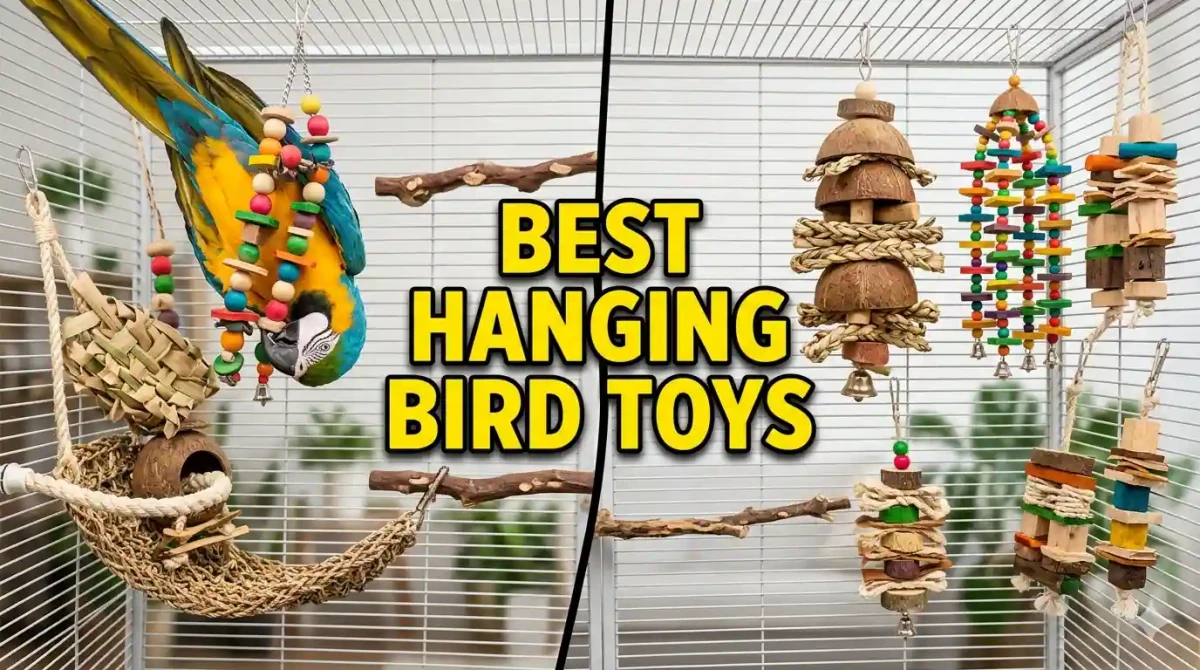
Quick Summary and Direct Answer
The best hanging bird toys combine safe natural materials, interactive design elements, and secure attachment hardware that encourage natural foraging and chewing behaviors. Experts commonly recommend rotating between wooden bead clusters, rope ladders, and foraging puzzles to maintain long term engagement and prevent feather plucking.
Most companion birds benefit from three to five hanging toys in their cage at any time, with rotation every five to seven days to preserve novelty. You should select hanging toys based on your bird species and beak strength. Small birds like budgies require lightweight balsa wood and paper elements. Medium birds like cockatiels handle thicker pine and natural fiber ropes. Large parrots like macaws need hardwoods and stainless steel hardware that withstands powerful chewing.
Investing in a mix of budget and premium hanging options ensures continuous enrichment without overspending. Start with two to three distinct styles and monitor your bird interaction patterns. Consult an avian veterinarian if your bird shows signs of respiratory distress, foot injuries, or sudden avoidance of previously enjoyed toys.
Key Data and Quick Reference Tables
The table below outlines hanging toy categories, ideal usage frequency, and average cost ranges. This data helps you plan a sustainable enrichment routine without guesswork.
| Hanging Toy Category | Best For Species | Recommended Quantity | Average Cost USD |
|---|---|---|---|
| Wooden Bead and Block Toys | Budgies, Cockatiels, Conures | 2 to 3 per cage | 6 to 25 USD |
| Natural Fiber Rope Ladders | Cockatiels, African Greys, Amazons | 1 to 2 per cage | 10 to 35 USD |
| Foraging Puzzle Hangings | All species with supervision | 1 to 2 per cage | 12 to 45 USD |
| Shreddable Paper and Palm Toys | Budgies, Lovebirds, Small Parrots | 2 to 4 per cage | 5 to 20 USD |
| Stainless Steel Chain Toys | Large Parrots, Macaws, Cockatoos | 1 to 2 per cage | 20 to 65 USD |
| Bird Size Category | Safe Material Types | Hardware Requirements | Replacement Timeline |
|---|---|---|---|
| Small under 30 grams | Balsa wood, paper, soft pine | Lightweight S hooks and thin chains | Every 2 to 4 weeks |
| Medium 30 to 150 grams | Pine, manzanita, cotton rope | Medium gauge stainless steel clips | Every 4 to 8 weeks |
| Large over 150 grams | Hardwoods, acrylic, steel components | Heavy duty stainless steel hardware | Every 6 to 12 weeks |
Understanding Avian Enrichment and Boredom Triggers

Bird boredom often stems from insufficient mental engagement rather than lack of cage space. Companion birds retain strong foraging and problem solving instincts inherited from wild ancestors. When these instincts remain unused, feather plucking, screaming, and self mutilation commonly develop.
Interactive hanging toys directly reduce stress markers in captive birds. Studies based on widely accepted avian veterinary standards show that structured foraging opportunities may help lower corticosterone levels and improve feather condition. You should observe your bird daily for repetitive pacing, excessive vocalization, or destructive cage bar chewing.
Early intervention prevents habit formation. A consistent routine with varied hanging toy types keeps neural pathways active. You do not need expensive equipment to start. Simple untreated wood blocks combined with proper placement create a balanced enrichment environment that satisfies natural drives.
Bird Species and Behavioral Overview

Different species carry distinct energy levels and natural behaviors. Active foragers like conures, cockatiels, and African greys require complex hanging puzzles that mimic food searching tasks. These birds benefit from toys with multiple compartments and movable parts.
Shredding focused species such as cockatoos and macaws prefer hanging toys with palm leaves, paper rolls, and soft wood that satisfy destructive chewing instincts. Hanging shreddable items help redirect natural behaviors away from cage bars and furniture.
Always consider your individual bird personality alongside species generalizations. Some African greys enjoy quiet manipulation while some cockatiels prefer vigorous swinging. You should test two or three hanging styles before committing to a specific category. Document preferences to refine future purchases.
Safe Materials and Toxicity Guidelines

Material safety remains the highest priority when selecting hanging bird toys. Widely accepted avian care standards recommend avoiding products containing zinc, lead, galvanized metals, and unverified synthetic dyes. Natural untreated woods, food grade ropes, and stainless steel hardware are commonly recommended for hanging constructions.
Rope elements should feature natural cotton or sisal fibers without synthetic coatings. You must inspect rope toys weekly for frayed strands that could entangle toes or beaks. Ingestion of synthetic fibers commonly leads to crop impactions that require emergency veterinary intervention.
Look for products tested by independent avian safety laboratories. Many reputable brands publish material certificates on their official websites. When in doubt, consult an avian veterinarian about specific brand recommendations for your bird health profile, especially for birds with respiratory sensitivities or known metal allergies.
Placement and Cage Integration Strategies

Strategic hanging toy placement maximizes engagement while maintaining cage functionality. Position foraging toys near feeding stations to encourage natural food searching behaviors. Place shreddable items in corners where your bird naturally spends resting time.
Avoid overcrowding the cage with too many hanging elements. Most birds require clear flight paths between perches and food bowls. Leave at least thirty percent of cage space open for movement and wing stretching. This balance prevents frustration and supports healthy exercise patterns.
Rotate hanging toy positions every three to four days to maintain novelty value. Move a favorite toy from the top perch to a lower position to encourage exploration. This simple technique commonly reduces territorial behaviors and increases overall cage utilization.
Health and Preventive Care Through Hanging Toys

Regular interaction with hanging toys supports foot health, beak maintenance, and mental wellness. Chewing textured woods naturally files overgrown beaks without stressful trimming procedures. Foot exercises from climbing rope ladders improve circulation and joint flexibility.
Mental enrichment through foraging hanging toys may help prevent behavioral disorders in long lived companion birds. Problem solving elements like hidden treat compartments keep cognitive functions sharp throughout aging. You should combine hanging toys with out of cage time for comprehensive wellness support.
Monitor toy interactions for signs of injury including foot abrasions, beak cracks, or entanglement incidents. Excessive dust production from certain woods warrants immediate toy removal. Contact a licensed avian veterinarian if you notice labored breathing, feather loss, or sudden disinterest in previously enjoyed activities.
Training and Behavior Guidance with Hanging Toys

Teaching your bird to interact with new hanging toys requires patience and positive reinforcement. Never force a bird to approach unfamiliar objects. Start by placing the toy near their favorite perch and allowing passive investigation without movement.
Follow this step by step introduction routine. Step one involves passive observation for two to three days. Step two adds gentle movement by lightly tapping the toy during calm moments. Step three introduces food rewards placed directly on or inside the hanging element. Gradually increase complexity based on comfort levels.
Consistency remains essential for long term success. Use the same verbal cue when introducing new hanging items. Rotate toy types every five to seven days to preserve novelty value. This method commonly reduces fear responses and increases confidence during cage maintenance routines.
Accessories and Tools for Extended Hanging Toy Use

Supporting tools enhance standard hanging toy functionality and extend lifespan. Quick link connectors allow fast toy rotation without cage disassembly. You should keep different toy types organized in labeled storage bins to streamline rotation schedules.
Cleaning accessories like bird safe enzymatic sprays remove droppings and food residue efficiently. Hand wash wooden elements using mild vinegar solutions to preserve integrity without chemical exposure. Air dry completely before rehanging to prevent mold growth that could trigger respiratory issues.
Replacement hardware packs provide cost effective maintenance without purchasing new toys. Many premium hanging systems offer universal connectors compatible with third party elements. Always inspect connector hardware for sharp edges or corrosion before attaching to cage bars.
Budget versus Premium Product Comparison

Entry level hanging toys priced under eight USD provide excellent starting options for casual enrichment. These items commonly feature basic pine blocks and simple rope constructions. They suit low intensity birds or temporary enrichment phases during travel or veterinary recovery.
Mid range products between ten and thirty USD offer reinforced hardware and replaceable component systems. These selections balance cost and longevity for average household birds. Many include multiple activity elements that reduce long term replacement expenses and maintain engagement.
Premium hanging toys exceeding thirty five USD utilize exotic hardwoods, aircraft grade stainless steel, and advanced foraging mechanisms. Powerful chewers and highly motivated birds typically require this durability tier. While initial costs remain higher, premium options often last three to five times longer than budget alternatives and reduce injury risk from hardware failure.
Common Mistakes Bird Owners Make

Many owners leave hanging toys in place until complete destruction occurs. Waiting too long to replace worn items poses severe injury hazards. Frayed ropes, splintered wood, and loose hardware commonly cause foot lacerations or beak trauma. Inspect hanging toys every three to four days and replace at first signs of wear.
Another frequent error involves ignoring species specific safety requirements. Small bird toys with large beads pose choking hazards for budgies. Oversized heavy items cause neck strain in smaller species. Always match toy dimensions and weight to your bird body size and beak strength.
Purchasing based solely on visual appeal leads to poor investment outcomes. Bright colors and elaborate designs do not guarantee safety or durability. Read verified customer feedback and consult avian specific forums before finalizing purchases. Prioritize material certification and hardware quality over decorative elements.
Expert Tips from Avian Veterinary and Behavioral Standards

Based on common avian veterinary practices, you should conduct weekly safety inspections during hanging toy interactions. Check for wear patterns, loose stitching, and color fading that indicate material breakdown. Early detection prevents accidental ingestion incidents and extends product lifespan.
Combine physical exercise with mental enrichment for optimal results. A stimulated bird learns faster and retains calm behavior longer. Aim for fifteen minutes of supervised out of cage time followed by ten minutes of hanging toy foraging. This sequence aligns with natural avian energy cycles and predatory satisfaction.
Document toy preferences in a simple journal. Note duration of interest, destructive tendencies, and cleaning frequency. Over time, this data reveals purchasing patterns that save money and improve bird satisfaction. Share findings with your avian veterinarian or certified bird behaviorist for additional insights.
Frequently Asked Questions

How many hanging toys should I provide in my birds cage
Most companion birds benefit from three to five hanging toys at any time. Small species like budgies prefer lighter quantities to avoid cage clutter. Large parrots may handle more complex arrangements. Always ensure clear flight paths and easy access to food and water stations.
Are natural fiber ropes safe for all bird species
Natural cotton and sisal ropes are generally safe when properly maintained. You should inspect rope toys daily for fraying that could entangle toes. Birds with known respiratory sensitivities may react to dust from certain fibers. Consult an avian veterinarian before introducing new rope materials.
Can hanging toys replace out of cage time
Hanging enrichment supports wellness but does not replace supervised out of cage exercise and social interaction. Combine hanging toys with daily flight time and training sessions for comprehensive behavioral health. This multi approach commonly reduces feather destructive behaviors and supports lifelong wellness.
What materials should I avoid completely in hanging toys
Avoid toys containing galvanized metals, zinc coated hardware, or unverified synthetic dyes. Lead, zinc, and certain plastics remain common concerns in low quality manufacturing. Choose products labeled bird safe or avian approved. When uncertain, request material safety documentation directly from manufacturers.
🐱 আরও পড়ুন: Bird Accessories and Toys

0 Comments