.png)
Best Rope Toys for Parrots and Complete Buying Guide
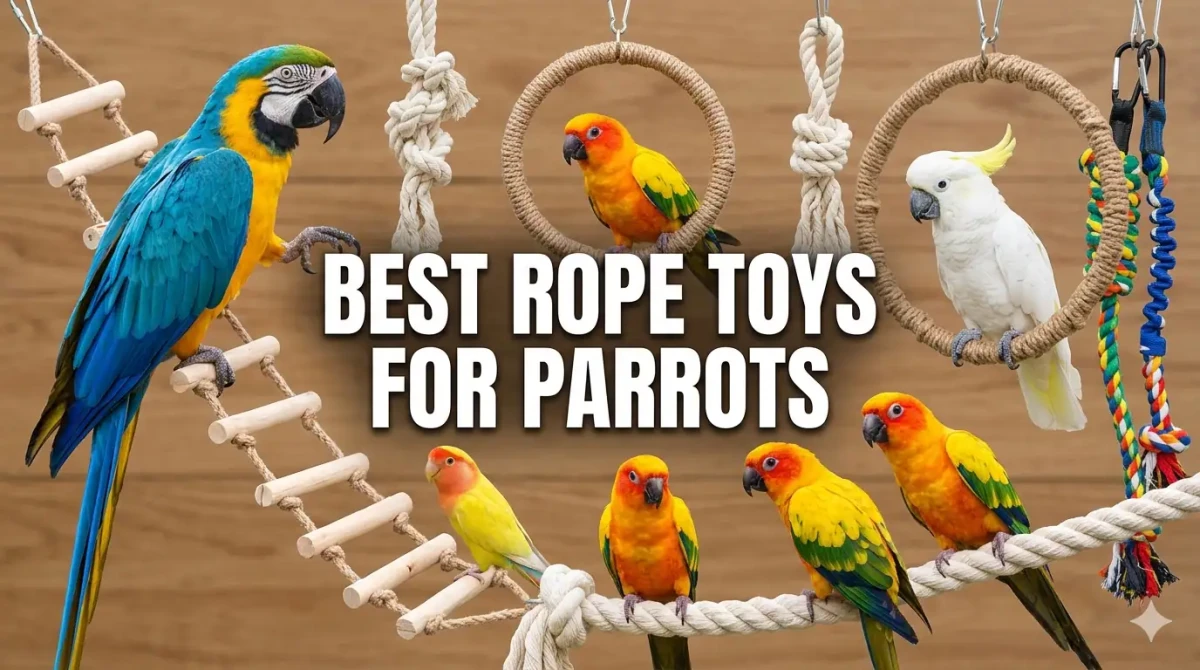
Introduction to Parrot Rope Toys
Rope toys have become essential enrichment items for pet parrots, offering unique benefits that support physical health, mental stimulation, and natural behaviors. The best rope toys for parrots combine safe natural materials, appropriate sizing, and engaging designs that encourage climbing, chewing, swinging, and playing. Understanding what makes quality rope toys helps bird owners select products that provide safe, long-lasting enrichment while supporting their feathered companion health and wellbeing.
Parrots are intelligent, active birds with strong instincts to climb, explore, and manipulate objects with their beaks and feet. Rope toys satisfy these natural behaviors while providing texture variety, foot exercise, and beak maintenance opportunities. From small parakeets to large macaws, parrots of all sizes benefit from appropriately designed rope toys that challenge their minds and strengthen their bodies.
This comprehensive guide explores everything you need to know about selecting the best rope toys for parrots, from understanding material safety and construction quality to matching toys with your parrot size, species, and play preferences. Whether you have a tiny budgie, a medium cockatiel, or a massive hyacinth macaw, choosing appropriate rope toys ensures safe, enjoyable enrichment that supports physical health, mental stimulation, and behavioral satisfaction.
Benefits of Rope Toys for Parrots
Rope toys offer numerous advantages that extend far beyond simple entertainment, making them essential tools for comprehensive parrot care and enrichment. Understanding these benefits helps bird owners appreciate why rope toys deserve prominence in their parrot toy collection.
What are the main benefits of rope toys for parrots?
Foot health and exercise represent primary benefits of rope toys for parrots. Climbing, perching, and manipulating rope toys strengthens foot muscles, improves circulation, and helps prevent bumblefoot, a common and painful condition in captive parrots. The varied texture of rope provides different pressure points compared to smooth wooden perches, promoting better foot health and preventing pressure sores that develop from standing on uniform surfaces.
Beak maintenance and natural chewing behaviors are satisfied through rope toy interaction. Parrots have continuously growing beaks that require regular wear through chewing and manipulation. Rope fibers provide appropriate resistance for beak exercise while satisfying the instinctual need to shred and destroy materials. This natural behavior prevents beak overgrowth and provides mental satisfaction that reduces stress and boredom-related problems.
Mental stimulation and problem solving occur as parrots figure out how to climb rope ladders, navigate rope bridges, or manipulate knotted rope toys. The challenge of mastering these toys engages their intelligence and prevents boredom that can lead to feather plucking, screaming, and other behavioral issues. Rope toys that can be rearranged or reconfigured provide ongoing novelty that maintains interest over time.
Types of Rope Toys for Parrots

The rope toy market offers diverse options designed for different purposes, parrot sizes, and enrichment goals. Understanding the various types helps you select the most appropriate toys for your individual parrot needs and cage setup.
What types of rope toys are best for different parrots?
Rope perches provide flexible, comfortable resting spots that conform to parrot feet naturally. These perches can be straight, coiled, or shaped into various configurations, offering texture variety and foot exercise different from traditional wooden dowels. Rope perches work well as primary perches or supplementary options, and their flexibility allows creative cage arrangement. They are particularly beneficial for older parrots or those with arthritis, as the soft texture reduces pressure on joints.
Rope ladders and bridges create climbing challenges that encourage exercise and exploration. These toys typically feature rope sides with wooden or rope rungs, creating structures parrots can climb, hang from, and navigate. Rope ladders promote upper body strength, coordination, and confidence while providing entertainment. They work well in larger cages or play gyms where parrots have space to climb and explore.
Rope swings and hanging toys combine rope construction with beads, bells, or wooden blocks to create dynamic enrichment. These toys move when touched, providing sensory feedback and encouraging interaction. The swinging motion mimics natural branch movement, creating realistic challenges that engage parrot instincts. Rope swings suit parrots who enjoy motion and provide excellent foot and beak exercise.
Knotted rope toys and shredders feature various knots, loops, and textures that parrots can chew, unravel, and destroy. These toys satisfy the strong instinct to shred while providing hours of entertainment. As parrots work to untie knots or pull apart rope fibers, they engage problem-solving skills and experience the satisfaction of destruction that is natural to their species.
Safety Considerations for Rope Toys

Safety must be the primary concern when selecting and using rope toys for parrots. Understanding potential hazards and how to mitigate them ensures your parrot enjoys rope toys without unnecessary risks.
What safety factors should you consider with rope toys?
Material composition significantly impacts rope toy safety. Natural fibers like cotton, sisal, hemp, and jute are generally safest for parrots as they are biodegradable and less likely to cause intestinal blockages if ingested. However, even natural fibers can pose risks if long strands are swallowed. Avoid synthetic ropes made from nylon, polyester, or plastic as these do not break down in the digestive system and can cause fatal impactions. Always select toys made from 100 percent natural, untreated fibers without chemical dyes or preservatives.
Fiber length and fraying require careful monitoring as loose strands can wrap around toes, legs, or wings causing circulation problems or injury. Long fibers can also be ingested and cause crop impaction or intestinal blockages. Inspect rope toys daily for fraying, and trim loose strands immediately. Replace toys that show excessive wear or shedding. Never leave severely frayed rope toys in the cage, as the risk of entanglement or ingestion increases dramatically with deterioration.
Dye and chemical safety is crucial as many rope toys are colored with dyes that may be toxic to parrots. Only purchase rope toys labeled as using vegetable-based, food-grade, or bird-safe dyes. Undyed natural rope eliminates this concern entirely and is often the safest choice. Avoid toys with strong chemical odors, bright artificial colors that bleed when wet, or any indication of chemical treatment.
Choosing the Right Rope Toy for Your Parrot

Matching rope toys to your parrot individual characteristics ensures maximum engagement and enjoyment while maintaining appropriate safety and challenge levels.
How do you choose the best rope toy for your parrot?
Size appropriateness is critical for both safety and usability. Small parrots like budgies, cockatiels, and lovebirds need rope toys with diameters of one-quarter to one-half inch that they can comfortably grip and climb. The rope should not be so thick that small feet cannot wrap around it securely. Medium parrots including conures, caiques, and mini macaws require rope diameters of one-half to three-quarters inch that provide substantial support without being too bulky. Large parrots like African greys, Amazons, and standard macaws need thick rope of three-quarters to one inch diameter or larger that can support their weight and withstand powerful beaks.
Species and behavior patterns influence rope toy selection. Climbing species like macaws and conures benefit from rope ladders, bridges, and climbing structures that satisfy their natural inclination to scale and explore. Chewing-focused species like cockatoos need heavy-duty rope toys that can withstand intense destruction. Foot-sensitive species or older parrots benefit from soft rope perches that provide comfortable resting spots. Understanding your parrot natural behaviors helps select toys that will be used and enjoyed.
Cage size and setup determine which rope toys are practical. Large cages can accommodate rope ladders, swings, and multiple rope perches without crowding. Smaller cages may only have room for one or two strategically placed rope perches or a small hanging rope toy. Consider your cage dimensions and existing setup when selecting rope toys to ensure they fit appropriately without restricting flight space or creating hazards.
Material Quality and Construction

The materials used in rope toy construction directly impact safety, durability, and overall value. Understanding material differences helps you make informed purchasing decisions.
What materials make the best rope toys for parrots?
Cotton rope is the most popular choice for parrot toys due to its softness, flexibility, and relative safety if ingested. Natural cotton is biodegradable and breaks down in the digestive system better than synthetic materials. Look for 100 percent natural, unbleached cotton without chemical treatments. Cotton rope is gentle on feet and beaks, making it suitable for all parrot sizes. However, cotton can fray relatively quickly requiring frequent inspection and replacement.
Sisal rope offers superior durability and resistance to fraying compared to cotton, making it ideal for aggressive chewers and large parrots. Sisal is a natural fiber derived from agave plants and provides excellent texture for foot exercise and beak maintenance. It is stronger than cotton and maintains its integrity longer under heavy use. However, sisal is rougher and may be too harsh for small parrots or birds with sensitive feet. Always ensure sisal rope is natural and untreated.
Hemp rope combines durability with softer texture, offering a middle ground between cotton and sisal. Hemp is naturally strong, resistant to mold and mildew, and provides good traction for climbing. It is more durable than cotton while remaining relatively soft on feet. Hemp is an excellent choice for medium to large parrots who need durable toys but may find sisal too rough. Like all natural fibers, hemp should be untreated and free from chemical additives.
Jute rope is similar to sisal but slightly softer, providing good durability with moderate texture. Jute works well for medium-sized parrots and offers natural color and texture variety. It is biodegradable and generally safe, though it can fray moderately requiring regular inspection.
Maintenance and Inspection

Proper maintenance extends rope toy lifespan while ensuring continued safety for your parrot. Regular inspection is critical as rope toys can deteriorate quickly under constant use.
How do you maintain and inspect rope toys?
Daily inspection prevents accidents by identifying hazards before they cause injury. Examine rope toys every day before allowing parrot access, checking for fraying, loose strands, thinning areas, broken knots, or weakened attachment points. Remove toys showing any signs of deterioration immediately, as damaged rope poses entanglement, ingestion, and injury hazards. Even high-quality rope toys have finite lifespans and require replacement when they show excessive wear.
Trimming loose strands maintains safety between replacements. Use sharp scissors to carefully cut frayed fibers close to the main rope body, being careful not to cut into the structural integrity of the toy. Never pull loose strands as this can unravel the entire toy. Regular trimming extends usable life while maintaining safety, but recognize when trimming is no longer sufficient and replacement becomes necessary.
Cleaning rope toys removes dust, droppings, and food debris that accumulate during use. Hand wash natural fiber rope toys in warm water with mild, bird-safe detergent, working soap through the fibers thoroughly. Rinse completely to remove all soap residue that could irritate your parrot respiratory system or skin. Squeeze out excess water without wringing, which can damage the rope structure, then air dry completely in sunlight if possible. Sunlight helps disinfect naturally. Never return damp rope toys to the cage as moisture promotes bacterial and fungal growth.
Replacement frequency depends on parrot size, chewing intensity, and toy quality. Small parrots may use rope toys for weeks or months before replacement is needed. Large, aggressive chewers like macaws and cockatoos may destroy rope toys in days requiring very frequent replacement. Always prioritize safety over economy, removing damaged toys immediately regardless of cost. Budget for regular rope toy replacement as an essential aspect of responsible parrot ownership.
Common Mistakes to Avoid

Even well-intentioned parrot owners can make errors when selecting or using rope toys. Avoiding these pitfalls ensures safe, enjoyable enrichment.
What mistakes should you avoid with rope toys?
Using synthetic rope materials is perhaps the most dangerous mistake. Nylon, polyester, and plastic ropes do not break down if ingested and can cause fatal intestinal blockages. These materials can also melt if chewed extensively, creating additional hazards. Always verify that rope toys are made from 100 percent natural fibers before purchasing. When in doubt, contact manufacturers directly to confirm material composition.
Ignoring fraying and wear creates unnecessary risks. Rope toys will inevitably fray with use, but allowing excessive deterioration invites entanglement, ingestion, and injury. Inspect daily and replace promptly when wear becomes significant. Do not wait for complete destruction before replacing toys, as the danger increases as toys deteriorate.
Choosing inappropriate sizes for your parrot leads to safety issues or lack of use. Rope that is too thick cannot be gripped securely by small parrots, creating fall risks. Rope that is too thin cannot support large parrots and may break under their weight. Always match rope diameter to your parrot size and weight, erring on the side of slightly thicker for safety.
Leaving rope toys in cages of birds who ingest foreign materials requires extreme caution. Some parrots, particularly those with behavioral issues or certain species like cockatoos, may intentionally swallow rope fibers. If your parrot has a history of eating non-food items, avoid rope toys entirely or use only under direct supervision. The risk of crop impaction or intestinal blockage is too severe to ignore.
Overcrowding cages with too many rope toys reduces usable space and can create entanglement hazards. While rope toys provide excellent enrichment, parrots also need flight space and variety in perch types. Balance rope toys with wooden perches, foraging toys, and open space to create well-rounded enrichment without creating a tangled, hazardous environment.
Rope Toys for Different Parrot Sizes

Selecting rope toys appropriate for your parrot size ensures safety and maximizes enjoyment. Different sizes require different specifications.
What rope toys work best for different sized parrots?
Small parrots including budgies, cockatiels, lovebirds, and parrotlets need lightweight rope toys with diameters of one-quarter to one-half inch. These small birds benefit from soft cotton rope that is gentle on delicate feet and easy to climb. Rope perches, small rope ladders, and knotted cotton toys provide appropriate challenge without overwhelming small bodies. Avoid thick, heavy rope that small parrots cannot grip securely or may find intimidating.
Medium parrots like conures, caiques, quakers, and mini macaws require moderate rope thickness of one-half to three-quarters inch. These active, intelligent birds benefit from varied rope toys including ladders, swings, bridges, and shredding toys. Cotton and hemp ropes work well for medium parrots, providing durability while remaining manageable. Medium parrots often enjoy rope toys combined with wooden beads or blocks that provide additional chewing opportunities.
Large parrots including African greys, Amazons, cockatoos, and macaws need heavy-duty rope toys with diameters of three-quarters to one and one-half inches or thicker. These powerful birds require sisal or thick hemp rope that can withstand intense chewing and support substantial weight. Large parrots benefit from substantial rope perches, climbing ladders, and heavy-duty shredding toys designed specifically for their size and strength. Never use thin rope with large parrots as it can break under their weight or be destroyed too quickly to provide value.
DIY Rope Toys for Parrots

Creating homemade rope toys allows customization for your parrot preferences while ensuring material safety and controlling costs.
How can you make safe DIY rope toys?
Simple knotted rope toys can be made by cutting lengths of natural cotton or hemp rope and tying various knots throughout. Use bird-safe wooden beads between knots for added interest. Ensure all knots are tight and secure, and trim ends to prevent excessive fraying. These toys are inexpensive to make and can be customized to your parrot size and preferences.
Rope perches can be created by coiling thick natural rope and securing it to wooden dowels or cage bars. This allows you to create custom-sized perches that fit your specific cage setup. Use stainless steel hardware to attach rope perches securely, ensuring no sharp edges contact your parrot.
Rope ladders can be constructed by braiding or twisting two parallel rope lengths and inserting wooden dowels as rungs at regular intervals. Secure rungs with bird-safe knots or stainless steel hardware. DIY rope ladders allow you to customize length and rung spacing for your parrot size.
Always use 100 percent natural, untreated rope for DIY projects. Never use rope from hardware stores that may be treated with chemicals, preservatives, or synthetic materials. Purchase rope specifically labeled as safe for birds or use rope from reputable bird toy suppliers.
Frequently Asked Questions

Are rope toys safe for all parrots?
Rope toys can be safe for most parrots when selected carefully, used appropriately, and monitored closely. However, safety depends on using 100 percent natural fibers, choosing appropriate sizes, inspecting daily for wear, and replacing toys promptly when damaged. Some individual parrots, particularly those with a history of ingesting non-food items or certain species prone to this behavior like cockatoos, may not be suitable candidates for rope toys. Always supervise initial introductions to rope toys and monitor your parrot behavior closely. Consult an avian veterinarian if you have concerns about your parrot specific safety needs.
How often should rope toys be replaced?
Rope toys should be replaced as soon as they show signs of significant wear including excessive fraying, thinning, broken strands, or weakened structure. For small parrots with gentle chewing, rope toys may last several weeks to months. Medium parrots may require replacement every few weeks. Large, aggressive chewers like macaws and cockatoos may destroy rope toys in days requiring very frequent replacement. Always prioritize safety over economy, removing damaged toys immediately regardless of how recently they were purchased. Daily inspection helps identify when replacement becomes necessary.
Can rope toys replace wooden perches?
No, rope toys should complement rather than replace wooden perches in parrot cages. While rope perches provide excellent foot exercise and texture variety, parrots benefit from diverse perch types including natural wood branches of varying diameters, cement perches for nail maintenance, and flat perches for resting. A variety of perch textures and diameters promotes optimal foot health and prevents pressure sores. Rope perches should comprise no more than twenty-five to thirty percent of total perching space, with the remainder being natural wood and other appropriate materials.
What should you do if your parrot ingests rope fibers?
If you observe or suspect your parrot has ingested rope fibers, contact an avian veterinarian immediately for guidance. Monitor closely for symptoms including regurgitation, loss of appetite, lethargy, abdominal swelling, or changes in droppings, which may indicate crop impaction or intestinal blockage requiring emergency treatment. Do not attempt home remedies unless specifically instructed by your veterinarian. Prevention through careful supervision, daily inspection, and prompt replacement of frayed toys remains the best strategy for avoiding this dangerous situation.
Are colored rope toys safe for parrots?
Colored rope toys can be safe when made with vegetable-based, food-grade, or bird-safe dyes from reputable manufacturers. However, many inexpensive rope toys use chemical dyes that may be toxic to parrots. When possible, choose natural, undyed rope toys which eliminate dye-related risks entirely. If selecting colored toys, purchase only from trusted bird toy manufacturers who explicitly state their products use safe, non-toxic dyes. Avoid toys with strong chemical odors or colors that bleed when wet, as these indicate potentially harmful dye processes.
Can baby parrots use rope toys?
Yes, baby and young parrots can use rope toys, but they require age-appropriate options and close supervision. Select soft, natural cotton rope toys with minimal fraying potential for young birds. Baby parrots are learning coordination and may be more prone to entanglement, so always supervise rope toy use. Ensure rope diameter is appropriate for small developing feet. Use rope toys as enrichment and exercise tools, but limit session duration to prevent overexertion. Never leave baby parrots unsupervised with rope toys.
Conclusion

Selecting the best rope toys for parrots requires careful consideration of material safety, appropriate sizing, construction quality, and your individual parrot needs and behaviors. When chosen appropriately and maintained properly, rope toys provide exceptional value through foot health support, beak maintenance, mental stimulation, and natural behavior enrichment that enhances your parrot overall quality of life.
Remember that rope toys require vigilant maintenance and are not set-and-forget enrichment items. Responsible parrot ownership means inspecting rope toys daily, trimming loose strands promptly, and replacing toys immediately when wear becomes significant. Never compromise safety for convenience or cost, as the risks of entanglement, ingestion, or injury from deteriorated rope toys are severe and potentially fatal.
By following the guidelines in this comprehensive guide, you can confidently select rope toys that provide safe, enjoyable enrichment while supporting your parrot physical health, mental wellbeing, and natural behaviors. Quality rope toys represent worthwhile investments in your parrot happiness and health, delivering countless hours of climbing, chewing, and playing when used responsibly and maintained with the diligence your feathered friend deserves.
🐱 আরও পড়ুন: Bird Accessories and Toys

0 Comments