.png)
Best Shredding Toys for Birds Complete Enrichment Guide
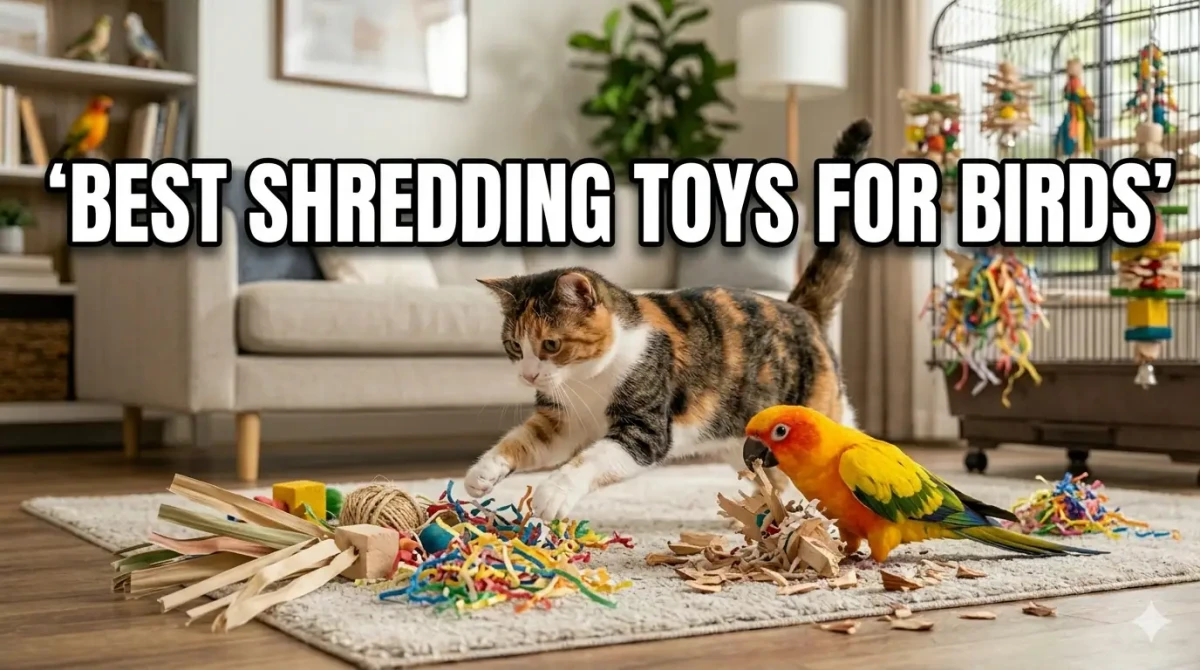
Understanding Shredding Toys for Birds and Their Importance
Best shredding toys for birds represent essential enrichment tools that satisfy natural instincts, support mental health, and promote physical wellbeing in captive avian companions. Shredding behaviors are deeply ingrained in wild birds who spend hours daily manipulating bark, leaves, twigs, and plant materials to build nests, forage for food, and maintain beak health. In captivity, shredding toys provide safe, appropriate outlets for these instincts that prevent boredom, reduce stress-related behaviors like feather plucking, and keep beaks naturally trimmed through appropriate wear.
The connection between shredding enrichment and avian welfare is well documented through behavioral research and experienced avian caretaker practices. Birds with regular access to appropriate shredding materials show reduced stereotypic behaviors, improved feather condition, better beak maintenance, and enhanced overall activity levels. When shredding toys are selected thoughtfully and rotated regularly, they provide ongoing mental stimulation that prevents the cognitive decline and behavioral problems common in under-stimulated captive birds.
This comprehensive guide covers everything you need to know about selecting and using the best shredding toys for birds, from understanding species-specific shredding preferences and evaluating material safety to implementing rotation strategies that maintain long-term engagement. Whether you have a small budgie who loves paper shredding, a medium conure who enjoys palm leaf destruction, or a large macaw who demands substantial wood challenges, these expert recommendations will help you choose shredding toys that provide safe, satisfying enrichment for your feathered companion.
Why Shredding Toys Matter for Bird Health and Behavior
Shredding toys address fundamental behavioral and physiological needs that are critical for captive bird health. In natural habitats, birds spend significant portions of their day manipulating materials through shredding, tearing, and chewing activities. These behaviors are not optional pastimes but essential activities that maintain physical health, mental sharpness, and emotional balance. Domestic birds retain these powerful instincts, and denying appropriate outlets creates frustration that manifests in numerous problematic ways.
The consequences of inadequate shredding enrichment extend beyond behavioral issues. Birds without appropriate shredding outlets often develop beak overgrowth requiring veterinary intervention, experience muscle atrophy from lack of jaw exercise, or develop stereotypic behaviors indicating psychological distress. Shredding toys provide the resistance and texture variety necessary for maintaining beak condition naturally, reducing or eliminating the need for artificial beak trimming procedures.
Shredding toys also support cognitive health through problem-solving opportunities. Birds must figure out how to manipulate, destroy, or extract treats from shreddable structures, engaging intelligence and preventing mental stagnation. This cognitive engagement is particularly important for highly intelligent species like African Greys, macaws, and cockatoos who require substantial mental challenges to remain psychologically healthy.
What Makes Shredding Behavior Essential for Birds?
Shredding behavior serves multiple critical functions in avian life that extend beyond simple entertainment. Understanding these functions helps bird owners appreciate why shredding toys are necessities rather than luxuries for captive birds.
Beak maintenance represents a primary function of shredding behavior. Birds' beaks grow continuously throughout life and require regular wear through manipulation of appropriate materials to maintain proper length and shape. Shredding toys provide the resistance necessary for natural beak trimming while preventing overgrowth that can interfere with eating, preening, and climbing.
Mental stimulation through shredding prevents boredom and cognitive decline. The process of selecting, manipulating, and destroying shreddable materials engages problem-solving skills, maintains neural pathways, and provides the satisfaction of accomplishment that wild birds experience through nest building and foraging. This mental engagement is particularly crucial for intelligent species prone to boredom-related behavioral problems.
Stress reduction through shredding provides emotional regulation for captive birds. The rhythmic, repetitive nature of shredding activities releases endorphins that calm birds and reduce anxiety. Birds with regular shredding opportunities show fewer stress-related behaviors including feather plucking, screaming, and aggression.
Types of Shredding Toys for Birds

Shredding toys for birds come in diverse categories designed for different species, shredding preferences, and enrichment goals. Understanding these types helps you select toys that match your bird's individual needs and maximize engagement alongside longevity.
Paper-based shredding toys include cardboard tubes, paper rolls, unprinted paper bags, and shredded paper bundles. These toys are ideal for small to medium birds who enjoy rapid destruction and provide immediate gratification for birds who prefer quick shredding sessions. Paper toys are affordable, safe if ingested in small amounts, and excellent for introducing shredding behaviors to young birds.
Palm leaf and natural fiber shredding toys feature dried palm leaves, seagrass, raffia, or other plant fibers woven or bundled for shredding. These toys offer varied textures and moderate durability that appeals to birds who enjoy sustained shredding sessions. Palm leaf toys work well for medium to large birds who appreciate the challenge of working through fibrous materials.
Wood-based shredding toys include untreated wood blocks, branches, balsa wood pieces, and soft wood chunks designed for destruction. These toys provide substantial resistance for birds who enjoy prolonged chewing and shredding activities. Wood toys work best for medium to large birds with powerful beaks who benefit from the dental exercise and extended engagement.
Combination shredding toys integrate multiple materials like paper, wood, and natural fibers with foraging elements such as hidden treats or puzzle components. These toys provide comprehensive enrichment that combines shredding satisfaction with cognitive challenges and food rewards. Combination toys excel for intelligent birds who benefit from multi-layered enrichment experiences.
Which Shredding Materials Are Safest for Birds?
Material safety is paramount when selecting shredding toys for birds, as inappropriate materials can cause serious illness or death. Understanding which materials are safe and which to avoid protects your bird from preventable health crises.
Safe shredding materials include untreated natural woods like balsa, pine, maple, apple, birch, poplar, willow, and manzanita. These woods are non-toxic, offer varied hardness levels suitable for different species, and provide natural textures that birds find appealing. Untreated, kiln-dried woods are ideal, as the kiln drying process eliminates pests and mold without chemical treatments.
Paper products including unprinted cardboard, plain paper bags, paper towel rolls, and shredded unbleached paper are safe for most birds. These materials provide immediate shredding satisfaction and are harmless if ingested in small amounts. Always avoid printed paper, glossy paper, or paper with adhesives, inks, or chemical treatments that could be toxic.
Natural fibers like palm leaves, seagrass, raffia, coconut fiber, and untreated cotton are excellent shredding materials that offer varied textures and moderate durability. These materials are generally safe if ingested in small amounts and provide satisfying shredding experiences for birds who enjoy fibrous textures.
Avoid unsafe materials including pressure-treated woods, woods from stone fruit trees (cherry, peach, plum), cedar, redwood, oak, or any woods treated with pesticides, preservatives, or chemical stains. Avoid paper with inks, dyes, adhesives, or chemical coatings. Avoid synthetic fibers, plastics, or materials that could cause intestinal blockage if ingested.
How Do You Match Shredding Toys to Your Bird's Species?
Different bird species have varying shredding preferences, beak strengths, and safety requirements that influence toy selection. Understanding these species-specific considerations helps you customize shredding enrichment for your individual bird's needs.
Small birds including budgies, cockatiels, and lovebirds benefit from lightweight paper toys, thin cardboard tubes, and soft balsa wood pieces that provide shredding satisfaction without requiring excessive force. These species enjoy rapid destruction and benefit from frequent toy rotation to maintain interest. Avoid materials too large or hard for small beaks to manipulate effectively.
Medium birds including conures, quakers, and small cockatoos enjoy palm leaf toys, medium-density wood blocks, and combination shredding toys that provide moderate challenge and extended engagement. These species appreciate varied textures and benefit from toys that combine shredding with foraging elements to maximize mental stimulation.
Large birds including macaws, large cockatoos, and African Greys require substantial wood toys, thick palm leaf bundles, and heavy-duty combination shredding toys that withstand powerful beaks while providing meaningful challenge. These species benefit from toys that require sustained effort to destroy, providing extended engagement and substantial beak exercise.
Evaluating Quality and Safety in Shredding Toys

Selecting high-quality shredding toys for birds requires evaluating specific characteristics that impact safety, durability, and enrichment value. Understanding these quality indicators helps bird owners choose products that deliver genuine benefits while avoiding inferior alternatives that waste money or compromise bird health.
Material transparency represents a non-negotiable priority. Quality shredding toys explicitly list wood species, fiber sources, and any treatments or dyes used. Avoid products that mention natural materials without specifying types or treatments, as unknown materials may include toxic woods or chemical treatments harmful to birds.
Construction quality impacts safety and longevity. Quality shredding toys feature secure attachments using bird-safe materials like stainless steel quick links rather than galvanized metals containing zinc. Joints and connections must be secure without small detachable parts that could become choking hazards if separated during shredding.
Appropriate sizing prevents choking hazards and ensures toys can be effectively used. Components should be too large to swallow but appropriately sized for your bird to manipulate. Avoid toys with small detachable parts that could become lodged in crops or digestive tracts if separated during shredding.
What Safety Standards Should Bird Shredding Toys Meet?
Safety certifications and testing provide assurance that shredding toys meet standards for material safety and construction quality. Evaluating compliance helps bird owners select products prioritizing their bird's wellbeing during shredding activities.
Non-toxic material verification is essential, requiring confirmation that woods are from safe species lists and have not been treated with pesticides, preservatives, or chemical stains. Reputable manufacturers explicitly state wood types used and confirm treatments or lack thereof. Always request this information if not clearly provided, and avoid products with vague descriptions like natural wood without species specification.
Construction quality impacts safety significantly. Wooden shredding toys should feature smooth sanded surfaces without splinters, sharp edges, or rough spots that could injure beaks, feet, or skin. Joints and connections must be secure, using bird-safe materials like stainless steel quick links rather than galvanized metals containing zinc, which is toxic to birds.
Third-party testing and avian veterinarian endorsements provide additional assurance of safety and quality. Brands submitting products to independent laboratories for material safety and construction testing demonstrate commitment to bird health. Veterinary recommendations indicate professional confidence in product safety for avian use.
How Do You Assess Value Beyond Purchase Price?
Evaluating shredding toy value requires considering enrichment effectiveness, material safety, and longevity rather than focusing solely on purchase price. Understanding value factors helps bird owners make economical choices that deliver genuine shredding satisfaction.
Engagement duration determines value for shredding toys. Toys that provide hours of shredding satisfaction offer better value than those destroyed in minutes, even if initially more expensive. Consider your bird's shredding style and select toys matching their preferred destruction pace.
Material quality affects both safety and longevity. High-quality untreated woods, natural fibers, and safe papers provide better value than cheaper alternatives that may contain toxic treatments or degrade quickly. Invest in verified safe materials that support your bird's health while providing lasting enrichment.
Rotation potential extends overall value. Toys that can be refreshed by adding new shreddable elements or combining with other enrichment items provide extended engagement beyond initial destruction. Look for modular designs or toys that support creative refreshment by bird owners.
Implementing Effective Shredding Enrichment Strategies

Proper implementation of shredding toys maximizes enrichment benefits while preventing common problems that reduce effectiveness or create safety concerns. Understanding how to use shredding toys strategically helps bird owners create sustainable enrichment routines that maintain long-term engagement.
Rotation systems prevent habituation and maintain novelty. Birds quickly lose interest in toys that remain unchanged for extended periods. Implement a rotation schedule where shredding toys are introduced, removed, and reintroduced on a weekly or bi-weekly basis to maintain novelty and engagement.
Strategic placement encourages interaction and maximizes shredding opportunities. Position shredding toys near your bird's favorite perches, feeding areas, or play stations where they spend significant time. Place toys at varying heights and locations to encourage climbing, exploration, and varied shredding positions.
Combining shredding with foraging enhances enrichment value. Hide treats within shreddable materials, wrap food in paper layers, or create multi-step shredding challenges that reward birds with food rewards upon successful destruction. This combination approach provides both shredding satisfaction and foraging simulation that mimics natural behaviors.
How Do You Introduce Shredding Toys to Reluctant Birds?
Some birds may initially ignore or fear shredding toys, particularly those with limited toy exposure or negative past experiences. Understanding introduction strategies helps bird owners encourage shredding behavior in reluctant birds.
Start with familiar materials to build confidence. If your bird enjoys chewing cardboard boxes, begin with simple cardboard shredding toys before introducing more complex or unfamiliar materials. Gradual progression from familiar to novel materials reduces fear and builds positive associations.
Model shredding behavior to demonstrate toy purpose. Birds are naturally curious and social, often investigating objects their flock members (including human caregivers) show interest in. Enthusiastic demonstrations of shredding can trigger investigative behavior in hesitant birds.
Use positive reinforcement to create associations between shredding toys and rewards. Place favorite treats on or near shredding toys, requiring your bird to interact with shreddable materials to access food rewards. Gradually increase required shredding interaction, shaping behavior toward active shredding through successive approximations.
Be patient and respect individual preferences. Some birds may prefer specific shredding materials or styles over others. Experiment with different textures, materials, and toy designs to identify your bird's shredding preferences rather than forcing acceptance of specific toys.
What If Your Bird Destroys Shredding Toys Too Quickly?
Some birds, particularly large parrots or enthusiastic shredders, may destroy shredding toys rapidly, creating concerns about cost, waste, and sustained enrichment. Understanding management strategies helps bird owners provide satisfying shredding experiences without excessive expense.
Embrace rapid shredding as successful enrichment rather than a problem. For many birds, the satisfaction comes from the destruction process itself rather than prolonged toy lifespan. View rapid shredding as evidence your bird is receiving appropriate behavioral outlet rather than wasteful consumption.
Supplement commercial toys with DIY shredding options to reduce costs while maintaining enrichment value. Untreated wood blocks from hardware stores, cardboard tubes from paper products, and unprinted paper bags provide affordable shredding materials that satisfy destruction urges without significant expense.
Combine rapid shredding toys with longer-lasting enrichment to balance satisfaction and longevity. Offer a mix of quick-destruction paper toys alongside more substantial wood or fiber toys that provide extended engagement. This combination approach satisfies immediate shredding urges while providing sustained enrichment.
Consider shredding frequency when planning toy budgets. Birds who shred rapidly may benefit from scheduled shredding sessions rather than constant access, allowing toy refreshment and cost management while still providing adequate enrichment.
DIY Shredding Toys and Natural Alternatives

Creating your own shredding toys or providing natural shredding alternatives can be cost-effective and allows complete control over materials and safety. However, DIY projects require knowledge of safe materials, proper preparation methods, and construction techniques to ensure bird safety.
Making your own shredding toys enables customization for your bird's specific size, preferences, and shredding style while ensuring material safety through direct verification. DIY shredding toys can be significantly less expensive than commercial products, particularly for large birds who destroy toys quickly requiring frequent replacement.
Natural branches and plant materials collected from safe trees provide excellent shredding enrichment at minimal cost. These natural options offer varied textures, diameters, and challenges that manufactured toys may not replicate. However, proper identification, collection, and preparation are essential to avoid toxic woods or contaminated materials.
How Do You Make Safe DIY Shredding Toys?
Creating safe DIY shredding toys requires careful material selection, proper preparation, and bird-safe construction techniques to ensure enrichment does not become hazard.
Source materials only from verified safe species lists, purchasing from lumber yards, pet supply stores, or reputable online suppliers who guarantee untreated, bird-safe wood. Avoid using construction lumber, which is often treated with chemicals toxic to birds, or wood from unknown sources where treatment history cannot be verified.
Prepare wood by cutting to appropriate sizes, sanding thoroughly to remove splinters and sharp edges, and ensuring all surfaces are smooth and safe for bird contact. Use bird-safe finishes if any, though untreated wood is generally preferable. Never use paints, stains, or sealants unless explicitly verified as bird-safe and non-toxic.
Assemble toys using bird-safe hardware including stainless steel quick links, chains, and washers. Avoid galvanized metals containing zinc, lead weights, or any materials that could be toxic if chewed or ingested. Ensure all connections are secure but allow appropriate movement and manipulation for enrichment value.
Inspect DIY toys thoroughly before offering to your bird, checking for any hazards including loose components, sharp edges, or toxic materials. When in doubt about safety, consult experienced bird toy makers or avian veterinarians before use.
What Natural Shredding Materials Are Safe for Birds?
Natural branches and plant materials from safe trees provide excellent, cost-effective shredding enrichment when properly identified, collected, and prepared. Understanding which trees are safe and how to prepare materials protects your bird from toxic exposure and contaminants.
Safe tree species for shredding materials include apple, ash, birch, cottonwood, dogwood, elm, fir, hawthorn, hazelnut, lilac, magnolia, maple, pear, pine, poplar, spruce, sycamore, and willow. These trees provide varied textures, hardness levels, and diameters suitable for different bird species and shredding preferences.
Collect branches from areas away from roads, industrial sites, or areas that may have been sprayed with pesticides or herbicides. Avoid branches from trees showing signs of disease, fungal growth, or insect infestation. Select branches with interesting textures including bark, varying diameters, and natural curves that provide shredding and climbing challenges.
Prepare collected branches by scrubbing thoroughly with water and stiff brushes to remove dirt, insects, and debris. Bake branches in oven at 200 to 250 degrees Fahrenheit for 30 to 60 minutes to kill any remaining pests, mold, or bacteria. Alternatively, freeze branches for 48 to 72 hours to eliminate insects, though this does not kill mold or bacteria.
Never collect branches from toxic trees including cherry, peach, plum, apricot, oak, redwood, cedar, yew, oleander, or any trees that may have been treated with chemicals. When uncertain about tree species, do not use the wood. Purchase from reputable suppliers specializing in bird-safe branches if identification is uncertain.
Maintaining and Replacing Shredding Toys

Proper maintenance extends shredding toy lifespan while ensuring ongoing safety and hygiene. Wood and natural materials naturally degrade through shredding, weather exposure, and bacterial growth, requiring regular inspection and timely replacement to prevent hazards.
Regular inspection identifies wear, damage, or contamination requiring attention before problems cause injury or illness. Examine shredding toys at least weekly, checking for splinters, sharp edges, loose components, mold, or excessive wear that compromises structural integrity or safety.
Cleaning shredding toys requires different approaches than plastic or metal toys, as natural materials are porous and can harbor bacteria, mold, or mites if not properly maintained. Understanding appropriate cleaning methods preserves material integrity while ensuring hygiene.
How Do You Clean Shredding Toys Safely?
Cleaning shredding toys requires methods that eliminate bacteria and contaminants without damaging materials or leaving toxic residues that could harm your bird.
Light cleaning for moderately soiled shredding toys involves scrubbing with stiff brushes and hot water to remove debris, saliva, and food residue. Avoid soap or chemical cleaners that can penetrate porous materials and remain toxic to birds. Rinse thoroughly and allow complete drying in sunlight, which provides natural disinfection through UV exposure.
Deep cleaning for heavily soiled shredding toys may require brief soaking in white vinegar solution (one part vinegar to one part water) followed by thorough rinsing and drying. Vinegar provides natural disinfection without toxic residues. Never use bleach on natural shredding toys, as it penetrates porous materials and remains toxic even after rinsing.
Sun drying after cleaning provides natural disinfection and helps prevent mold growth. Ultraviolet light kills bacteria and fungi while helping materials maintain integrity. Avoid artificial heat sources like ovens or dryers that can crack or warp natural materials.
Replace shredding toys that cannot be adequately cleaned due to deep contamination, mold penetration, or structural degradation. Some shredding toys are intended for single use or short-term use and should be replaced rather than cleaned when heavily soiled.
When Should You Replace Shredding Toys?
Recognizing replacement timing prevents safety hazards while maximizing toy value and your bird's enrichment. Shredding toys are designed to be destroyed, but knowing when destruction creates hazards versus acceptable wear requires observation and judgment.
Replace shredding toys immediately if they develop sharp edges, splinters, or points that could injure beaks, feet, or skin. Structural failure creating small pieces that could be swallowed or cause choking also requires immediate replacement. Never allow damaged shredding toys to remain in cages hoping birds will finish destroying them safely.
Replace shredding toys showing mold, mildew, or fungal growth that cannot be removed through cleaning. These organisms can cause respiratory infections and systemic illnesses in birds. Porous materials that have absorbed moisture and developed internal mold must be discarded even if surface appears clean.
Replace shredding toys that have lost all engagement value, even if structurally intact. Birds who completely ignore shredding toys gain no enrichment benefit, and cage space is better used for items providing mental and physical stimulation. Rotate or replace ignored shredding toys with different types, textures, or styles that may better match your bird's preferences.
Maintain a shredding toy budget and replacement schedule anticipating that shredding toys are consumable enrichment. Factor shredding toy replacement into ongoing bird care costs, viewing regular replacement as investment in your bird's health and happiness rather than wasteful expense.
Frequently Asked Questions About Shredding Toys for Birds

How Often Should You Replace Shredding Toys?
Replacement frequency depends on your bird's size, shredding intensity, toy quality, and material durability. Small birds using paper shredding toys may need replacement daily or weekly for enthusiastic shredders. Large macaws with wood shredding toys may get days or weeks of use from single toys.
Rather than following rigid schedules, inspect shredding toys regularly and replace based on condition, safety, and engagement value. Toys presenting hazards through damage, mold, or wear require immediate replacement regardless of age. Toys that no longer engage your bird should be rotated or replaced even if structurally sound.
Budget for ongoing shredding toy replacement as regular bird care expense, anticipating that quality shredding toys are consumable enrichment rather than permanent purchases. View frequent replacement as evidence your bird is receiving appropriate behavioral outlet and enrichment rather than wasteful expense.
Can You Use Recycled Materials for Bird Shredding Toys?
Recycled materials can be excellent, cost-effective sources for bird shredding toys when properly vetted for safety. Understanding which recycled materials are safe and how to prepare them protects your bird from toxic exposure.
Safe recycled materials include unprinted cardboard boxes, plain paper bags, paper towel rolls, and unbleached paper products. These materials provide excellent shredding opportunities at minimal cost while being completely safe if ingested in small amounts.
Avoid recycled materials with inks, dyes, adhesives, or chemical treatments. Printed cardboard, glossy paper, or materials with unknown treatment histories may contain toxins harmful to birds. When in doubt about recycled material safety, choose verified bird-safe materials from pet suppliers.
Prepare recycled materials by removing all tapes, staples, adhesives, and non-paper components before offering to birds. Inspect carefully for sharp edges, metal fragments, or chemical residues that could pose hazards. When properly prepared, recycled materials provide excellent shredding enrichment at minimal cost.
Are Painted or Colored Shredding Toys Safe for Birds?
Painted or colored shredding toys can be safe if using bird-safe, non-toxic vegetable-based dyes or paints, but many commercial colored toys use unsafe finishes that pose health risks. Verification of safety is essential before offering colored shredding materials to your bird.
Safe coloring uses vegetable-based dyes, food-grade colors, or untreated natural material variations. These colorings do not contain heavy metals, toxic chemicals, or harmful compounds that could poison birds through shredding and incidental ingestion. Reputable manufacturers explicitly state coloring materials used and confirm bird safety.
Avoid shredding toys with unknown paints, stains, or varnishes, as these often contain lead, zinc, or other heavy metals extremely toxic to birds. Even small amounts ingested through normal shredding can cause heavy metal poisoning requiring emergency veterinary treatment. Never assume colored shredding materials are safe without explicit verification.
When in doubt, choose natural untreated shredding materials that eliminate concerns about toxic finishes. Natural materials provide adequate enrichment without coloring, and many birds prefer natural textures and scents over artificially colored alternatives.
Conclusion

Selecting the best shredding toys for birds requires understanding material safety, species appropriateness, construction quality, and your individual bird's shredding preferences. While shredding toys are consumable enrichment requiring regular replacement, they provide irreplaceable behavioral outlet, physical exercise, and mental stimulation that support comprehensive avian health and wellbeing.
Remember that shredding enrichment is not just about providing toys but creating opportunities for natural behaviors that maintain physical health, mental sharpness, and emotional balance. No single shredding toy provides complete enrichment, but the combination of varied materials, regular rotation, and thoughtful implementation creates comprehensive care that maximizes your bird's quality of life.
Your commitment to quality shredding enrichment demonstrates dedication to your bird's physical health, mental wellbeing, and behavioral satisfaction. With the knowledge and strategies provided in this guide, you can confidently select and implement shredding toys that keep your avian companion engaged, healthy, and happy, supporting a fulfilling life together through appropriate enrichment honoring your bird's natural instincts and needs.
🐱 আরও পড়ুন: Bird Accessories and Toys

0 Comments