.png)
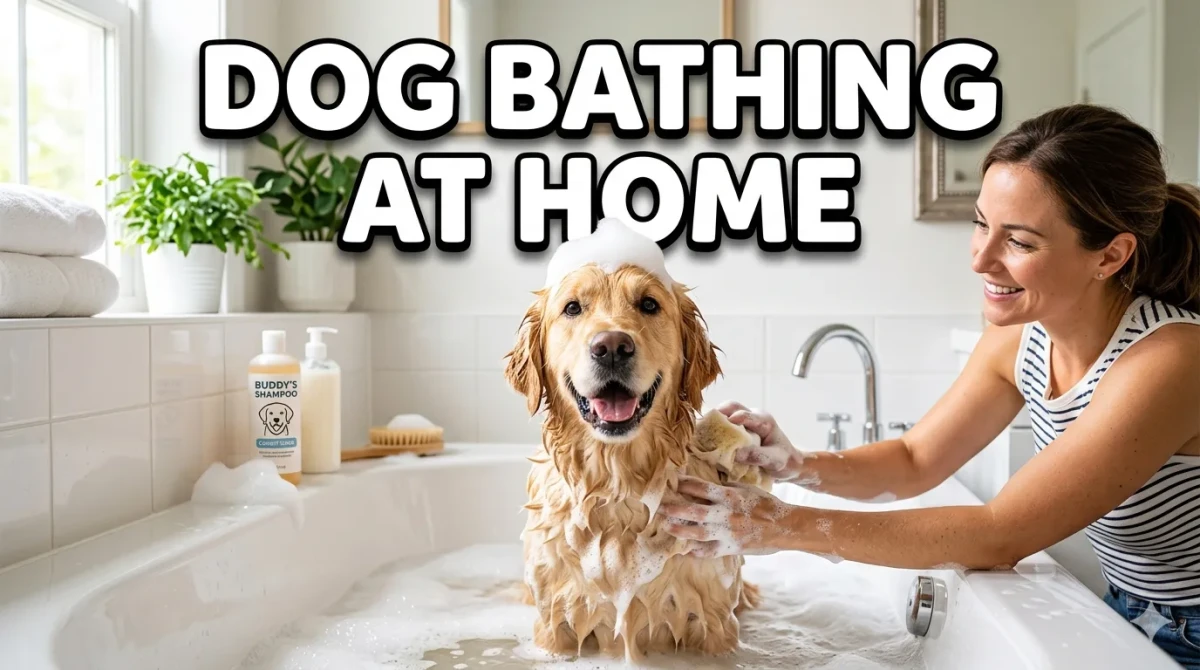
Why Learning to Bathe Your Dog at Home Saves Time and Money
Bathing your dog at home is a practical skill every pet owner should master. Not only does it save money on professional grooming fees, but it also strengthens the bond between you and your dog while giving you complete control over the products and techniques used on your pet's skin and coat.
Featured Snippet Answer: To bathe your dog at home, gather supplies including dog shampoo, towels, and a non-slip mat. Brush your dog first, use lukewarm water, apply shampoo from neck to tail, rinse thoroughly, and dry completely. Keep sessions calm and reward your dog with treats to build positive associations with bath time.
Many dog owners feel overwhelmed by the idea of home bathing, worrying about mess, stress, or doing it "wrong." But with the right preparation, technique, and patience, bathing your dog at home can be a manageable, even enjoyable experience for both of you. This comprehensive guide walks you through every step—from gathering supplies to drying techniques—while addressing common challenges like anxious dogs, sensitive skin, and breed-specific needs.
Whether you have a playful puppy experiencing their first bath or a senior dog with mobility issues, you'll find practical, vet-approved strategies to make bath time safer, easier, and less stressful. Learn how to choose the right shampoo, protect your dog's ears and eyes, dry effectively without causing chill, and establish a routine that keeps your dog clean and comfortable between baths.
Gathering Your Supplies: The Essential Dog Bathing Checklist
Preparation is the key to a smooth, stress-free bath. Having everything within arm's reach prevents you from leaving your dog unattended in the tub and keeps the process efficient.
Must-Have Bathing Supplies:
- Dog-specific shampoo: Choose a formula matched to your dog's needs (hypoallergenic, oatmeal for sensitive skin, flea/tick treatment, or puppy-safe)
- Conditioner (optional): Helpful for long-haired or double-coated breeds to prevent matting
- Non-slip mat: Placed in the tub or sink to prevent slipping and reduce anxiety
- Large towels or microfiber drying cloths: At least 2-3 for effective drying
- Cotton balls: Gently placed in ears to prevent water entry (do not push deep)
- Pitcher, handheld sprayer, or cup: For controlled rinsing without startling water pressure
- Treats: High-value rewards to reinforce calm behavior throughout the bath
- Brush or comb: For pre-bath detangling and post-bath smoothing
- 🐾 How to Brush Dog Teeth Properly: Expert Step-by-Step Guide
- 🐾 Best Bedding for Small Pets: Expert Safety & Comfort Guide
- 🐾 Bird Feather Grooming Tips for Healthy Plumage
Optional but Helpful:
- Leave-in conditioner or detangling spray for long coats
- Blow dryer with low-heat setting (never use high heat)
- Grooming loop or helper for large or wiggly dogs
- Waterproof apron for yourself
- Eye lubricant or tearless shampoo to protect sensitive eyes
- 🐾 How to Brush Dog Teeth Properly: Expert Step-by-Step Guide
- 🐾 Best Bedding for Small Pets: Expert Safety & Comfort Guide
- 🐾 Bird Feather Grooming Tips for Healthy Plumage
Pro Tip: Set up your bathing station before bringing your dog in. Fill the tub with 3-4 inches of lukewarm water (test with your wrist—it should feel comfortably warm, not hot). Having everything ready minimizes stress and keeps your dog from becoming anxious while you search for supplies.
Preparing Your Dog for Bath Time: Brushing and Calming Strategies

Skipping pre-bath preparation is a common mistake that leads to tangled fur, longer bath times, and frustrated dogs. Taking 5-10 minutes to prepare your dog sets the stage for success.
Step 1: Brush Thoroughly Before Wetting
Always brush your dog's coat before the bath. Water tightens mats and tangles, making them nearly impossible to remove once wet. Use a slicker brush for long or double coats, a bristle brush for short coats, and a comb for finishing touches.
Brushing also removes loose fur, dirt, and debris, allowing shampoo to reach the skin more effectively. For dogs with heavy undercoats (like Huskies or Golden Retrievers), use an undercoat rake to lift dead fur before bathing.
Step 2: Exercise Before Bathing
A tired dog is a calmer dog. Take your dog for a short walk or play session before bath time to burn off excess energy. This reduces wiggling, jumping, and resistance during the bath.
Step 3: Desensitize Anxious Dogs
If your dog fears baths, gradual desensitization is essential. Start by letting them explore the dry tub with treats. Progress to turning on the water briefly (without bathing), then to brief wetting sessions. Reward calm behavior at every step.
Never force a terrified dog into the bath. Patience and positive reinforcement build trust over time. For severely anxious dogs, consult a professional trainer or veterinarian about calming aids or anxiety-reduction techniques.
Step 4: Protect Ears and Eyes
Gently place cotton balls in your dog's ear canals to block water entry, which can cause painful ear infections. Avoid pushing them deep—just enough to cover the opening. Use tearless shampoo or apply a drop of eye lubricant to protect sensitive eyes from irritation.
How do I calm my dog during bath time?
Calm your dog during bath time by exercising them beforehand, using a non-slip mat for security, speaking in a soft reassuring voice, and offering high-value treats throughout the process. Keep sessions short, use lukewarm water, and avoid spraying water directly on the face. For anxious dogs, practice desensitization exercises over multiple sessions before attempting a full bath.
Step-by-Step Bathing Process: From Wetting to Rinsing

Following a consistent, gentle routine helps your dog know what to expect and reduces stress. Here's how to bathe your dog safely and effectively at home.
Step 1: Wet the Coat Thoroughly with Lukewarm Water
Use lukewarm water—not hot—to wet your dog's coat completely, starting from the neck and working down to the tail. Avoid spraying water directly on the face, ears, or eyes. Instead, use a damp washcloth to gently clean the head area.
Ensure water penetrates to the skin, especially for dogs with thick or double coats. Lift sections of fur to wet the undercoat. Incomplete wetting leads to poor shampoo distribution and inadequate cleaning.
Water Temperature Tip: Test water on your inner wrist. It should feel comfortably warm, similar to a baby's bath. Water that's too hot can scald sensitive skin; too cold can cause shivering and stress.
Step 2: Apply Shampoo and Lather Gently
Dilute shampoo with water in a separate container (follow product instructions) to make rinsing easier and conserve product. Apply diluted shampoo starting at the neck, working down the body, and saving the head for last.
Massage shampoo into the coat using your fingertips—not nails—to create a rich lather. Focus on dirty areas like paws, belly, and under the tail. Be gentle around sensitive areas like the groin and armpits.
Shampoo Selection Guide:
- Normal coats: Mild, pH-balanced dog shampoo
- Sensitive skin: Oatmeal, aloe, or hypoallergenic formulas
- Dry or itchy skin: Moisturizing shampoos with vitamin E or coconut oil
- Flea/tick concerns: Medicated flea shampoos (follow label directions carefully)
- Puppies: Tearless, puppy-specific formulas
- Medicated needs: Veterinary-prescribed shampoos for skin conditions
- 🐾 How to Brush Dog Teeth Properly: Expert Step-by-Step Guide
- 🐾 Best Bedding for Small Pets: Expert Safety & Comfort Guide
- 🐾 Bird Feather Grooming Tips for Healthy Plumage
Important: Never use human shampoo on dogs. Human products have a different pH balance that can strip natural oils, cause dryness, irritation, and increase infection risk.
Step 3: Rinse Completely—This Is Critical
Rinsing is the most important—and most commonly rushed—step. Shampoo residue left on the skin causes itching, flaking, and irritation. Rinse thoroughly until water runs completely clear and no suds remain.
Use your handheld sprayer or pitcher to direct water flow with the grain of the fur. Lift sections of coat to ensure water reaches the skin. Pay special attention to dense areas like the chest, belly, and under the legs.
Featured Snippet Answer: Rinse your dog thoroughly after shampooing until water runs completely clear with no suds visible. Incomplete rinsing leaves residue that causes itching, flaking, and skin irritation. Take extra time on thick or double coats to ensure water penetrates to the skin.
For dogs with long or dense fur, consider a second, lighter lather and rinse to ensure deep cleaning. This "double wash" technique is especially helpful for very dirty dogs or those with oily coats.
Step 4: Clean the Face and Ears Carefully
Use a damp, soft washcloth (no shampoo) to gently wipe your dog's face, avoiding the eyes and nose. For tear stains, use a veterinarian-approved eye wipe or a cloth dampened with warm water.
Remove cotton balls from ears carefully. If water entered the ear canal, gently dry the outer ear with a soft towel. For dogs prone to ear infections, apply a vet-recommended ear drying solution after bathing.
Never insert cotton swabs deep into the ear canal—this can damage the eardrum or push debris further in. Clean only the visible outer ear.
Drying Your Dog: Techniques for Comfort and Coat Health

Proper drying prevents chilling, skin issues, and matting. The method you choose depends on your dog's coat type, size, and tolerance.
Towel Drying: The First Step
Use absorbent microfiber towels or old cotton towels to blot—not rub—your dog's coat. Rubbing can tangle fur and irritate skin. Start with the head and work down, squeezing sections of fur gently to remove excess water.
For long-haired dogs, wrap the coat loosely in a towel and press to absorb moisture. Change towels as they become saturated. Keep your dog in a warm, draft-free area during drying to prevent chilling.
Blow Drying: When and How to Use Safely
A blow dryer can speed drying and help straighten long coats, but must be used carefully to avoid burns or fear.
Safe Blow Drying Practices:
- Use the lowest heat setting and highest airflow
- Keep the dryer moving constantly, never focused on one spot
- Maintain at least 6-8 inches distance from the skin
- Test air temperature on your hand before directing at your dog
- Introduce the dryer gradually to anxious dogs, starting with short sessions and treats
- 🐾 How to Brush Dog Teeth Properly: Expert Step-by-Step Guide
- 🐾 Best Bedding for Small Pets: Expert Safety & Comfort Guide
- 🐾 Bird Feather Grooming Tips for Healthy Plumage
For dogs fearful of dryer noise, try a quiet pet-specific dryer or stick to towel drying. Never force a terrified dog to endure blow drying—stress outweighs the convenience.
Brushing While Drying
For long-haired or double-coated breeds, gently brush or comb the coat while it's still slightly damp. This prevents tangles from forming as the fur dries and helps distribute natural oils.
Use a wide-tooth comb for detangling and a slicker brush for smoothing. Work in small sections, starting from the ends and moving toward the skin to avoid pulling.
Pro Tip: Apply a leave-in conditioner or detangling spray to damp coat before brushing to reduce breakage and make the process smoother.
Final Check: Ensure Complete Dryness
Before letting your dog roam freely, ensure they're completely dry, especially in dense areas like the chest, belly, and between toes. Damp fur trapped against skin can lead to hot spots, fungal infections, or unpleasant odors.
Pay attention to paw pads and between toes—moisture here can cause irritation or yeast overgrowth. Gently dry these areas with a soft towel or cotton pad.
Bath Frequency: How Often Should You Bathe Your Dog?

There's no one-size-fits-all answer to bath frequency. The ideal schedule depends on your dog's breed, coat type, activity level, skin health, and lifestyle.
General Guidelines by Coat Type:
- Short-coated breeds (Beagles, Boxers): Every 4-6 weeks, or when visibly dirty or smelly
- Double-coated breeds (Huskies, Golden Retrievers): Every 6-8 weeks; over-bathing can strip natural oils
- Long-haired breeds (Shih Tzus, Yorkshire Terriers): Every 3-4 weeks to prevent matting and odor
- Wire-haired breeds (Terriers): Every 4-6 weeks; hand-stripping may be needed for show coats
- Hairless breeds (Chinese Crested): Weekly bathing to prevent oil buildup and acne
- Active or outdoor dogs: As needed after muddy adventures, but rinse with water only if not heavily soiled
- 🐾 How to Brush Dog Teeth Properly: Expert Step-by-Step Guide
- 🐾 Best Bedding for Small Pets: Expert Safety & Comfort Guide
- 🐾 Bird Feather Grooming Tips for Healthy Plumage
Special Considerations:
- Skin conditions: Follow veterinary guidance; medicated shampoos may require specific frequencies
- Puppies: Use puppy-safe shampoo; bathe only when necessary to avoid chilling
- Senior dogs: May need less frequent baths due to drier skin; use moisturizing formulas
- Allergies: Some dogs benefit from frequent bathing with hypoallergenic shampoo to remove allergens
- 🐾 How to Brush Dog Teeth Properly: Expert Step-by-Step Guide
- 🐾 Best Bedding for Small Pets: Expert Safety & Comfort Guide
- 🐾 Bird Feather Grooming Tips for Healthy Plumage
Signs It's Time for a Bath:
- Noticeable odor or "doggy smell"
- Visible dirt, mud, or debris in the coat
- Greasy or oily fur
- Excessive scratching or licking (may indicate skin irritation)
- After exposure to allergens, chemicals, or irritating substances
- 🐾 How to Brush Dog Teeth Properly: Expert Step-by-Step Guide
- 🐾 Best Bedding for Small Pets: Expert Safety & Comfort Guide
- 🐾 Bird Feather Grooming Tips for Healthy Plumage
Warning: Over-bathing strips natural oils, leading to dry, itchy skin and increased infection risk. If your dog needs frequent cleaning due to messiness, consider waterless shampoos, grooming wipes, or rinsing with plain water between full baths.
Can I bathe my dog every week?
Bathing most dogs weekly is unnecessary and can harm skin health by stripping natural oils. Exceptions include dogs with specific skin conditions under veterinary care, hairless breeds requiring weekly oil control, or dogs exposed to heavy dirt or allergens. For routine maintenance, most dogs do best with baths every 4-8 weeks combined with regular brushing and spot cleaning.
Troubleshooting Common Bathing Challenges

Even with preparation, bath time can present challenges. Here's how to handle common issues calmly and effectively.
My Dog Hates Water: How Do I Make Bathing Less Stressful?
For water-averse dogs, gradual desensitization is key. Start by letting your dog explore the dry tub with treats. Progress to brief sessions with shallow water, always pairing the experience with high-value rewards.
Use a non-slip mat to improve footing security. Speak in a calm, reassuring tone. Keep early sessions very short (2-3 minutes) and end on a positive note with praise and treats.
Consider calming aids like Adaptil pheromone sprays, anxiety wraps, or veterinarian-approved supplements for severely anxious dogs. Never punish fear—it worsens the association.
How Do I Bathe a Large or Strong Dog Alone?
Bathing a large dog solo is challenging but manageable with the right setup:
- Use a walk-in shower or outdoor area with a handheld sprayer for easier access
- Place a non-slip mat to prevent sliding and injury
- Tether your dog loosely with a grooming loop or leash attached to a secure point (never leave unattended)
- Work in sections: wet, shampoo, and rinse one area before moving to the next
- Enlist help for rinsing or holding if possible, even for brief assistance
- 🐾 How to Brush Dog Teeth Properly: Expert Step-by-Step Guide
- 🐾 Best Bedding for Small Pets: Expert Safety & Comfort Guide
- 🐾 Bird Feather Grooming Tips for Healthy Plumage
For very large or difficult dogs, professional grooming may be safer and less stressful for both of you.
What If Shampoo Gets in My Dog's Eyes or Ears?
If shampoo contacts the eyes, rinse immediately with lukewarm water or sterile saline solution. Use a soft cloth to gently wipe away residue. Most mild dog shampoos won't cause serious harm with prompt rinsing, but monitor for redness or squinting.
If water enters the ears, gently dry the outer ear with a soft towel. For dogs prone to infections, apply a vet-recommended ear drying solution. Watch for signs of ear discomfort (head shaking, scratching) and consult your vet if symptoms persist.
My Dog Shakes Everywhere—How Do I Contain the Mess?
Shaking is a natural drying behavior. To minimize mess:
- Bathe your dog in a tiled bathroom or outdoor area for easy cleanup
- Keep towels within reach to catch your dog immediately after rinsing
- Gently hold your dog's collar or chest for a few seconds post-rinse to delay shaking until you're ready
- Use a microfiber drying robe or towel wrap to absorb water quickly
- 🐾 How to Brush Dog Teeth Properly: Expert Step-by-Step Guide
- 🐾 Best Bedding for Small Pets: Expert Safety & Comfort Guide
- 🐾 Bird Feather Grooming Tips for Healthy Plumage
Accept that some mess is inevitable—focus on making the experience positive rather than perfectly tidy.
Breed-Specific Bathing Tips

Different breeds have unique coat needs that affect bathing technique and product selection.
Double-Coated Breeds (Huskies, German Shepherds, Golden Retrievers):
- Brush thoroughly before and after bathing to remove loose undercoat
- Use a shampoo formulated for double coats to maintain natural oils
- Rinse extra thoroughly—water traps easily in dense undercoats
- Avoid over-bathing, which can damage the insulating undercoat
- 🐾 How to Brush Dog Teeth Properly: Expert Step-by-Step Guide
- 🐾 Best Bedding for Small Pets: Expert Safety & Comfort Guide
- 🐾 Bird Feather Grooming Tips for Healthy Plumage
Long-Haired Breeds (Shih Tzus, Maltese, Afghan Hounds):
- Detangle completely before wetting to prevent severe matting
- Use a moisturizing shampoo and conditioner to prevent dryness and breakage
- Brush while damp to maintain smoothness as the coat dries
- Consider professional grooming for complex coat maintenance
- 🐾 How to Brush Dog Teeth Properly: Expert Step-by-Step Guide
- 🐾 Best Bedding for Small Pets: Expert Safety & Comfort Guide
- 🐾 Bird Feather Grooming Tips for Healthy Plumage
Short-Haired Breeds (Boxers, Dobermans, Beagles):
- Use a rubber grooming mitt during bathing to lift dirt and loose fur
- Rinse well but avoid over-bathing, which can dry sensitive short-coat skin
- Dry thoroughly to prevent chill—short coats offer less insulation
- 🐾 How to Brush Dog Teeth Properly: Expert Step-by-Step Guide
- 🐾 Best Bedding for Small Pets: Expert Safety & Comfort Guide
- 🐾 Bird Feather Grooming Tips for Healthy Plumage
Curly or Woolly Coats (Poodles, Bichons, Doodles):
- Brush before bathing to prevent mats from tightening when wet
- Use a gentle, moisturizing shampoo to maintain curl elasticity
- Blow dry while brushing to achieve a fluffy, tangle-free finish
- Regular professional grooming is often necessary to maintain coat health
- 🐾 How to Brush Dog Teeth Properly: Expert Step-by-Step Guide
- 🐾 Best Bedding for Small Pets: Expert Safety & Comfort Guide
- 🐾 Bird Feather Grooming Tips for Healthy Plumage
Wire-Haired Breeds (Terriers, Schnauzers):
- Use a shampoo designed for wire coats to maintain texture
- Hand-stripping may be needed for show dogs; consult a groomer
- Avoid heavy conditioners that can soften the characteristic wiry texture
- 🐾 How to Brush Dog Teeth Properly: Expert Step-by-Step Guide
- 🐾 Best Bedding for Small Pets: Expert Safety & Comfort Guide
- 🐾 Bird Feather Grooming Tips for Healthy Plumage
Safety First: Preventing Accidents and Stress

Bath time should be safe and positive. Follow these essential safety practices:
Prevent Slipping: Always use a non-slip mat in the tub or sink. Slipping is frightening and can cause injury, especially for senior dogs or those with joint issues.
Monitor Water Temperature: Test water on your wrist before wetting your dog. Water that's too hot can scald; too cold can cause shock or hypothermia in small or senior dogs.
Never Leave Your Dog Unattended: Even a moment alone in the tub can lead to jumping, slipping, or escaping. Stay with your dog throughout the entire bath.
Protect Against Ingestion: Keep shampoo, conditioner, and other products out of reach. If your dog licks shampoo residue, rinse thoroughly and monitor for gastrointestinal upset.
Watch for Stress Signals: Signs like excessive panting, trembling, whale eye (showing whites of eyes), or attempts to escape indicate your dog is overwhelmed. Pause, comfort, and shorten the session if needed.
Post-Bath Supervision: Keep your dog in a warm, draft-free area until completely dry. Prevent access to cold floors or outdoor areas until fully dry to avoid chilling.
Quick Recap: Key Takeaways for Successful Home Dog Bathing

- Gather all supplies before starting to minimize stress and interruptions
- Brush your dog thoroughly before wetting to prevent tangles
- Use lukewarm water and dog-specific shampoo matched to your dog's needs
- Rinse completely until water runs clear to prevent skin irritation
- Protect ears with cotton balls and avoid getting shampoo in eyes
- Dry thoroughly with towels and low-heat blow drying if tolerated
- Bathe only as often as needed—typically every 4-8 weeks for most dogs
- Use positive reinforcement and patience to build calm bath-time associations
- Adapt techniques to your dog's breed, coat type, and temperament
- Never use human shampoo, which can damage your dog's skin pH balance
- Consult your veterinarian for bathing advice related to skin conditions or health concerns
- 🐾 How to Brush Dog Teeth Properly: Expert Step-by-Step Guide
- 🐾 Best Bedding for Small Pets: Expert Safety & Comfort Guide
- 🐾 Bird Feather Grooming Tips for Healthy Plumage
Final Thoughts: Turn Bath Time Into Bonding Time

Bathing your dog at home is more than a chore—it's an opportunity to strengthen your connection, monitor your dog's health, and provide gentle, attentive care. With preparation, patience, and the right techniques, even the most bath-averse dog can learn to tolerate, or even enjoy, the experience.
Remember that every dog is an individual. What works for one may not work for another. Observe your dog's cues, adapt your approach, and celebrate small victories. A calm, positive bath-time routine builds trust that extends far beyond grooming.
Stay consistent, prioritize your dog's comfort over perfection, and don't hesitate to seek professional help if bathing remains stressful despite your best efforts. With time and compassion, home bathing can become a manageable, even rewarding part of your pet care routine.

0 Comments