.png)
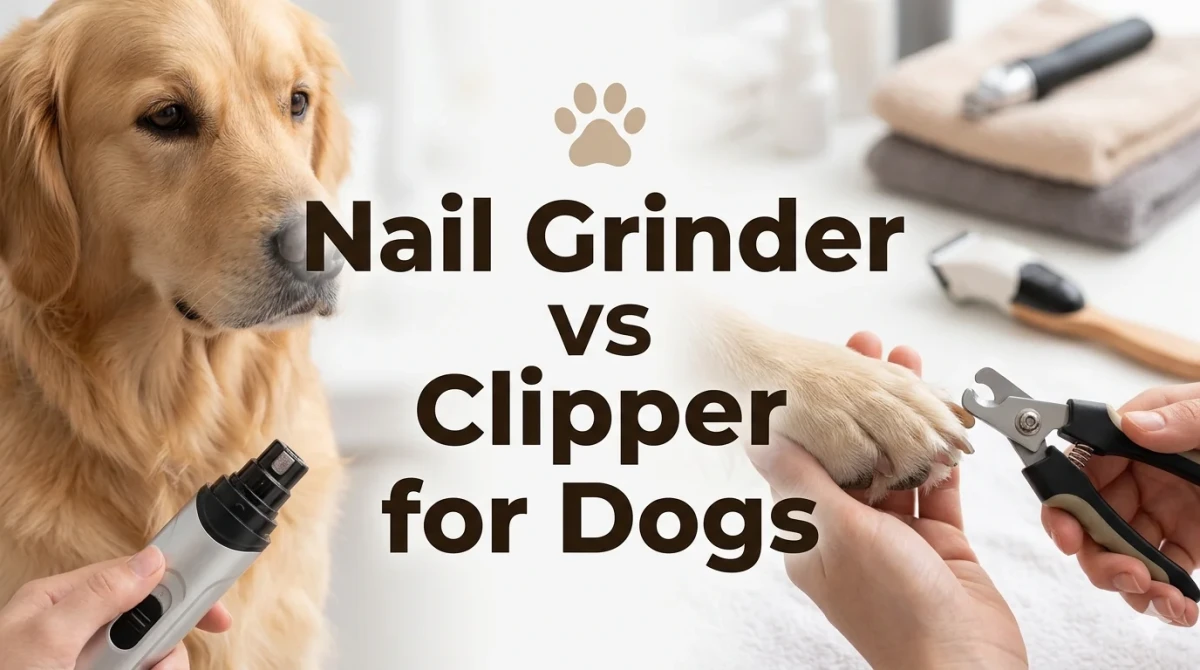
Quick Summary and Direct Answer
Choosing between a nail grinder and clipper for dogs depends on your dog's temperament, nail thickness, and your grooming experience. Most dogs tolerate clippers better for quick trims, while grinders provide smoother finishes ideal for sensitive or dark nails. This guide provides vet aligned recommendations, precise tool comparison charts, and step by step usage protocols. You will learn how to select tools for puppies, adults, and seniors, compare budget versus premium options, and implement stress free training techniques. All suggestions follow widely accepted veterinary grooming standards and prioritize safety over convenience. Always consult a professional groomer or veterinarian if your dog shows severe anxiety or has medical conditions affecting nail health.
Featured Answer for Tool Selection
Nail clippers work best for quick maintenance on calm dogs with visible quicks, while grinders excel for smoothing edges and managing dark nails where the quick is hidden. Start with clippers for puppies to build positive associations, then introduce grinders gradually after eight weeks of age. Trim nails every three to four weeks, removing no more than one sixteenth inch per session to avoid injury. Monitor your dog's comfort level and adjust tools based on tolerance rather than convenience alone.
Understanding Canine Nail Anatomy and Trimming Fundamentals
Dog nails contain a sensitive blood vessel and nerve bundle called the quick that must be avoided during trimming to prevent pain and bleeding. Light colored nails reveal the quick as a pinkish area, while dark nails require conservative trimming to avoid accidental injury. Understanding this anatomy helps you select tools that minimize risk while maintaining proper nail length for joint health and mobility.
Overgrown nails alter a dog's posture, causing joint strain, arthritis acceleration, and painful splayed feet. Regular trimming every three to four weeks maintains optimal length where nails barely touch the ground when standing. Small breed dogs often require more frequent trims due to slower natural wear, while active large breeds may naturally file nails through outdoor exercise.
| Nail Characteristic | Best Tool Choice | Trimming Frequency | Safety Consideration | Training Timeline |
|---|---|---|---|---|
| Light Colored Nails | Either clipper or grinder | Every three to four weeks | Visible quick allows precise cutting | Two to three weeks for acceptance |
| Dark or Black Nails | Grinder preferred | Every two to three weeks | Conservative trimming avoids hidden quick | Three to four weeks for desensitization |
| Thick or Brittle Nails | Heavy duty clipper first | Every three weeks | Prevent splitting with sharp blades | Four to six weeks for confidence building |
These guidelines serve as foundational recommendations rather than strict prescriptions. Individual dogs may show preferences or sensitivities that require tool adjustments. Monitor nail length weekly by observing ground contact during standing and adjust trimming frequency to maintain ideal posture without causing stress or injury.
Step by Step Guide to Using Nail Clippers Safely

Proper clipper technique prevents injury and builds positive associations that simplify future grooming sessions. Follow this exact workflow to maximize safety while minimizing stress for both you and your dog. Each step prioritizes controlled movements and clear visual confirmation before cutting.
Clipper Selection and Preparation Protocol
- Choose scissor style clippers for small to medium dogs under forty pounds, or guillotine style for larger breeds with thicker nails requiring greater leverage.
- Ensure blades are sharp and clean before each use, as dull blades crush rather than cut nails causing pain and increasing resistance to future trimming.
- Position your dog on a non slip surface at comfortable height, using treats and calm praise to establish relaxed posture before beginning.
- Hold the paw firmly but gently, isolating one toe at a time while supporting the leg to prevent sudden movements that could cause injury.
- Identify the quick in light nails and trim only the clear hook tip, removing no more than one sixteenth inch per session for dark nails.
- Apply cornstarch or styptic powder immediately if bleeding occurs, holding gentle pressure for thirty seconds while reassuring your dog with calm voice tones.
Store clippers in a protective case away from moisture to prevent blade corrosion that compromises cutting performance. Replace blades or entire clippers when cutting requires excessive force or produces ragged nail edges rather than clean cuts. Never share clippers between pets without thorough sanitization to prevent cross contamination of fungal or bacterial infections.
Featured Answer for Clipper Safety
Always trim dog nails in small increments, removing no more than one sixteenth inch per session to avoid cutting the quick. Hold the paw firmly but gently, isolate one toe at a time, and use sharp blades for clean cuts. Keep styptic powder nearby for immediate bleeding control and reward calm behavior throughout the process to build positive associations.
Step by Step Guide to Using Nail Grinders Effectively

Nail grinders provide controlled filing that smooths edges and reduces injury risk compared to clippers, but require gradual introduction to prevent fear responses. Implement this structured protocol to build tolerance while achieving professional quality results. Each phase includes specific monitoring checkpoints to identify stress signals early.
Grinder Introduction and Usage Protocol
- Select a low vibration, quiet grinder designed for pets with variable speed settings to accommodate different nail thicknesses and sensitivity levels.
- Introduce the grinder without power first, allowing your dog to sniff and investigate while offering high value treats to create positive associations.
- Turn on the grinder at lowest speed away from your dog for thirty seconds, then immediately reward calm behavior before gradually bringing it closer over multiple sessions.
- Touch the grinder briefly to one nail without filing, reward immediately, and repeat for five minutes maximum per session to prevent overwhelm.
- Begin filing at forty five degree angle to nail tip, using light pressure and two to three second bursts with five second breaks to prevent heat buildup.
- Focus on smoothing the nail tip and edges rather than shortening length initially, building confidence before progressing to more substantial trimming.
Store grinders with batteries removed or unplugged to prevent accidental activation that could startle pets. Clean grinding heads after each use with provided brush to remove nail dust that reduces efficiency and can harbor bacteria. Replace grinding heads when filing becomes less effective or produces excessive heat during normal use.
Featured Answer for Grinder Success
Introduce nail grinders gradually over two to three weeks using positive reinforcement before attempting actual filing. Start with lowest speed settings, apply light pressure in short bursts, and take frequent breaks to prevent heat buildup. Focus on smoothing nail edges initially rather than significant length reduction to build your dog's confidence and tolerance.
Tool Comparison Chart and Feature Analysis

Understanding key differences between clippers and grinders helps you select the right tool for your dog's specific needs and your grooming experience level. The following comparison outlines practical considerations beyond marketing claims.
| Feature Category | Nail Clippers | Nail Grinders | Best Use Case |
|---|---|---|---|
| Speed of Use | Instant cut, thirty seconds per nail | Gradual filing, one to two minutes per nail | Clippers for quick maintenance, grinders for detailed finishing |
| Noise Level | Silent operation | Low to moderate motor hum | Clippers for noise sensitive dogs, grinders with quiet motors for anxious pets |
| Learning Curve | Simple technique, minimal training | Requires practice for angle and pressure control | Clippers for beginners, grinders for experienced groomers |
| Injury Risk | Higher if quick is misjudged | Lower with conservative filing approach | Grinders for dark nails or inexperienced owners |
| Finish Quality | May leave sharp edges requiring filing | Smooth rounded edges ready immediately | Grinders for show dogs or dogs that scratch furniture |
These comparisons represent general characteristics and may vary by specific product quality and individual dog temperament. Many professional groomers use both tools strategically, employing clippers for initial length reduction and grinders for final smoothing. Consider purchasing both tools for comprehensive home grooming capability if budget allows.
Age and Breed Specific Considerations

Nail care strategies must adapt to life stage and breed characteristics to avoid creating negative associations while maintaining proper nail health. Applying a single approach across all dogs often leads to stress or injury that compromises long term grooming compliance. Recognizing these shifts ensures your chosen method supports each dog appropriately.
Puppy Nail Care Protocols
Young puppies benefit from early positive exposure to nail care tools before eight weeks of age when fear periods develop. Start with gentle paw handling and treat rewards, then introduce clippers without cutting for one minute sessions twice weekly. Avoid grinders until twelve weeks of age due to noise sensitivity and smaller nail size that increases injury risk. Focus on building trust rather than achieving perfect nail length during early training phases.
Adult Maintenance Strategies
Mature dogs with established tolerance benefit from consistent routines using their preferred tool. Maintain trimming schedules every three to four weeks to prevent overgrowth that increases quick length and trimming difficulty. Rotate between clippers and grinders if your dog shows boredom or resistance to single tool use. Incorporate nail care into regular grooming sessions rather than isolated events to normalize the experience.
Senior Dog Modifications
Aging dogs may develop arthritis, reduced vision, or increased sensitivity requiring gentler approaches. Select lightweight tools with ergonomic handles to reduce hand fatigue during careful trimming. Use grinders at lowest speeds to minimize vibration discomfort for dogs with joint pain. Increase treat rewards and session breaks to accommodate reduced tolerance for prolonged handling. Schedule veterinary nail trims if home care becomes too stressful for your senior companion.
Small Versus Large Breed Adjustments
Small breed dogs under twenty pounds often have delicate nails requiring precision clippers or miniature grinders to avoid over trimming. Large breed dogs over sixty pounds typically need heavy duty clippers with extended handles for leverage on thick nails. Adjust grip techniques and tool selection based on nail thickness rather than overall dog size alone. Monitor small breeds more frequently as indoor lifestyles reduce natural nail wear compared to active large breeds.
Budget Versus Premium Tool Comparison

Cost should not compromise safety when selecting nail care tools, but understanding price tiers helps you allocate resources effectively. The following comparison outlines realistic investments for quality tools that last through years of regular use.
| Price Tier | Clipper Cost Range | Grinder Cost Range | Key Features | Best For |
|---|---|---|---|---|
| Budget Friendly | Ten to twenty dollars | Twenty to thirty five dollars | Basic stainless blades, single speed motor, plastic housing | Occasional home use, calm dogs with light nails |
| Mid Range | Twenty to forty dollars | Thirty five to sixty dollars | Sharp replaceable blades, two speed settings, ergonomic grips, low vibration | Regular home grooming, multiple dog households, moderate anxiety |
| Premium Quality | Forty to seventy dollars | Sixty to one hundred twenty dollars | Professional grade blades, variable speed, whisper quiet motors, rechargeable batteries, safety guards | Professional groomers, severe anxiety dogs, thick or dark nails |
Budget options provide adequate function for basic needs but may require more frequent replacement due to blade dulling or motor wear. Mid range selections offer improved durability and user comfort that benefit most home groomers. Premium tiers feature professional specifications that justify cost through longevity and performance for challenging grooming situations. Purchasing during seasonal sales, using manufacturer warranties, and maintaining tools properly extends value across all price points.
Safety Protocols and Injury Prevention

Proper technique and preparation prevent common nail trimming injuries that cause pain, bleeding, and long term fear of grooming. Implement these safety measures consistently to protect your dog while building confidence in the process.
Essential Safety Equipment and Preparation
- Keep styptic powder or cornstarch within arm reach before beginning any nail trimming session to control bleeding immediately if the quick is accidentally cut.
- Use proper lighting to clearly visualize nail structure, especially for dark nails where the quick is not visible externally.
- Restrain dogs gently but securely using non slip mats or having a helper hold larger dogs to prevent sudden movements during trimming.
- Trim in well ventilated areas when using grinders to disperse nail dust that can irritate respiratory systems of both pets and owners.
- Wear safety glasses when using grinders to protect eyes from flying nail particles, especially with energetic or anxious dogs.
Recognize early stress signals including panting, trembling, lip licking, or whale eye that indicate your dog needs a break. End sessions immediately if your dog shows signs of distress rather than pushing through, as negative experiences create lasting grooming aversions. Schedule professional grooming assistance if home trimming consistently triggers severe anxiety or aggression despite training efforts.
Featured Answer for Injury Prevention
Always keep styptic powder nearby and trim in small increments to avoid cutting the quick. Use proper lighting to visualize nail structure, restrain dogs gently but securely, and end sessions immediately if stress signals appear. Recognize that building positive associations matters more than perfect nail length during early training phases.
Behavioral Training for Stress Free Nail Care

Successful nail trimming depends as much on your dog's emotional state as on tool selection. Implementing positive reinforcement techniques transforms grooming from stressful ordeal to manageable routine. These behavioral strategies work alongside proper tool use to ensure long term compliance.
- Begin training with paw handling exercises separate from trimming, rewarding calm acceptance with high value treats for thirty seconds of gentle touching.
- Associate tools with positive experiences by placing clippers or grinders near treat bowls without using them, gradually progressing to brief tool contact with rewards.
- Keep initial sessions under five minutes regardless of progress, ending on successful notes to build confidence rather than frustration.
- Use counter conditioning by offering special treats available only during nail care, creating positive anticipation rather than dread.
- Practice desensitization to grinder sounds by playing recordings at low volume during meals, gradually increasing volume over two weeks before introducing the actual tool.
Consistency matters more than speed when training for nail care acceptance. Daily five minute sessions yield better results than weekly thirty minute marathons that overwhelm sensitive dogs. Document progress in a training log to identify patterns and adjust techniques based on your individual dog's responses rather than generic advice.
Essential Accessories and Supporting Tools

Proper supporting equipment enhances safety, comfort, and efficiency during nail care sessions. Investing in reliable accessories reduces stress for both you and your dog while improving grooming outcomes.
- Non slip grooming mats provide secure footing that reduces anxiety and prevents slipping during nail trimming, especially important for older or arthritic dogs.
- Head halters or gentle leaders offer safe restraint options for larger dogs without causing pain or fear associated with collar pressure.
- LED headlamps or clip on lights improve visibility for dark nail trimming without requiring awkward positioning that strains your back or neck.
- Treat pouches with quick access clips keep rewards within reach during trimming, enabling immediate reinforcement of calm behavior.
- Portable grooming tables with adjustable height reduce physical strain during extended sessions and provide stable platforms for precise tool control.
Buying considerations should prioritize safety features and ease of cleaning. Avoid accessories with small detachable parts that curious dogs might swallow. Select dishwasher safe or wipe clean components to maintain hygiene between uses. Budget friendly options often perform adequately for basic needs, while premium tools offer ergonomic benefits that reduce owner fatigue during regular grooming routines.
Common Mistakes That Compromise Nail Health

Well intentioned owners frequently make errors that cause pain, fear, or injury despite using quality tools. Recognizing these pitfalls prevents unnecessary suffering and builds sustainable grooming habits. Apply these corrective strategies to maintain positive nail care experiences.
Over Trimming and Quick Injury
The most common mistake involves removing too much nail in one session, accidentally cutting the quick and causing pain that creates lasting grooming aversion. Always trim conservatively, removing no more than one sixteenth inch per session for dark nails. When in doubt, trim less and schedule more frequent sessions rather than risking injury that sets back training progress.
Rushing the Introduction Process
Introducing tools too quickly overwhelms sensitive dogs and triggers fear responses that complicate future grooming. Allow two to three weeks for tool desensitization before attempting actual trimming. Progress through handling, tool presence, sound exposure, and brief contact phases only when your dog shows relaxed body language at each step.
Neglecting Regular Maintenance
Infrequent trimming allows quicks to grow longer with the nail, making future trims more challenging and increasing injury risk. Maintain consistent three to four week schedules regardless of visible nail length. Monitor nail contact with floors during standing as the most reliable indicator of appropriate length rather than arbitrary time intervals.
Expert Tips From Professional Groomers and Veterinarians

Board certified veterinary technicians and master groomers consistently emphasize patience, preparation, and positive reinforcement when managing canine nail care. Real world insights complement technical guidelines and provide practical strategies that product manuals rarely address. Incorporate these proven methods to optimize grooming routines and improve long term compliance.
- Trim nails after baths when nails are softer and dogs are typically calmer from exercise and warm water exposure.
- Use the two person technique for anxious dogs, with one person providing treats and reassurance while the other focuses on precise tool control.
- File nails in the direction of growth rather than back and forth to reduce heat buildup and vibration discomfort during grinder use.
- Keep a dedicated grooming kit with all supplies organized to minimize session delays that increase dog anxiety during preparation.
- End every session with play or a favorite activity regardless of trimming success, reinforcing that nail care leads to positive experiences.
These practices align with widely accepted veterinary grooming standards and emphasize preventive care over reactive management. Owners who implement structured positive reinforcement report fewer grooming related injuries and more cooperative dogs during routine care. Consistency remains the most powerful tool when managing nail care, as predictable routines reduce anxiety and build trust more effectively than expensive tools or quick fixes.
Frequently Asked Questions

How often should I trim my dog nails
Trim most dog nails every three to four weeks to maintain optimal length where nails barely touch the ground when standing. Small breed or indoor dogs may require trimming every two weeks due to reduced natural wear. Monitor nail contact with floors weekly and adjust frequency based on growth rate rather than calendar dates alone.
Which tool is better for black or dark nails
Nail grinders are generally safer for dark nails because gradual filing reduces the risk of cutting the hidden quick. If using clippers on dark nails, trim only the curved hook tip in tiny increments, checking the cut surface after each snip for a grayish or pinkish dot that indicates proximity to the quick.
What should I do if I cut the quick
Apply styptic powder or cornstarch directly to the bleeding nail with firm pressure for thirty seconds while speaking calmly to your dog. Most minor quick cuts stop bleeding within one to two minutes. Comfort your dog with gentle praise and treats, then end the session to avoid creating negative associations. Contact a veterinarian if bleeding persists beyond ten minutes or if your dog shows signs of severe pain.
How can I help my anxious dog tolerate nail trimming
Begin with desensitization exercises separate from actual trimming, rewarding calm paw handling and tool exposure with high value treats. Keep sessions under five minutes, progress gradually through handling and tool introduction phases, and always end on positive notes. Consider professional grooming assistance or veterinary anti anxiety support for dogs with severe fear responses.
Can I use human nail clippers or grinders on dogs
Human nail tools are not designed for canine nail structure and often cause crushing, splitting, or injury due to incorrect blade angles and insufficient power. Always select tools specifically designed for dogs to ensure proper cutting mechanics and safety features that accommodate thicker, curved canine nails.
🐱 আরও পড়ুন: Dog Care

0 Comments