.png)
Introduction to Bird Hygiene in Small Cages
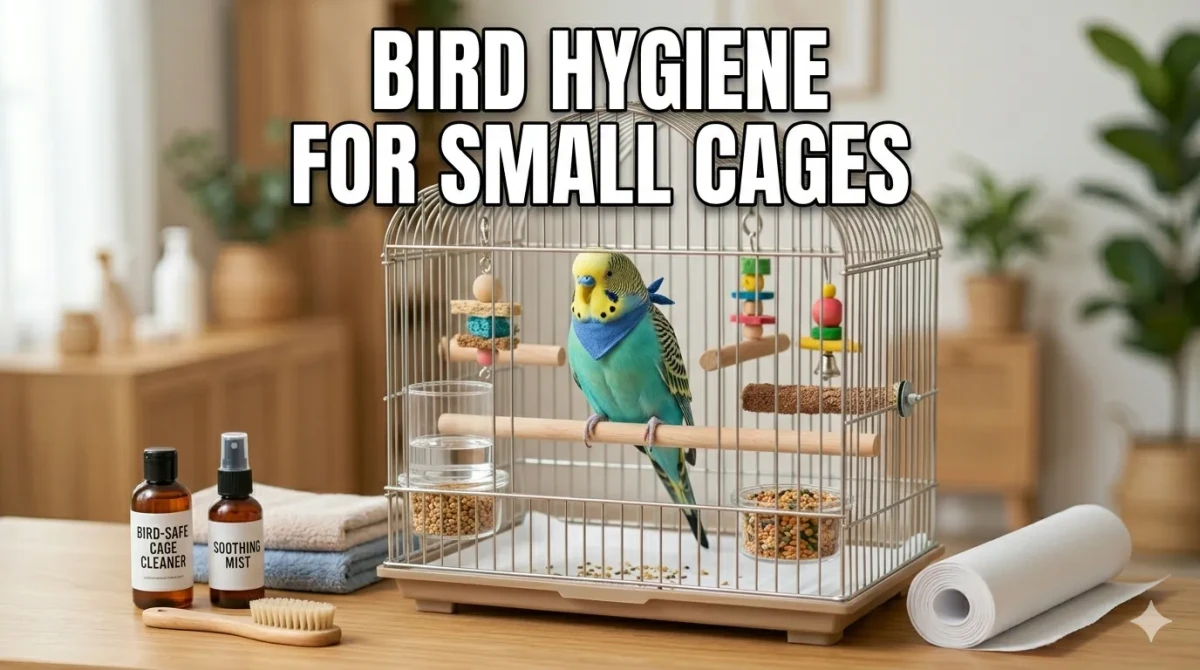
Maintaining proper bird hygiene for small cages presents unique challenges that require dedicated attention and consistent routines. Small cage birds including budgies, cockatiels, finches, canaries, and lovebirds depend entirely on their owners for clean living conditions, making hygiene practices essential for their health and longevity. Limited space in small cages means waste accumulates quickly, air circulation may be restricted, and disease transmission risks increase without proper sanitation.
Understanding the specific hygiene needs of small cage birds empowers owners to create healthy environments that prevent illness, reduce stress, and promote natural behaviors. This comprehensive guide addresses cleaning schedules, safe disinfection methods, bathing practices, odor control, and preventive health measures tailored specifically for small cage setups. Whether you house a single budgie in a compact cage or maintain multiple finches in a limited space, proper hygiene practices form the foundation of responsible bird ownership.
Many bird owners underestimate the importance of rigorous cleaning routines in small cages, not realizing that poor hygiene directly contributes to respiratory infections, parasitic infestations, bacterial diseases, and premature death. By establishing systematic cleaning protocols and understanding the relationship between cage size, bird number, and maintenance frequency, you can provide optimal living conditions that support your feathered companion vibrant health and happiness.
Why Hygiene is Critical for Small Cage Birds
The confined nature of small cages creates specific hygiene challenges that differ significantly from larger aviary setups. Understanding these unique pressures helps owners prioritize cleaning tasks and recognize the direct connection between sanitation and bird health.
What makes small cage hygiene particularly challenging?
Small cages concentrate waste, dander, and food debris in limited spaces, creating rapid accumulation of potentially harmful materials. Unlike larger enclosures where waste disperses across greater areas, small cages require more frequent cleaning to prevent buildup that can harbor bacteria, fungi, and parasites. The proximity of birds to their waste in small cages increases exposure to ammonia from droppings, which can damage delicate respiratory systems.
Limited air circulation in compact cages allows moisture and odors to persist longer than in spacious setups. This stagnant environment promotes mold growth, bacterial proliferation, and respiratory irritants that particularly affect small birds with high metabolic rates and sensitive respiratory tracts. Proper ventilation combined with rigorous cleaning becomes essential to counteract these spatial limitations.
Small cages often house birds in closer proximity to household activities, exposing them to additional contaminants like cooking fumes, aerosol sprays, and temperature fluctuations. Maintaining impeccable hygiene helps buffer birds from these environmental stressors while preventing cage-specific issues from compounding external challenges.
Essential Cleaning Schedule for Small Cages

Establishing a consistent cleaning routine prevents hygiene issues before they develop. Different tasks require different frequencies based on their impact on bird health and cage conditions.
How often should you clean a small bird cage?
Daily cleaning tasks form the foundation of small cage hygiene and should become automatic parts of your routine. Remove and replace cage liner or substrate every morning to eliminate overnight waste accumulation. Wash food and water dishes with hot soapy water, rinsing thoroughly before refilling with fresh provisions. Remove visible droppings from perches, toys, and cage bars using a dedicated brush or paper towel.
Spot clean throughout the day as needed, particularly after messy foods or if you notice wet droppings. Check for and remove any spoiled fresh foods within two to four hours to prevent bacterial growth. This daily maintenance prevents small issues from becoming major hygiene problems and keeps your bird living in consistently clean conditions.
Weekly deep cleaning involves removing all cage contents, scrubbing the entire cage structure with bird-safe disinfectant, and washing all accessories. This comprehensive cleaning addresses buildup that daily maintenance cannot reach and resets your cage to optimal cleanliness. Replace cage liners completely and inspect all surfaces for damage or wear that could harbor bacteria.
Monthly maintenance includes tasks like deep cleaning areas behind and under the cage, washing cage stands or furniture, and replacing worn accessories. This broader cleaning scope addresses environmental factors that indirectly affect cage hygiene and bird health.
Safe Cleaning Products and Disinfectants

Choosing appropriate cleaning products protects your bird health while effectively eliminating pathogens. Many common household cleaners contain chemicals toxic to birds, making product selection critical for safe cage maintenance.
What cleaning products are safe for bird cages?
White vinegar diluted with equal parts water serves as an effective, natural disinfectant safe for birds once rinsed and dried. This solution kills many bacteria and removes mineral deposits without toxic fumes. Apply with a spray bottle, allow to sit for ten minutes, then scrub and rinse thoroughly. Vinegar odor dissipates quickly once dry and poses no risk to birds.
Bird-specific disinfectants available from pet supply retailers offer formulations tested for avian safety while providing broad-spectrum pathogen elimination. Products containing accelerated hydrogen peroxide or quaternary ammonium compounds work effectively when used according to label directions. Always rinse thoroughly after using any disinfectant, even those marketed as bird-safe.
Mild unscented dish soap works well for daily washing of dishes, perches, and toys. Avoid antibacterial soaps containing triclosan or strong fragrances that can irritate bird respiratory systems. Hot water enhances cleaning effectiveness and helps eliminate many pathogens without chemical additives.
Never use bleach, ammonia, phenols, or aerosol cleaners near birds or in cages. These substances release fumes that can cause fatal respiratory distress even after apparent drying. If you must use stronger disinfectants for disease outbreaks, remove birds to a safe location, clean thoroughly, rinse multiple times, and allow complete drying and airing out before returning birds.
Bathing Practices for Small Cage Birds

Regular bathing supports feather health, removes dander and debris, and provides enrichment for small cage birds. Limited cage space requires creative bathing solutions that maintain hygiene without creating mess or stress.
How do you bathe birds in small cages?
Cage-mounted bath dishes attach directly to cage bars, providing convenient bathing access without removing birds or creating floor mess. Fill shallow dishes with lukewarm water to a depth of one to two inches, allowing birds to enter and splash comfortably. Monitor initially to ensure your bird uses the bath safely, and remove the bath after thirty minutes to prevent water contamination.
Spray misting offers an alternative for birds hesitant to enter bath dishes or for cages too small for mounted baths. Use a clean spray bottle filled with lukewarm water to create a fine mist above the cage, allowing droplets to settle on feathers. Never spray directly at the bird face or use forceful streams that may cause fear. Many birds enjoy misting and will fluff feathers to allow water penetration.
For thorough cleaning, some owners temporarily remove birds to a separate bathing container in a warm, draft-free room. This method allows more controlled bathing but requires careful handling and secure containment to prevent escape or injury. Always ensure birds are completely dry before returning to cages, particularly in cooler environments.
Bath frequency depends on species, individual preference, and environmental conditions. Most small cage birds benefit from bathing opportunities two to three times weekly, though some prefer daily access while others bathe less frequently. Observe your bird behavior and adjust bathing schedule to match individual needs and preferences.
Managing Odor and Air Quality

Small cages in confined living spaces can develop odors that indicate hygiene problems and potentially harm bird health. Proactive odor management maintains pleasant living conditions for both birds and owners.
How do you control odor in small bird cages?
Immediate waste removal prevents odor development at its source. Clean droppings from cage liners, perches, and surfaces daily before organic matter decomposes and releases ammonia and other odorous compounds. Use absorbent, unscented cage liners that wick moisture away from droppings, making removal easier and reducing odor potential.
Proper ventilation significantly impacts odor control in small cage setups. Position cages away from corners where air stagnates, and ensure room air circulation through open windows, fans, or air exchange systems. Avoid placing cages in kitchens or bathrooms where humidity and odors concentrate. Good airflow disperses potential odors before they accumulate to problematic levels.
Diet affects droppings odor and volume. High-quality pelleted diets produce less odorous waste than seed-heavy diets containing excessive fats. Fresh fruits and vegetables in appropriate amounts support digestive health and normal droppings. Avoid overfeeding, as excess food consumption increases waste production and odor potential.
Natural odor absorbers like activated charcoal filters or baking soda placed near but not in cages can help neutralize airborne odors without exposing birds to chemicals. Never use scented products, air fresheners, or ozone generators near birds, as these release compounds toxic to respiratory systems.
Preventing Disease Through Hygiene

Consistent hygiene practices serve as the primary defense against common small cage bird diseases. Understanding disease transmission pathways helps owners implement targeted preventive measures.
What diseases can poor cage hygiene cause?
Respiratory infections represent the most common consequence of inadequate small cage hygiene. Ammonia from accumulated droppings irritates delicate respiratory tissues, creating inflammation that allows bacterial, viral, or fungal pathogens to establish infection. Symptoms include sneezing, nasal discharge, labored breathing, and tail bobbing with each breath. Prevention through daily cleaning and proper ventilation proves far more effective than treating established respiratory disease.
Bacterial infections like salmonellosis and colibacillosis spread through fecal-oral transmission when birds contact contaminated surfaces, food, or water. Thorough daily washing of food and water dishes prevents bacterial biofilm formation that can harbor pathogens. Weekly disinfection of cage surfaces eliminates bacteria that survive routine cleaning.
Parasitic infestations including mites and lice thrive in dirty cages with accumulated debris. These external parasites cause feather damage, skin irritation, anemia, and stress. Regular cage cleaning disrupts parasite life cycles while allowing early detection during routine maintenance. Inspect perches, cage corners, and feather condition during cleaning to identify parasitic problems early.
Fungal infections like aspergillosis develop in damp, dirty environments where mold spores proliferate. Wet food left in cages, damp cage liners, and poor ventilation create ideal conditions for fungal growth. Immediate removal of wet or spoiled food, thorough drying after cleaning, and adequate air circulation prevent fungal disease development.
Common Hygiene Mistakes to Avoid

Even well-intentioned bird owners can make hygiene errors that compromise bird health. Recognizing and avoiding these common mistakes protects your feathered companion from preventable problems.
What are the biggest bird cage hygiene mistakes?
Infrequent cage liner changes allow waste accumulation that releases ammonia and harbors pathogens. Some owners change liners only when visibly soiled, not realizing that microscopic contamination occurs long before visible dirt appears. Daily liner replacement should be non-negotiable regardless of apparent cleanliness.
Inadequate rinsing after cleaning leaves soap or disinfectant residue that can irritate bird skin, feet, and respiratory systems. Always rinse cleaned items thoroughly with clean water, and allow complete drying before returning items to cages. Residue that seems insignificant to humans can cause serious problems for small birds.
Using the same cleaning tools for cage maintenance and household cleaning spreads pathogens between environments. Dedicate specific brushes, sponges, and buckets exclusively for bird cage cleaning, and store these tools separately from household cleaning supplies. This prevents cross-contamination and protects both birds and human family members.
Overlooking toy and perch sanitation allows biofilm and waste buildup on surfaces birds contact constantly. Rotate toys regularly for thorough cleaning, and scrub perches weekly to remove accumulated droppings and bacteria. Porous wooden perches should be replaced periodically as they harbor bacteria in microscopic cracks even after cleaning.
Cleaning the cage while the bird remains inside causes stress and prevents thorough sanitation. Always move birds to a secure temporary location for deep cleaning sessions. The temporary stress of relocation proves less harmful than exposure to cleaning chemicals or inadequate cleaning that leaves pathogens behind.
Space Optimization for Better Hygiene

Small cages require strategic organization to maximize hygiene within limited space. Thoughtful arrangement of cage elements facilitates cleaning while supporting bird health.
How do you organize small cages for easier cleaning?
Minimize unnecessary accessories that create cleaning obstacles and harbor debris. Select essential perches, toys, and dishes that serve clear purposes, removing items that primarily clutter space. Fewer items mean faster cleaning, better access to all surfaces, and reduced areas where waste can accumulate unnoticed.
Position food and water dishes for easy removal without disturbing cage structure or stressing birds. Dishes mounted on cage doors or in accessible locations simplify daily washing and refilling. Avoid placing dishes directly under perches where droppings contaminate food and water, requiring more frequent cleaning.
Use cage liners designed for easy removal and replacement. Pre-cut liners or rolls that fit your specific cage dimensions eliminate the need to trim materials during daily cleaning. Some owners keep a supply of pre-cut liners ready for quick changes, streamlining the daily routine.
Arrange perches at varying heights and positions to distribute droppings across the cage floor rather than concentrating waste in one area. This prevents localized buildup that creates odor and hygiene problems. However, avoid placing perches over food and water dishes to prevent contamination.
Seasonal Hygiene Considerations

Environmental changes throughout the year affect cage hygiene requirements and bird health needs. Adapting cleaning routines to seasonal variations maintains optimal conditions year-round.
How does season affect small cage bird hygiene?
Summer heat accelerates bacterial growth and food spoilage, requiring more frequent cleaning and food replacement. Check food and water dishes multiple times daily during hot weather, replacing spoiled items immediately. Increase cage cleaning frequency to prevent odor and pathogen buildup that occurs faster in warm temperatures.
Winter heating systems dry air and circulate dust, potentially irritating bird respiratory systems. Maintain humidity between forty and sixty percent using bird-safe methods like room humidifiers positioned away from cages. Increase cleaning frequency to remove dust accumulation that combines with dander and feather particles to create respiratory irritants.
Spring and fall temperature fluctuations challenge bird immune systems, making hygiene particularly important during transitional seasons. Maintain consistent cleaning schedules despite changing routines, and monitor birds closely for signs of stress or illness. Preventive hygiene becomes crucial when birds face environmental stressors.
Holiday seasons often disrupt normal routines, but maintaining cage hygiene should remain a priority. Prepare for busy periods by stocking cleaning supplies, pre-cutting cage liners, and establishing minimum maintenance standards that can be maintained even during hectic times.
Frequently Asked Questions

Can I use vinegar to clean my bird cage daily?
Yes, diluted white vinegar (one part vinegar to one part water) is safe for daily cage cleaning when rinsed thoroughly and allowed to dry completely. Vinegar effectively removes mineral deposits, cuts grease, and kills many bacteria without toxic fumes. However, for daily cleaning, hot water and mild soap often suffice for routine maintenance, reserving vinegar solutions for weekly deep cleaning or addressing specific issues like hard water stains. Always ensure complete drying before returning birds to cleaned cages.
How do I clean my bird cage without stressing my bird?
Establish a consistent cleaning routine so your bird knows what to expect, reducing anxiety about the process. For daily cleaning, work calmly and speak softly while your bird remains in the cage, removing only dishes and liner quickly. For weekly deep cleaning, move your bird to a secure temporary cage or carrier with familiar toys and treats before beginning. Keep cleaning sessions efficient but thorough, and always reward calm behavior with treats or praise. Gradually acclimate young or nervous birds to cleaning activities through positive reinforcement.
Is it necessary to disinfect the cage every week?
Weekly disinfection is recommended for small cages to prevent pathogen buildup that routine cleaning cannot eliminate. While daily cleaning removes visible waste and debris, disinfection kills bacteria, viruses, and fungi that survive soap and water. Use bird-safe disinfectants or vinegar solutions, ensuring thorough rinsing and complete drying before returning your bird. If your bird is ill or immunocompromised, increase disinfection frequency as directed by your avian veterinarian. Healthy birds in well-maintained cages may tolerate slightly less frequent disinfection, but weekly treatment provides important disease prevention.
What should I do if my bird cage smells bad even after cleaning?
Persistent odor after cleaning indicates either inadequate cleaning technique or an underlying problem requiring attention. Ensure you are removing all organic matter including droppings from cage bars, corners, and accessories, not just replacing the liner. Check for hidden food caches, spoiled food in toys, or wet areas promoting bacterial growth. Inspect your bird for health issues like diarrhea or infections that increase odor. Evaluate diet quality, as poor nutrition affects droppings odor. If odor persists despite thorough cleaning, consult an avian veterinarian to rule out health problems and consider whether cage size or ventilation adequately meets your bird needs.
Can I use baking soda to clean bird cages?
Baking soda can be used cautiously for specific cleaning tasks but should not be a primary cage cleaner. It works well for scrubbing stubborn stains or odors from dishes and accessories when made into a paste with water, provided items are rinsed extremely thoroughly. However, baking soda dust can irritate bird respiratory systems if inhaled, so use it only when birds are removed from the area and rinse cleaned items multiple times. Never leave baking soda residue in cages or use it as a deodorizer inside the cage. Safer alternatives like vinegar exist for most cleaning needs.
How do I keep my small bird cage clean with multiple birds?
Multiple birds in small cages exponentially increase cleaning requirements due to greater waste production and faster contamination. Increase liner changes to twice daily if necessary, and wash food and water dishes multiple times per day. Consider upgrading to a larger cage if housing multiple birds, as overcrowding creates impossible hygiene challenges. Implement strict daily cleaning schedules without exception, and perform deep cleaning twice weekly instead of once. Monitor birds closely for signs of stress or illness that overcrowding and hygiene challenges can cause. The best solution for multiple birds is providing adequate space rather than attempting to maintain impeccable hygiene in an undersized cage.
Conclusion

Maintaining excellent bird hygiene for small cages demands commitment, consistency, and knowledge, but the reward of a healthy, happy bird makes every effort worthwhile. Small cage birds depend entirely on their owners for clean living conditions, and understanding the unique challenges of limited space empowers you to provide optimal care despite spatial constraints.
Establishing daily cleaning routines, using safe products, providing regular bathing opportunities, and preventing disease through proactive hygiene creates an environment where small cage birds can thrive. While small cages present specific challenges, they also offer advantages including easier monitoring, faster cleaning, and closer bonding opportunities between birds and owners.
Remember that hygiene practices should evolve with your bird changing needs, seasonal variations, and any health conditions that arise. Stay informed about avian health, observe your bird daily for signs of hygiene-related problems, and consult avian veterinarians when questions arise. Your dedication to maintaining clean, healthy living conditions demonstrates the love and responsibility that defines exceptional bird ownership, ensuring your feathered companion enjoys a long, vibrant life in your care.

0 Comments